 View all 2 pages
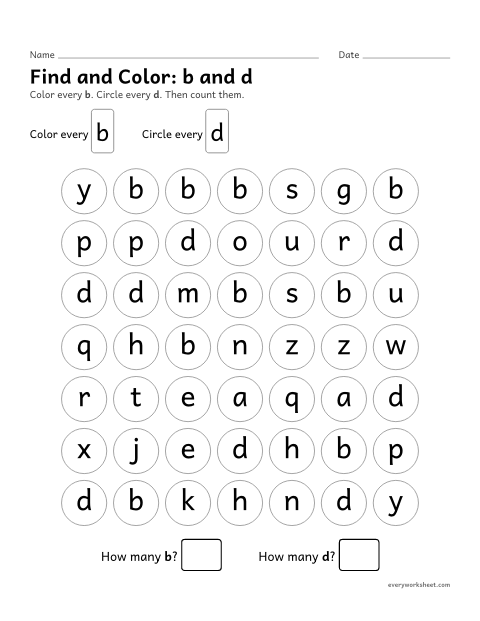
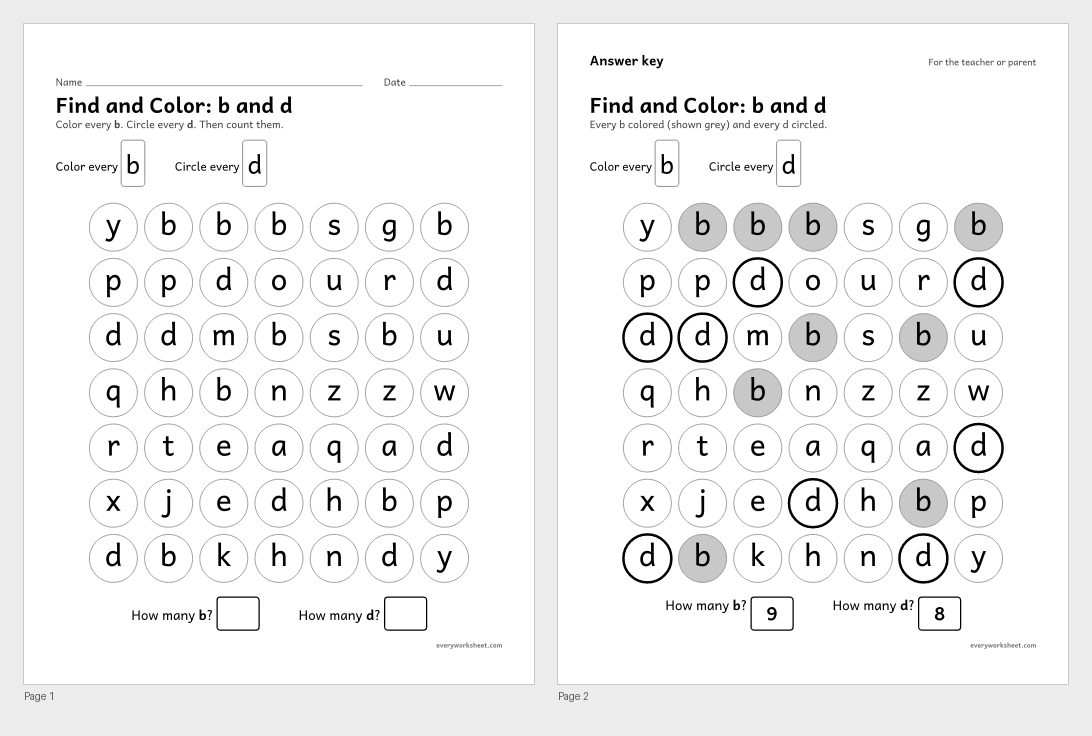
Find and Color: b and d
Telling look-alike letters b and d apart
Answer key on page 2
2 pages52 KB
Find and color look-alike letters, match uppercase and lowercase, put letters in ABC order and sort letters, with answer keys on page 2.
View all 2 pagesTelling look-alike letters b and d apart
Answer key on page 2
2 pages52 KB
 View all 2 pages
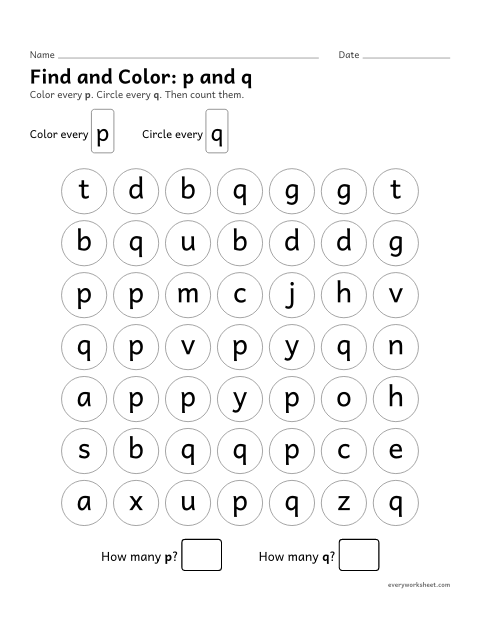
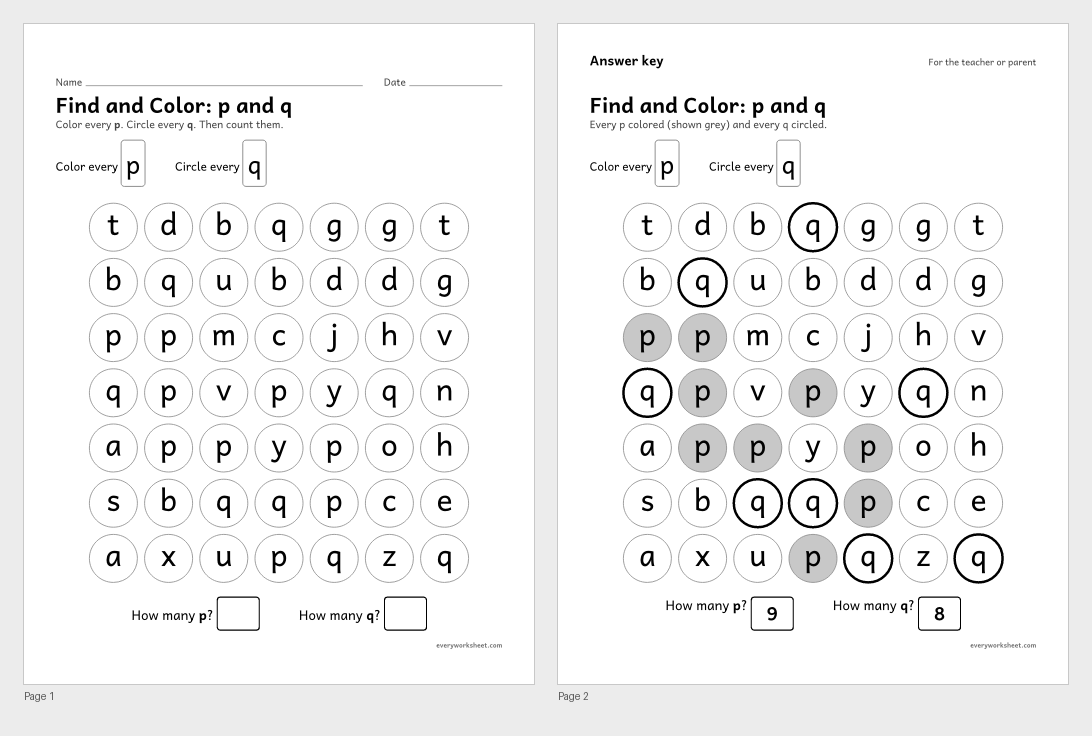
Telling look-alike letters p and q apart
Answer key on page 2
2 pages52 KB
 View all 2 pages
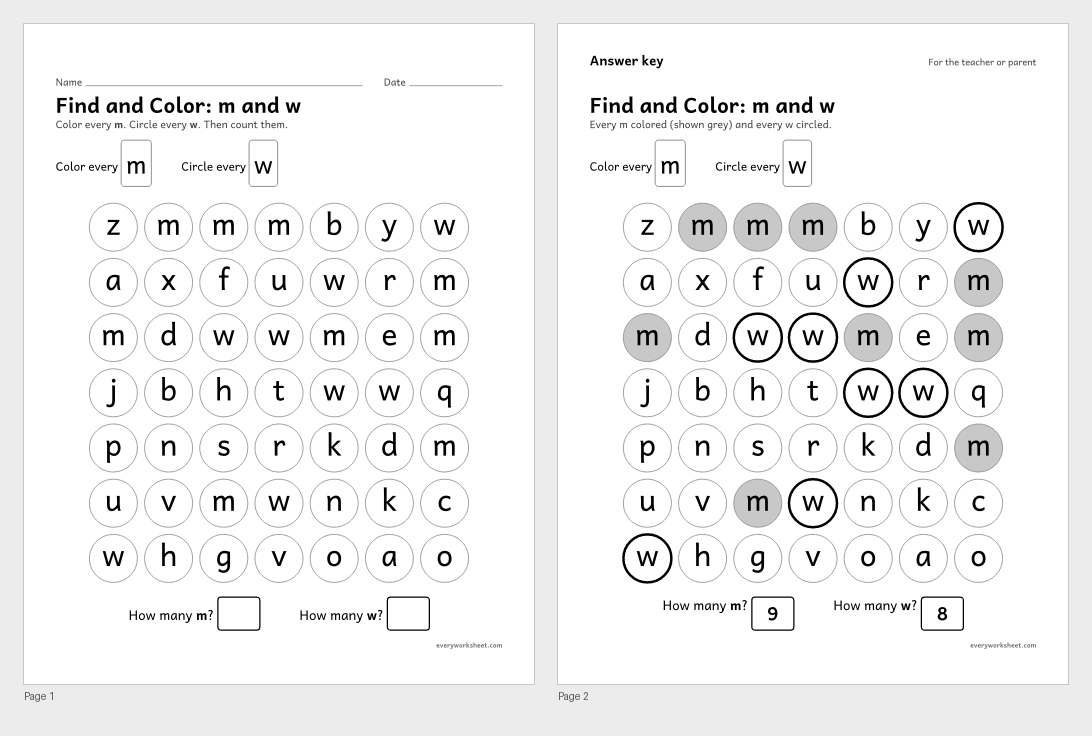
Telling look-alike letters m and w apart
Answer key on page 2
2 pages52 KB
 View all 2 pages
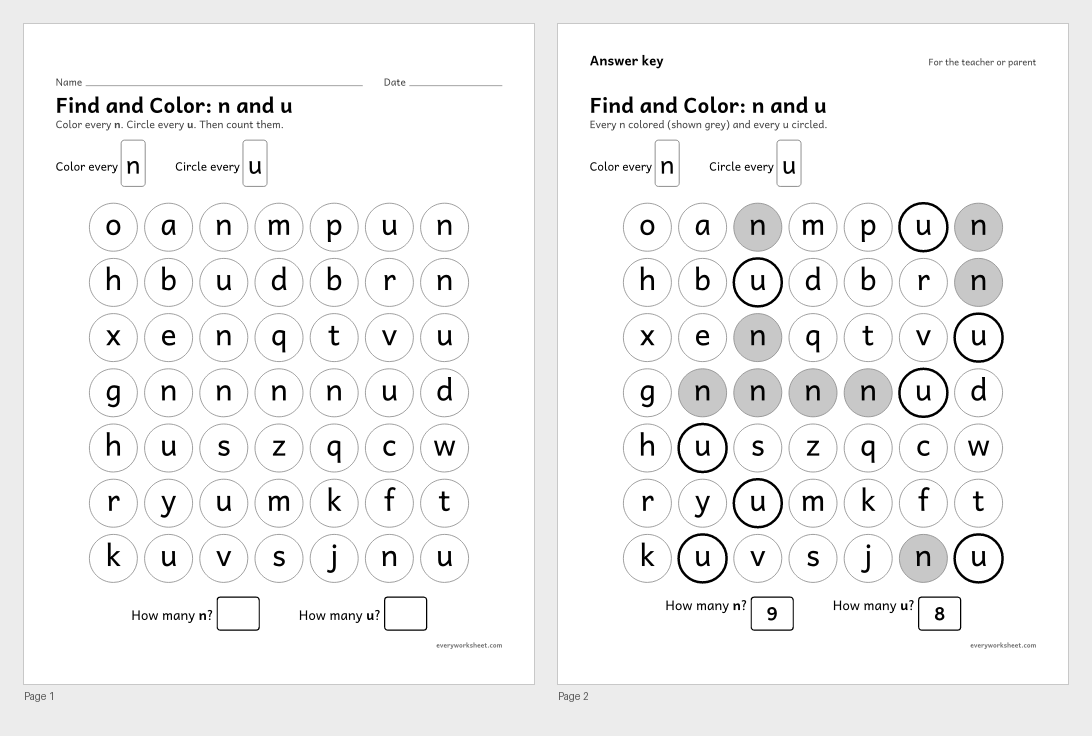
Telling look-alike letters n and u apart
Answer key on page 2
2 pages52 KB
 View all 2 pages
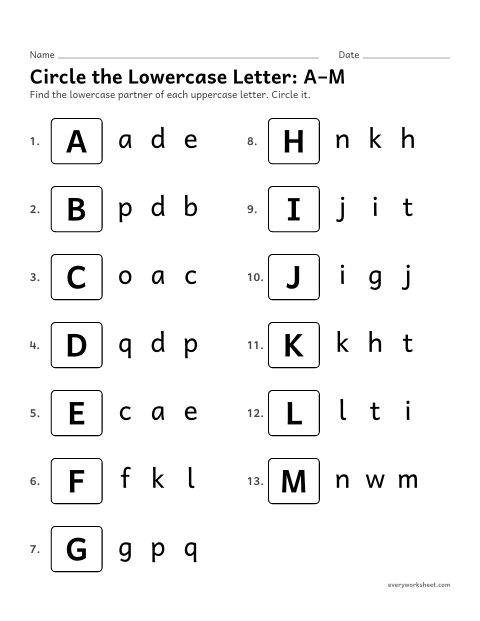
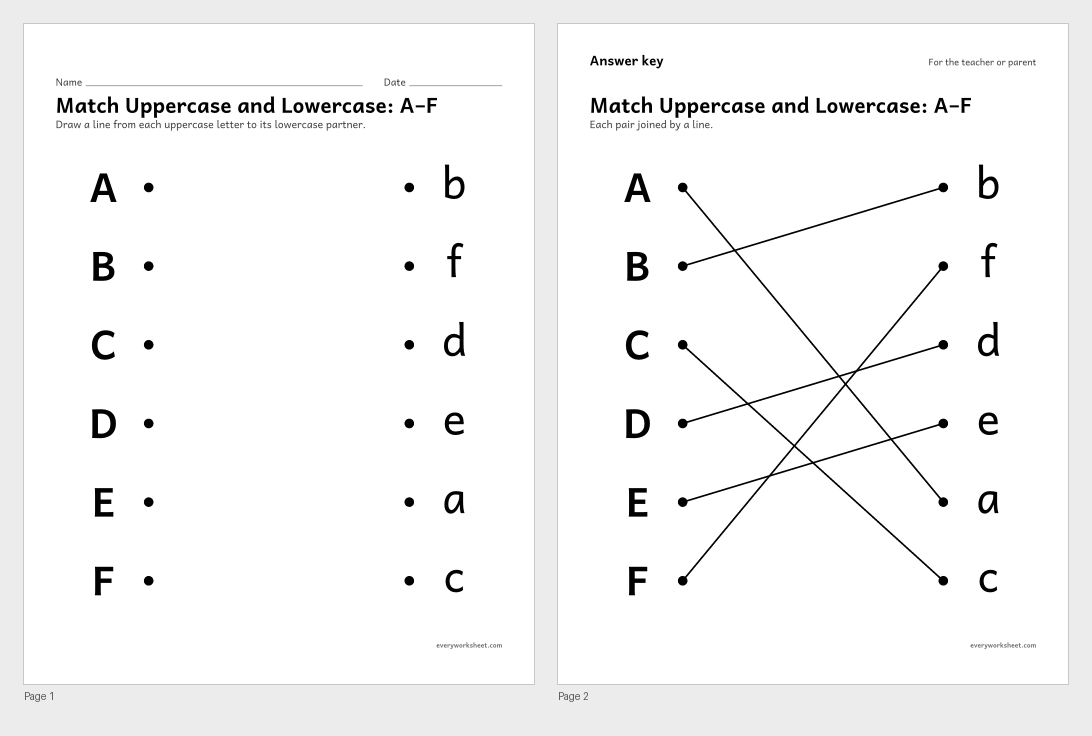
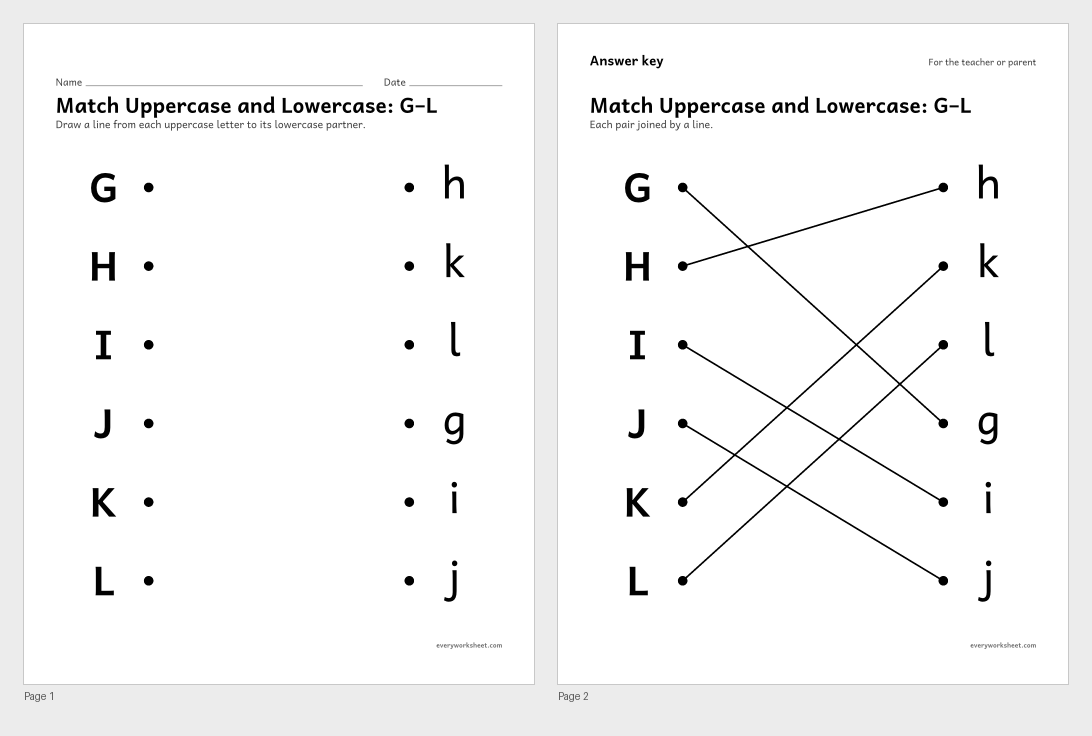
Matching uppercase and lowercase letters
Answer key on page 2
2 pages28 KB
 View all 2 pages
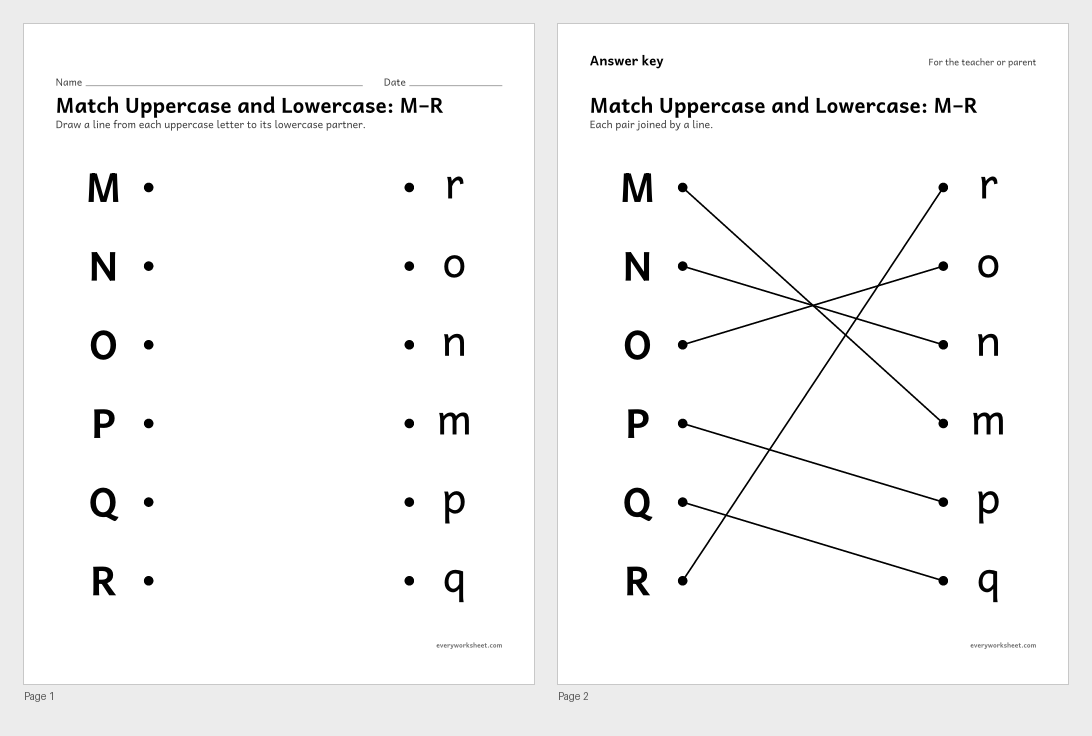
Matching uppercase and lowercase letters
Answer key on page 2
2 pages28 KB
 View all 2 pages
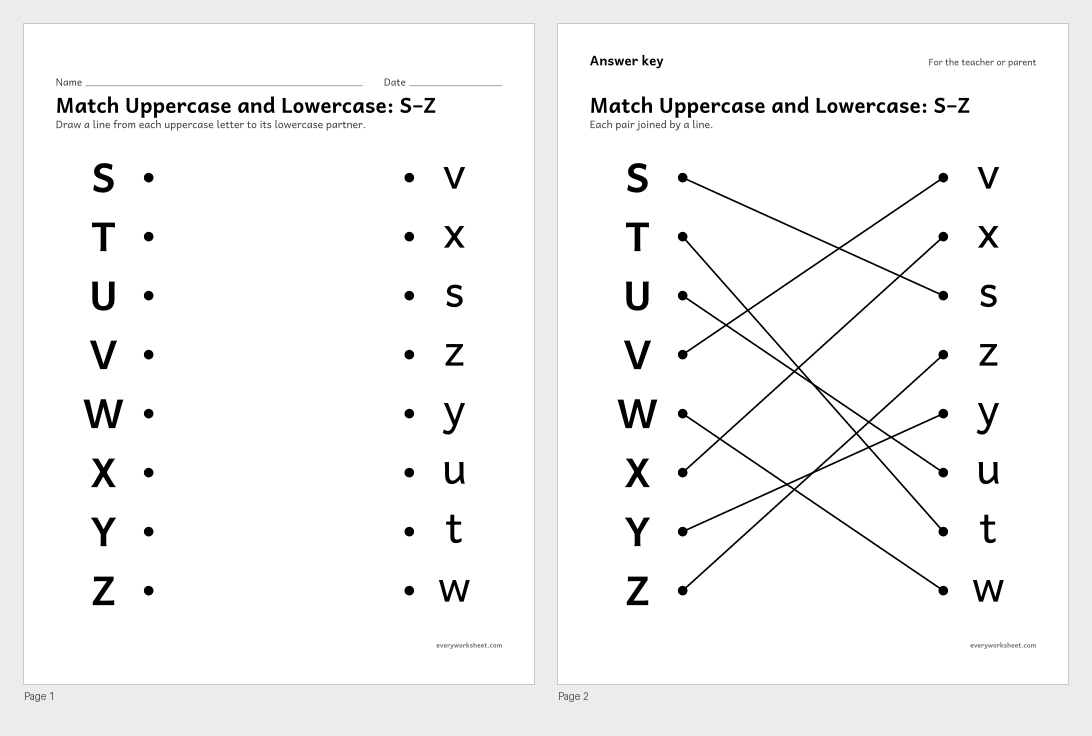
Matching uppercase and lowercase letters
Answer key on page 2
2 pages28 KB
 View all 2 pages
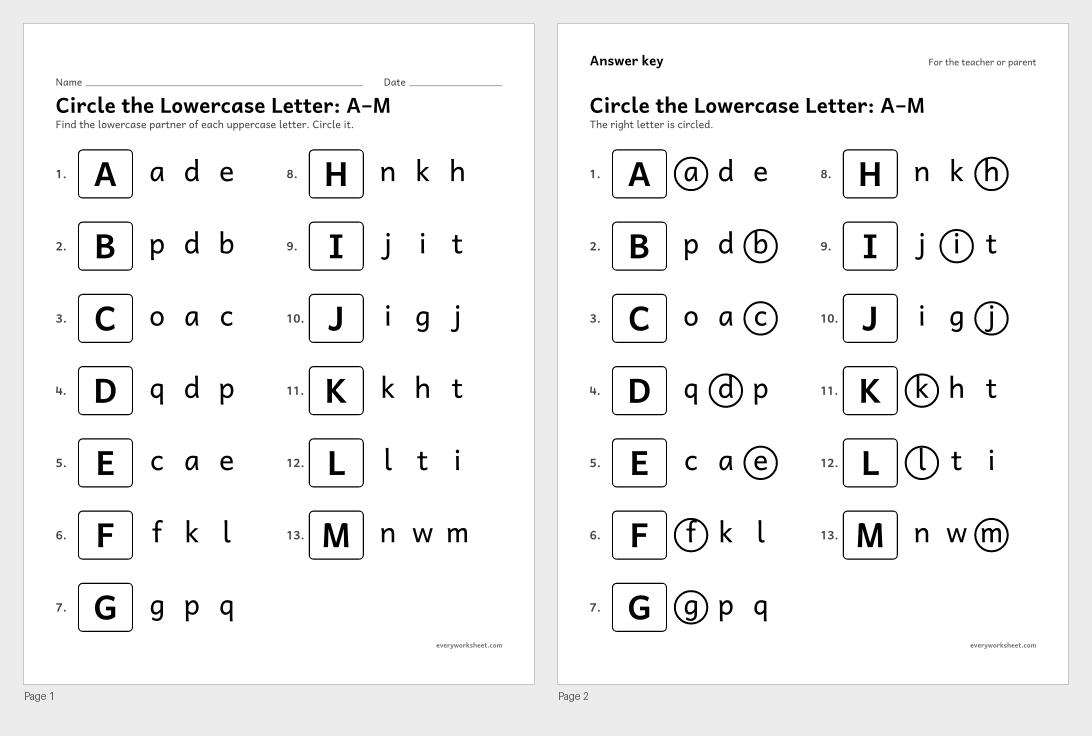
Matching uppercase and lowercase letters
Answer key on page 2
2 pages29 KB
 View all 2 pages
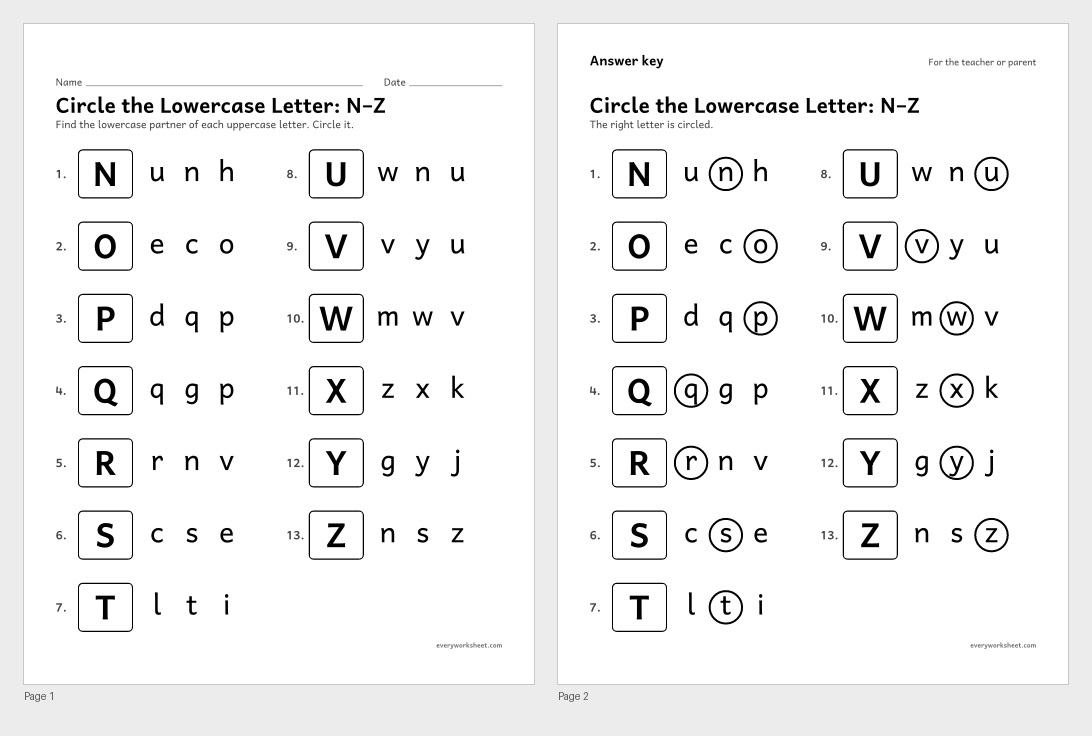
Matching uppercase letters to lowercase letters
Answer key on page 2
2 pages54 KB
 View all 2 pages
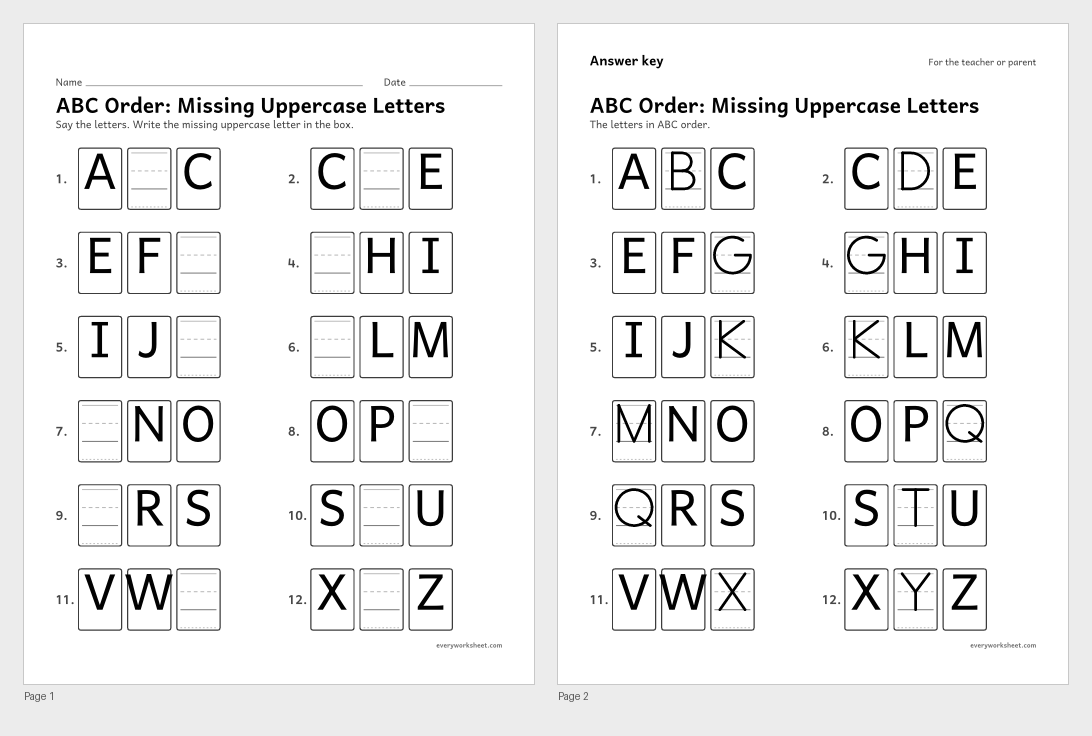
Matching uppercase letters to lowercase letters
Answer key on page 2
2 pages55 KB
 View all 2 pages
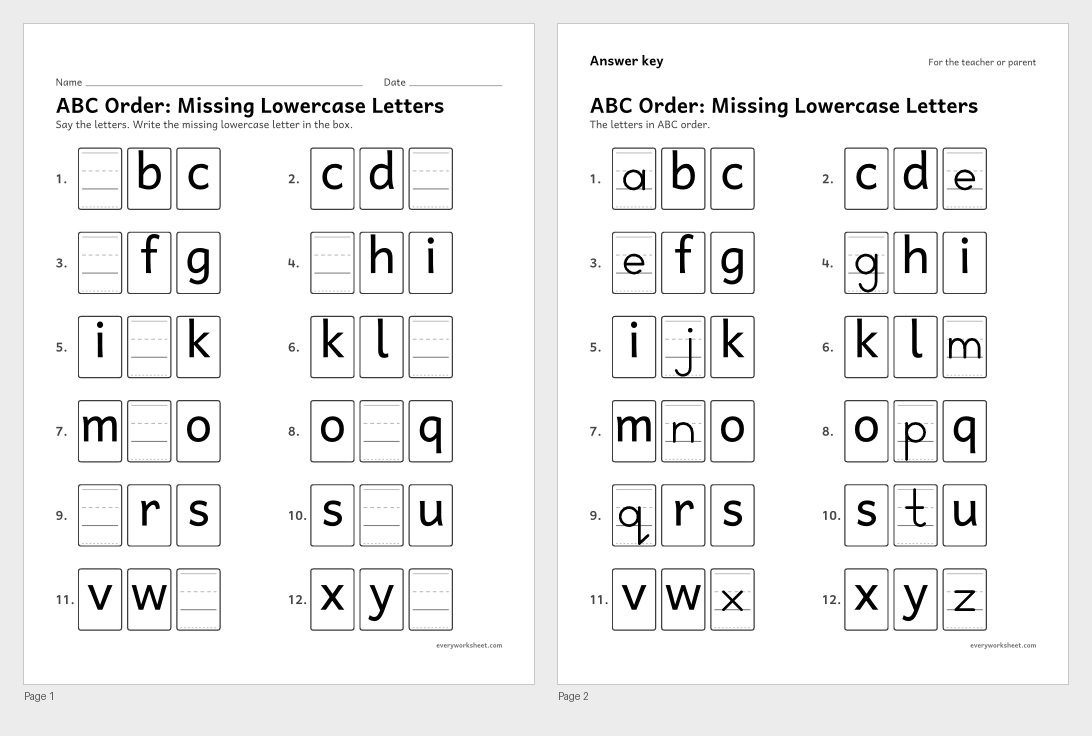
Knowing which letter comes before, between and after
Answer key on page 2
2 pages48 KB
 View all 2 pages
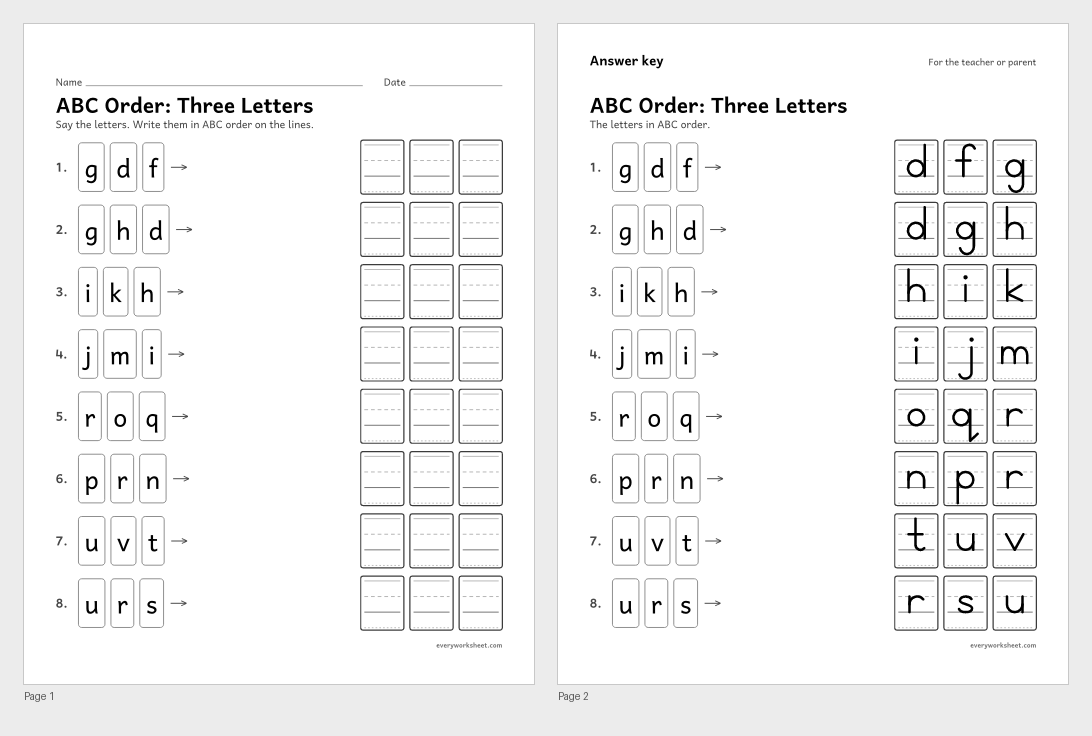
Knowing which letter comes before, between and after
Answer key on page 2
2 pages48 KB
 View all 2 pages
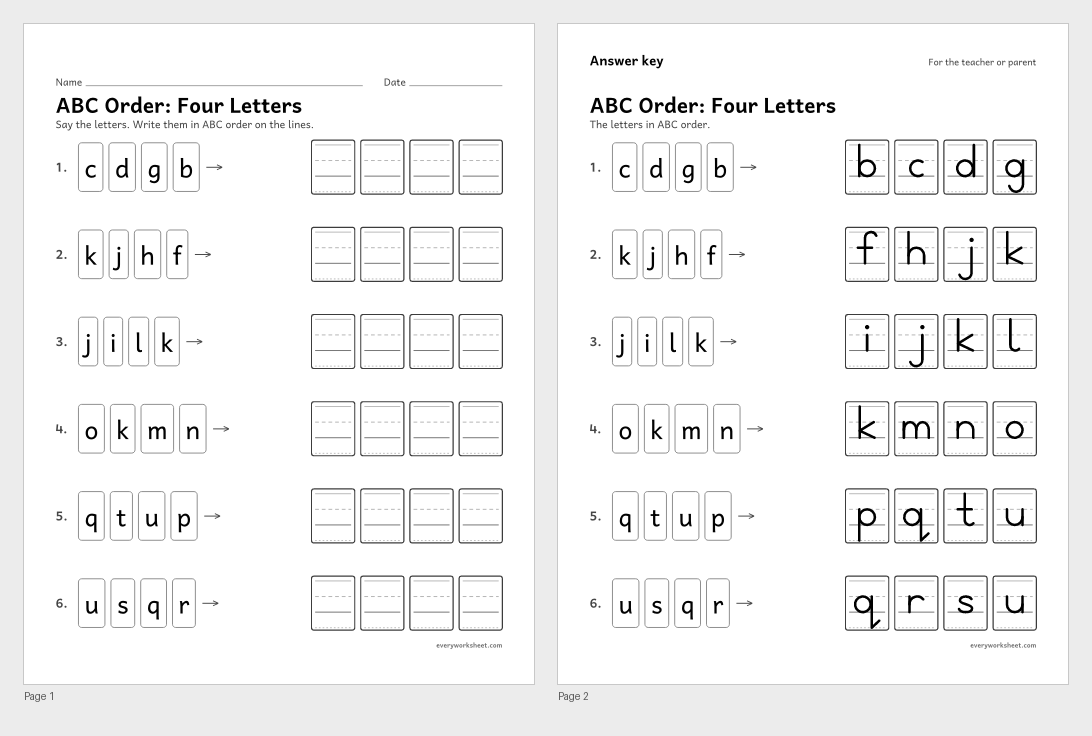
Putting letters in ABC order
Answer key on page 2
2 pages47 KB
 View all 2 pages
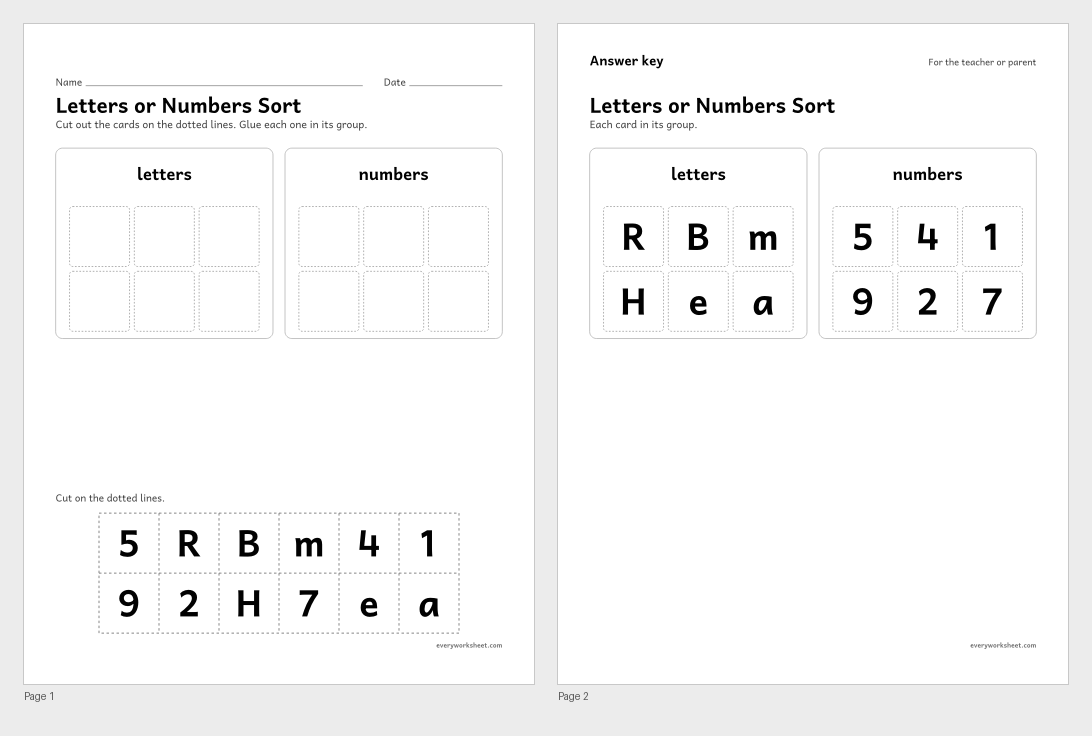
Putting letters in ABC order
Answer key on page 2
2 pages44 KB
 View all 2 pages
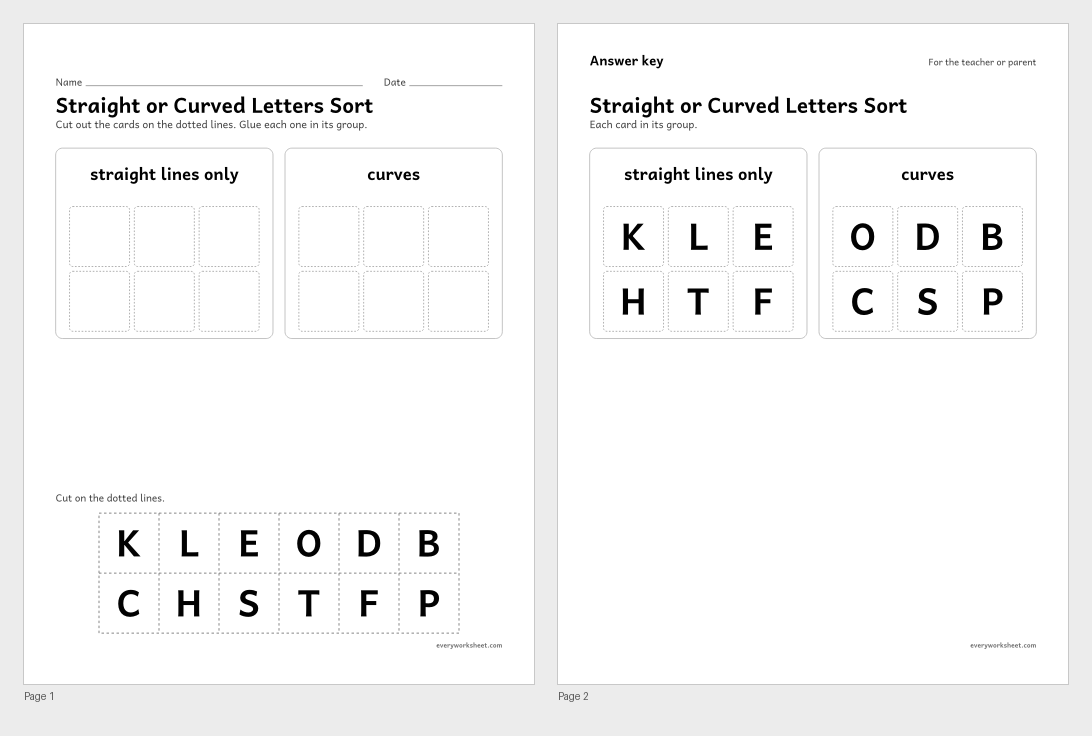
Telling letters apart from numbers
Answer key on page 2
2 pages32 KB
 View all 2 pages
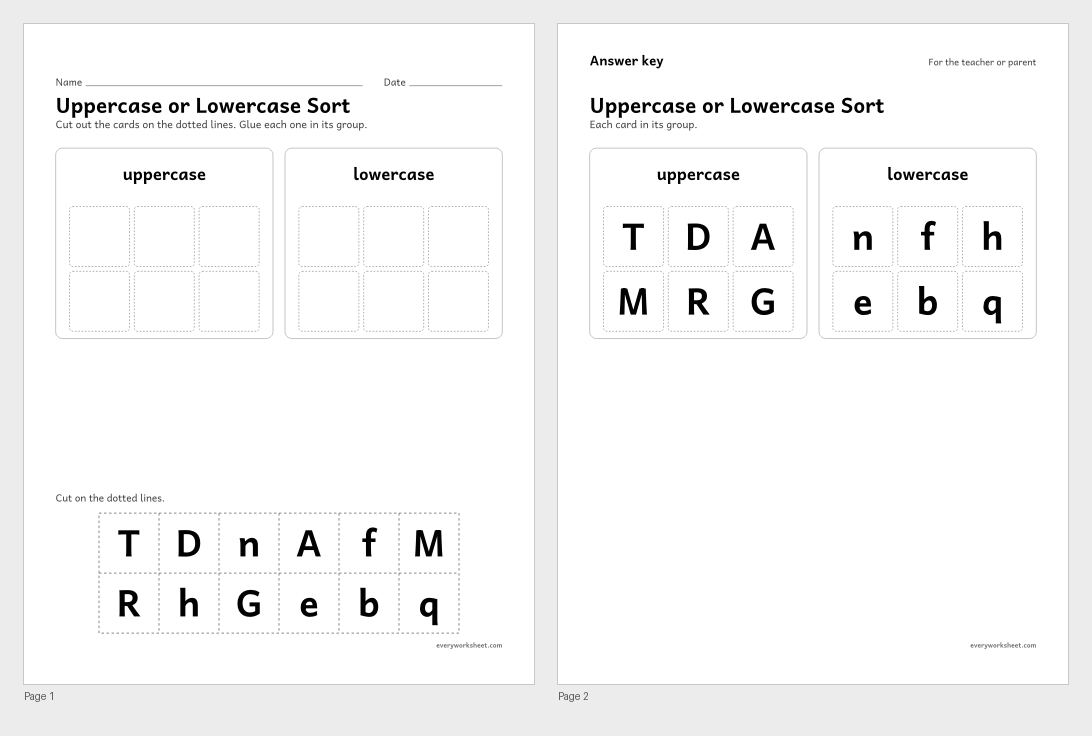
Sorting uppercase letters by straight and curved lines
Answer key on page 2
2 pages33 KB
 View all 2 pages
Sorting uppercase and lowercase letters
Answer key on page 2
2 pages33 KB
Print at 100% (actual size) for the cleanest tracing lines.
Letter recognition means knowing every letter on sight, in uppercase and lowercase, and being able to name it. It sounds simple, but a, d, b, p and q look a lot alike to a five-year-old, and matching a capital G to a small g takes practice.
These letter recognition worksheets build that skill in small, clear steps. The find-and-color pages put two look-alike letters in one grid (b and d, p and q, m and w, n and u): color one, circle the other, then count each. The alphabet matching pages join uppercase letters to their lowercase partners with a line, and the circle pages ask children to pick the right lowercase letter from three that look alike.
The ABC order pages ask children to fill in the missing letter in a run like c _ e, then to put three or four letters in order. Three cut-and-sort pages finish the set: letters or numbers, straight or curved letters, and uppercase or lowercase. Every page has an answer key on page 2.
CCSS.ELA-LITERACY.RF.K.1.DRecognize and name all upper- and lowercase letters of the alphabet.CCSS.ELA-LITERACY.L.K.1.APrint many upper- and lowercase letters.Letter recognition is knowing each letter of the alphabet by sight and being able to name it, in both uppercase and lowercase. It is one of the strongest early signs of reading readiness.
By the end of kindergarten, children are expected to recognize and name all 26 uppercase and 26 lowercase letters. Many know most capitals at the start of the year and pick up the lowercase letters over the year.
Mixing up b and d, and p and q, is normal at this age. These letters are the same shape turned around. Short, regular practice like the find-and-color pages usually sorts it out.
Children usually sing the alphabet before they can use it. Once they know most letters by sight, often midway through kindergarten, the missing letter pages are a good next step.