Kindergarten Phonics Worksheets
Letter sounds, beginning sounds, rhyming, syllables, short vowels, CVC words, digraphs and blends, with answer keys.
The phonics year, in order
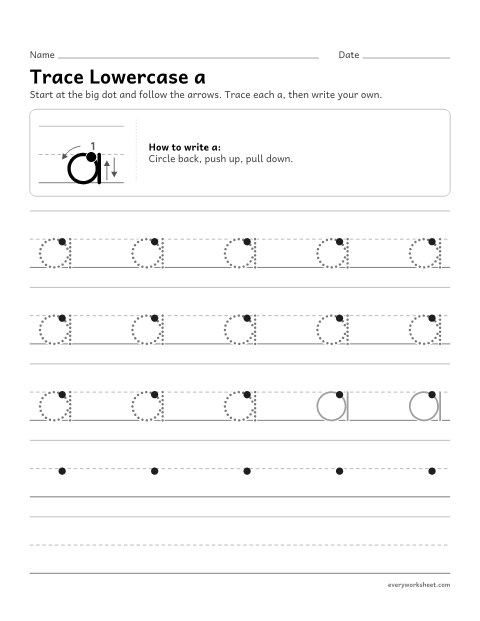
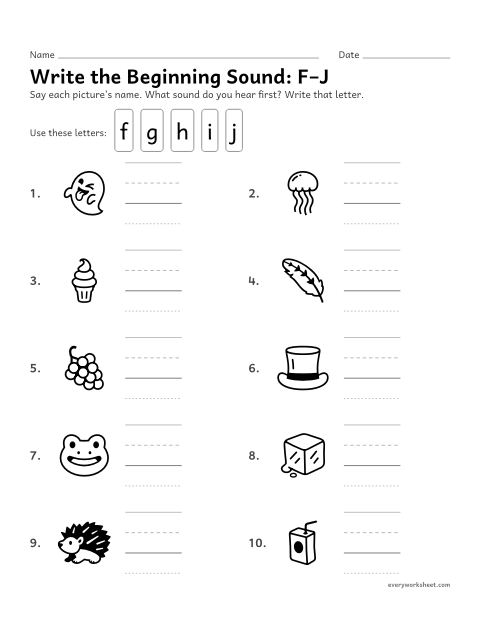
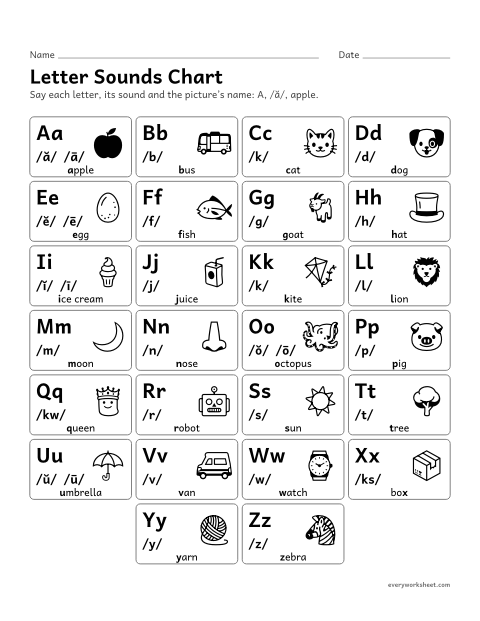
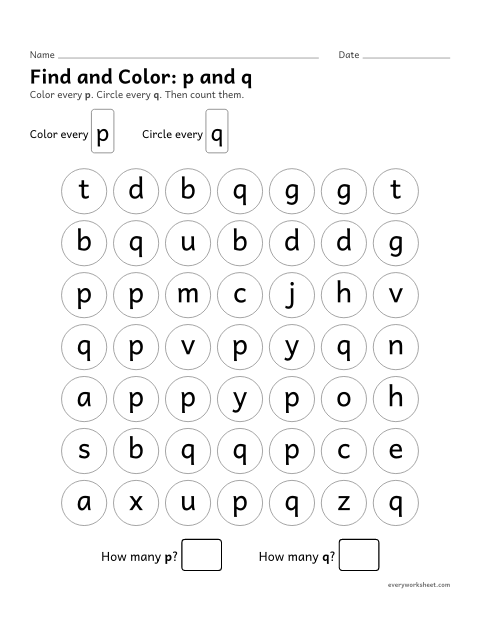
Letters and sounds
73 sheets readyNaming every uppercase and lowercase letter, linking each letter to its sound, and hearing the first sound in a word.
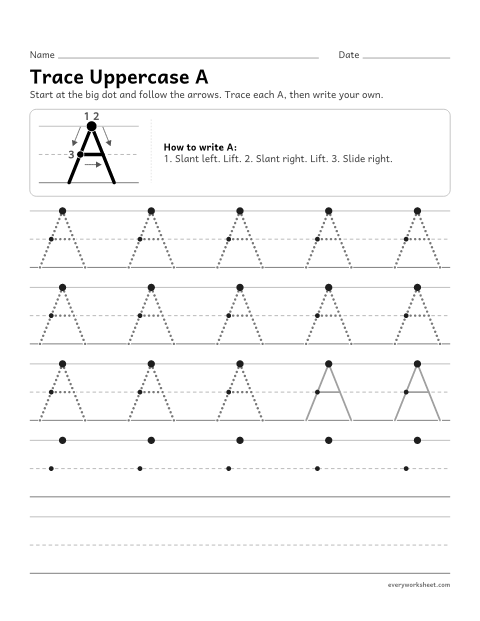
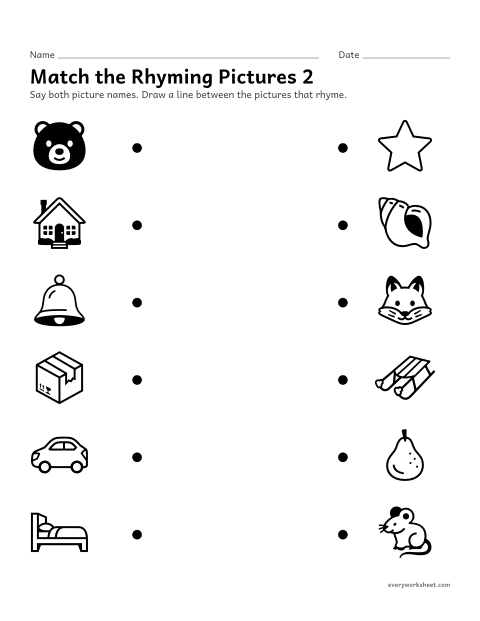
Phonological awareness
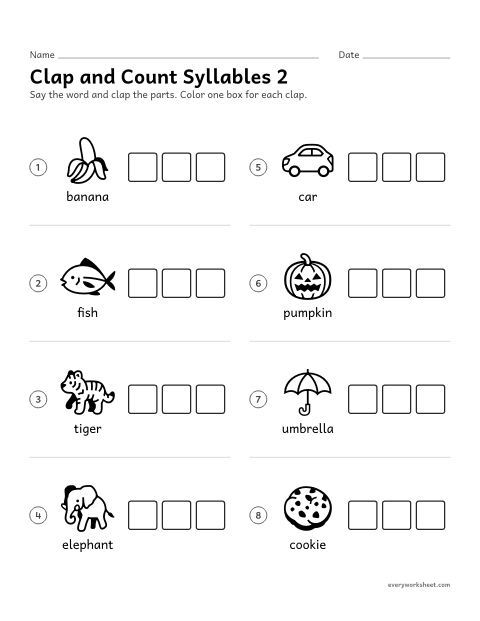
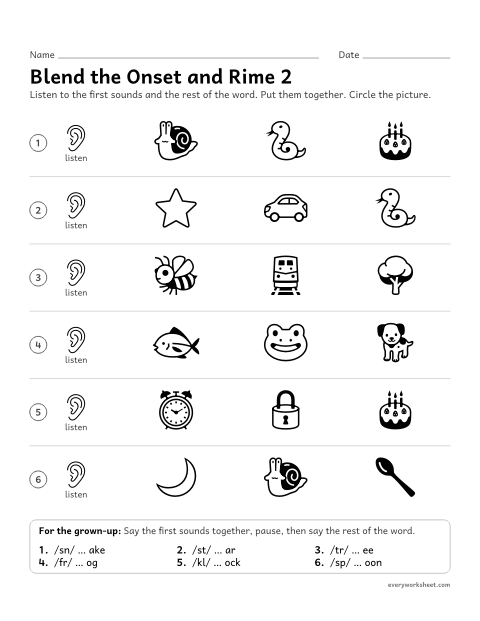
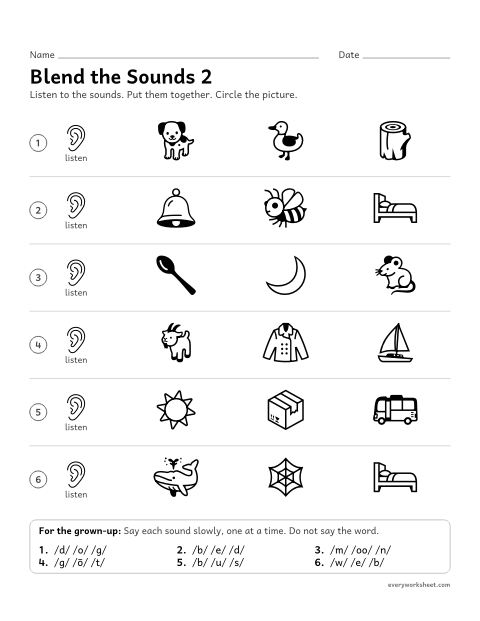
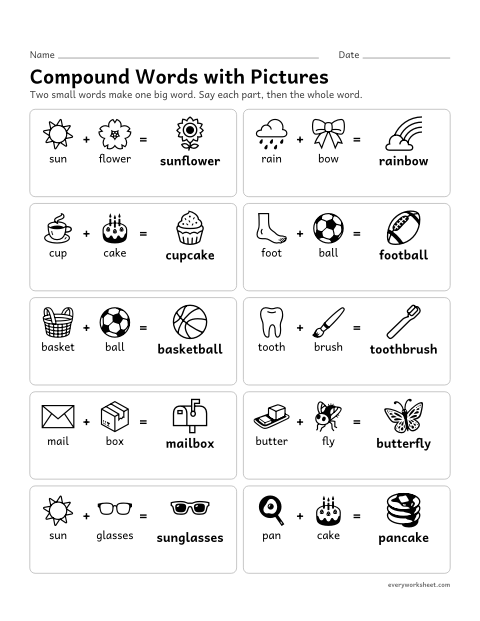
57 sheets readyHearing and playing with the sounds in spoken words: rhymes, syllables, onsets and rimes, and blending and separating single sounds.
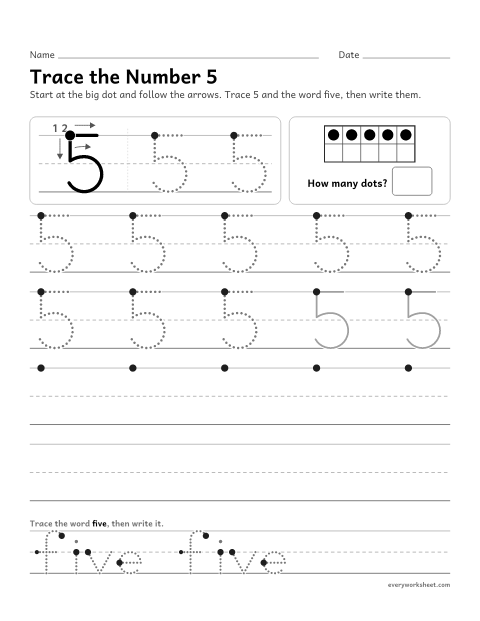
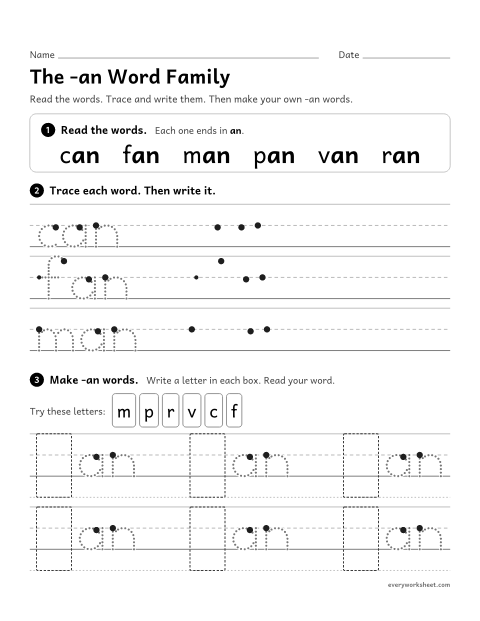
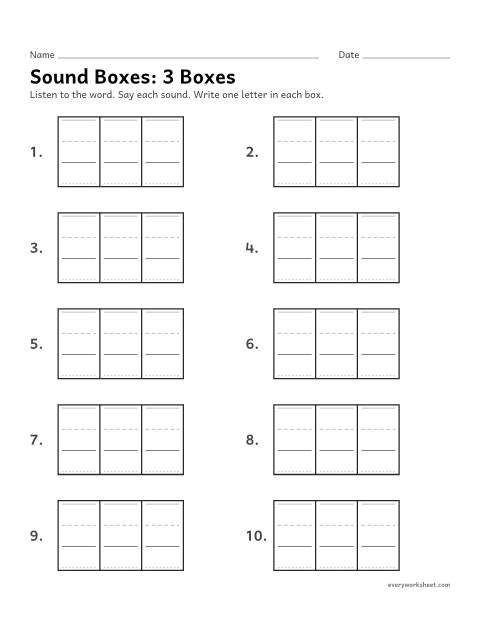
Vowels and CVC words
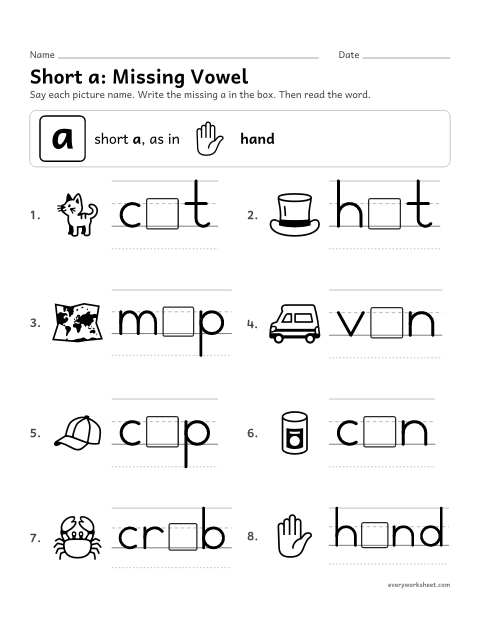
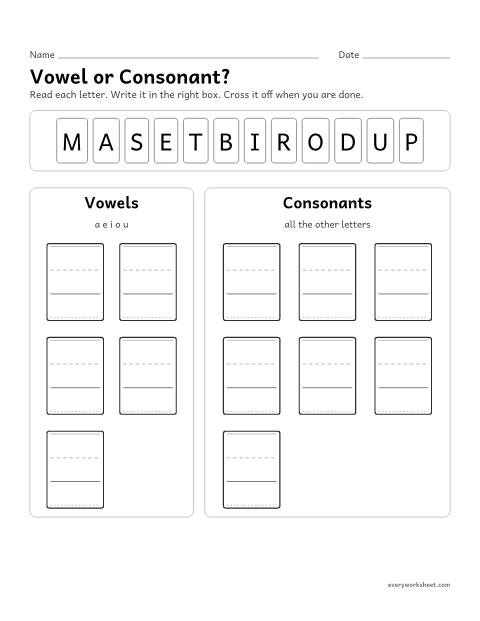
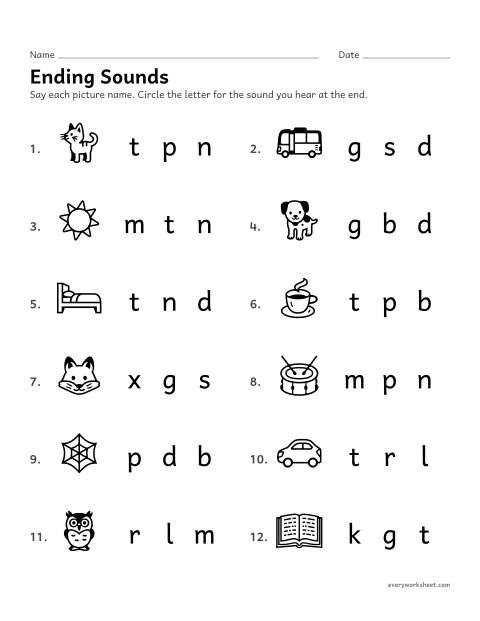
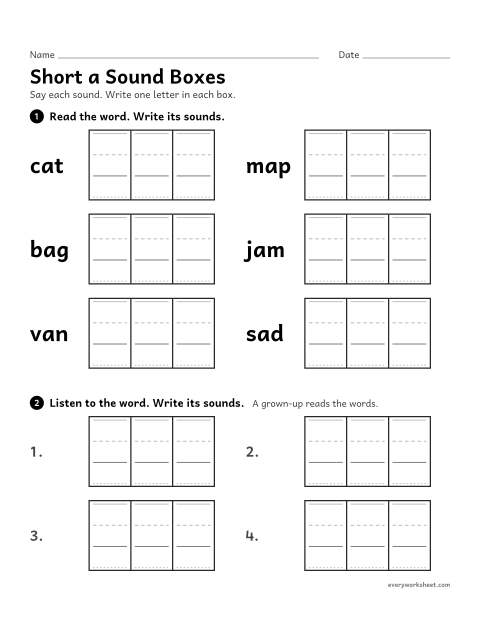
71 sheets readyShort vowel sounds, telling vowels from consonants, hearing the middle and ending sounds, and reading and spelling three-letter words like cat, bed and sun.
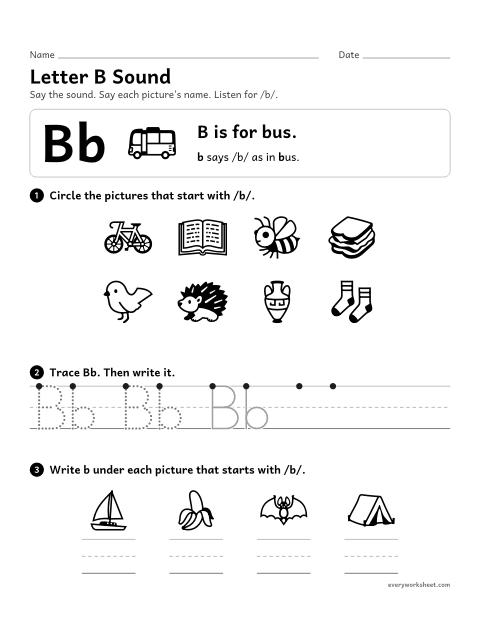
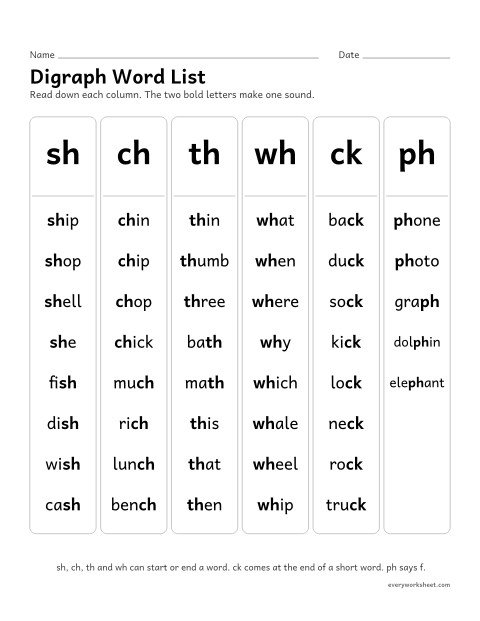
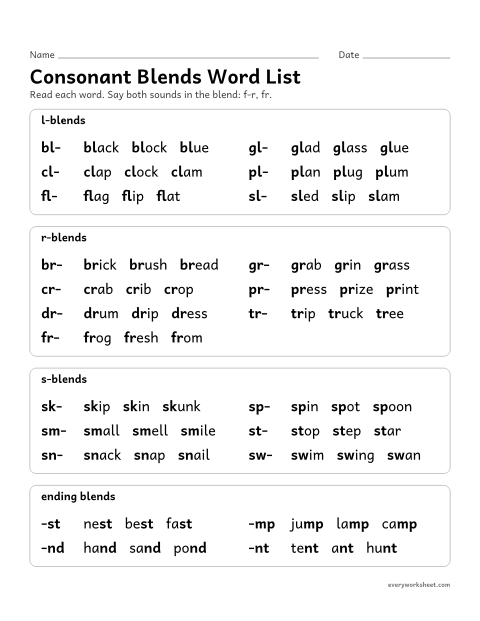
Digraphs and blends
47 sheets readyTwo letters that make one sound (sh, ch, th, wh) and two consonant sounds blended together (st, fr, bl), for children ready to stretch past CVC words.
Sight words
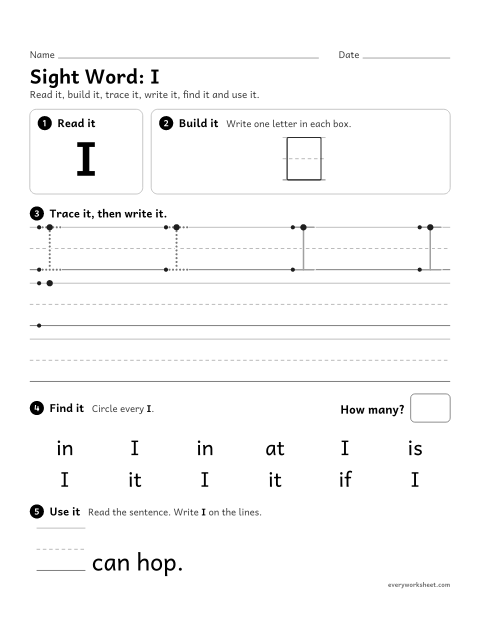
51 sheets readyCommon words children learn to read and write on sight, such as the, and, is and you.
About kindergarten phonics
Phonics is how children learn that letters stand for sounds, and that those sounds blend into words. In kindergarten that starts with two things: hearing the sounds in spoken words (rhymes, syllables, the first sound in sun) and linking each letter to its sound. By spring, most children can sound out and spell short words like cat, pig and sun.
These kindergarten phonics worksheets follow that path. Start with letter sounds and beginning sounds, using the ABC chart as a reference. Add rhyming, syllables and other sound play at the same time, because hearing sounds and matching them to letters grow together. Then move to short vowels and CVC words, and finish with digraphs like sh, ch and th and blends like st and fr for children who are ready.
Every page is black and white with simple pictures a five-year-old names the same way every time, so a child can work without a grown-up guessing what a picture is. Sheets print on US Letter or A4 with half-inch margins, and any page with right answers has an answer key on page 2 that lists the picture names.
Questions
What phonics should a kindergartner know by the end of the year?
Under Common Core, kindergartners name all upper- and lowercase letters, know the main sound for each consonant and the long and short sounds of the five vowels, and hear and say the first, middle and last sounds in words like cat. They also recognize rhymes, count syllables and read common sight words.
Where should we start with phonics?
Start with letter sounds and beginning sounds, with an ABC chart nearby. Practice rhyming and clapping syllables at the same time. Once your child knows most letter sounds, move on to short vowels and blending CVC words.
What is the difference between phonics and phonemic awareness?
Phonemic awareness is hearing and working with sounds in spoken words, with no letters involved, like knowing that cat has three sounds. Phonics links those sounds to letters. Children need both, and they help each other.
How much phonics practice does a kindergartner need?
About ten to fifteen minutes a day is plenty. A short, daily page done out loud, with a grown-up saying the sounds clearly, works better than a long session once a week.
Are digraphs and blends kindergarten skills?
Digraphs (sh, ch, th) and blends (st, fr) are mostly taught in first grade, but many kindergartners are ready for them in the spring. Use those pages once CVC words feel easy.