Kindergarten Math Worksheets
Counting to 100, ten frames, comparing numbers, adding and subtracting within 10, shapes and measurement, with answer keys.
The math year, in order
Counting and cardinality
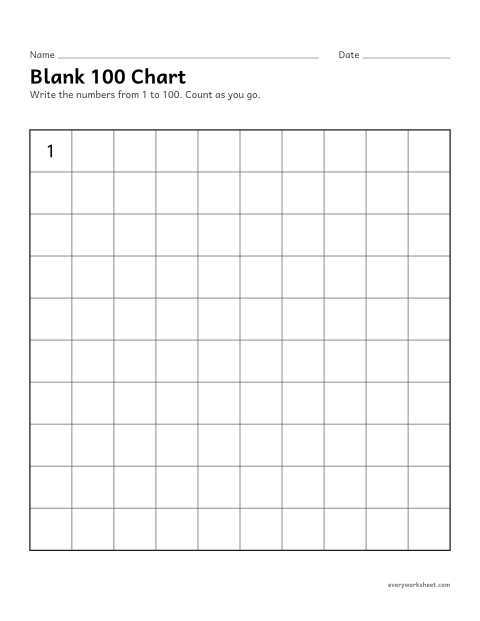
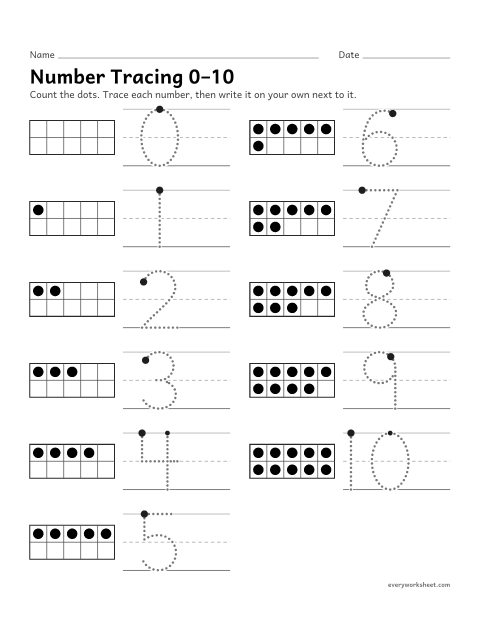
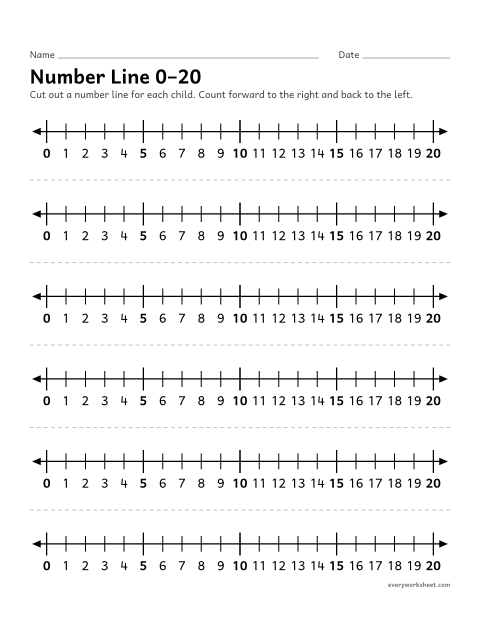
65 sheets readyCounting to 100 by ones and tens, counting groups of up to 20 objects to tell how many, counting on from any number, and writing numbers to 20.
Comparing numbers
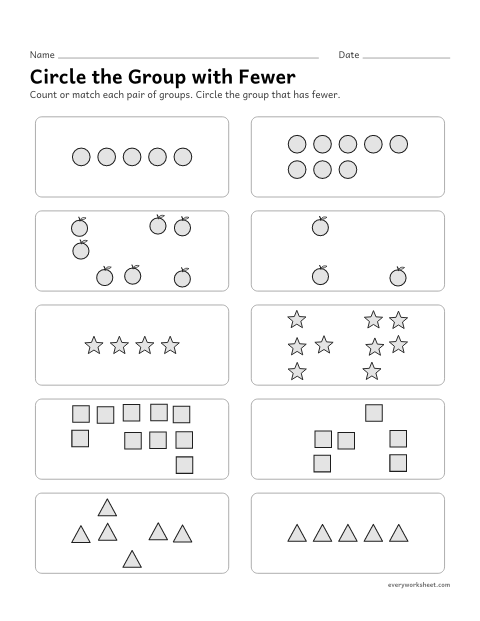
29 sheets readyTelling which group has more, fewer or the same, and comparing two numbers from 1 to 10.
Addition and subtraction
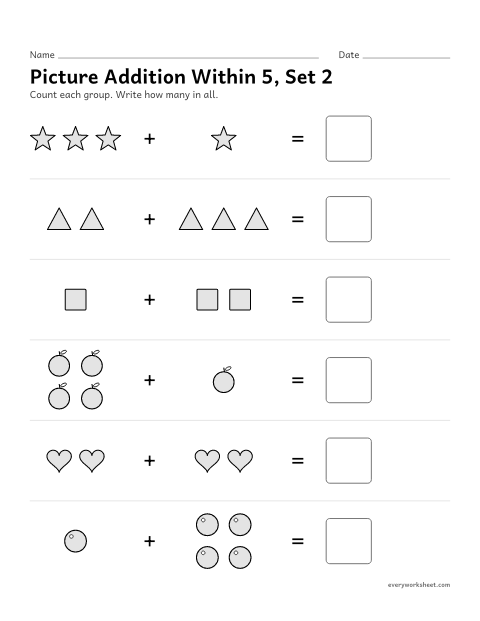
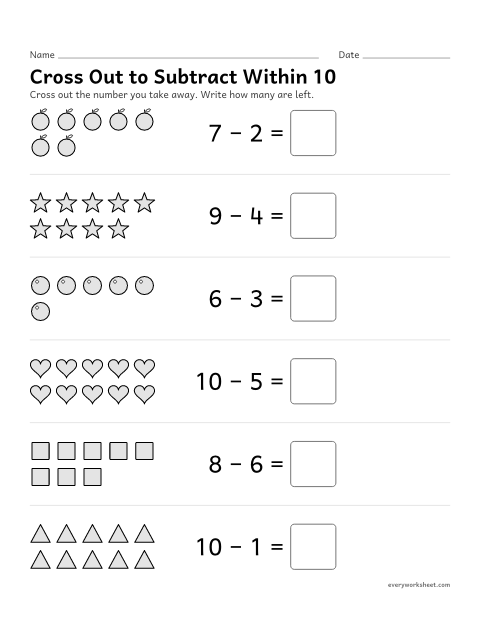
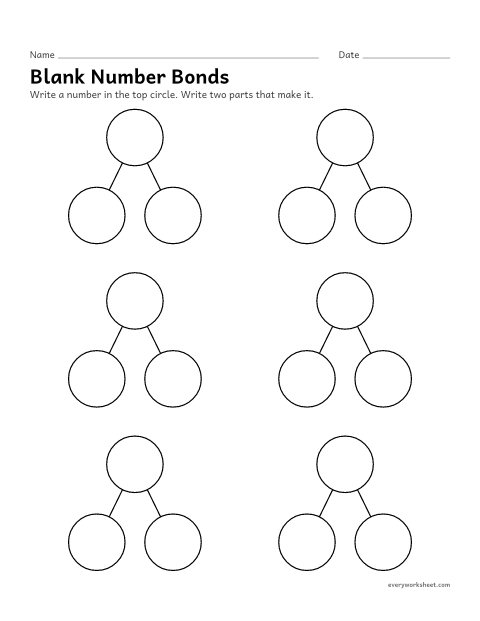
51 sheets readyAdding and subtracting within 10 with pictures, fingers and drawings, solving simple word problems, breaking numbers apart and making 10.
Numbers 11–19
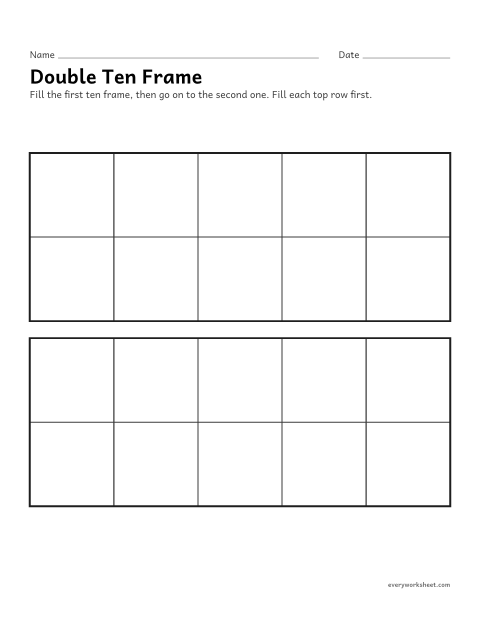
9 sheets readySeeing 11 to 19 as ten ones and some more ones, using two ten frames: 14 is 10 and 4.
Measurement and data
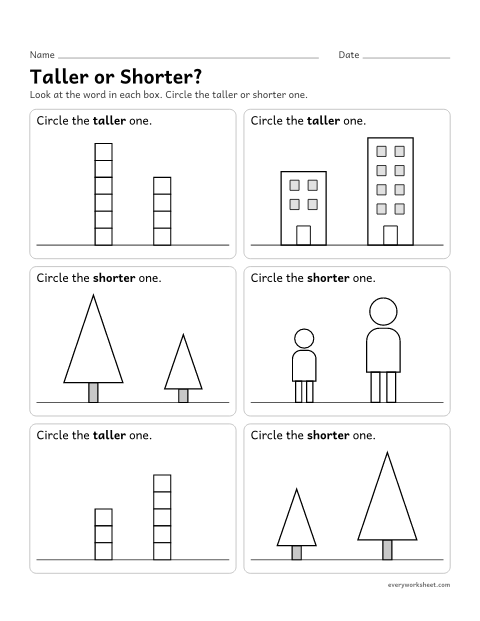
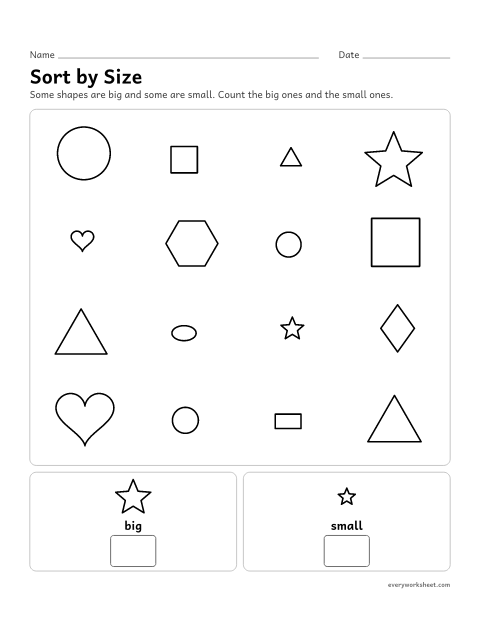
19 sheets readyComparing objects by length, height and weight, and sorting objects into groups, counting each group and showing the counts on a simple graph.
Shapes and patterns
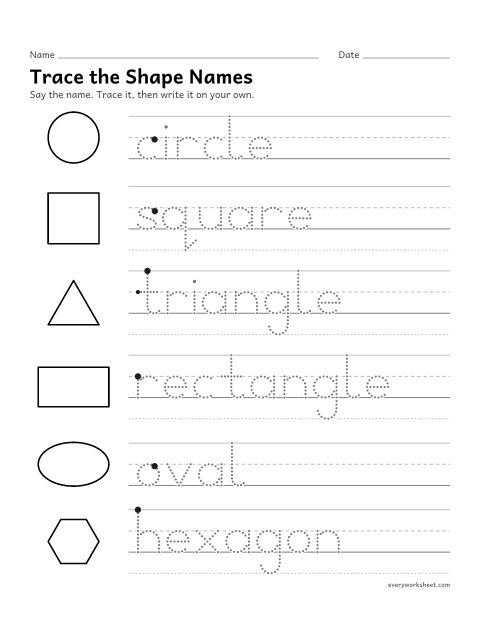
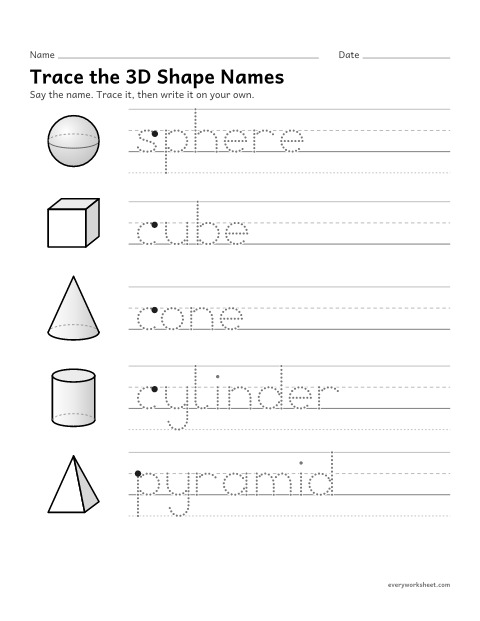
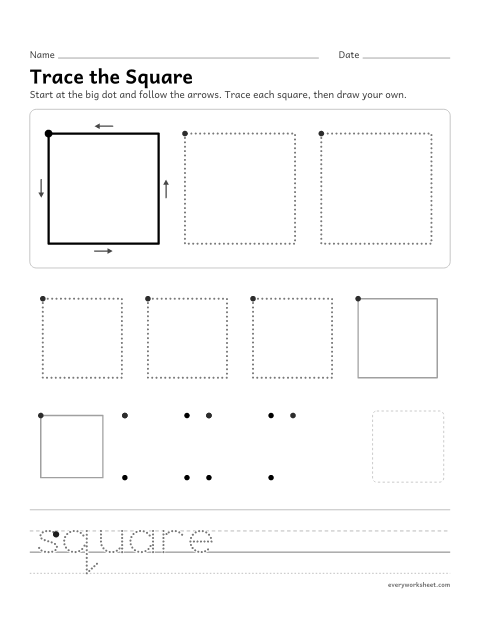
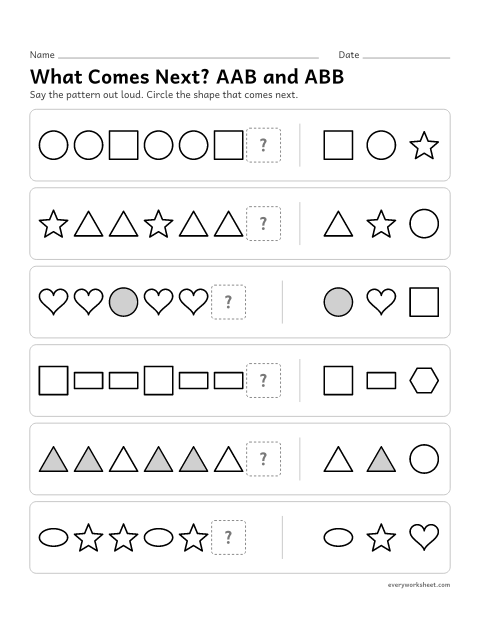
47 sheets readyNaming flat and solid shapes in any size or position, describing where things are, and drawing and building shapes.
About kindergarten math
Kindergarten math is mostly about numbers to 20 and what they mean. Children learn to count to 100, count a group of objects and say how many, write numbers to 20, and tell which of two groups has more. These kindergarten math worksheets follow that path, starting with counting and ten frames and moving on to comparing, adding and subtracting.
By the end of the year, Common Core expects kindergartners to add and subtract within 10, find the number that makes 10, and add and subtract within 5 quickly. They also see the teen numbers as ten and some more, compare lengths and heights, sort objects into groups, and name flat and solid shapes.
Start with counting worksheets and ten frames, use the 100 chart every day, and add the other topics as your child is ready. Every page prints in black and white on US Letter or A4 with half-inch margins, and any sheet with right answers has an answer key on page 2.
Questions
What math should a kindergartner know by the end of the year?
Under Common Core, kindergartners count to 100 by ones and tens, count up to 20 objects, write numbers to 20, compare numbers to 10, add and subtract within 10, and add and subtract within 5 quickly. They also see 11 to 19 as ten and some more, compare and sort objects, and name common flat and solid shapes.
Where should we start?
Start with counting. Counting worksheets, ten frames and the 100 chart build the number sense everything else rests on. Adding and subtracting come easily once a child can count on from any number and sees 7 as 5 and 2 more.
How much math practice does a kindergartner need?
Ten to fifteen minutes a day is plenty. One worksheet done while talking about it, with real objects nearby to count, is better than several done in silence.
Should my child use objects or fingers to count?
Yes. Counters, blocks, buttons and fingers are how kindergartners make sense of numbers. Let your child use them on any worksheet and expect them to need objects less over the year.