 View all 2 pages
CVC Sentences: read and circle (Short a)
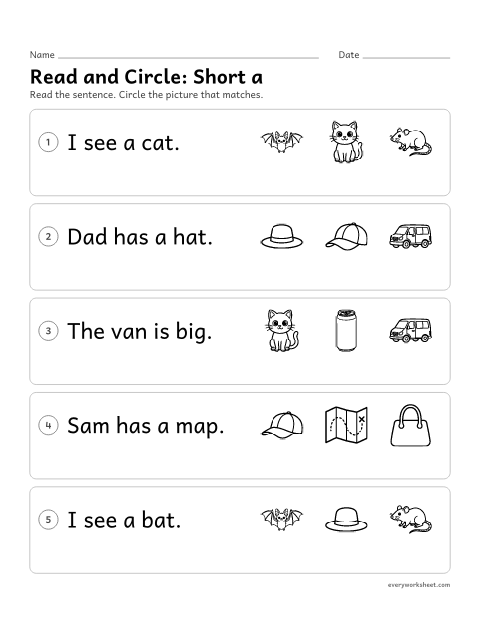
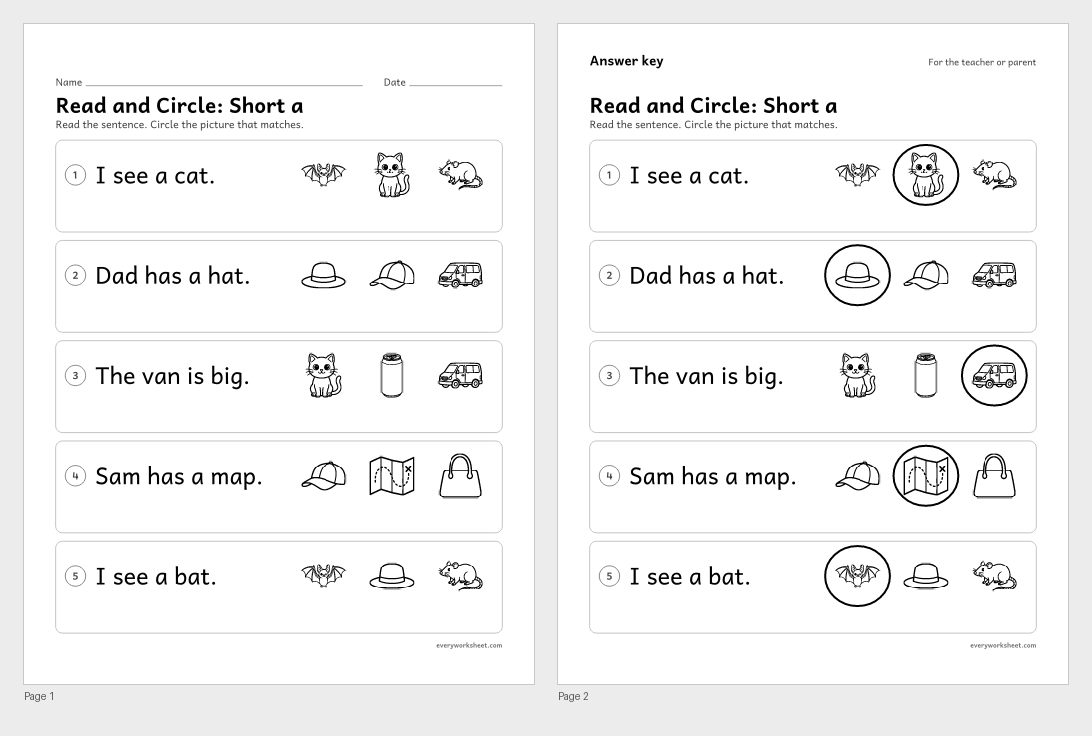
Reading short a sentences and circling the matching picture
Answer key on page 2
2 pages476 KB
Short sentences made of CVC words and sight words: read and circle the matching picture, read and draw, build the sentence, and yes or no.
View all 2 pagesReading short a sentences and circling the matching picture
Answer key on page 2
2 pages476 KB
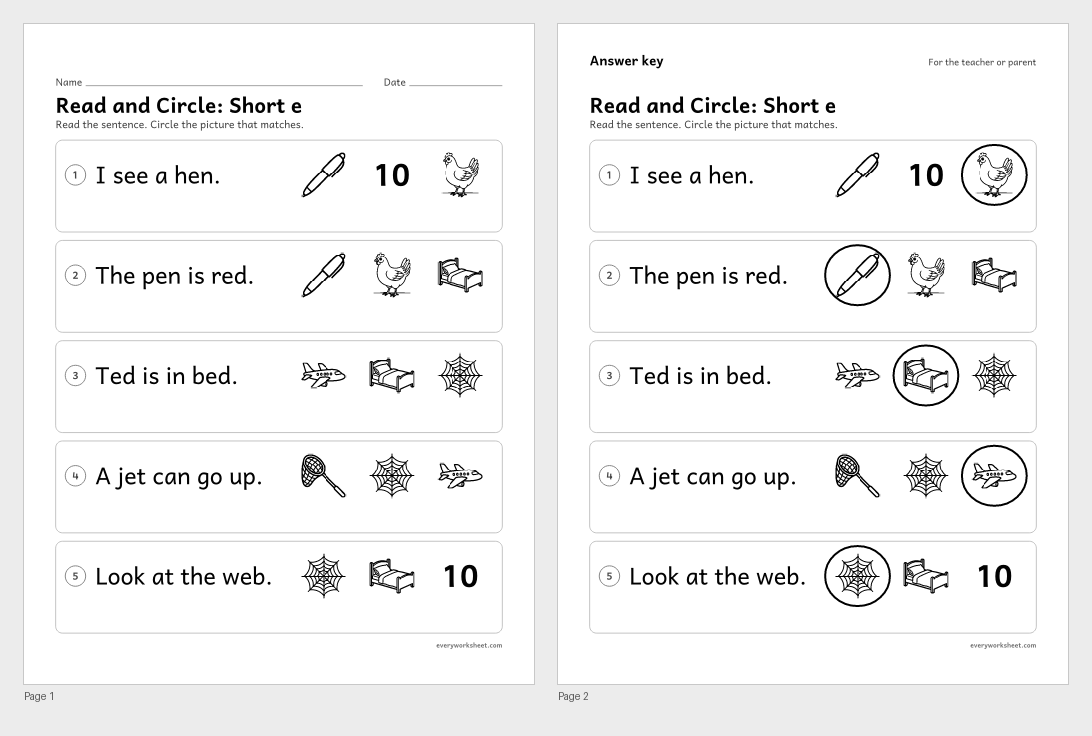 View all 2 pages
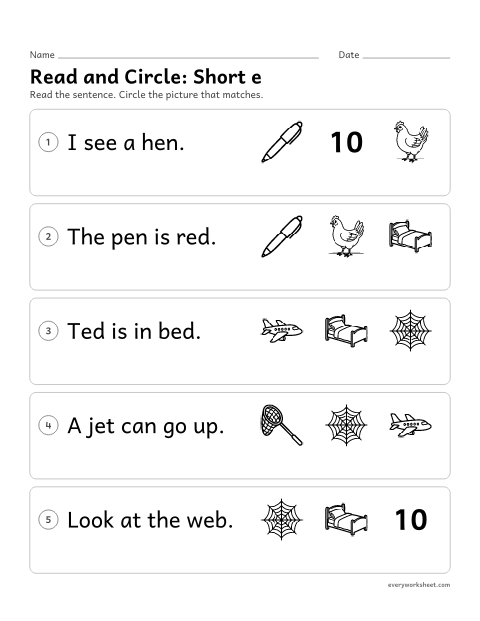
Reading short e sentences and circling the matching picture
Answer key on page 2
2 pages499 KB
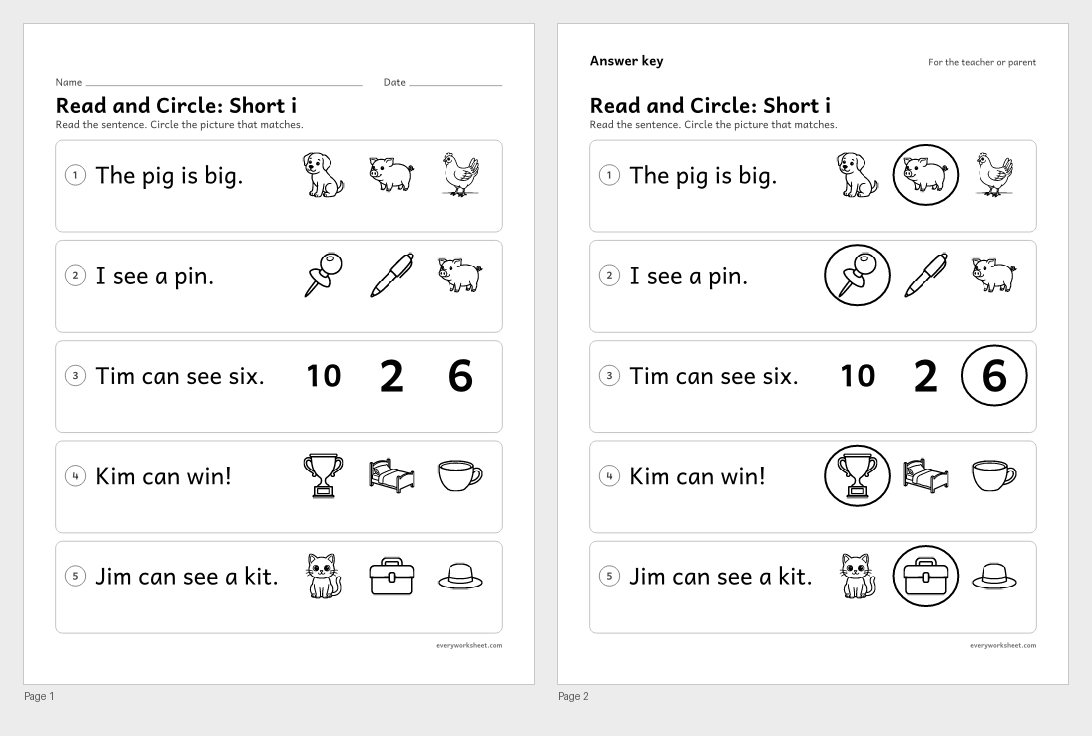 View all 2 pages
Reading short i sentences and circling the matching picture
Answer key on page 2
2 pages380 KB
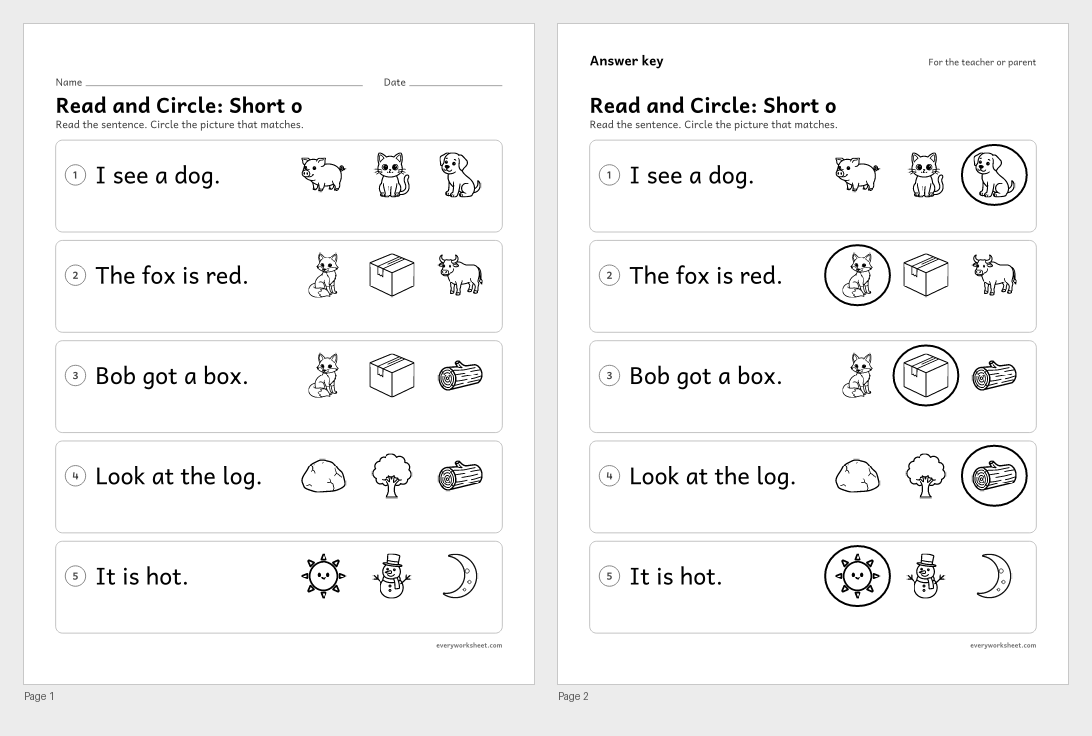 View all 2 pages
Reading short o sentences and circling the matching picture
Answer key on page 2
2 pages511 KB
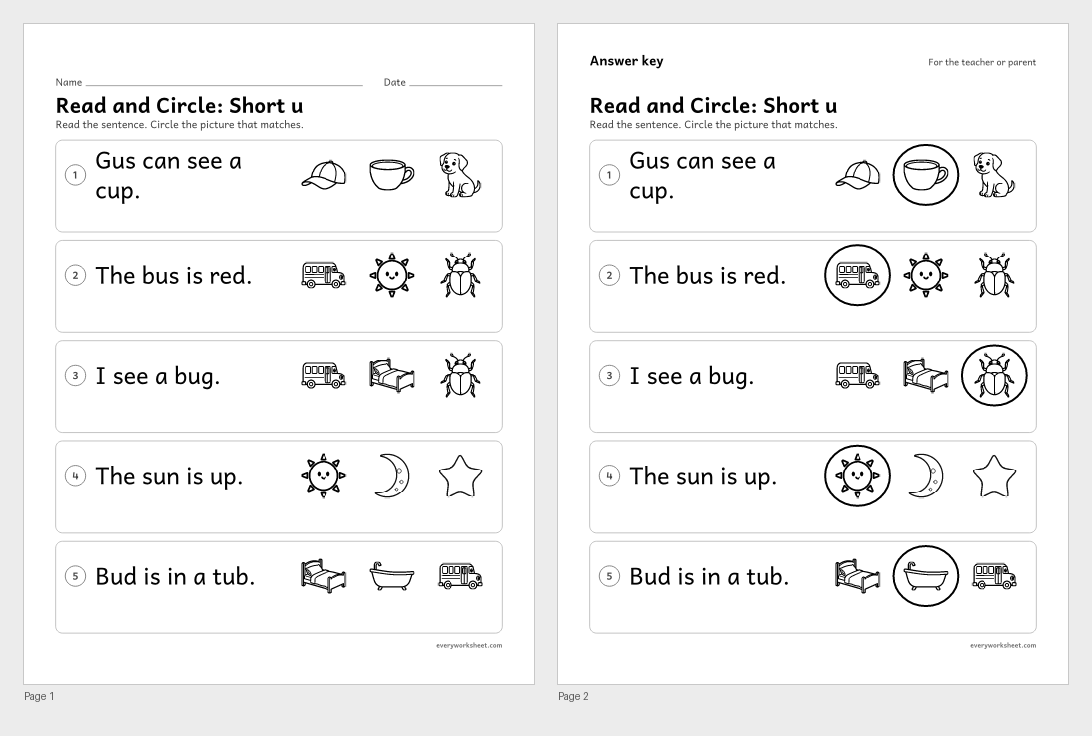 View all 2 pages
Reading short u sentences and circling the matching picture
Answer key on page 2
2 pages373 KB
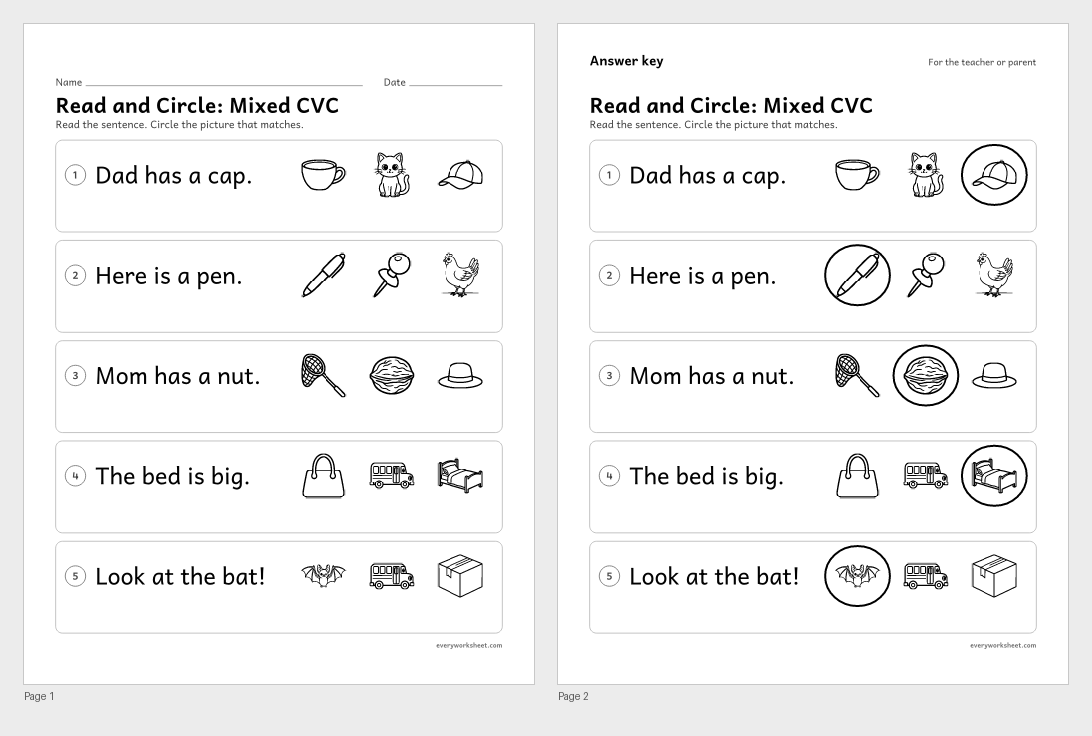 View all 2 pages
Reading mixed cvc sentences and circling the matching picture
Answer key on page 2
2 pages527 KB
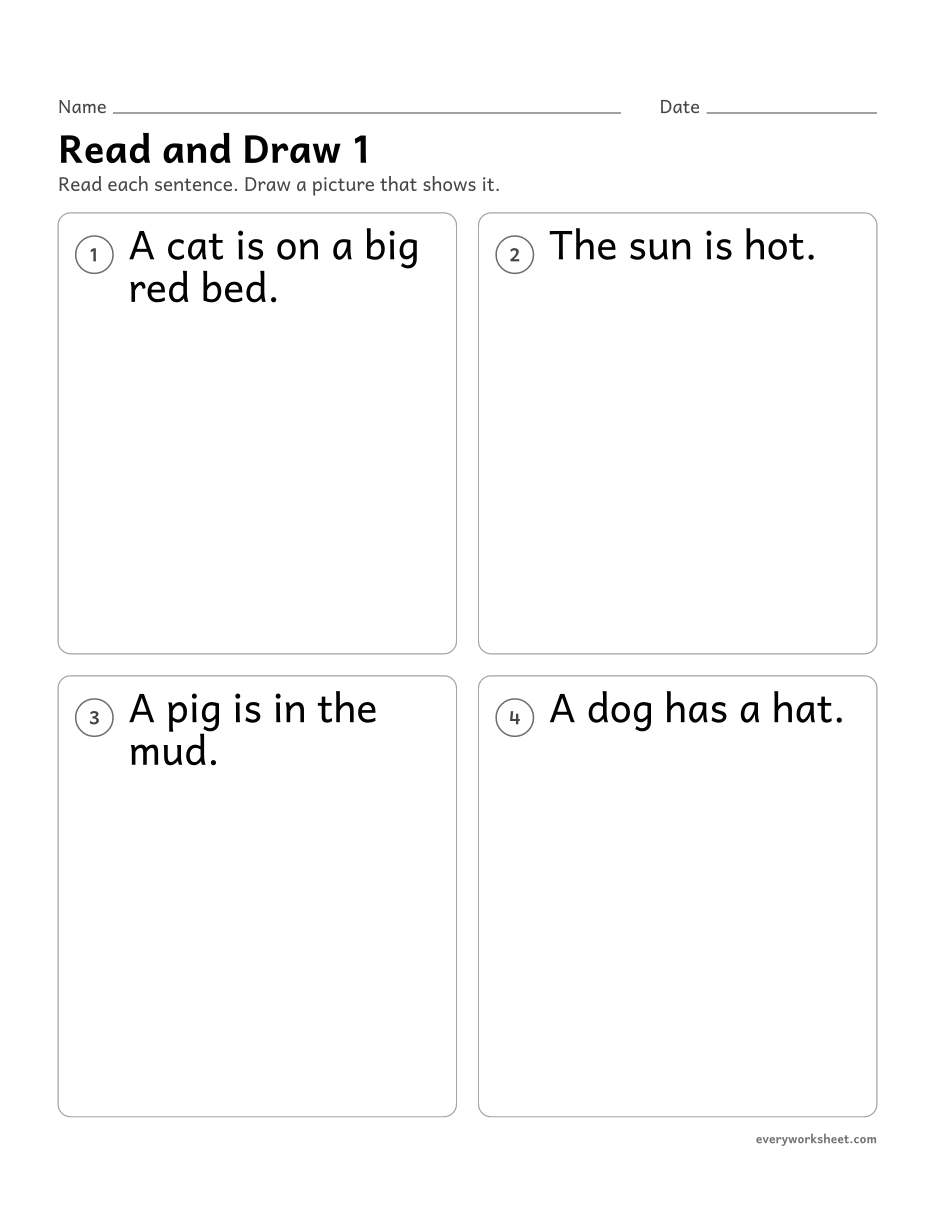 View larger
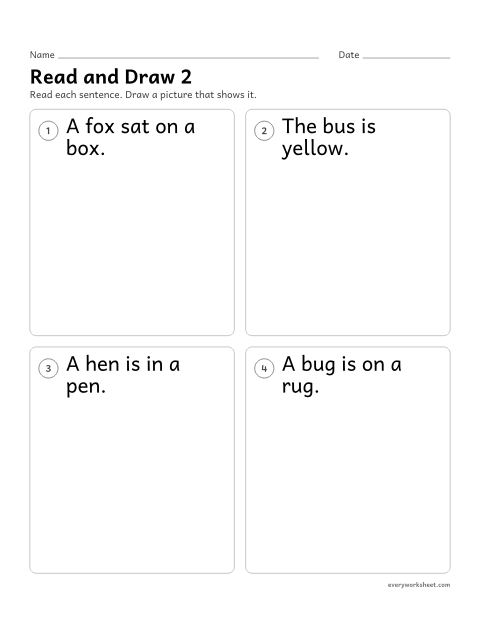
Reading a CVC sentence and drawing what it says
1 page27 KB
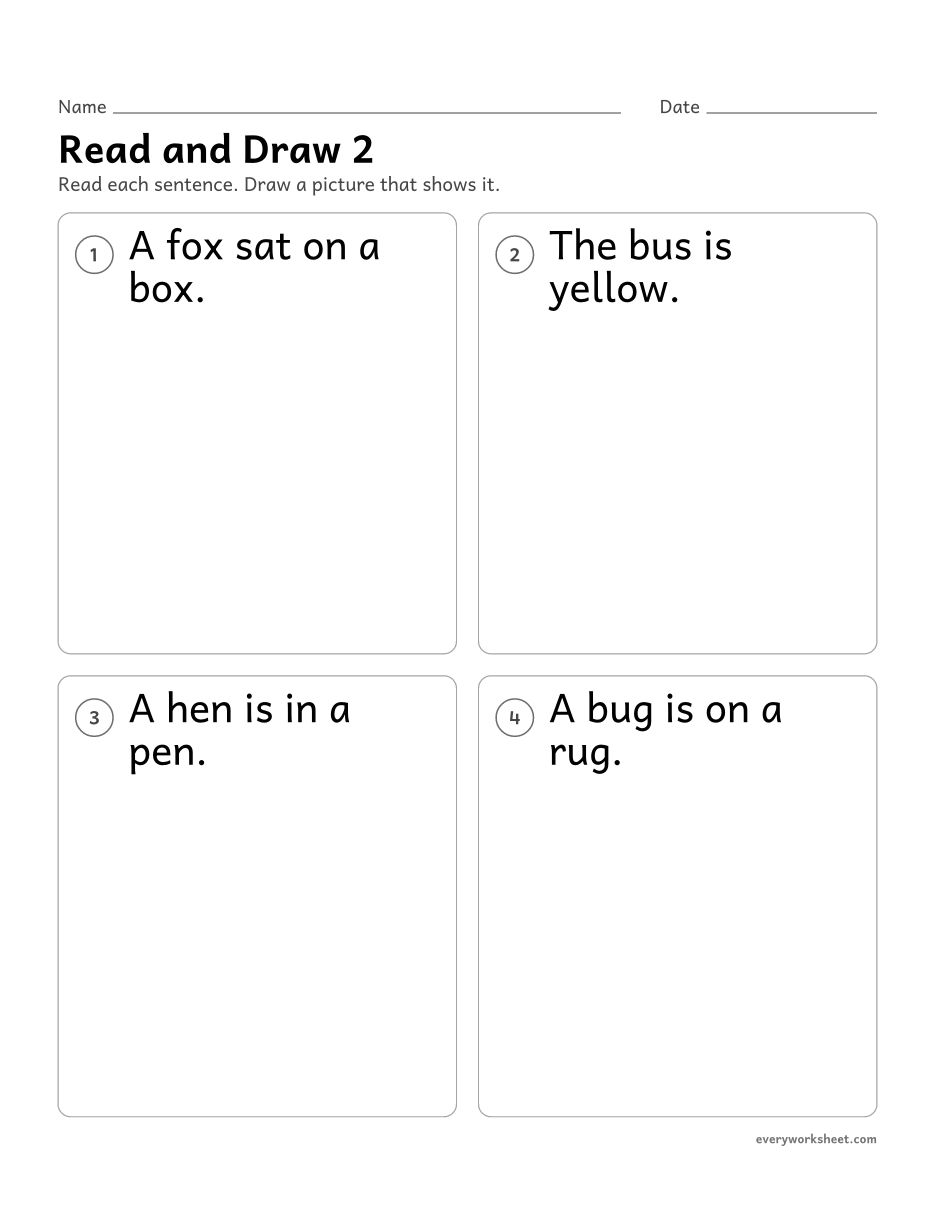 View larger
Reading a CVC sentence and drawing what it says
1 page27 KB
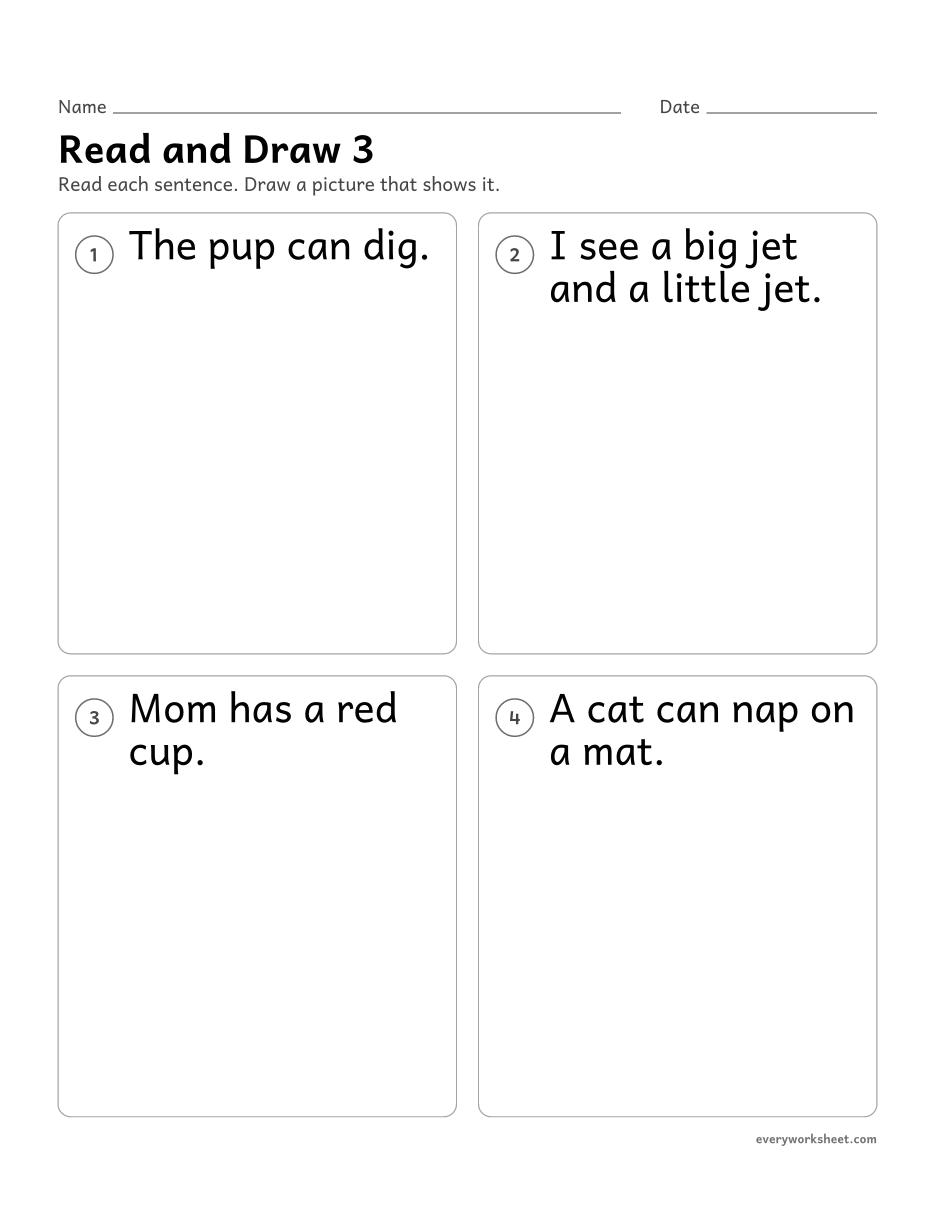 View larger
Reading a CVC sentence and drawing what it says
1 page27 KB
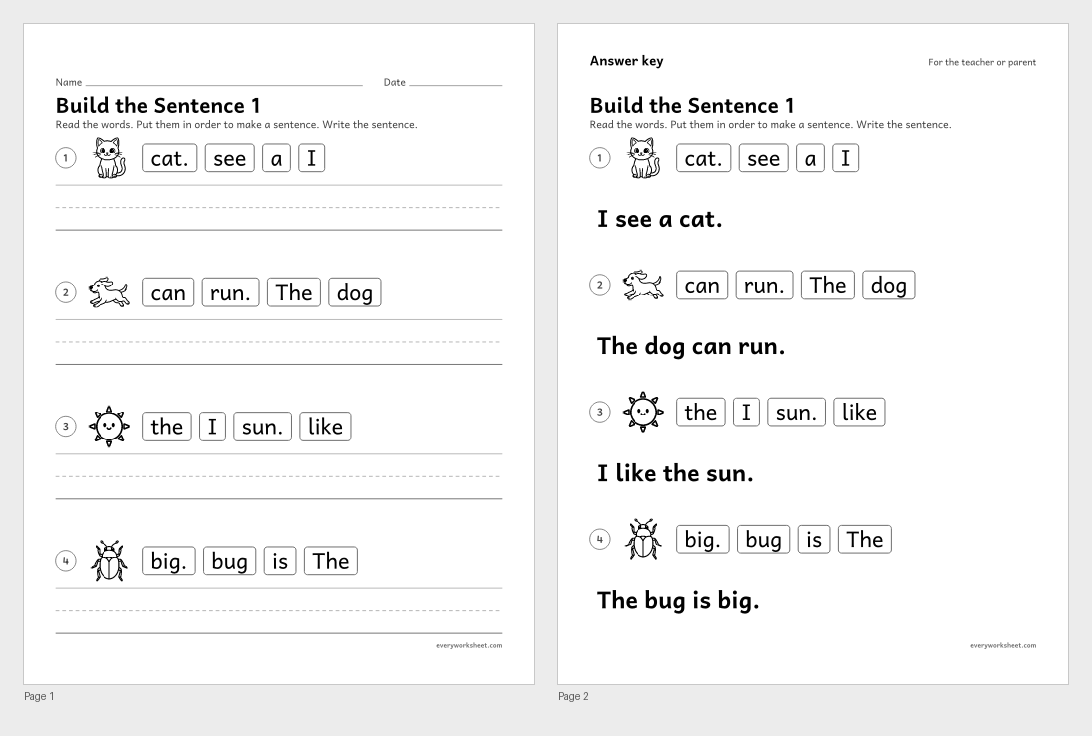 View all 2 pages
Putting words in order to build a CVC sentence, then writing it
Answer key on page 2
2 pages163 KB
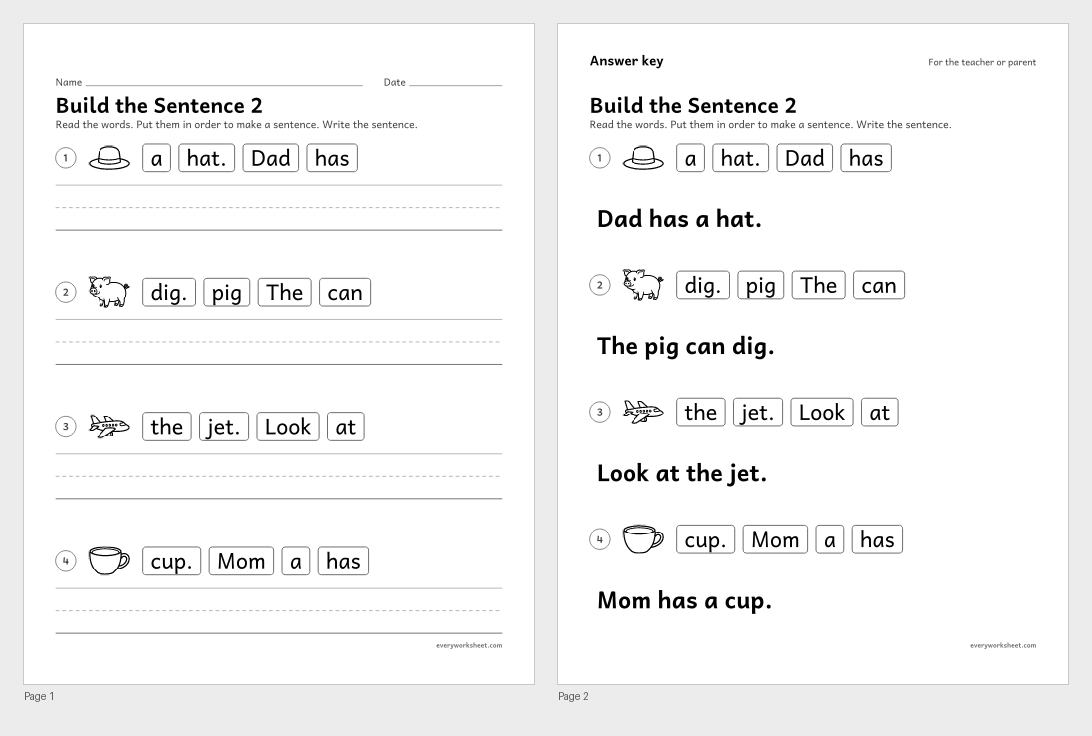 View all 2 pages
Putting words in order to build a CVC sentence, then writing it
Answer key on page 2
2 pages151 KB
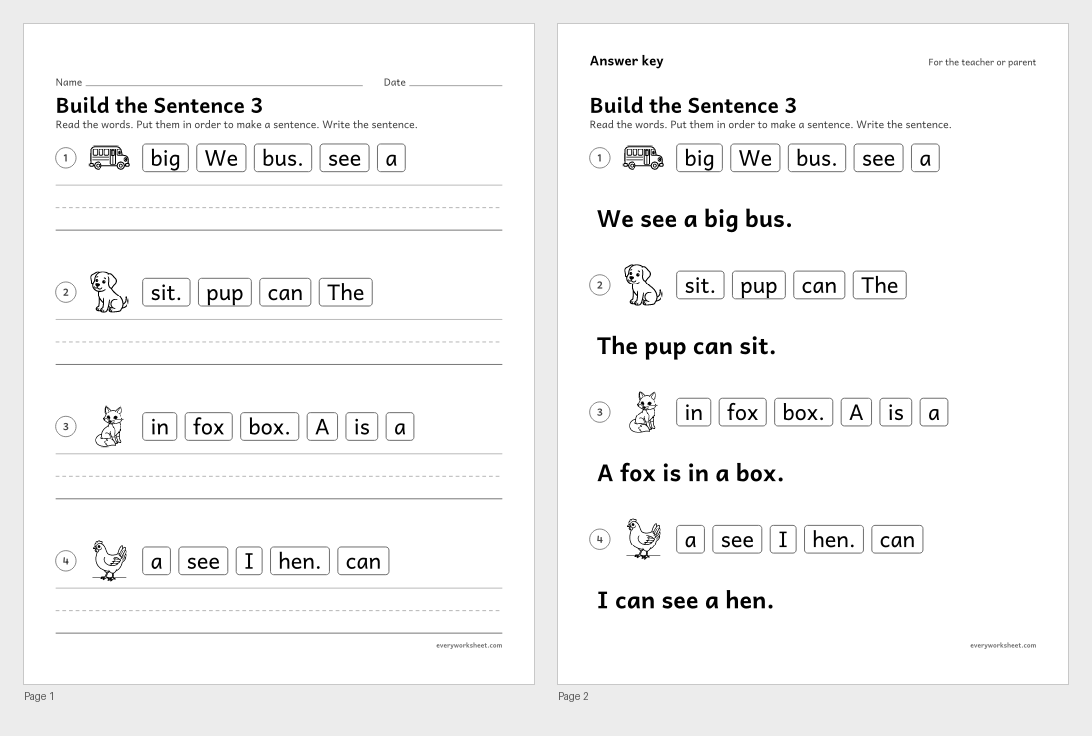 View all 2 pages
Putting words in order to build a CVC sentence, then writing it
Answer key on page 2
2 pages125 KB
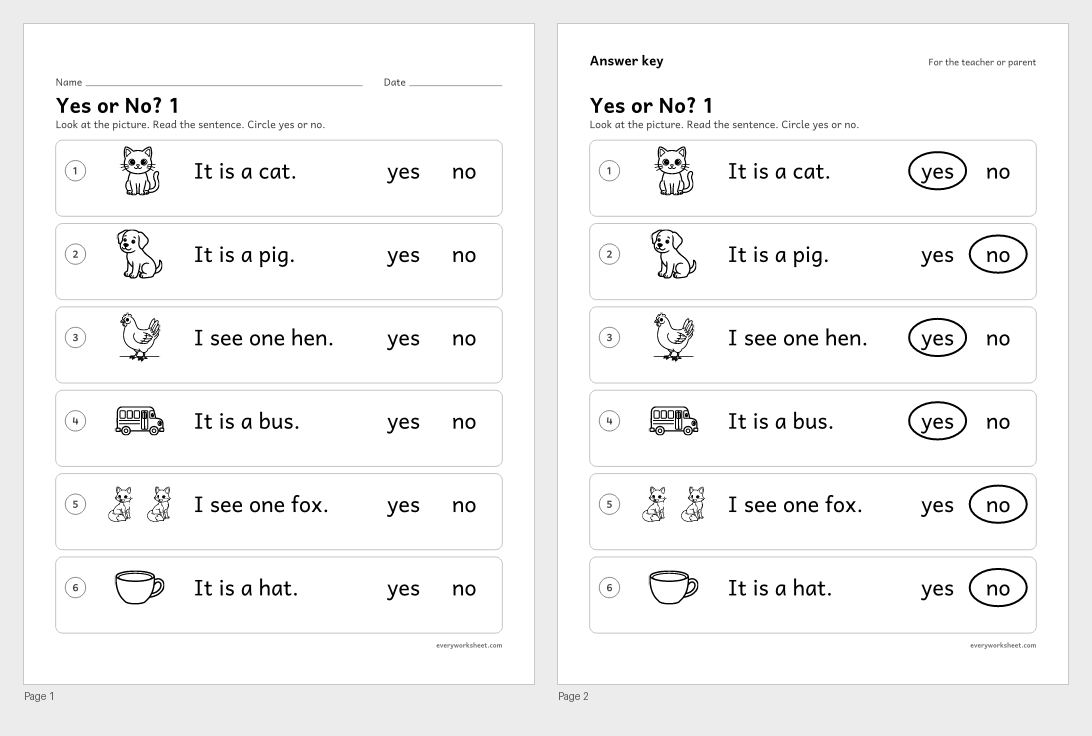 View all 2 pages
Reading a CVC sentence and checking it against a picture
Answer key on page 2
2 pages205 KB
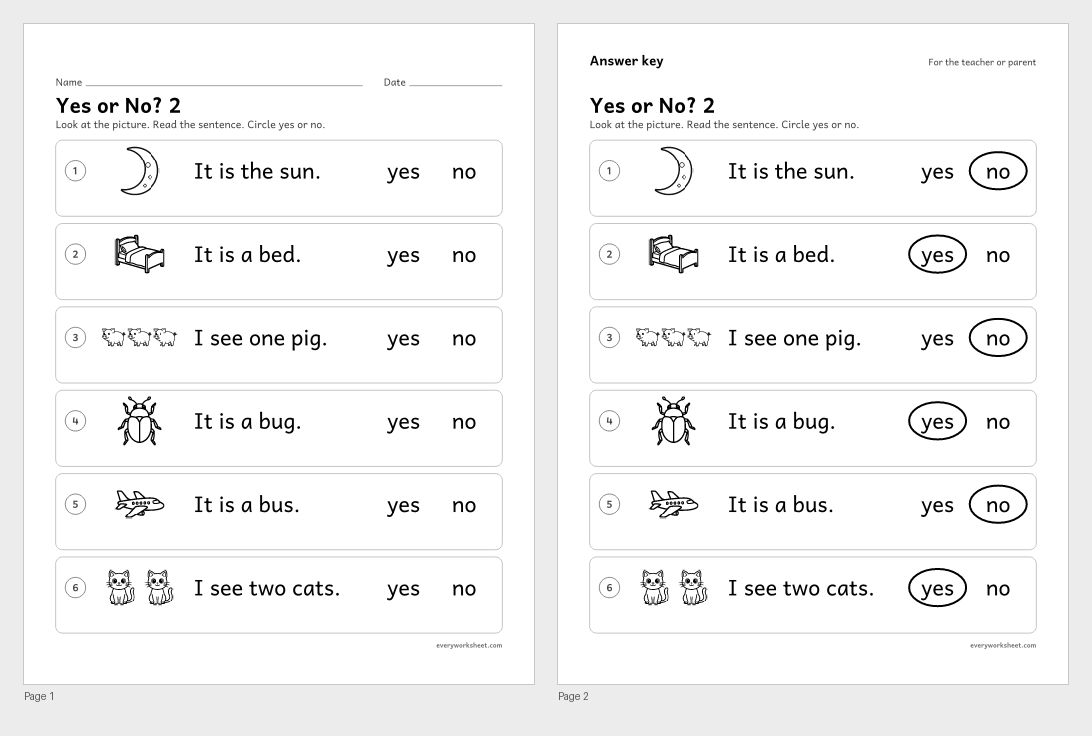 View all 2 pages
Reading a CVC sentence and checking it against a picture
Answer key on page 2
2 pages353 KB
Print at 100% (actual size) for the cleanest tracing lines.
Once a child can sound out cat and pig, the next step is reading those words in a sentence. CVC sentences are short sentences built from consonant-vowel-consonant words like cat, hen, pig, fox and bug, plus a few kindergarten sight words like I, see, the and is.
These worksheets give that practice in four ways. On the read and circle pages, children read a sentence and circle the matching picture; the wrong pictures sound alike (cat, bat, rat), so the child has to read the word. There is one page for each short vowel and a mixed page. On read and draw pages, they draw what the sentence says. On build the sentence pages, they put mixed-up word cards in order and write the sentence. On yes or no pages, they check a sentence against a picture.
Every sentence uses only short-vowel words and our 50 kindergarten sight words. Pages with right answers have an answer key on page 2.
CCSS.ELA-LITERACY.RF.K.4Read emergent-reader texts with purpose and understanding.CCSS.ELA-LITERACY.RF.K.3.BAssociate the long and short sounds with common spellings (graphemes) for the five major vowels.CCSS.ELA-LITERACY.RF.K.3.CRead common high-frequency words by sight (e.g., the, of, to, you, she, my, is, are, do, does).CCSS.ELA-LITERACY.RF.K.1.CUnderstand that words are separated by spaces in print.CCSS.ELA-LITERACY.L.K.2.ACapitalize the first word in a sentence and the pronoun I.CCSS.ELA-LITERACY.L.K.2.BRecognize and name end punctuation.CVC sentences are short sentences made mostly of consonant-vowel-consonant words like cat, pig and sun, with a few sight words such as I, the and is. For example: The pig is big.
When they can blend most three-letter words and know a handful of sight words, usually in the second half of kindergarten.
On the read and circle pages, the wrong pictures share sounds with the answer, like cat, bat and rat. A child who guesses from the first letter or the picture alone will often miss, so they learn to read the whole word.
Yes. Read and circle, build the sentence and yes or no pages have an answer key on page 2. Read and draw pages do not need one.
Yes. Every page is a free PDF in US Letter and A4, with no account or email sign-up.