Kindergarten Science Worksheets
Plants and life cycles, animals and their homes, weather and seasons, pushes and pulls, magnets and the five senses.
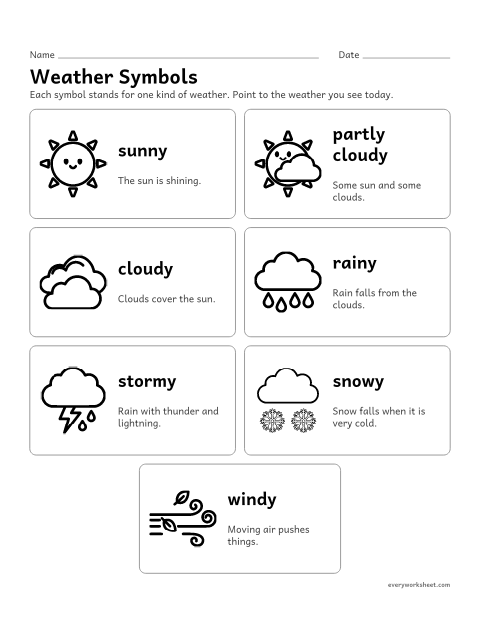
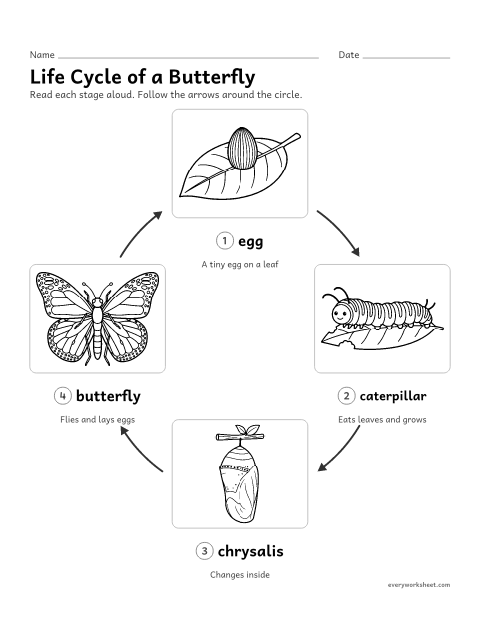
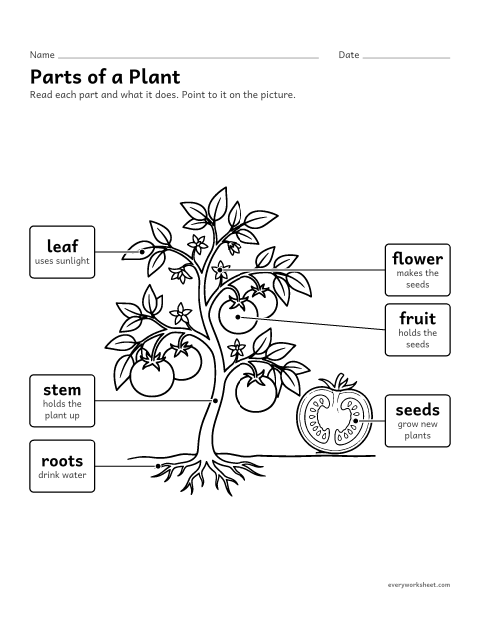
The science year, in order
Plants
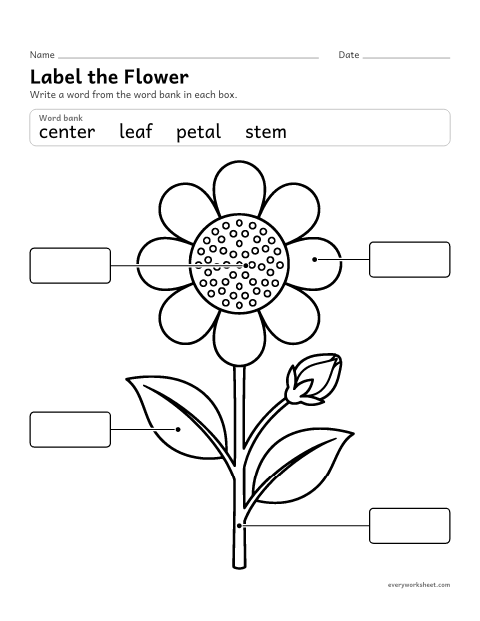
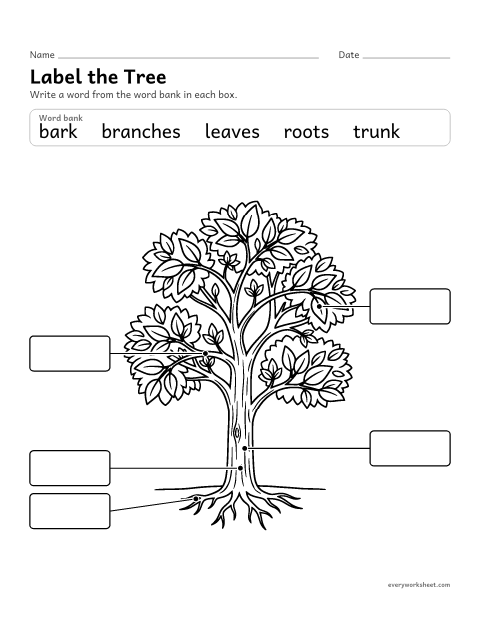
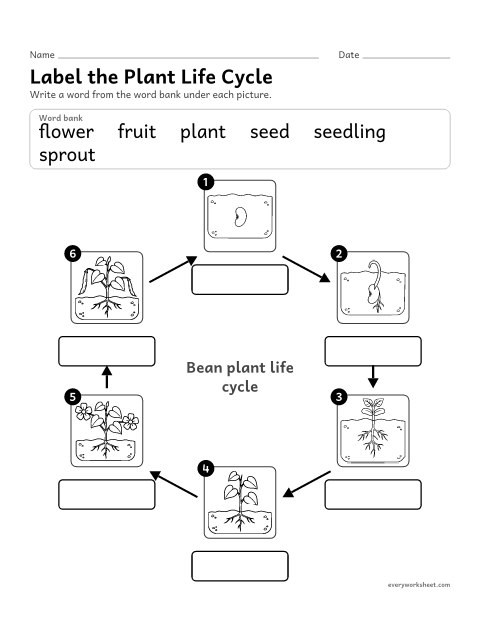
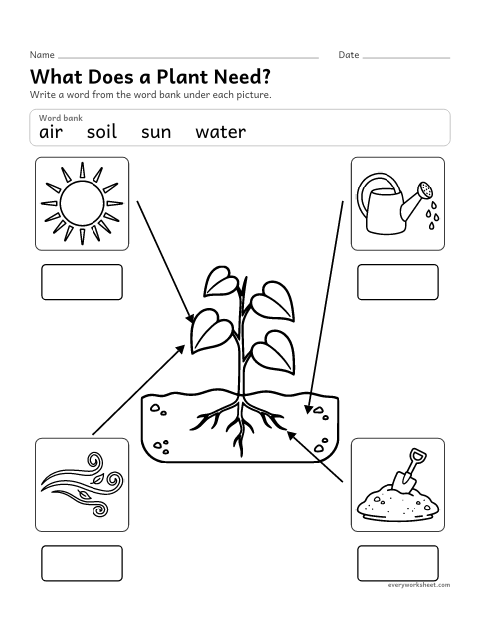
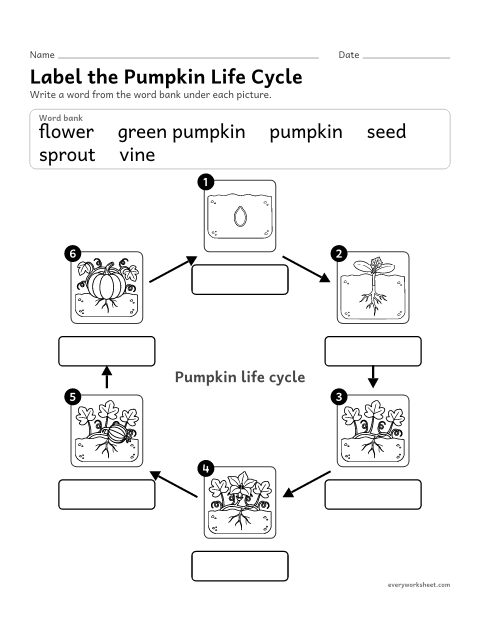
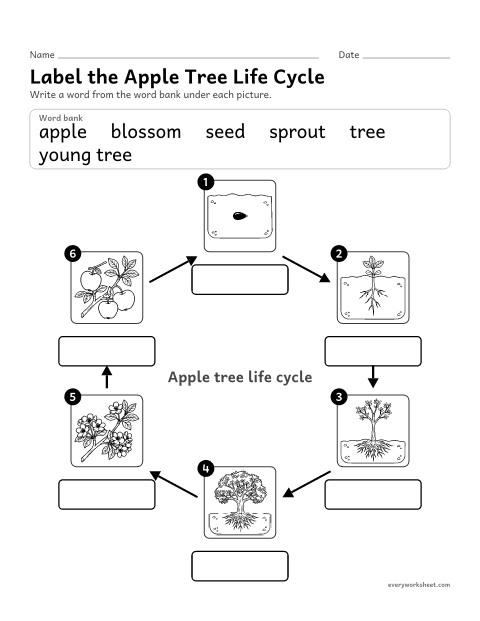
57 sheets readyThe parts of a plant, flower and tree, what plants need to grow, and how plants grow from seed to flower, pumpkin and apple.
Animals
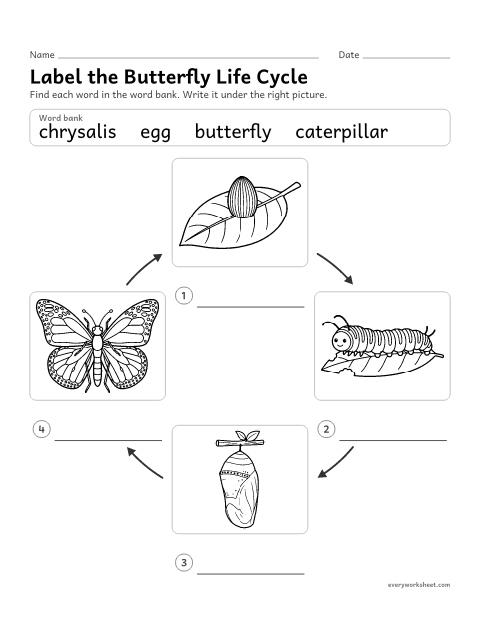
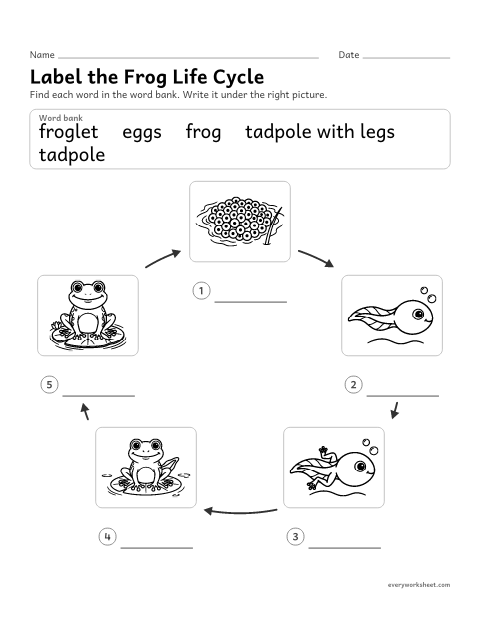
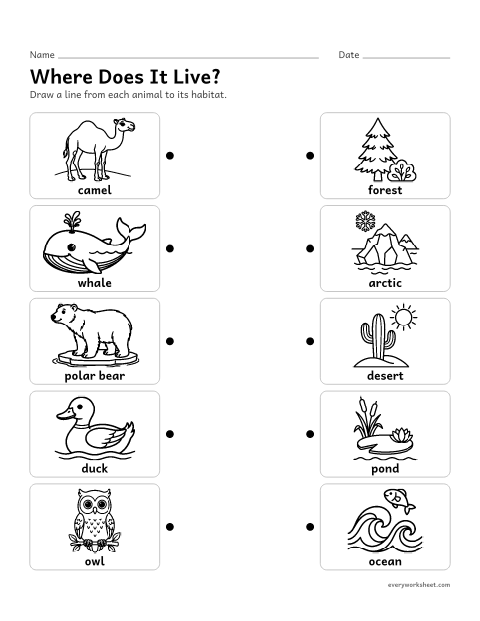
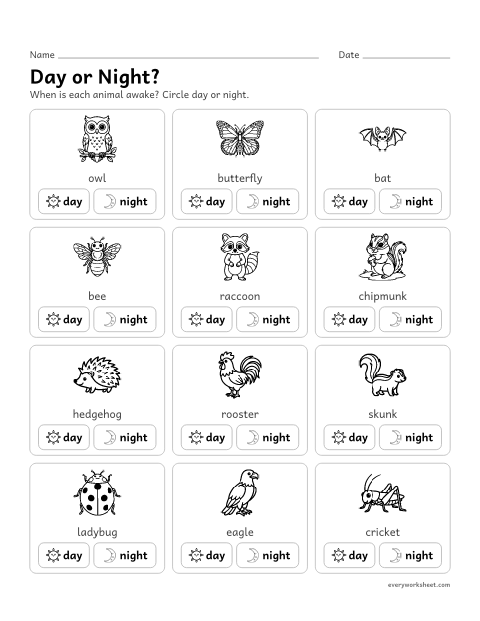
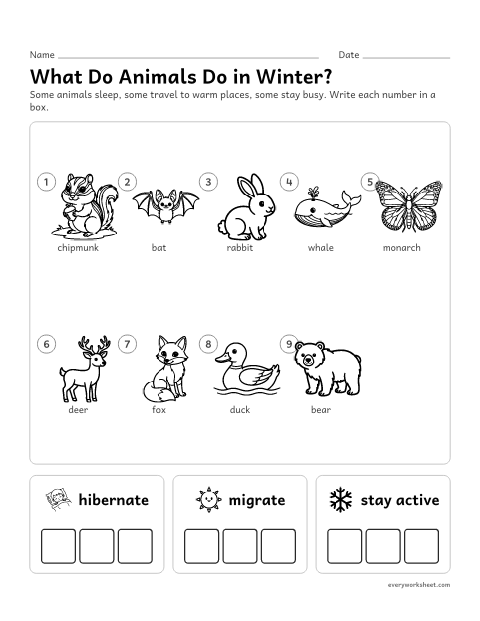
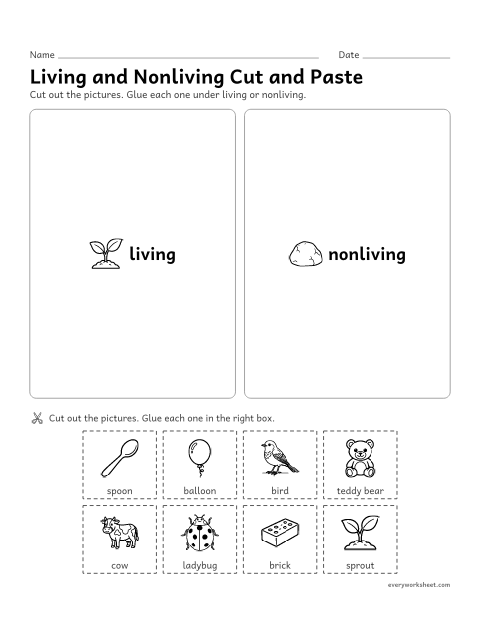
60 sheets readyAnimal life cycles, the parts of insects, butterflies, fish and birds, where animals live, animals of the night and in winter, and telling living from nonliving things.
Butterfly life cycle
12 worksheetsFrog life cycle
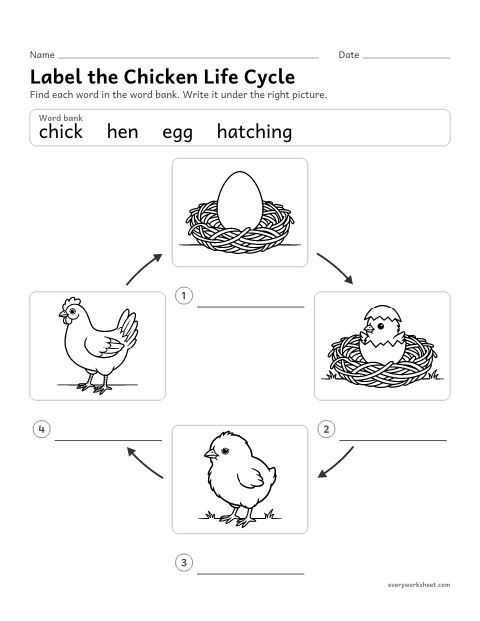
7 worksheetsChicken life cycle
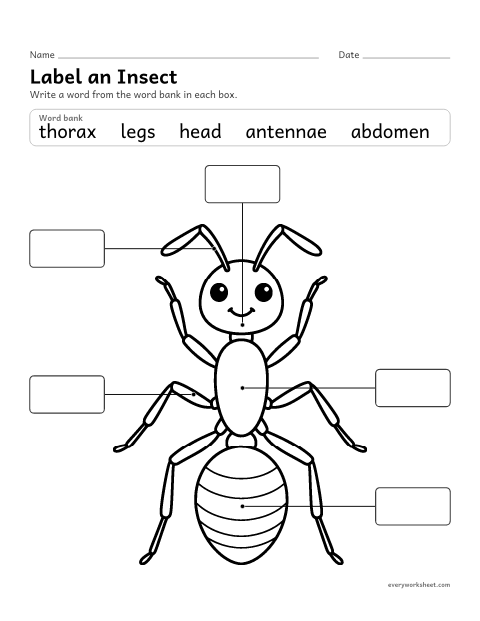
7 worksheetsParts of an insect
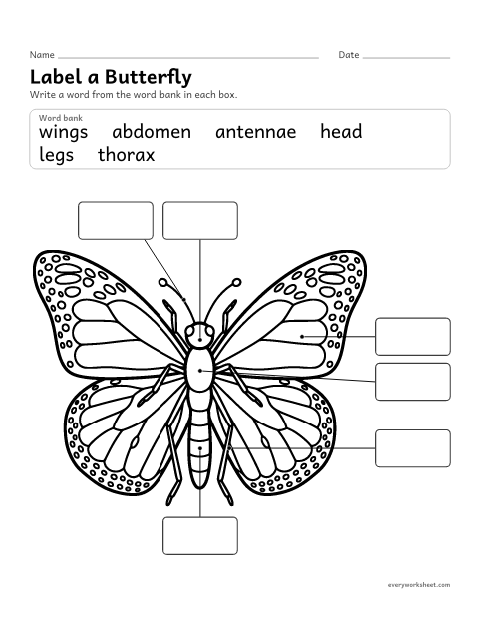
5 worksheetsParts of a butterfly
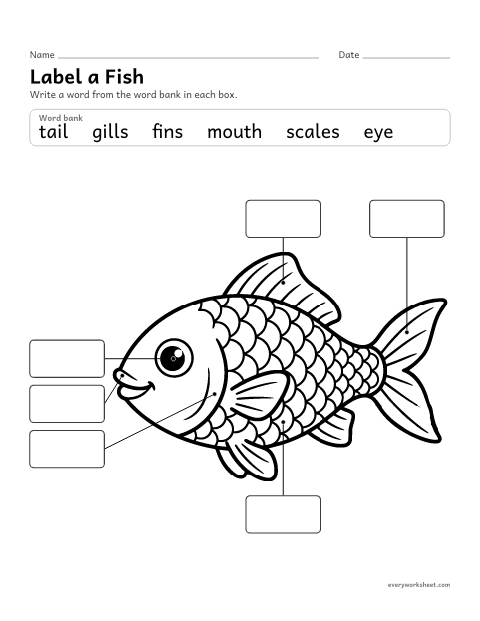
4 worksheetsParts of a fish
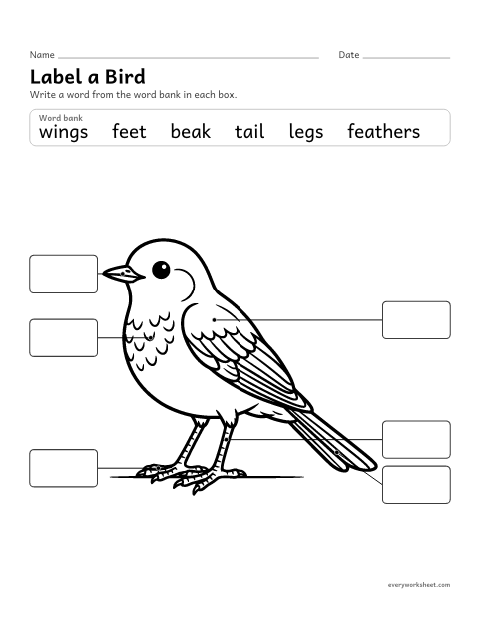
4 worksheetsParts of a bird
4 worksheetsAnimal habitats
7 worksheetsNocturnal animals
5 worksheetsAnimals that hibernate
4 worksheetsLiving and nonliving things
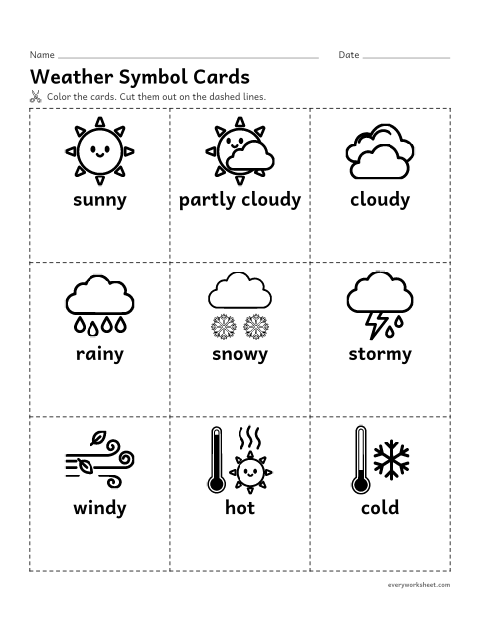
5 worksheetsWeather and the sky
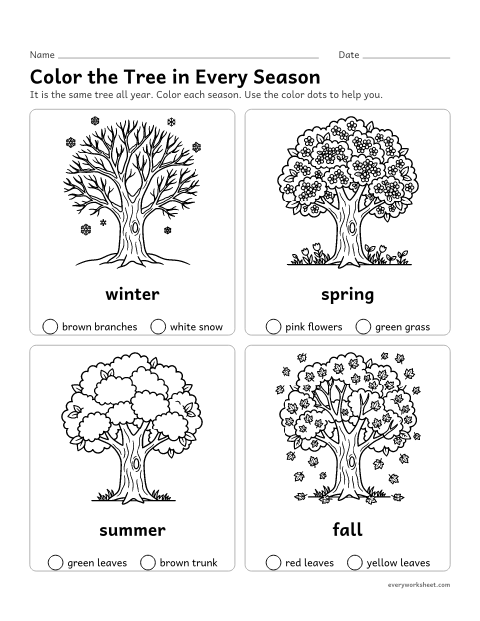
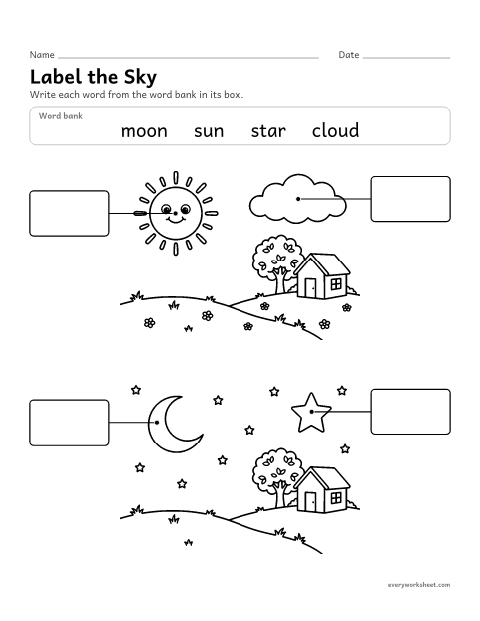
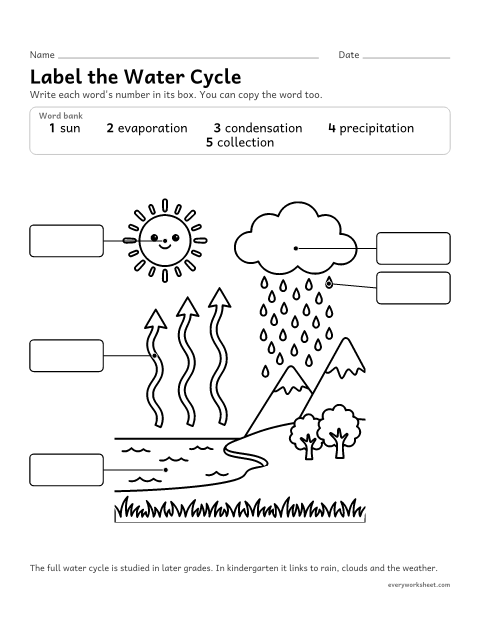
61 sheets readyWatching daily weather and the seasons, staying safe in severe weather, the water cycle, the sun, moon and stars, and caring for Earth.
Forces, matter and senses
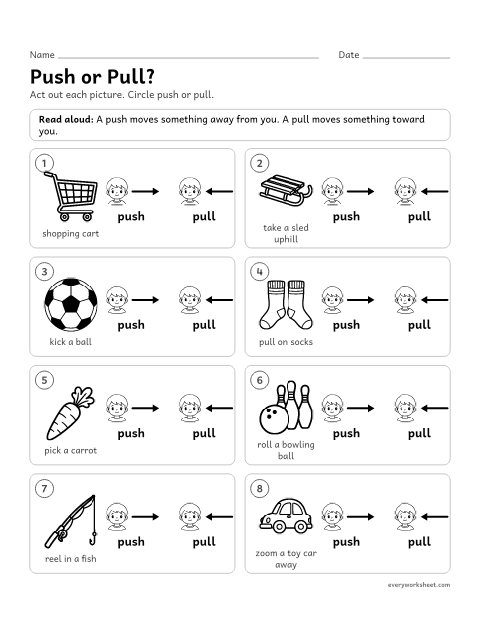
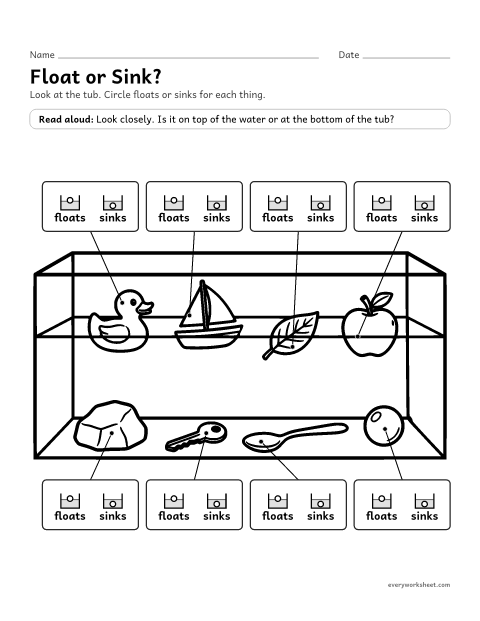
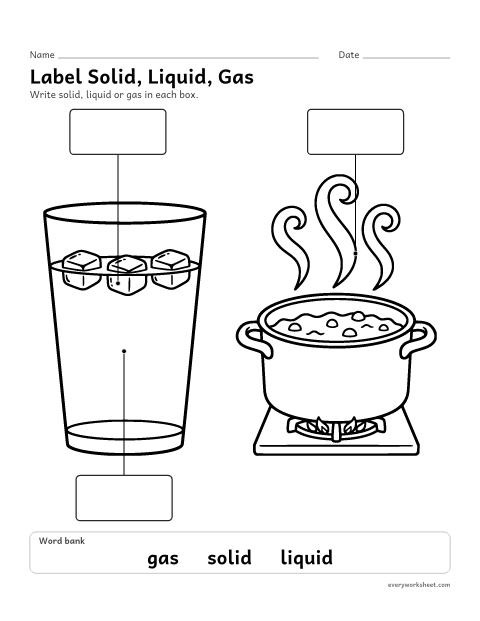
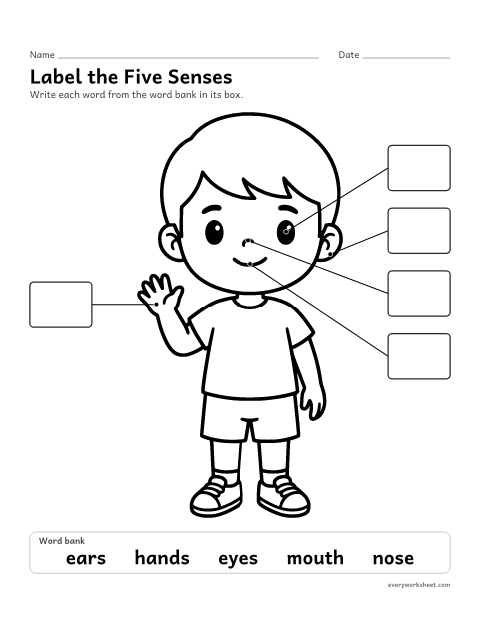
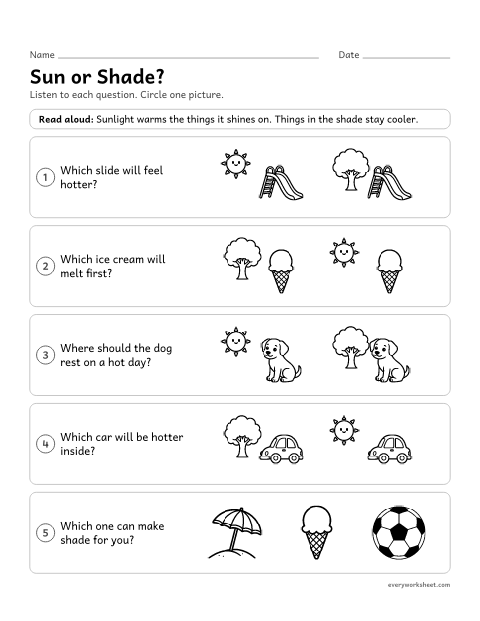
35 sheets readyPushes and pulls, sinking and floating, magnets, solids, liquids and gases, the five senses, and how sunlight warms things.
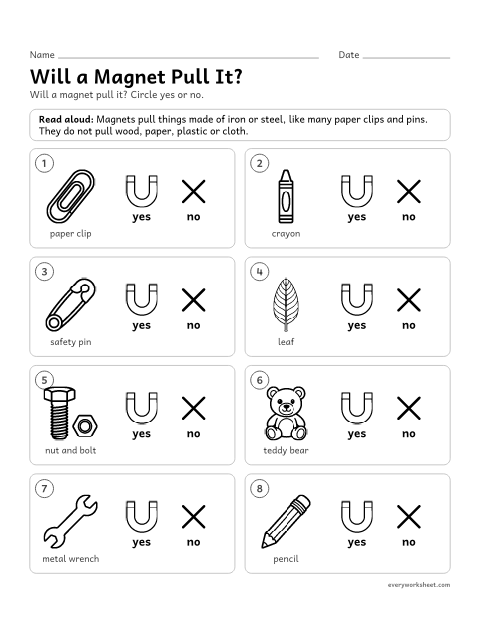
About kindergarten science
Kindergarten science is about noticing. Children look closely at plants and animals, watch the weather change, push and pull things to see what happens, and use their five senses to describe the world. They learn what living things need to survive, how plants and animals change the places they live, and how sunlight warms the ground.
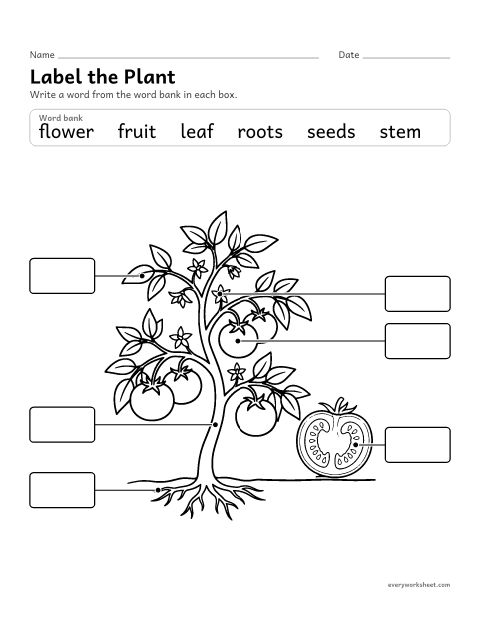
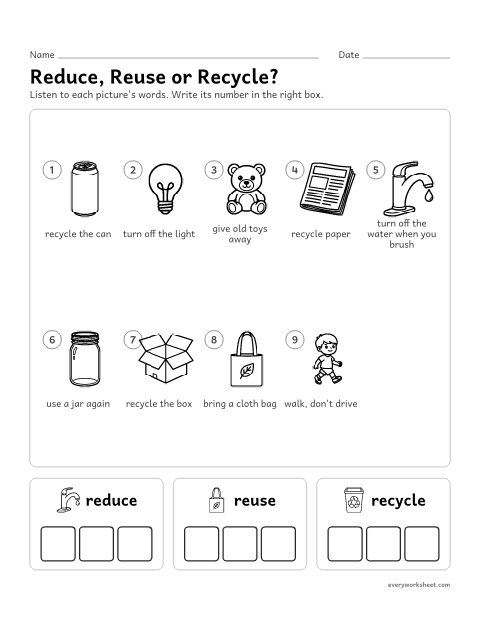
These kindergarten science worksheets follow those big ideas in four groups: plants, animals, weather and the sky, and forces, matter and senses. Labeled diagrams come as a chart, a label it page with a word bank, and a cut and paste page, all drawn in detailed line art. Life cycles come with a chart, a cut and paste sequence and a wheel to color and spin. Hands-on pages, like a bean plant journal, a sink or float test and a weather chart, get children observing.
Every page is black and white line art a pre-reader can use, with a short line for a grown-up to read aloud where it helps. Sheets print on US Letter or A4, and pages with right answers include an answer key on page 2.
Questions
What science do kindergartners learn?
Kindergarten science covers what plants and animals need to survive, how they change their surroundings, daily weather and seasons, how sunlight warms the ground, and how pushes and pulls change the way things move. Children also learn to observe with their five senses.
How can I teach science to kindergartners at home?
Keep it hands-on. Plant a bean seed, check the weather each morning, test what sinks or floats in the sink, and go outside to look at trees and bugs. Then use a worksheet to talk about and record what your child noticed.
Do kindergarten science worksheets need reading?
No. Each page uses pictures and short words, with a line for a grown-up to read aloud. Children answer by circling, drawing a line, cutting and gluing, coloring or drawing.
Are there answer keys?
Yes. Any page with right answers, such as label it, cut and paste, sorting and sequencing pages, has an answer key on page 2 of the PDF.