 View larger
Shape Tracing Worksheets
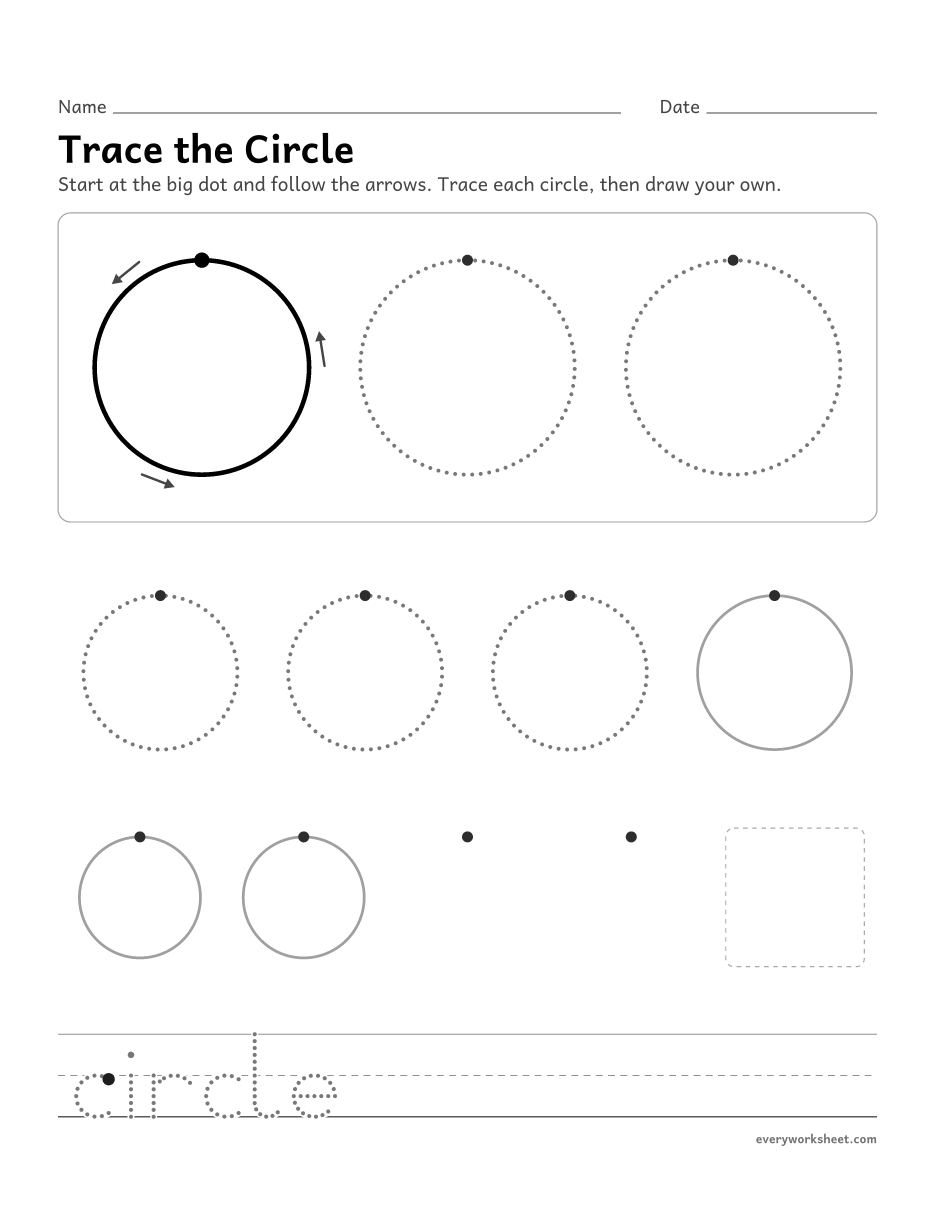
Tracing shapes from big to small: one page per shape with a start dot and arrows, plus two mixed pages, and the shape name to trace.
Download the shape tracing worksheets
 View larger
 View larger
 View larger
 View larger
 View larger
 View larger
 View larger
 View larger
 View larger
 View larger
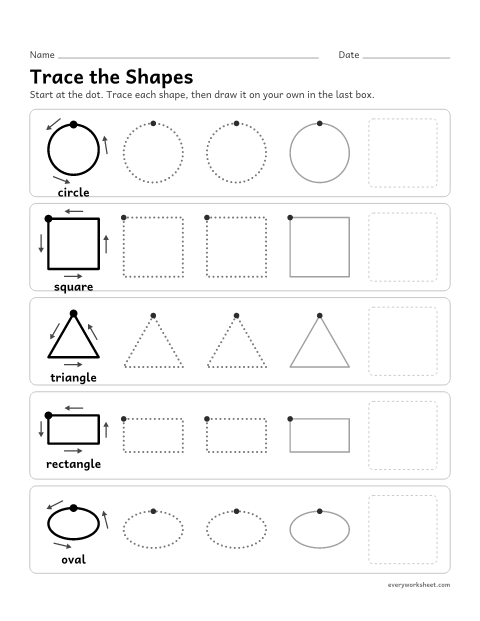
Trace the shapes
Tracing and drawing circles, squares, triangles, rectangles and ovals
1 page33 KB
 View larger
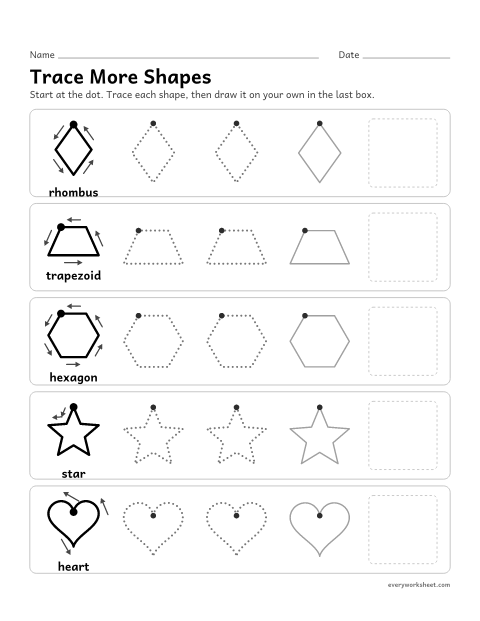
Trace more shapes
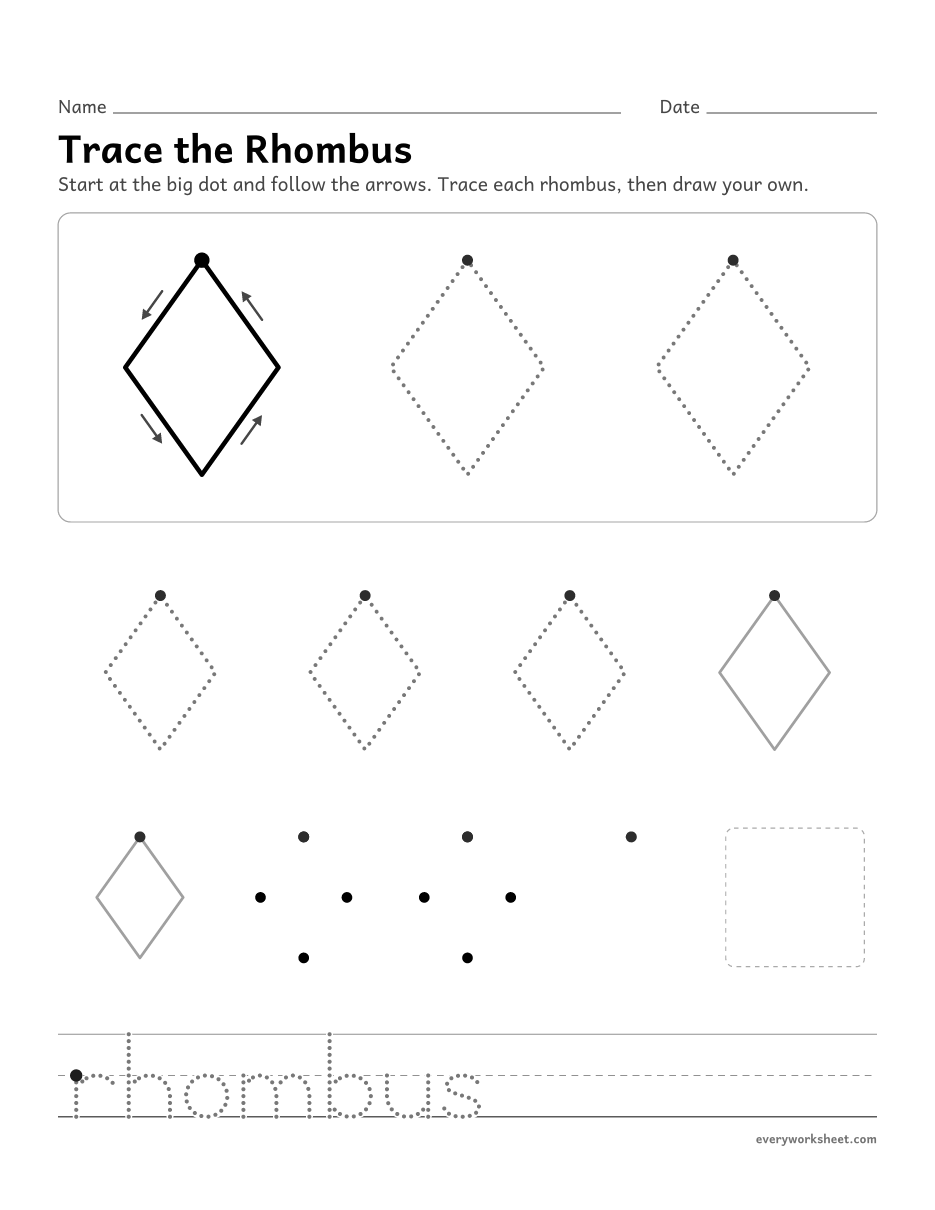
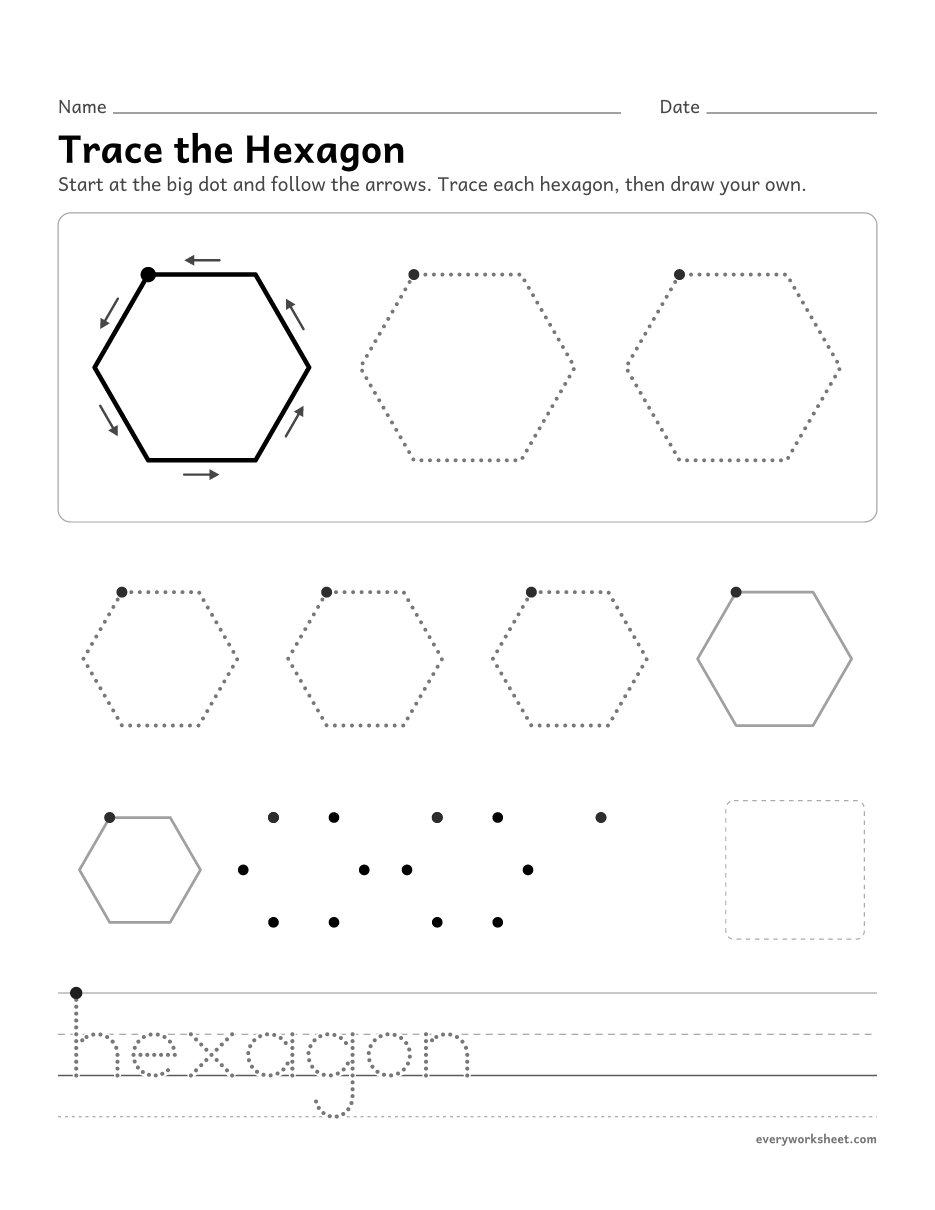
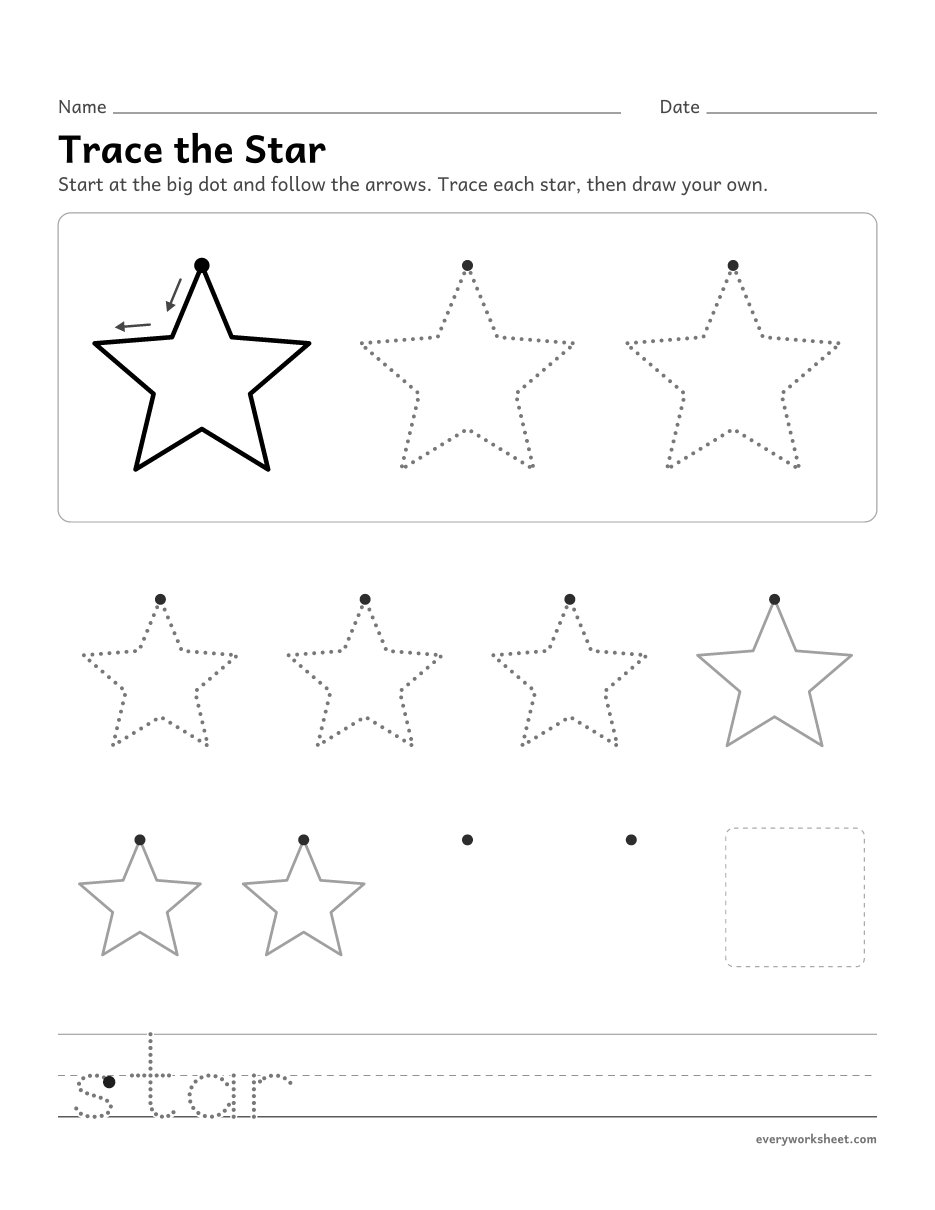
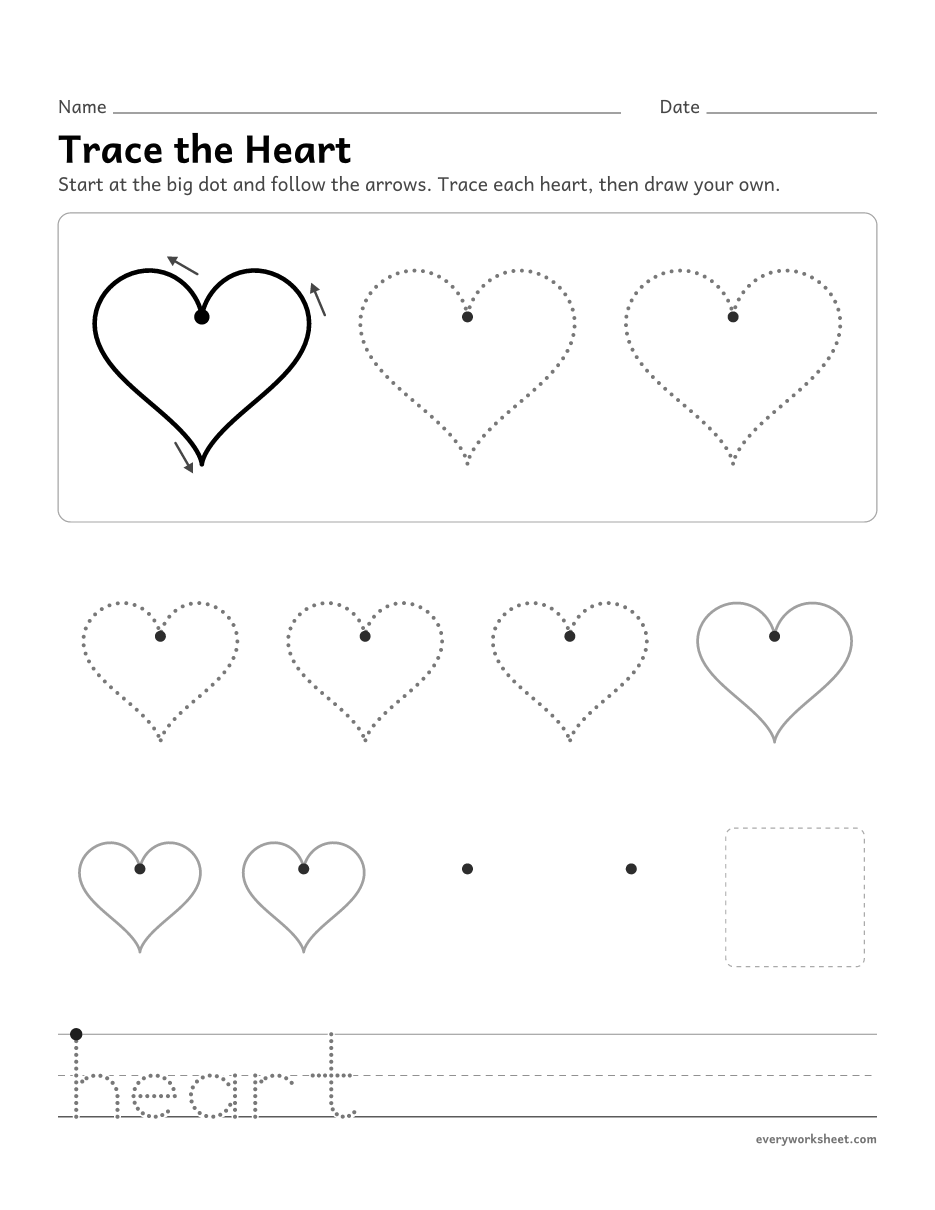
Tracing and drawing rhombuses, trapezoids, hexagons, stars and hearts
1 page32 KB
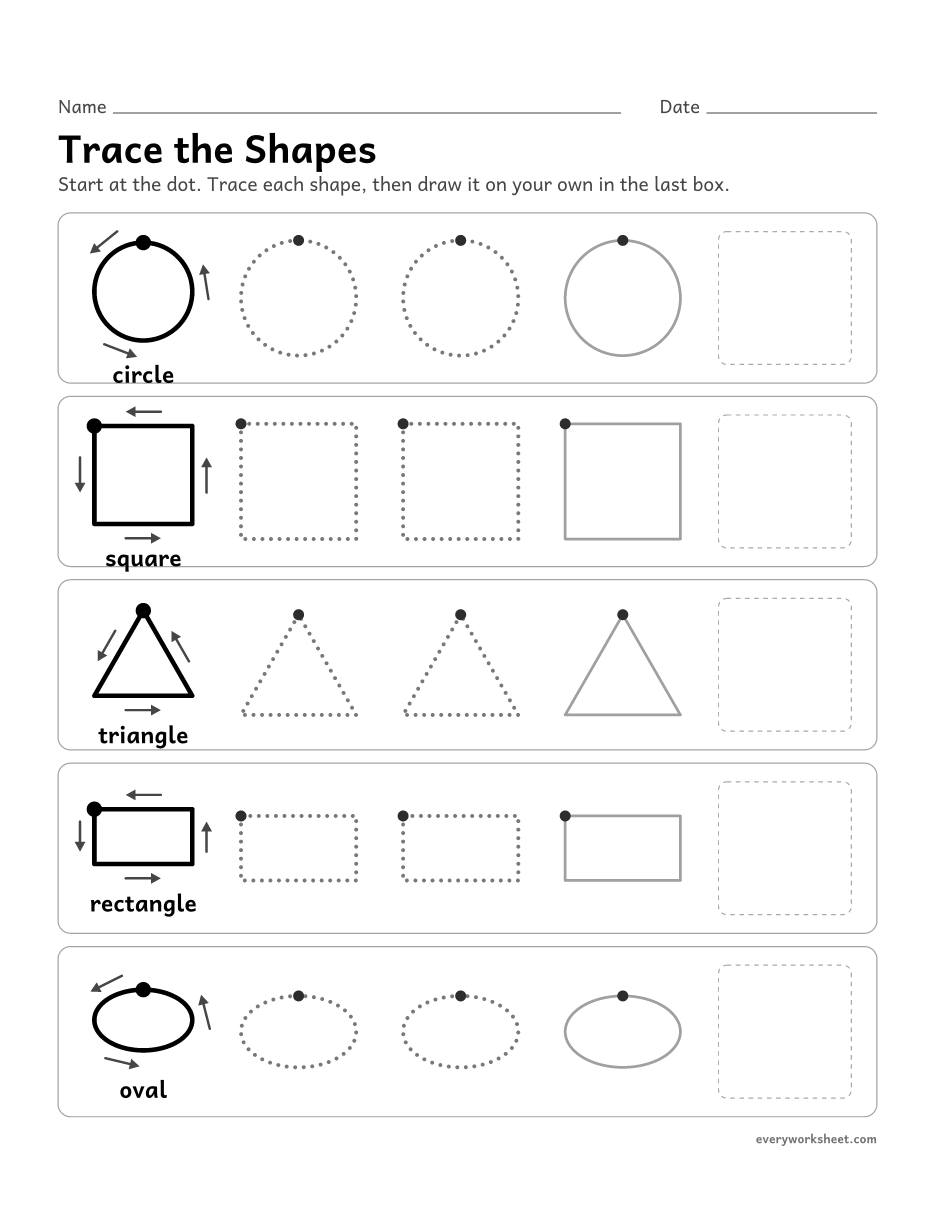
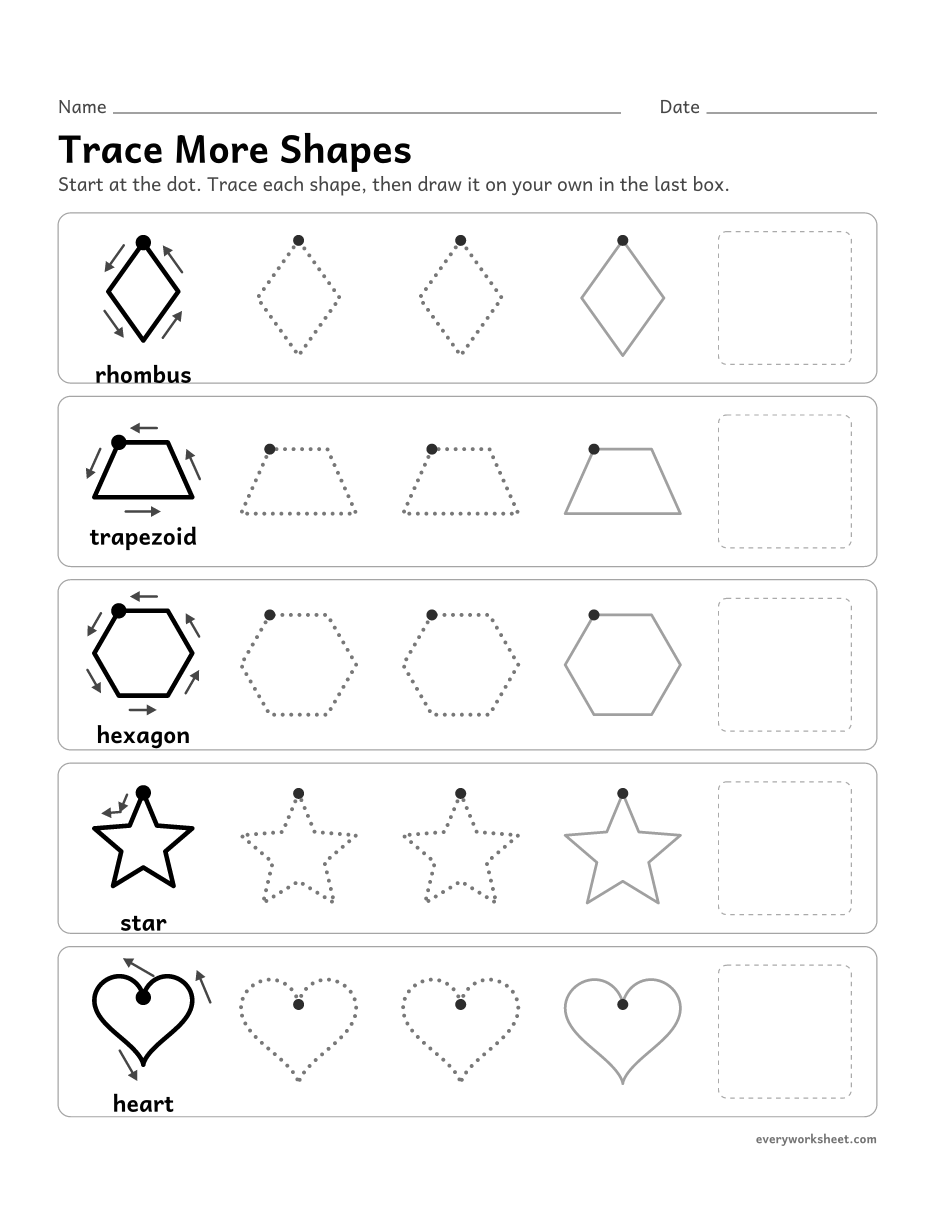
Print at 100% (actual size) for the cleanest tracing lines.
About these shape tracing worksheets
Shape tracing is a good first step toward drawing shapes on your own and toward writing letters. A circle uses the same round motion as the letters o, a and d, and squares and triangles practice the straight and slanted lines in letters like L, T and A.
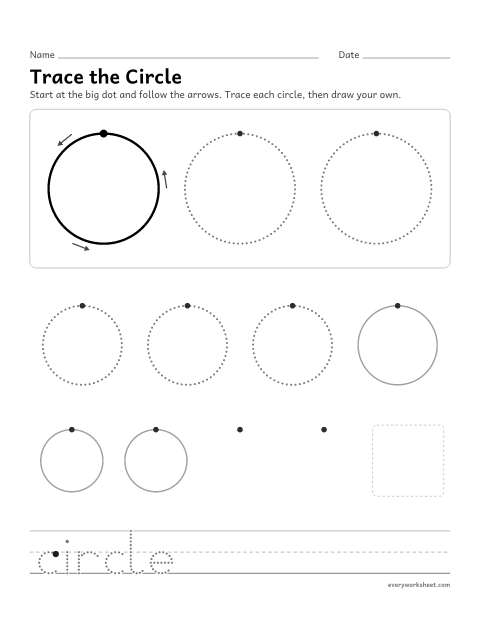
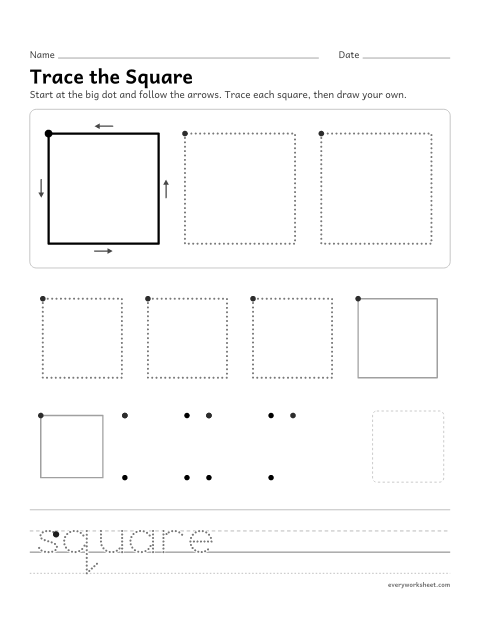
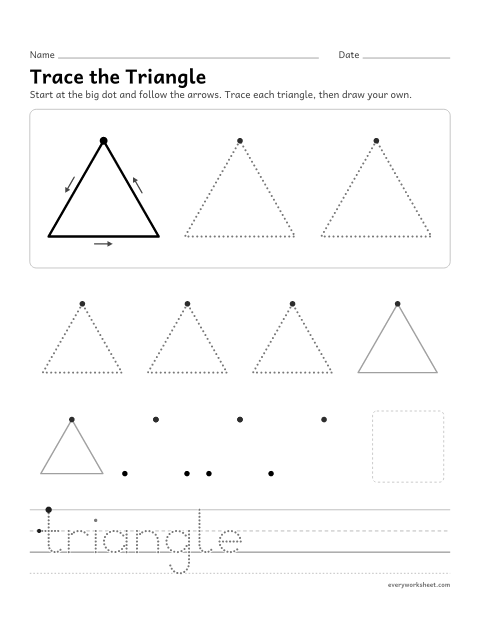
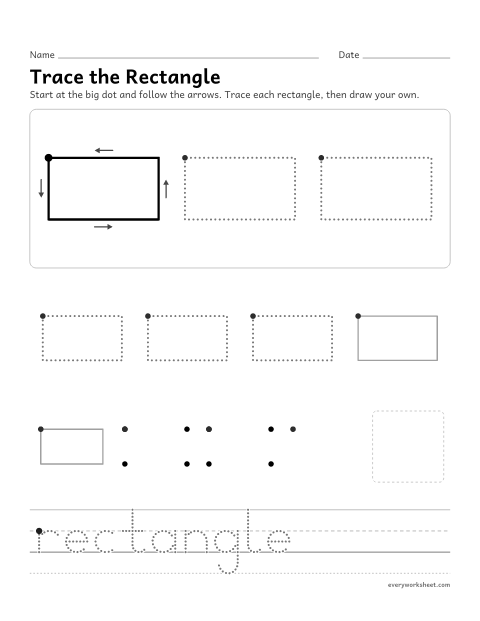
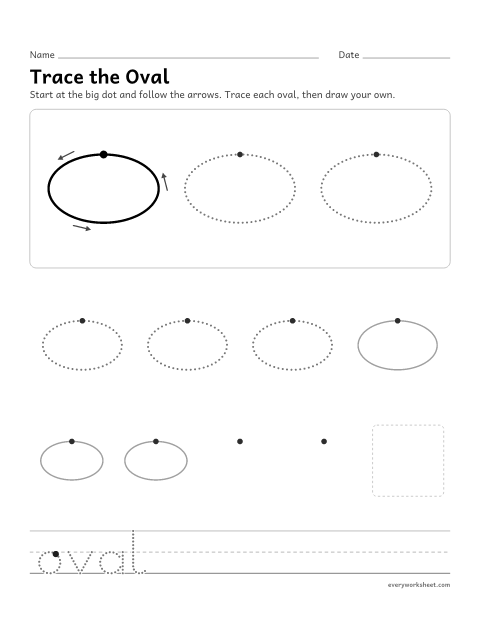
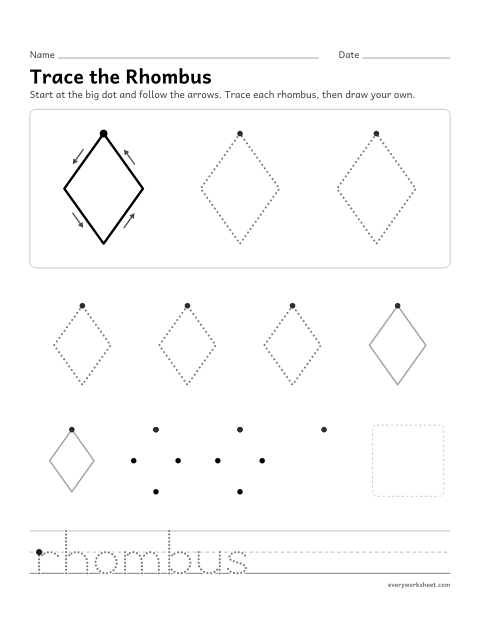
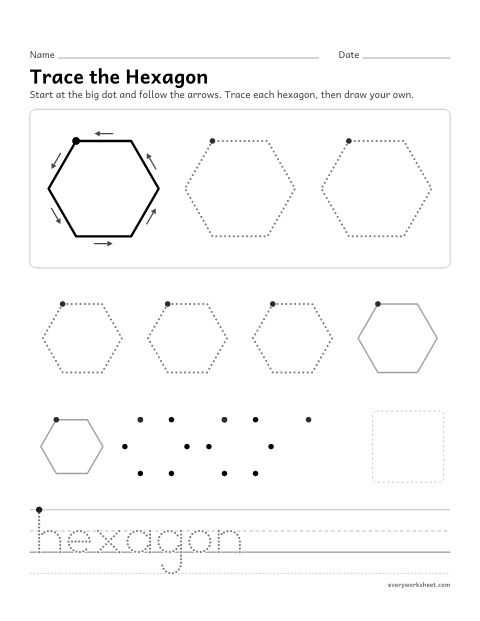
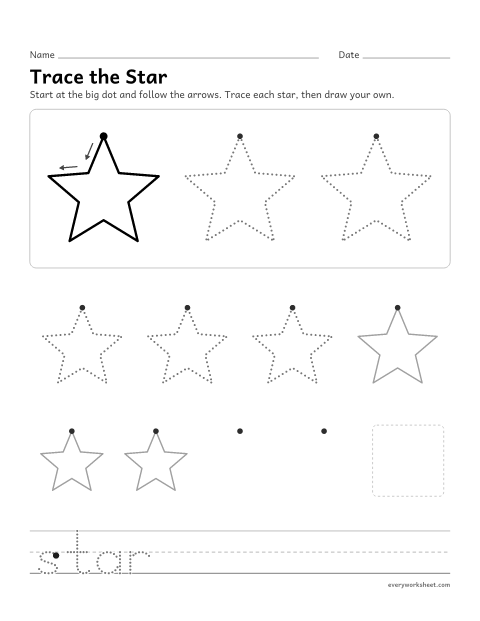
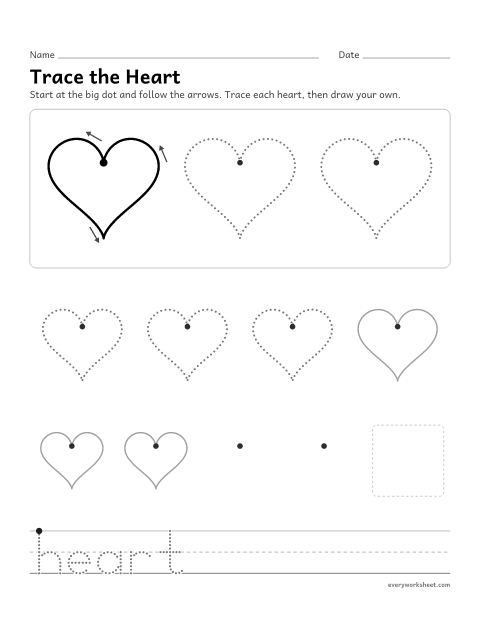
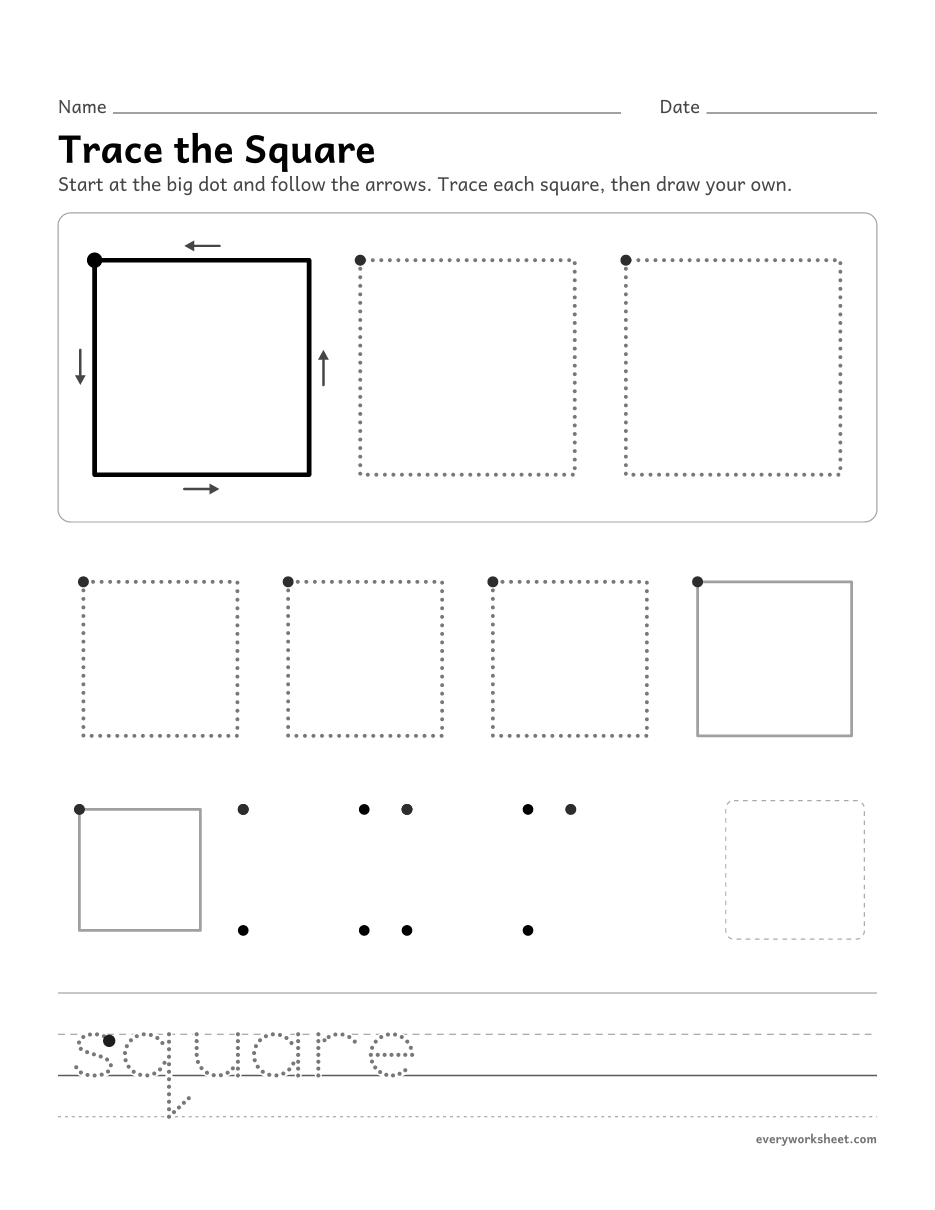
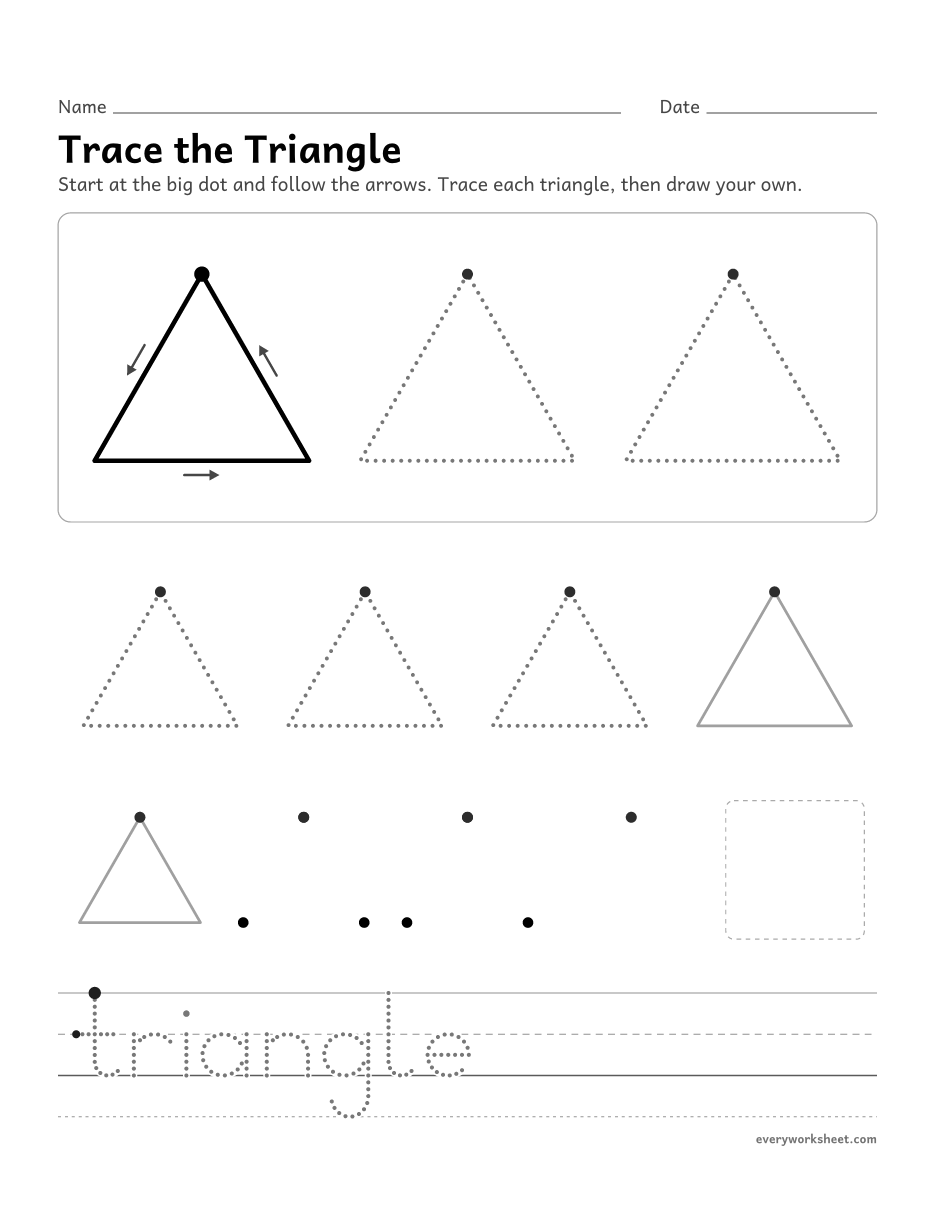
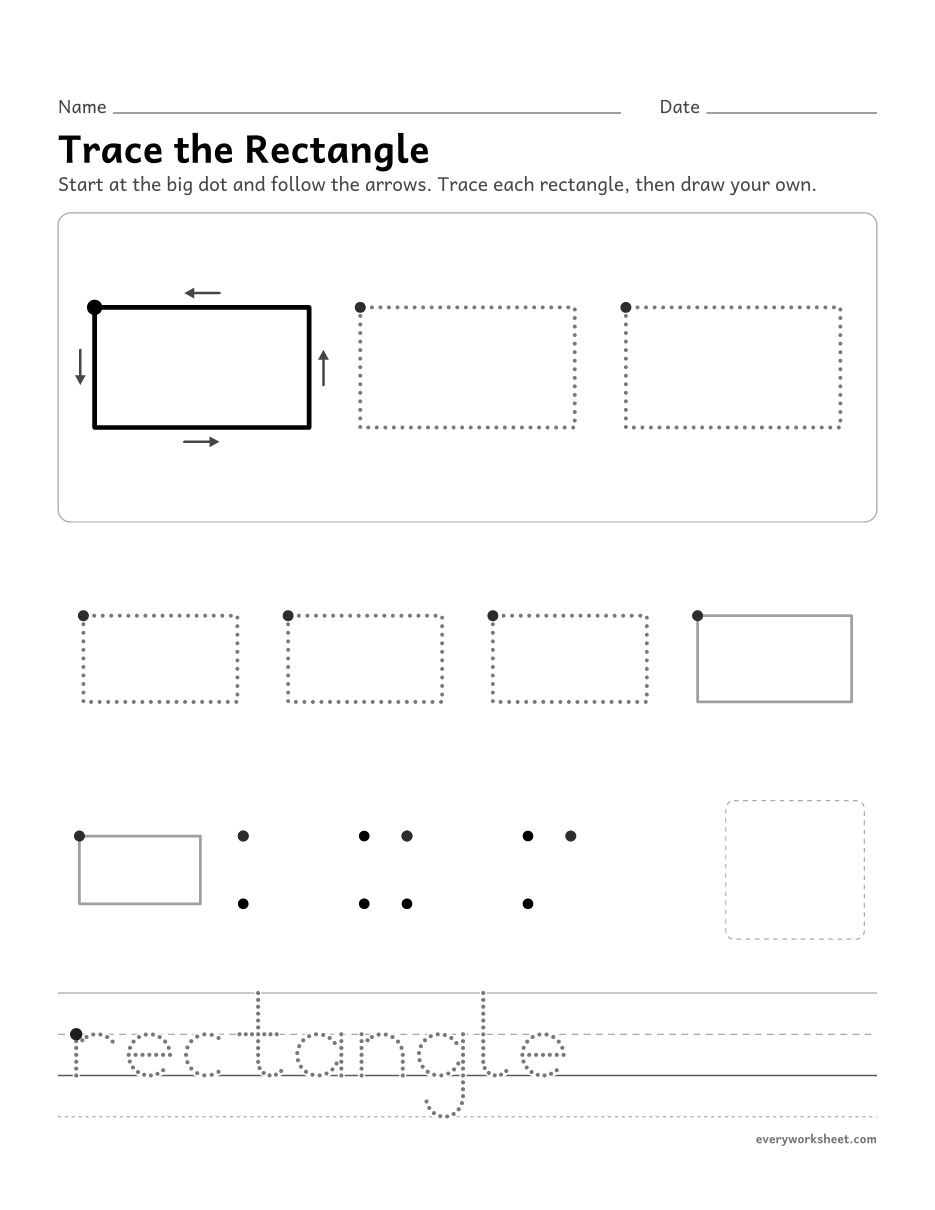
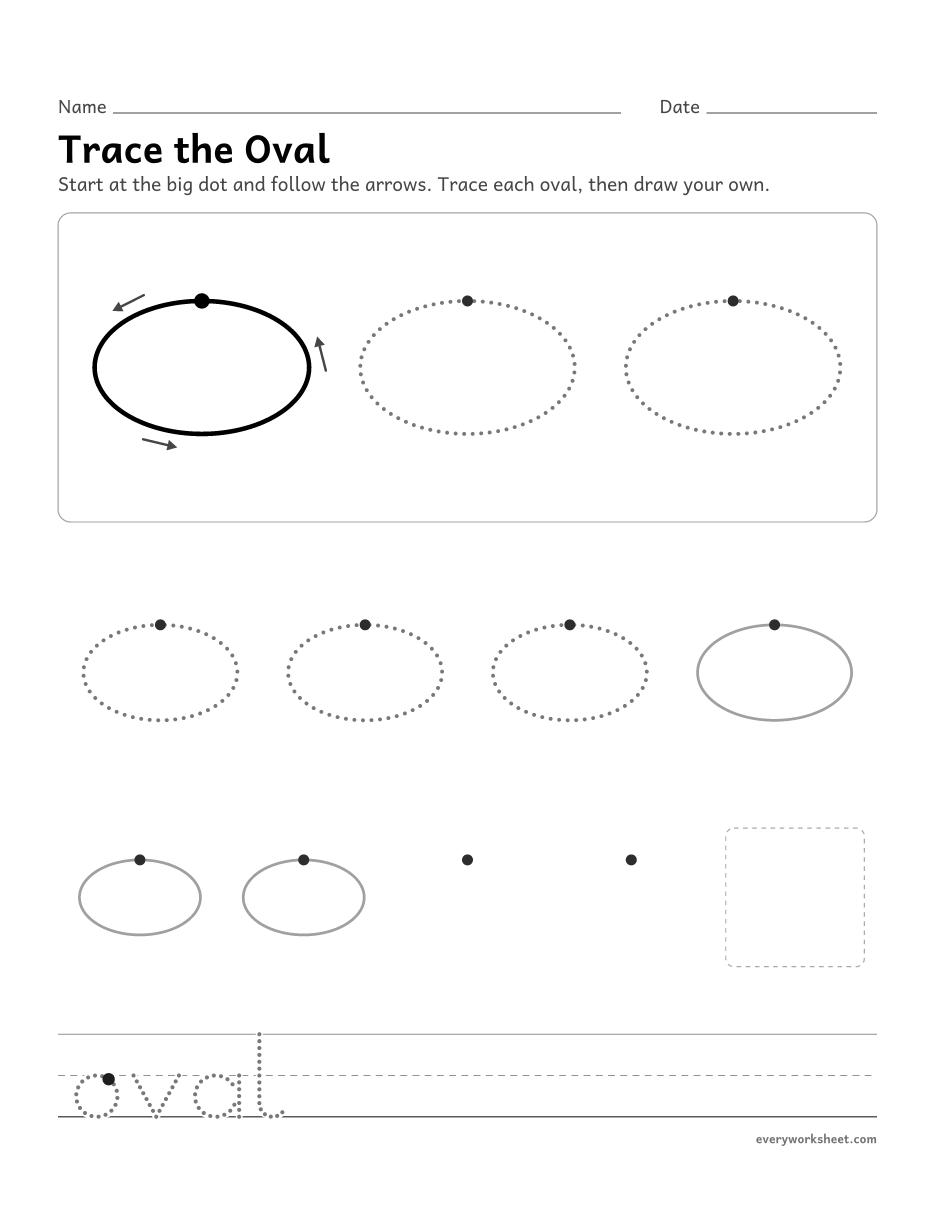
Each page focuses on one shape: circle, square, triangle, rectangle, oval, rhombus, hexagon, star or heart. A big model shows where to start (the big dot) and which way to go (the arrows). Then come big dotted shapes, smaller dotted shapes, lighter shapes, corner dots or just a start dot, and finally an empty box to draw the shape alone. The shape name is at the bottom to trace.
Two mixed pages review several shapes at once, each with its own model, so they work well after a child has done the single-shape pages.
Standards
CCSS.MATH.CONTENT.K.G.A.2Correctly name shapes regardless of their orientations or overall size.CCSS.MATH.CONTENT.K.G.B.5Model shapes in the world by building shapes from components (e.g., sticks and clay balls) and drawing shapes.
How to use them
- Trace the big model with a finger first, saying the moves out loud: "Start at the top, go down, across, and back up."
- Use a pencil or crayon on the dotted shapes. Encourage slow, steady lines rather than speed.
- When the dots disappear, let your child connect the corner dots or start at the single dot and draw the rest from memory.
- Finish with the empty box: "Now draw your own square." Praise closed shapes with corners that meet.
- Slip a page into a sheet protector to reuse it with a dry-erase marker.
Teaching tips
- Circles start at the top and go around to the left, the same way children form the letter o.
- If corners turn into curves, have your child stop at each corner dot, lift or pause, then change direction.
- For very young children, do the big row only and come back to the smaller rows another day.
- The dotted lines are mid-gray so they survive a school copier. Print at actual size (100%).
Questions teachers and parents ask
What age are shape tracing worksheets for?
They suit preschool and kindergarten, about ages 3 to 6. Younger children can use crayons on the big shapes; older children can work through to drawing each shape on their own.
Which shape should my child trace first?
Start with the circle, then the square, triangle and rectangle. Ovals, rhombuses, hexagons, stars and hearts come after those four.
Why is there an arrow on each shape?
The big dot shows where to start and the arrows show which way to go. A steady start and direction make shapes neater and prepare children for writing letters.
Are the shape tracing worksheets free?
Yes. Every page is a free PDF in US Letter and A4, with no sign-up.