 View larger
Story map template for kindergarten (Any Book)
Naming the characters, setting, problem and solution of a story
1 page59 KB
Story maps, retell pages and favorite part pages for any book, plus short read-aloud stories that teach characters, setting, problem and solution.
View largerNaming the characters, setting, problem and solution of a story
1 page59 KB
 View larger
Retelling a story with its characters, setting and main events
1 page46 KB
 View larger
Identifying the characters and setting of a story
1 page45 KB
 View all 2 pages
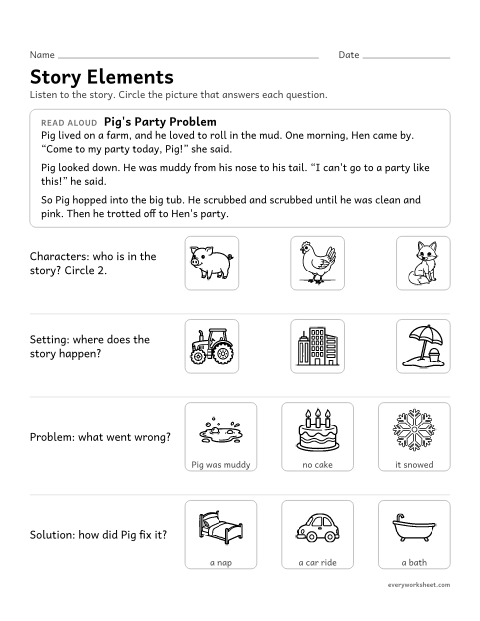
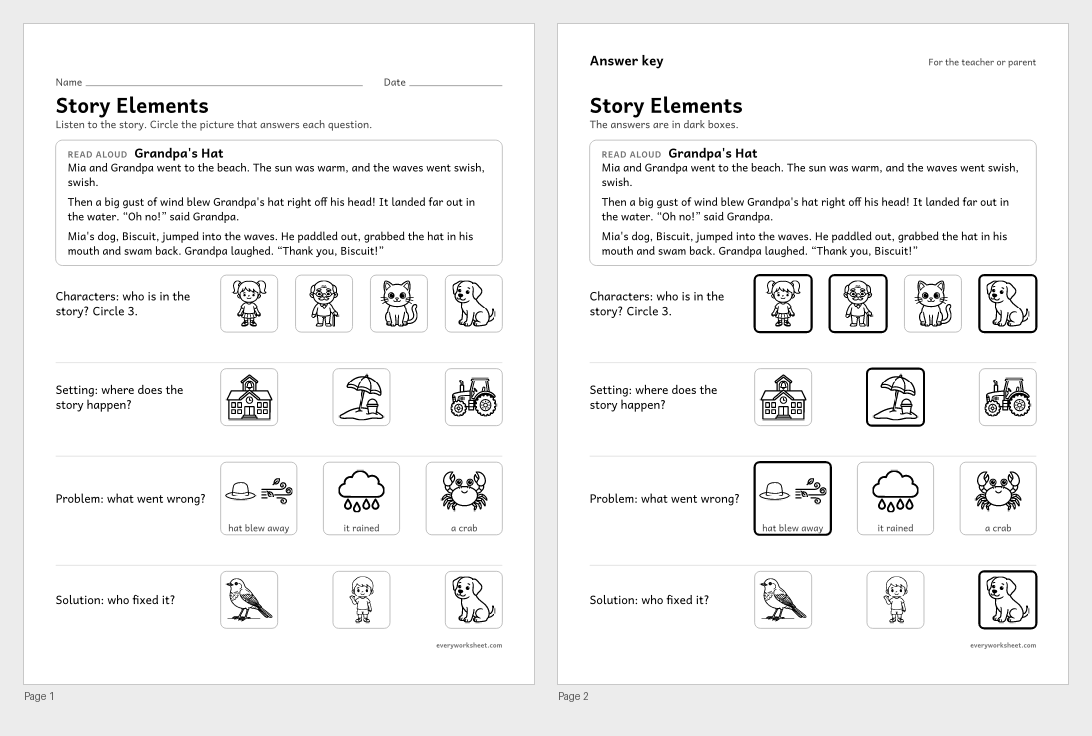
Naming the characters, setting, problem and solution in a read-aloud story
Answer key on page 2
2 pages482 KB
 View all 2 pages
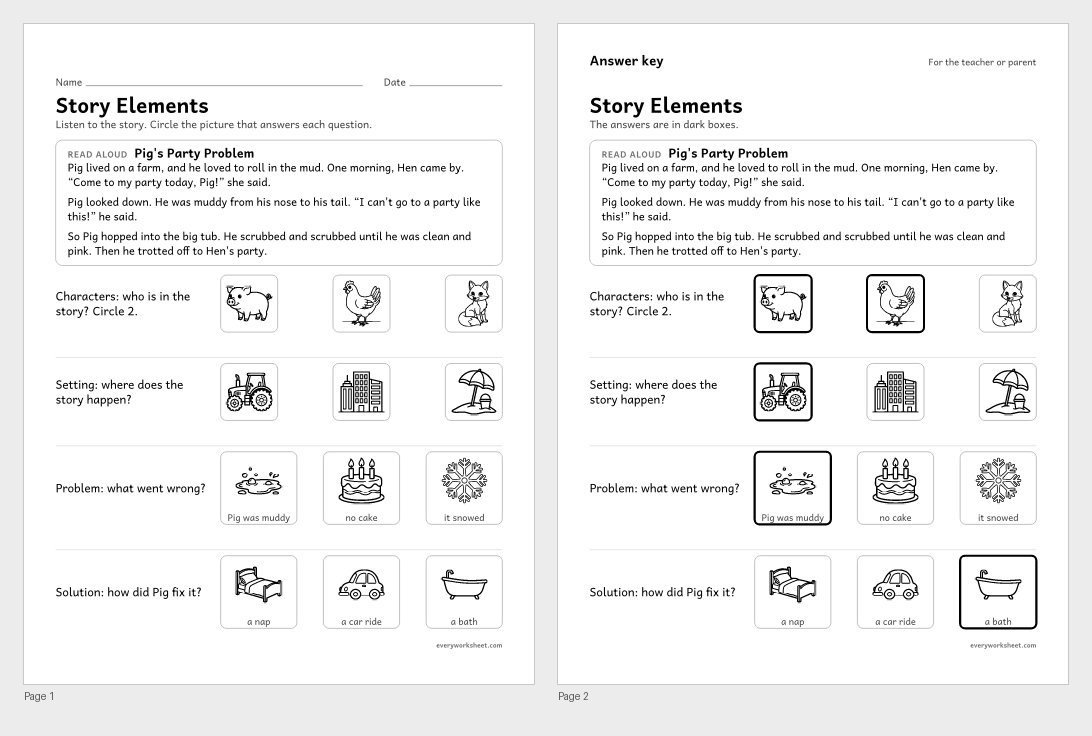
Naming the characters, setting, problem and solution in a read-aloud story
Answer key on page 2
2 pages402 KB
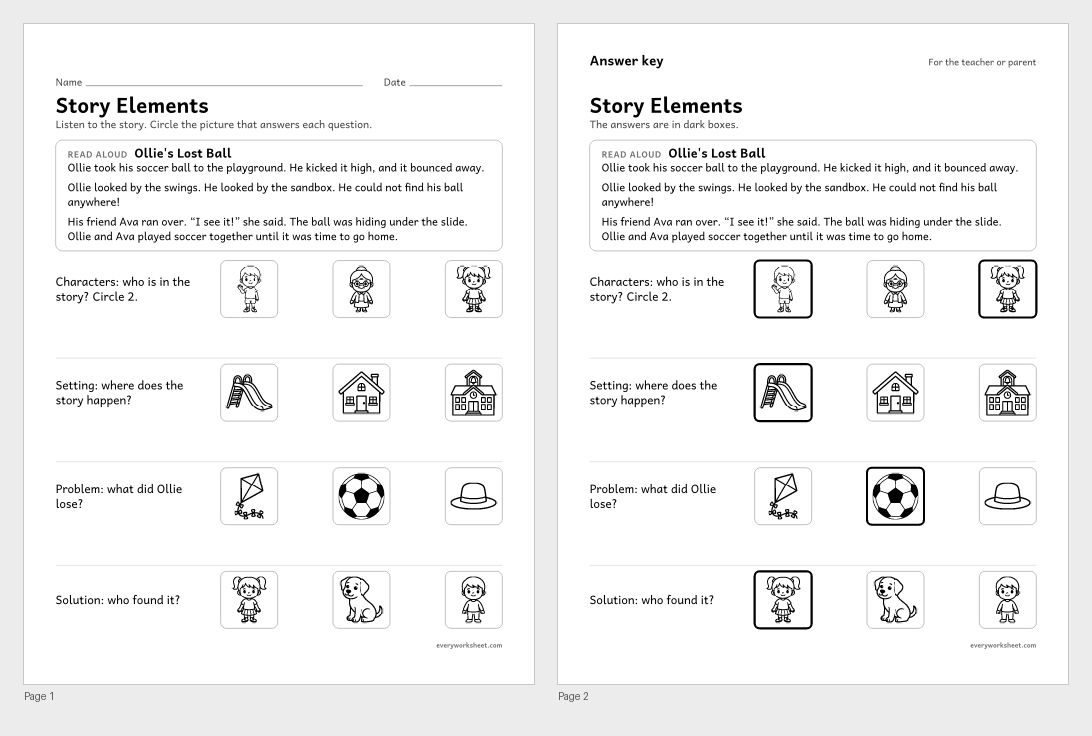 View all 2 pages
Naming the characters, setting, problem and solution in a read-aloud story
Answer key on page 2
2 pages444 KB
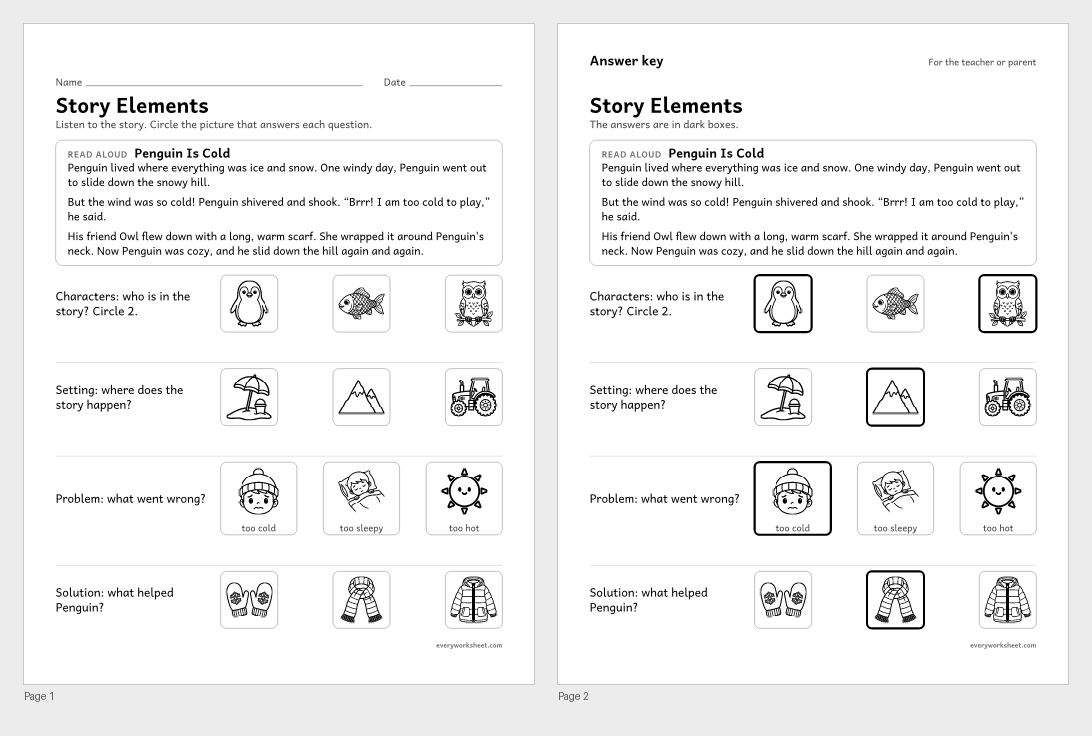 View all 2 pages
Naming the characters, setting, problem and solution in a read-aloud story
Answer key on page 2
2 pages446 KB
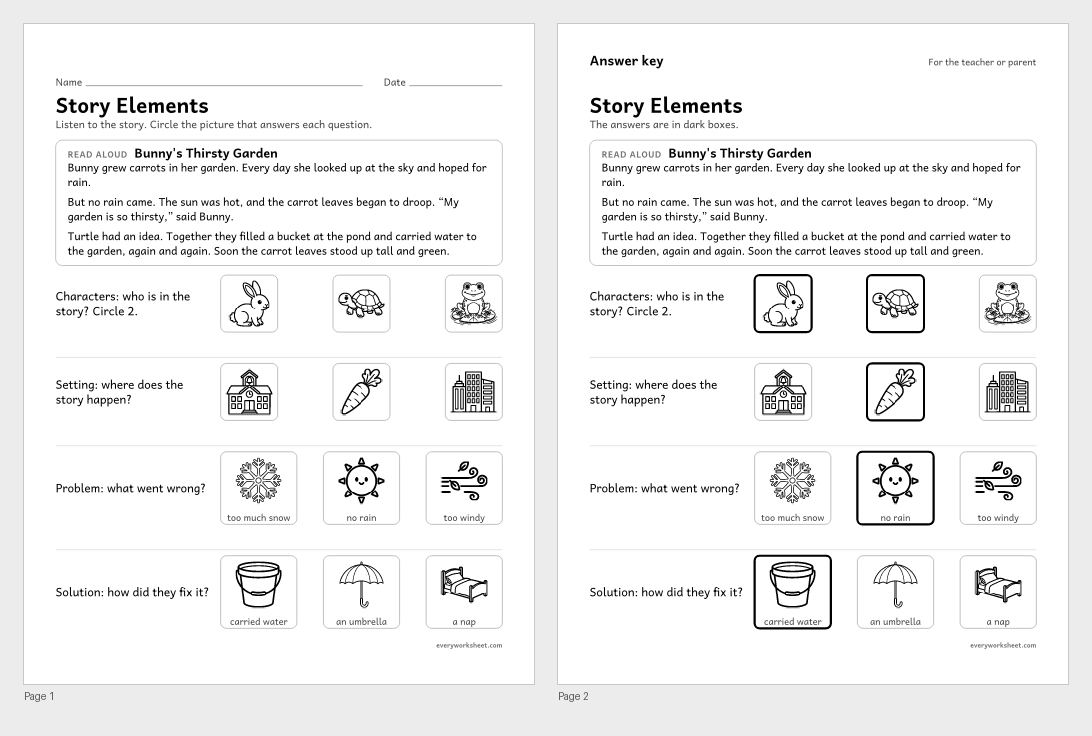 View all 2 pages
Naming the characters, setting, problem and solution in a read-aloud story
Answer key on page 2
2 pages321 KB
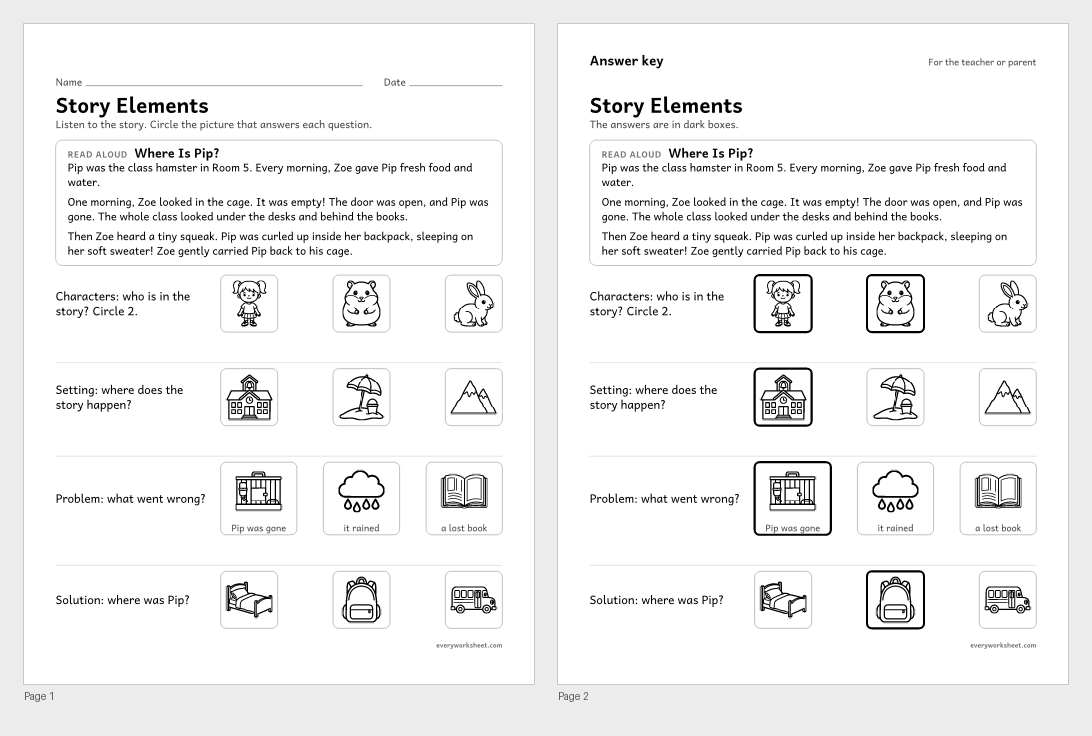 View all 2 pages
Naming the characters, setting, problem and solution in a read-aloud story
Answer key on page 2
2 pages419 KB
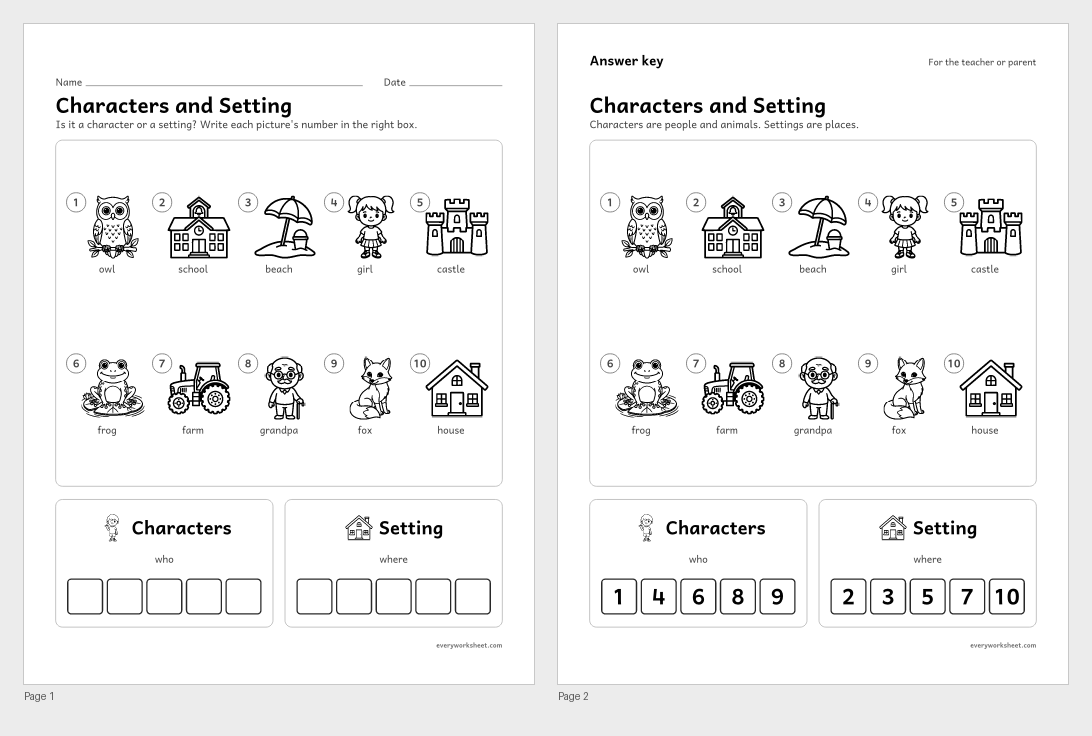 View all 2 pages
Telling characters (who) from settings (where)
Answer key on page 2
2 pages428 KB
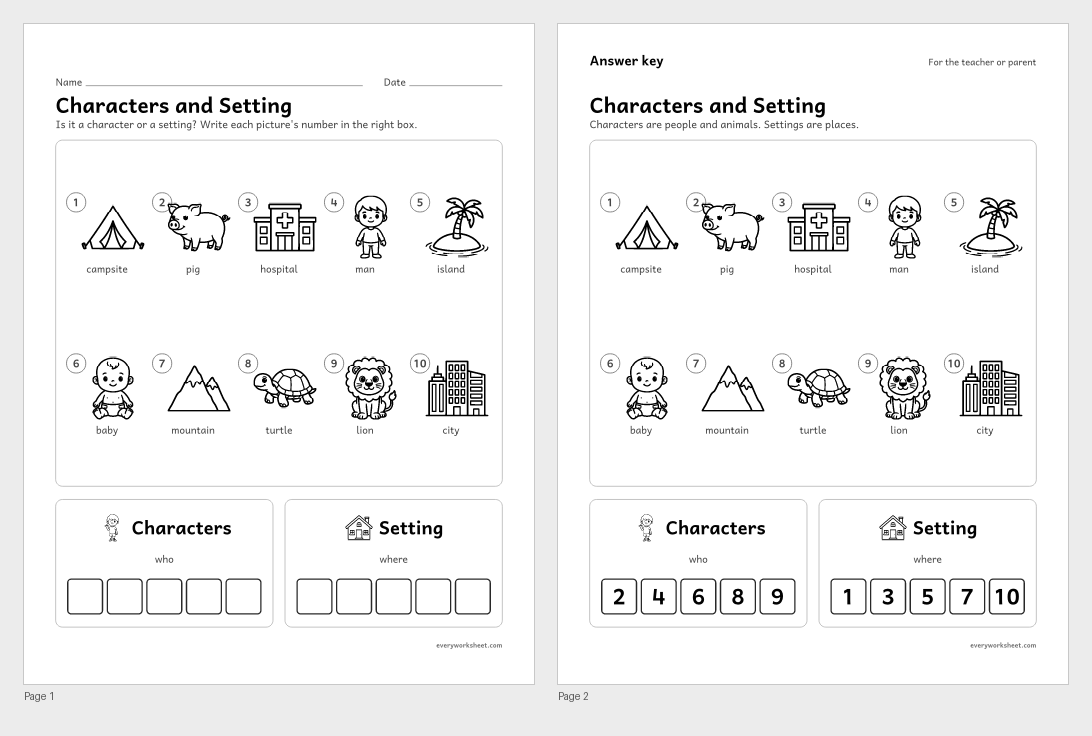 View all 2 pages
Telling characters (who) from settings (where)
Answer key on page 2
2 pages450 KB
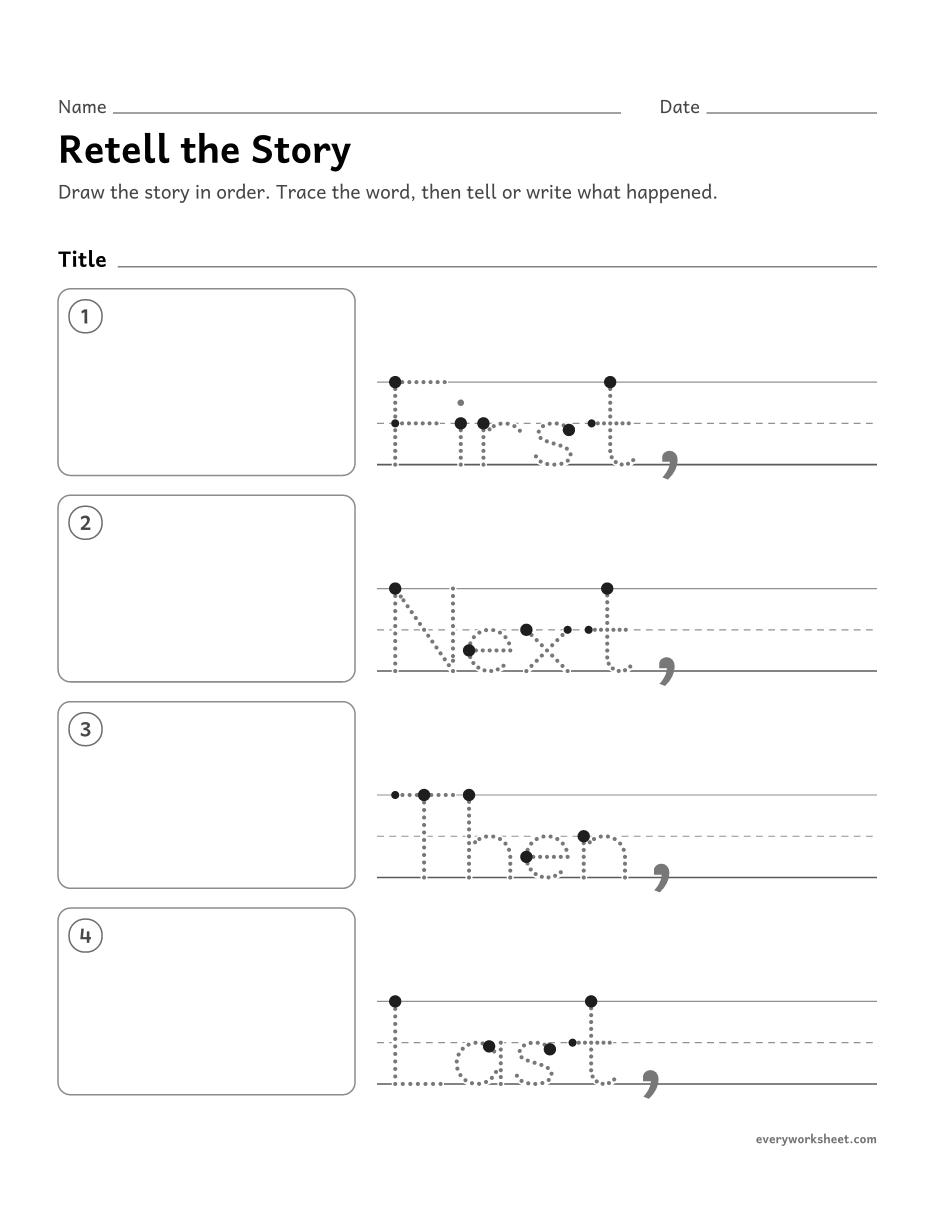 View larger
Retelling a familiar story in order with first, next, then and last
1 page30 KB
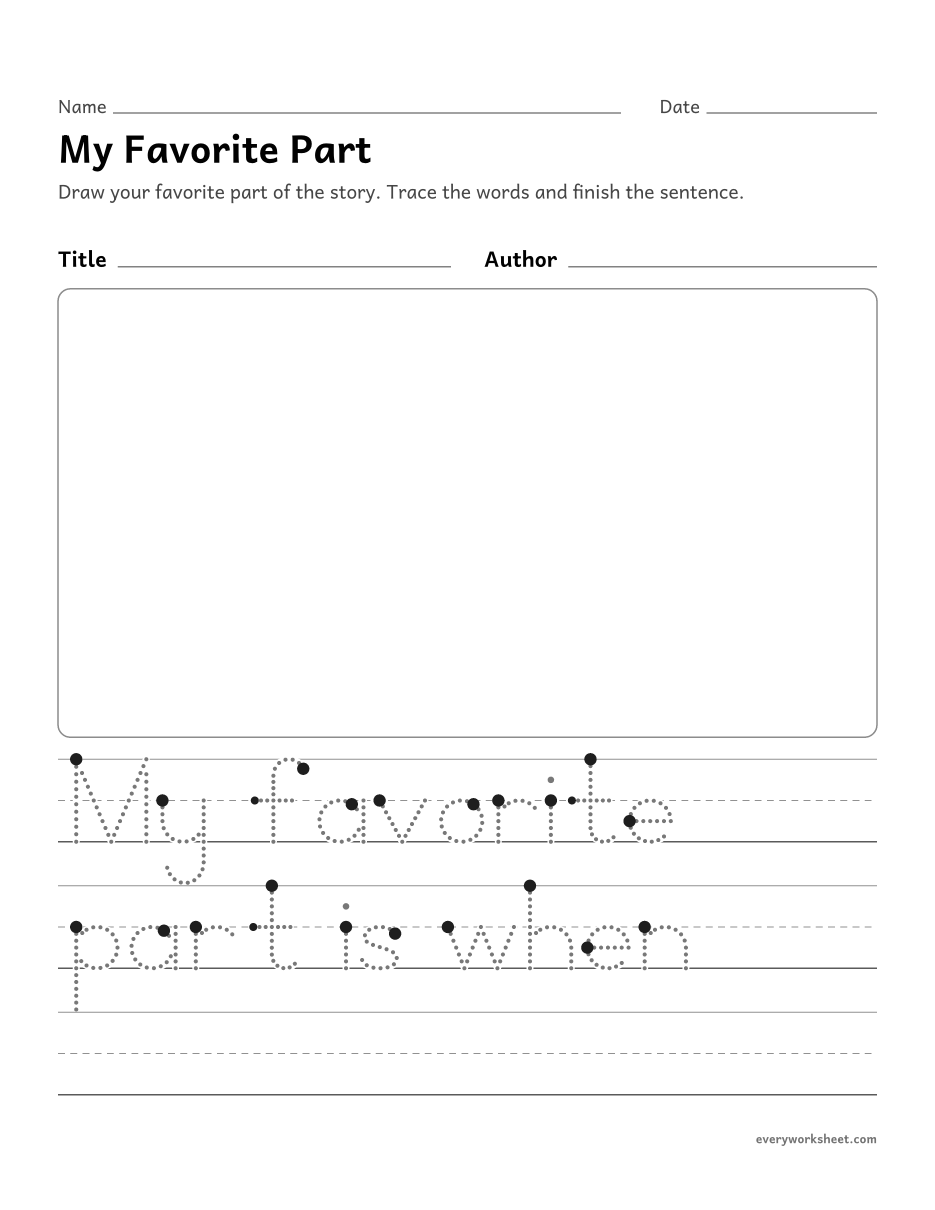 View larger
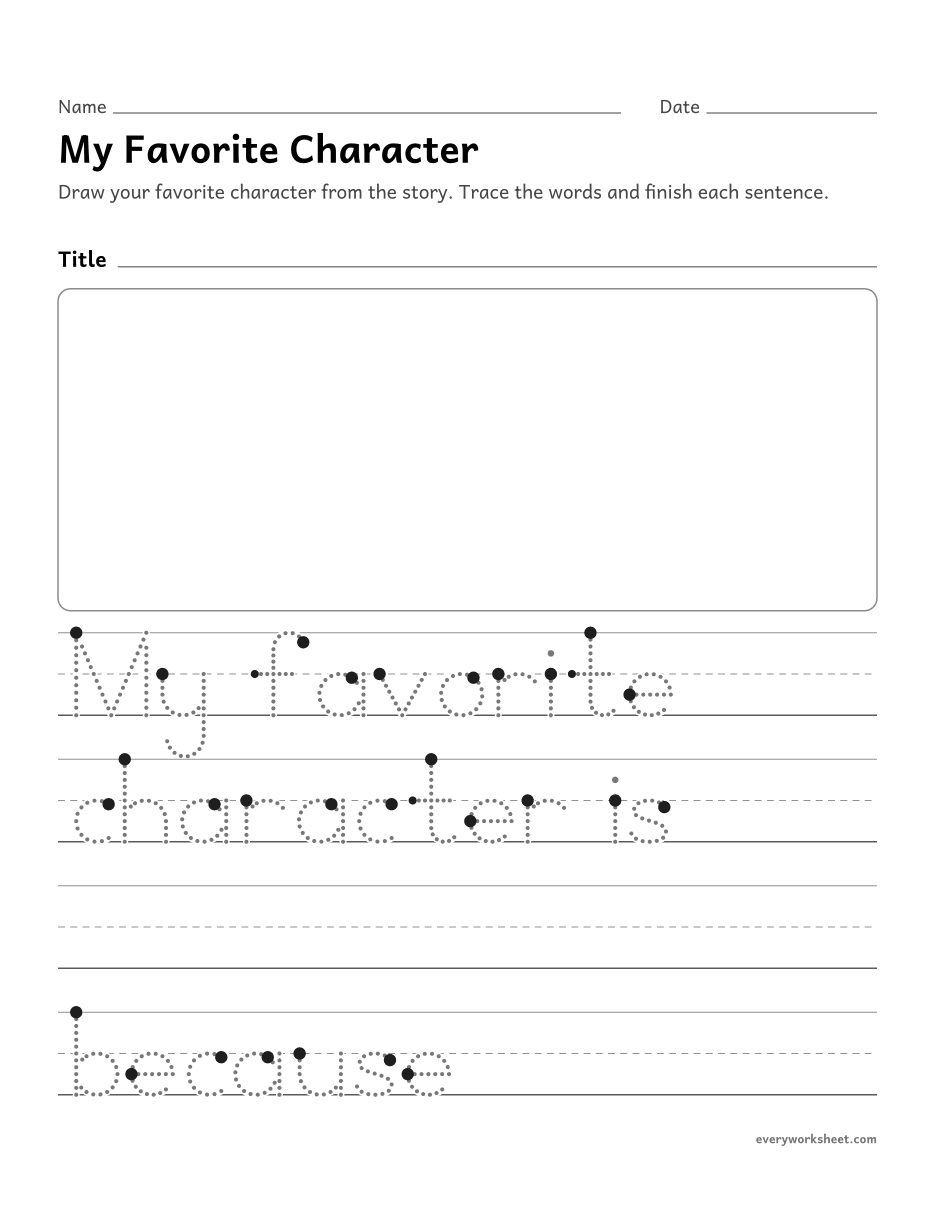
Telling about a favorite part of a story read aloud
1 page29 KB
 View larger
 View all 2 pages
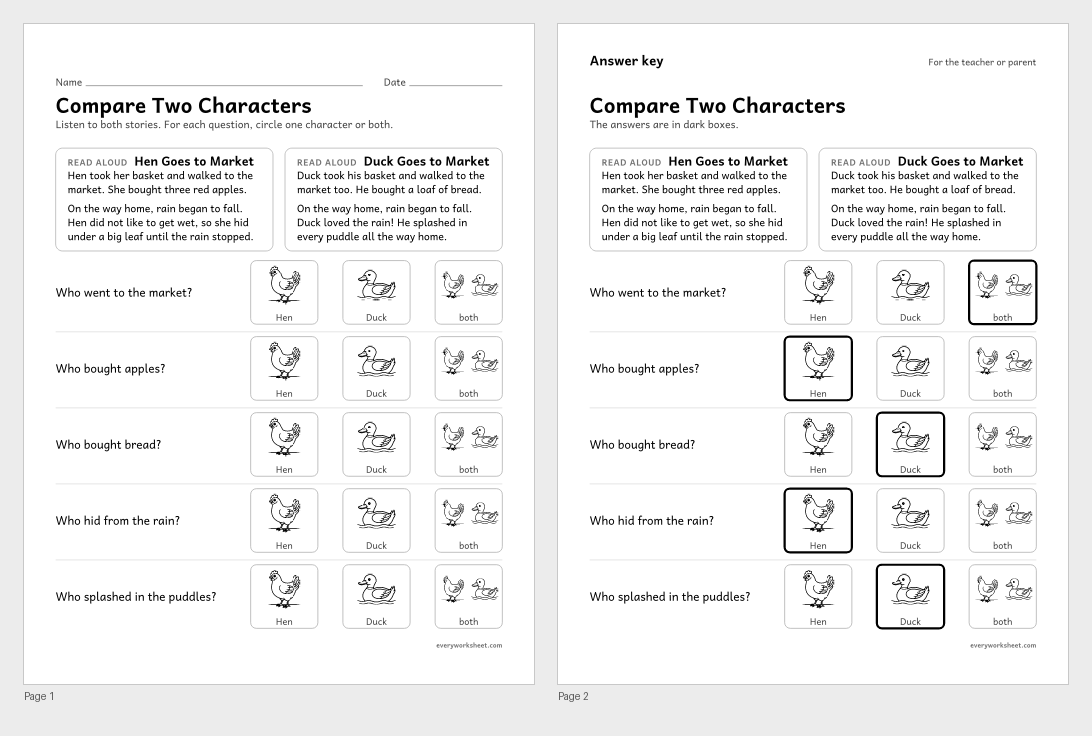
Comparing the adventures of two characters in two stories
Answer key on page 2
2 pages366 KB
 View all 2 pages
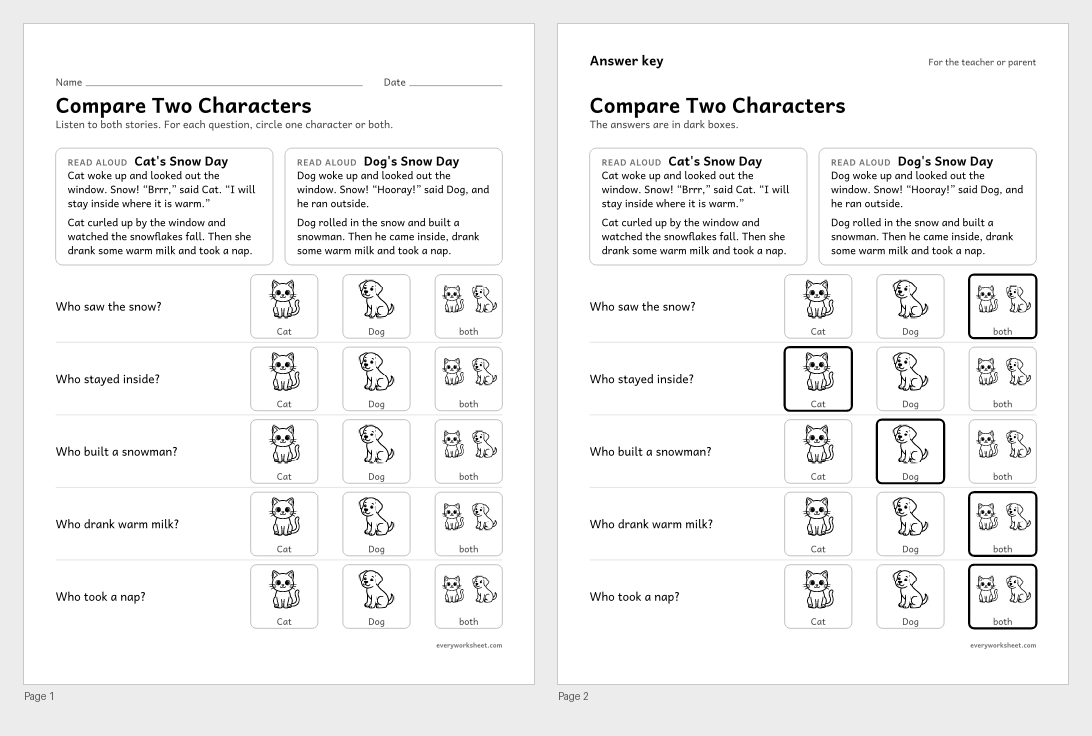
Comparing the adventures of two characters in two stories
Answer key on page 2
2 pages800 KB
 View larger
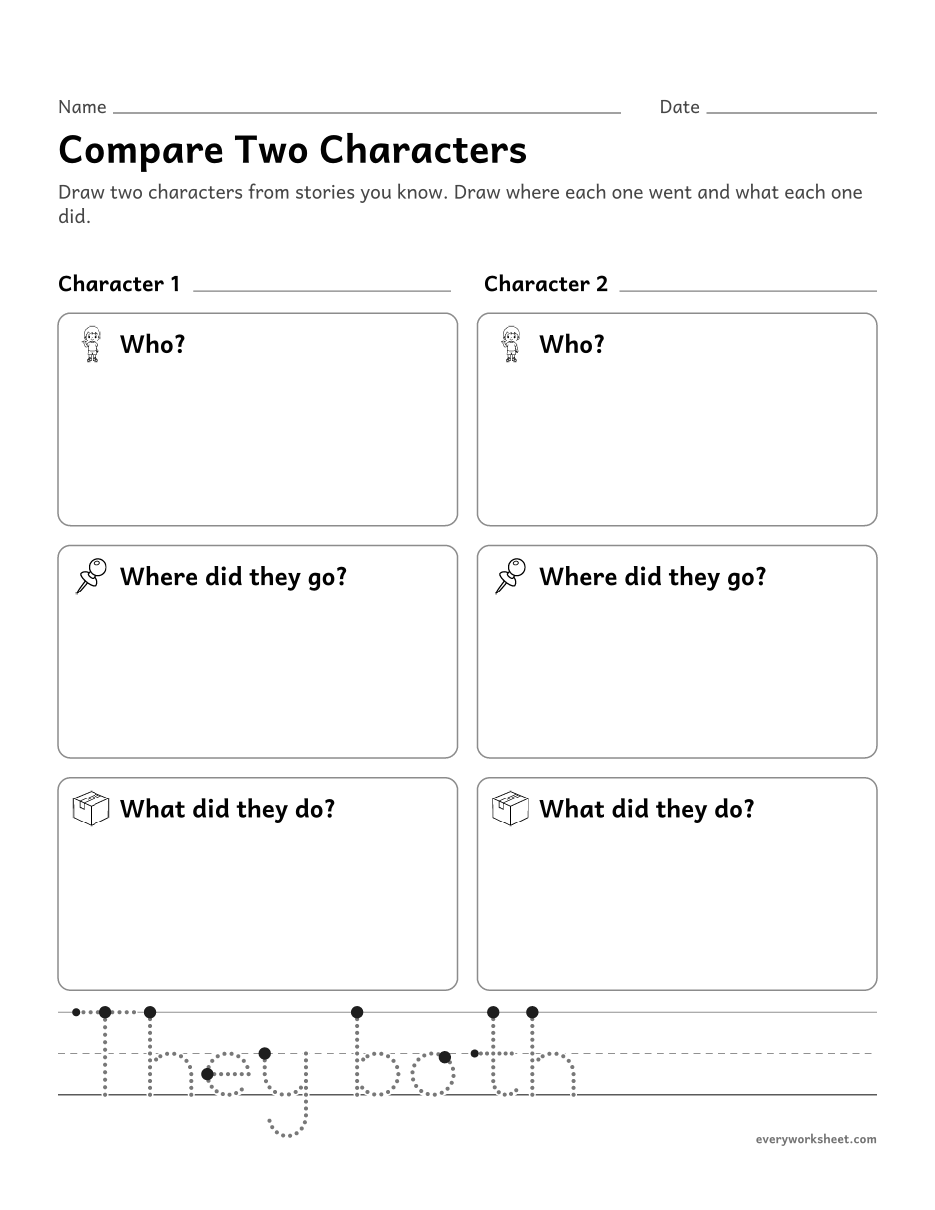
Comparing the adventures of two characters
1 page107 KB
Print at 100% (actual size) for the cleanest tracing lines.
Every story has the same building blocks: characters (who is in it), a setting (where and when it happens), a problem and a solution. Kindergarteners who can name these parts understand stories better and retell them more fully. These story elements worksheets teach each part with pictures, so children can show what they know before they can write it.
Six pages each have a short, original story to read aloud. After listening, children circle the characters, the setting, the problem and how it was fixed. Two sort pages practice the difference between characters and settings, and two compare pages put two characters side by side with stories about the same kind of day.
The rest are templates you can use with any book: a story map, a characters, setting, beginning, middle and end map, a characters and setting page, a retell page with first, next, then and last, my favorite part, my favorite character and a compare two characters page. Children draw in the boxes and write or trace a few words.
CCSS.ELA-LITERACY.RL.K.3With prompting and support, identify characters, settings, and major events in a story.CCSS.ELA-LITERACY.RL.K.2With prompting and support, retell familiar stories, including key details.CCSS.ELA-LITERACY.RL.K.1With prompting and support, ask and answer questions about key details in a text.CCSS.ELA-LITERACY.RL.K.9With prompting and support, compare and contrast the adventures and experiences of characters in familiar stories.CCSS.ELA-LITERACY.RL.K.10Actively engage in group reading activities with purpose and understanding.CCSS.ELA-LITERACY.SL.K.2Confirm understanding of a text read aloud or information presented orally or through other media by asking and answering questions about key details and requesting clarification if something is not understood.Kindergarteners learn characters (who is in the story), setting (where and when it happens) and the major events. Many classes also add the problem and the solution.
A story map is a page with a box for each part of a story. Children draw or write the characters, setting, problem and solution, or the beginning, middle and end.
Read the story, then have your child tell it back using first, next, then and last. The retell page gives them a box to draw each part and the words to trace.
Yes. The story maps, retell page, favorite part, favorite character and compare page all work with any picture book or class read-aloud.
Yes. Every story on these pages was written for this site, so you can read and share them freely.