 View all 2 pages
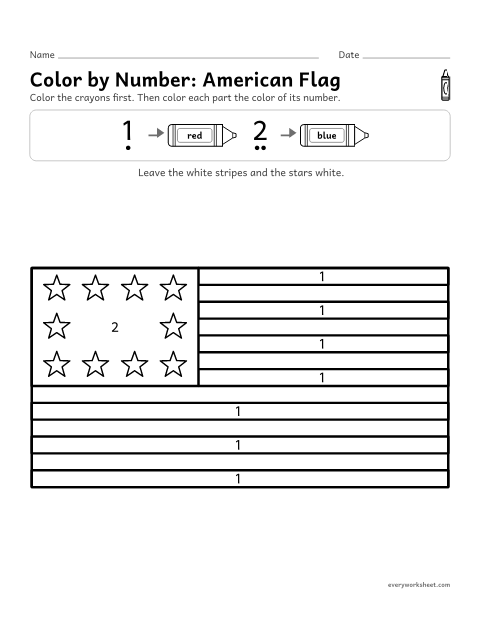
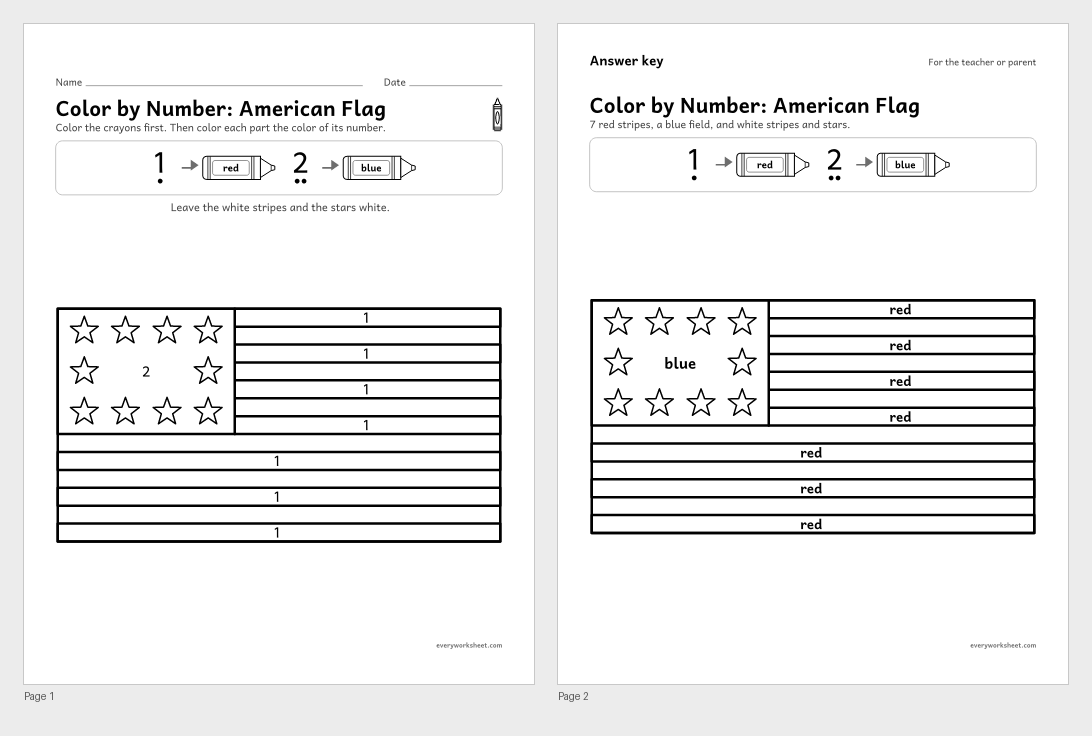
Color by Number: american flag
Reading the numerals 1 and 2 to color the flag
Answer key on page 2
2 pages36 KB
Flags, stars, drums and picnics for counting, patterns, words, reading, a July calendar and word problems, plus the simple facts of Independence Day.
View all 2 pagesReading the numerals 1 and 2 to color the flag
Answer key on page 2
2 pages36 KB
 View larger
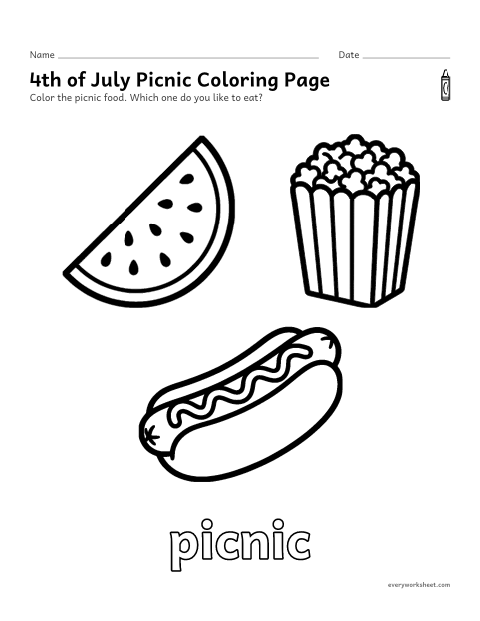
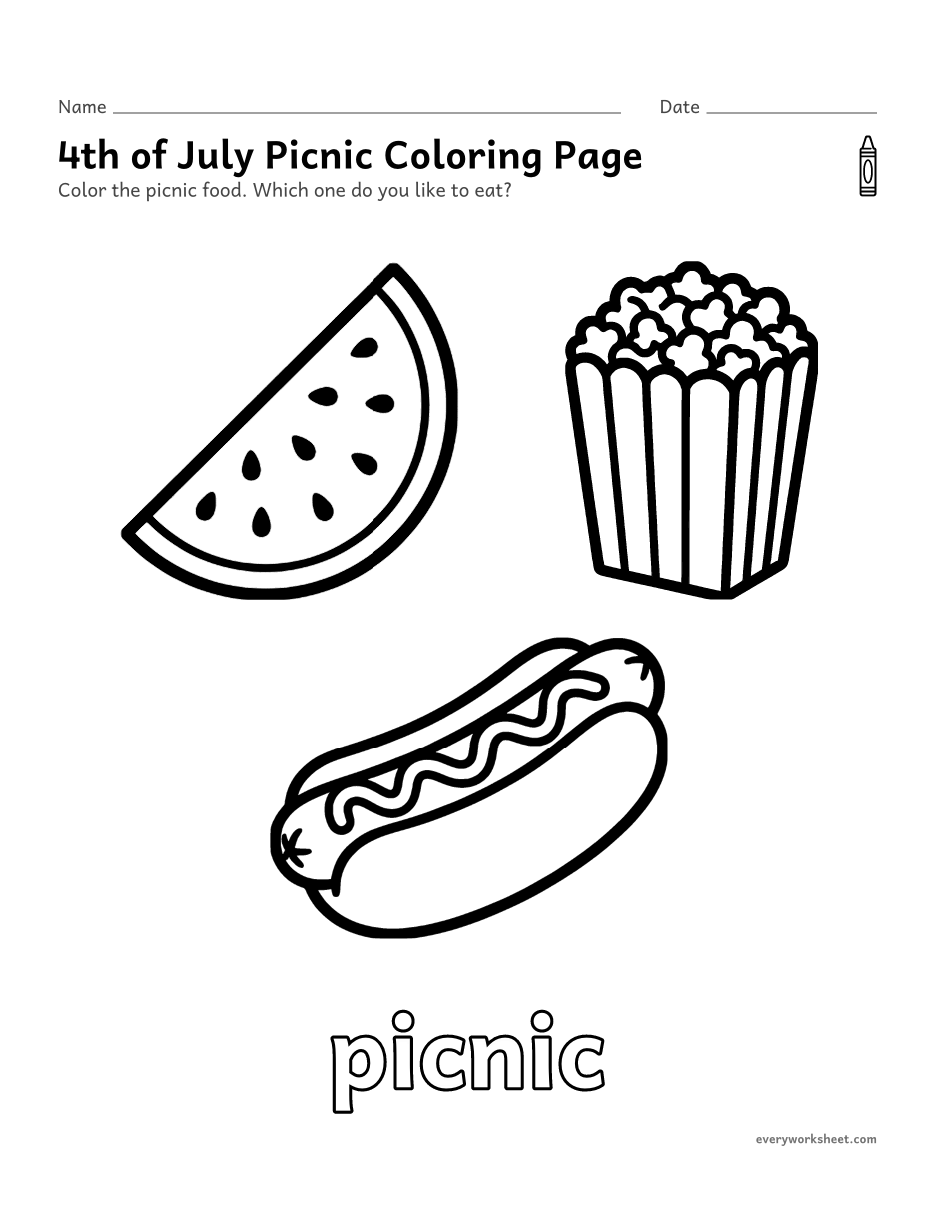
Coloring big picnic pictures with crayons
1 page91 KB
 View all 2 pages
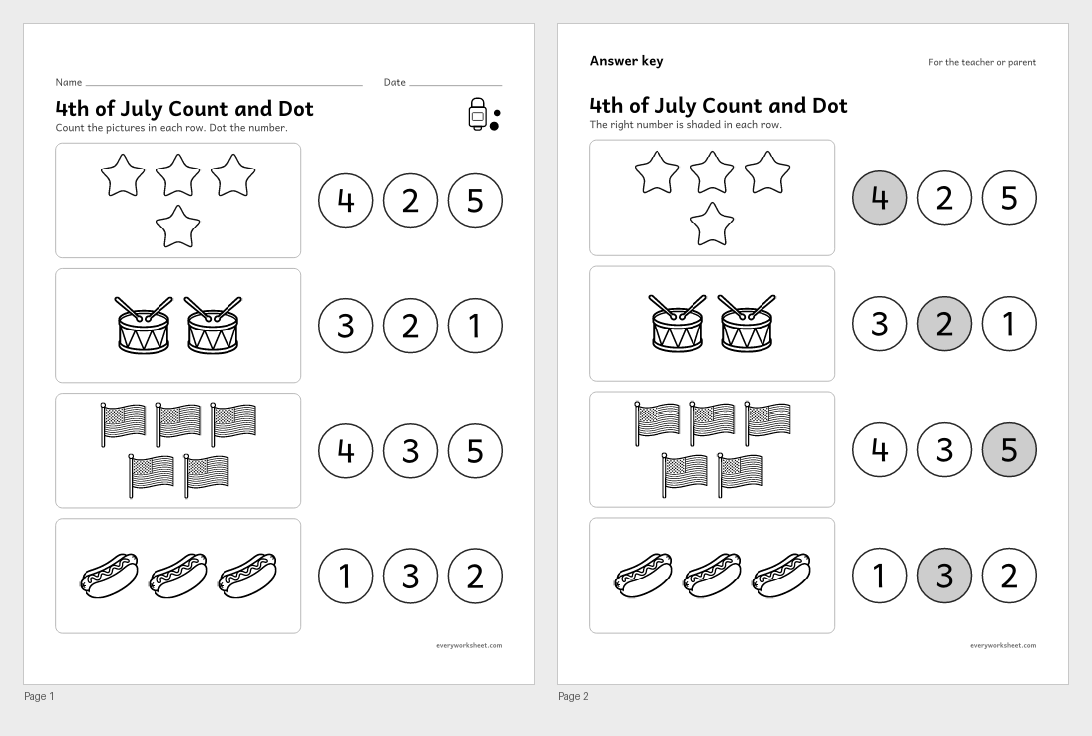
Counting 1 to 5 pictures and finding the number
Answer key on page 2
2 pages722 KB
 View larger
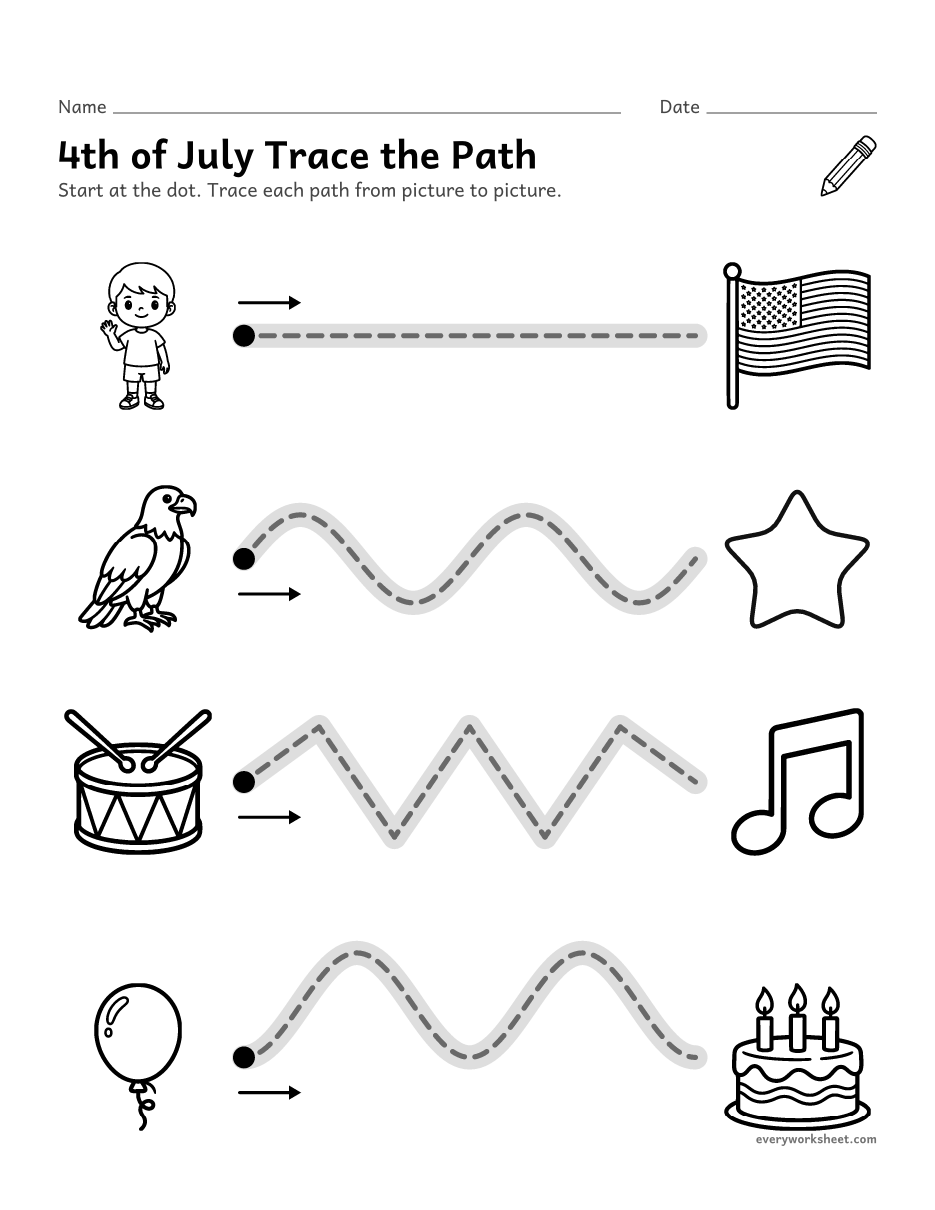
Tracing straight, wavy and zigzag lines from left to right
1 page171 KB
 View all 2 pages
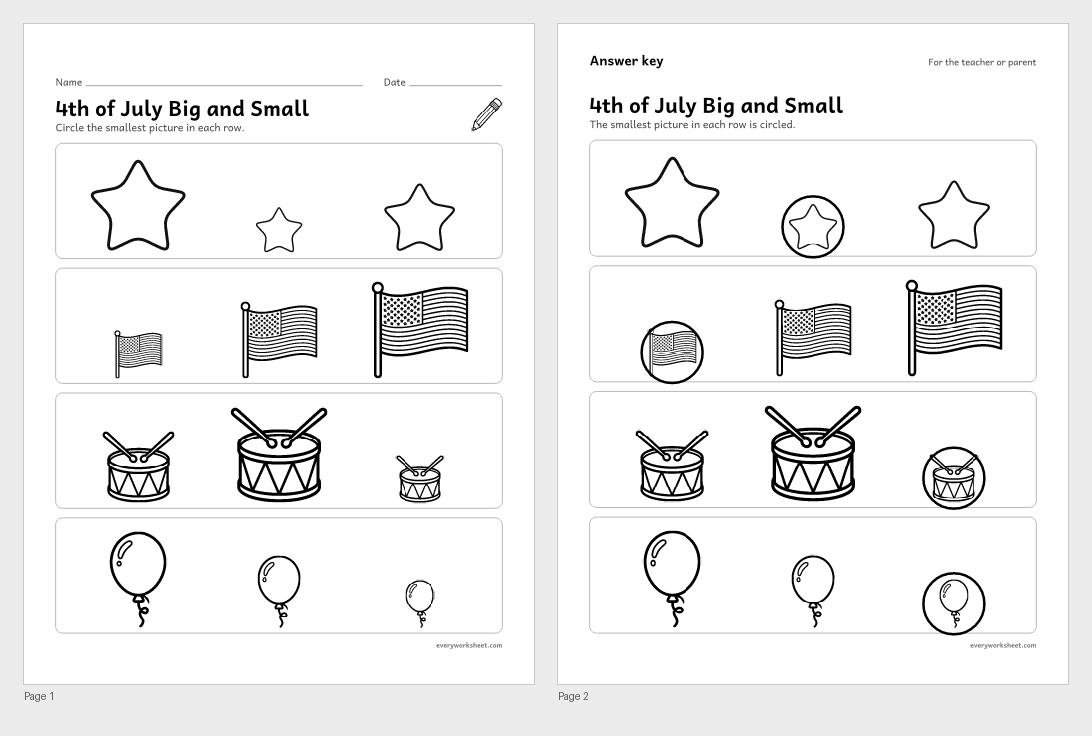
Comparing sizes and finding the smallest
Answer key on page 2
2 pages477 KB
 View all 2 pages
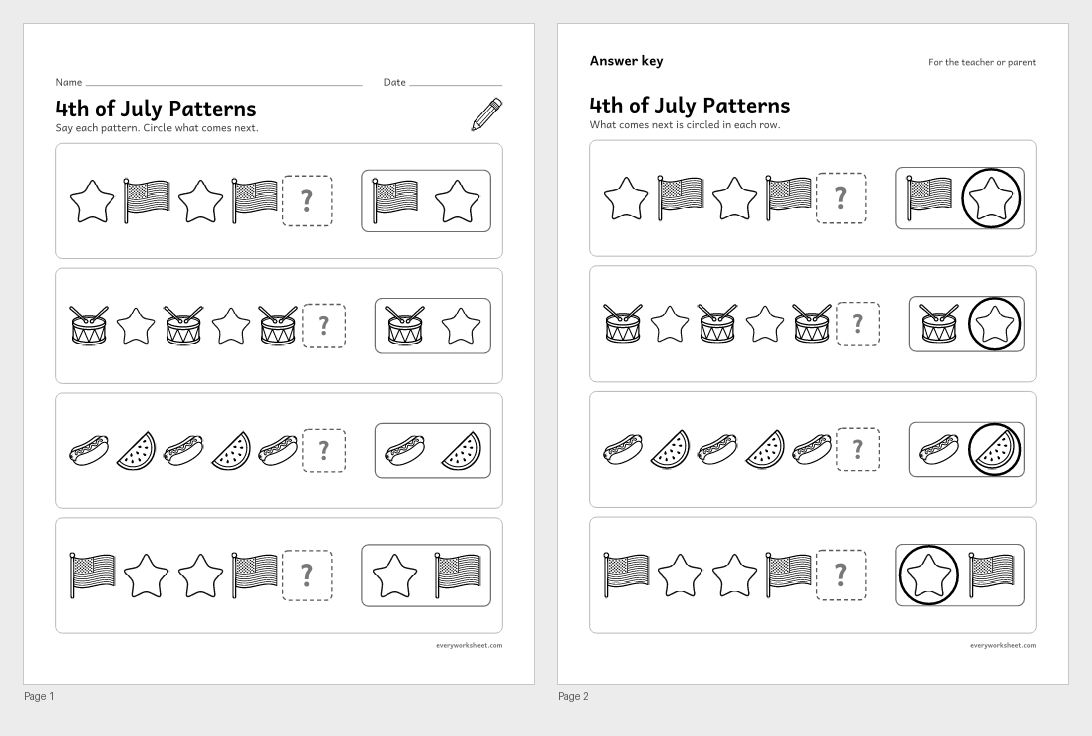
Finding what comes next in AB and ABB patterns
Answer key on page 2
2 pages1.1 MB
 View all 2 pages
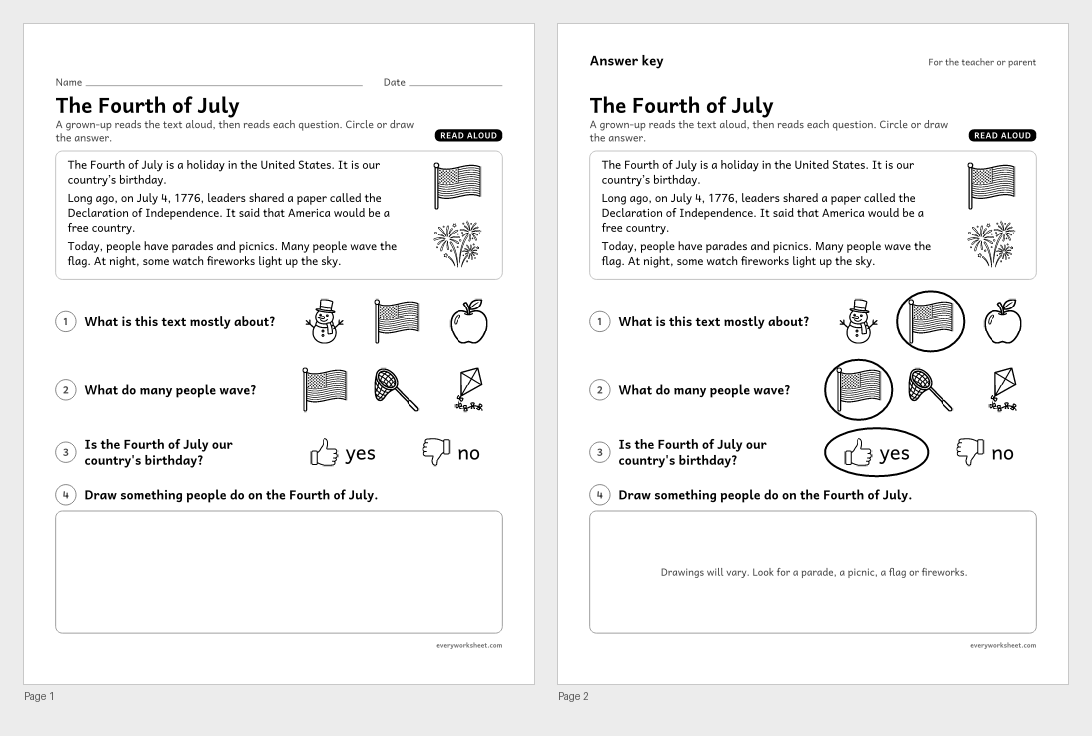
Listening to an informational text and naming the main topic and key details
Answer key on page 2
2 pages587 KB
 View all 2 pages
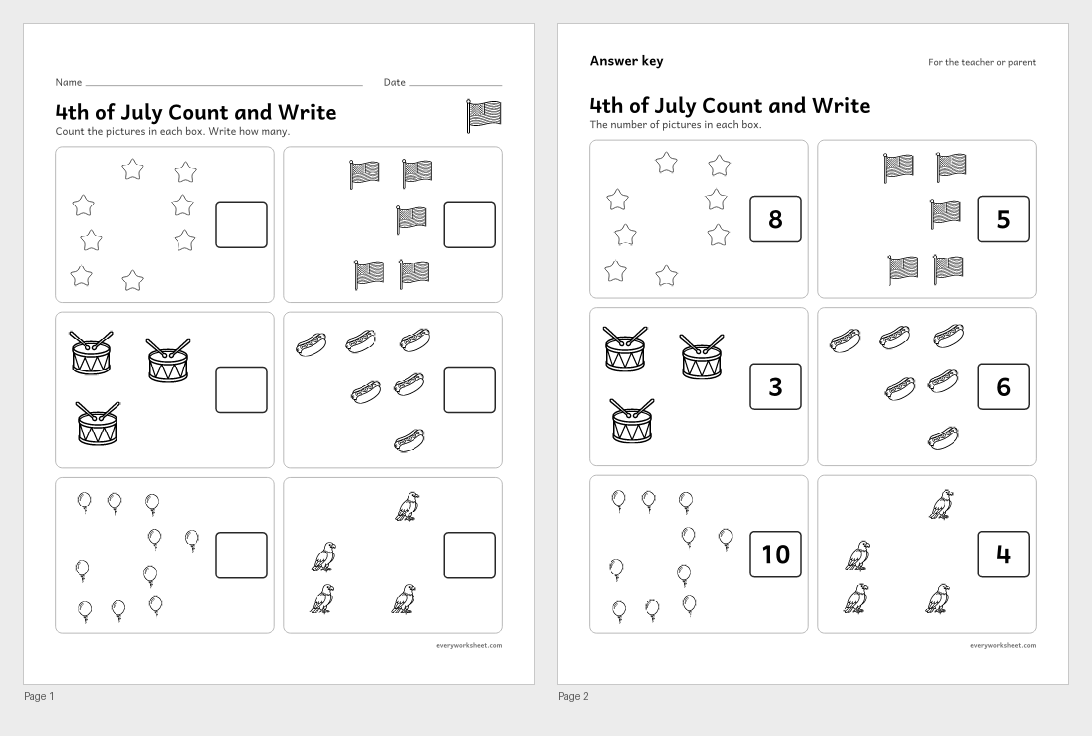
Counting up to 10 objects in a scattered group and writing the number
Answer key on page 2
2 pages1.1 MB
 View all 2 pages
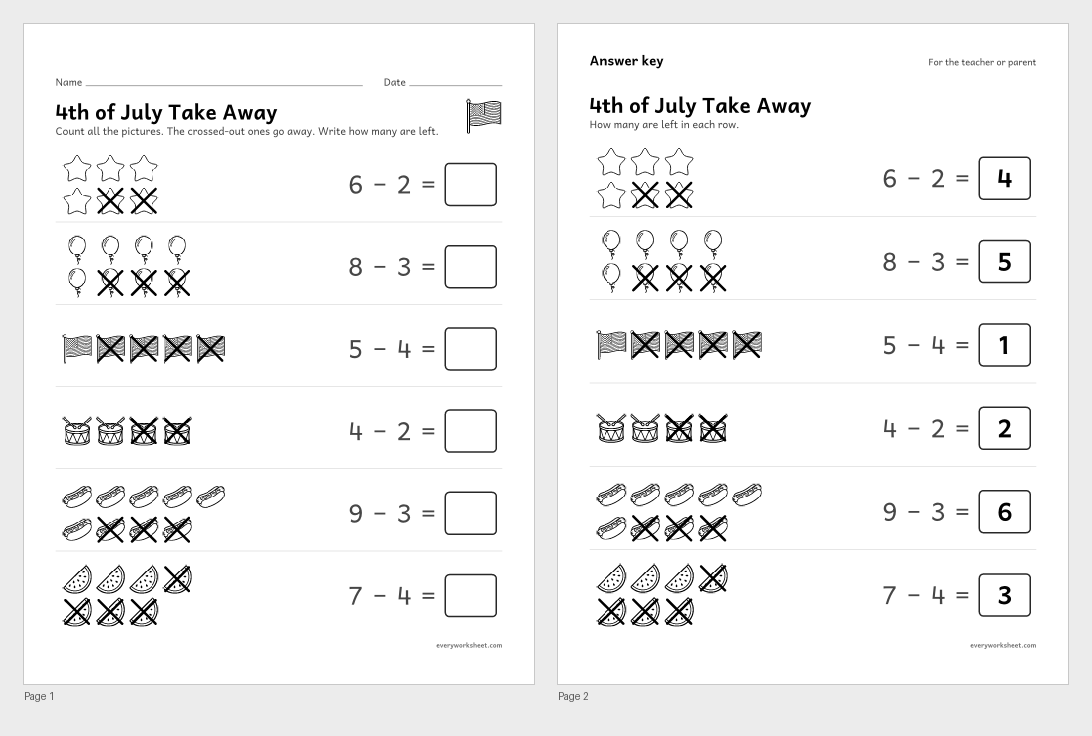
Taking away within 10 with pictures
Answer key on page 2
2 pages1.4 MB
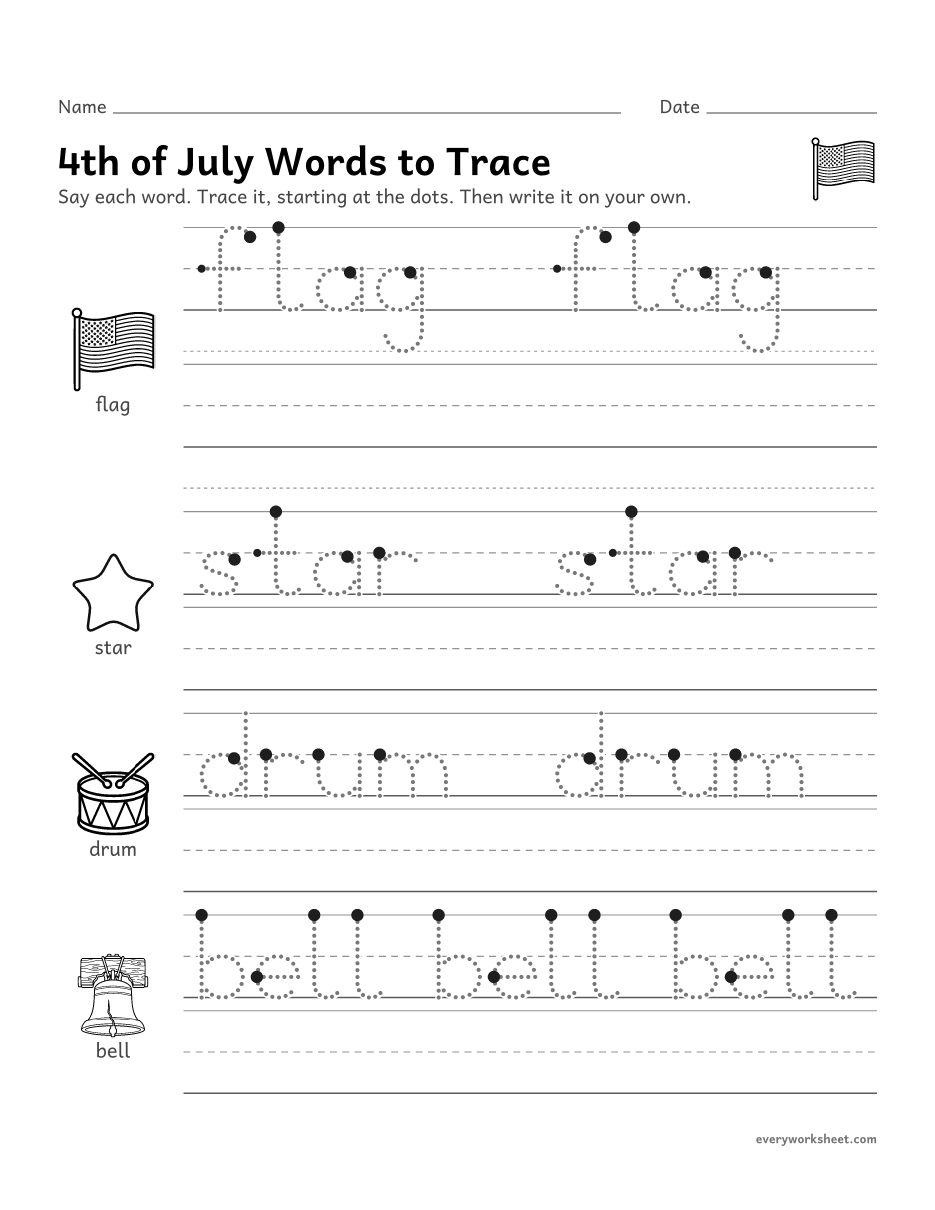 View larger
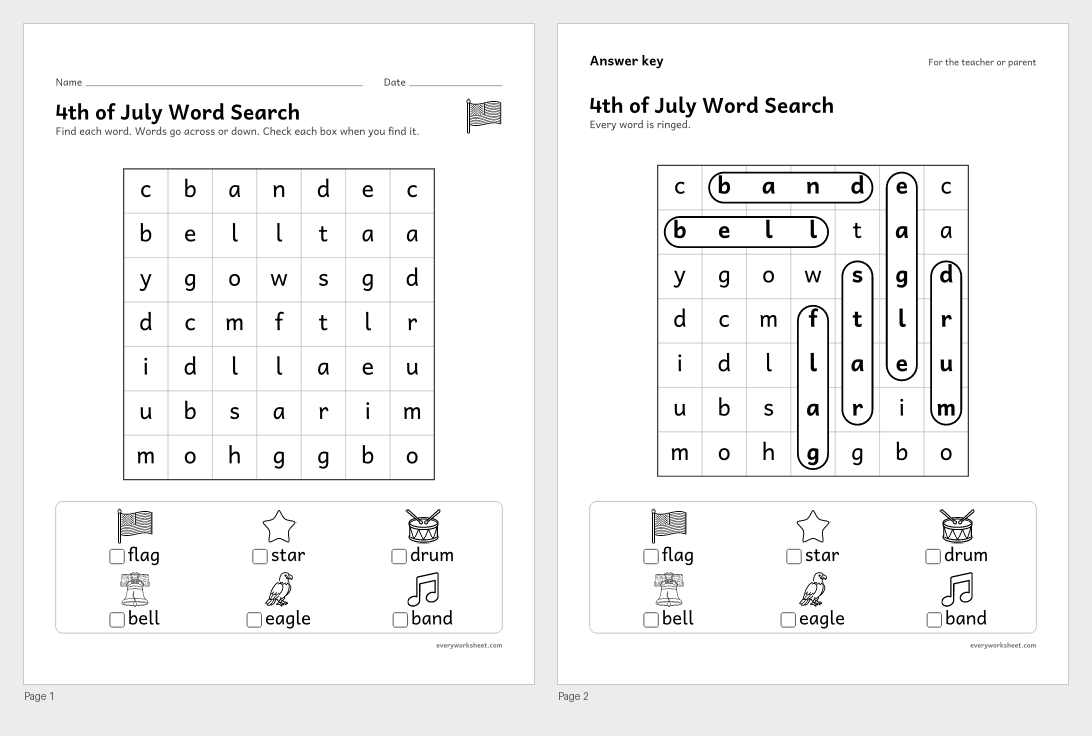 View all 2 pages
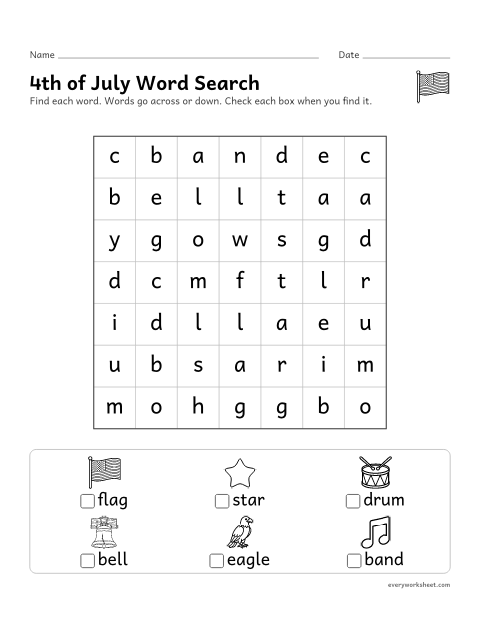
Finding 4th of july words letter by letter
Answer key on page 2
2 pages297 KB
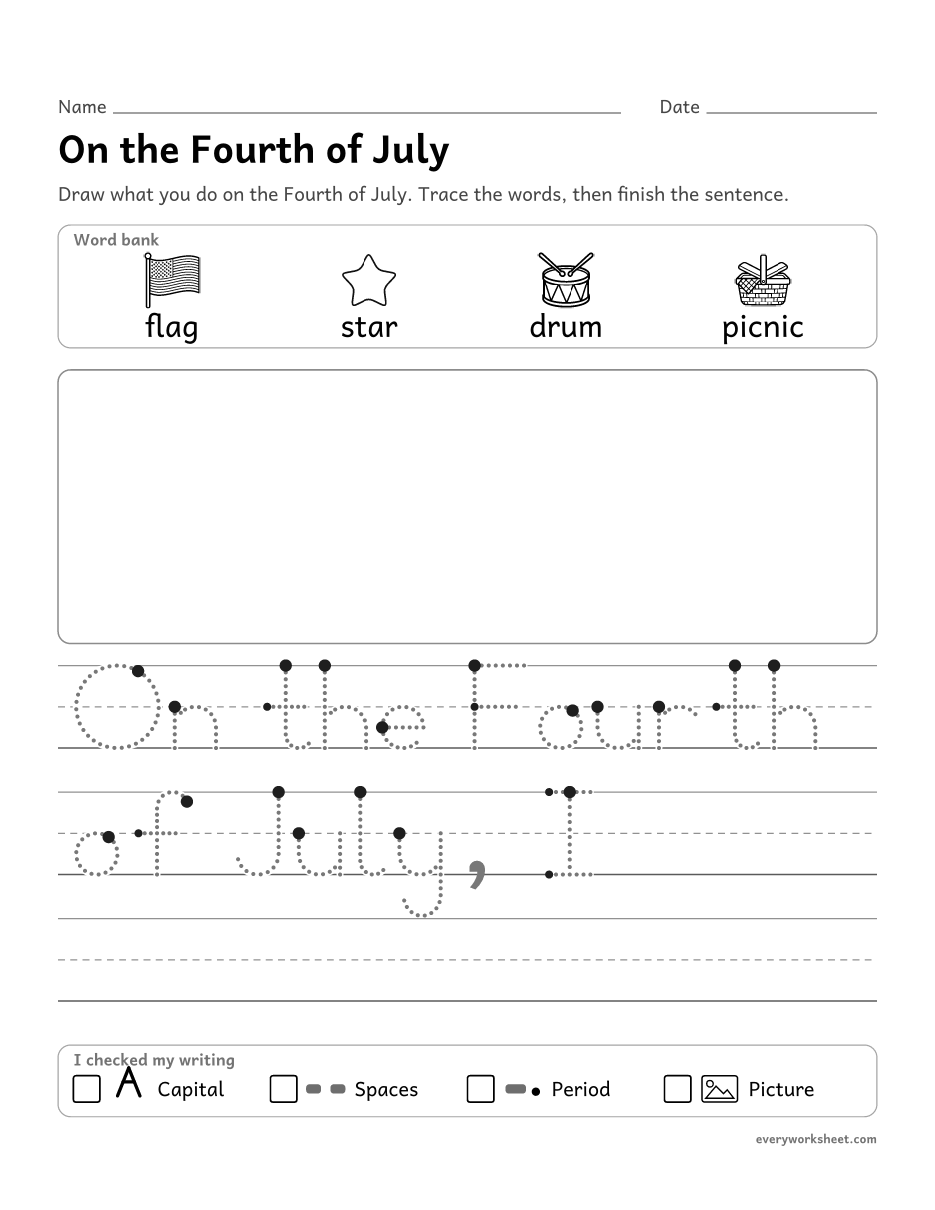 View larger
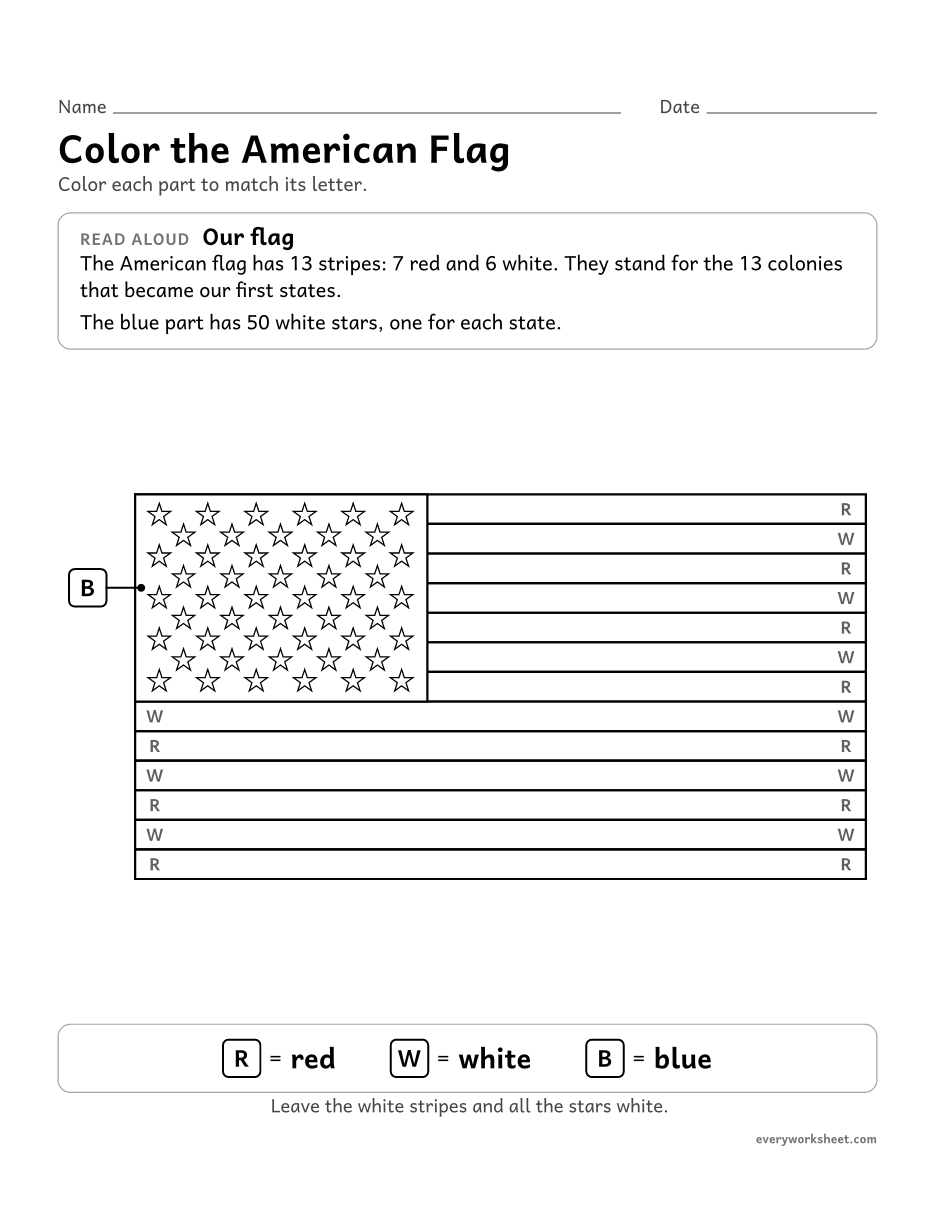 View larger
Coloring the American flag and learning what its stars and stripes stand for
1 page34 KB
 View all 2 pages
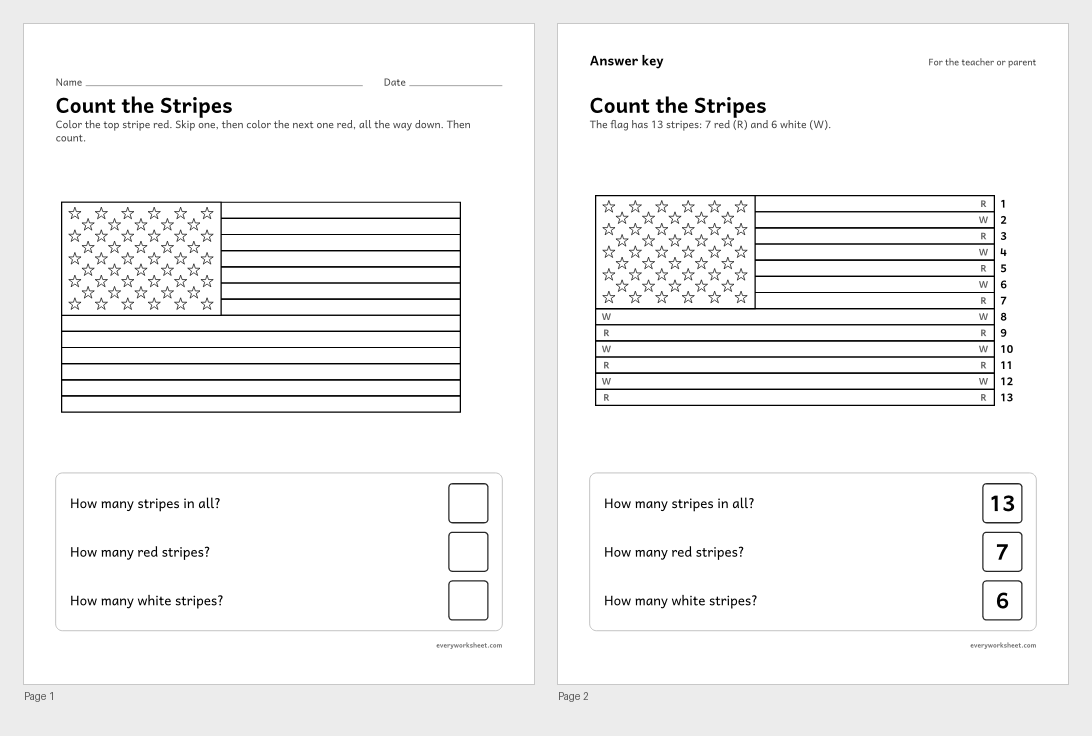
Counting the stripes on the American flag (13 in all, 7 red, 6 white)
Answer key on page 2
2 pages38 KB
 View all 2 pages
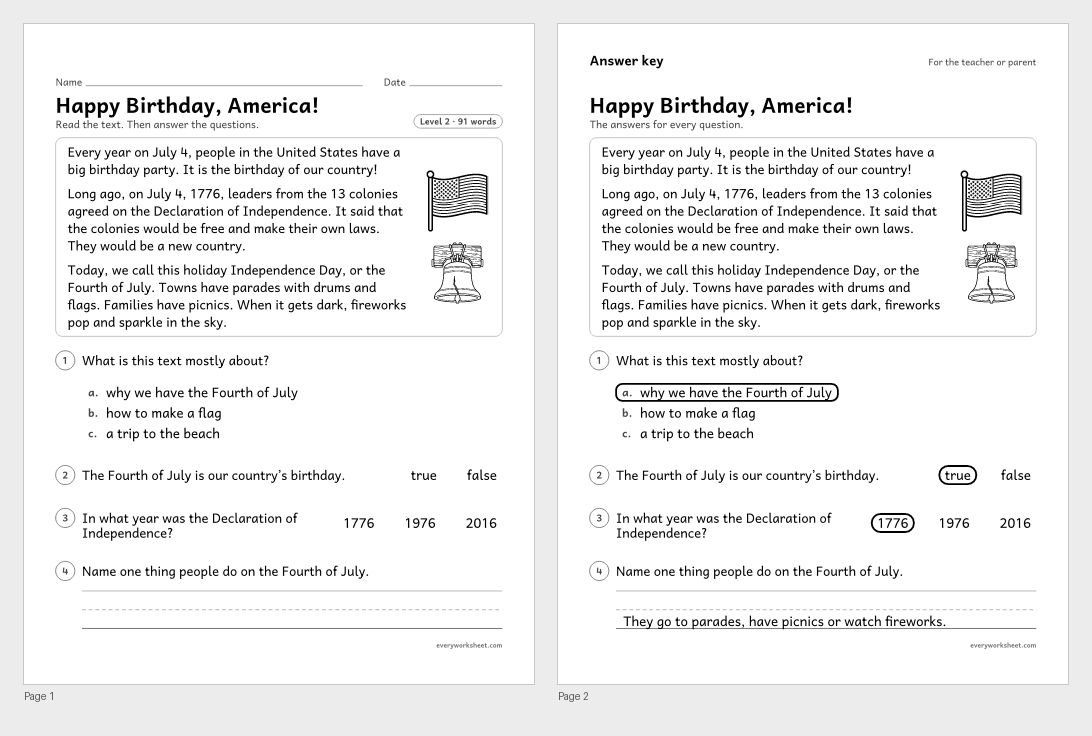
Telling the main topic and key details of a nonfiction text
Answer key on page 2
2 pages157 KB
 View all 2 pages
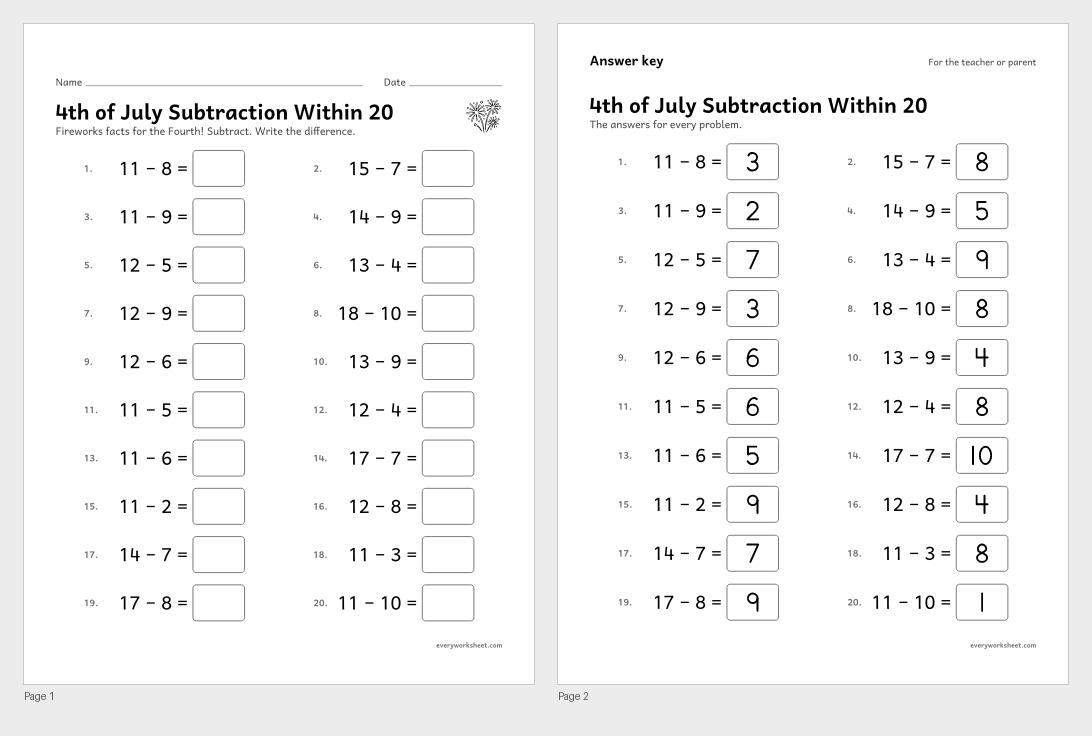
Subtracting from 11 to 20
Answer key on page 2
2 pages149 KB
 View all 2 pages
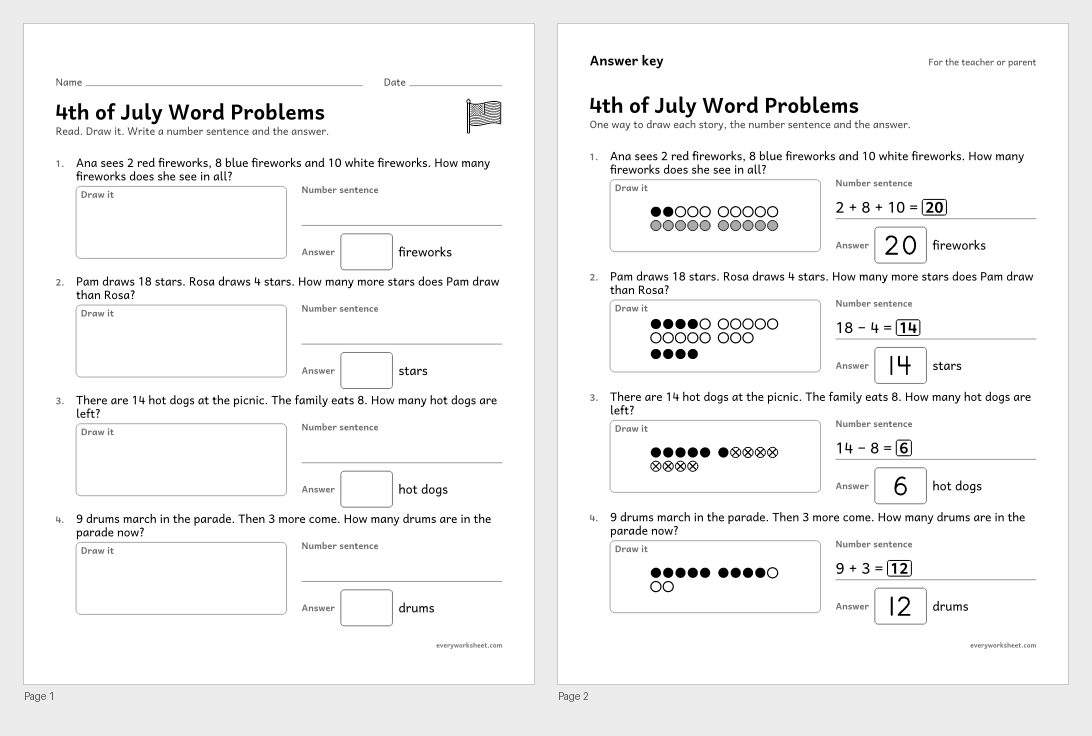
Solving add, take away, compare and three-addend word problems within 20
Answer key on page 2
2 pages94 KB
 View all 2 pages
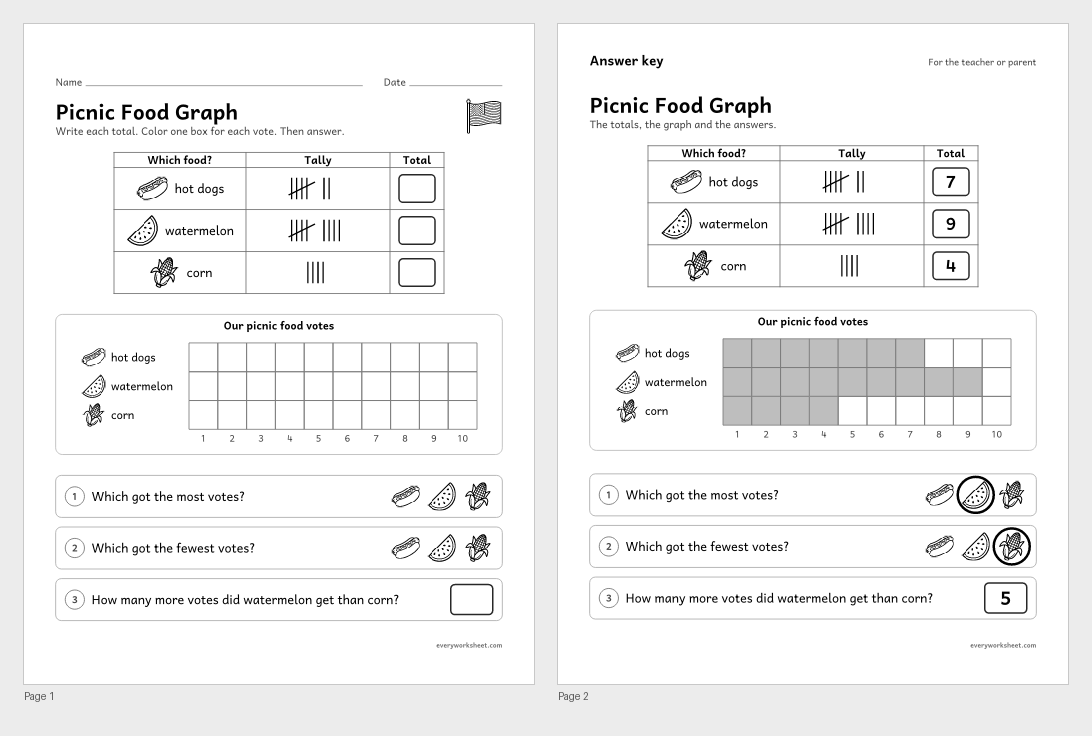
Organizing survey data in a tally chart and bar graph and comparing the totals
Answer key on page 2
2 pages703 KB
 View larger
 View larger
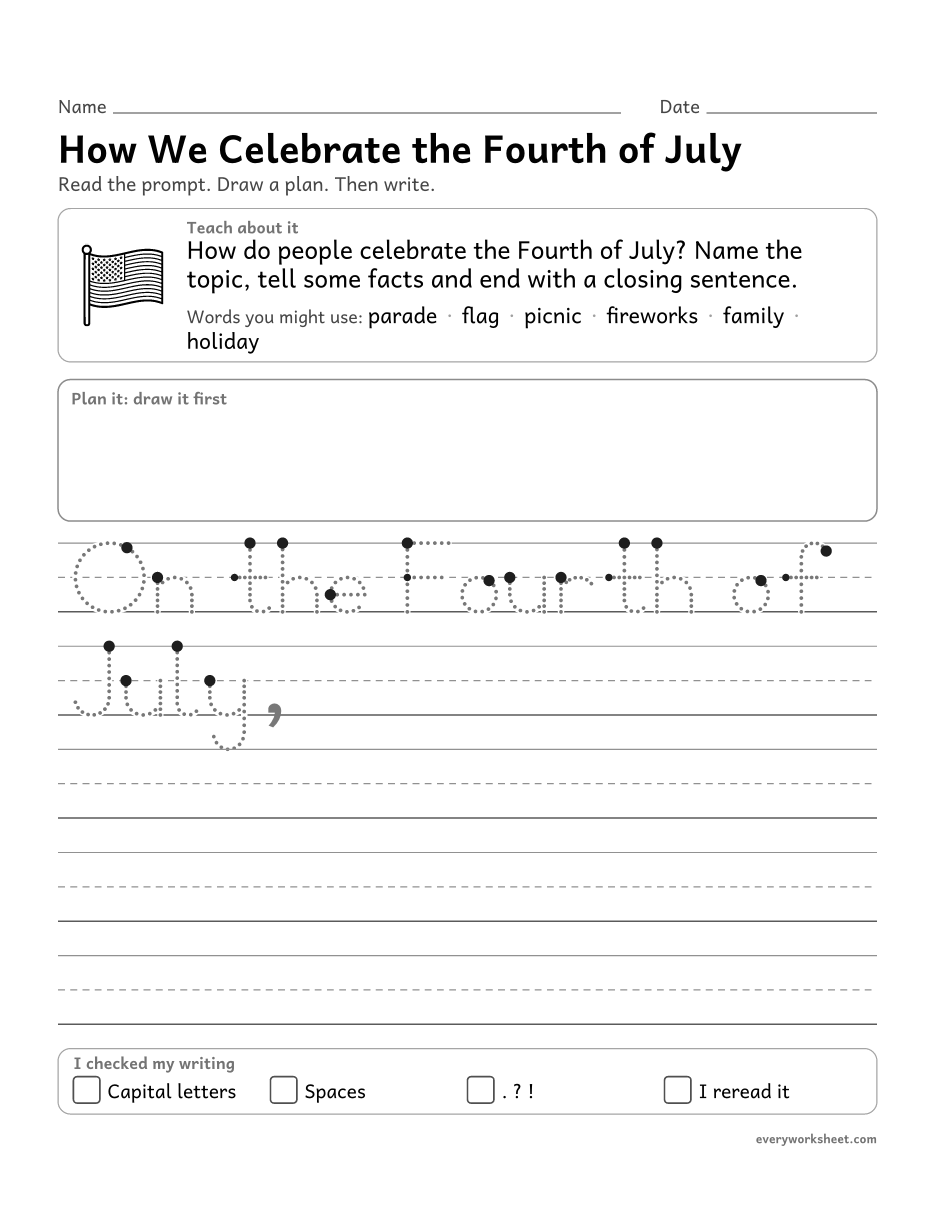
Writing an informative text with a topic, facts and a closing
1 page76 KB
 View all 2 pages
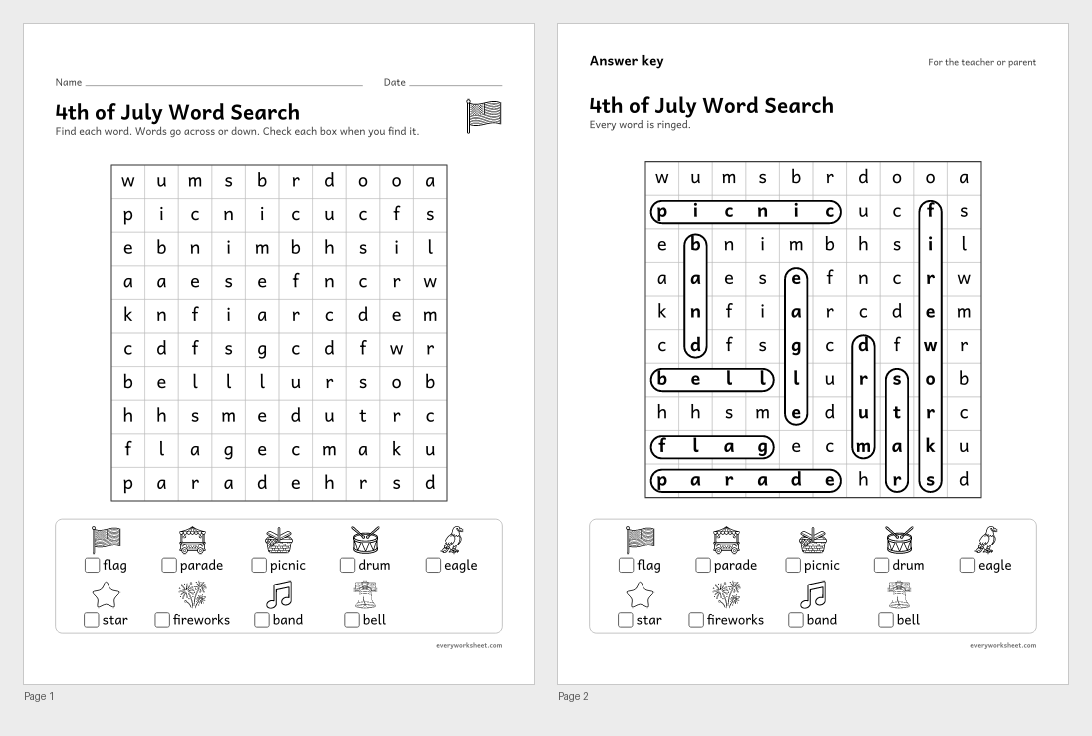
Reading and finding 4th of july words
Answer key on page 2
2 pages521 KB
Print at 100% (actual size) for the cleanest tracing lines.
The Fourth of July, or Independence Day, is the birthday of the United States. On July 4, 1776, leaders from the 13 colonies agreed on the Declaration of Independence, which said the colonies would be a free country. These worksheets share that history in a few plain sentences and then put the holiday's flags, stars, drums and picnic food to work on real skills.
Preschoolers count stars, trace paths, find patterns and color the American flag by number. Kindergartners count and write, take away with pictures, trace holiday words and listen to a short read-aloud about the holiday. 1st graders read a short nonfiction text, subtract within 20, solve parade and picnic word problems, graph picnic food votes and fill in a July calendar. For the flag, the bald eagle, the Liberty Bell and more, see American Symbols Worksheets.
Use them in late June and early July, at summer school or at home. Every page is black and white, prints on US Letter or A4, and pages with one right answer have an answer key on page 2.
ELOF P-MATH 2Child recognizes the number of objects in a small set.ELOF P-MATH 5Child associates a quantity with written numerals up to 5 and begins to write numbers.ELOF P-MATH 7Child understands simple patterns.ELOF P-MATH 8Child measures objects by their various attributes using standard and non-standard measurement. Uses differences in attributes to make comparisons.ELOF P-PMP 3Child demonstrates increasing control, strength, and coordination of small muscles.CCSS.ELA-LITERACY.L.K.1.APrint many upper- and lowercase letters.CCSS.ELA-LITERACY.RF.K.1.BRecognize that spoken words are represented in written language by specific sequences of letters.CCSS.ELA-LITERACY.RI.K.2With prompting and support, identify the main topic and retell key details of a text.CCSS.ELA-LITERACY.W.K.3Use a combination of drawing, dictating, and writing to narrate a single event or several loosely linked events, tell about the events in the order in which they occurred, and provide a reaction to what happened.CCSS.MATH.CONTENT.K.CC.B.5Count to answer "how many?" questions about as many as 20 things arranged in a line, a rectangular array, or a circle, or as many as 10 things in a scattered configuration; given a number from 1–20, count out that many objects.CCSS.MATH.CONTENT.K.OA.A.2Solve addition and subtraction word problems, and add and subtract within 10, e.g., by using objects or drawings to represent the problem.CCSS.ELA-LITERACY.RF.1.3.BDecode regularly spelled one-syllable words.CCSS.ELA-LITERACY.RI.1.2Identify the main topic and retell key details of a text.CCSS.ELA-LITERACY.W.1.2Write informative/explanatory texts in which they name a topic, supply some facts about the topic, and provide some sense of closure.CCSS.MATH.CONTENT.1.MD.C.4Organize, represent, and interpret data with up to three categories; ask and answer questions about the total number of data points, how many in each category, and how many more or less are in one category than in another.CCSS.MATH.CONTENT.1.NBT.A.1Count to 120, starting at any number less than 120. In this range, read and write numerals and represent a number of objects with a written numeral.CCSS.MATH.CONTENT.1.OA.A.1Use addition and subtraction within 20 to solve word problems involving situations of adding to, taking from, putting together, taking apart, and comparing, with unknowns in all positions, e.g., by using objects, drawings, and equations with a symbol for the unknown number to represent the problem.CCSS.MATH.CONTENT.1.OA.C.6Add and subtract within 20, demonstrating fluency for addition and subtraction within 10. Use strategies such as counting on; making ten (e.g., 8 + 6 = 8 + 2 + 4 = 10 + 4 = 14); decomposing a number leading to a ten (e.g., 13 - 4 = 13 - 3 - 1 = 10 - 1 = 9); using the relationship between addition and subtraction (e.g., knowing that 8 + 4 = 12, one knows 12 - 8 = 4); and creating equivalent but easier or known sums (e.g., adding 6 + 7 by creating the known equivalent 6 + 6 + 1 = 12 + 1 = 13).Keep it short: the Fourth of July is the birthday of our country. Long ago, on July 4, 1776, leaders said the United States would be a free country. Today people celebrate with parades, picnics, flags and fireworks.
The 13 stripes stand for the 13 colonies that became the first states. The 50 stars stand for the 50 states today.
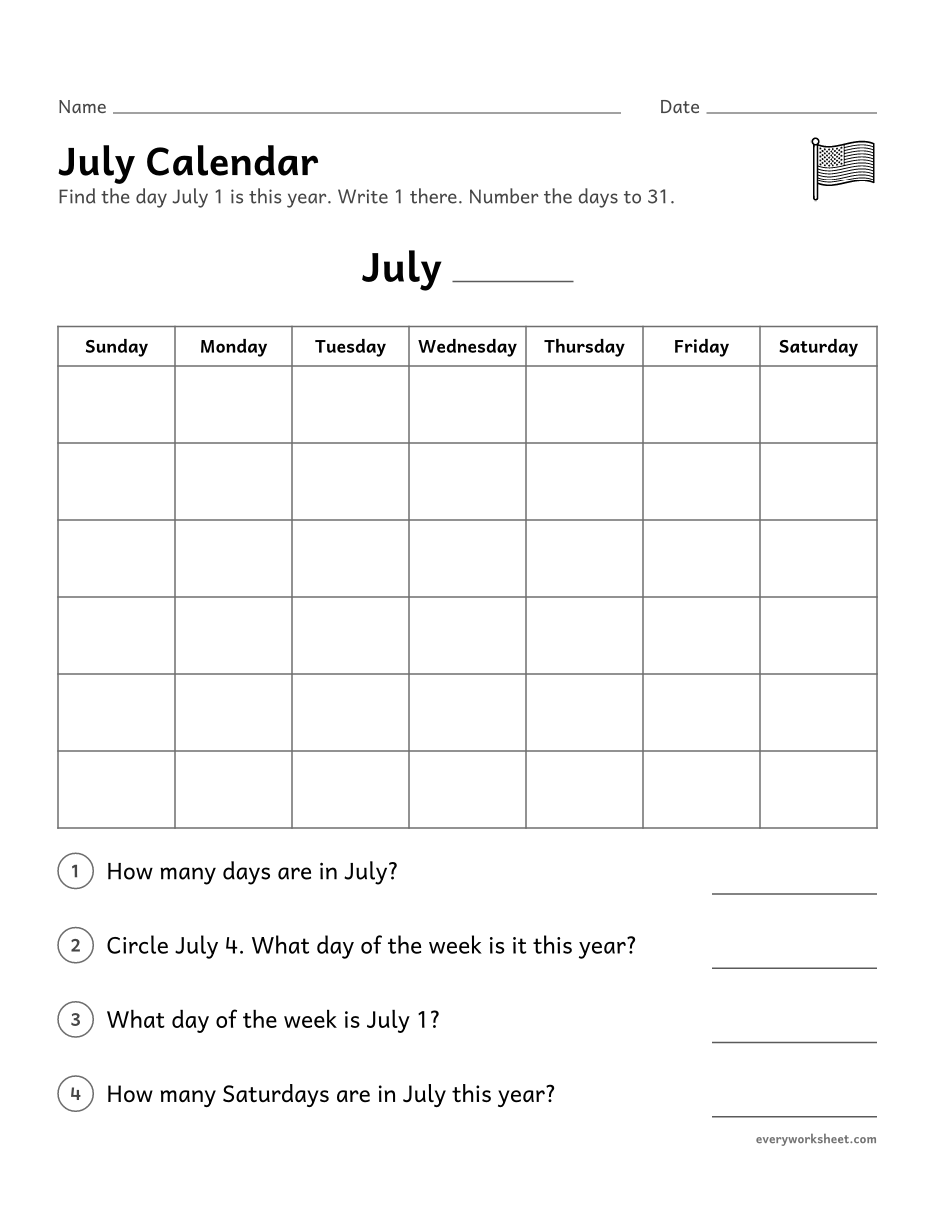
Any year. Children find out what day July 1 falls on, write 1 in that box and number the days, so the page works every summer.
Every page with one right answer has an answer key on page 2. Coloring, tracing, drawing, writing and calendar pages do not need one.