 View larger
Alphabet Worksheets for Preschool
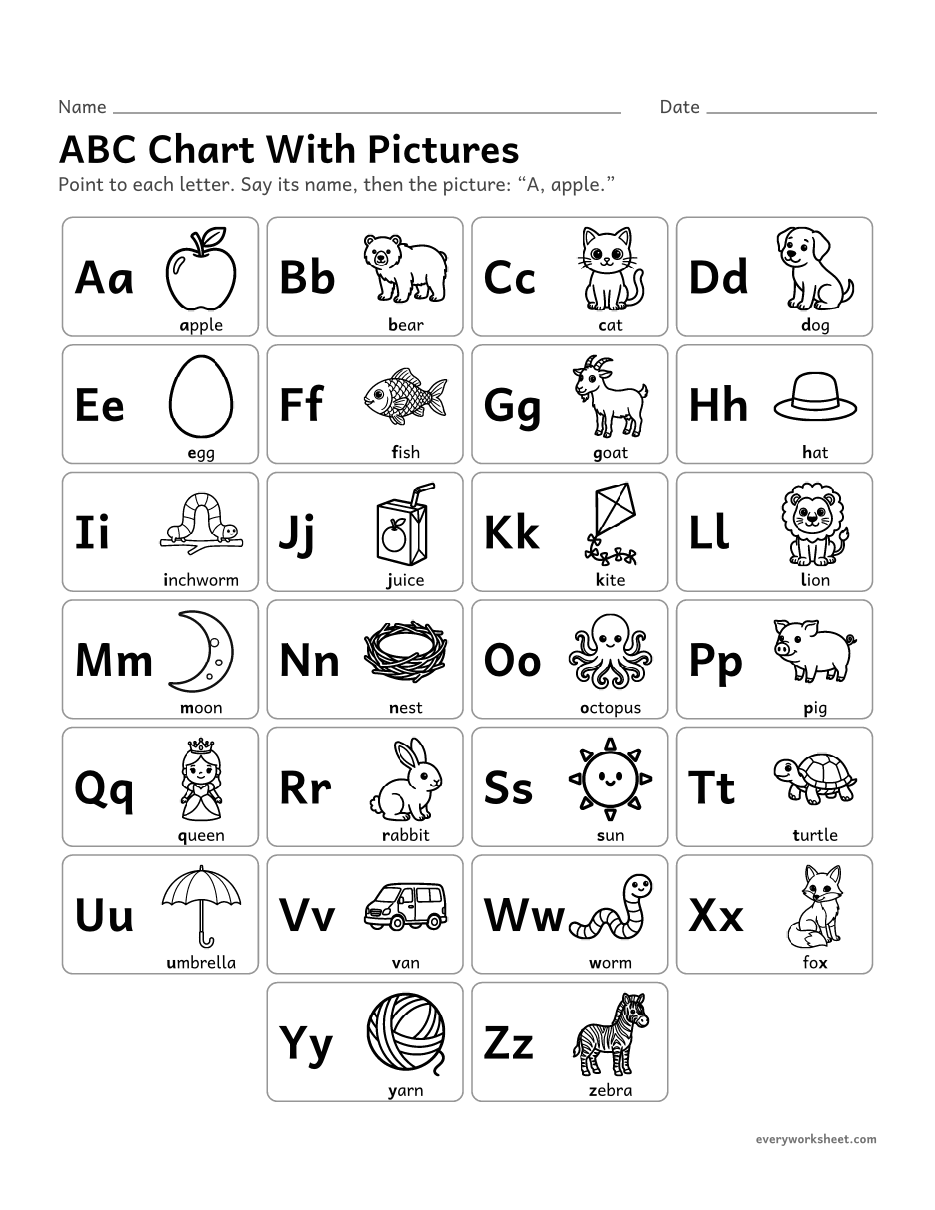
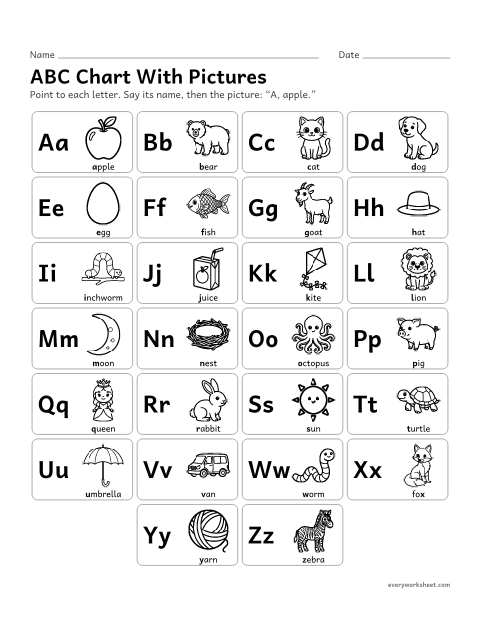
An ABC chart with pictures, four letter review pages, and A to Z sets to color, trace, dot and build with playdough, plus a page for every letter.
Download the alphabet worksheets
ABC chart and letter review
 View larger
 View all 2 pages
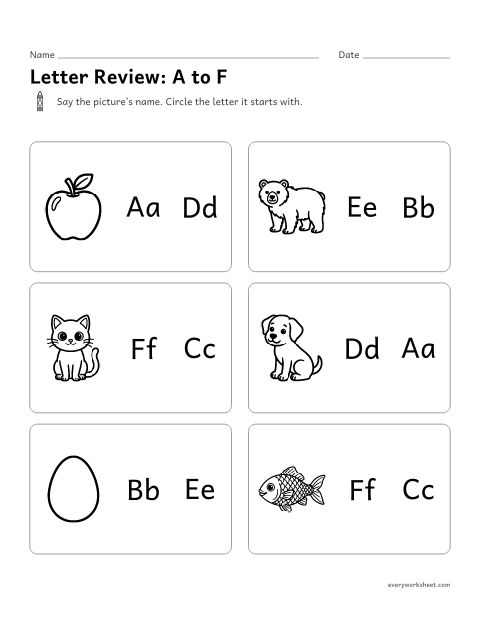
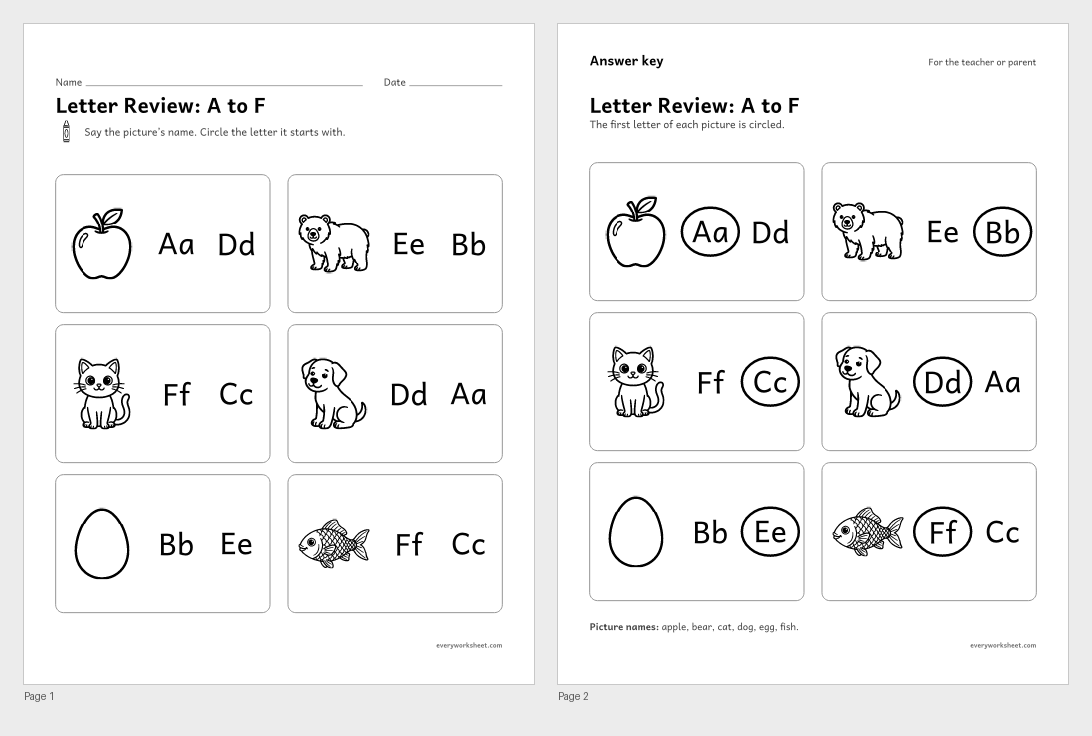
Letter Review: A to F
Matching a picture to the letter it starts with
Answer key on page 2
2 pages225 KB
 View all 2 pages
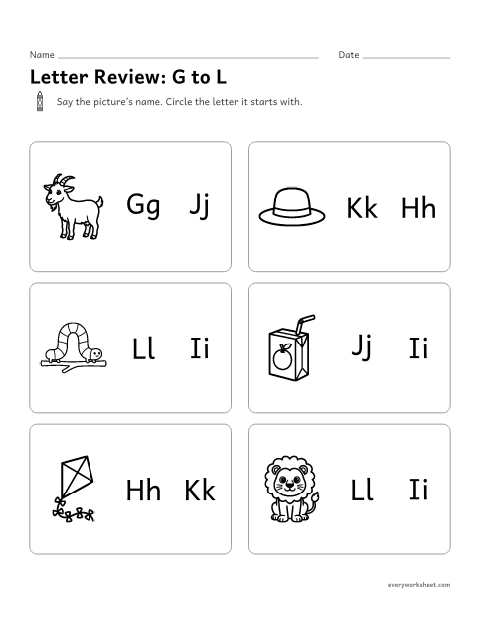
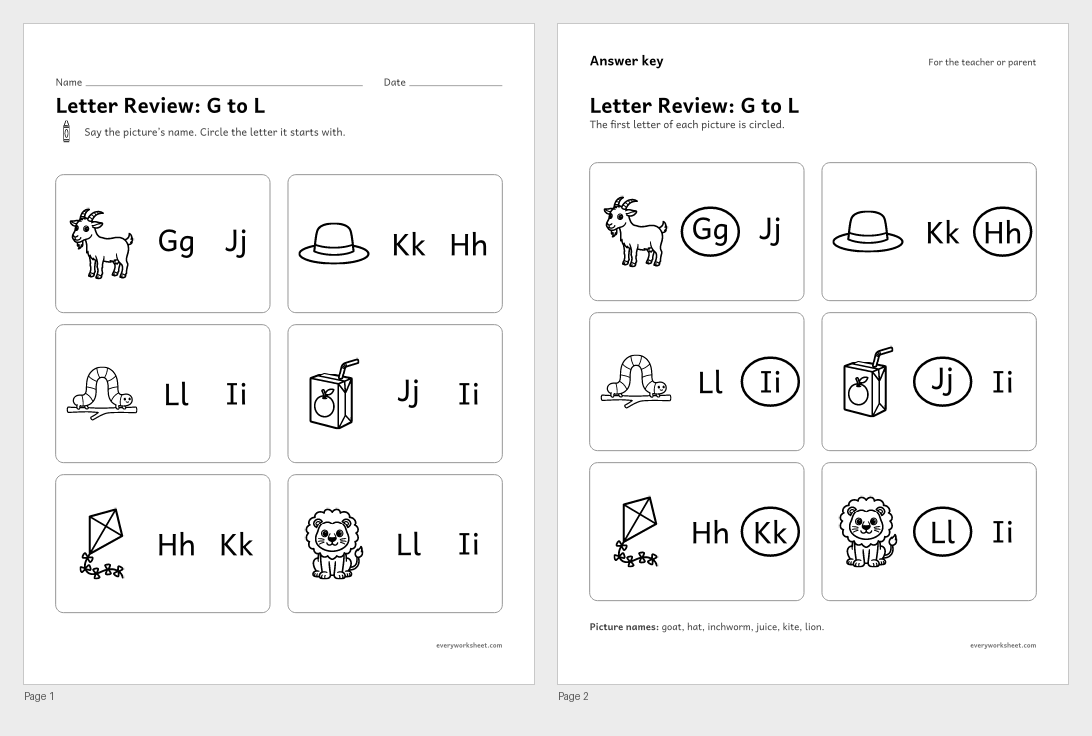
Letter Review: G to L
Matching a picture to the letter it starts with
Answer key on page 2
2 pages287 KB
 View all 2 pages
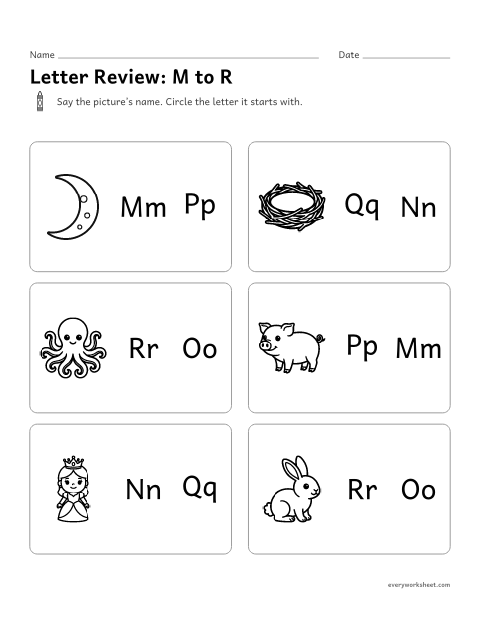
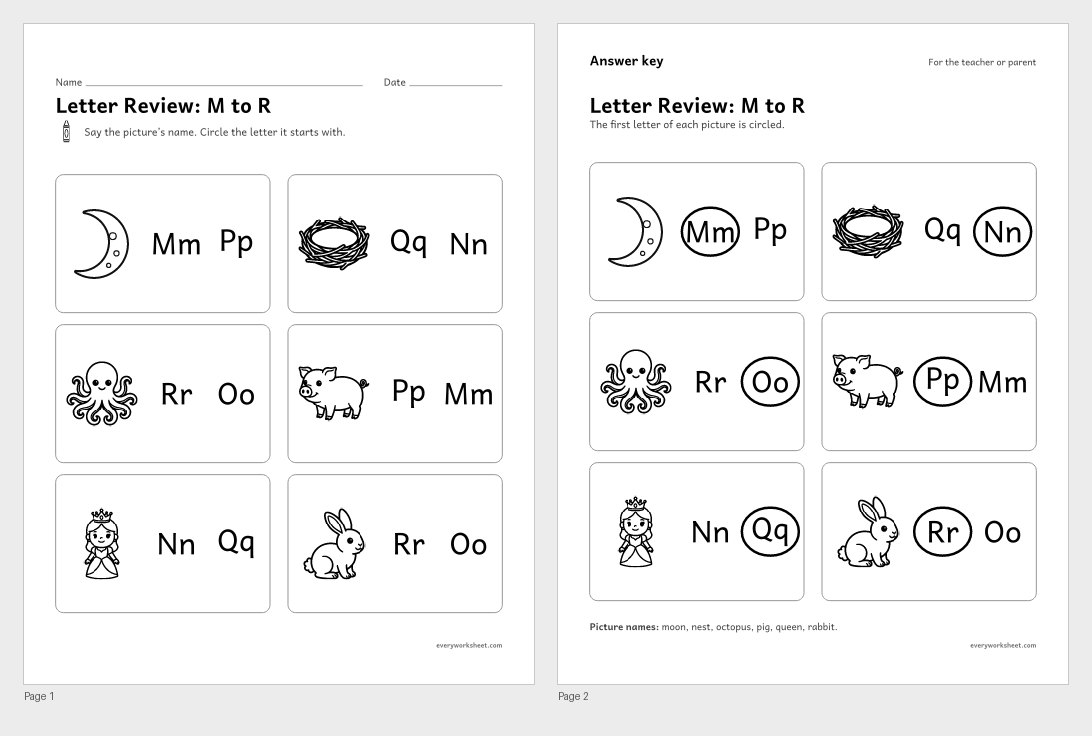
Letter Review: M to R
Matching a picture to the letter it starts with
Answer key on page 2
2 pages238 KB
 View all 2 pages
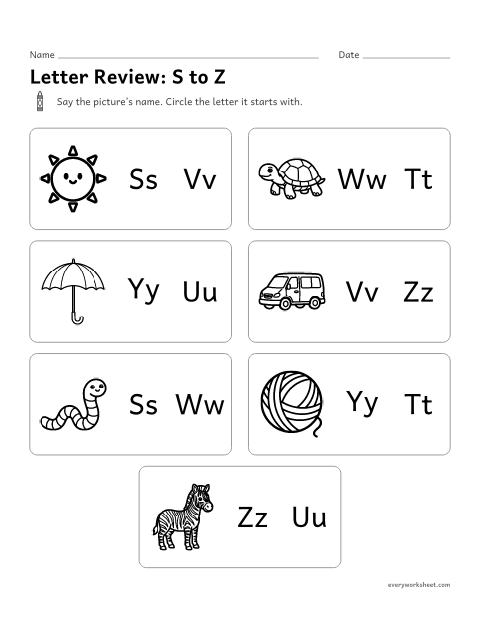
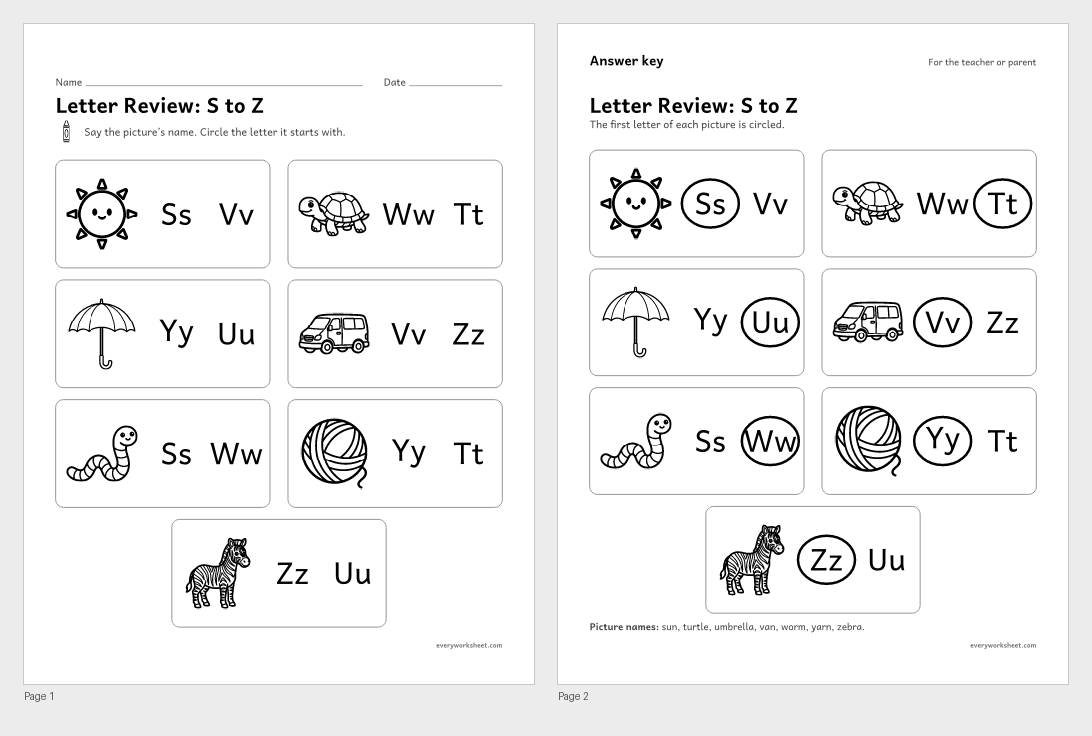
Letter Review: S to Z
Matching a picture to the letter it starts with
Answer key on page 2
2 pages316 KB
A to Z sets
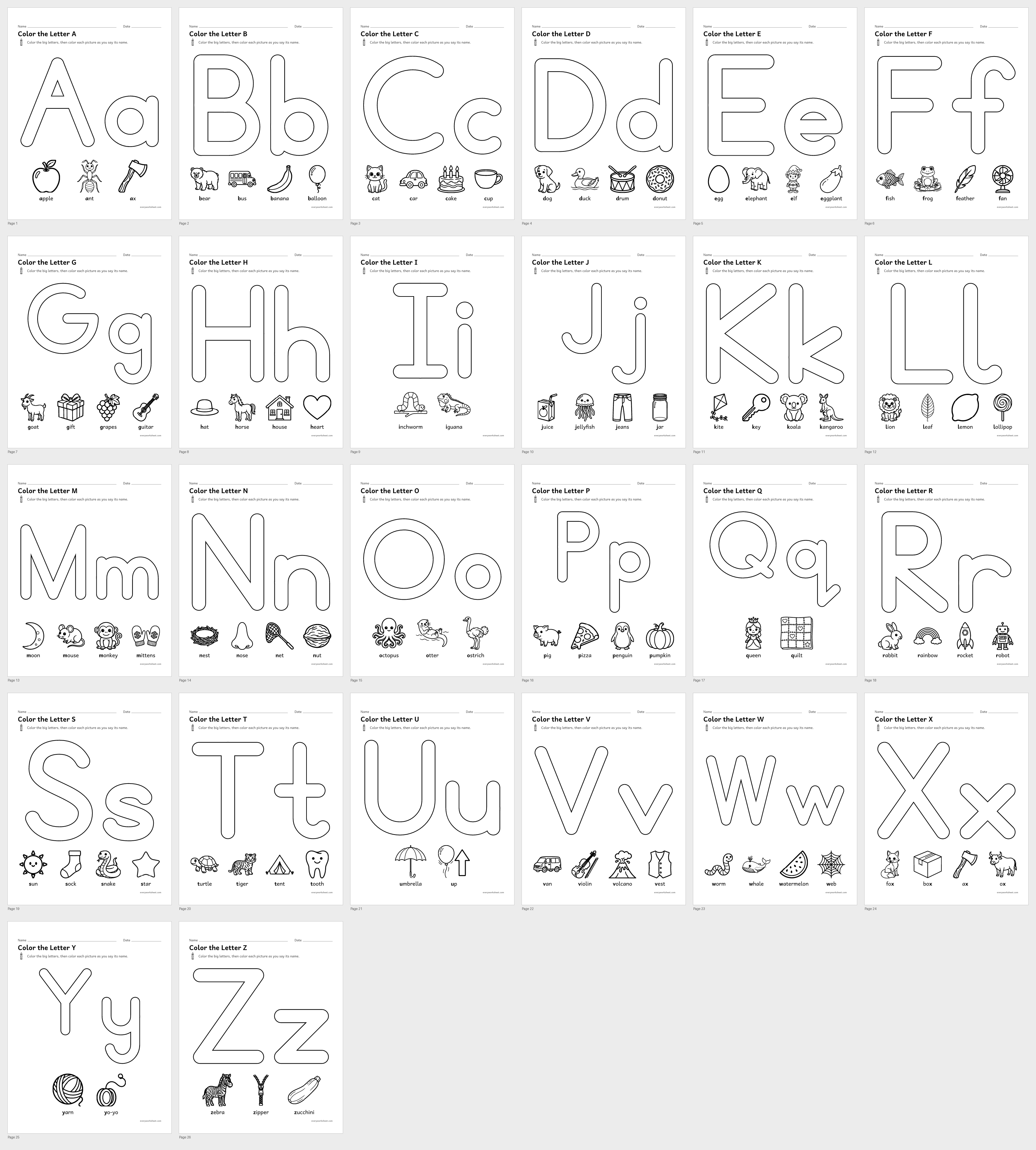
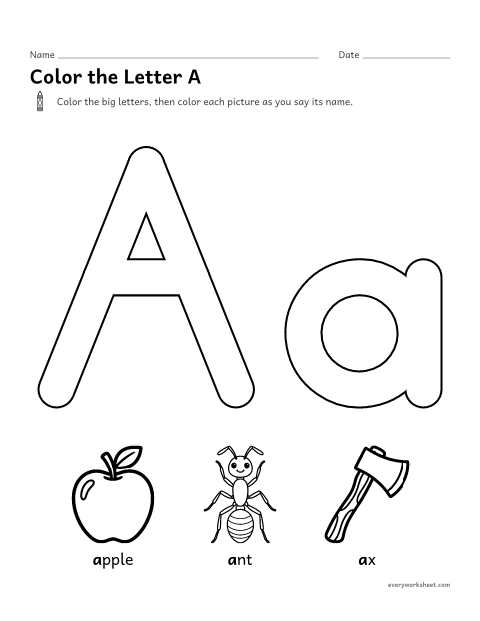 26 pagesView all 26 pages
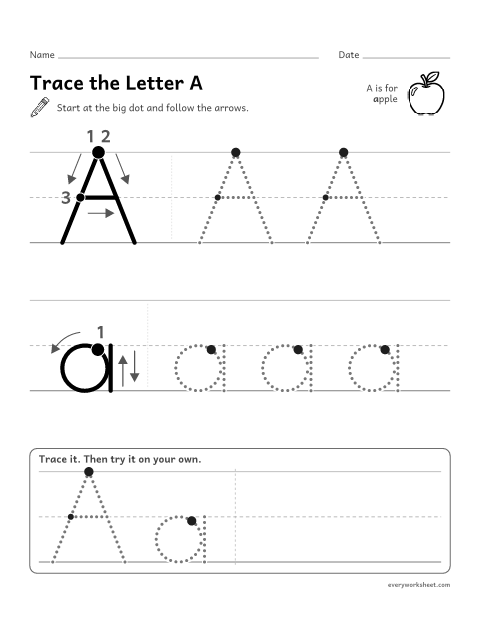 26 pagesView all 26 pages
Alphabet tracing pages
Tracing big uppercase and lowercase letters, A to Z
26 pages887 KB
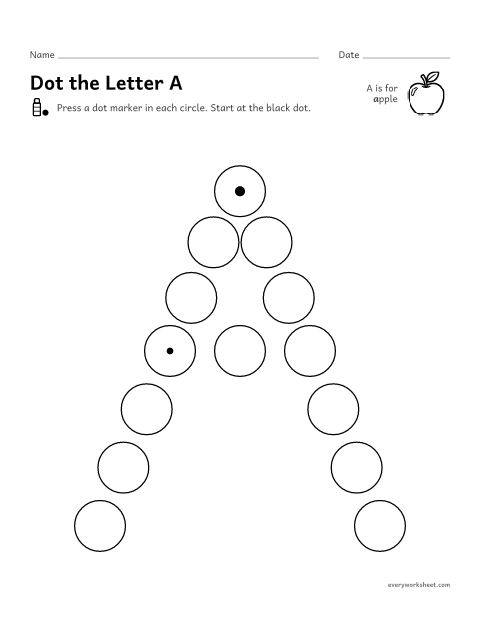 52 pagesView all 52 pages
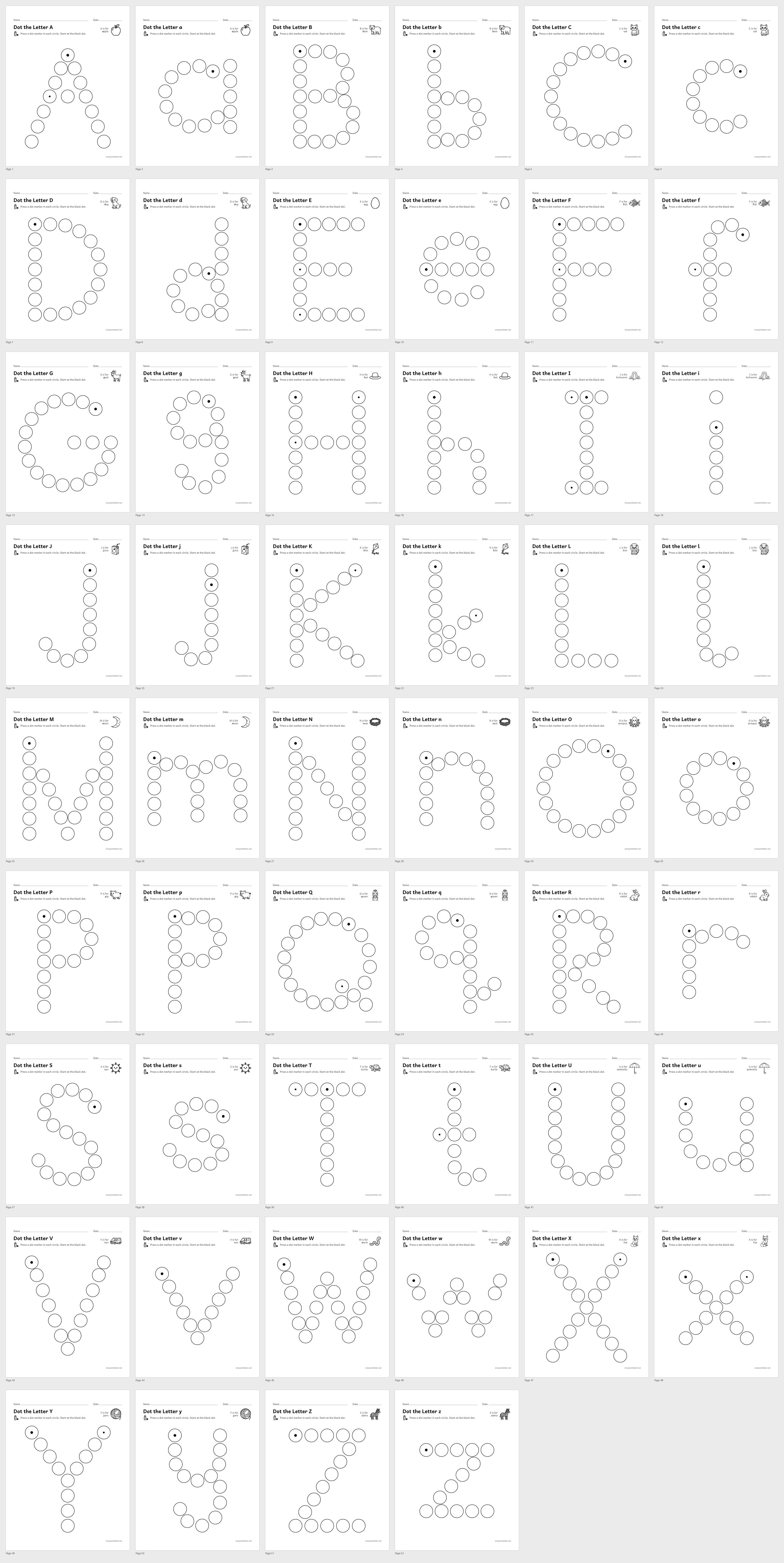
Alphabet dot marker pages
Following the shape of every letter with a dot marker
52 pages1.1 MB
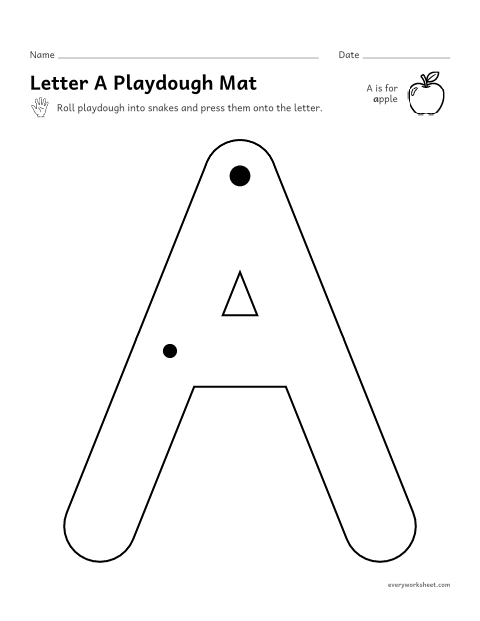 52 pagesView all 52 pages
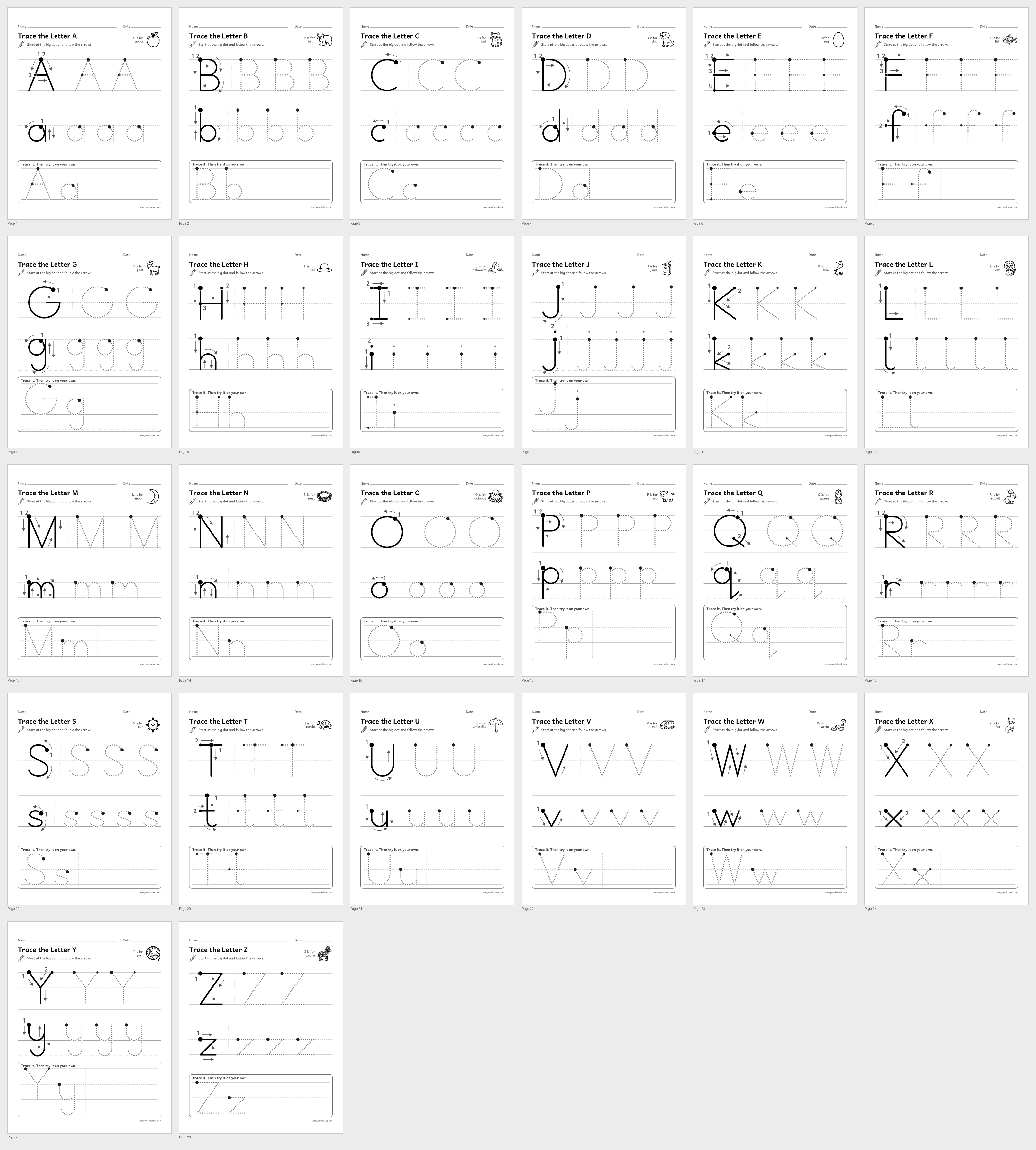
Print at 100% (actual size) for the cleanest tracing lines.
About these alphabet worksheets
These alphabet worksheets for preschool cover all 26 letters in the same big, simple style. Each letter has its own page of seven worksheets, linked below, and this page gathers the whole alphabet: an ABC chart with a picture for every letter, four short review pages, and full A to Z sets you can print as one booklet.
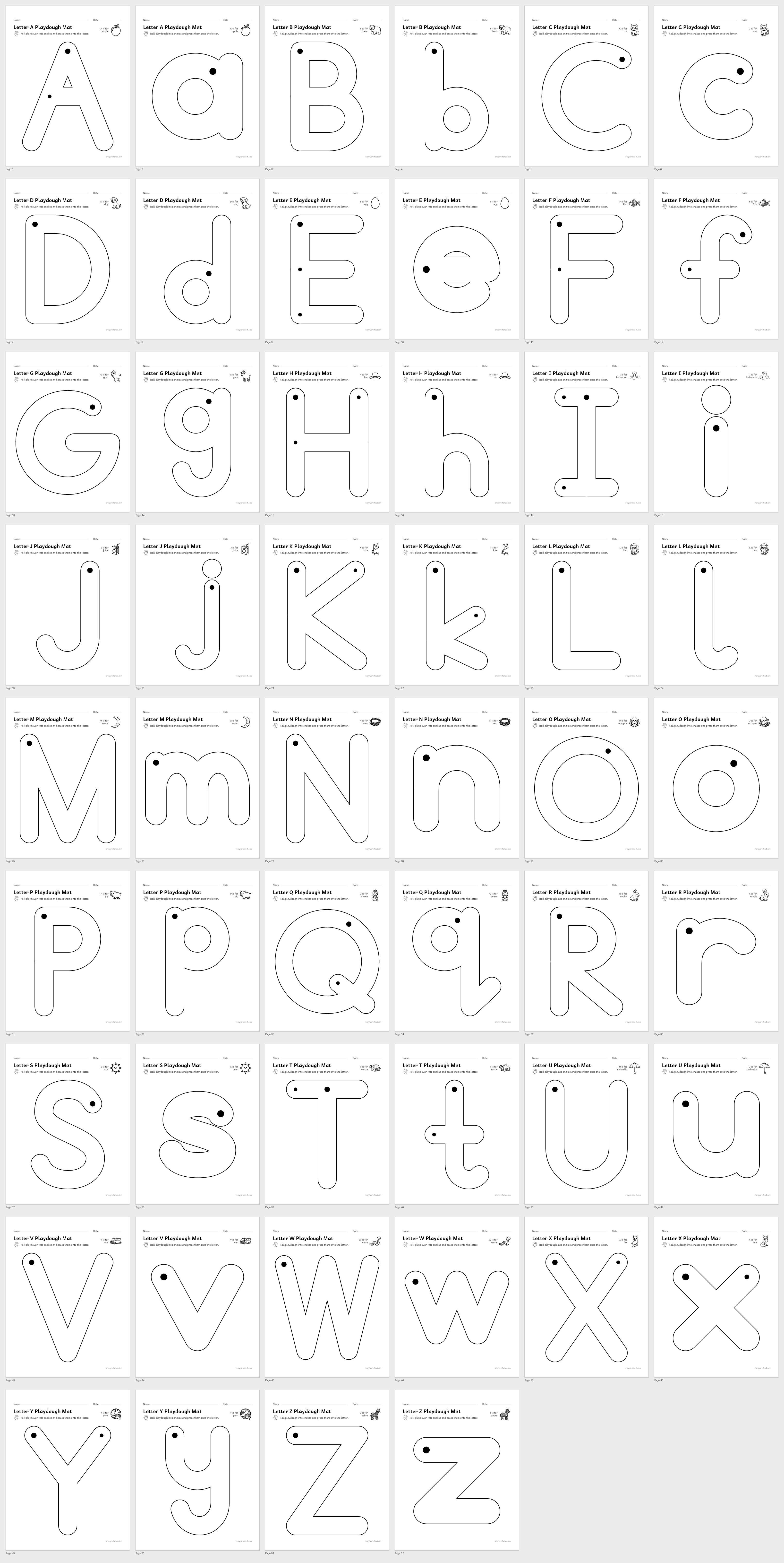
The A to Z sets are the letter pages bound together: alphabet coloring pages, big tracing pages, dot marker pages and playdough mats, with an uppercase and a lowercase page for every letter in the dot marker and playdough sets. Print the whole set for a letter of the week routine, or pull out the letters your child is working on.
The review pages mix six letters at a time. Children say a picture's name and circle the letter it starts with, choosing from just two, which keeps the job small enough for a preschooler.
Standards
ELOF P-LIT 3Child identifies letters of the alphabet and produces correct sounds associated with letters.ELOF P-LIT 1Child demonstrates awareness that spoken language is composed of smaller segments of sound.ELOF P-LIT 6Child writes for a variety of purposes using increasingly sophisticated marks.ELOF P-PMP 3Child demonstrates increasing control, strength, and coordination of small muscles.
How to use them
- Hang the ABC chart where your child can reach it, and point to each letter as you sing or say the alphabet.
- Pick one letter a week. Use that letter's page for the week's worksheets, starting with coloring and ending with the sound pages.
- After four to six letters, use the matching review page to see which ones have stuck.
- Keep the playdough mats in a sheet protector so they can be used again and again.
Teaching tips
- Many preschools teach the letters in a child's name first. There is no wrong order, so follow your child's interest.
- Learn the letter's name and its sound together: "This is B. B says /b/, like bear."
- Uppercase letters are easier to recognize at first. Show both, but expect uppercase to come first.
- Short and often beats long and rare. Five minutes a day with one page is plenty at this age.
Questions teachers and parents ask
What alphabet skills should a preschooler have?
Most children leave preschool able to name many uppercase and lowercase letters, connect some letters to their sounds, and trace or copy a few letters, often the ones in their own name. Every child gets there at their own pace.
Should preschoolers learn uppercase or lowercase letters first?
Show both from the start. Uppercase letters are easier to tell apart, so children often know them first, but most of what they will read is lowercase.
How many letters a week should we do?
One letter a week is a common pace and leaves room for play. Some children move faster; use the review pages to check before moving on.
Are there answer keys?
Yes. The review pages, and the find, sound and cut and glue pages on each letter page, have an answer key on page 2.