 View larger
Gingerbread man coloring page
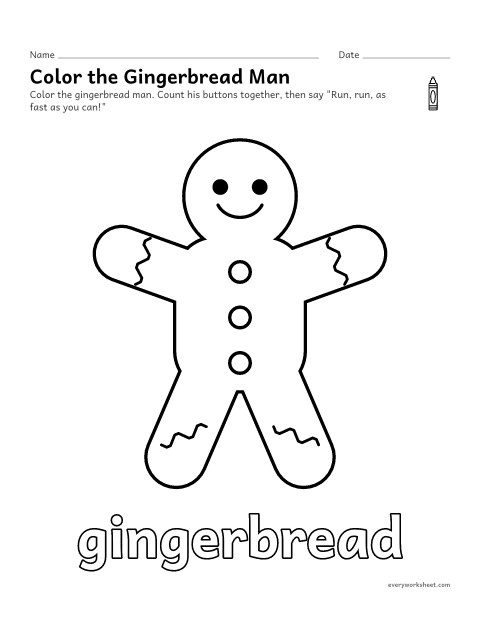
Coloring a big picture and counting its parts
1 page31 KB
The classic folk tale retold in our own words, with sequencing, story maps, writing, counting and compare math.
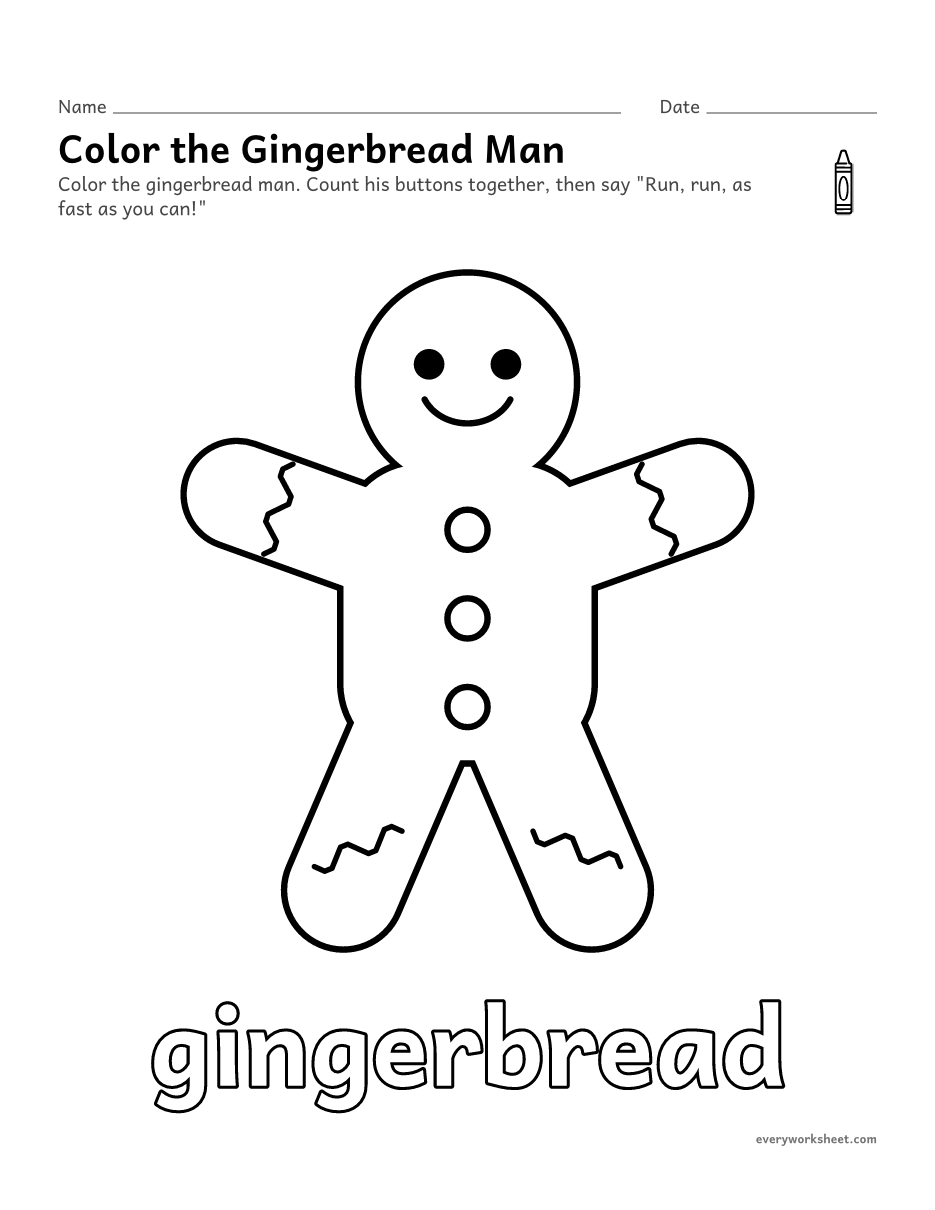
View largerColoring a big picture and counting its parts
1 page31 KB
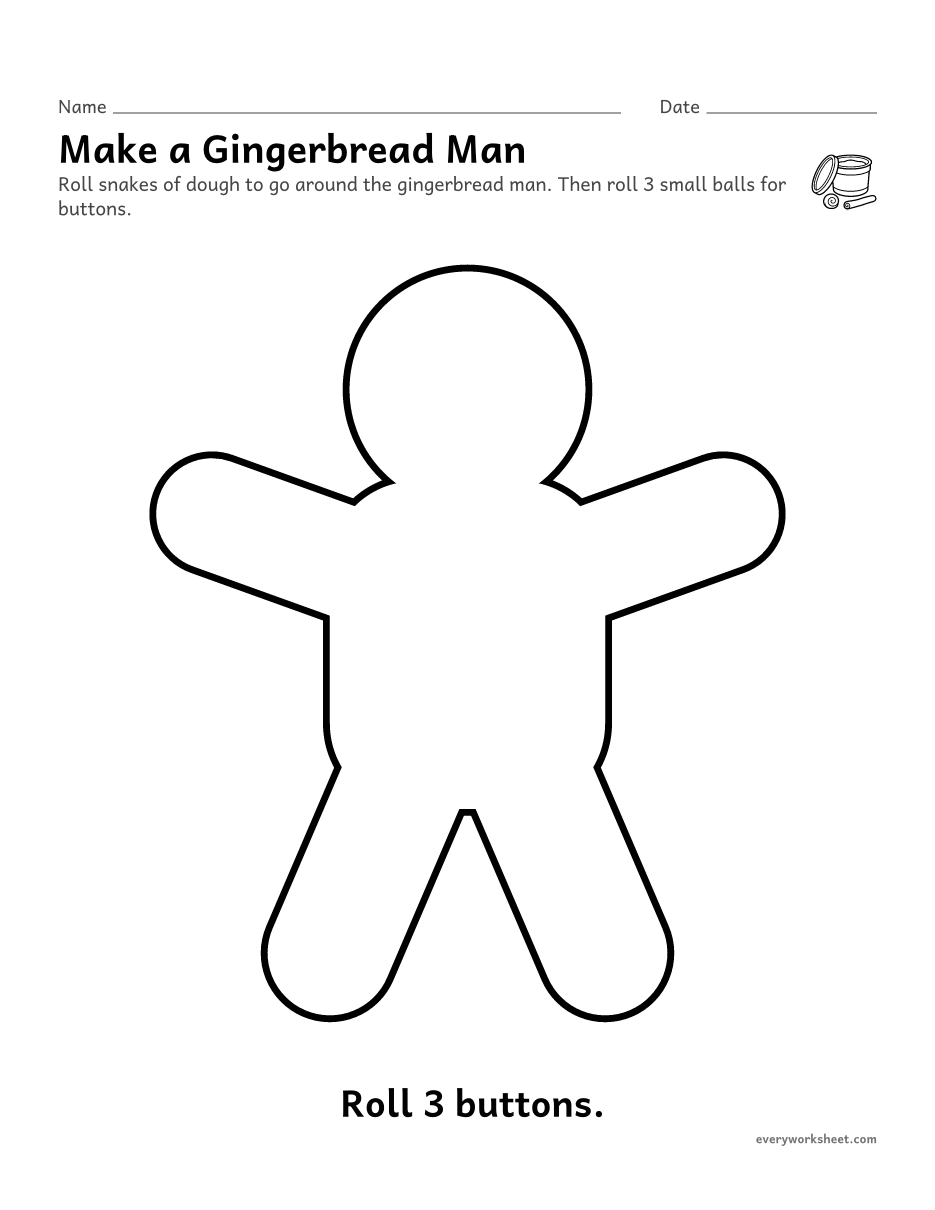 View larger
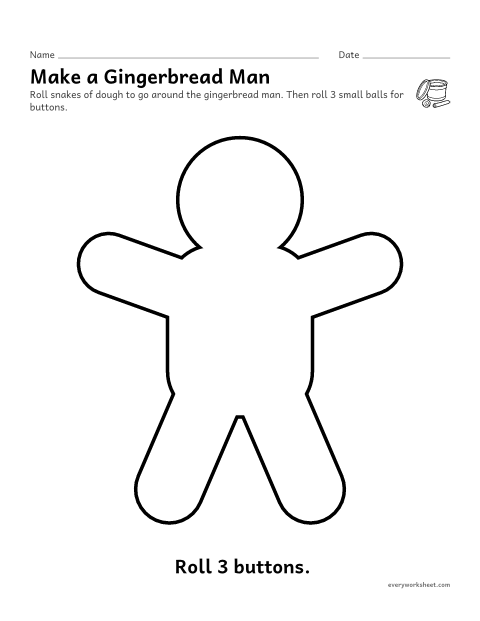
Rolling dough snakes and balls to build a shape
1 page56 KB
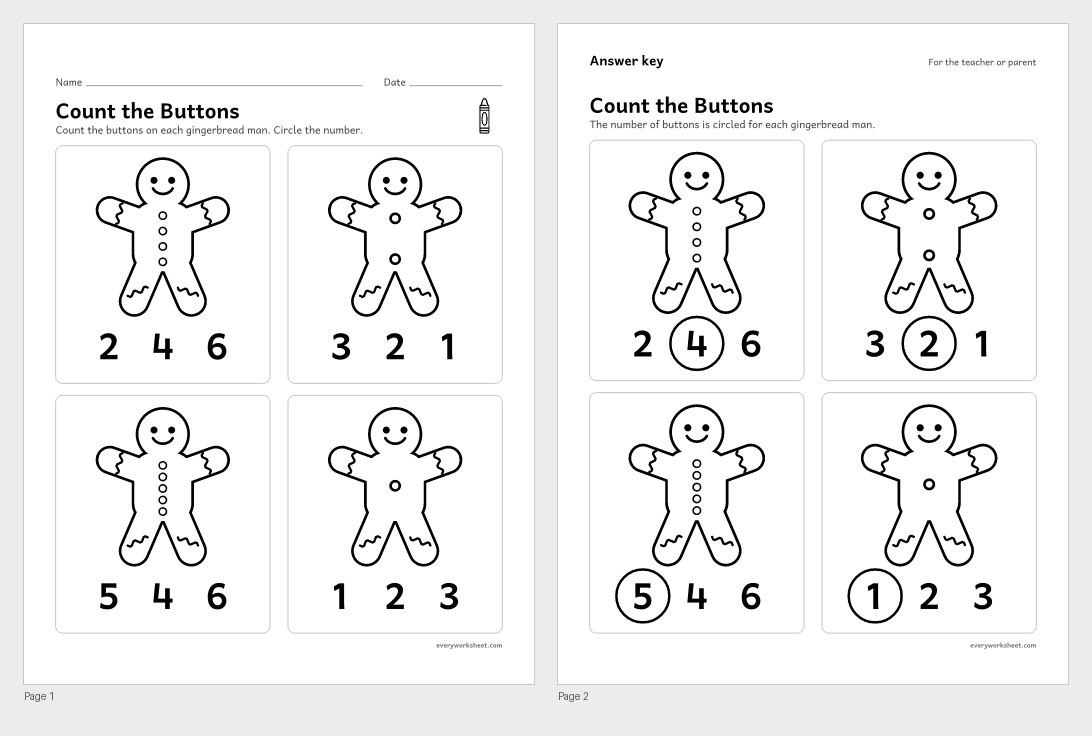 View all 2 pages
Counting buttons to 5 and matching the number
Answer key on page 2
2 pages38 KB
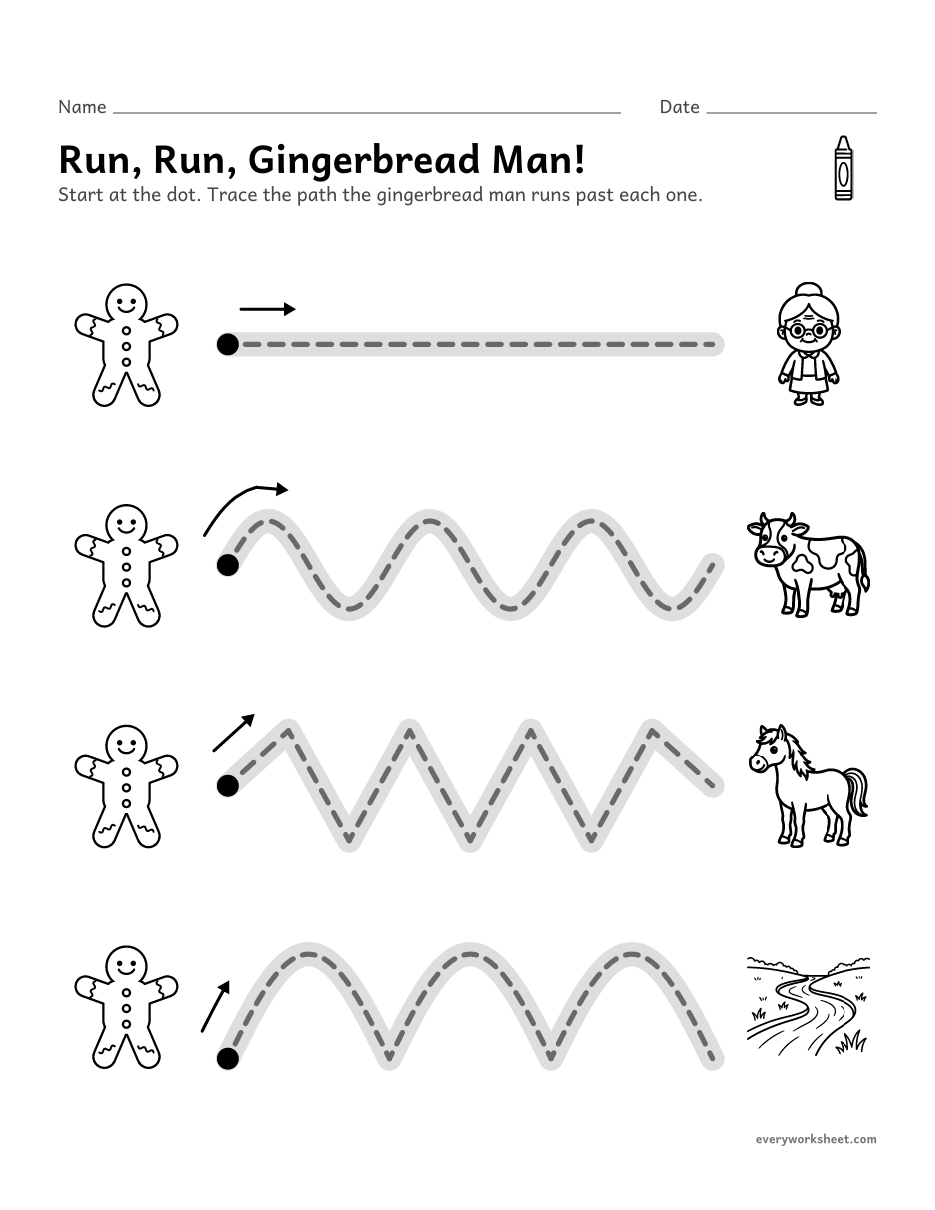 View larger
Tracing straight, wavy, zigzag and arched paths
1 page129 KB
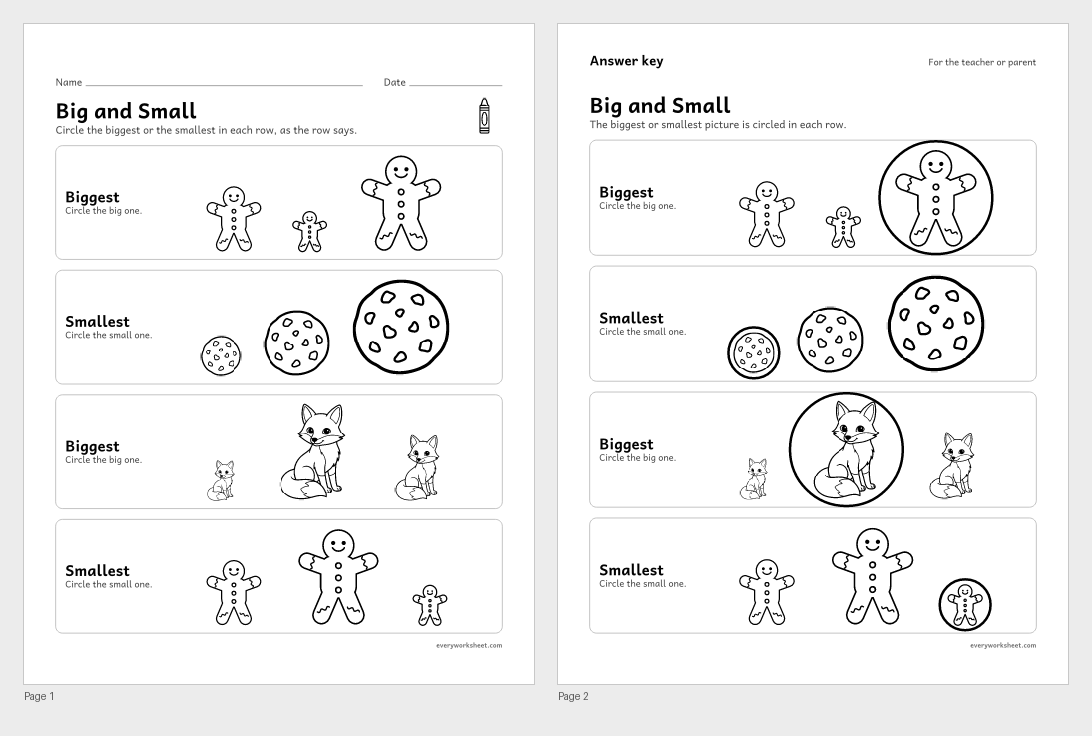 View all 2 pages
Comparing size: biggest and smallest
Answer key on page 2
2 pages201 KB
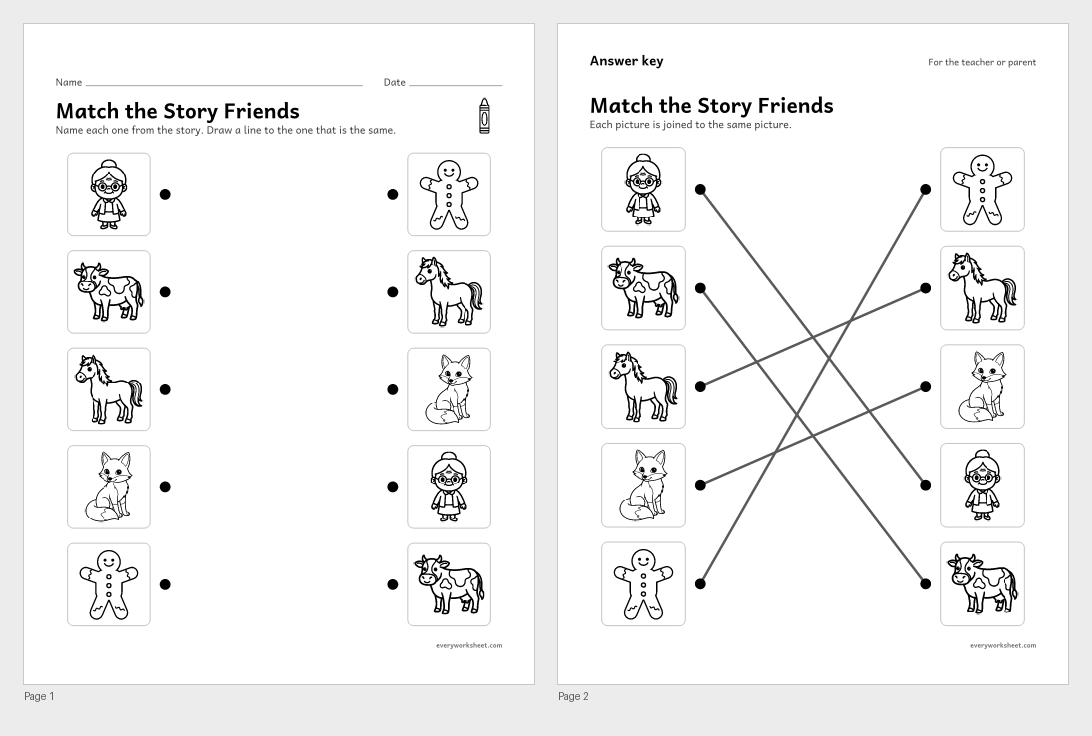 View all 2 pages
Matching the same pictures and naming story characters
Answer key on page 2
2 pages305 KB
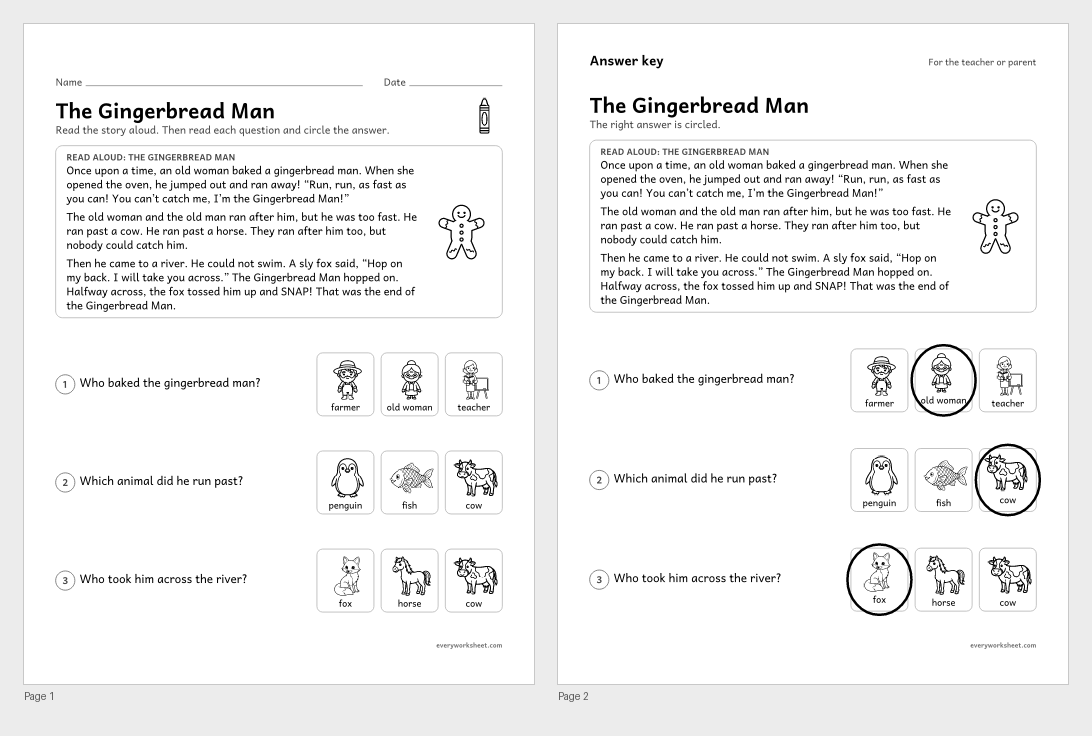 View all 2 pages
Listening to a folk tale and answering questions about characters and events
Answer key on page 2
2 pages377 KB
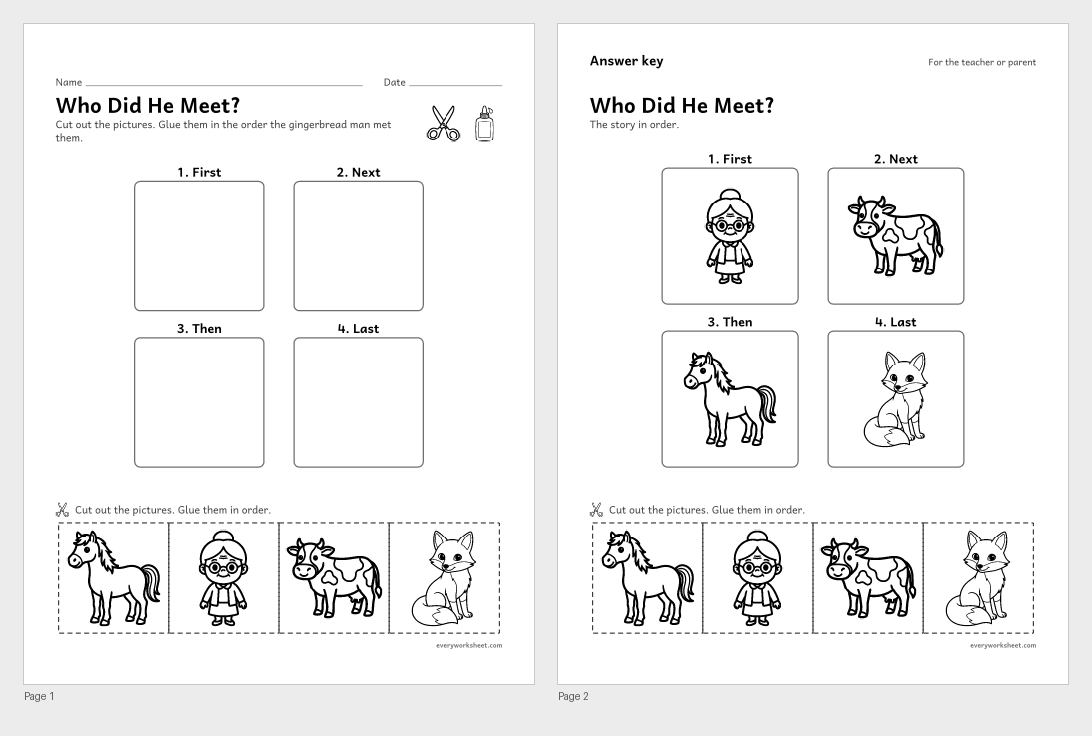 View all 2 pages
Retelling a story in order
Answer key on page 2
2 pages335 KB
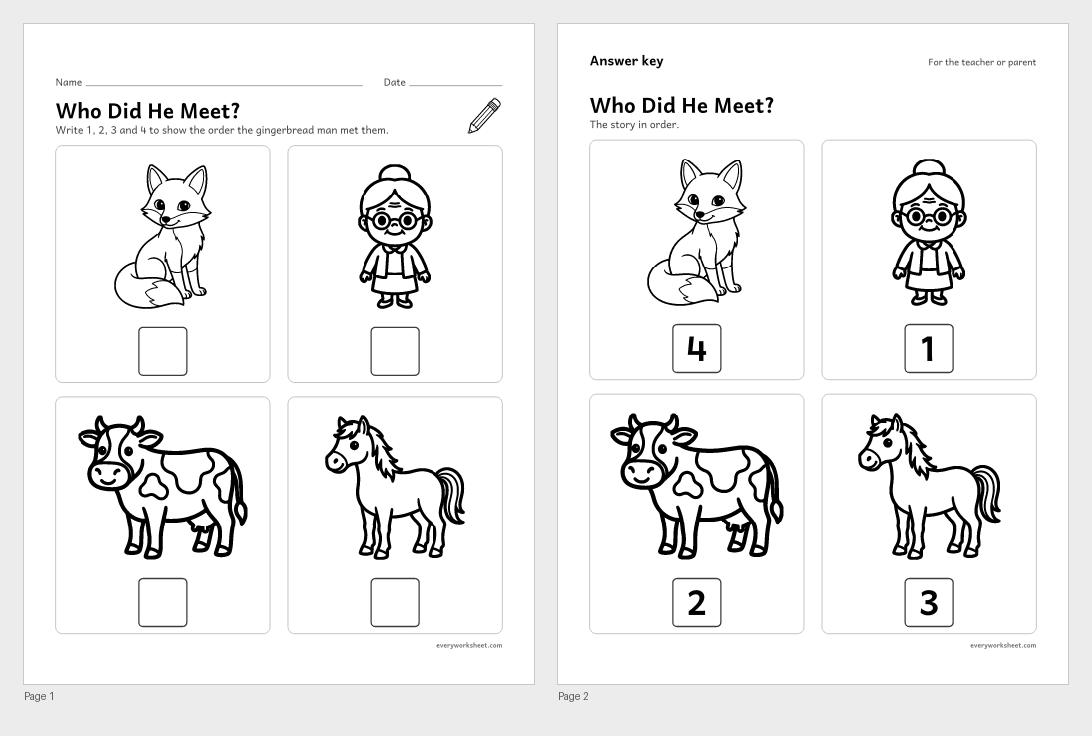 View all 2 pages
Retelling a story in order
Answer key on page 2
2 pages181 KB
 View larger
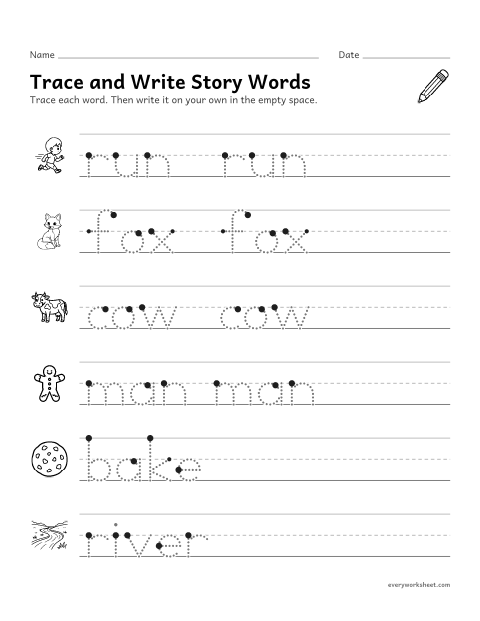
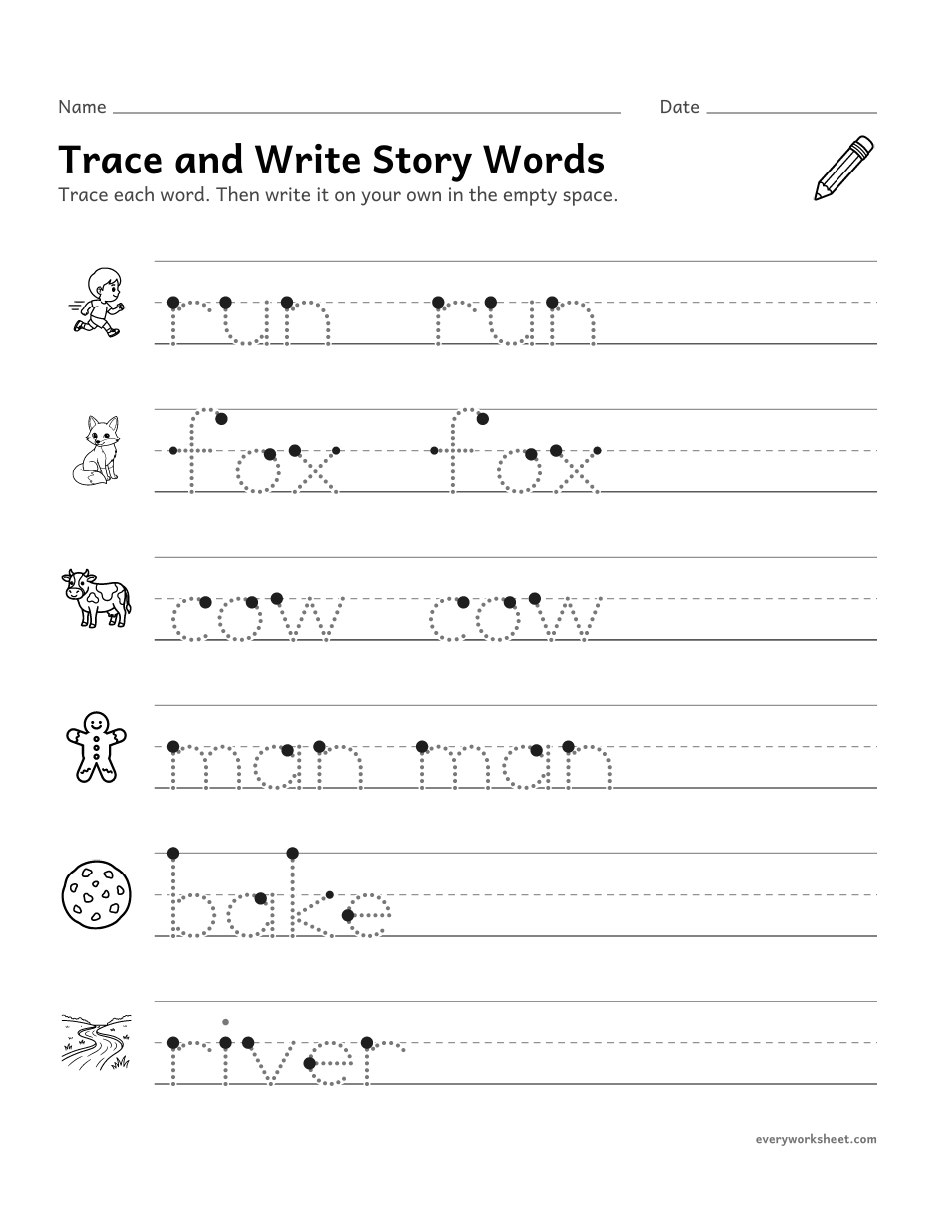
Tracing and writing short words from the story
1 page140 KB
 View all 2 pages
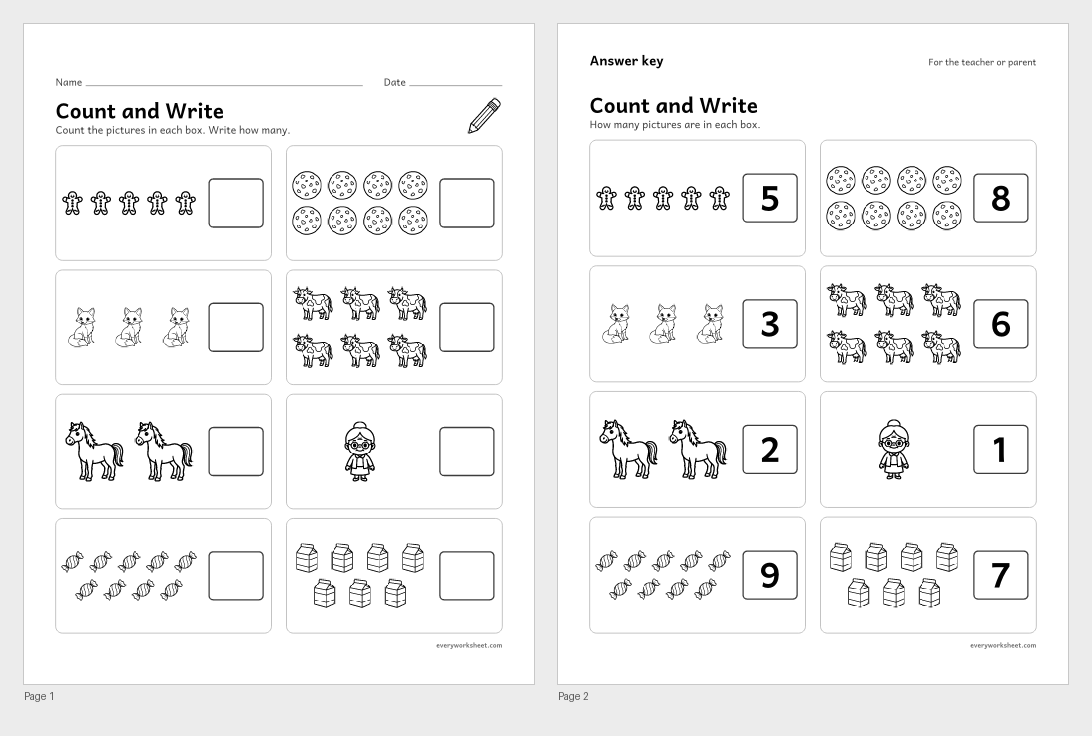
Counting up to 10 objects and writing the number
Answer key on page 2
2 pages1.2 MB
 View larger
Drawing and writing to tell an idea
1 page44 KB
 View all 2 pages
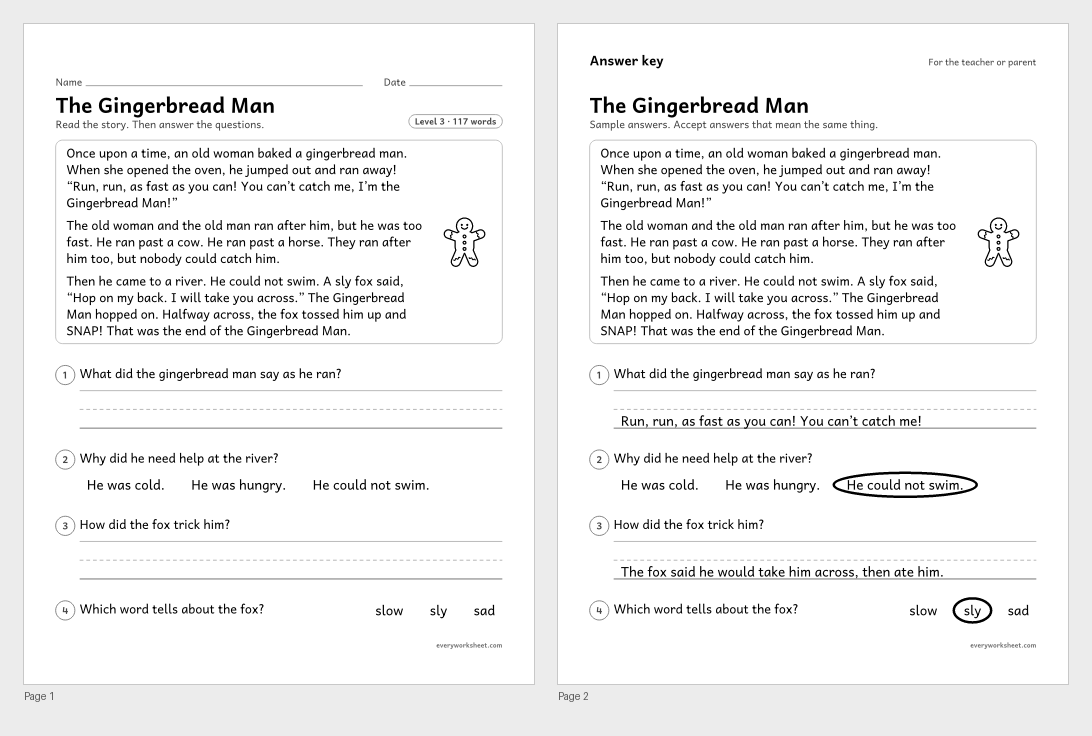
Reading a folk tale and describing characters and events
Answer key on page 2
2 pages44 KB
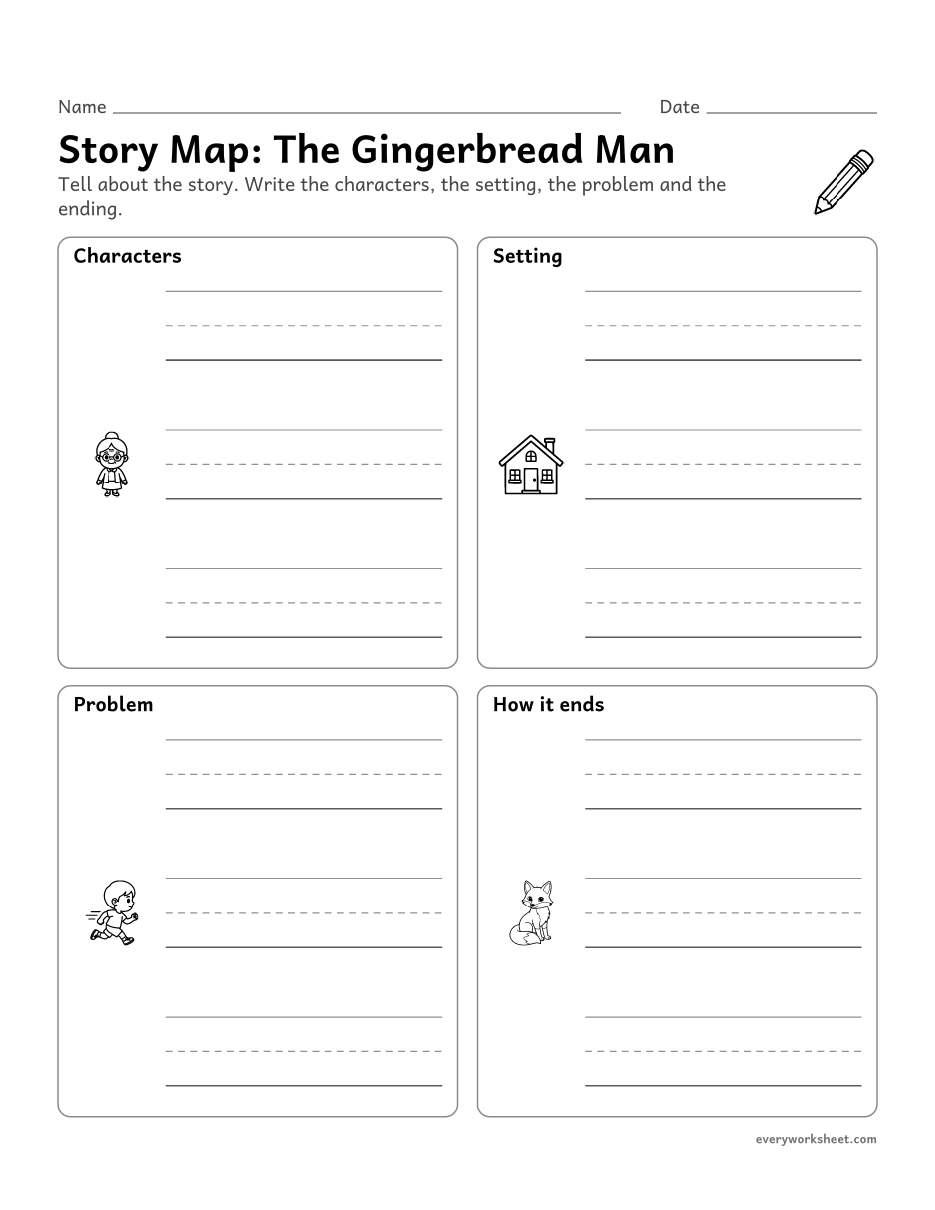 View larger
Describing characters, setting and major events in a story
1 page103 KB
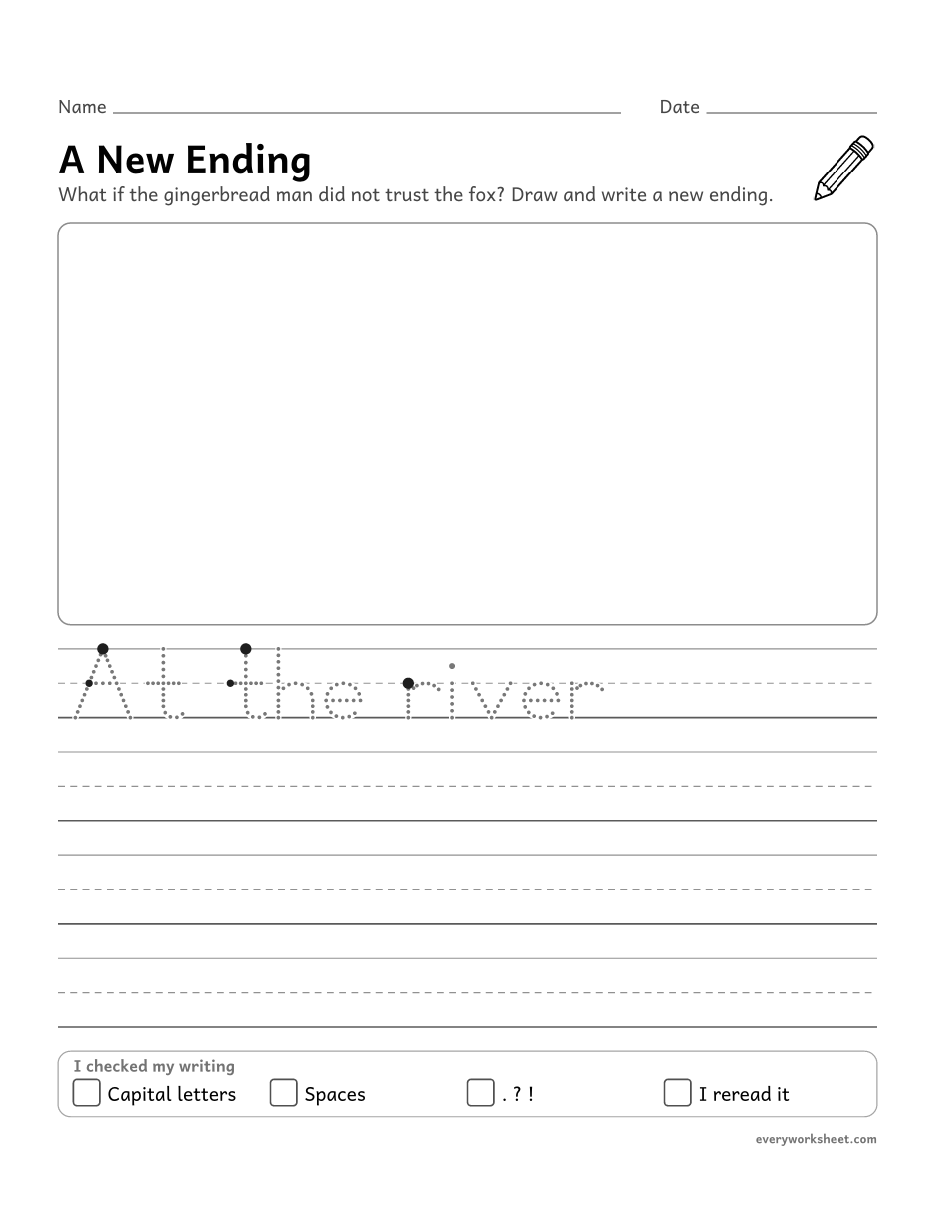 View larger
Writing a narrative with a sense of closure
1 page38 KB
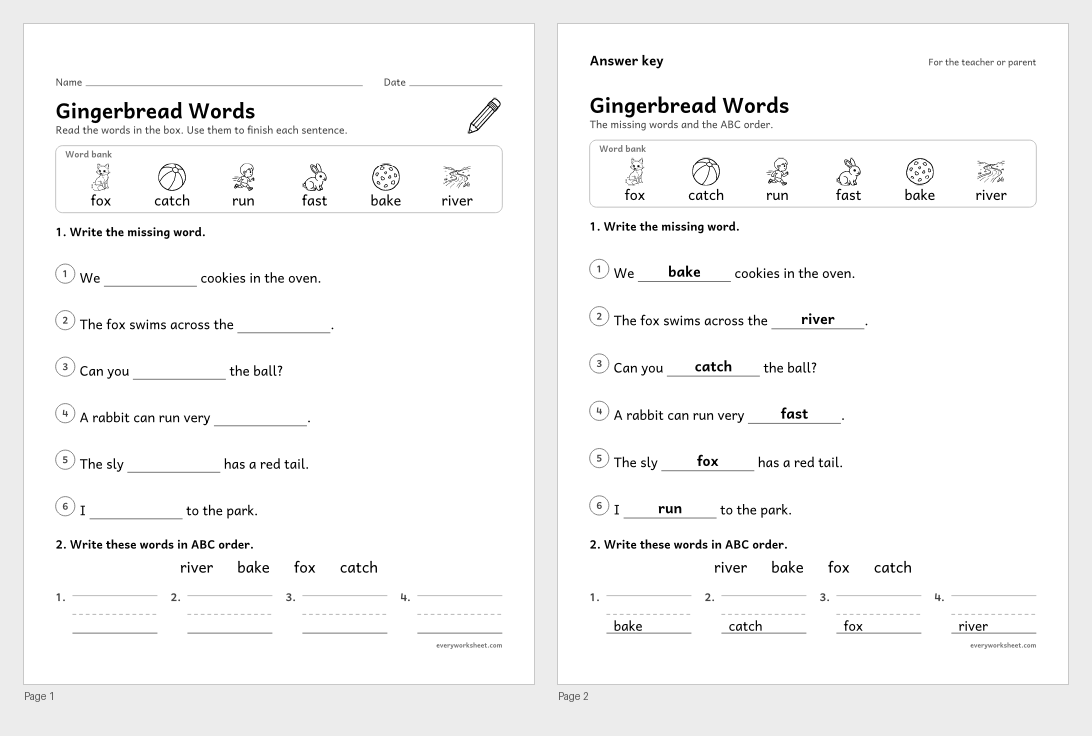 View all 2 pages
Using story words in sentences and putting words in ABC order
Answer key on page 2
2 pages266 KB
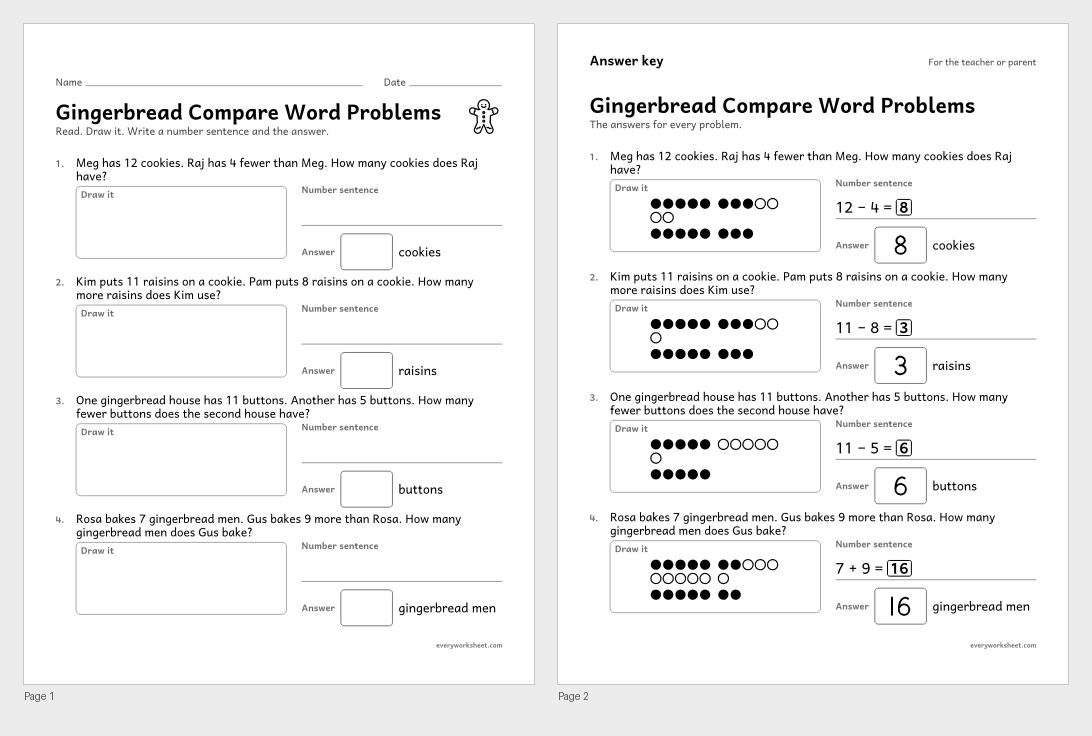 View all 2 pages
Solving how many more and how many fewer word problems
Answer key on page 2
2 pages53 KB
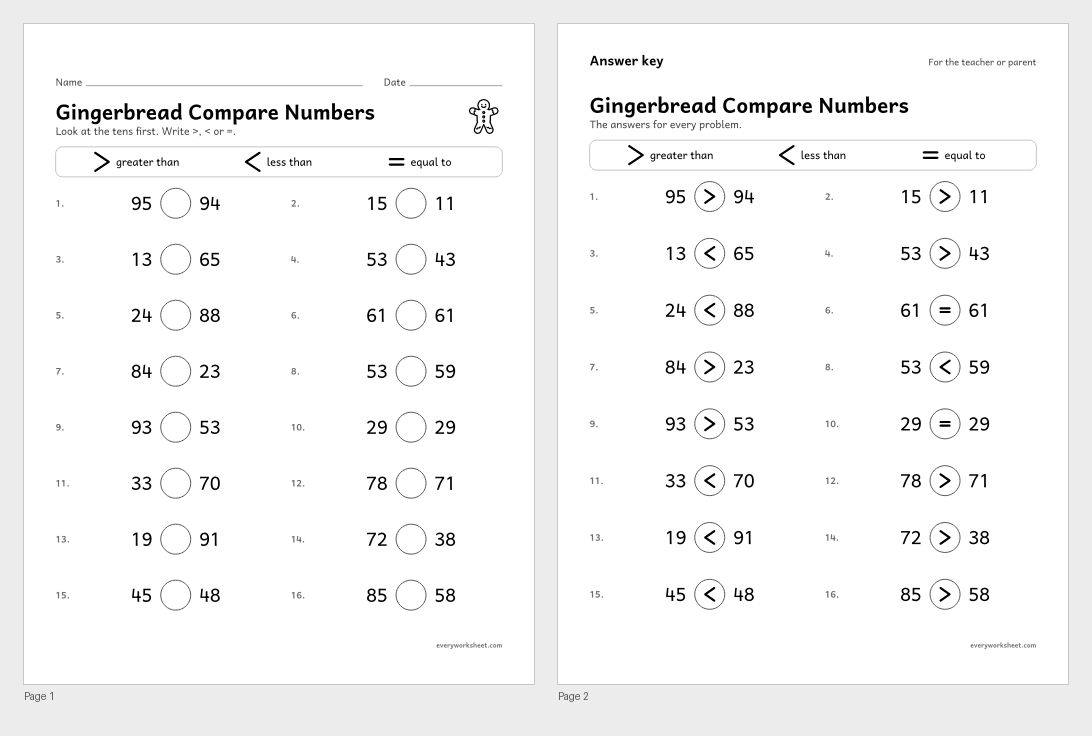 View all 2 pages
Comparing two-digit numbers with >, < and =
Answer key on page 2
2 pages67 KB
Print at 100% (actual size) for the cleanest tracing lines.
The Gingerbread Man is a perfect story for retelling: a runaway cookie, a repeating chant and a line of characters who chase him in order, until a sly fox ends the chase at the river. Our retelling is short and written in our own words, so you can read it aloud or have 1st graders read it themselves.
Preschoolers color the gingerbread man, count his buttons, roll dough on a playdough mat and trace the path he runs. Kindergartners listen to the story, put the characters in order, trace story words and write how they would catch him. 1st graders read the story, fill in a story map, write a new ending and solve how-many-more word problems about gingerbread cookies.
Use these pages in December or January, or any time you study folk tales. Pages with one right answer have an answer key on page 2.
ELOF P-LIT 4Child demonstrates an understanding of narrative structure through storytelling/re-telling.ELOF P-MATH 2Child recognizes the number of objects in a small set.ELOF P-MATH 8Child measures objects by their various attributes using standard and non-standard measurement. Uses differences in attributes to make comparisons.ELOF P-PMP 3Child demonstrates increasing control, strength, and coordination of small muscles.CCSS.ELA-LITERACY.L.K.1.APrint many upper- and lowercase letters.CCSS.ELA-LITERACY.RL.K.2With prompting and support, retell familiar stories, including key details.CCSS.ELA-LITERACY.RL.K.3With prompting and support, identify characters, settings, and major events in a story.CCSS.ELA-LITERACY.W.K.3Use a combination of drawing, dictating, and writing to narrate a single event or several loosely linked events, tell about the events in the order in which they occurred, and provide a reaction to what happened.CCSS.MATH.CONTENT.K.CC.B.5Count to answer "how many?" questions about as many as 20 things arranged in a line, a rectangular array, or a circle, or as many as 10 things in a scattered configuration; given a number from 1-20, count out that many objects.CCSS.ELA-LITERACY.L.1.2.DUse conventional spelling for words with common spelling patterns and for frequently occurring irregular words.CCSS.ELA-LITERACY.RL.1.3Describe characters, settings, and major events in a story, using key details.CCSS.ELA-LITERACY.W.1.3Write narratives in which they recount two or more appropriately sequenced events, include some details regarding what happened, use temporal words to signal event order, and provide some sense of closure.CCSS.MATH.CONTENT.1.NBT.B.3Compare two two-digit numbers based on meanings of the tens and ones digits, recording the results of comparisons with the symbols >, =, and <.CCSS.MATH.CONTENT.1.OA.A.1Use addition and subtraction within 20 to solve word problems involving situations of adding to, taking from, putting together, taking apart, and comparing, with unknowns in all positions, e.g., by using objects, drawings, and equations with a symbol for the unknown number to represent the problem.Yes. The Gingerbread Man is an old folk tale, and the version on these worksheets is our own short retelling, written for young children.
Retelling a story in order, naming characters and setting, a repeating chant for early reading, and counting and comparing for math. The pages here practice each of these.
Yes. The cut and paste page has a twin where children write 1 to 4 under the pictures.