 View larger
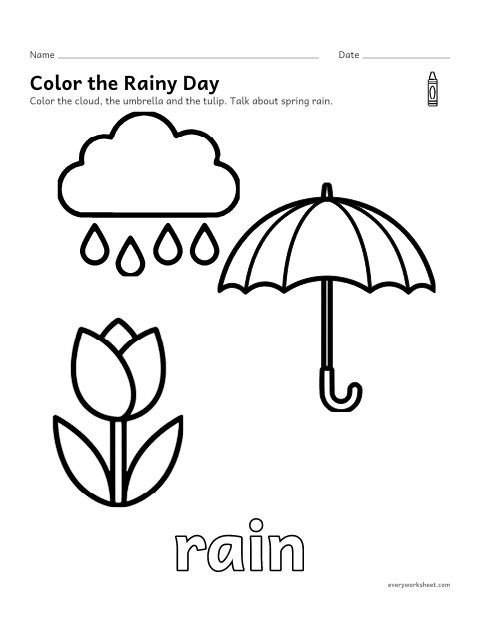
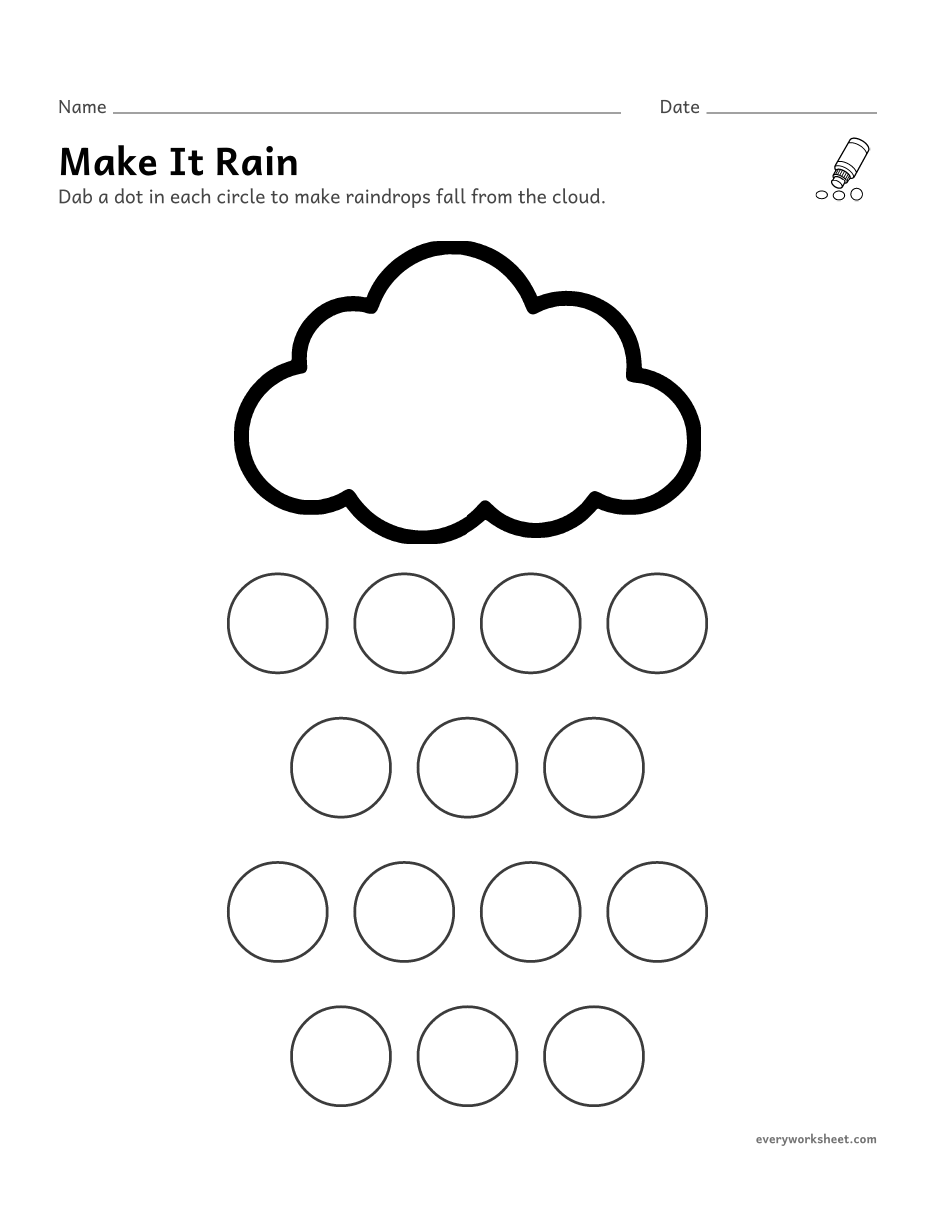
Spring rainy day coloring page
Coloring a big spring picture with crayons
1 page50 KB
Rain, flowers, bees and baby animals on pages that practice real skills: counting, patterns, letter sounds, word problems, reading and writing.
View largerColoring a big spring picture with crayons
1 page50 KB
 View larger
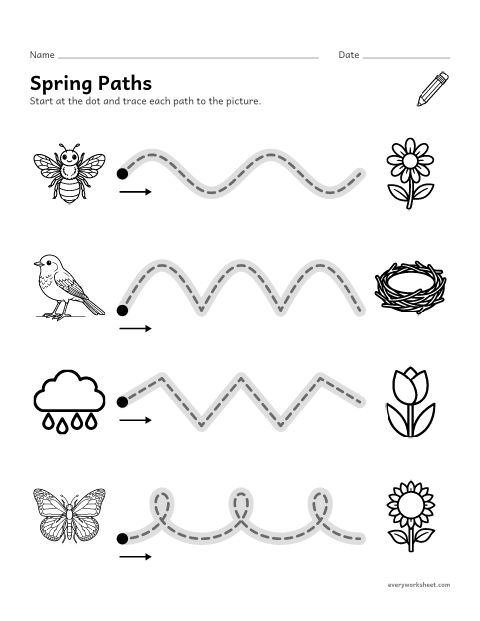
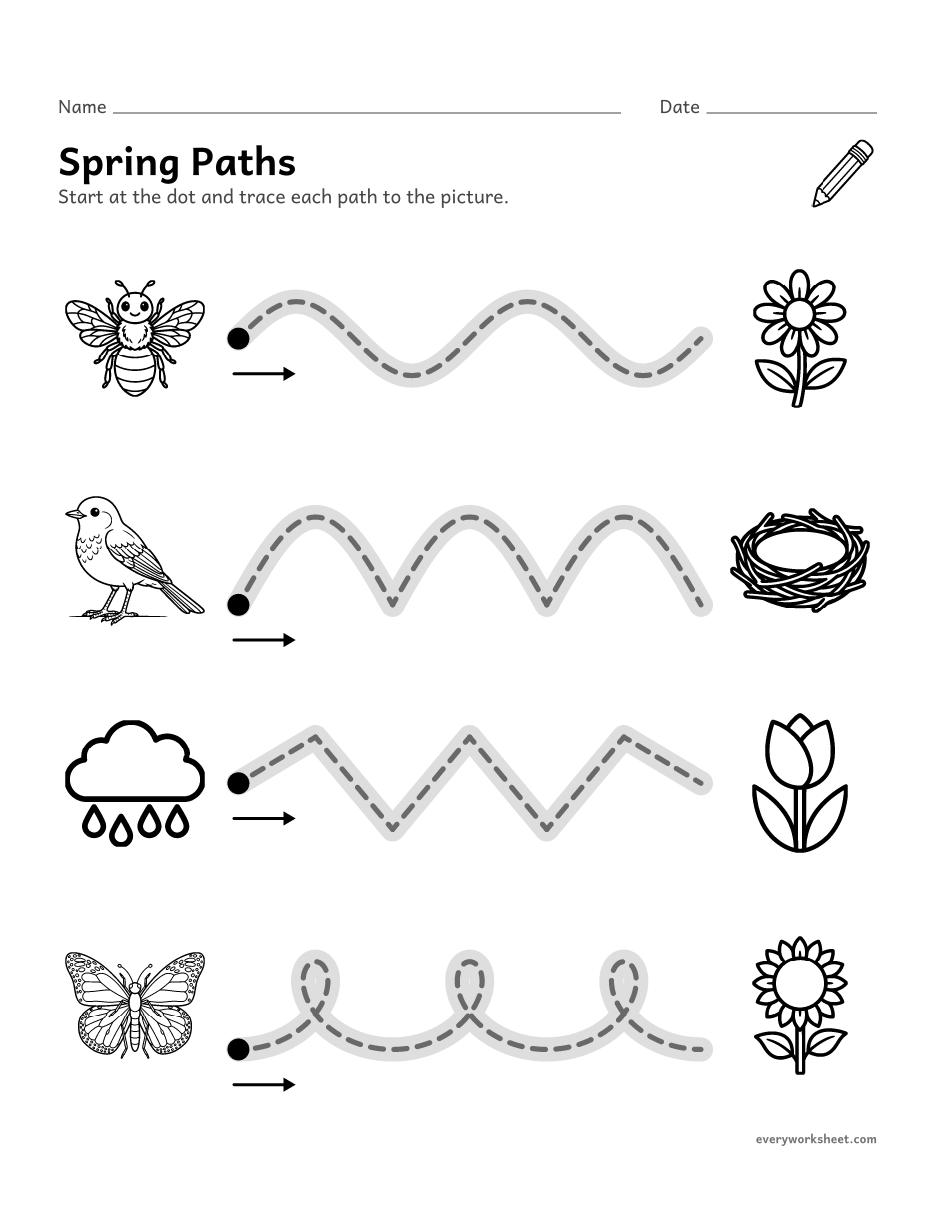
Tracing wavy, hill, zigzag and loop paths from left to right
1 page171 KB
 View all 2 pages
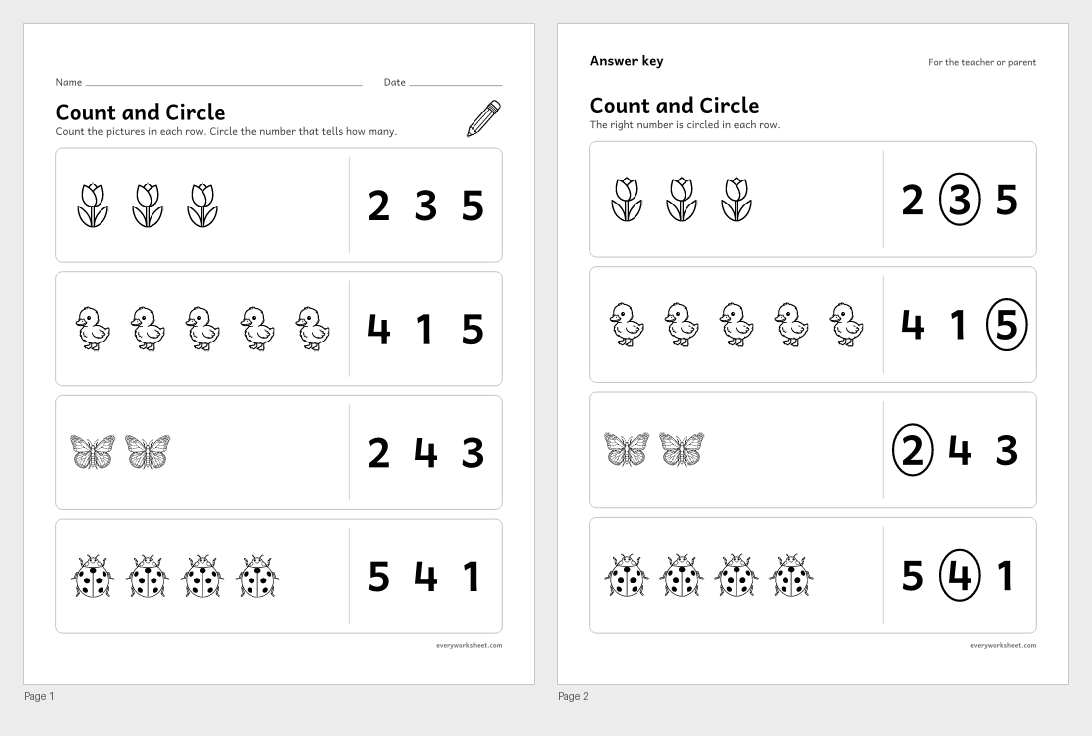
Counting groups of 1 to 5 spring pictures and finding the number
Answer key on page 2
2 pages488 KB
 View all 2 pages
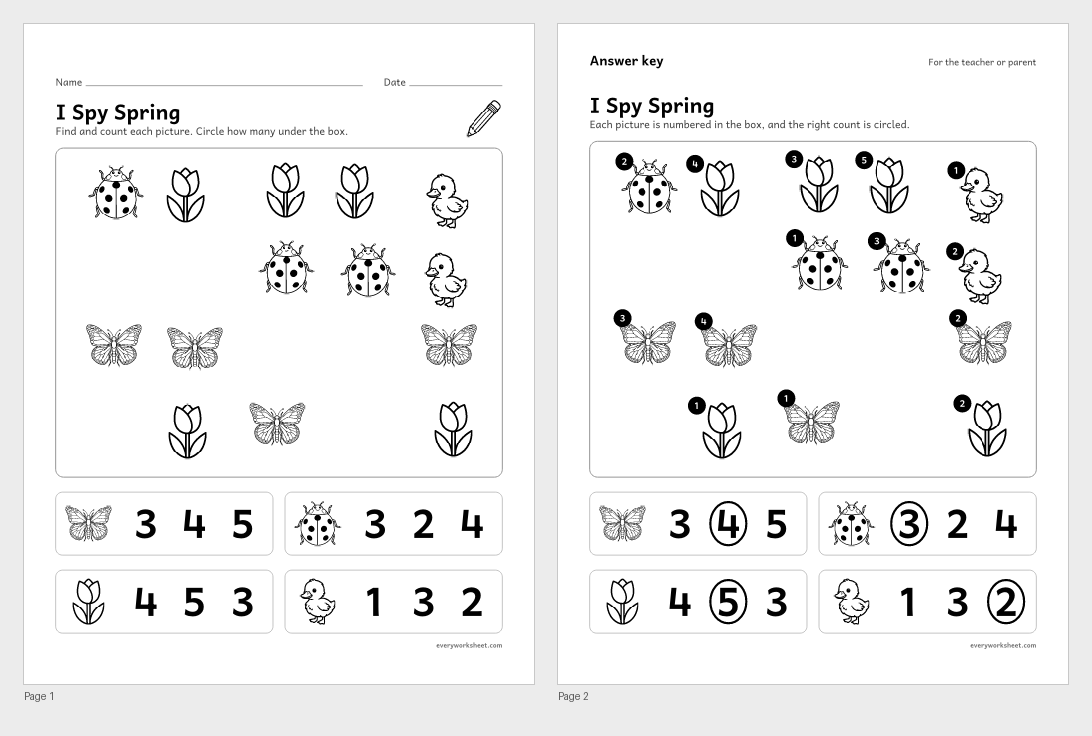
Finding and counting up to 5 of each spring picture
Answer key on page 2
2 pages755 KB
 View all 2 pages
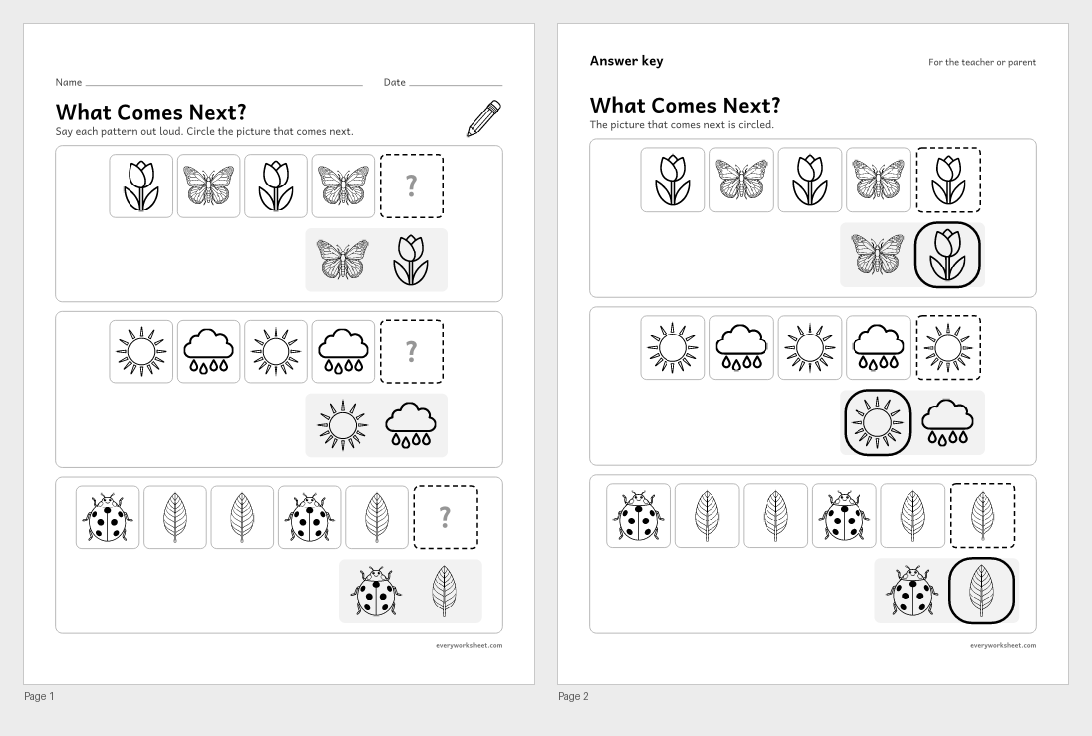
Finishing AB and ABB picture patterns
Answer key on page 2
2 pages447 KB
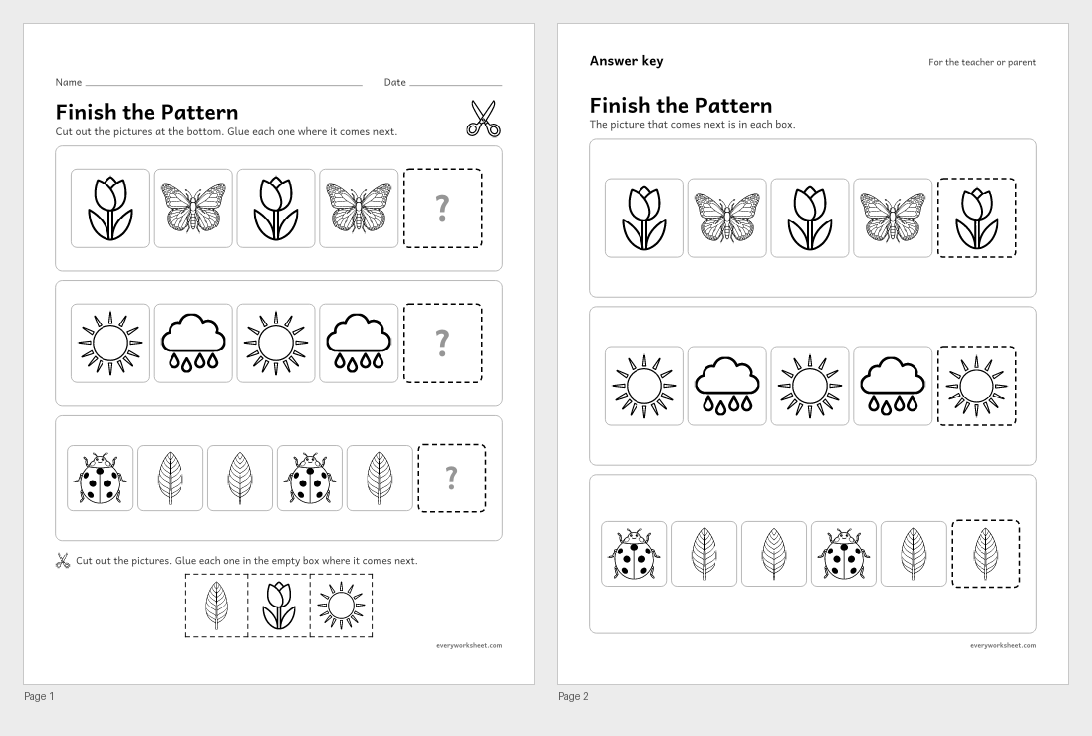 View all 2 pages
Finishing AB and ABB picture patterns
Answer key on page 2
2 pages398 KB
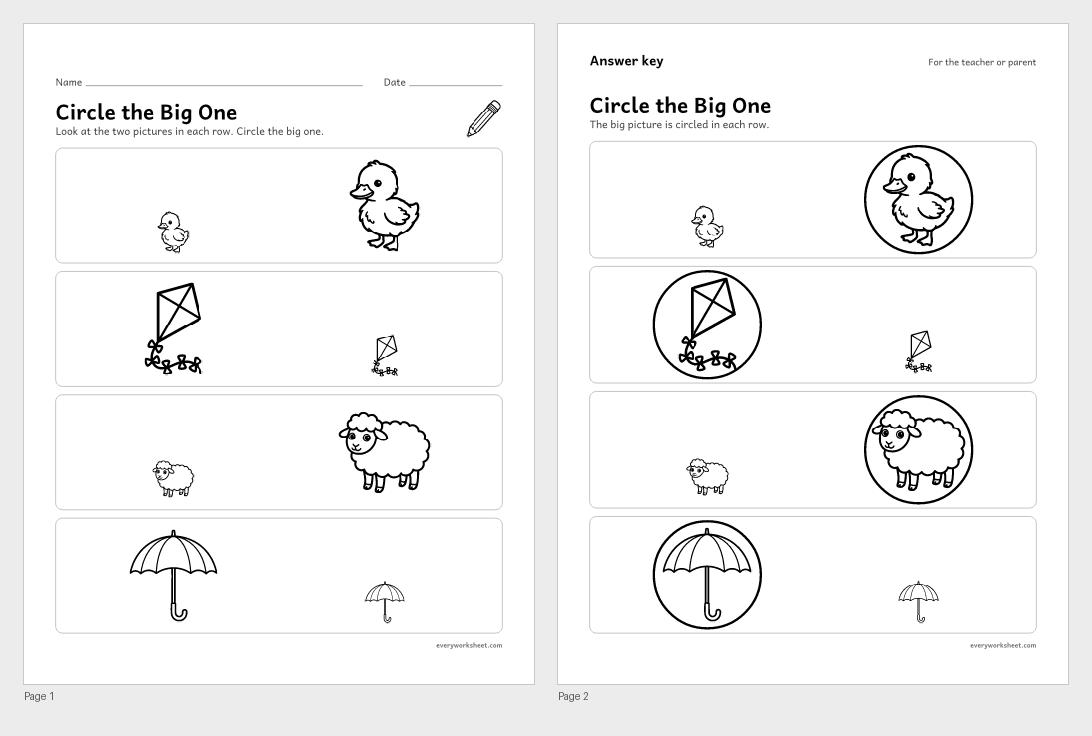 View all 2 pages
Comparing two pictures and finding the bigger one
Answer key on page 2
2 pages276 KB
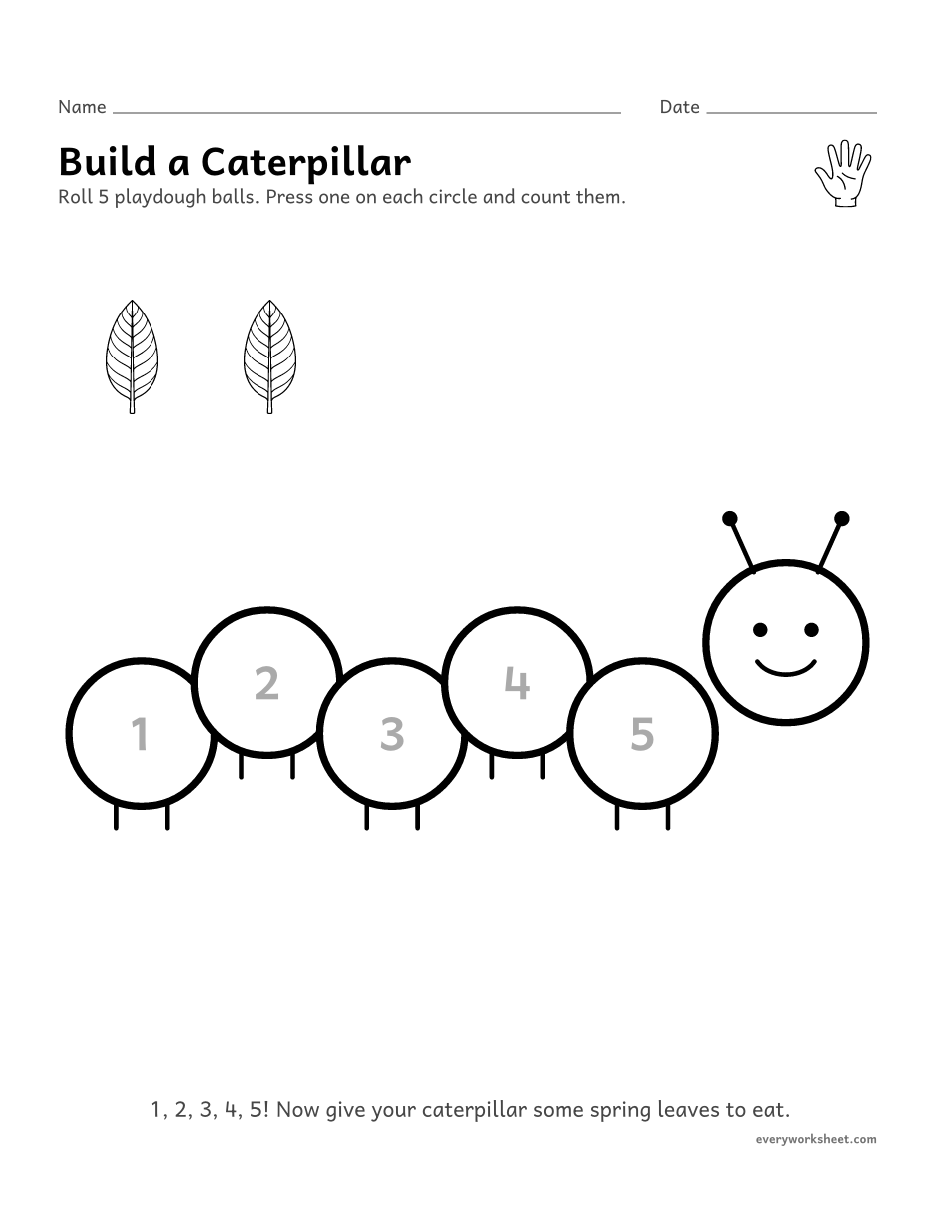 View larger
Rolling and pressing playdough balls and counting to 5
1 page34 KB
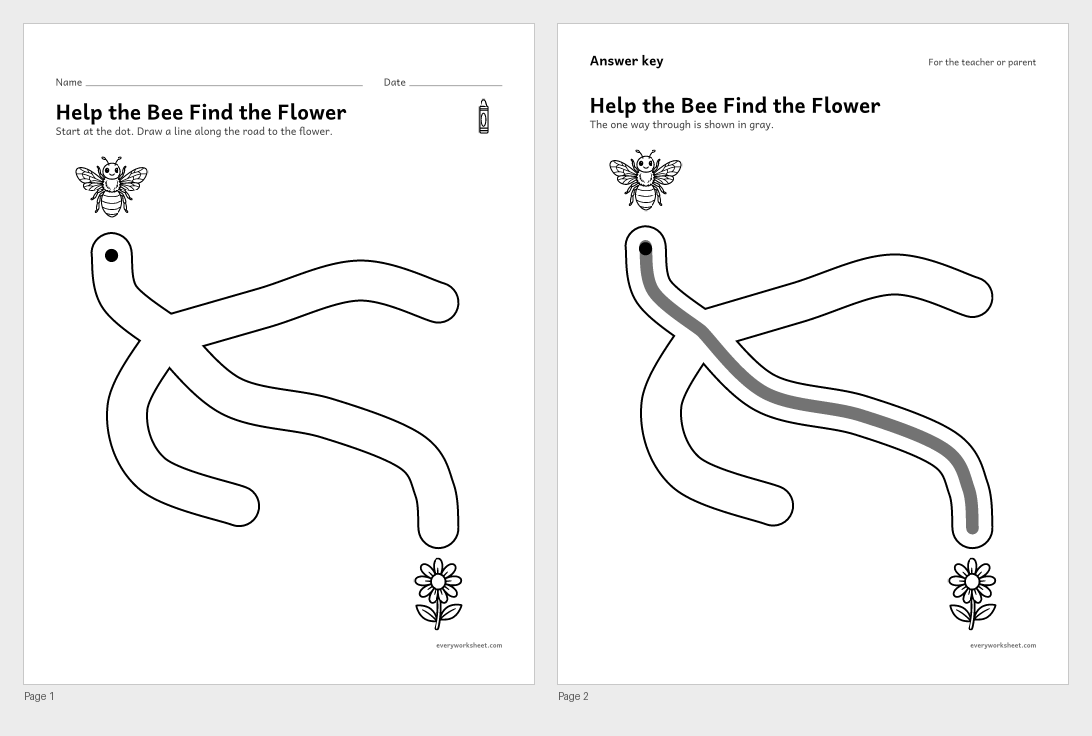 View all 2 pages
Following a road with two turn-offs to the goal
Answer key on page 2
2 pages97 KB
 View larger
 View all 2 pages
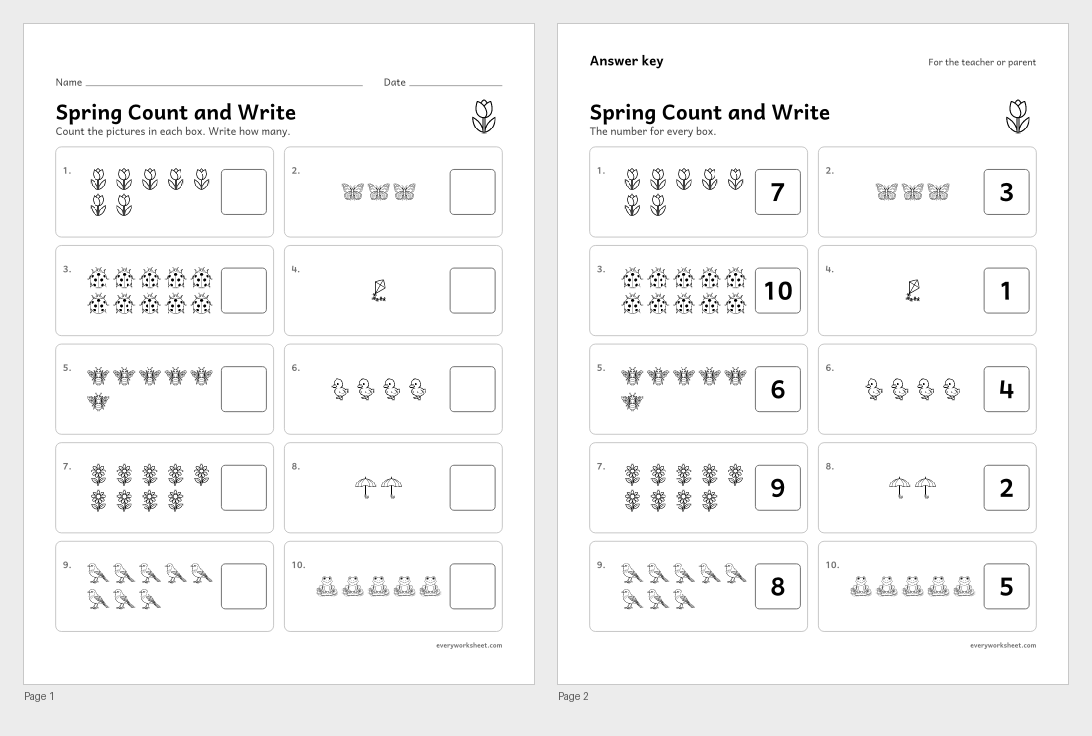
Counting up to 10 pictures and writing the number
Answer key on page 2
2 pages1.3 MB
 View all 2 pages
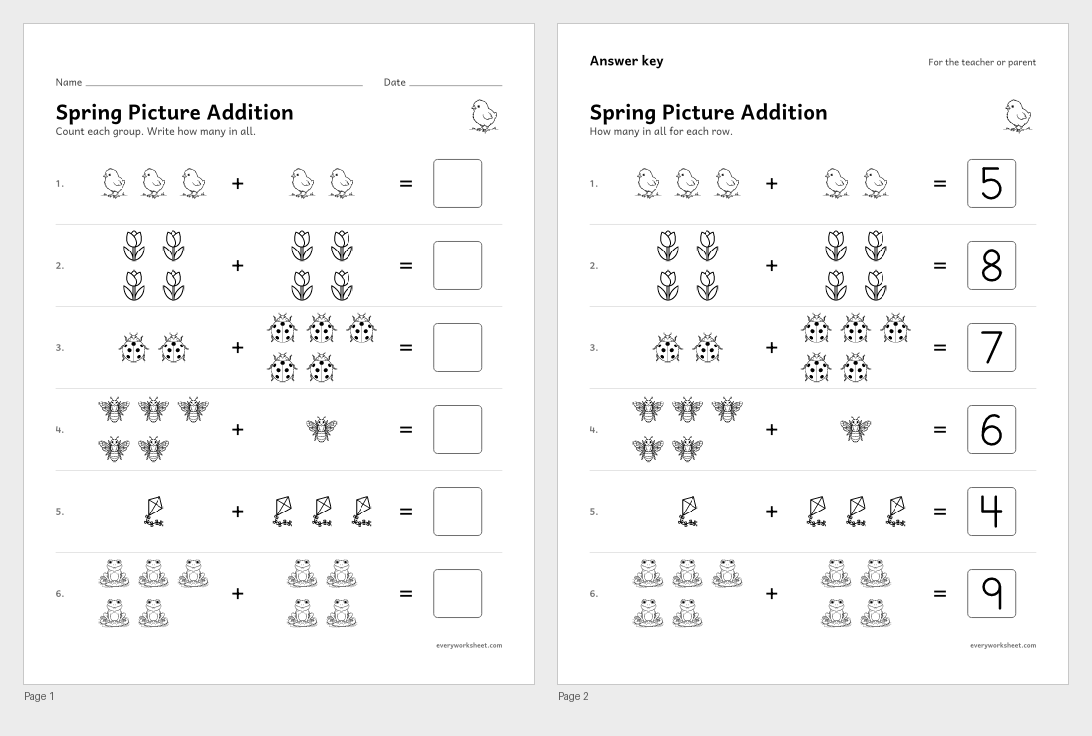
Adding two groups of pictures within 10
Answer key on page 2
2 pages940 KB
 View all 2 pages
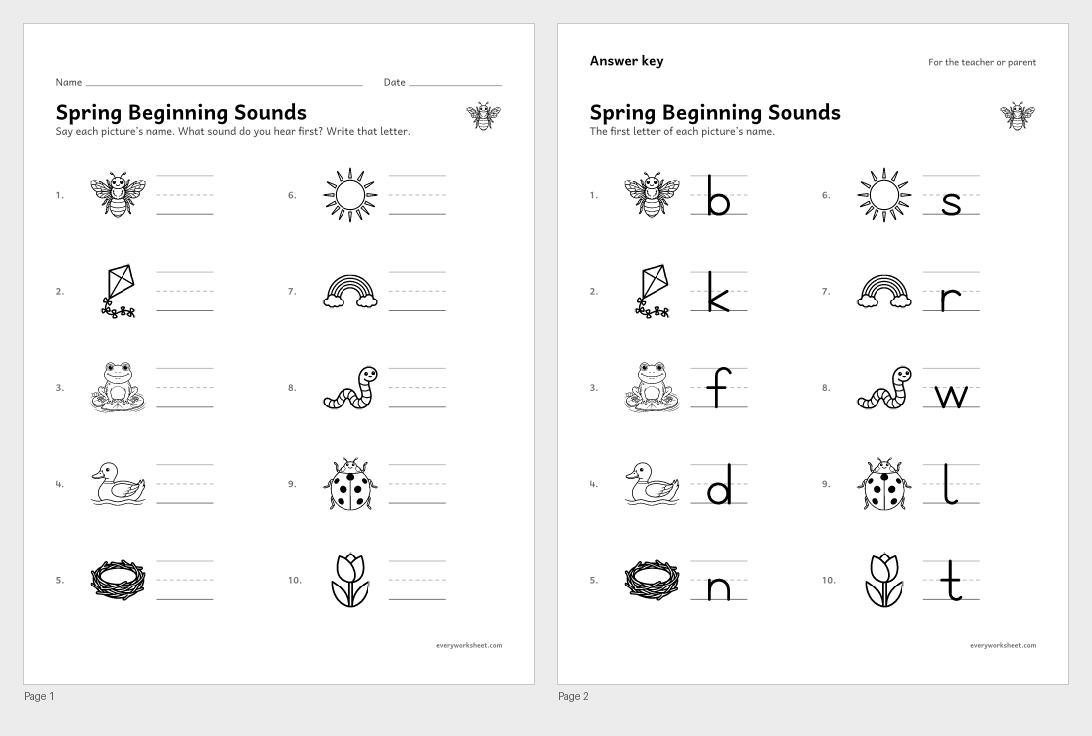
Hearing the first sound in a word and writing its letter
Answer key on page 2
2 pages347 KB
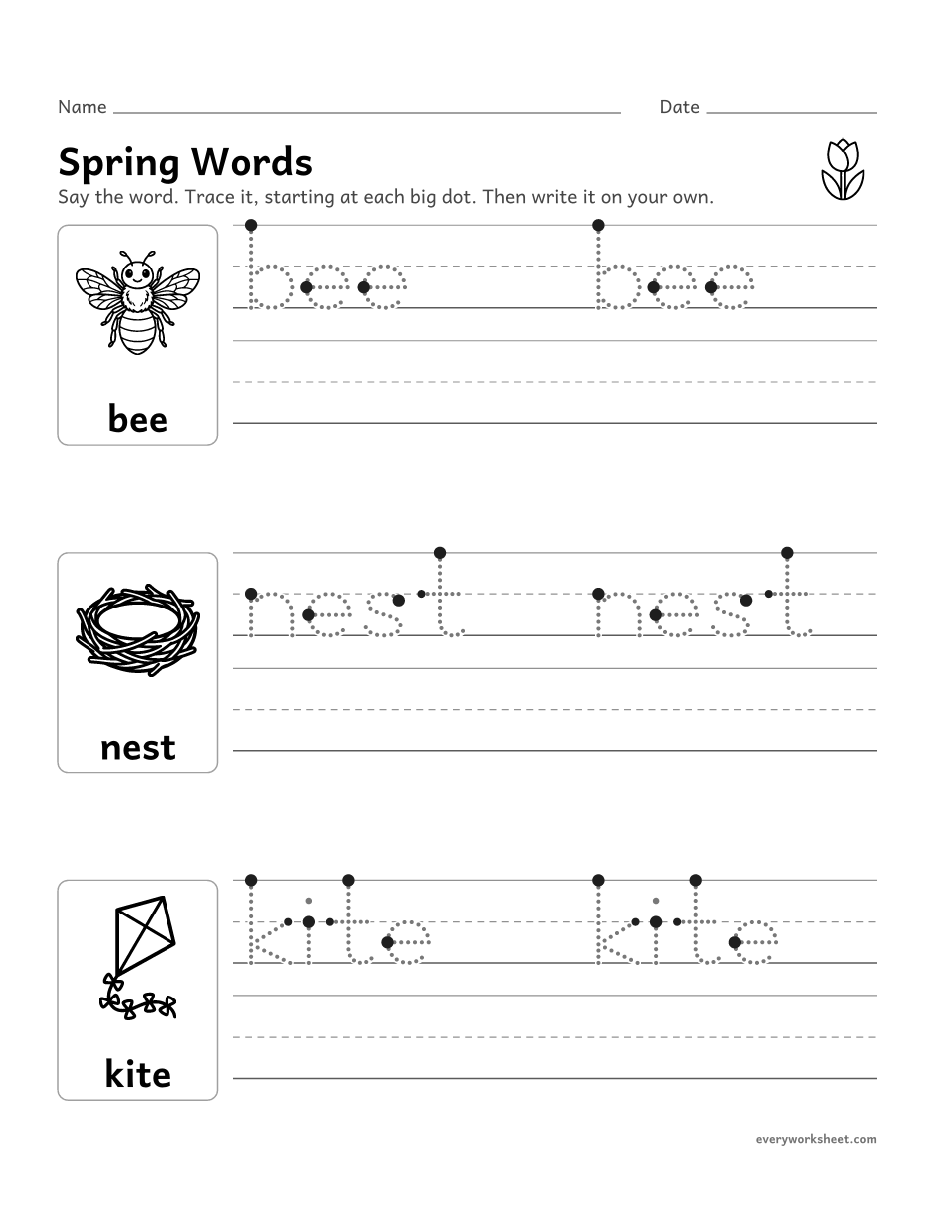 View larger
Tracing and writing bee, nest and kite
1 page106 KB
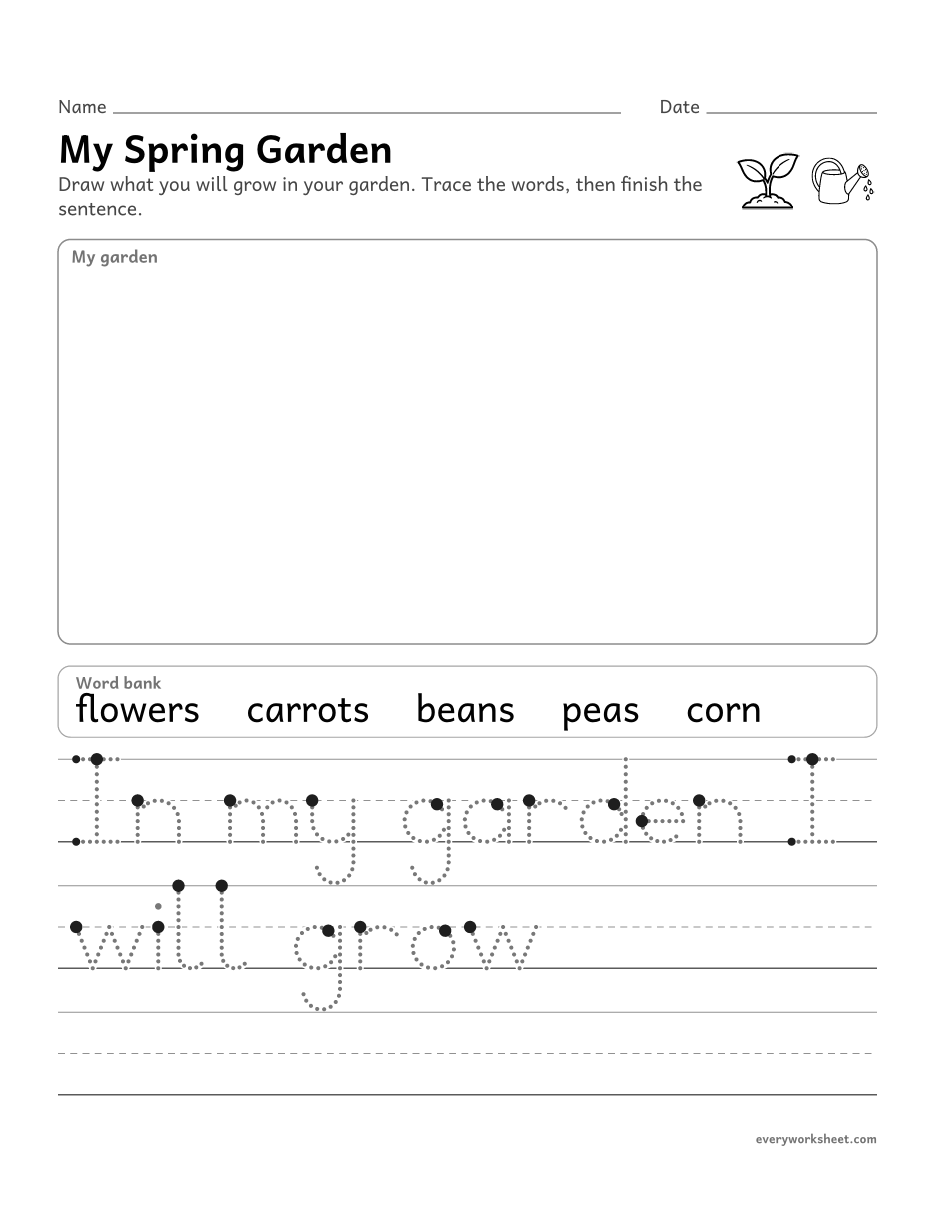 View larger
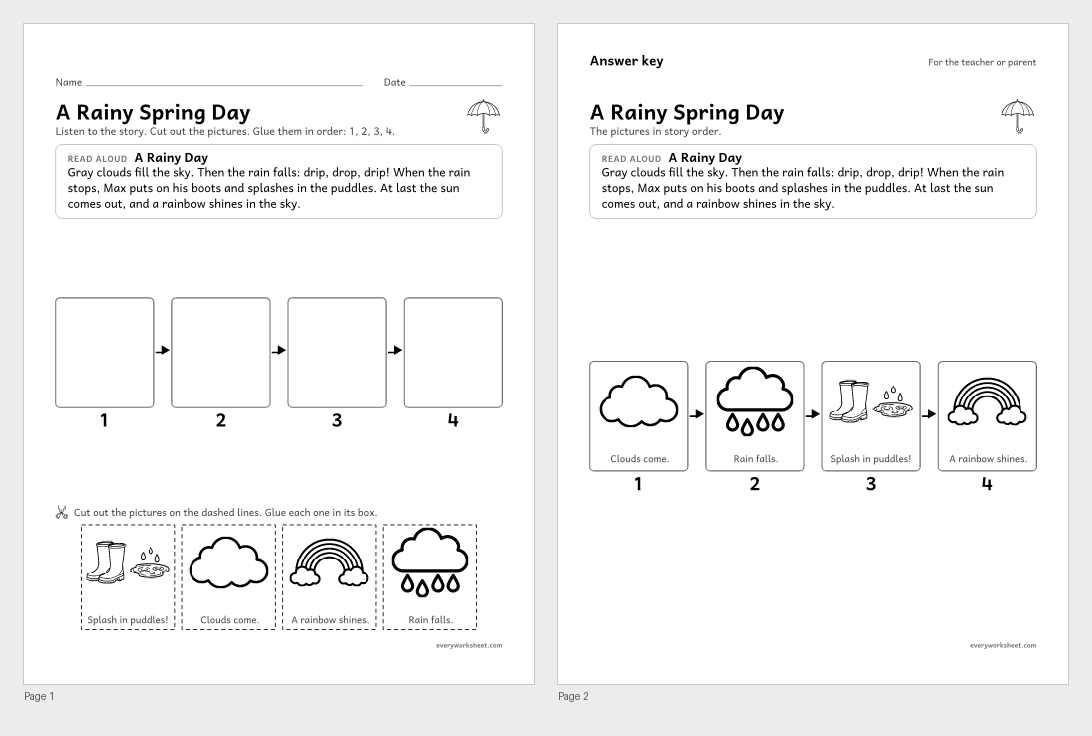 View all 2 pages
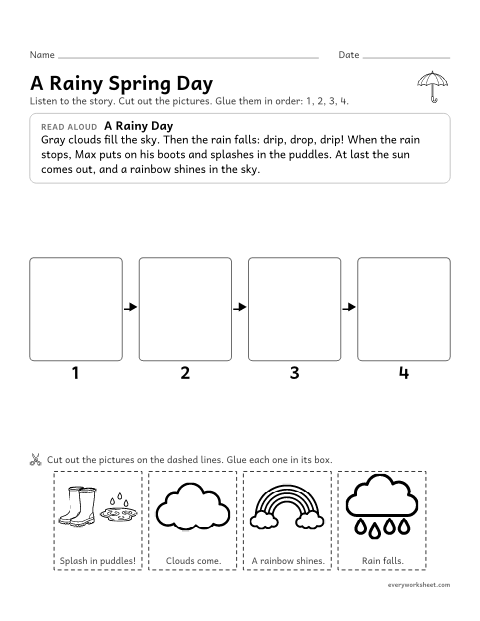
Putting the events of a short story in order
Answer key on page 2
2 pages190 KB
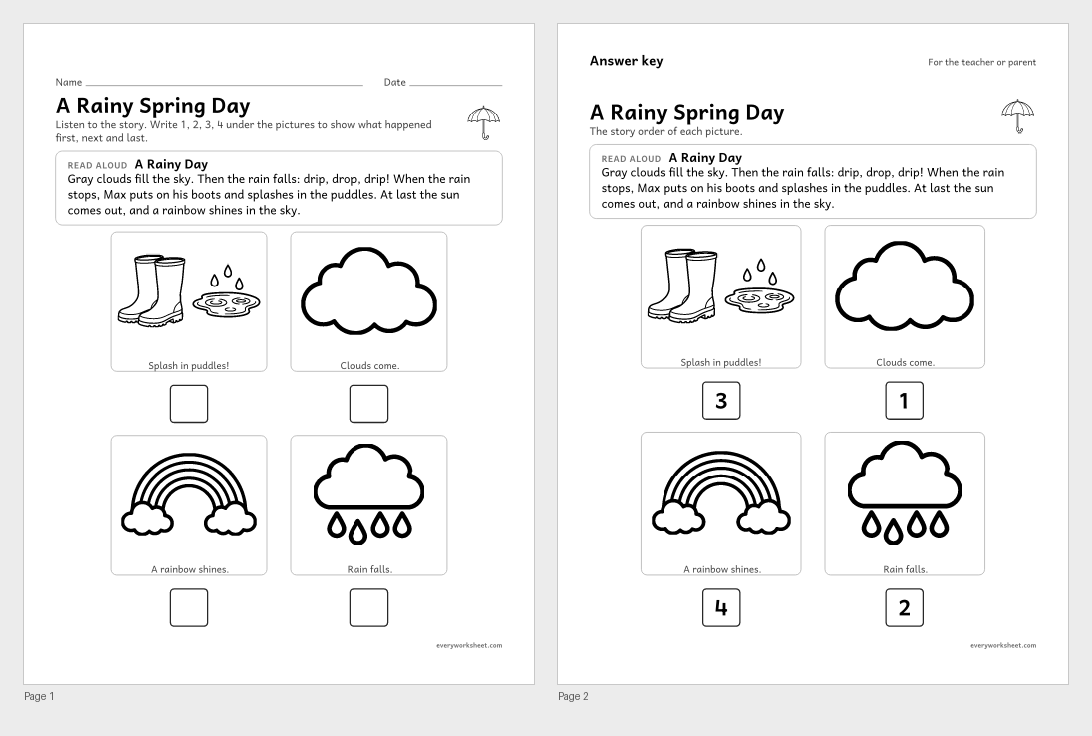 View all 2 pages
Putting the events of a short story in order
Answer key on page 2
2 pages164 KB
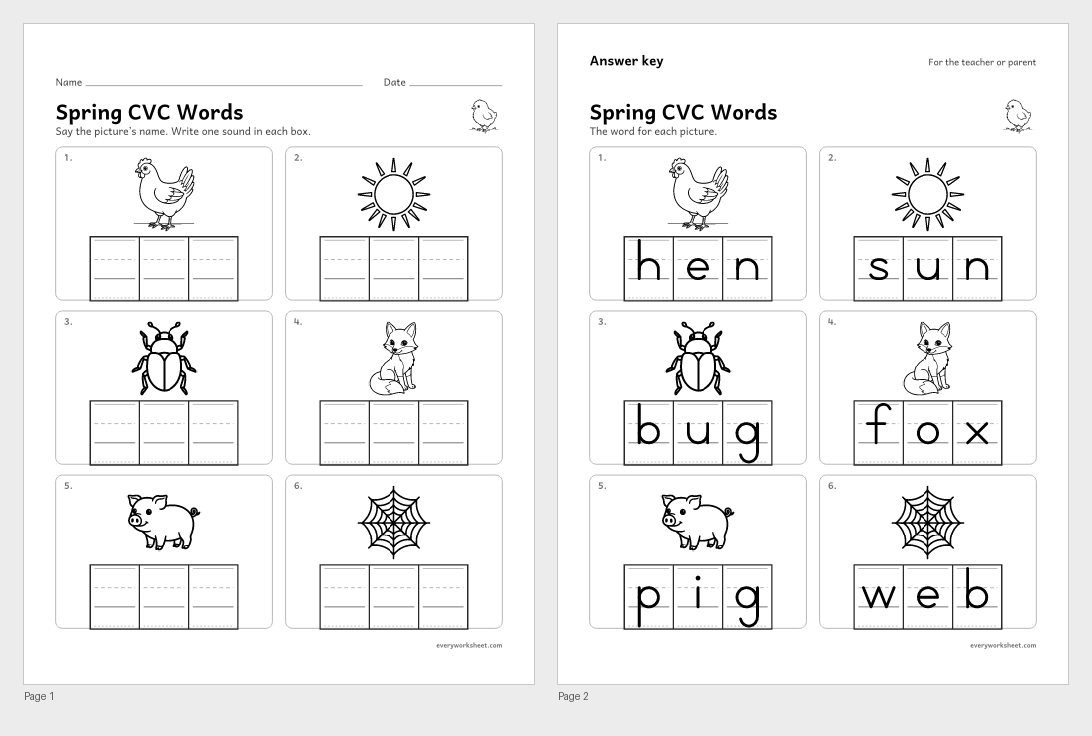 View all 2 pages
Spelling CVC words one sound at a time
Answer key on page 2
2 pages214 KB
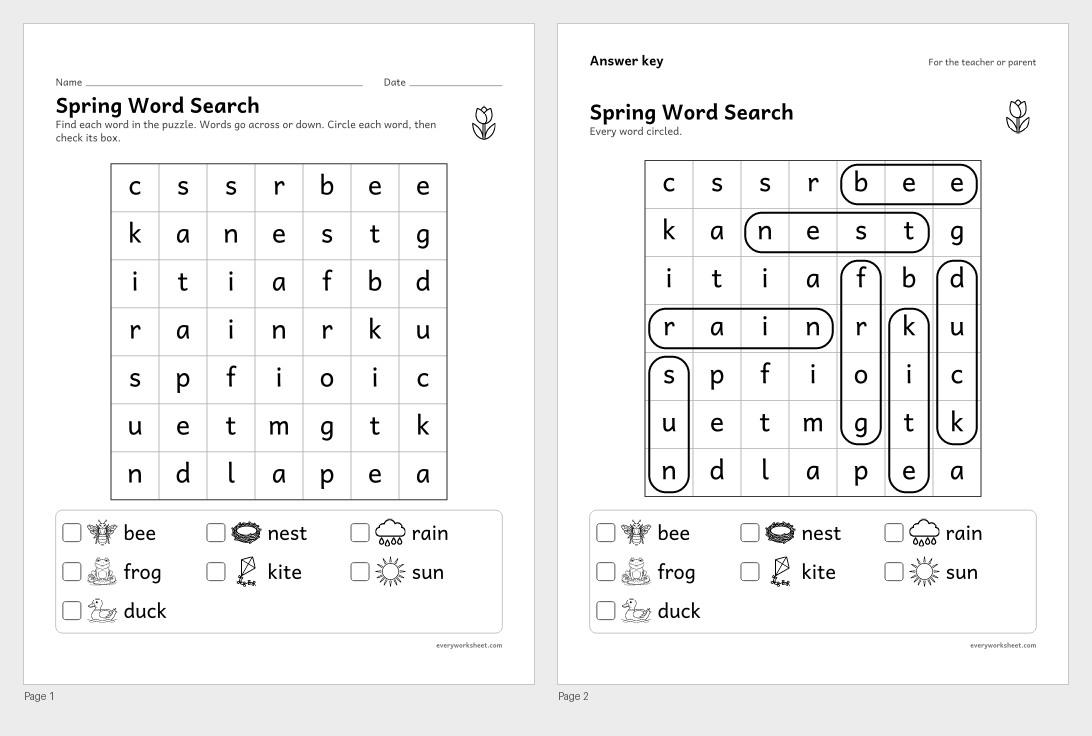 View all 2 pages
Finding words by their letters
Answer key on page 2
2 pages242 KB
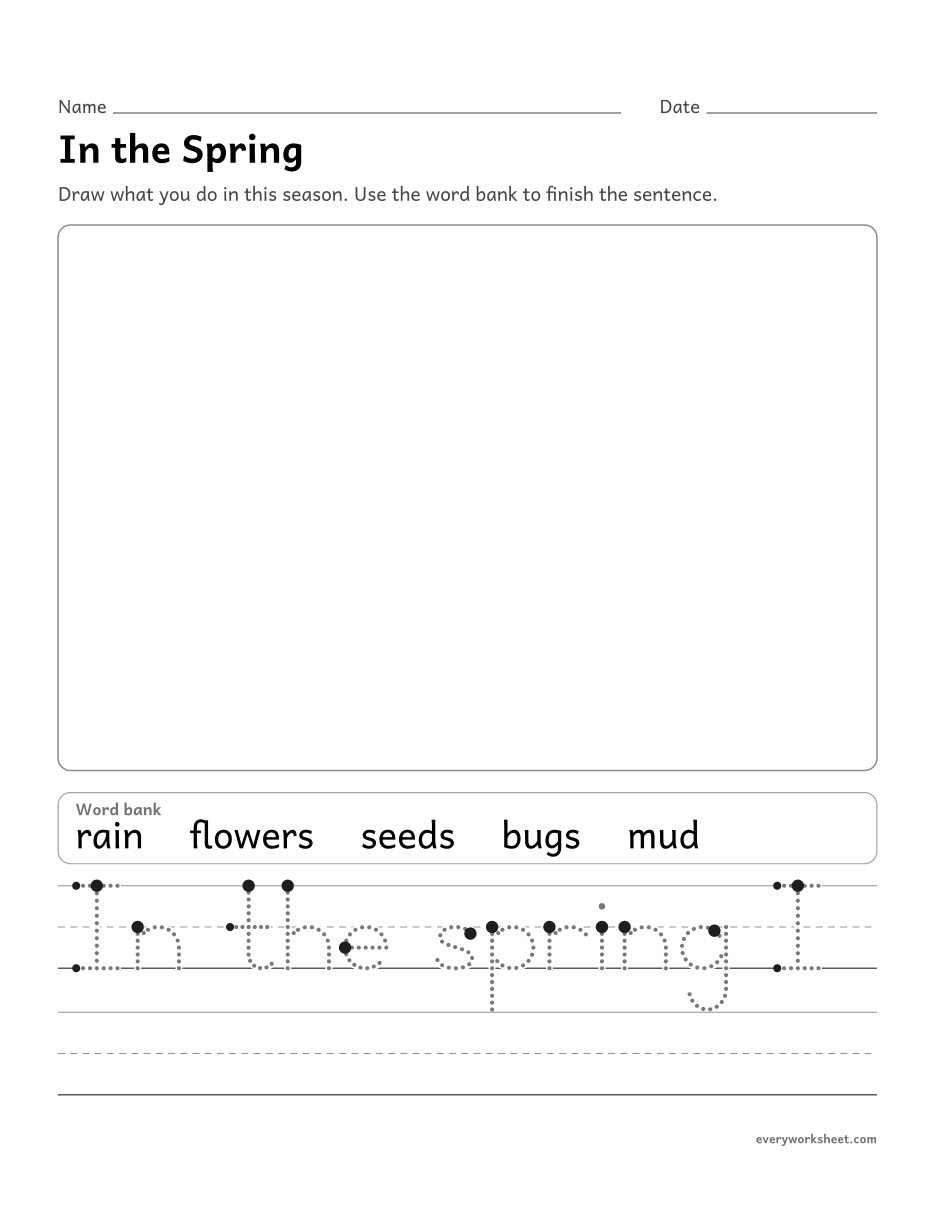 View larger
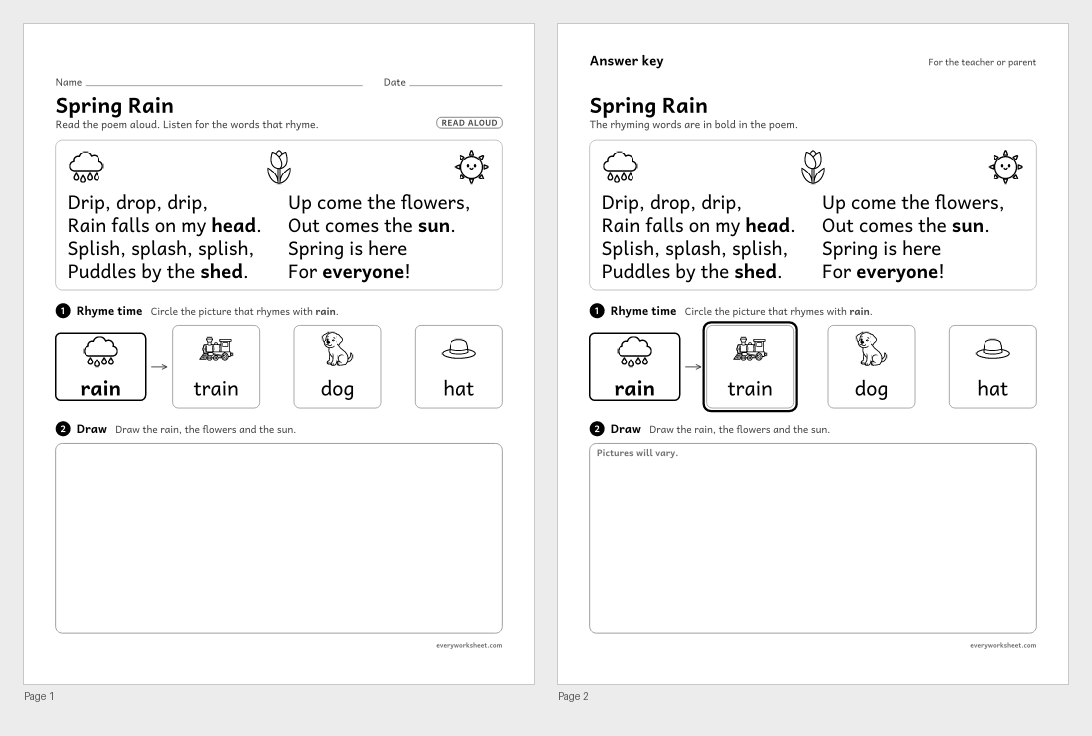 View all 2 pages
Listening to a poem, hearing rhyming words and drawing what the poem says
Answer key on page 2
2 pages174 KB
 View all 2 pages
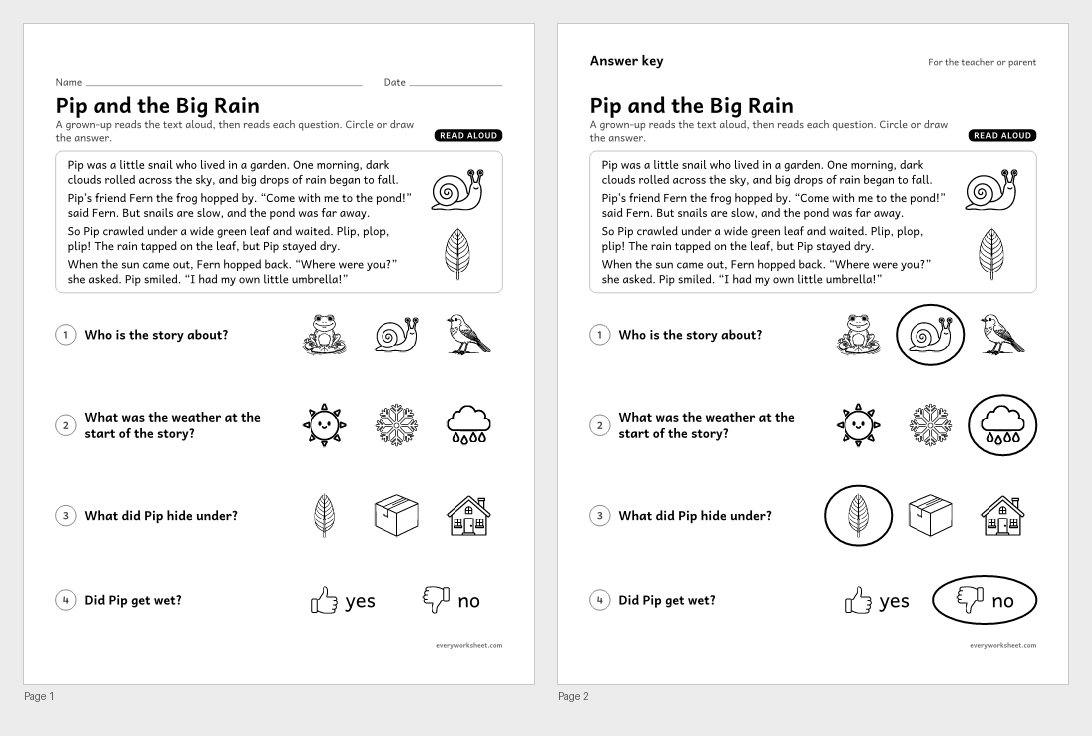
Listening to a story and answering questions about characters, setting and events
Answer key on page 2
2 pages303 KB
 View all 2 pages
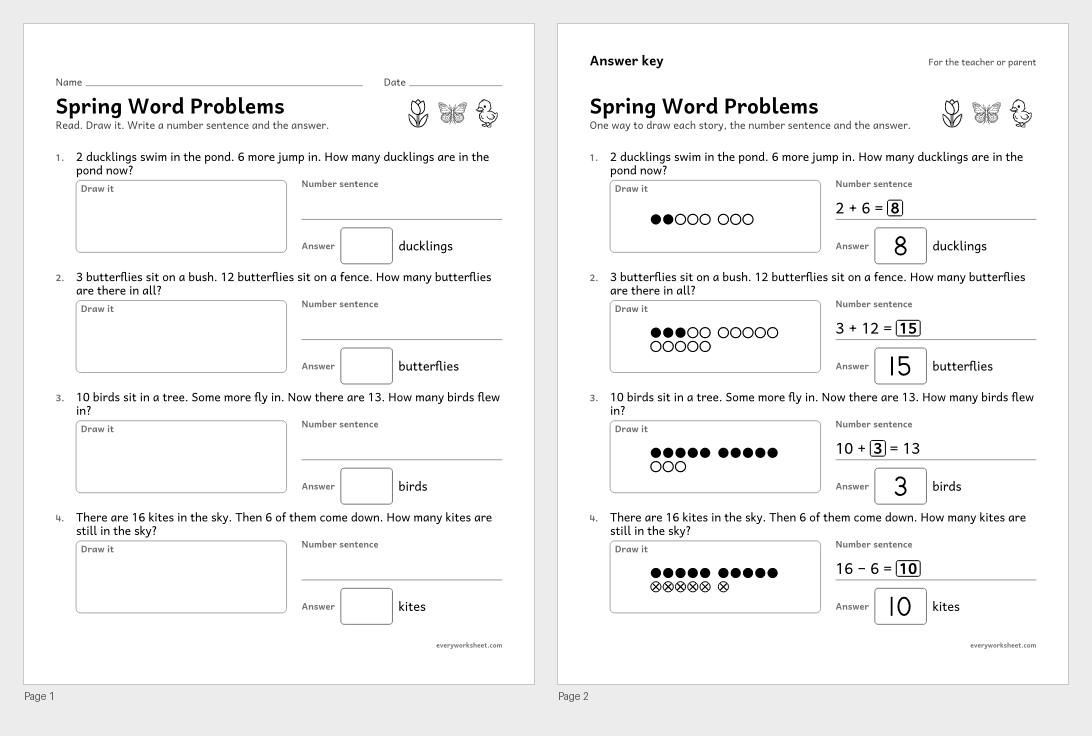
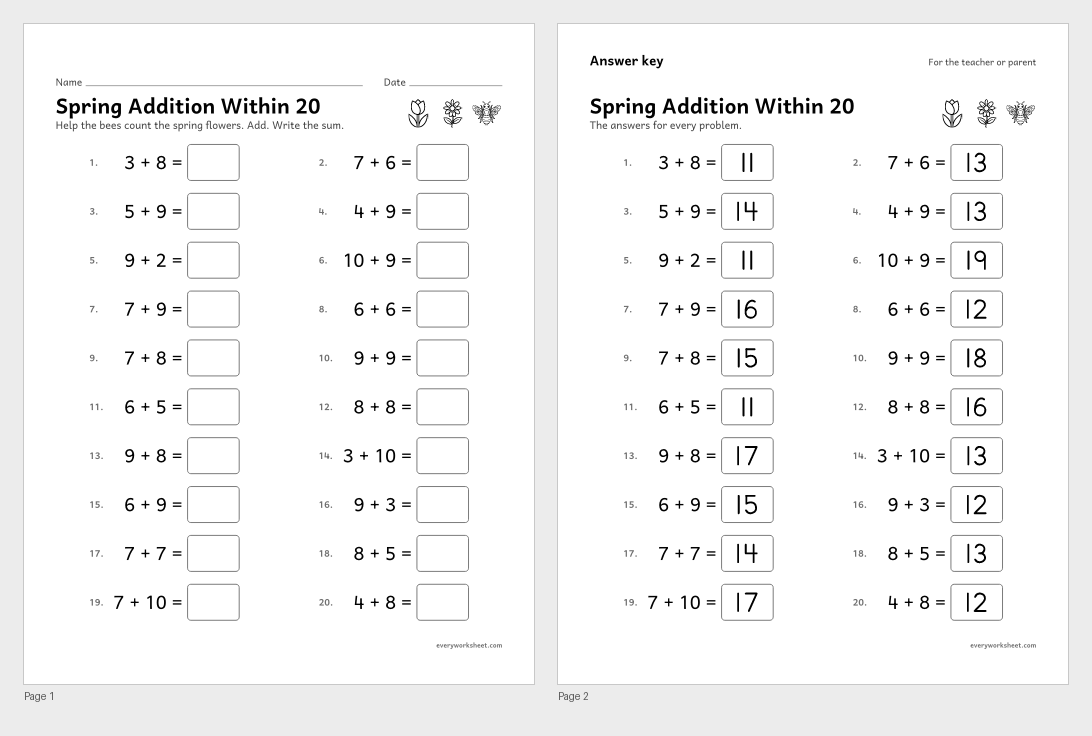
Solving spring word problems within 20
Answer key on page 2
2 pages197 KB
 View all 2 pages
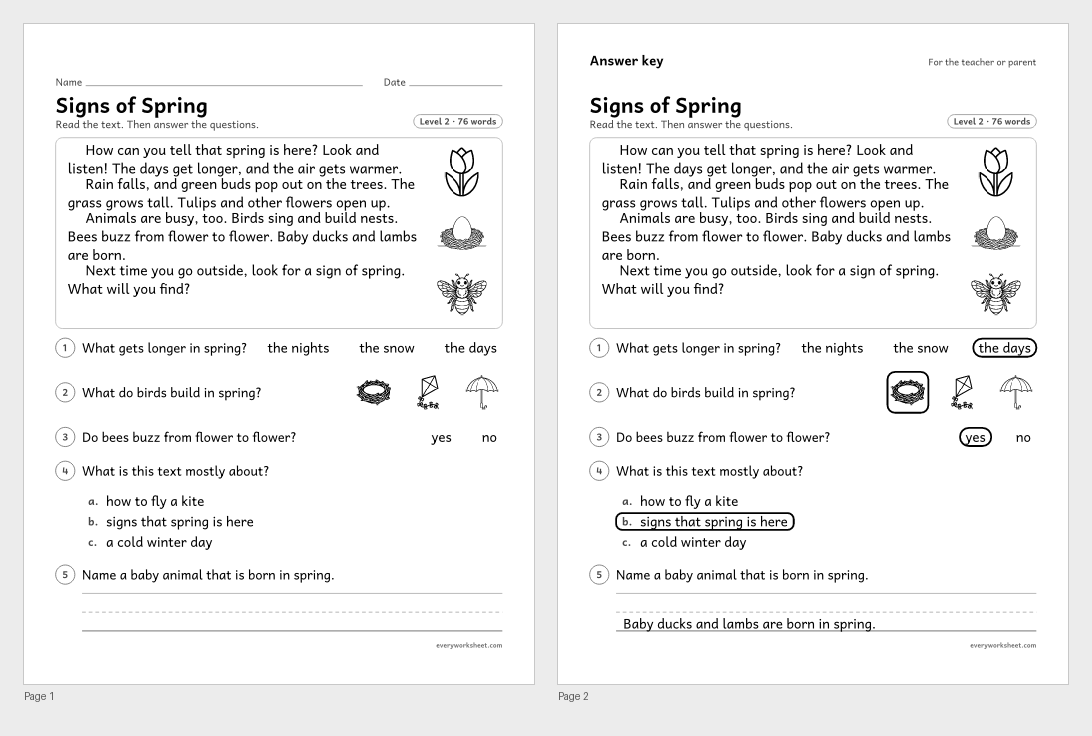
Reading a short nonfiction text about spring and answering questions about key details and the main topic
Answer key on page 2
2 pages228 KB
 View all 2 pages
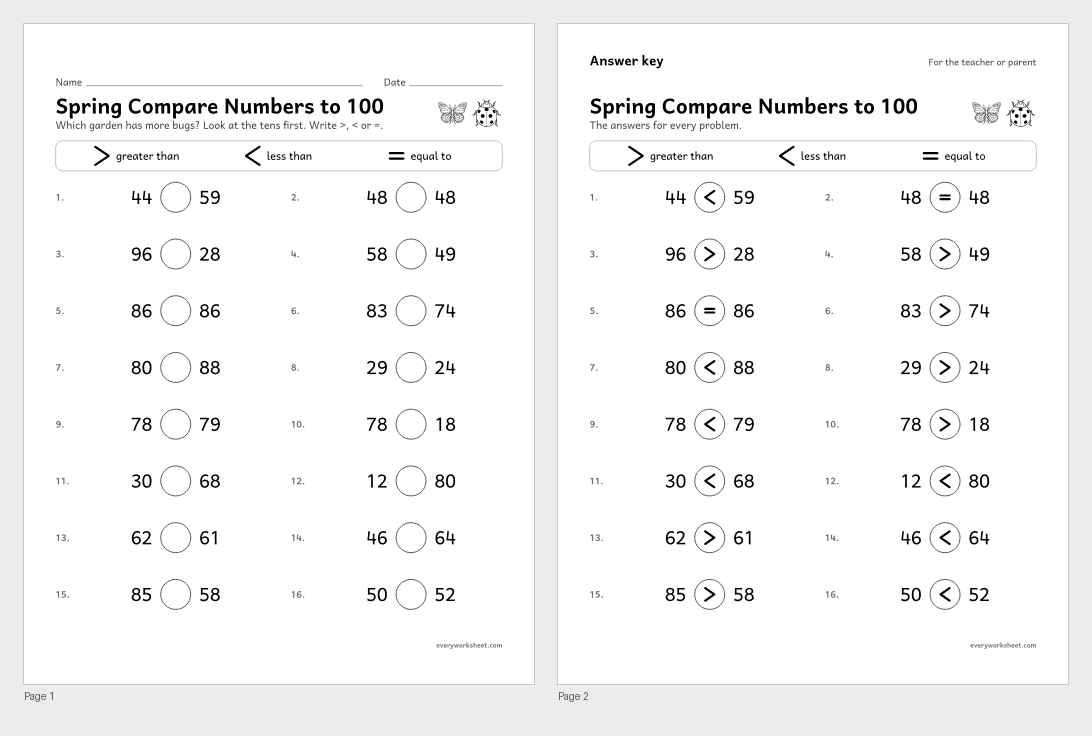 View all 2 pages
Comparing two-digit numbers with >, < and =
Answer key on page 2
2 pages160 KB
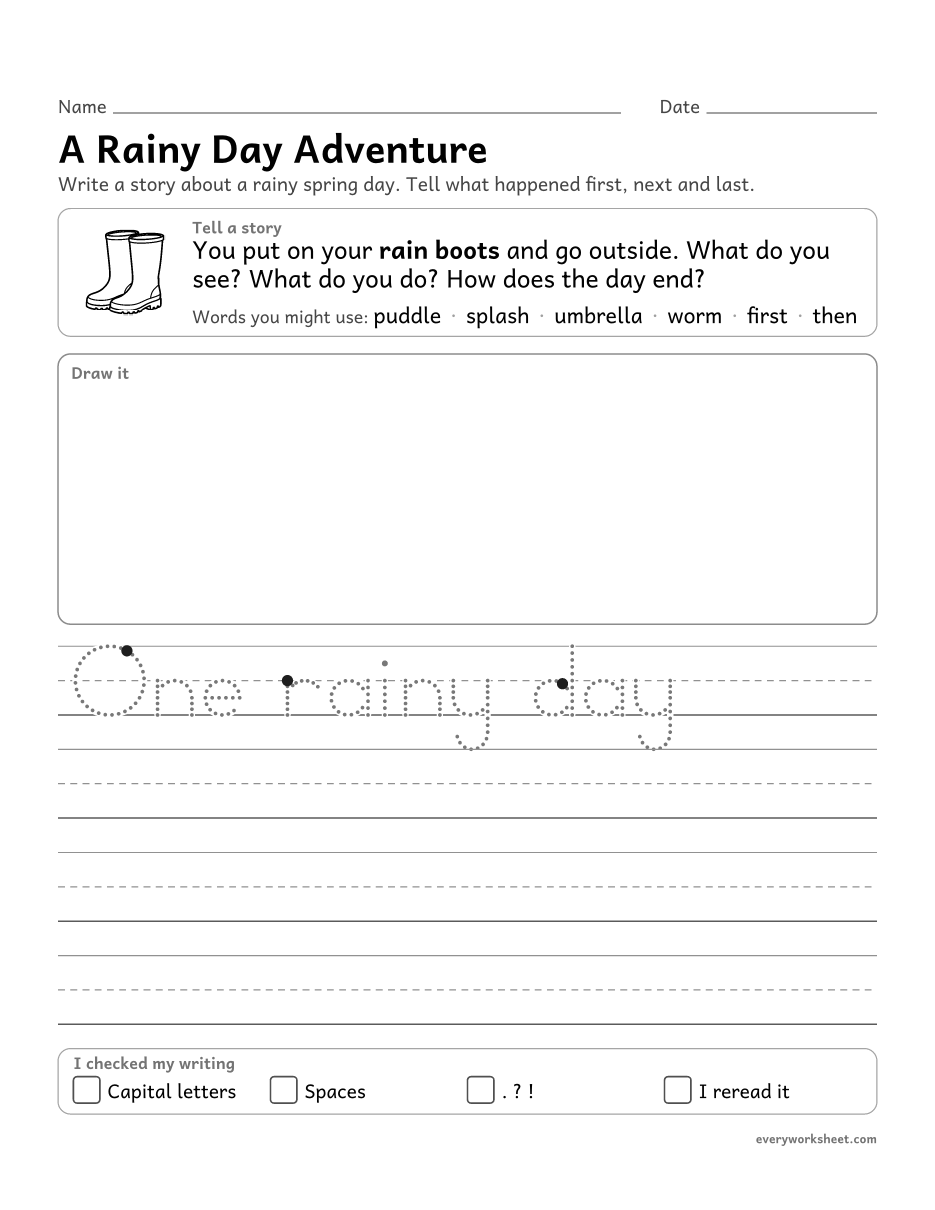 View larger
Writing a short spring story with events in order and an ending
1 page38 KB
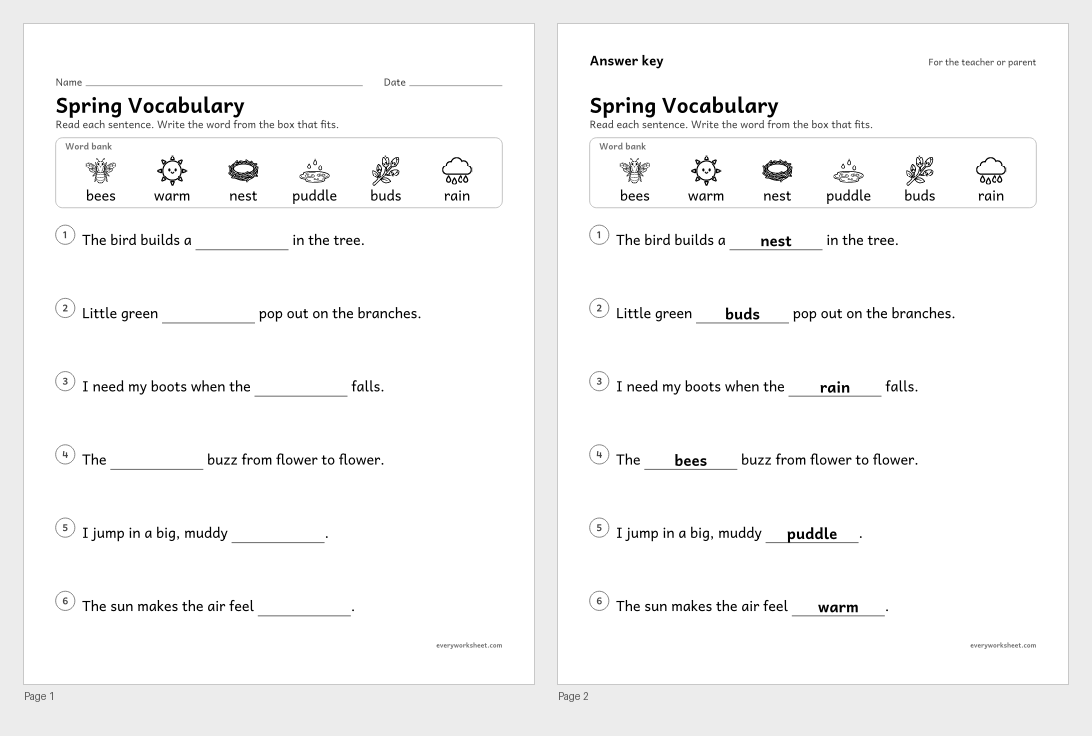 View all 2 pages
Using spring words to complete sentences
Answer key on page 2
2 pages238 KB
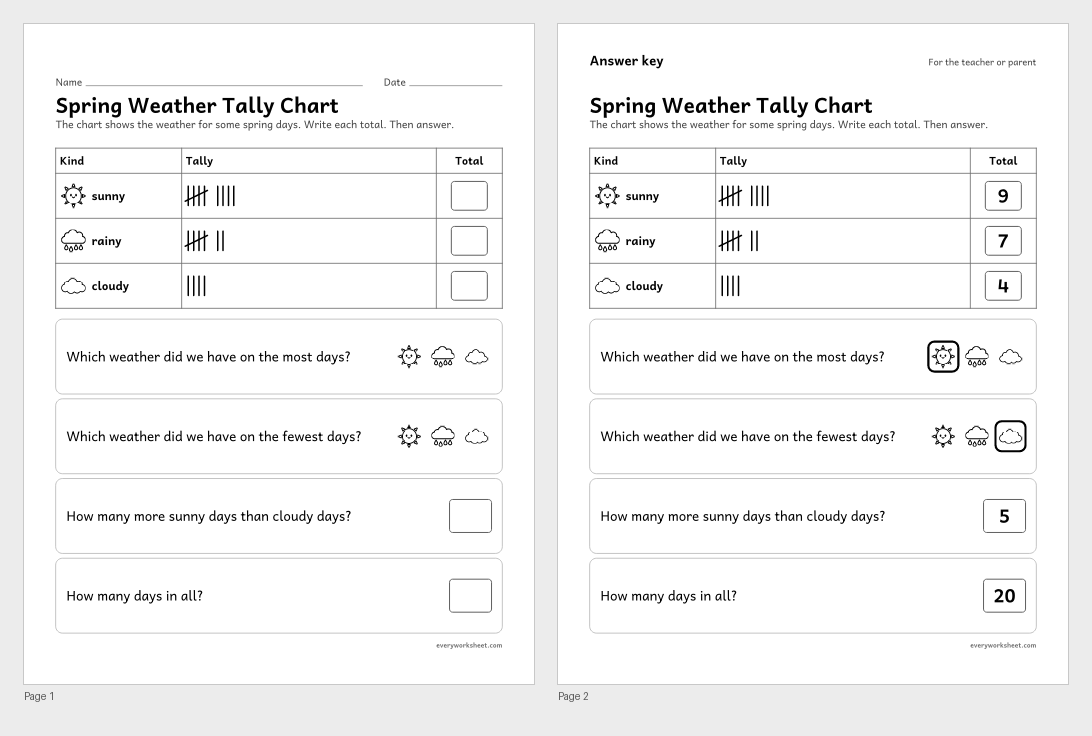 View all 2 pages
Reading a tally chart of spring weather and comparing the totals
Answer key on page 2
2 pages130 KB
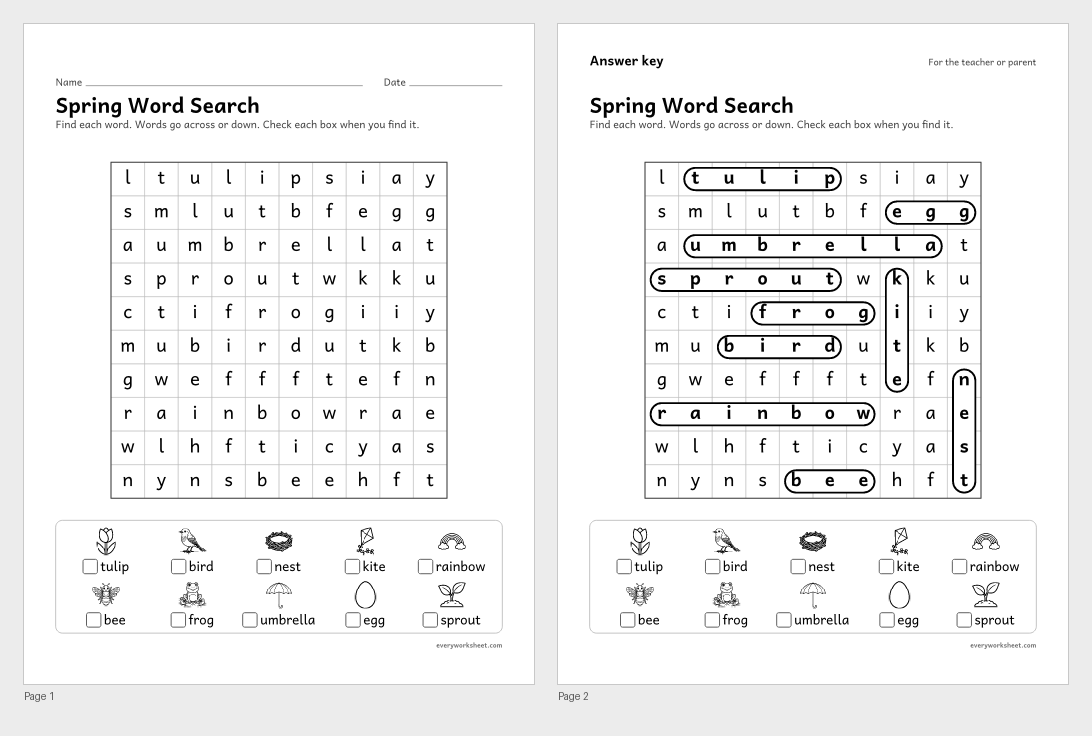 View all 2 pages
Finding and reading theme words by their spelling
Answer key on page 2
2 pages339 KB
Print at 100% (actual size) for the cleanest tracing lines.
These spring worksheets bring rain clouds, tulips, bees, ducklings and kites into everyday practice. Preschoolers color a rainy day, trace picture paths, count to 5, find patterns and build a playdough caterpillar. Kindergartners count and write, add with pictures, hear first sounds, write CVC words, put a rainy-day story in order and plan a spring garden. 1st graders solve spring word problems, add within 20, compare numbers, read a short passage about signs of spring and keep a weather tally chart.
Use them from the first warm days of March through May, alongside a nature walk, a seed-planting project or a rainy-day indoor recess. For the science behind the season, see the Seasons, Weather, Plant Life Cycle and Butterfly Life Cycle pages.
Every page is black and white, prints on US Letter or A4, and pages with one right answer have an answer key on page 2.
ELOF P-MATH 2Child recognizes the number of objects in a small set.ELOF P-MATH 7Child understands simple patterns.ELOF P-MATH 8Child measures objects by their various attributes using standard and non-standard measurement. Uses differences in attributes to make comparisons.ELOF P-PMP 3Child demonstrates increasing control, strength, and coordination of small muscles.CCSS.ELA-LITERACY.L.K.1.APrint many upper- and lowercase letters.CCSS.ELA-LITERACY.L.K.2.CWrite a letter or letters for most consonant and short-vowel sounds (phonemes).CCSS.ELA-LITERACY.L.K.2.DSpell simple words phonetically, drawing on knowledge of sound-letter relationships.CCSS.ELA-LITERACY.RF.K.1.BRecognize that spoken words are represented in written language by specific sequences of letters.CCSS.ELA-LITERACY.RL.K.2With prompting and support, retell familiar stories, including key details.CCSS.ELA-LITERACY.W.K.2Use a combination of drawing, dictating, and writing to compose informative/explanatory texts in which they name what they are writing about and supply some information about the topic.CCSS.MATH.CONTENT.K.CC.B.5Count to answer "how many?" questions about as many as 20 things arranged in a line, a rectangular array, or a circle, or as many as 10 things in a scattered configuration; given a number from 1–20, count out that many objects.CCSS.MATH.CONTENT.K.OA.A.1Represent addition and subtraction with objects, fingers, mental images, drawings, sounds (e.g., claps), acting out situations, verbal explanations, expressions, or equations.CCSS.ELA-LITERACY.L.1.6Use words and phrases acquired through conversations, reading and being read to, and responding to texts, including using frequently occurring conjunctions to signal simple relationships (e.g., because).CCSS.ELA-LITERACY.RI.1.1Ask and answer questions about key details in a text.CCSS.ELA-LITERACY.W.1.3Write narratives in which they recount two or more appropriately sequenced events, include some details regarding what happened, use temporal words to signal event order, and provide some sense of closure.CCSS.MATH.CONTENT.1.MD.C.4Organize, represent, and interpret data with up to three categories; ask and answer questions about the total number of data points, how many in each category, and how many more or less are in one category than in another.CCSS.MATH.CONTENT.1.NBT.B.3Compare two two-digit numbers based on meanings of the tens and ones digits, recording the results of comparisons with the symbols >, =, and <.CCSS.MATH.CONTENT.1.OA.A.1Use addition and subtraction within 20 to solve word problems involving situations of adding to, taking from, putting together, taking apart, and comparing, with unknowns in all positions, e.g., by using objects, drawings, and equations with a symbol for the unknown number to represent the problem.CCSS.MATH.CONTENT.1.OA.C.6Add and subtract within 20, demonstrating fluency for addition and subtraction within 10. Use strategies such as counting on; making ten (e.g., 8 + 6 = 8 + 2 + 4 = 10 + 4 = 14); decomposing a number leading to a ten (e.g., 13 - 4 = 13 - 3 - 1 = 10 - 1 = 9); using the relationship between addition and subtraction (e.g., knowing that 8 + 4 = 12, one knows 12 - 8 = 4); and creating equivalent but easier or known sums (e.g., adding 6 + 7 by creating the known equivalent 6 + 6 + 1 = 12 + 1 = 13).From March through May. They fit the first warm weeks of spring, a unit on plants, weather or baby animals, and the weeks before and after spring break.
Yes. Every page practices a grade skill: counting, patterns and fine motor work in preschool, counting, addition, letter sounds and CVC words in kindergarten, and addition, word problems, comparing numbers, reading and writing in 1st grade.
Yes. Every page with one right answer has an answer key on page 2. Coloring, tracing, playdough and writing pages do not need one.
Yes. Each spring holiday has its own page with preschool, kindergarten and 1st grade worksheets: St. Patrick's Day, Easter, Earth Day, Mother's Day and Father's Day.