 View all 2 pages
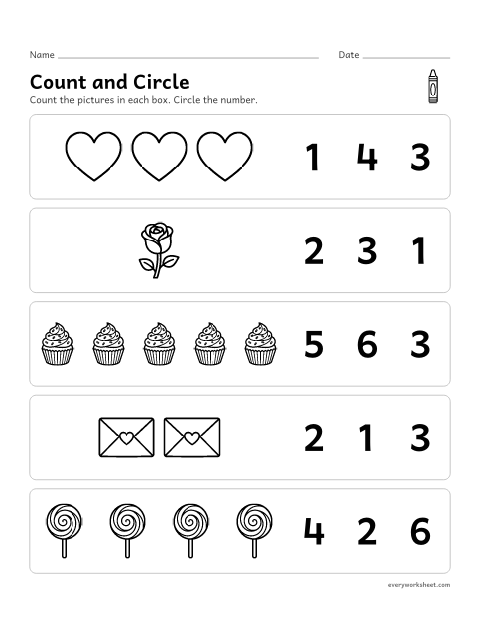
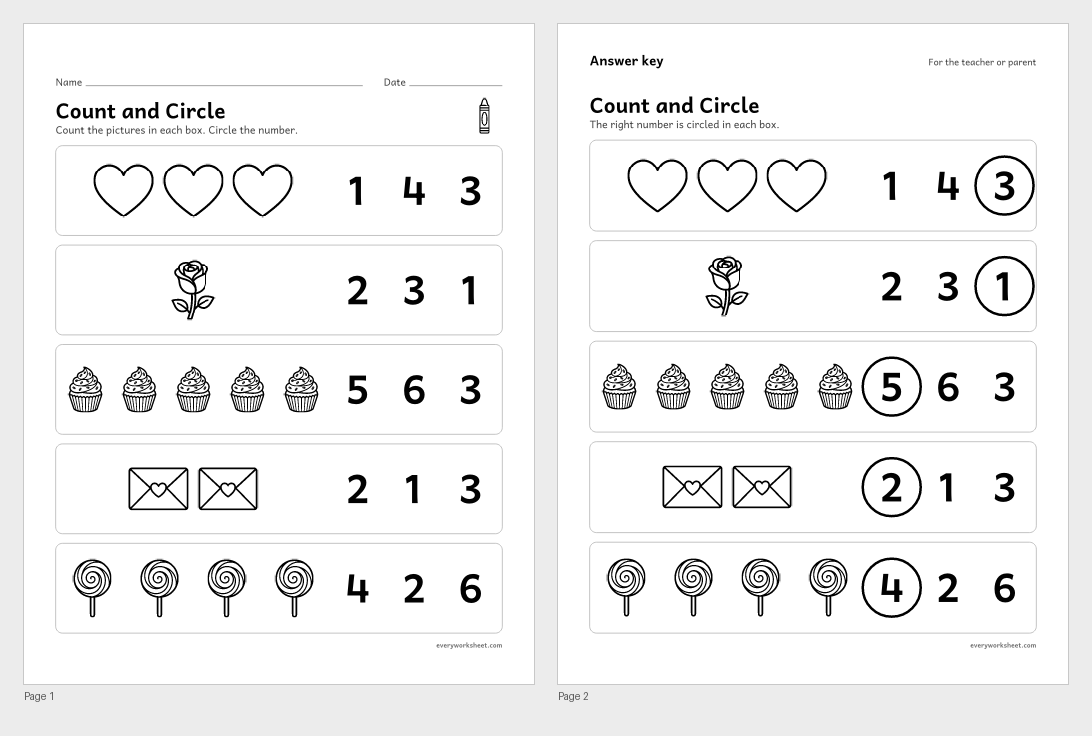
Valentine's day count and circle
Counting up to 5 and matching the number
Answer key on page 2
2 pages601 KB
Count hearts, make a card for someone special, color by sight word, write a friendly letter and solve Valentine math.
View all 2 pagesCounting up to 5 and matching the number
Answer key on page 2
2 pages601 KB
 View all 2 pages
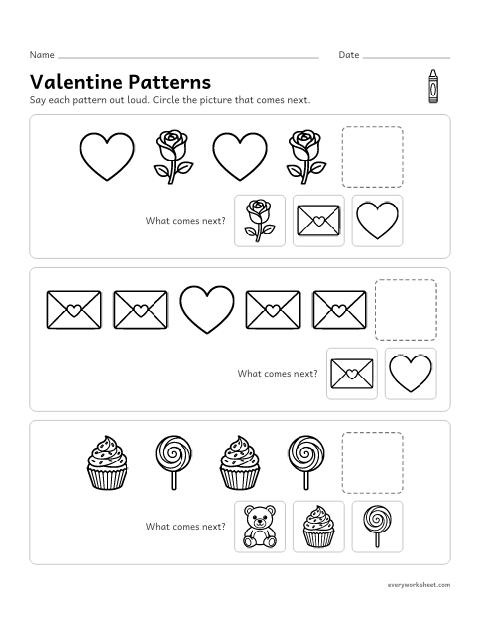
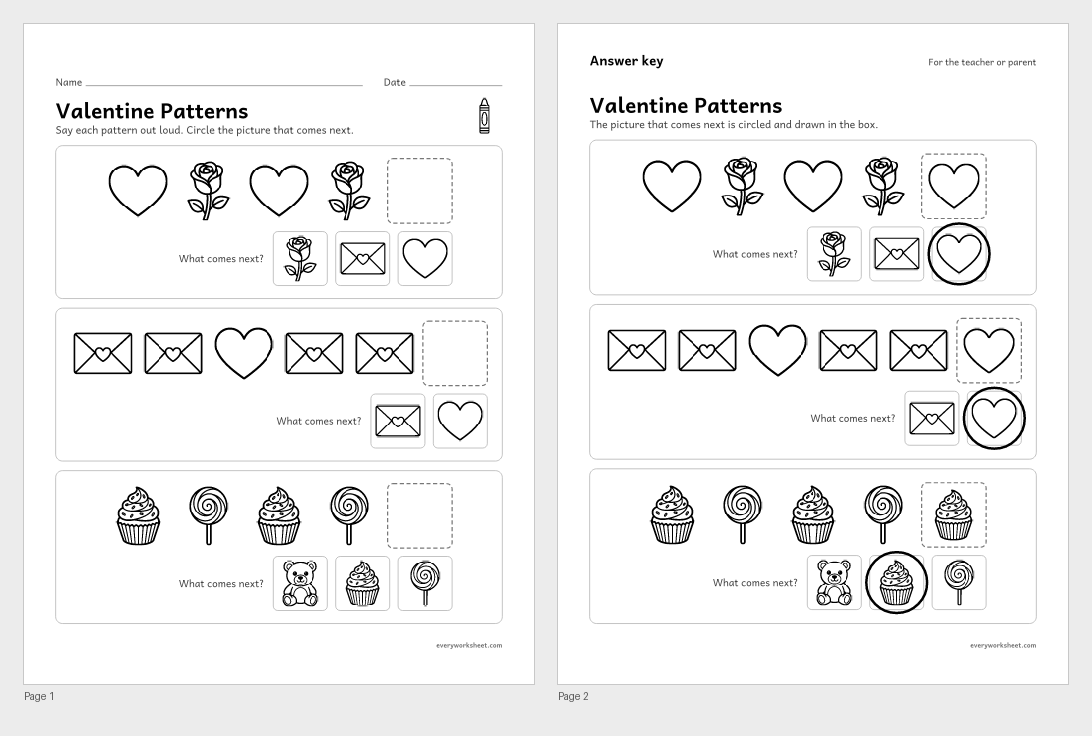
Finishing AB and AAB picture patterns
Answer key on page 2
2 pages712 KB
 View larger
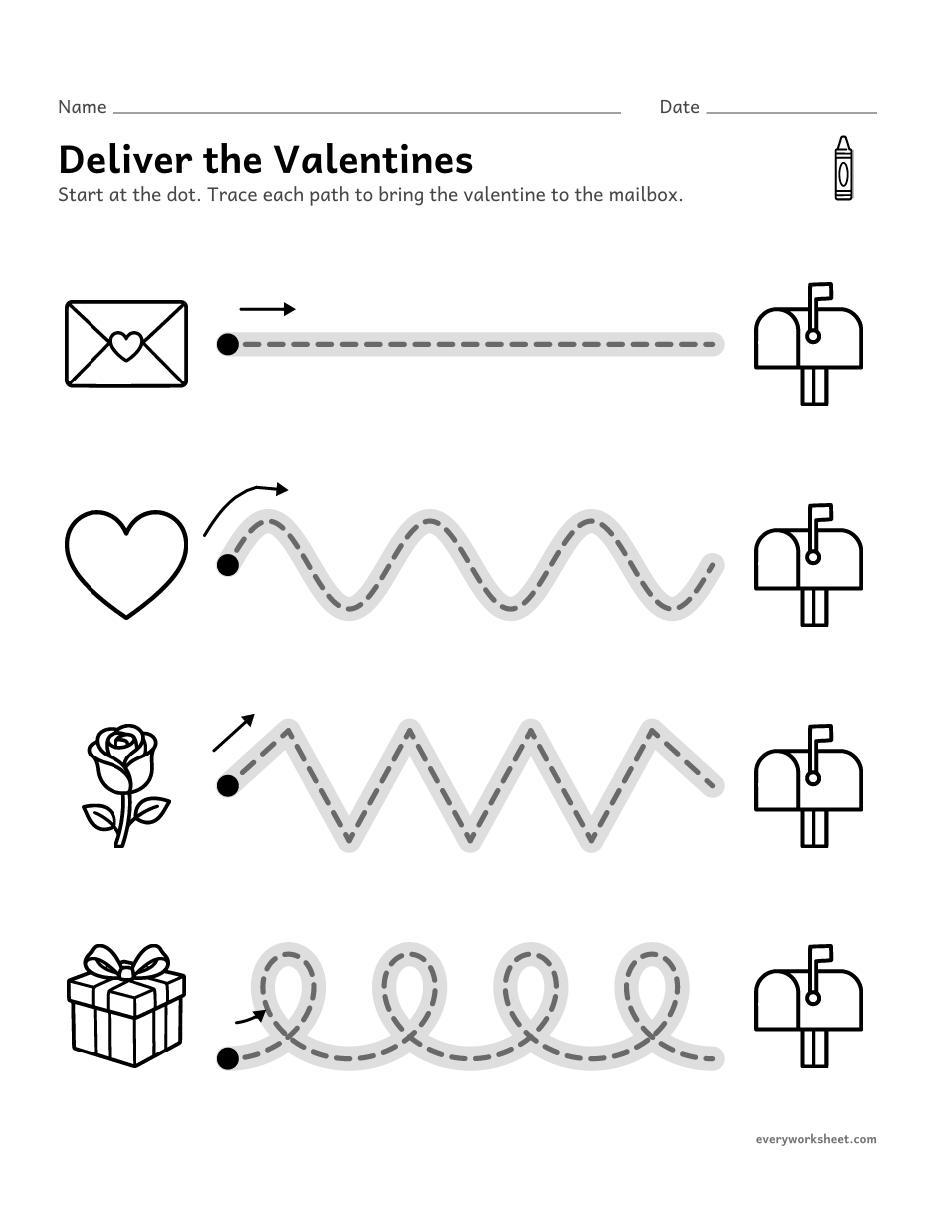
Tracing straight, wavy, zigzag and looped paths
1 page117 KB
 View all 2 pages
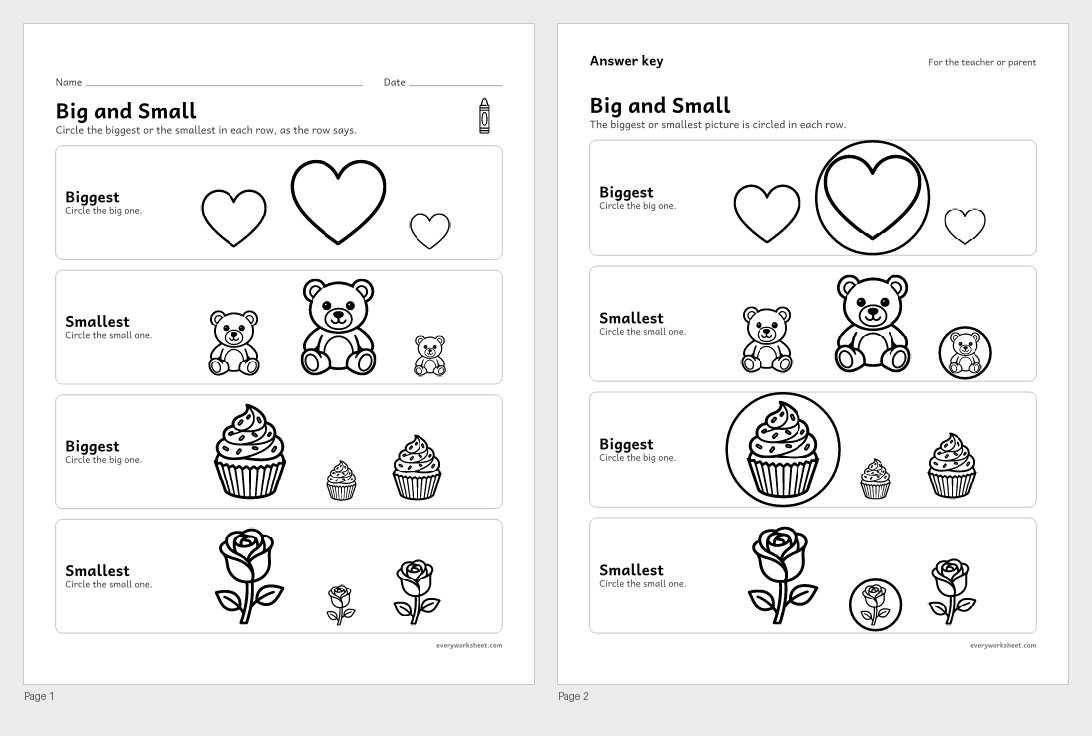
Comparing size: biggest and smallest
Answer key on page 2
2 pages468 KB
 View larger
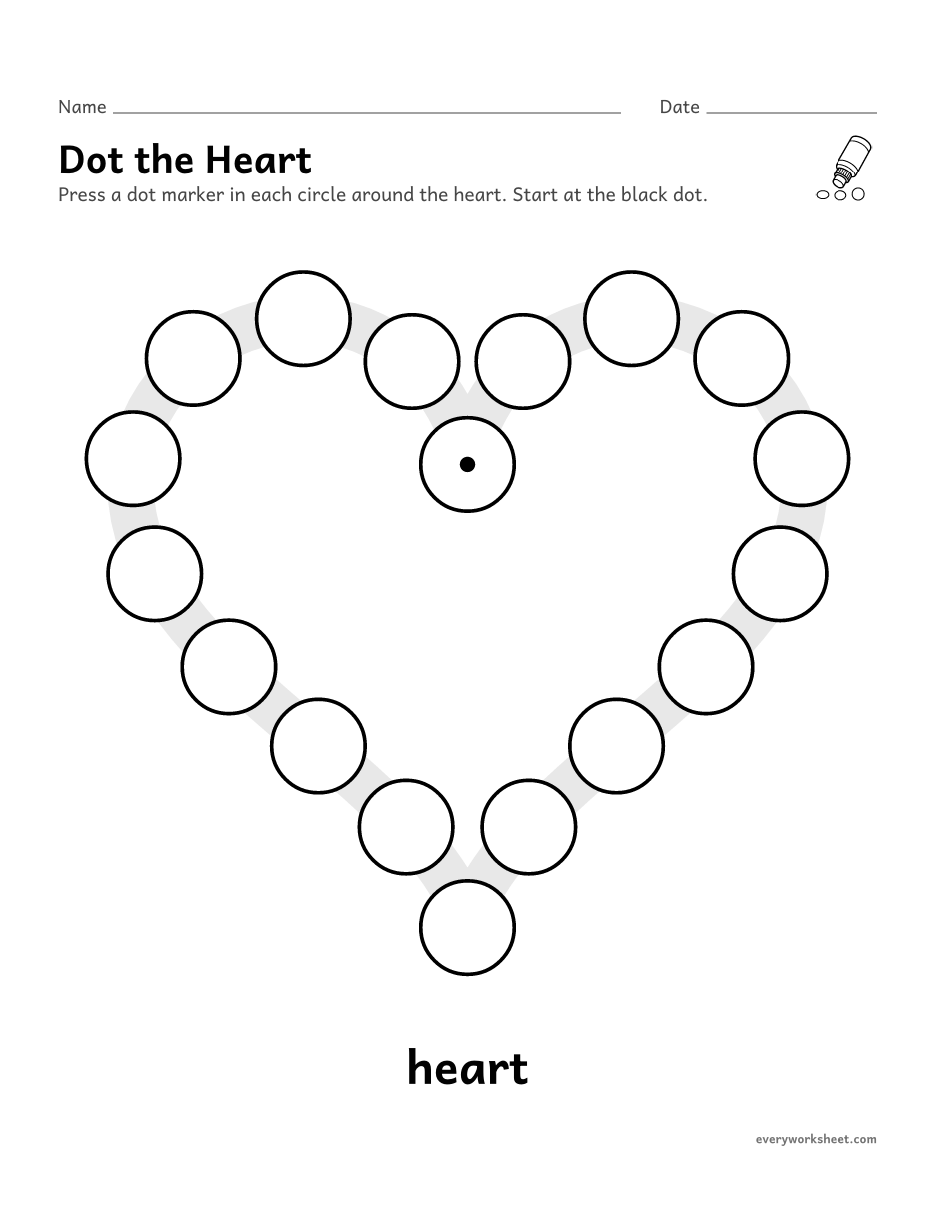
Using a dot marker with control around a heart
1 page40 KB
 View larger
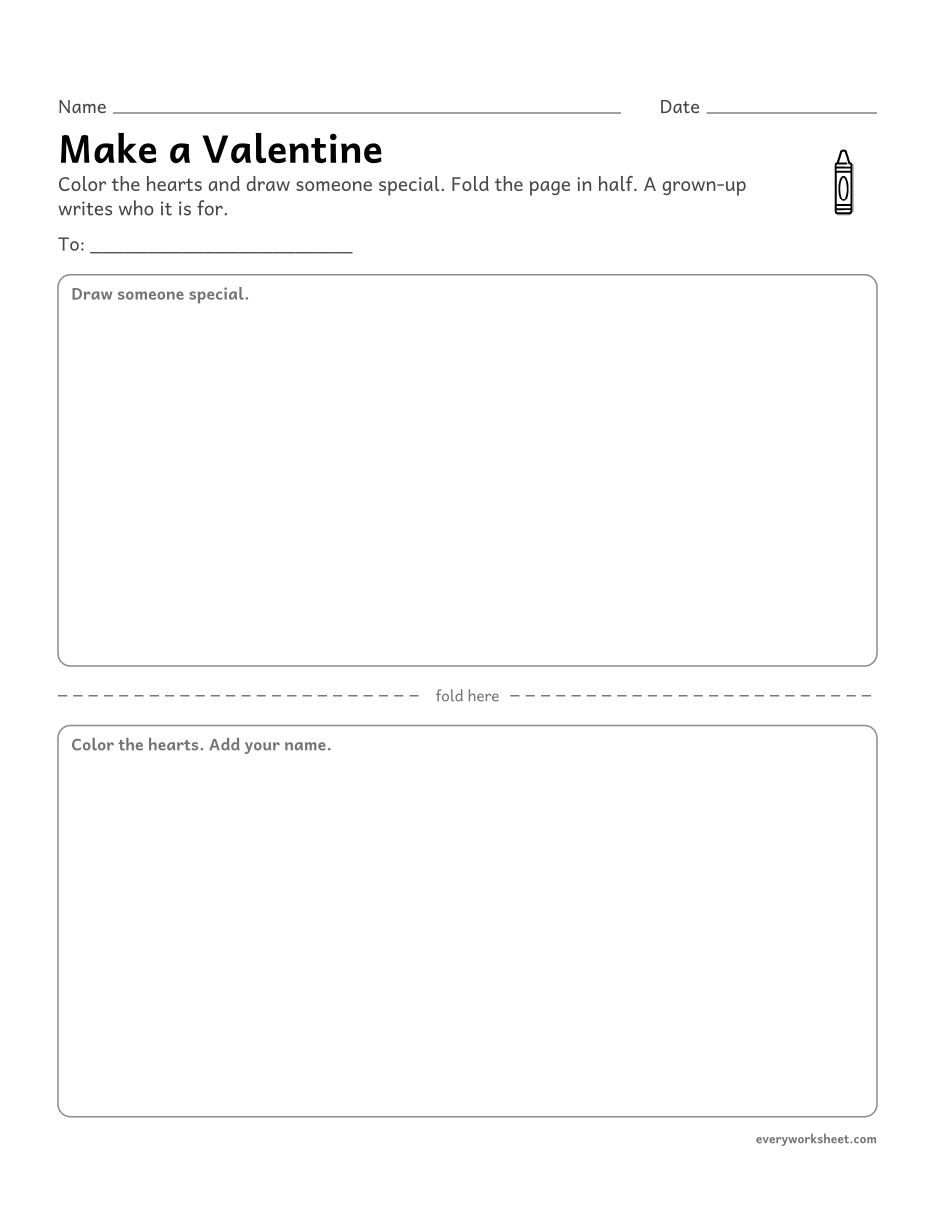
Making a card for someone special
1 page31 KB
 View larger
 View larger
 View all 2 pages
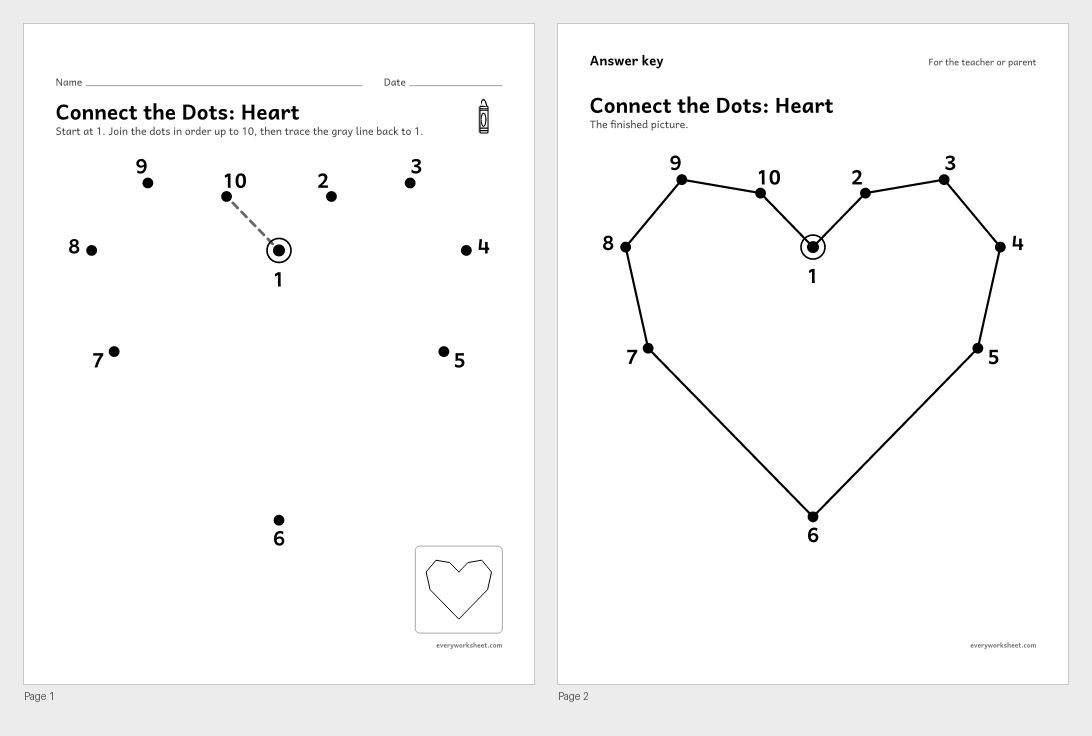
Counting 1 to 10 to join the dots
Answer key on page 2
2 pages34 KB
 View all 2 pages
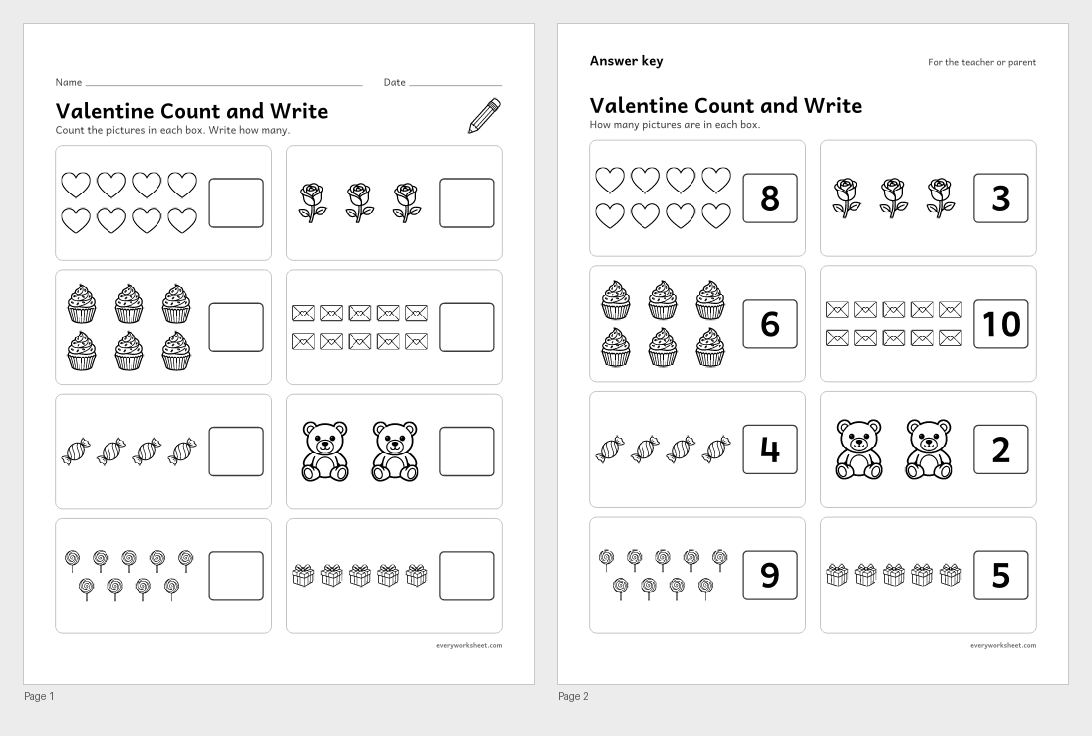
Counting up to 10 objects and writing the number
Answer key on page 2
2 pages1.4 MB
 View all 2 pages
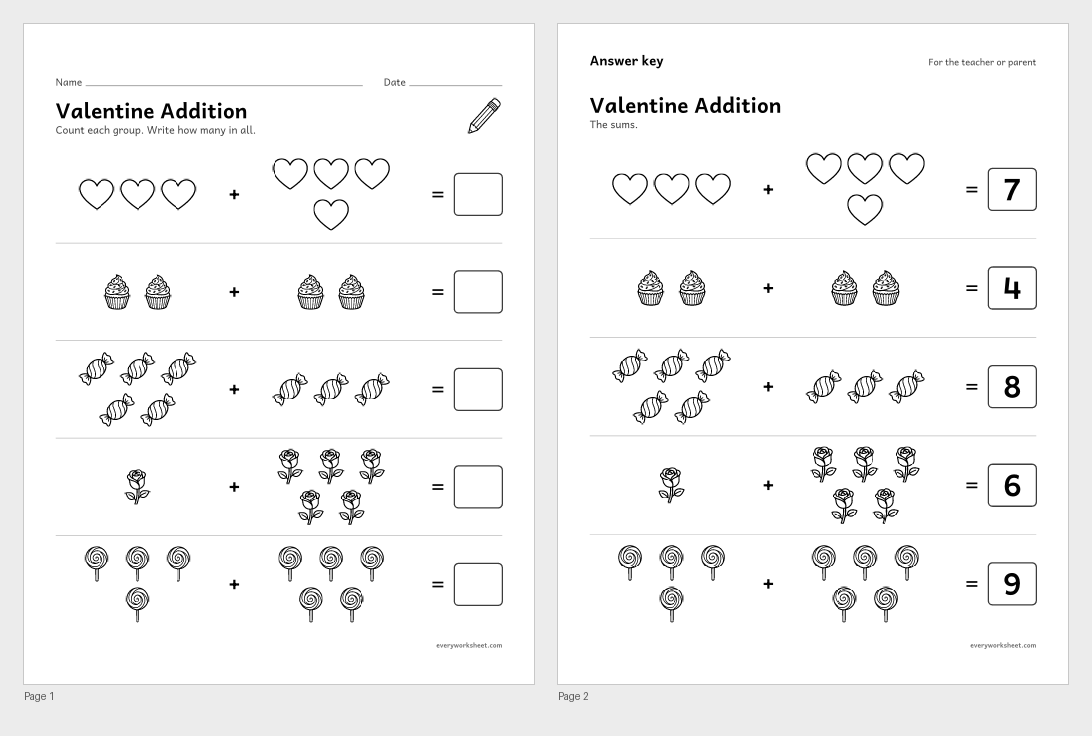
Adding within 10 with pictures
Answer key on page 2
2 pages1.2 MB
 View all 2 pages
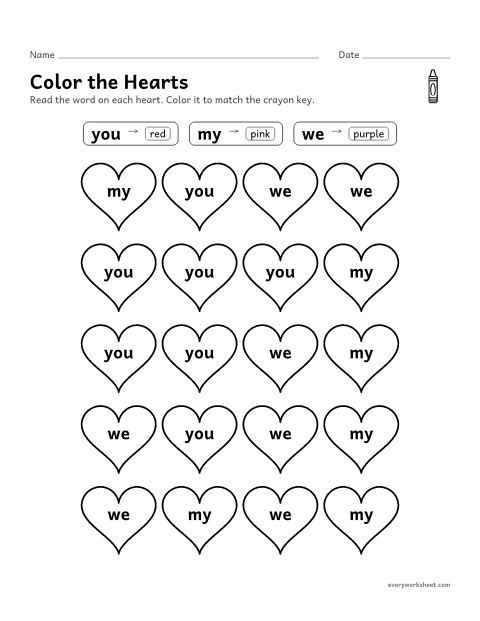
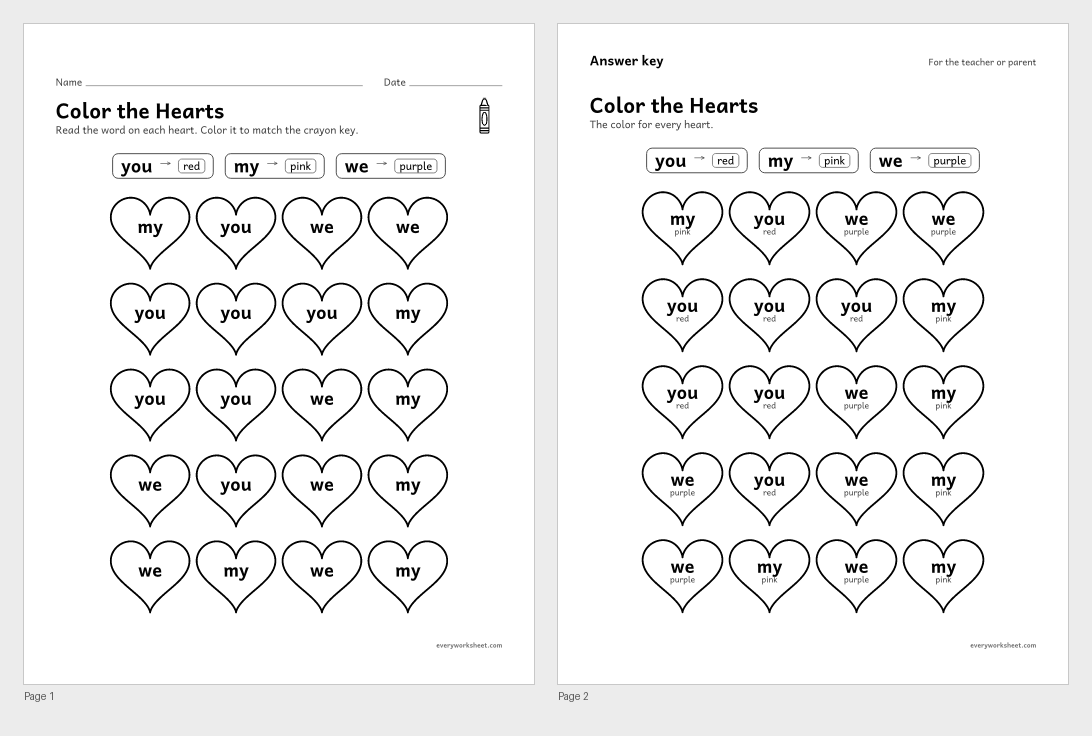
Reading the sight words you, my, we
Answer key on page 2
2 pages46 KB
 View larger
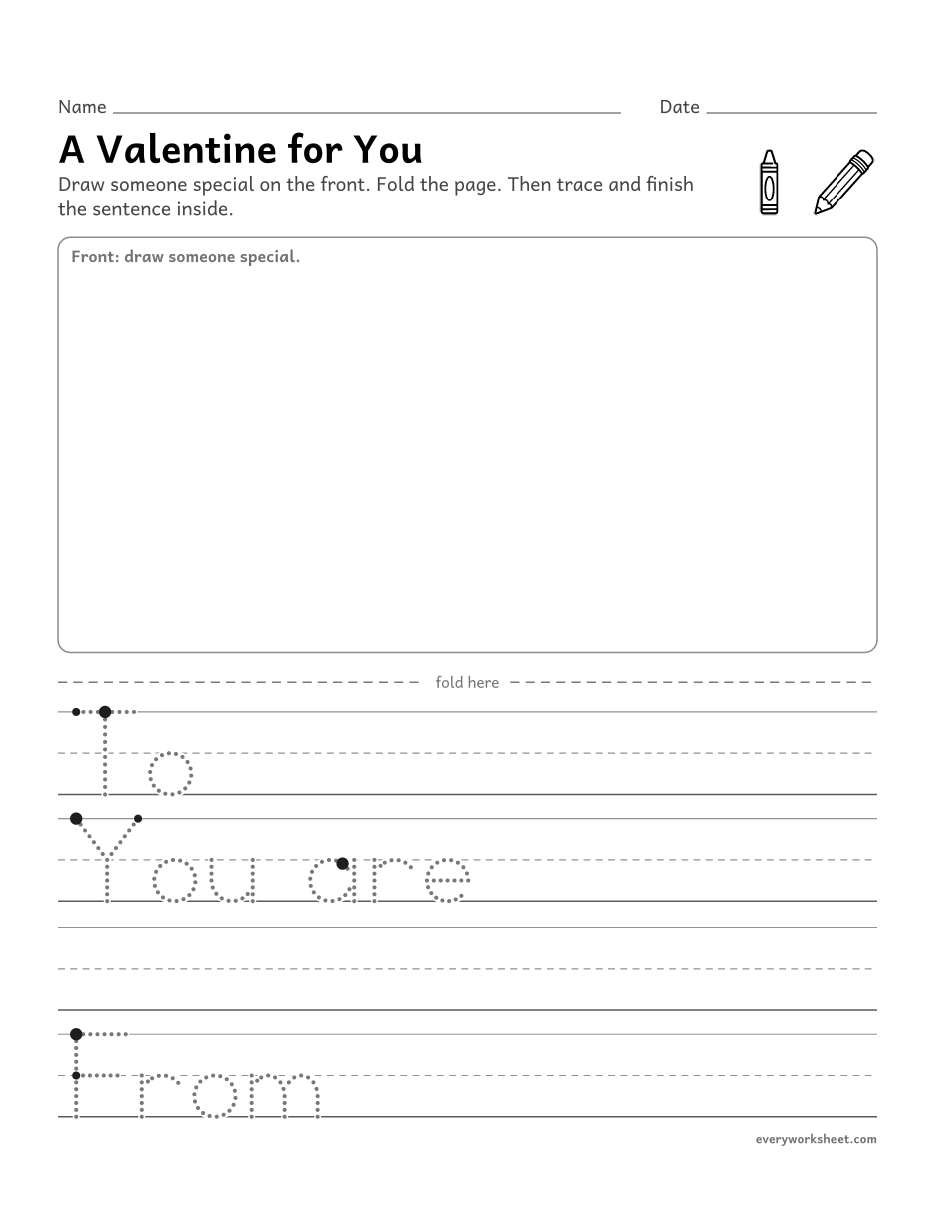
Writing a card to someone special
1 page43 KB
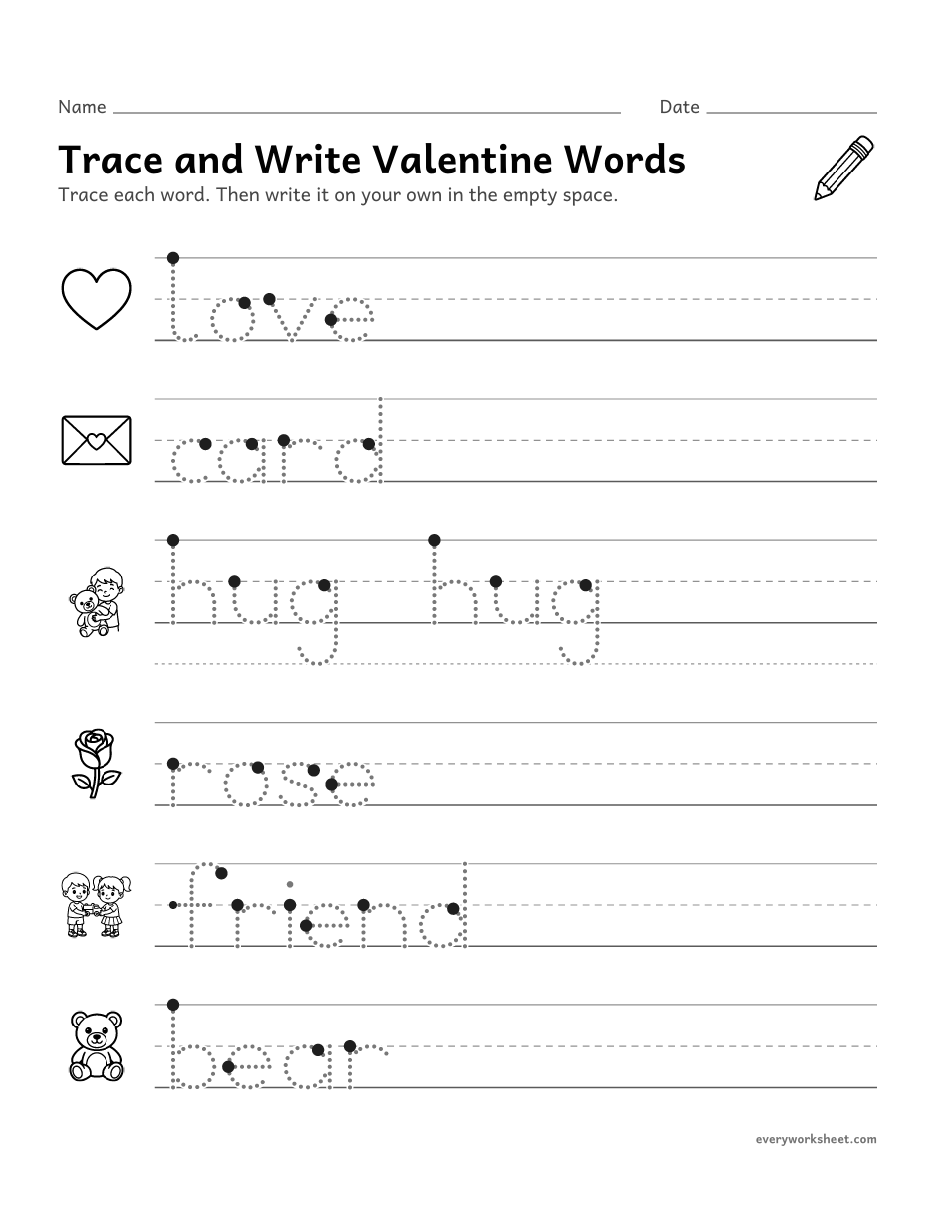 View larger
Tracing and writing short words
1 page160 KB
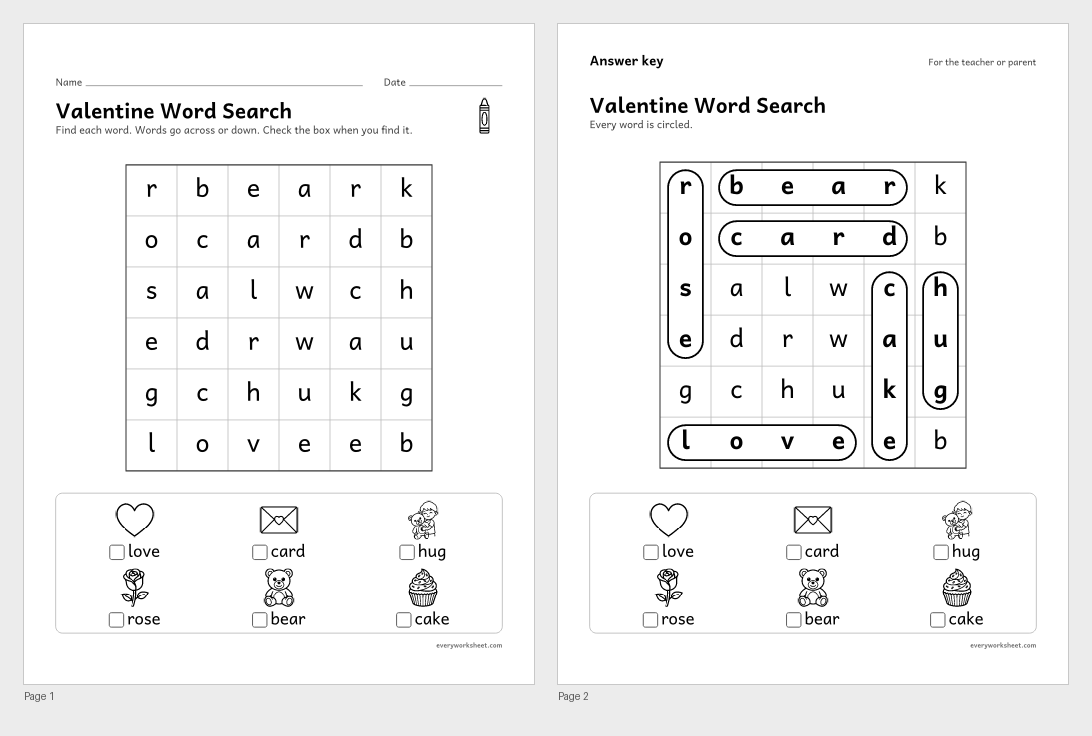 View all 2 pages
Finding and reading short words
Answer key on page 2
2 pages255 KB
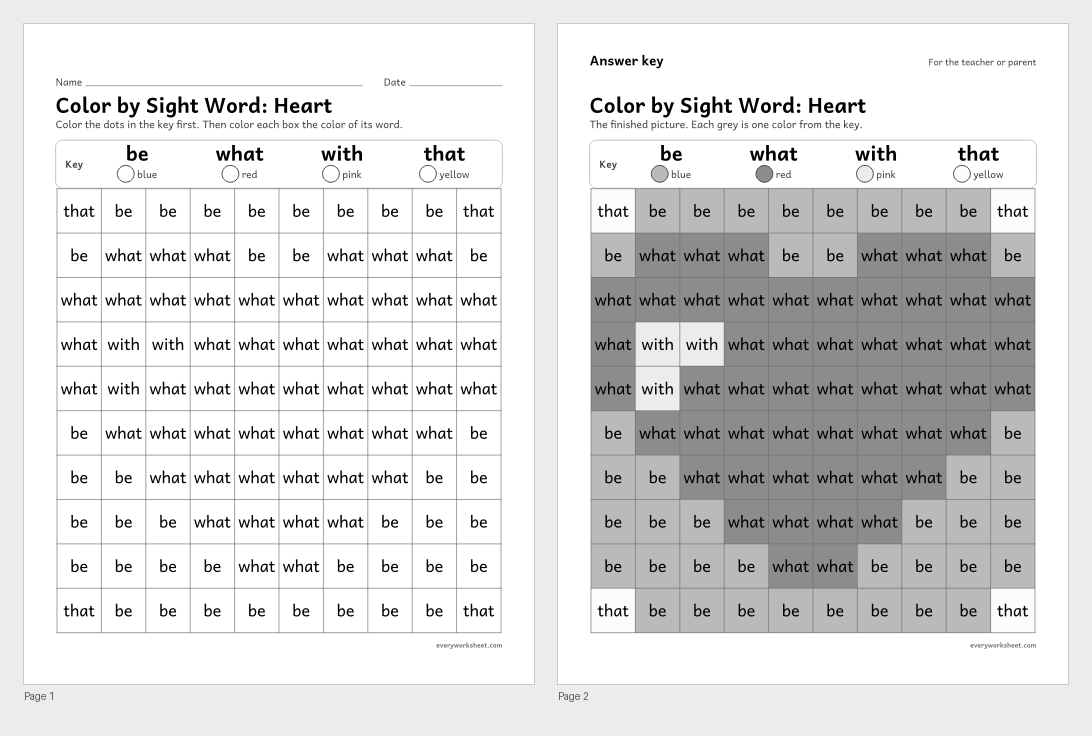 View all 2 pages
Reading the sight words be, what, with, that to color a picture
Answer key on page 2
2 pages77 KB
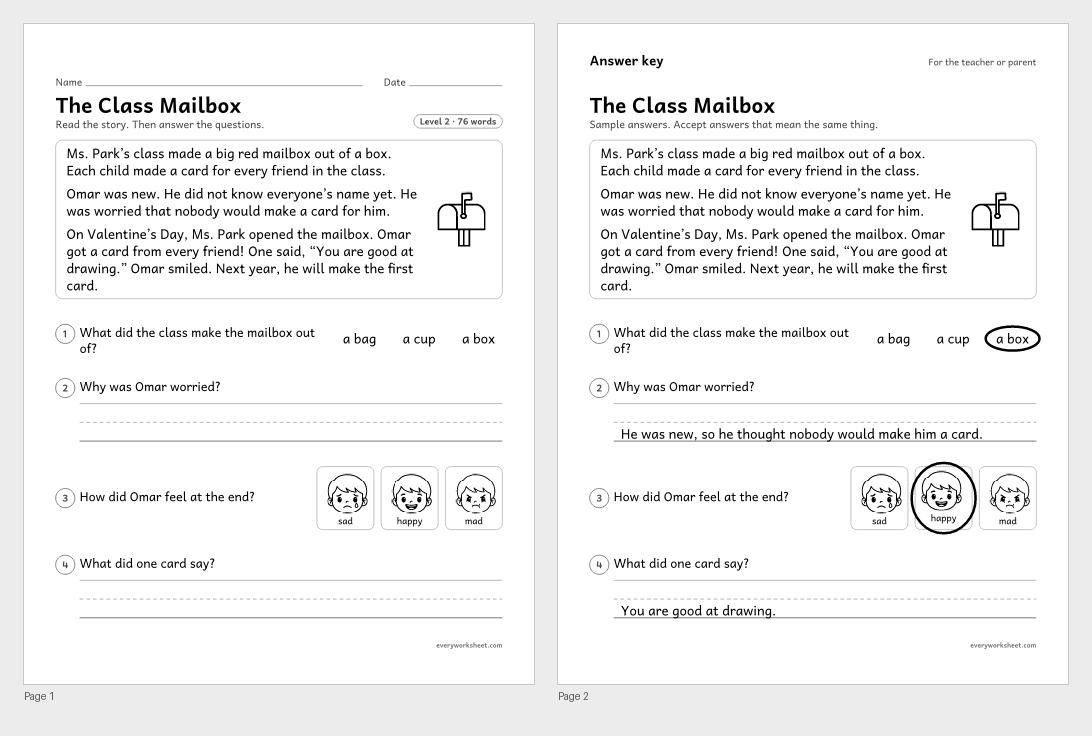 View all 2 pages
Reading a short story and describing characters' feelings
Answer key on page 2
2 pages172 KB
 View larger
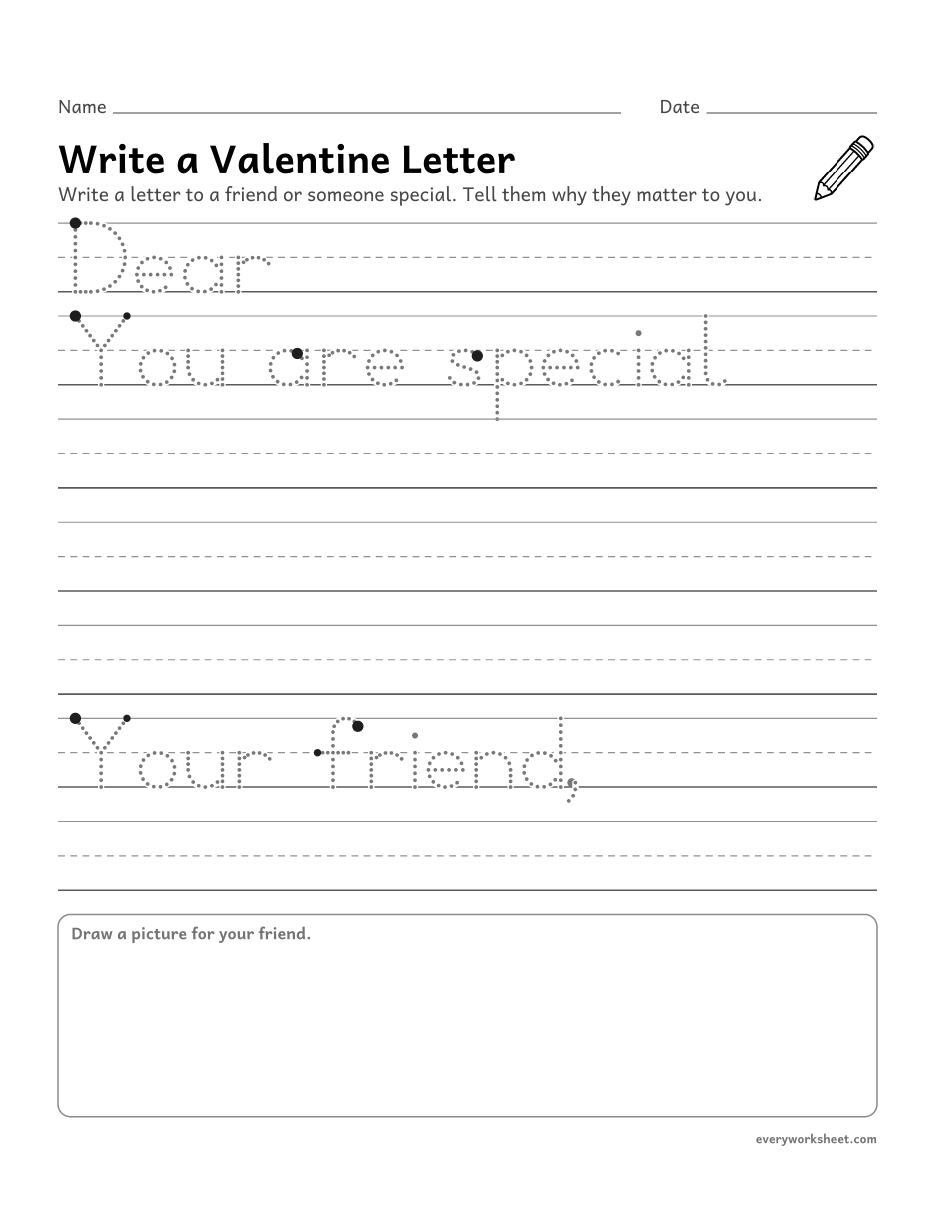
Writing a friendly letter with a greeting, body and closing
1 page39 KB
 View all 2 pages
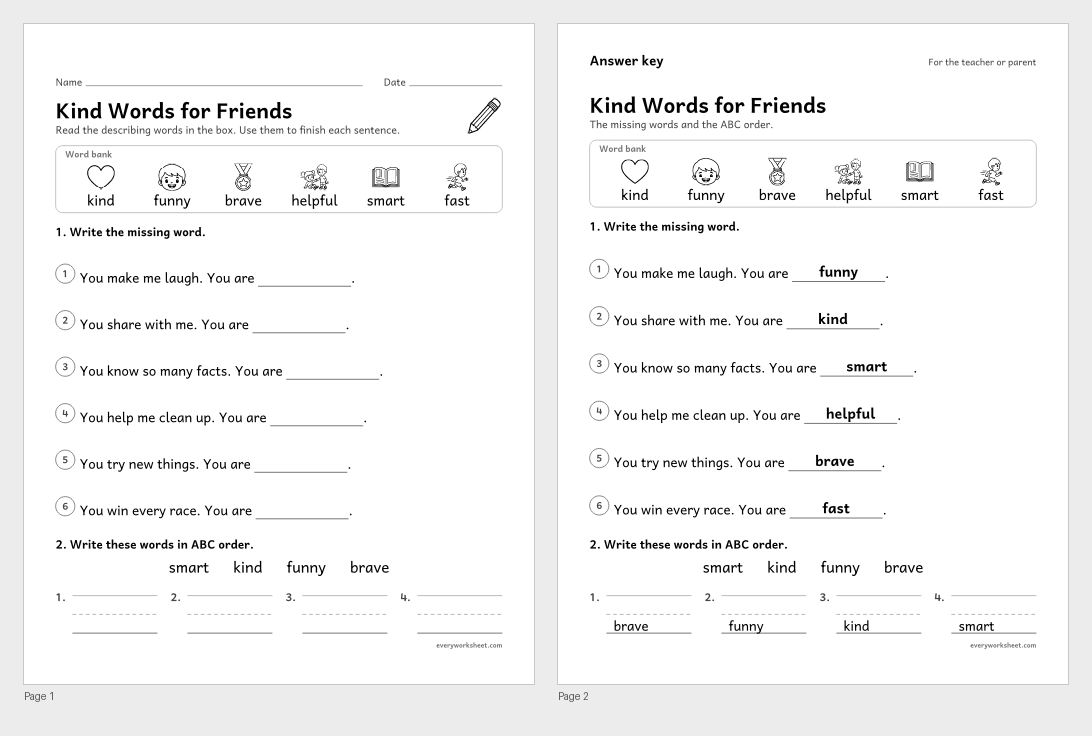
Using describing words (adjectives) in sentences and putting words in ABC order
Answer key on page 2
2 pages323 KB
 View all 2 pages
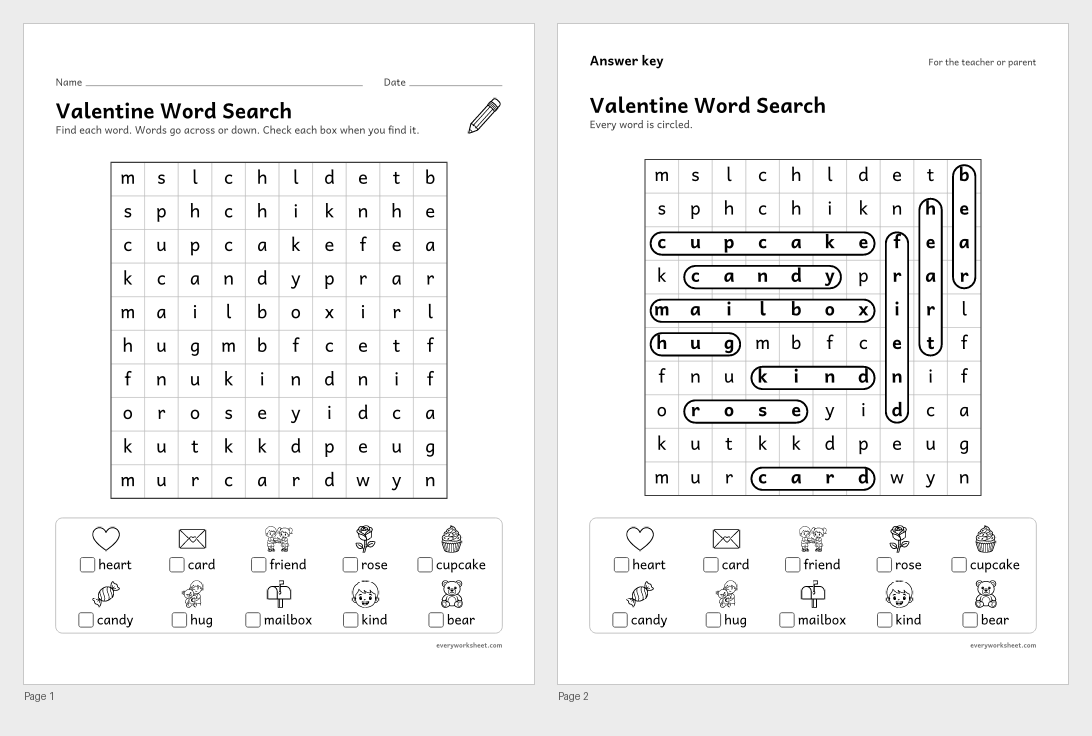
Finding and reading Valentine's Day words
Answer key on page 2
2 pages433 KB
 View all 2 pages
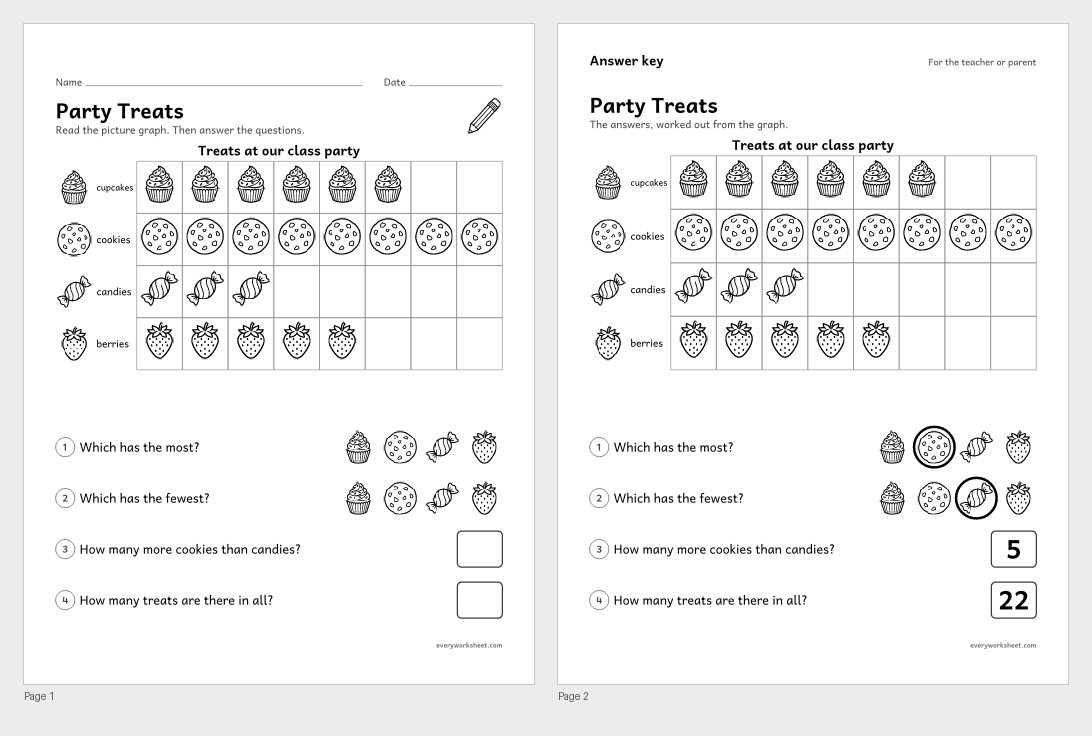
Reading a picture graph and comparing how many
Answer key on page 2
2 pages1.6 MB
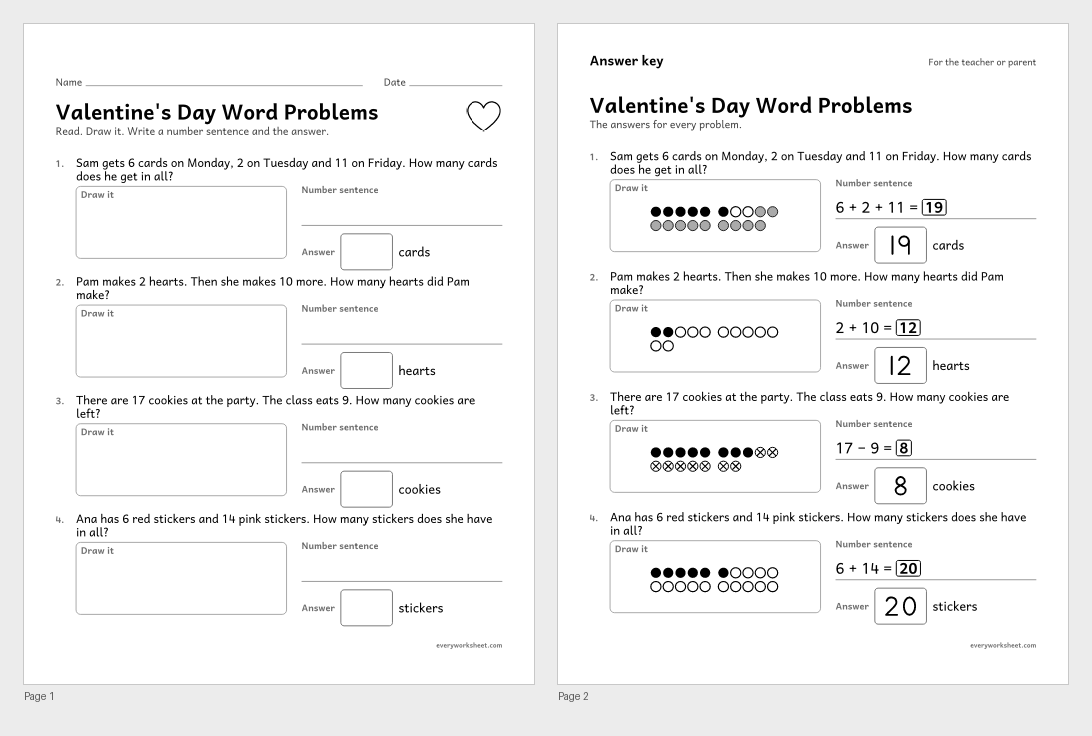 View all 2 pages
Solving Valentine's Day word problems, including three addends
Answer key on page 2
2 pages63 KB
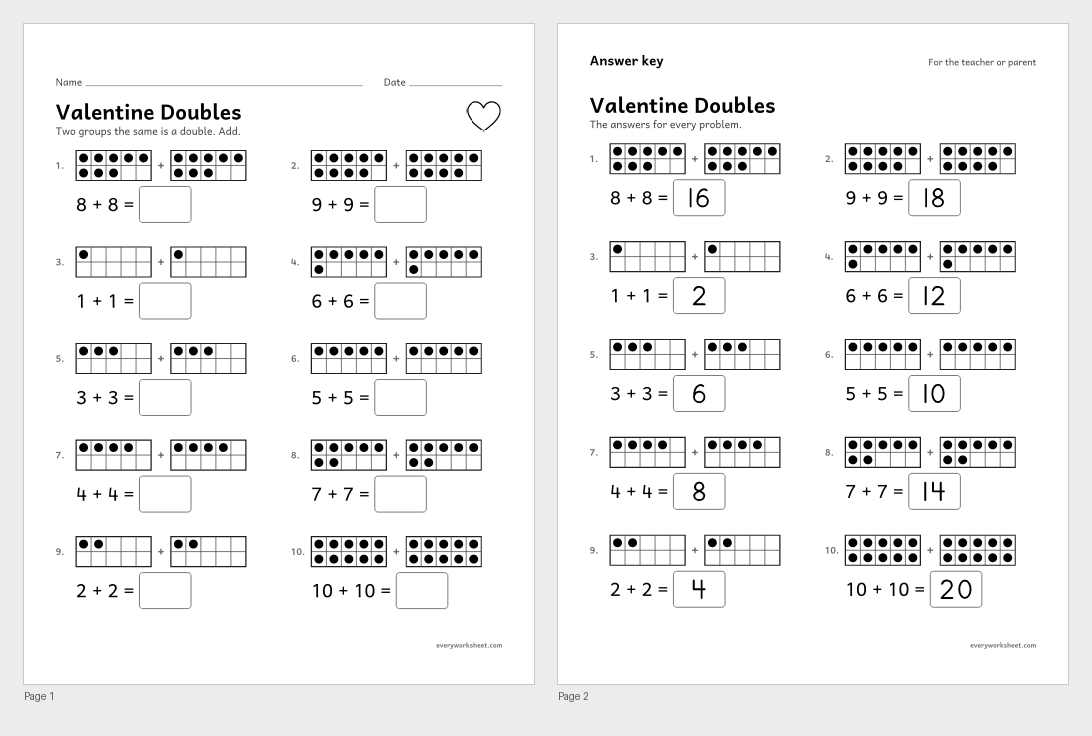 View all 2 pages
Adding doubles from 1 + 1 to 10 + 10
Answer key on page 2
2 pages89 KB
Print at 100% (actual size) for the cleanest tracing lines.
Valentine's Day is a day to tell friends and family that you care, which makes it a great time for writing cards and letters. These worksheets add counting, patterns, phonics and math to the hearts and cupcakes.
Preschoolers count hearts, finish patterns, trace a path to the mailbox, compare big and small, dot a heart and make a card. Kindergartners count and write, add with pictures, color by sight word, trace words, do a word search and write a card. 1st graders read a story about a class mailbox, write a friendly letter, learn kind describing words, read a picture graph and solve word problems and doubles.
Every card page uses "someone special", so children can make a card for any grown-up, friend or family member. Pages with one right answer have an answer key on page 2.
ELOF P-MATH 1Child knows number names and the count sequence.ELOF P-MATH 3Child understands the relationship between numbers and quantities.ELOF P-MATH 7Child understands simple patterns.ELOF P-MATH 8Child measures objects by their various attributes using standard and non-standard measurement. Uses differences in attributes to make comparisons.ELOF P-MATH 9Child identifies, describes, compares, and composes shapes.ELOF P-PMP 3Child demonstrates increasing control, strength, and coordination of small muscles.ELOF P-SE 7Child expresses care and concern toward others.CCSS.ELA-LITERACY.L.K.1.APrint many upper- and lowercase letters.CCSS.ELA-LITERACY.RF.K.3Know and apply grade-level phonics and word analysis skills in decoding words.CCSS.ELA-LITERACY.RF.K.3.CRead common high-frequency words by sight (e.g., the, of, to, you, she, my, is, are, do, does).CCSS.ELA-LITERACY.W.K.2Use a combination of drawing, dictating, and writing to compose informative/explanatory texts in which they name what they are writing about and supply some information about the topic.CCSS.MATH.CONTENT.K.CC.B.5Count to answer "how many?" questions about as many as 20 things arranged in a line, a rectangular array, or a circle, or as many as 10 things in a scattered configuration; given a number from 1-20, count out that many objects.CCSS.MATH.CONTENT.K.OA.A.2Solve addition and subtraction word problems, and add and subtract within 10, e.g., by using objects or drawings to represent the problem.CCSS.ELA-LITERACY.L.1.1.FUse frequently occurring adjectives.CCSS.ELA-LITERACY.RF.1.3Know and apply grade-level phonics and word analysis skills in decoding words.CCSS.ELA-LITERACY.RL.1.3Describe characters, settings, and major events in a story, using key details.CCSS.ELA-LITERACY.W.1.2Write informative/explanatory texts in which they name a topic, supply some facts about the topic, and provide some sense of closure.CCSS.MATH.CONTENT.1.MD.C.4Organize, represent, and interpret data with up to three categories; ask and answer questions about the total number of data points, how many in each category, and how many more or less are in one category than in another.CCSS.MATH.CONTENT.1.OA.A.2Solve word problems that call for addition of three whole numbers whose sum is less than or equal to 20, e.g., by using objects, drawings, and equations with a symbol for the unknown number to represent the problem.CCSS.MATH.CONTENT.1.OA.C.6Add and subtract within 20, demonstrating fluency for addition and subtraction within 10. Use strategies such as counting on; making ten; decomposing a number leading to a ten; using the relationship between addition and subtraction; and creating equivalent but easier or known sums.Counting hearts to 5, a heart dot marker page, simple patterns, tracing a path to the mailbox and making a card to color for someone special.
Start with Dear and a name, write two or three sentences about why the person is special, and end with a closing like Your friend and their name. The friendly letter page has traced starters for each part.
Yes, for counting, patterns, color by sight word, the story questions, vocabulary, word searches, the graph and math pages.