 View larger
Animal Worksheets for Preschool
Farm animals and their sounds, animals and their babies, animal homes, land or water sorts, counting legs and telling pets from zoo animals.
Download the animals worksheets
Farm animals and sounds
 View larger
 View all 2 pages
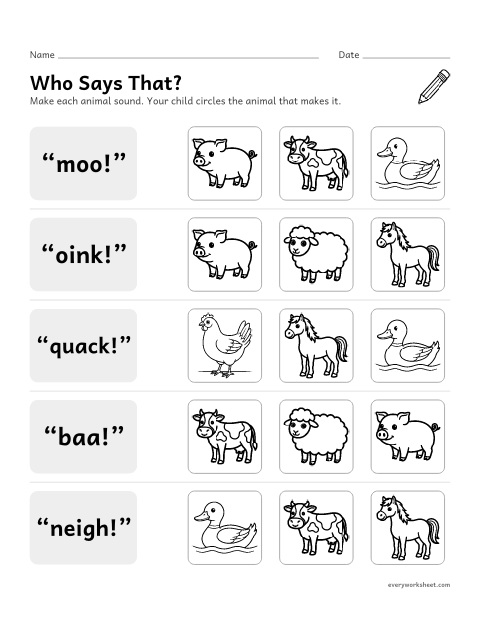
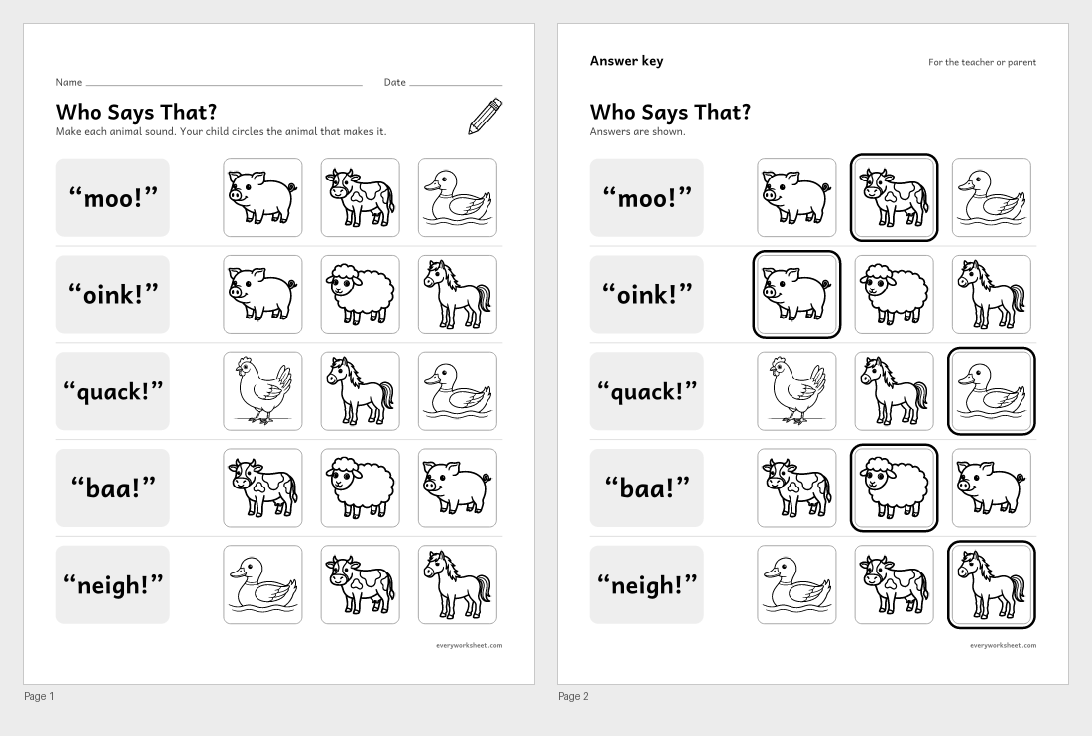
Animal sounds worksheet for preschool
Matching farm animals to the sounds they make
Answer key on page 2
2 pages521 KB
Babies and homes
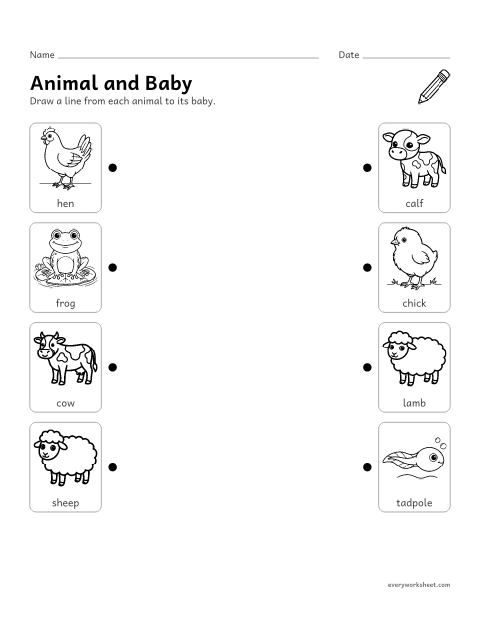 View all 2 pages
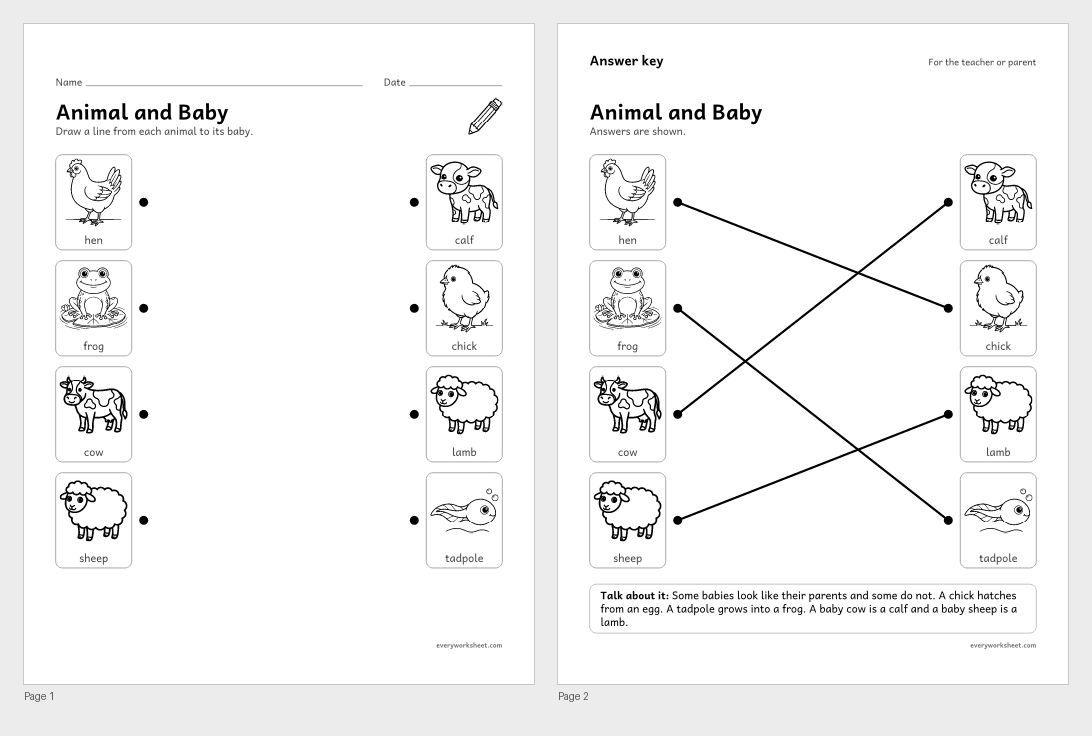
Animals and their babies matching worksheet
Matching animals to their young
Answer key on page 2
2 pages261 KB
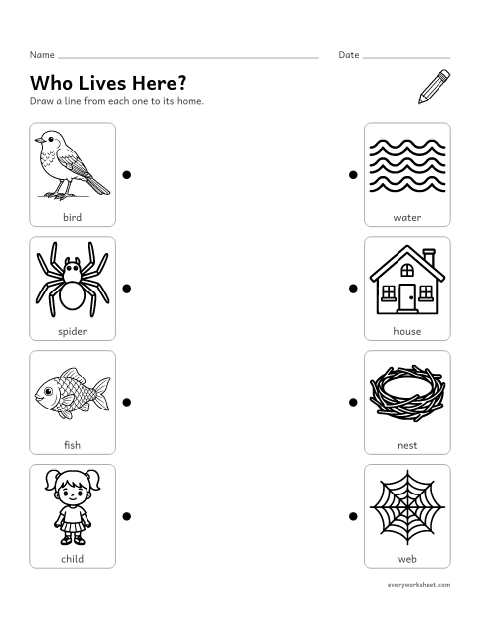 View all 2 pages
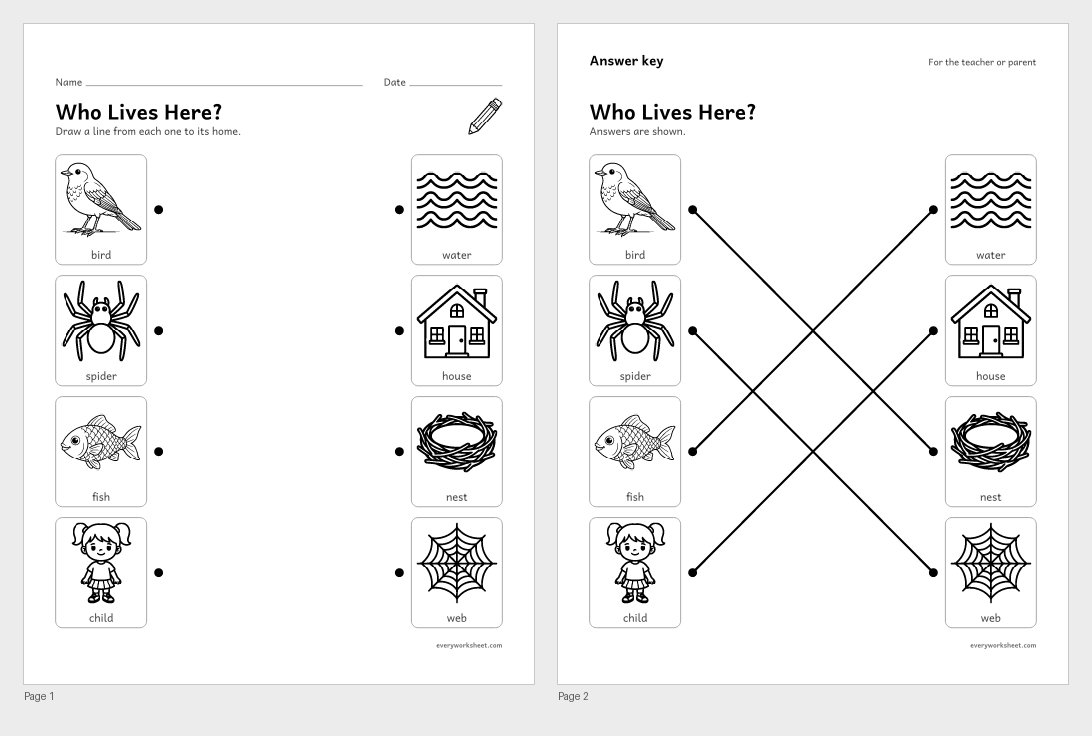
Animal homes matching worksheet for preschool
Matching animals to where they live
Answer key on page 2
2 pages341 KB
Sorting animals
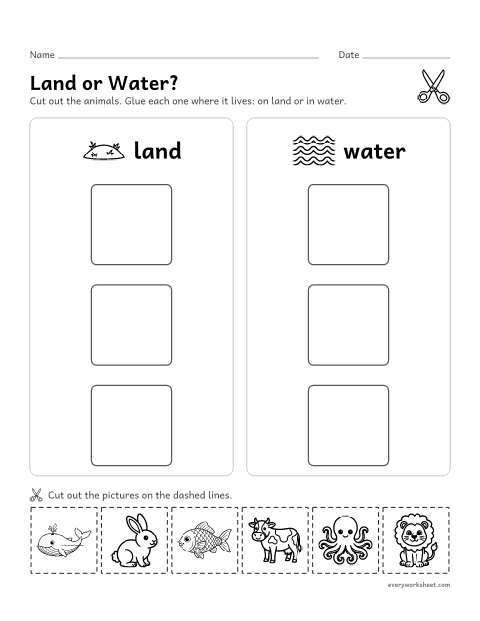 View all 2 pages
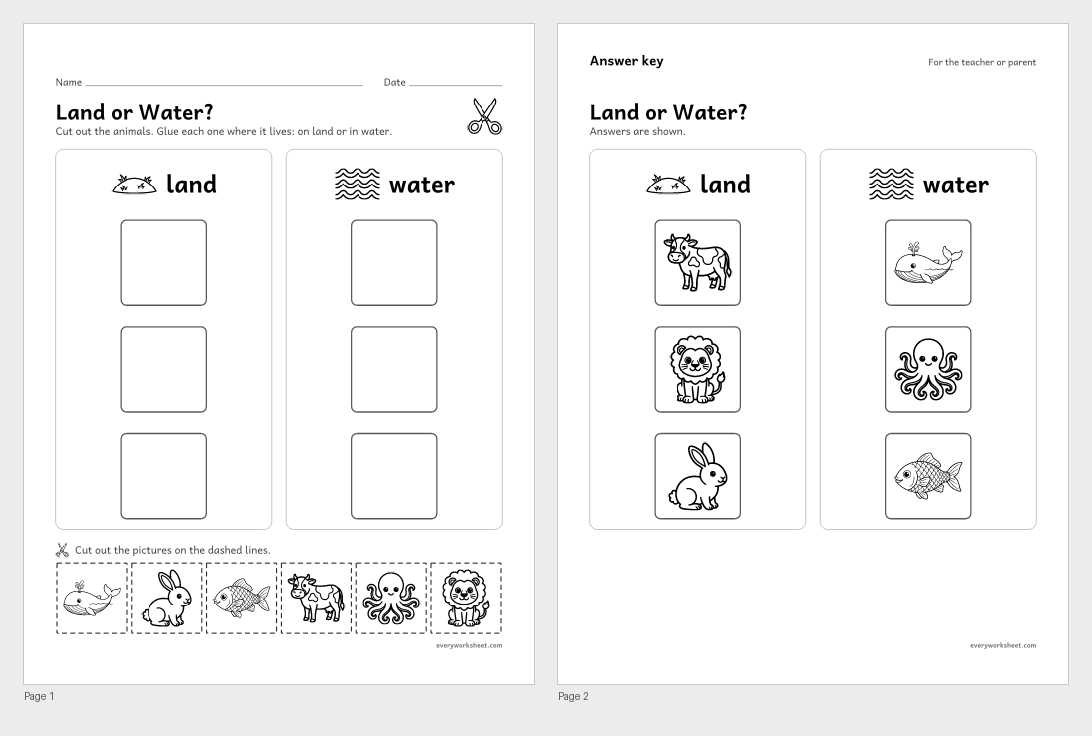
Land or water animals cut and paste for preschool
Sorting animals that live on land and in water
Answer key on page 2
2 pages322 KB
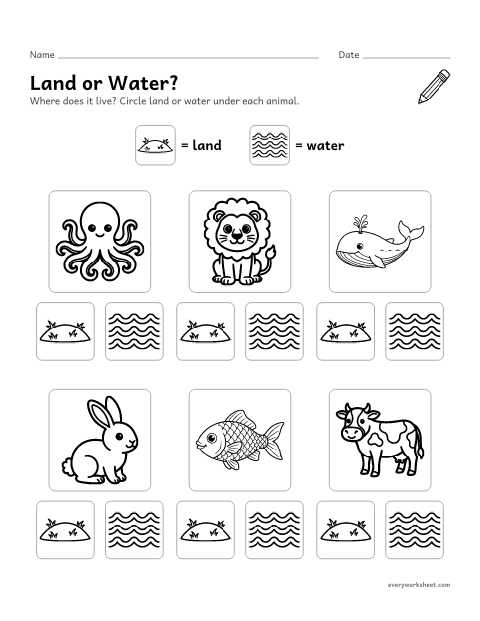 View all 2 pages
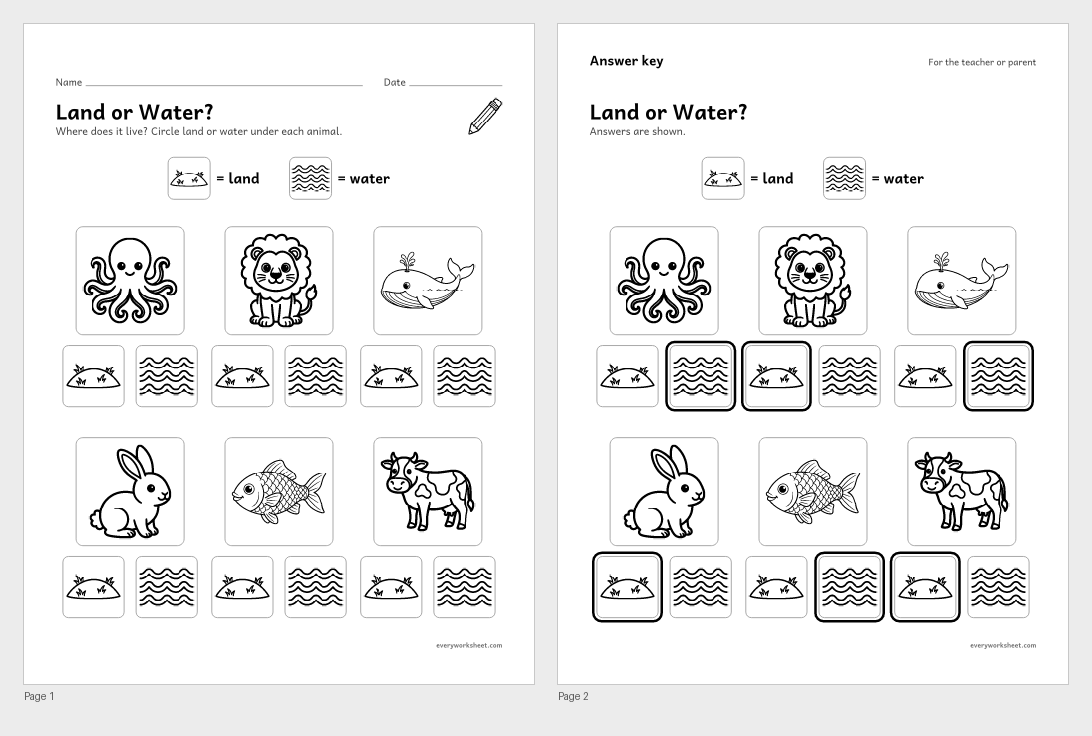
Land or water animals worksheet for preschool
Sorting animals that live on land and in water
Answer key on page 2
2 pages539 KB
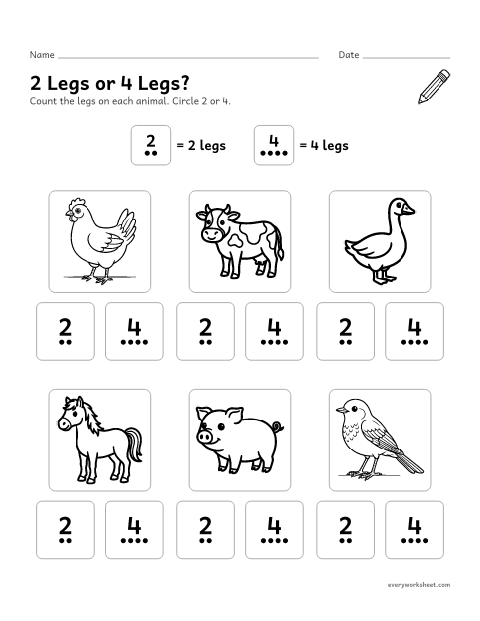 View all 2 pages
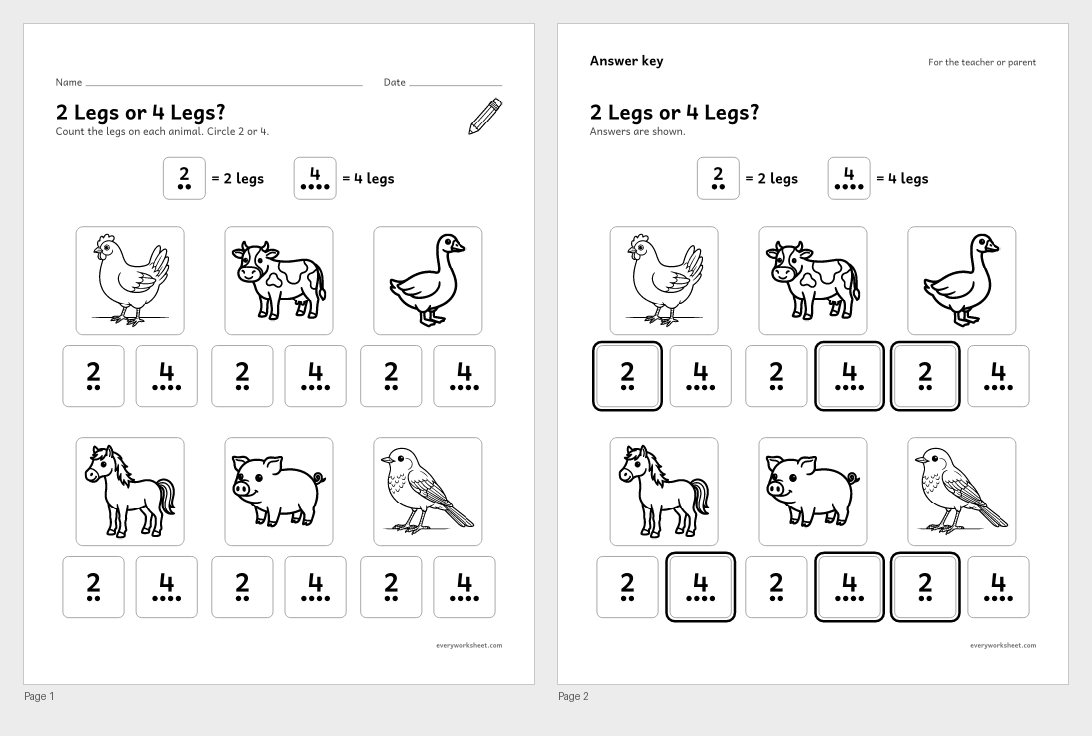
2 legs or 4 Legs? animal worksheet for preschool
Counting and comparing the legs of birds and other animals
Answer key on page 2
2 pages243 KB
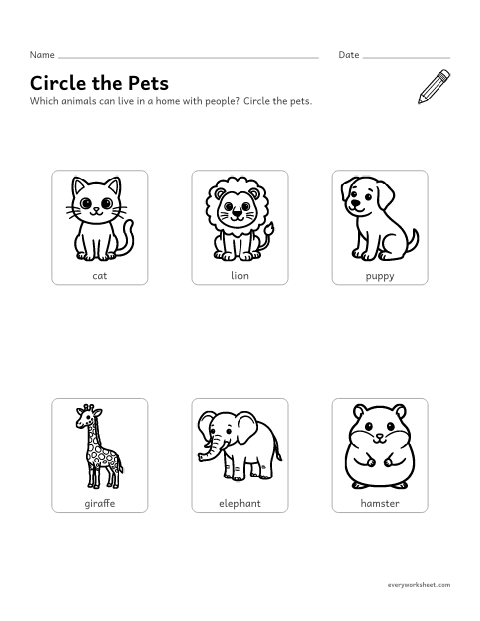 View all 2 pages
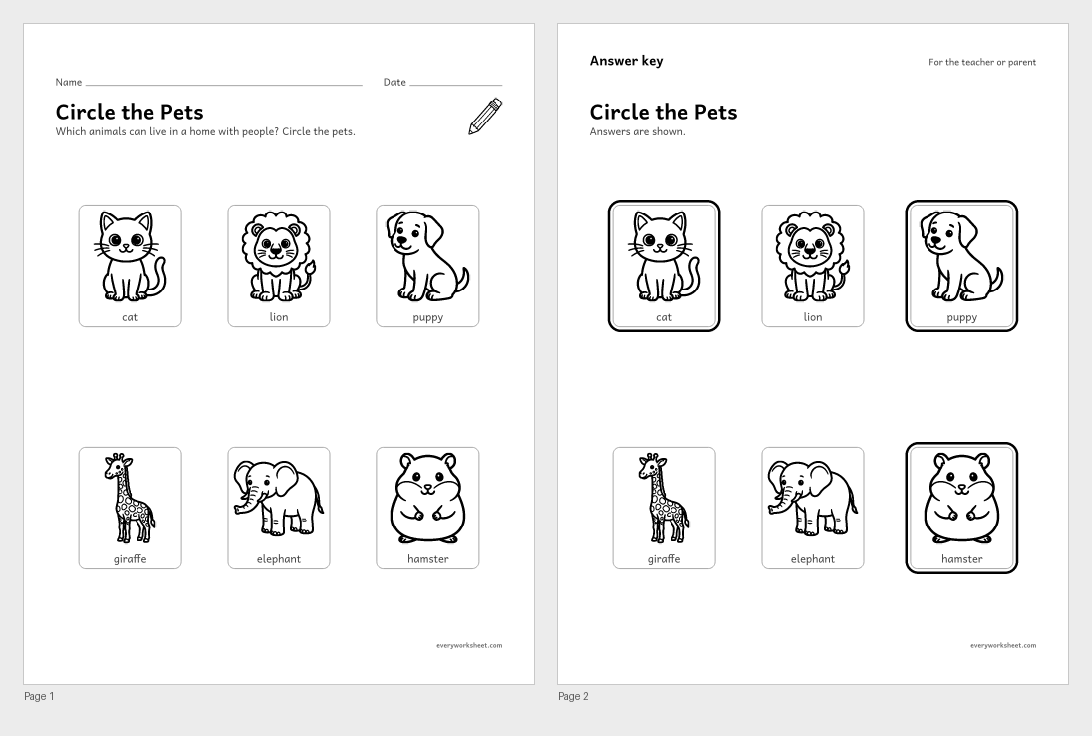
Pets worksheet for Preschool: circle the pets
Telling pets from wild zoo animals
Answer key on page 2
2 pages317 KB
Print at 100% (actual size) for the cleanest tracing lines.
About these animals worksheets
Young children love animals, which makes animals a natural first science topic. These animal worksheets for preschool start with farm animals and the sounds they make, then look at animal babies, where animals live, and how animals are alike and different.
Children name, color, circle, draw lines, count legs and cut and glue. Every page uses big, detailed line art that is fun to color, and a grown-up reads the one short direction at the top. Pages with one right answer include an answer key on page 2, and the cut and paste sort has a no-cut version.
Standards
ELOF P-SCI 1Child observes and describes observable phenomena (objects, materials, organisms, and events).ELOF P-SCI 3Child compares and categorizes observable phenomena.ELOF P-LC 6Child understands and uses a wide variety of words for a variety of purposes.ELOF P-PMP 3Child demonstrates increasing control, strength, and coordination of small muscles.
How to use them
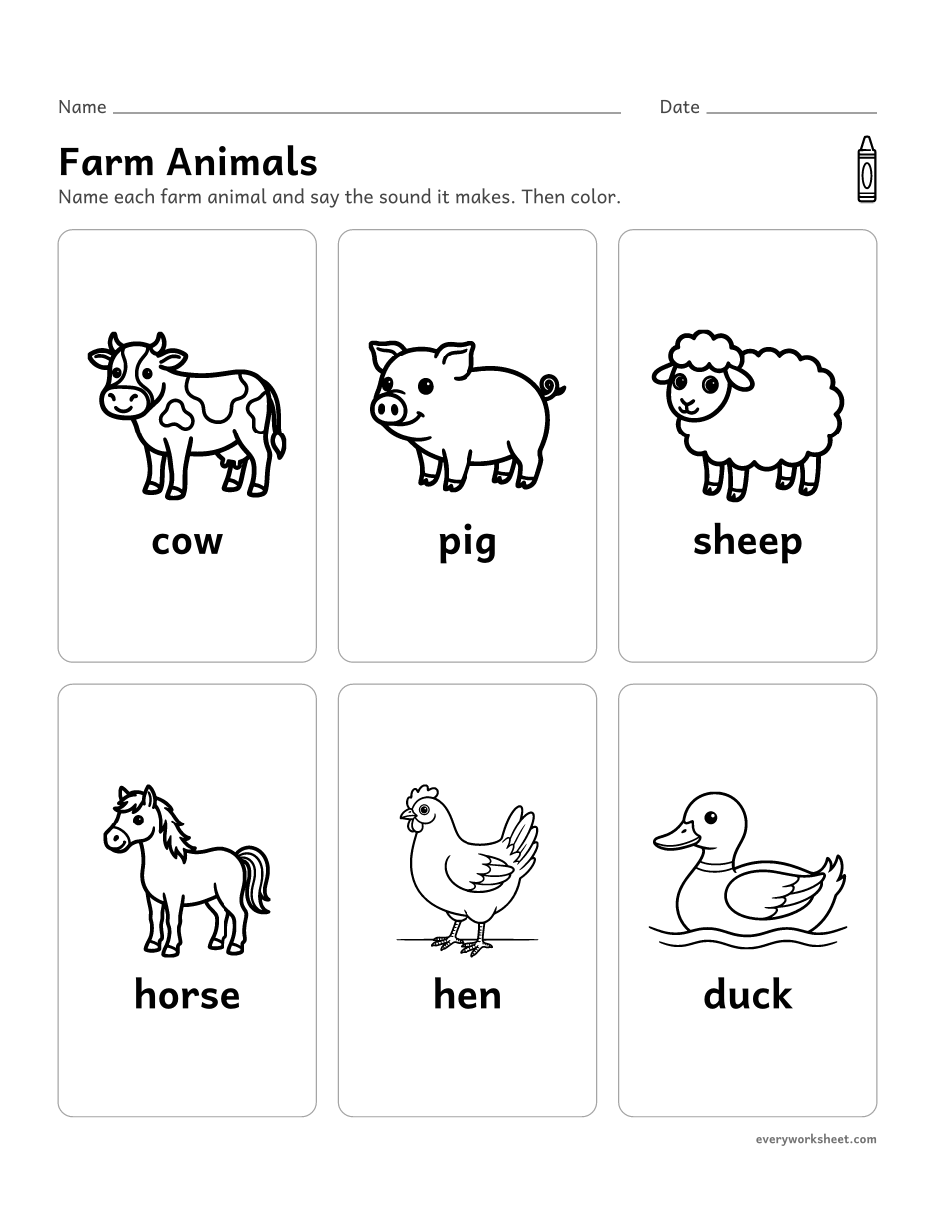
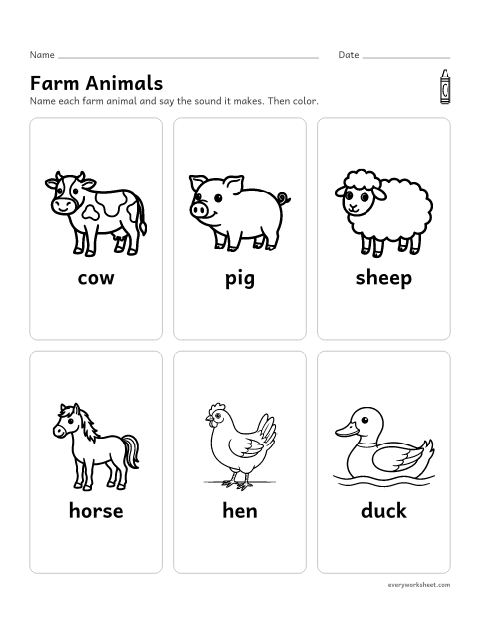
- Start with the Farm Animals poster. Name each animal, make its sound and act it out.
- On Who Says That?, you make the sound and your child circles the animal. Then switch and let your child make the sounds.
- Read the Talk about it note on the answer key after the babies page. Some babies look like their parents and some do not.
- For Land or Water, ask where each animal lives and how it moves: walking, hopping or swimming.
- Count the legs on real animals or toy animals before the 2 Legs or 4 Legs page.
Teaching tips
- Birds have two legs. Most mammals, like cows, horses and pigs, walk on four.
- A tadpole grows into a frog and a caterpillar grows into a butterfly. These babies change a lot as they grow.
- Pets live with people and need care every day. Zoo animals are wild animals that need lots of space.
- Animal sounds are different in other languages. Ask families what a rooster or a dog says in their home language.
Questions teachers and parents ask
What should preschoolers learn about animals?
Preschoolers can name common animals and their sounds, match animals to their babies and homes, and sort animals by where they live or how many legs they have.
Which animal worksheets work best for three year olds?
Start with the farm animals poster and the animal sounds page. They use familiar animals and need only coloring and circling.
Do these animal worksheets have answer keys?
Yes. Every page with one right answer has an answer key on page 2. The farm animals poster is for naming and coloring, so it does not need one.