 View larger
Classroom rules poster
Learning six classroom rules and why we have them
1 page155 KB
A classroom rules poster, why we have rules, good choice sorts, a good citizen page, rules in other places, class rules to make, a class vote and school helpers.
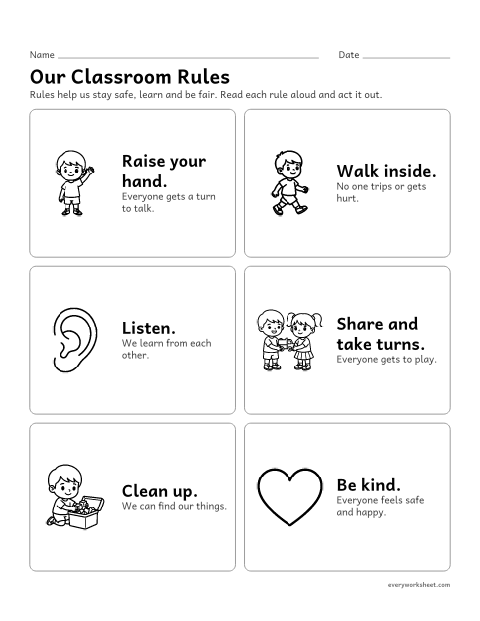
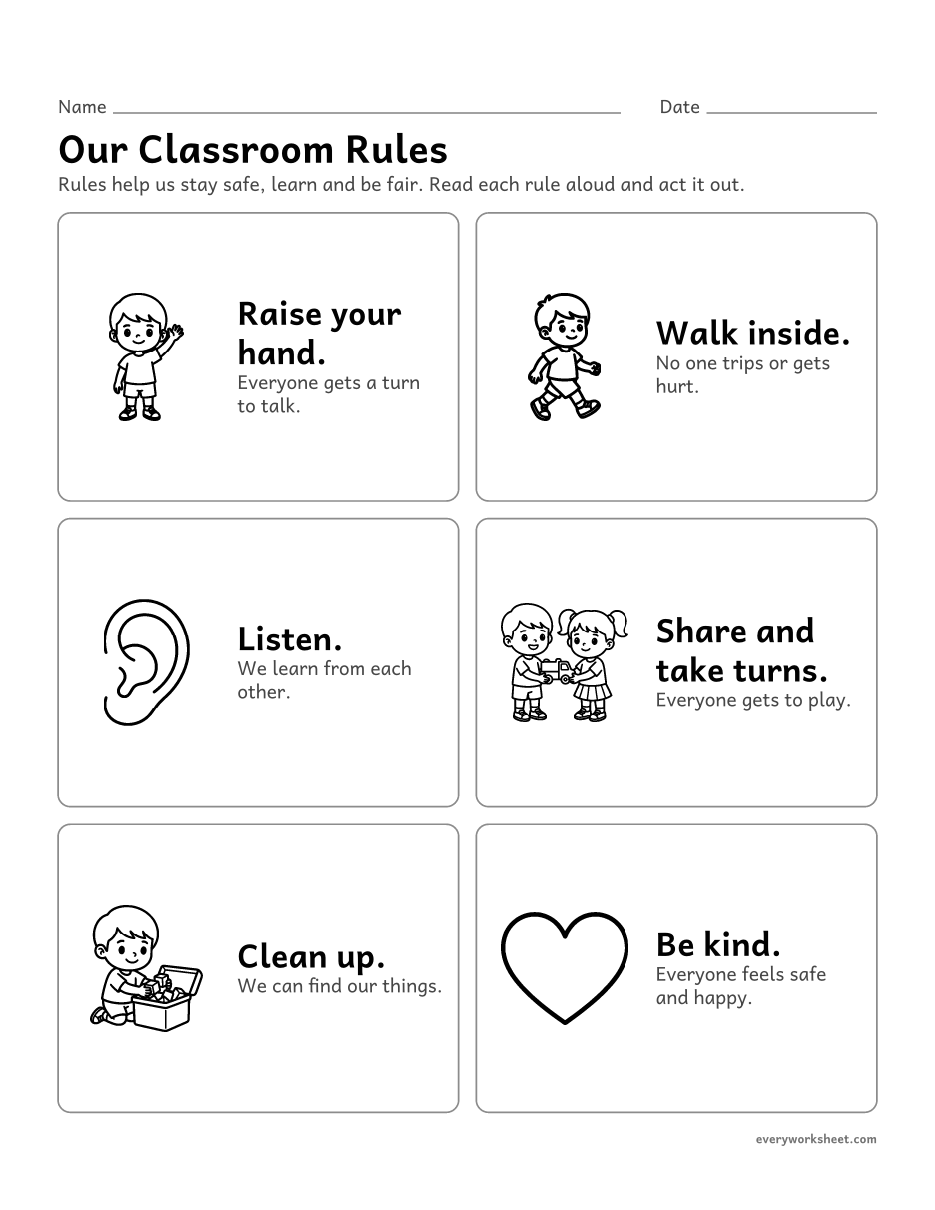
View largerLearning six classroom rules and why we have them
1 page155 KB
 View all 2 pages
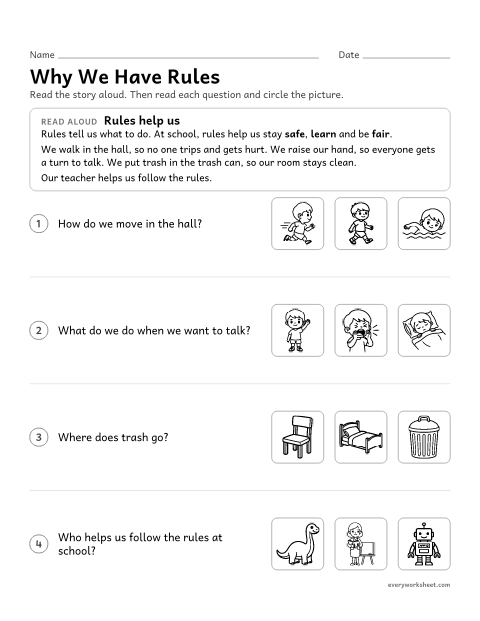
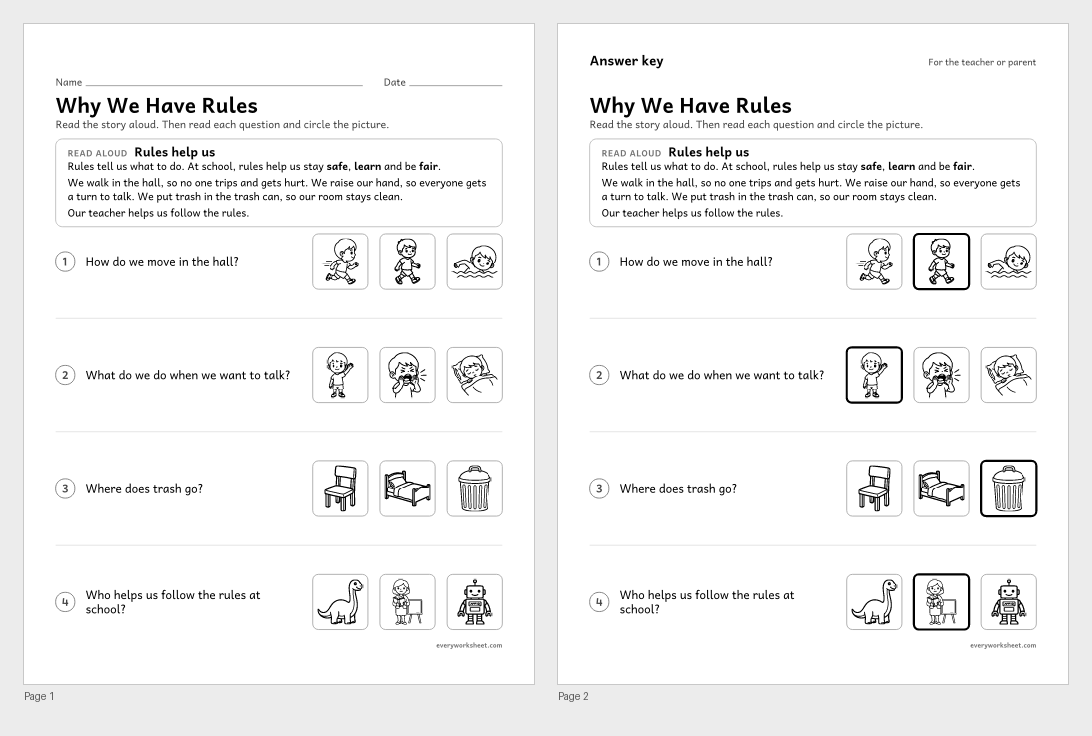
Explaining why we have rules at school and answering questions about them
Answer key on page 2
2 pages490 KB
 View larger
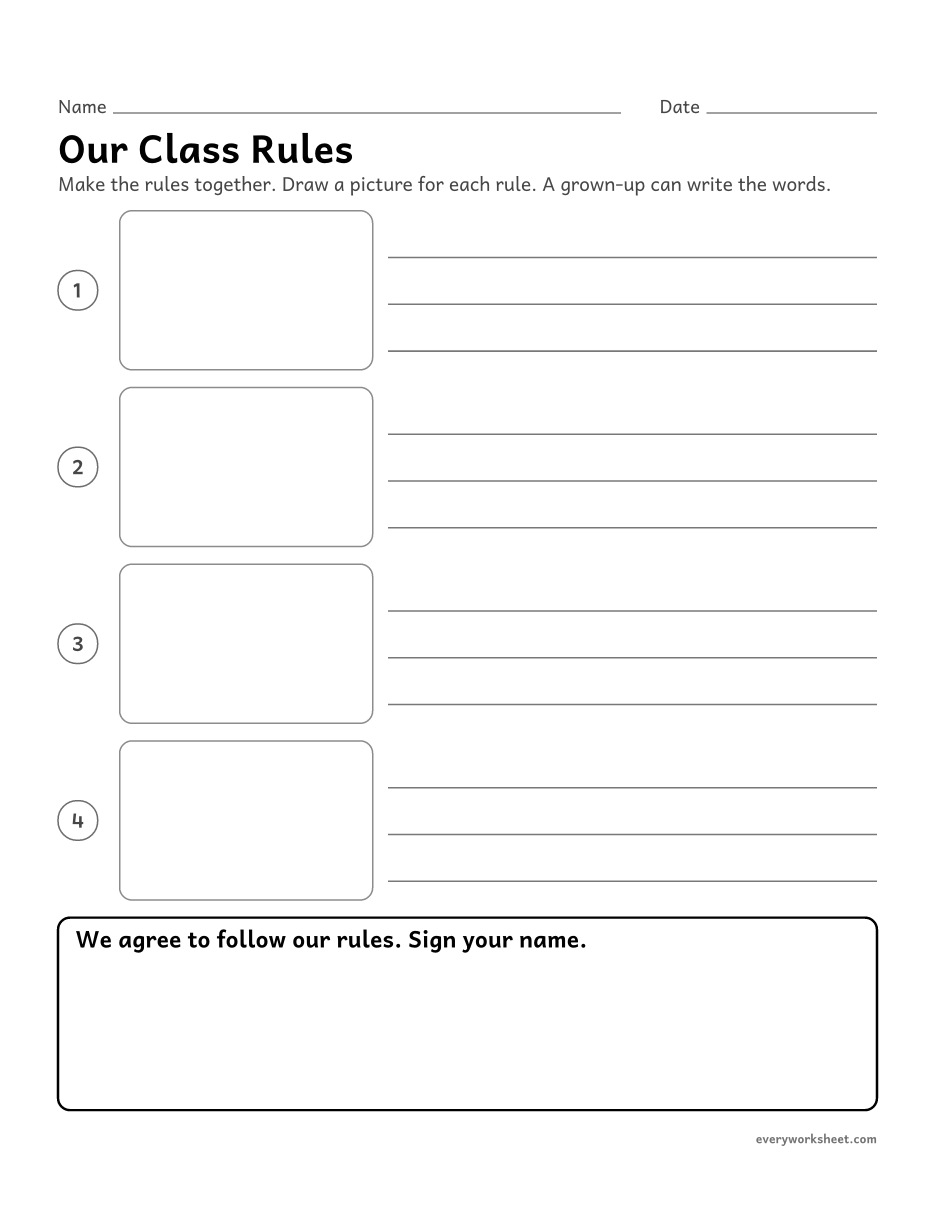
Making class rules together and agreeing to follow them
1 page27 KB
 View all 2 pages
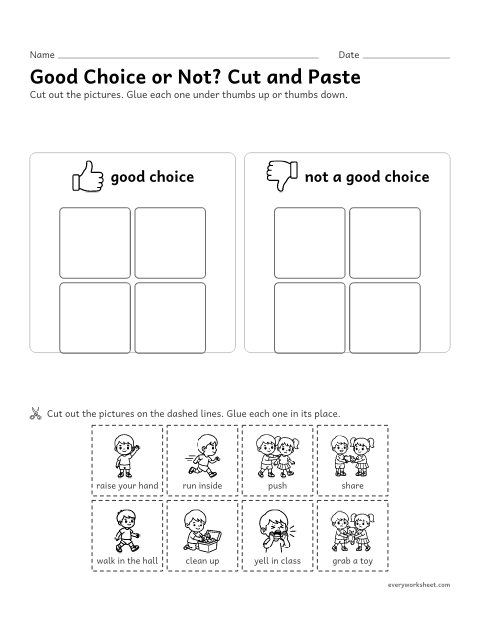
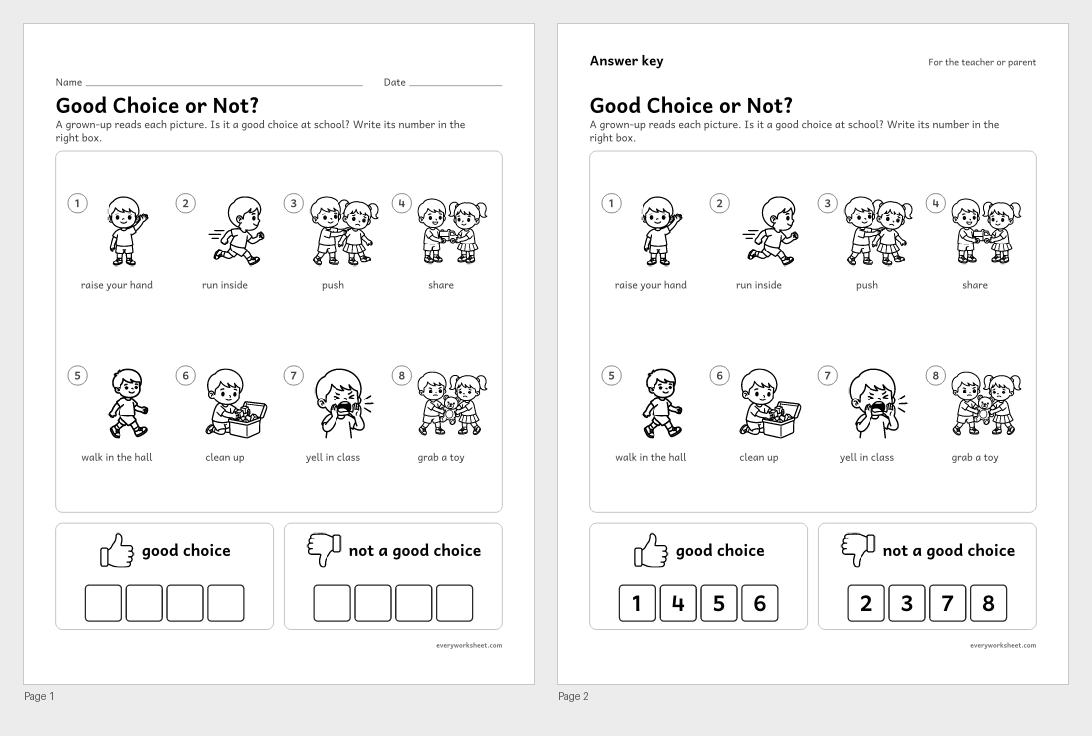
Telling good choices at school from choices that break the rules
Answer key on page 2
2 pages568 KB
 View all 2 pages
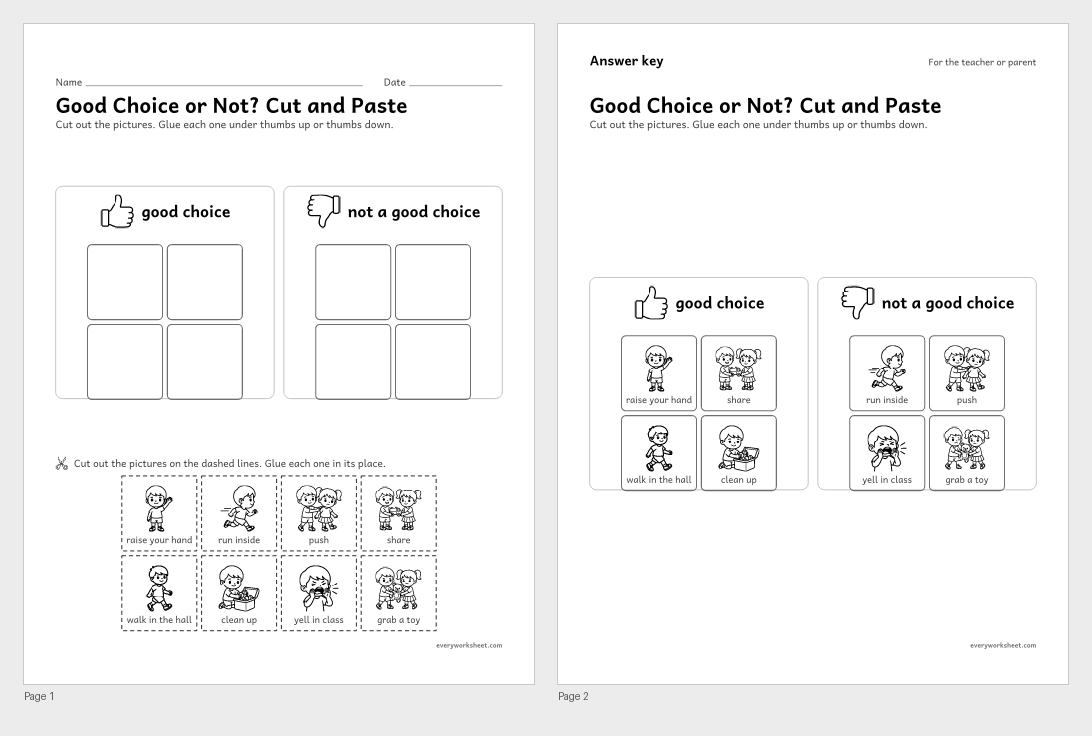
Telling good choices at school from choices that break the rules
Answer key on page 2
2 pages587 KB
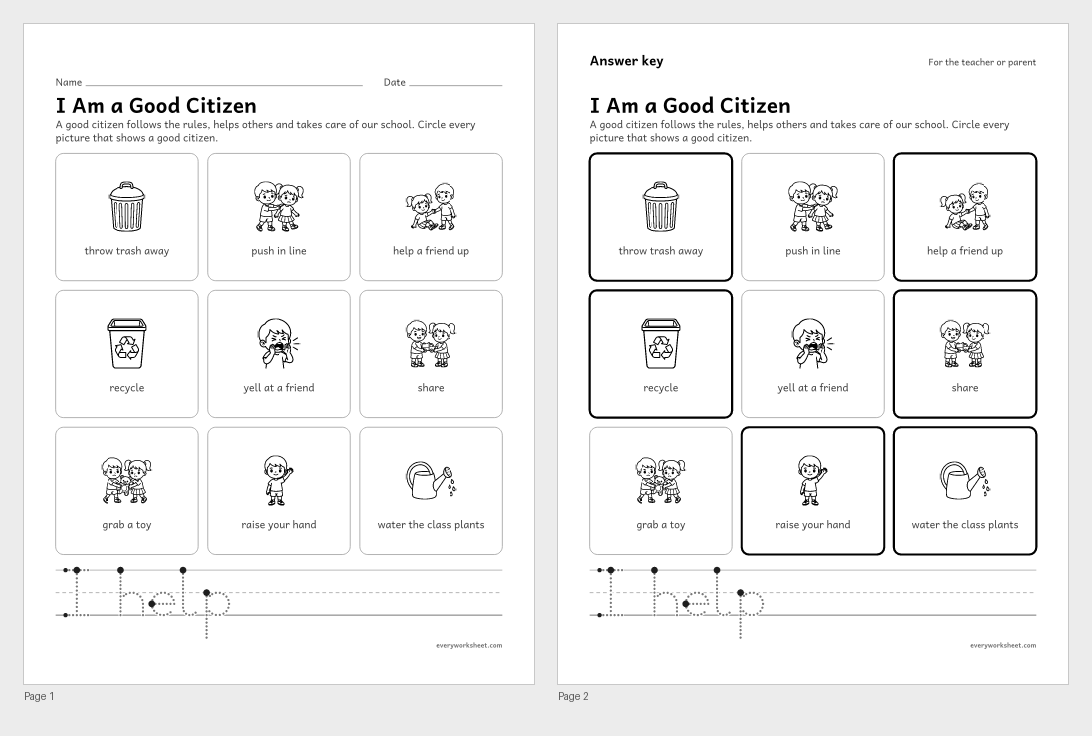 View all 2 pages
Spotting actions that show a good citizen at school
Answer key on page 2
2 pages480 KB
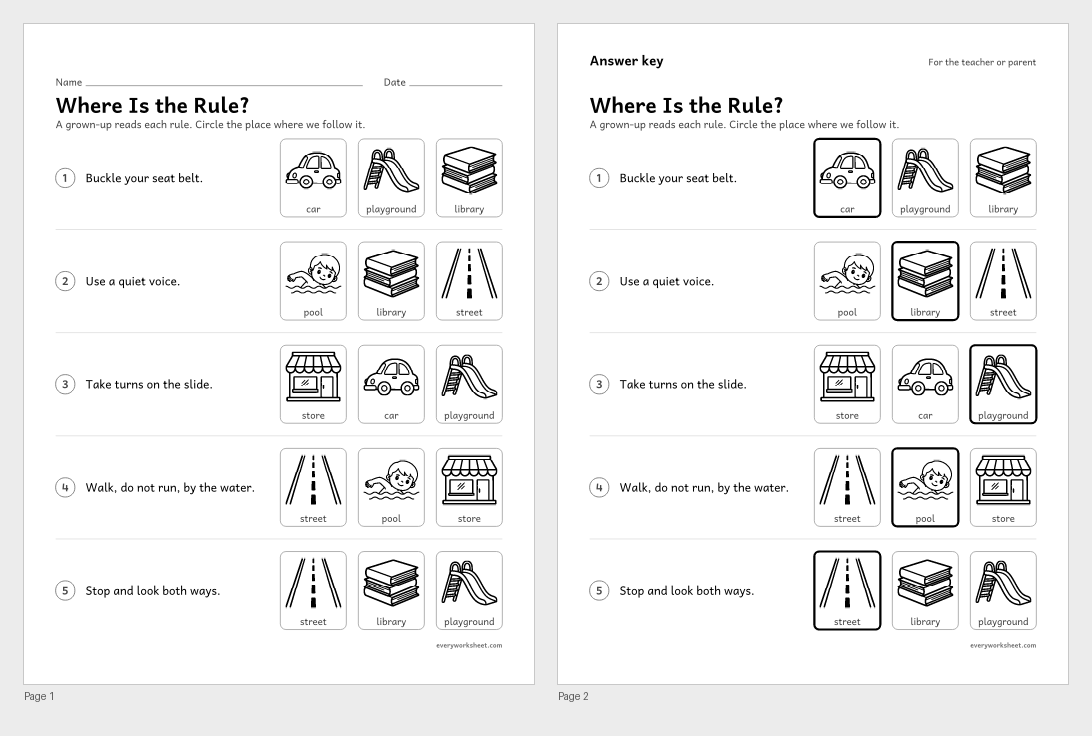 View all 2 pages
Matching rules to the places inside and outside school where we follow them
Answer key on page 2
2 pages774 KB
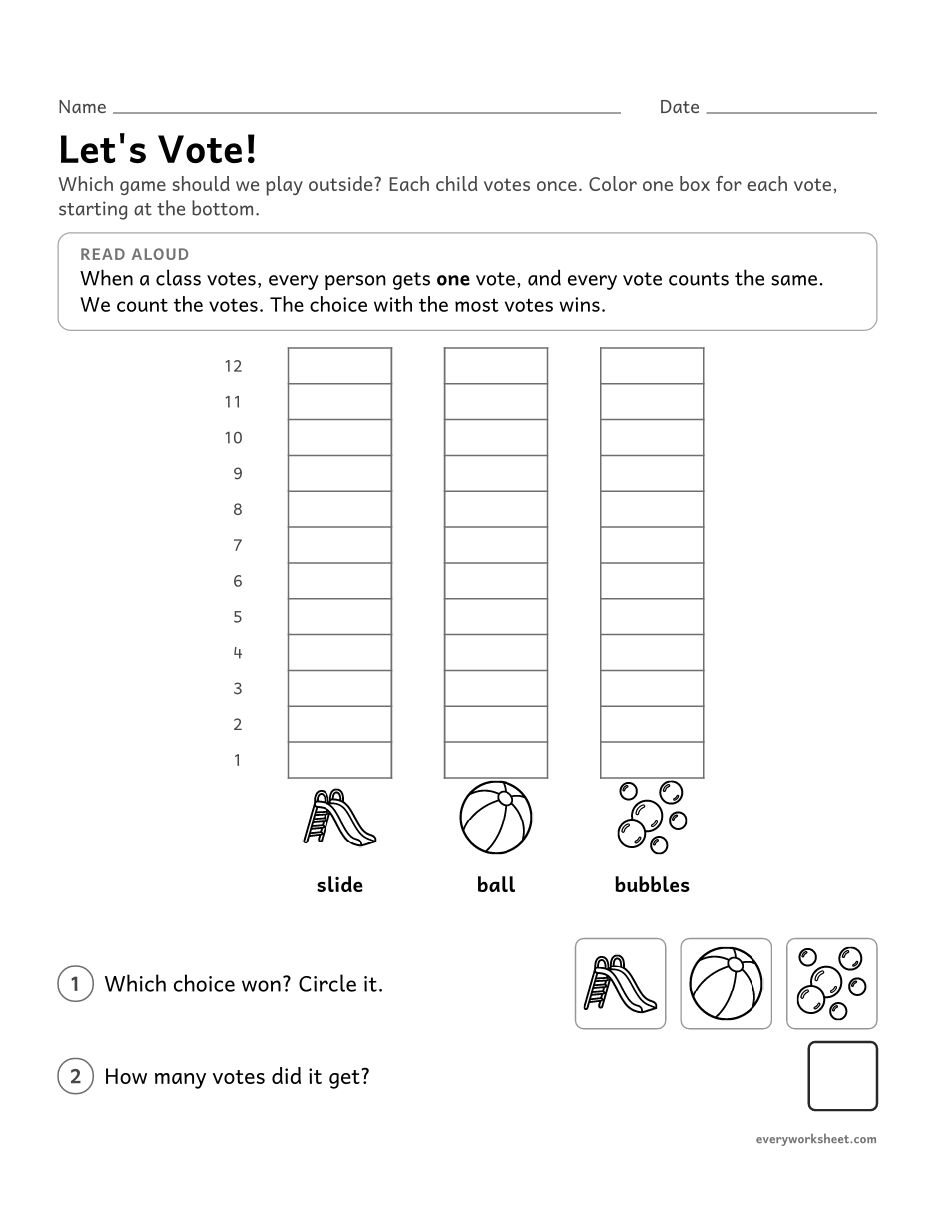 View larger
Voting as a class and counting the votes to make a fair decision
1 page169 KB
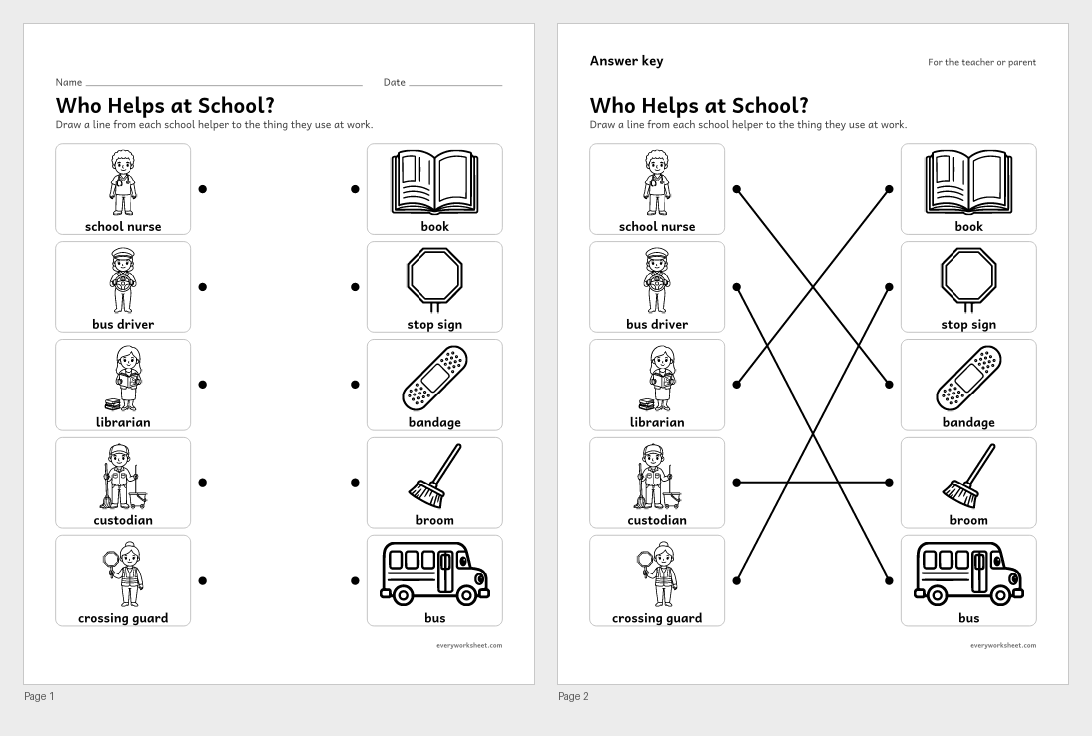 View all 2 pages
Matching school helpers to the tools they use to help us
Answer key on page 2
2 pages289 KB
Print at 100% (actual size) for the cleanest tracing lines.
Rules help a classroom work. They keep everyone safe, give everyone a turn and make school fair. Kindergartners learn the rules best when they know why each one matters and get a say in making them. These classroom rules worksheets cover both: what our rules are and how we decide on them together.
The classroom rules poster shows six picture rules, each with a short reason: raise your hand, walk inside, listen, share and take turns, clean up and be kind. The read-aloud explains why we have rules, and the good choice sorts (a no-cut page and a cut and paste page) let children tell good choices from choices that break the rules. The good citizen page finds actions that help others and take care of school.
Rules are not only for school. Rules in Different Places matches rules to the car, the library, the playground, the pool and the street. Our Class Rules is a template for making rules together, with a space for every child to sign, and Let's Vote! shows how a class can make a fair decision. School helpers matching introduces the people who help keep school safe. Pages with one right answer have an answer key on page 2.
C3 D2.Civ.3.K-2Explain the need for and purposes of rules in various settings inside and outside of school.C3 D2.Civ.12.K-2Identify and explain how rules function in public (classroom and school) settings.C3 D2.Civ.7.K-2Apply civic virtues when participating in school settings.C3 D2.Civ.11.K-2Explain how people can work together to make decisions in the classroom.C3 D2.Civ.8.K-2Describe democratic principles such as equality, fairness, and respect for legitimate authority and rules.C3 D2.Civ.9.K-2Follow agreed-upon rules for discussions while responding attentively to others when addressing ideas and making decisions as a group.C3 D2.Civ.1.K-2Describe roles and responsibilities of people in authority.C3 D2.Civ.2.K-2Explain how all people, not just official leaders, play important roles in a community.CCSS.ELA-LITERACY.SL.K.1Participate in collaborative conversations with diverse partners about kindergarten topics and texts with peers and adults in small and larger groups.CCSS.ELA-LITERACY.SL.K.2Confirm understanding of a text read aloud or information presented orally or through other media by asking and answering questions about key details and requesting clarification if something is not understood.CCSS.ELA-LITERACY.L.K.5.ASort common objects into categories (e.g., shapes, foods) to gain a sense of the concepts the categories represent.CCSS.MATH.CONTENT.K.MD.B.3Classify objects into given categories; count the numbers of objects in each category and sort the categories by count.Keep them short and positive: raise your hand to talk, walk inside, listen when others talk, share and take turns, clean up, and be kind. Four to six rules are plenty.
Rules keep everyone safe, help everyone learn and make things fair, so everyone gets a turn. Children follow rules more easily when they know the reason for each one.
A good citizen follows the rules, helps others, tells the truth and takes care of the classroom and the school. The good citizen page shows these actions in pictures.
Yes. The sorts, the good citizen page, the read-aloud questions, Rules in Different Places and the school helpers matching page have an answer key on page 2. The class rules template and the class vote use your class's own answers.