 View larger
Healthy Habits for Preschool
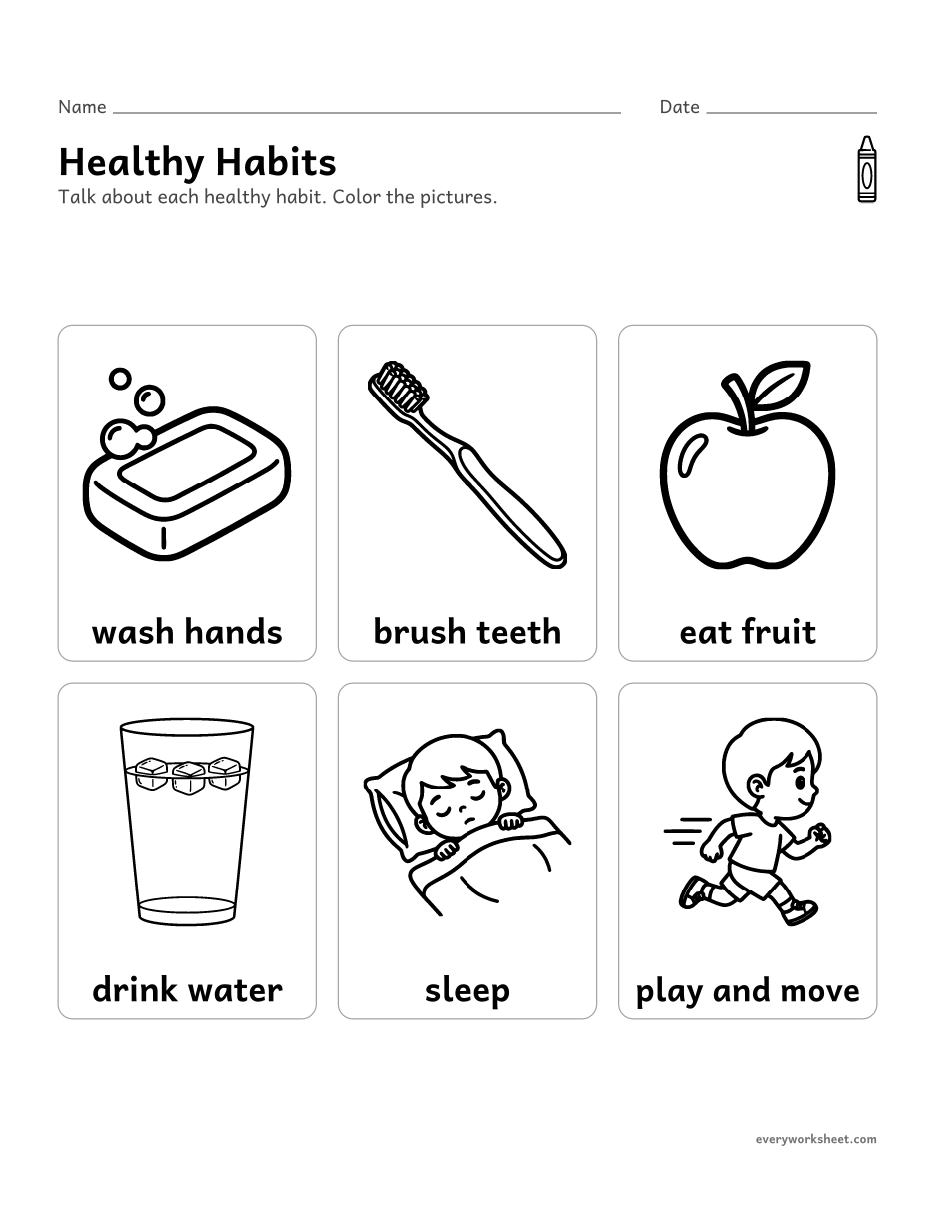
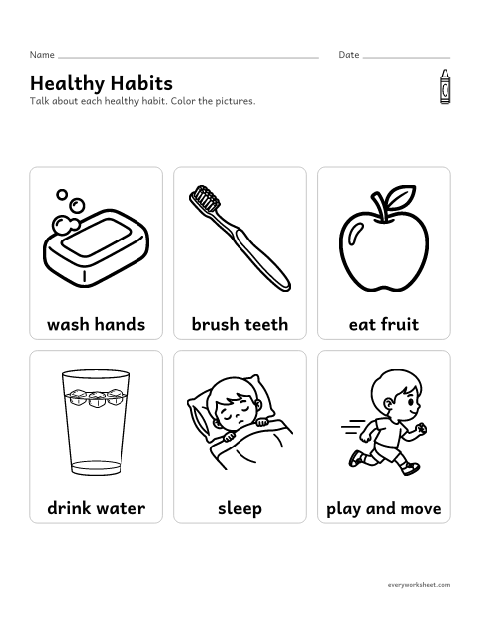
Healthy habits pages for preschool: washing hands, brushing teeth, everyday foods, taking care of my body and ways to move.
Download the healthy habits worksheets
Healthy habits
 View larger
Healthy food
 View all 2 pages
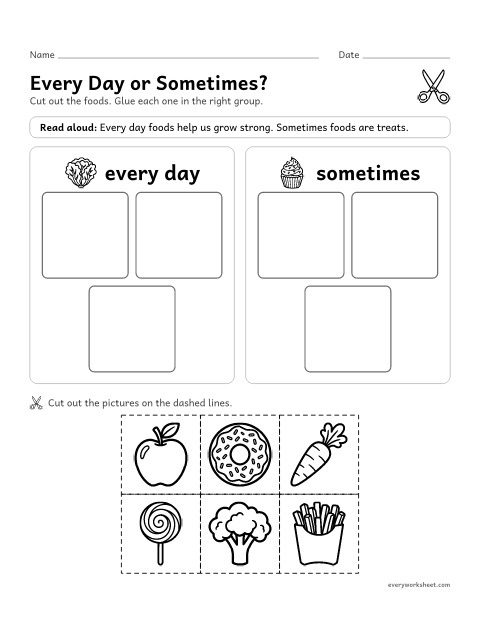
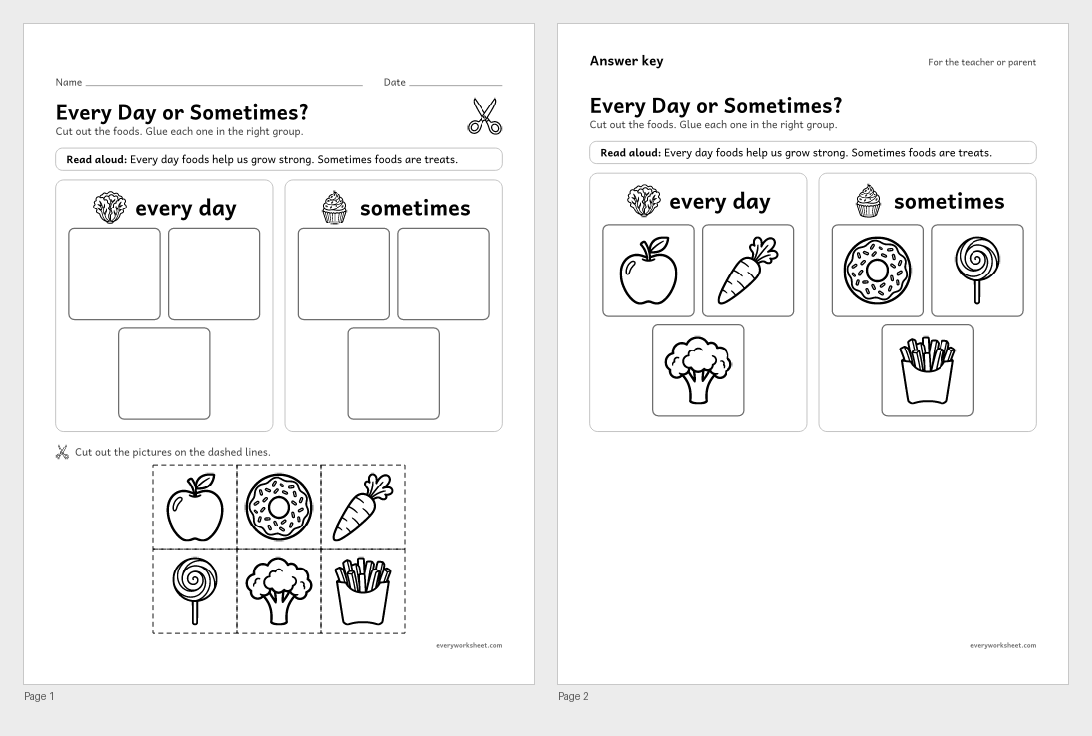
Healthy food sort cut and paste
Sorting everyday foods and sometimes foods
Answer key on page 2
2 pages473 KB
 View all 2 pages
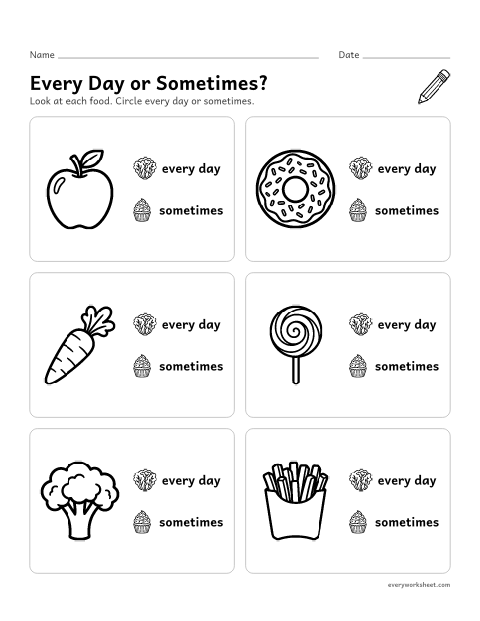
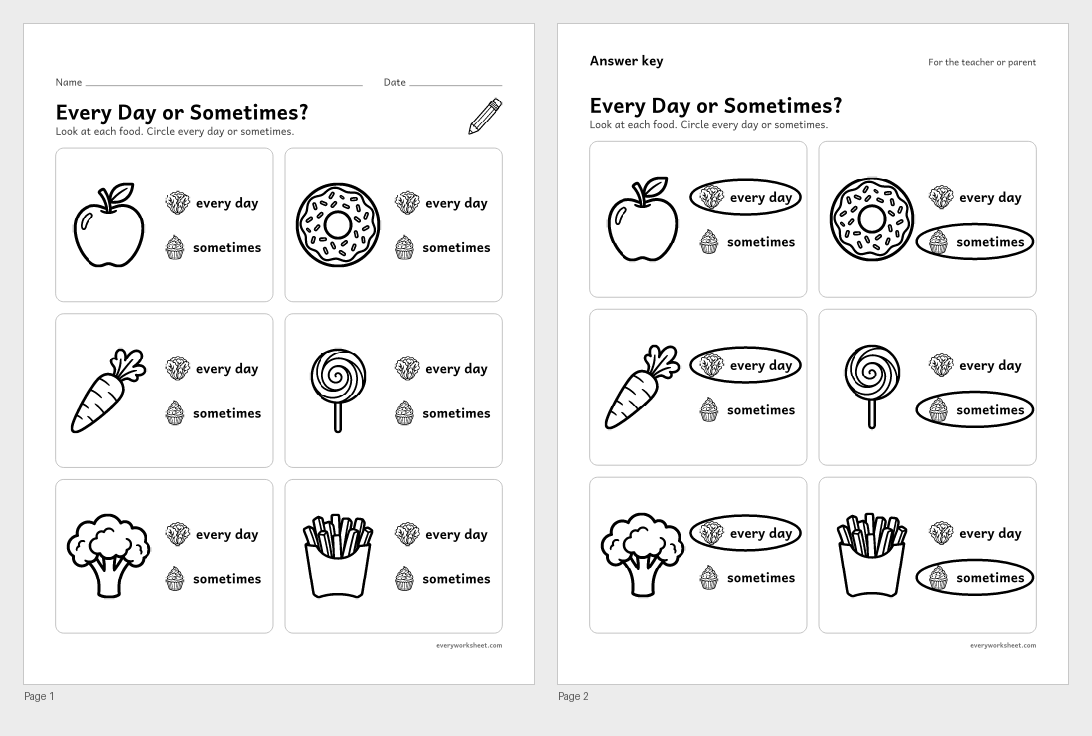
Healthy food sort for preschool
Sorting everyday foods and sometimes foods
Answer key on page 2
2 pages1.1 MB
 View all 2 pages
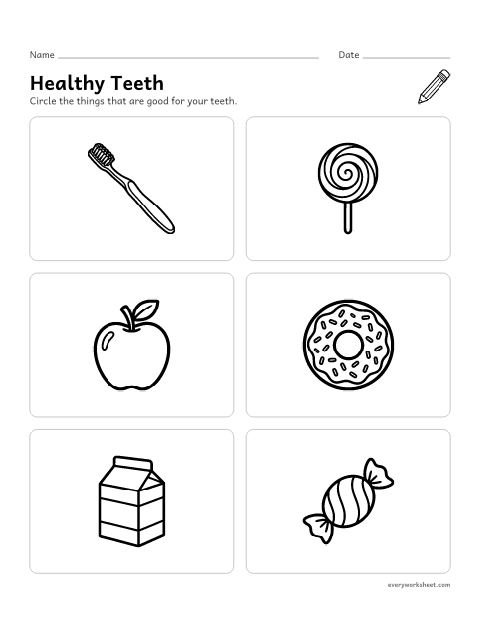
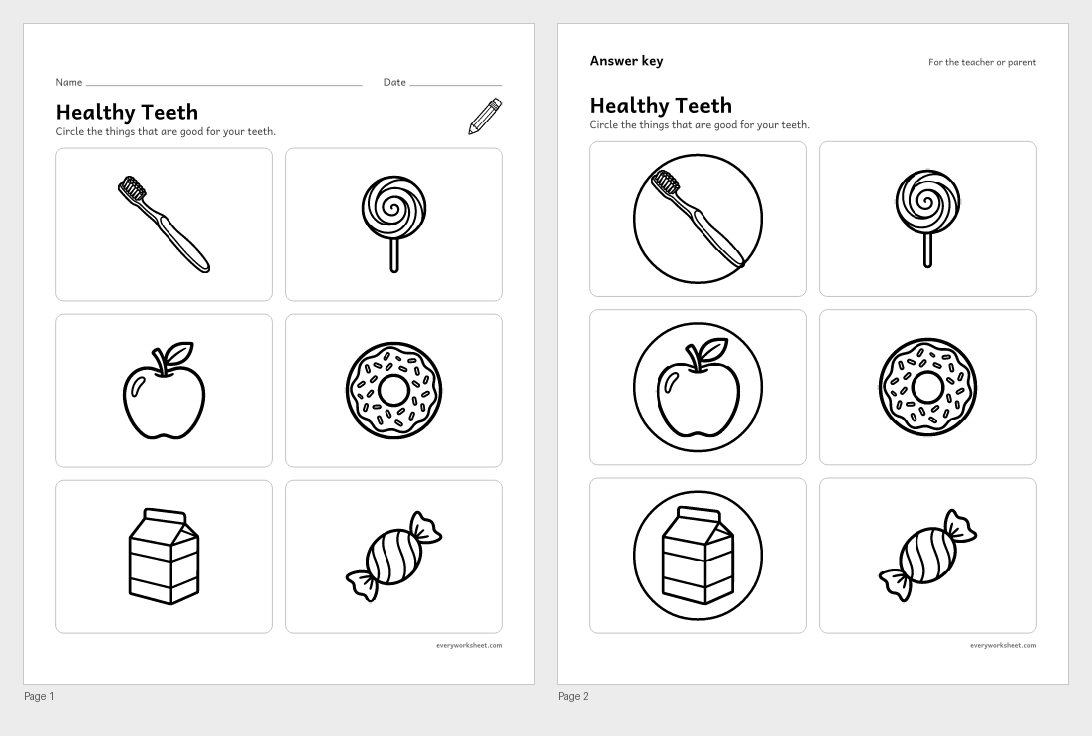
Healthy teeth worksheet for preschool
Knowing what keeps teeth healthy
Answer key on page 2
2 pages267 KB
Washing and caring for my body
 View all 2 pages
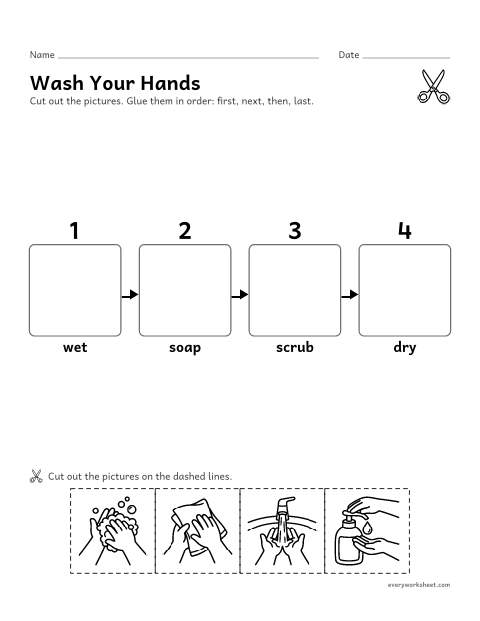
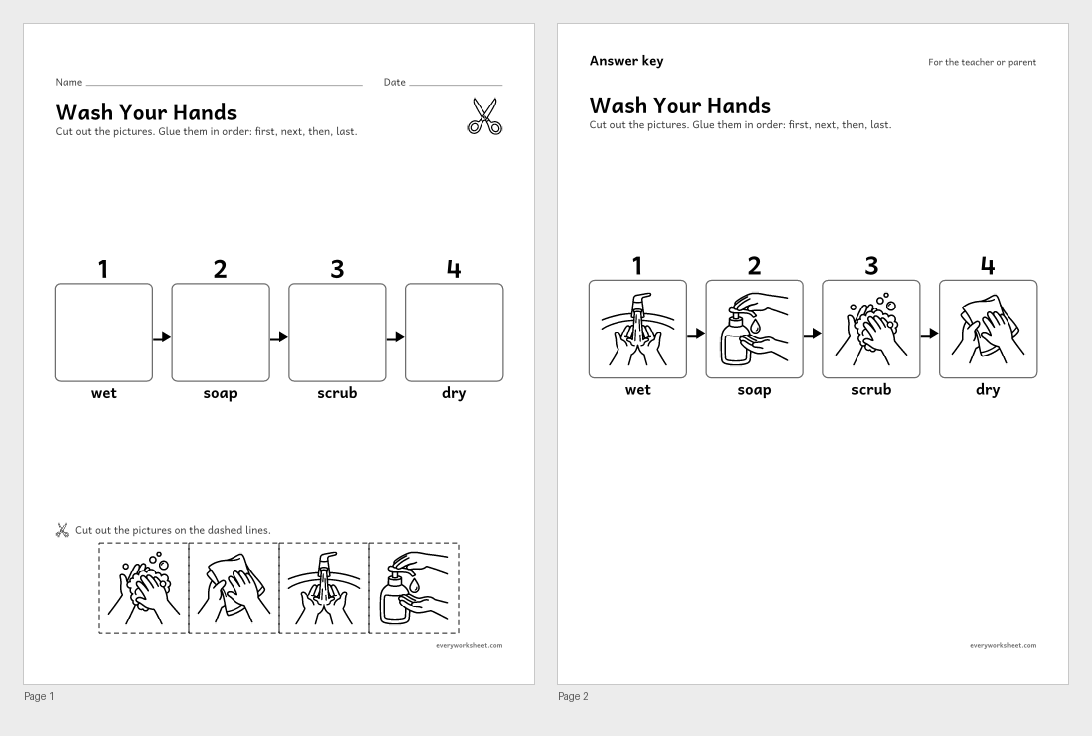
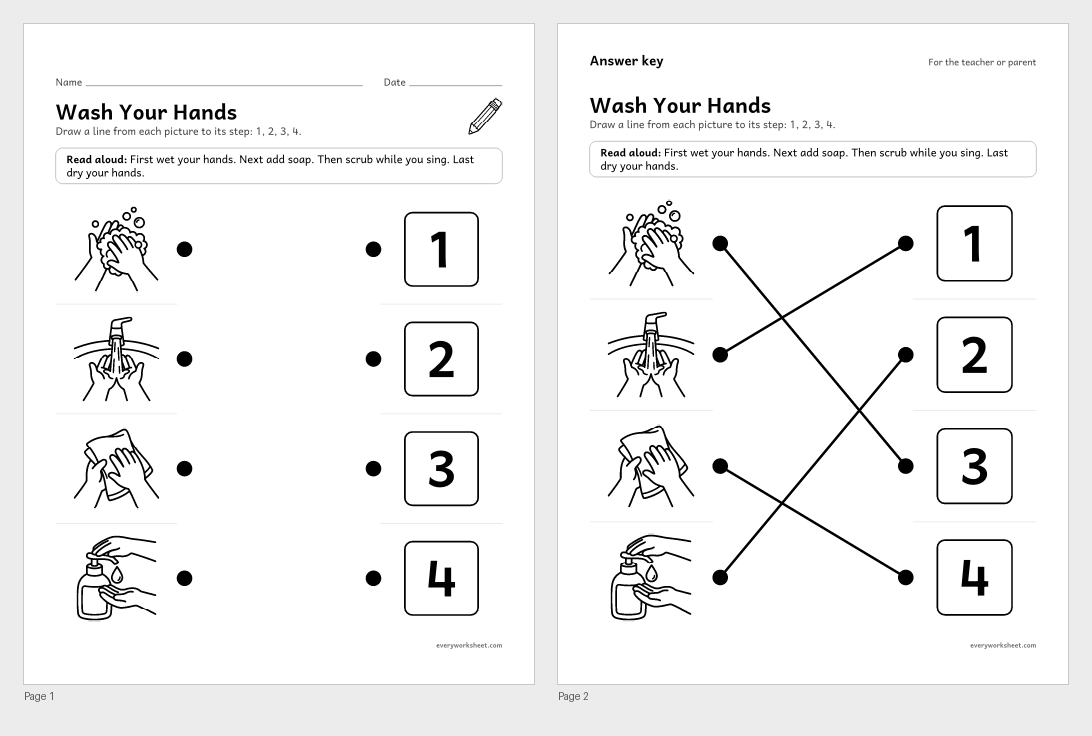
Wash your hands sequencing cut and paste
Putting hand-washing steps in order
Answer key on page 2
2 pages244 KB
 View all 2 pages
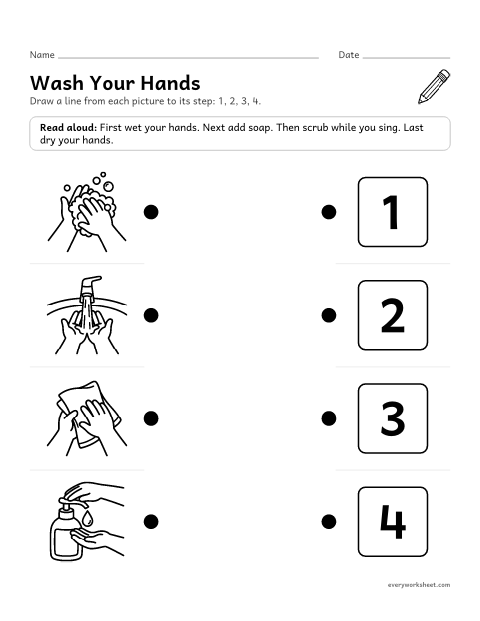
Wash your hands sequencing
Putting hand-washing steps in order
Answer key on page 2
2 pages198 KB
 View all 2 pages
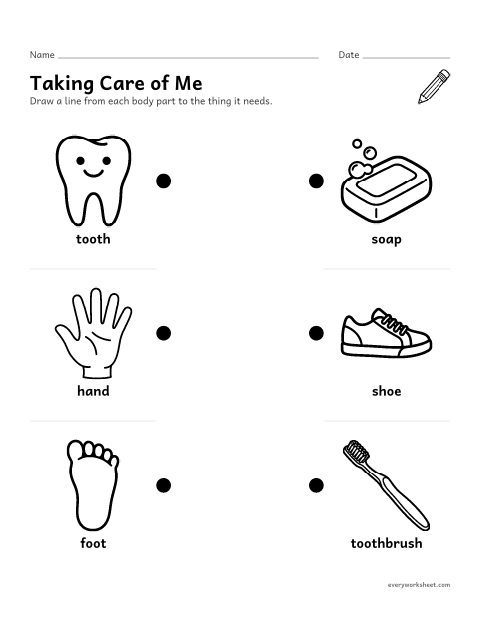
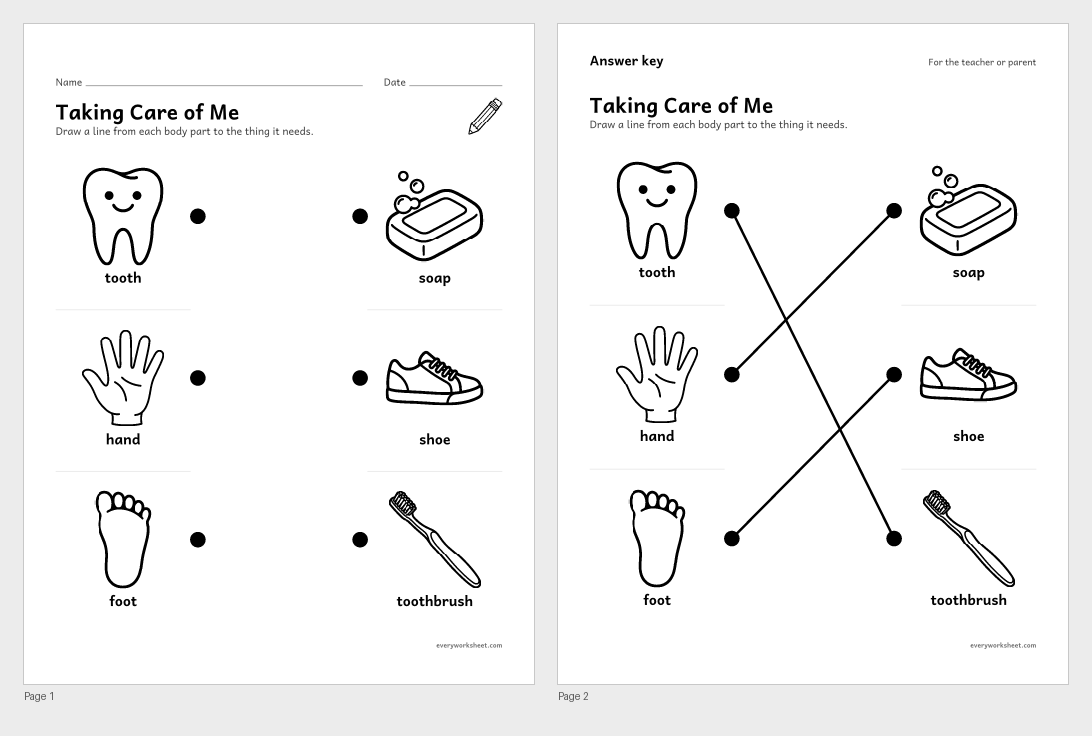
Taking care of Me: match worksheet
Matching body parts to self-care tools
Answer key on page 2
2 pages188 KB
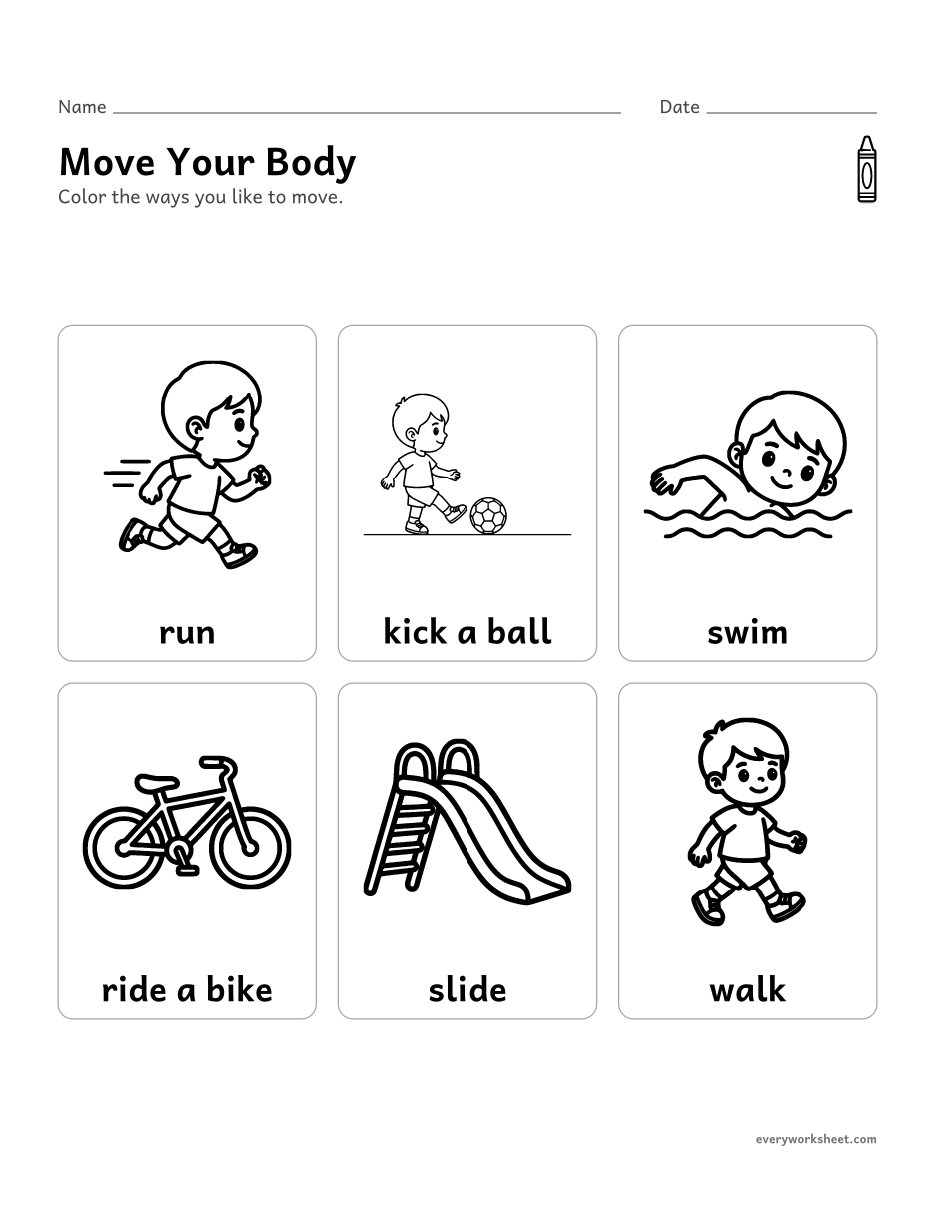
Move your body
Print at 100% (actual size) for the cleanest tracing lines.
About these healthy habits worksheets
Preschool is when everyday healthy habits start to stick. Washing hands, brushing teeth, eating fruits and vegetables, drinking water, sleeping and playing hard all help a growing body. These pages turn those habits into simple pictures a preschooler can talk about, sort and put in order.
Children sort foods into every day foods and sometimes foods, put the steps of hand washing in order, find the things that are good for teeth and match body parts to the things that care for them. The chart and the move your body page are for coloring and talking.
Standards
ELOF P-PMP 4Child demonstrates personal hygiene and self-care skills.ELOF P-PMP 5Child develops knowledge and skills that help promote nutritious food choices and eating habits.ELOF P-PMP 1Child demonstrates control, strength, and coordination of large muscles.ELOF P-SCI 3Child compares and categorizes observable phenomena.ELOF P-ATL 8Child holds information in mind and manipulates it to perform tasks.
How to use them
- Hang the healthy habits chart by the sink or the snack table and point to it as you go through the day.
- Use the words every day and sometimes for foods. Treats are fine sometimes, and no food is bad.
- Practice the hand washing steps at a real sink, then do the sequencing page. Sing a short song while you scrub.
- On Healthy Teeth, talk about why each thing helps or hurts teeth before your child circles.
- After Move Your Body, go and do one of the moves together.
Teaching tips
- Children learn routines by doing them the same way every time. Use the same words for each hand washing step.
- Milk, water, fruit and vegetables are easy every day examples. Candy, donuts and fries make clear sometimes examples.
- For the cut and paste pages, cut the strip into single pictures for a child who is still learning to use scissors.
- Celebrate small wins, like washing hands without a reminder, more than the worksheet itself.
Questions teachers and parents ask
What healthy habits should preschoolers learn?
Washing hands, brushing teeth, eating fruits and vegetables, drinking water, getting enough sleep and moving their bodies every day.
Why say every day foods and sometimes foods?
It teaches balance without making any food bad. Children learn that some foods help them grow every day and treats are for sometimes.
Are there answer keys?
Yes. The food sorts, the hand washing order pages, Healthy Teeth and the body care match have an answer key on page 2.