 View all 2 pages
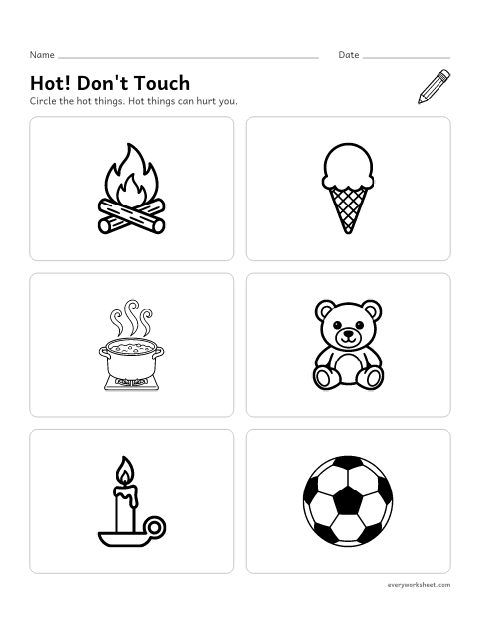
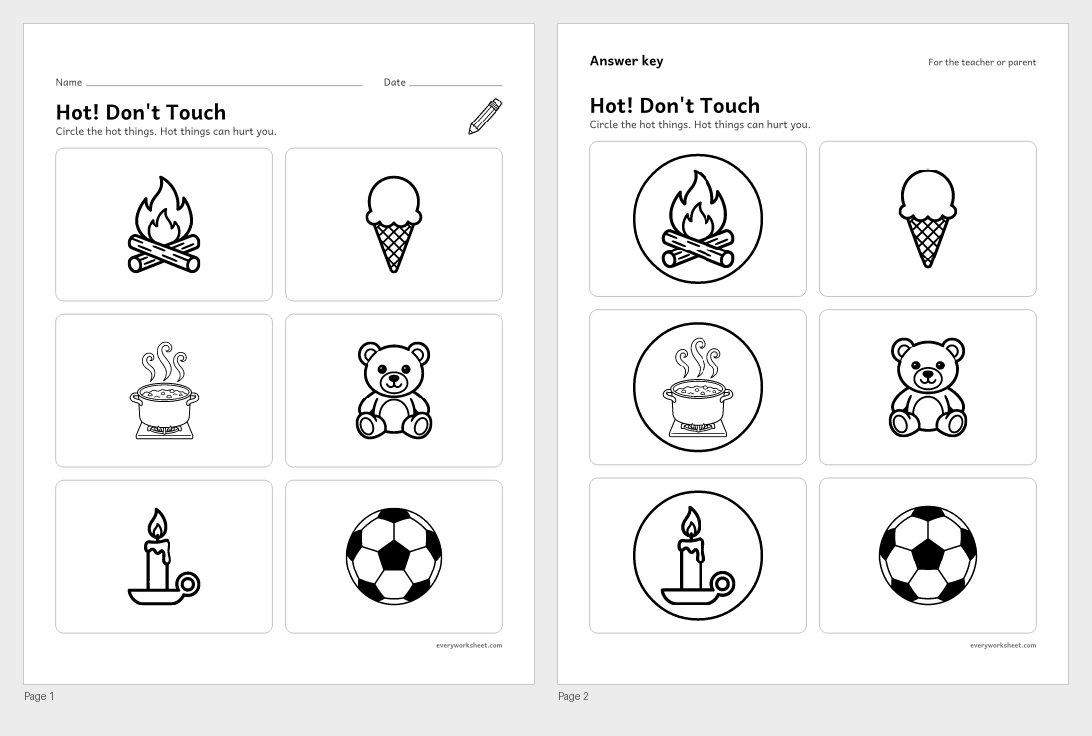
Hot or Not? safety worksheet
Knowing hot things are not safe to touch
Answer key on page 2
2 pages192 KB
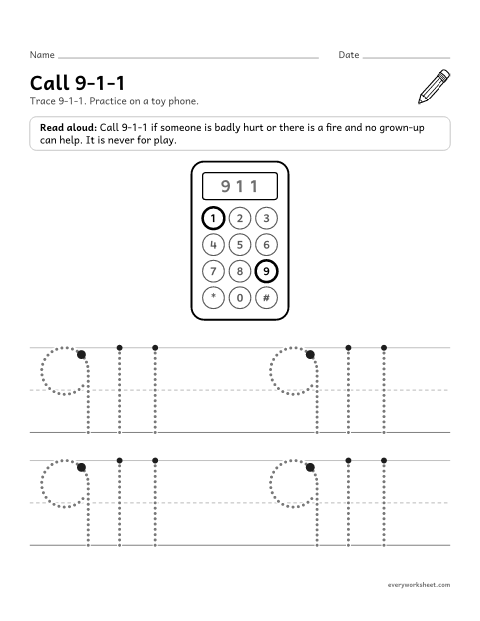
Simple safety pages for preschool: hot things, the traffic light, the stop sign, calling 9-1-1 and safe or not safe choices.
View all 2 pagesKnowing hot things are not safe to touch
Answer key on page 2
2 pages192 KB
 View all 2 pages
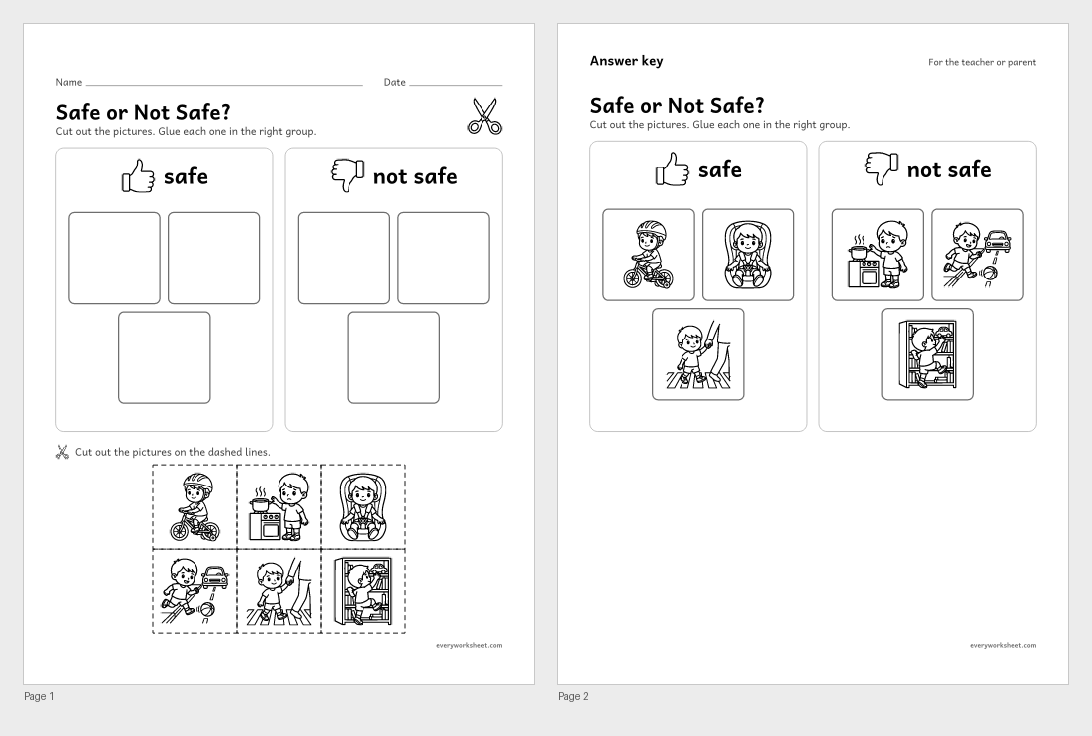
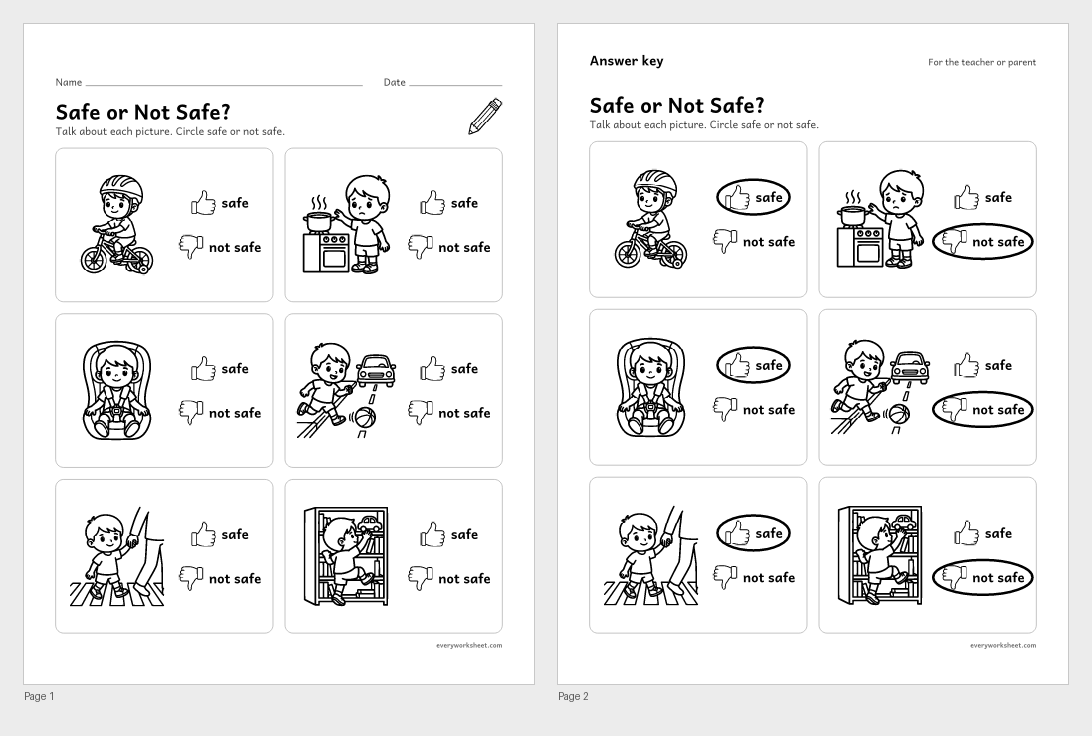
Sorting safe and not safe choices
Answer key on page 2
2 pages493 KB
 View all 2 pages
Sorting safe and not safe choices
Answer key on page 2
2 pages609 KB
Print at 100% (actual size) for the cleanest tracing lines.
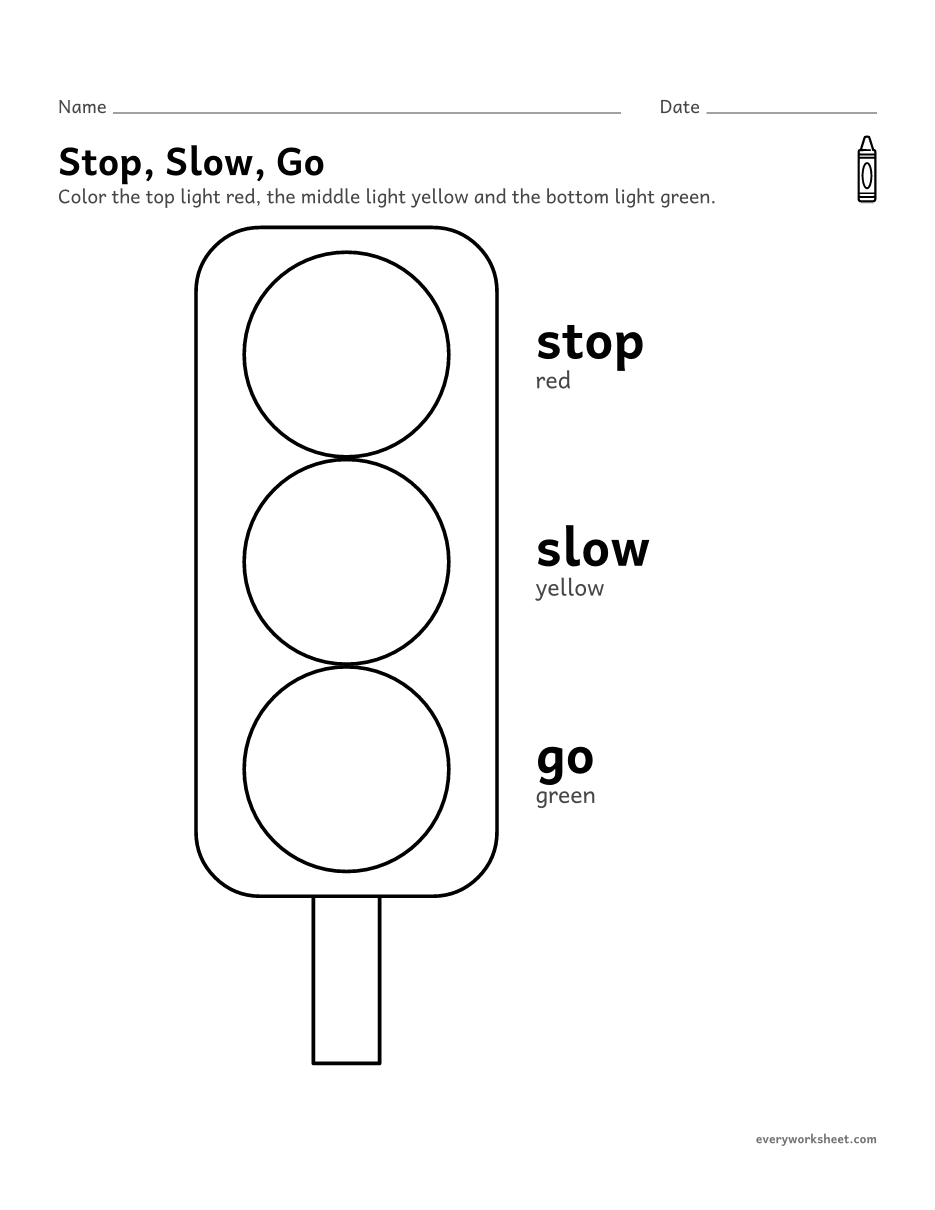
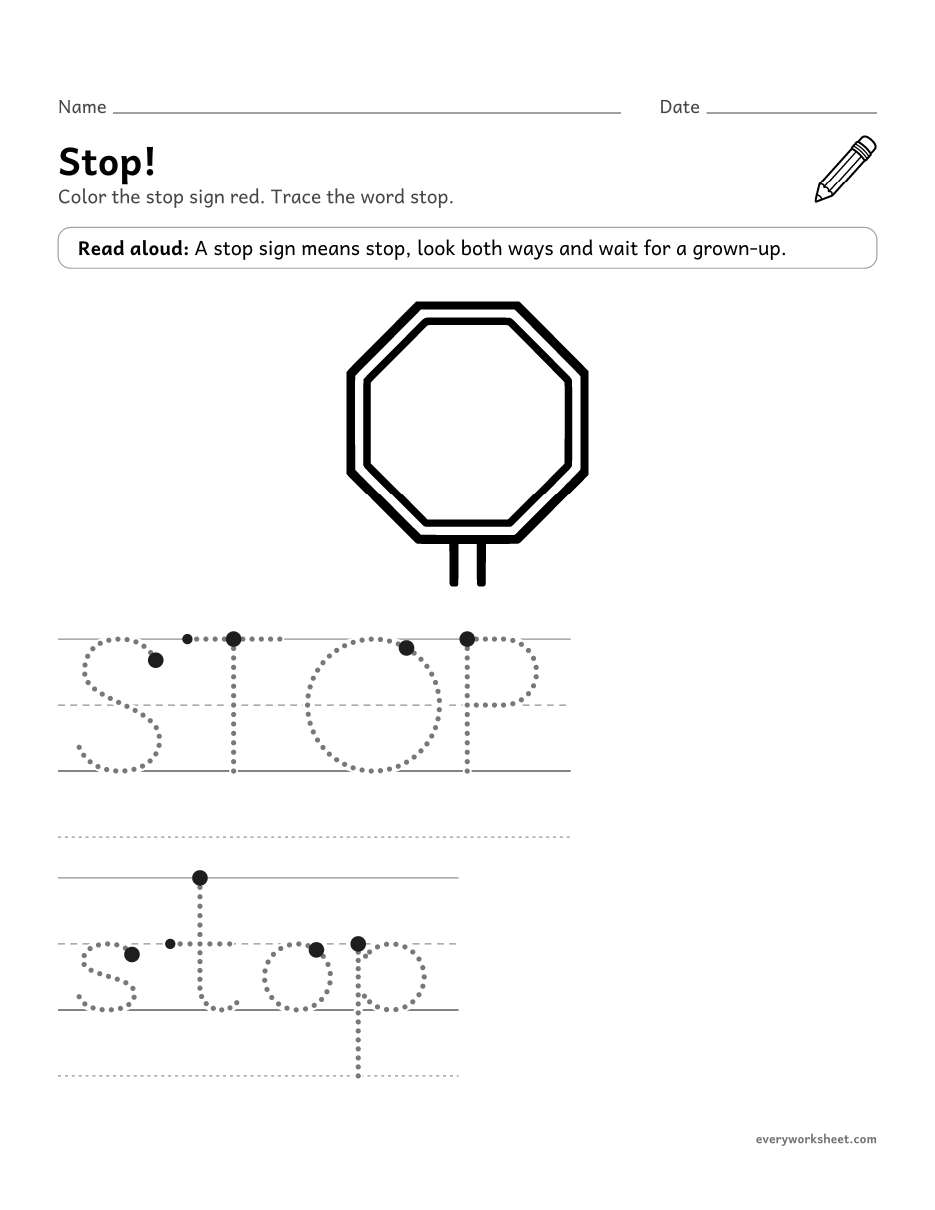
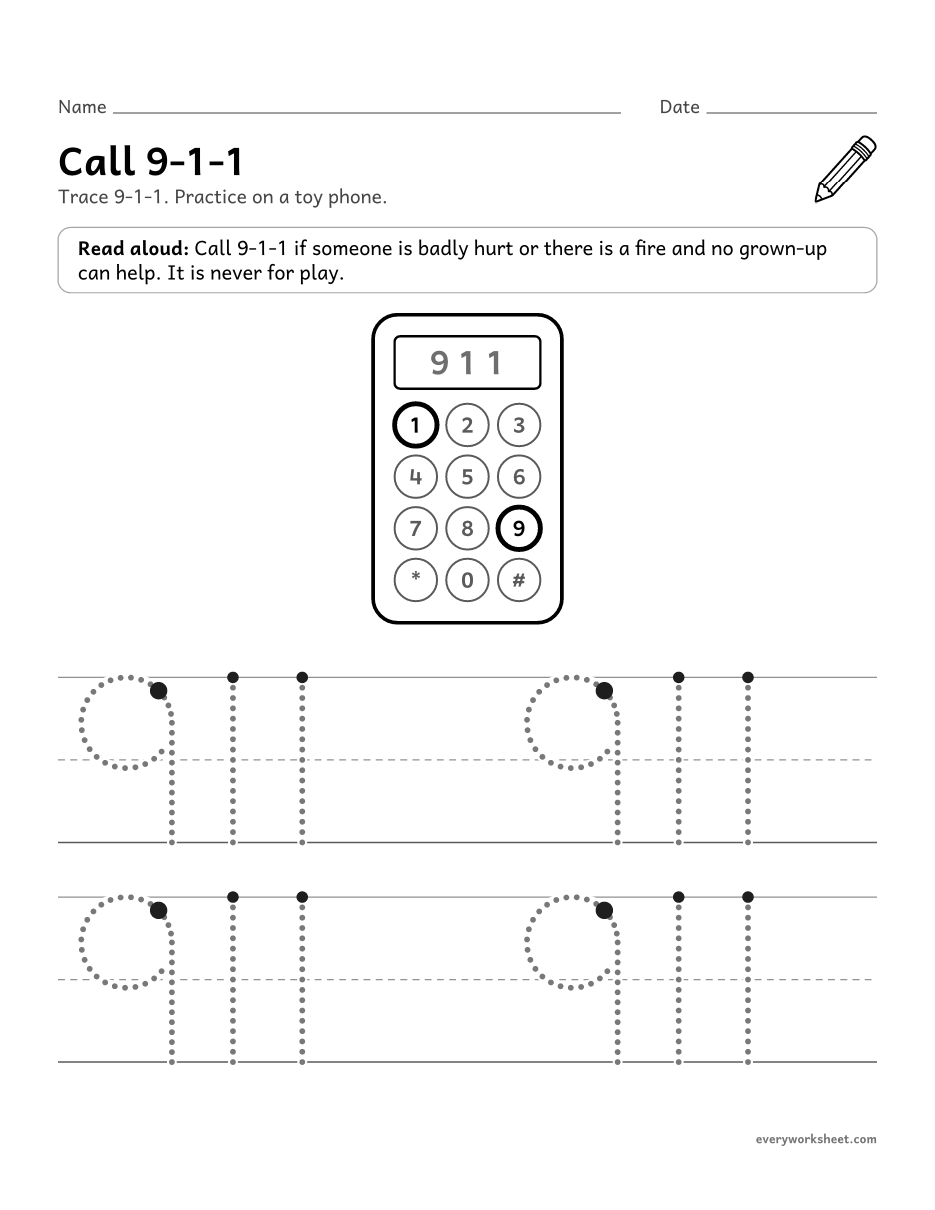
Young children learn safety rules best with clear pictures and lots of practice. These pages cover the safety basics most preschools teach: hot things can hurt, red means stop and green means go, a stop sign means stop and wait, and 9-1-1 is the number for a real emergency.
The safe or not safe sort brings it together. Children look at everyday moments, like wearing a helmet on a bike or running into the street after a ball, and decide which choices keep them safe.
ELOF P-PMP 6Child demonstrates knowledge of personal safety practices and routines.ELOF P-ATL 2Child follows classroom rules and routines with increasing independence.ELOF P-ATL 5Child demonstrates an increasing ability to control impulses.ELOF P-SCI 3Child compares and categorizes observable phenomena.Hot things can hurt, hold a grown-up's hand near streets, stop at the curb, wear a helmet on a bike, ride buckled in a car seat and call 9-1-1 only in a real emergency.
Yes. Children can learn the number and that it is for a real emergency when no grown-up can help. Practice only on a toy phone.
Yes. Hot! Don't Touch and the safe or not safe sorts have an answer key on page 2.