 View all 2 pages
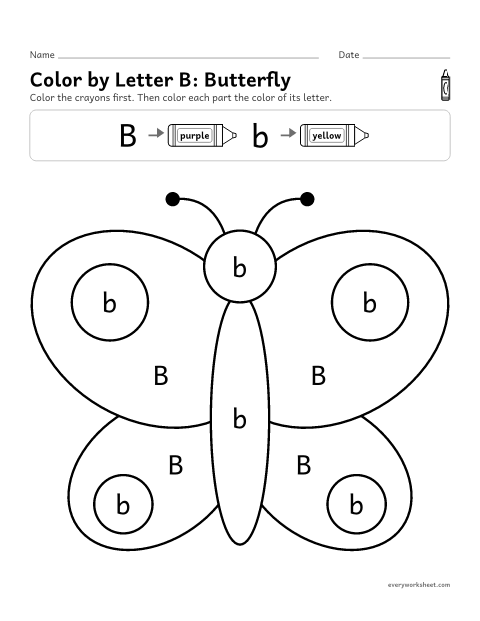
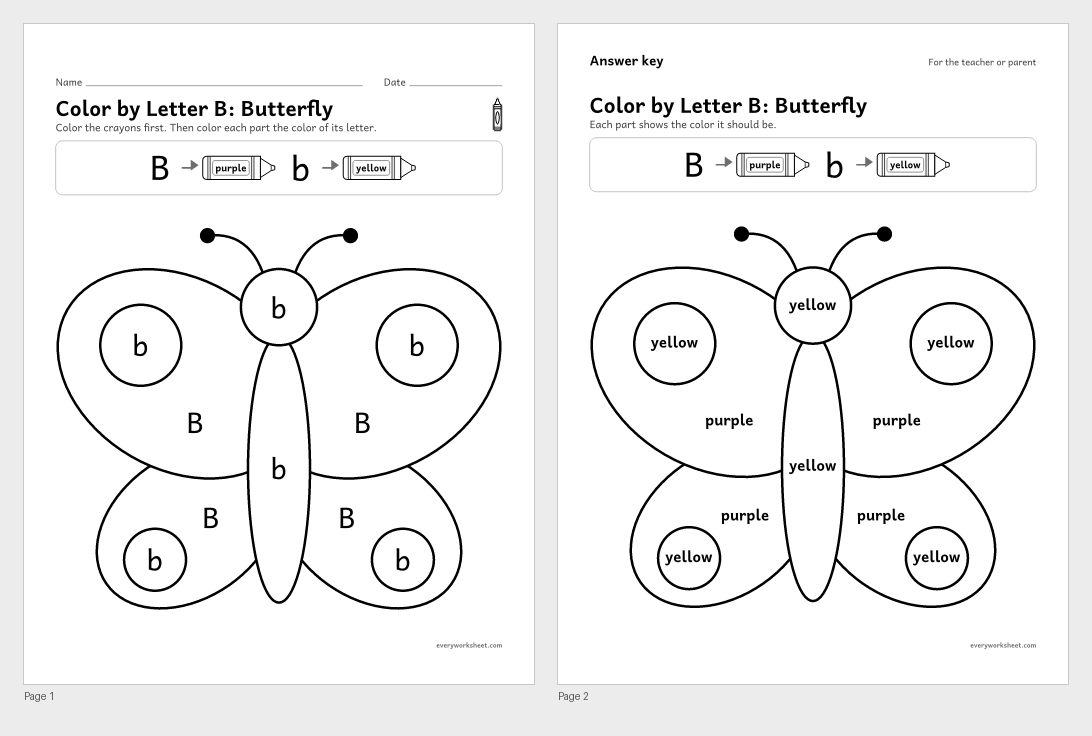
Color by letter B: butterfly
Telling uppercase B from lowercase b
Answer key on page 2
2 pages46 KB
Big, simple pictures with a letter in every part and a crayon key, from one letter in two cases to matching big and small letters.
View all 2 pagesTelling uppercase B from lowercase b
Answer key on page 2
2 pages46 KB
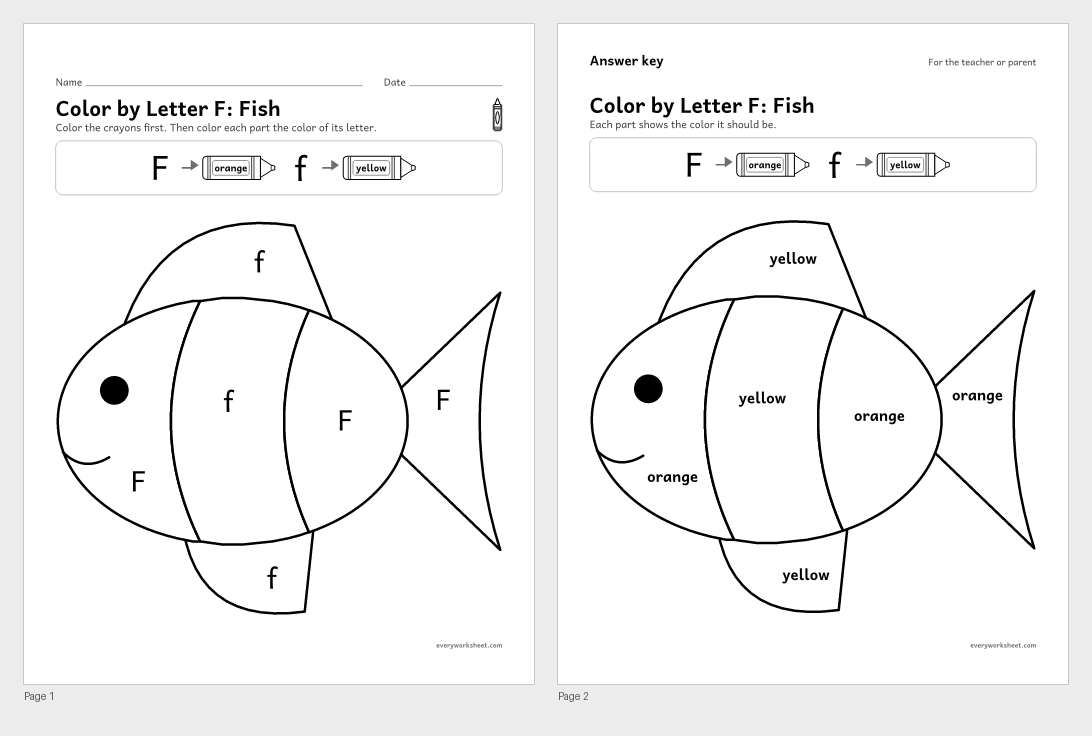 View all 2 pages
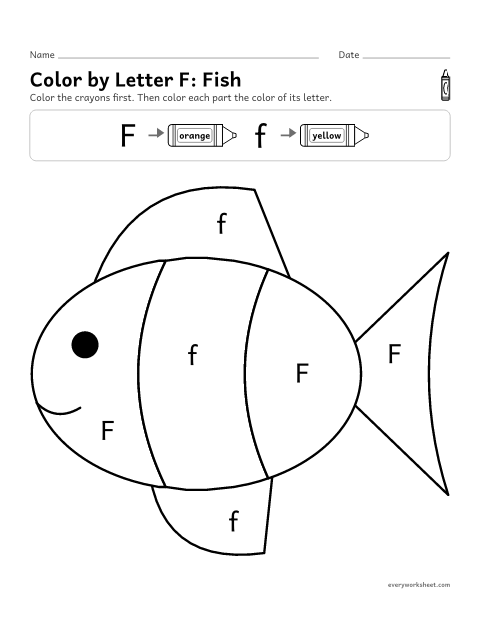
Telling uppercase F from lowercase f
Answer key on page 2
2 pages40 KB
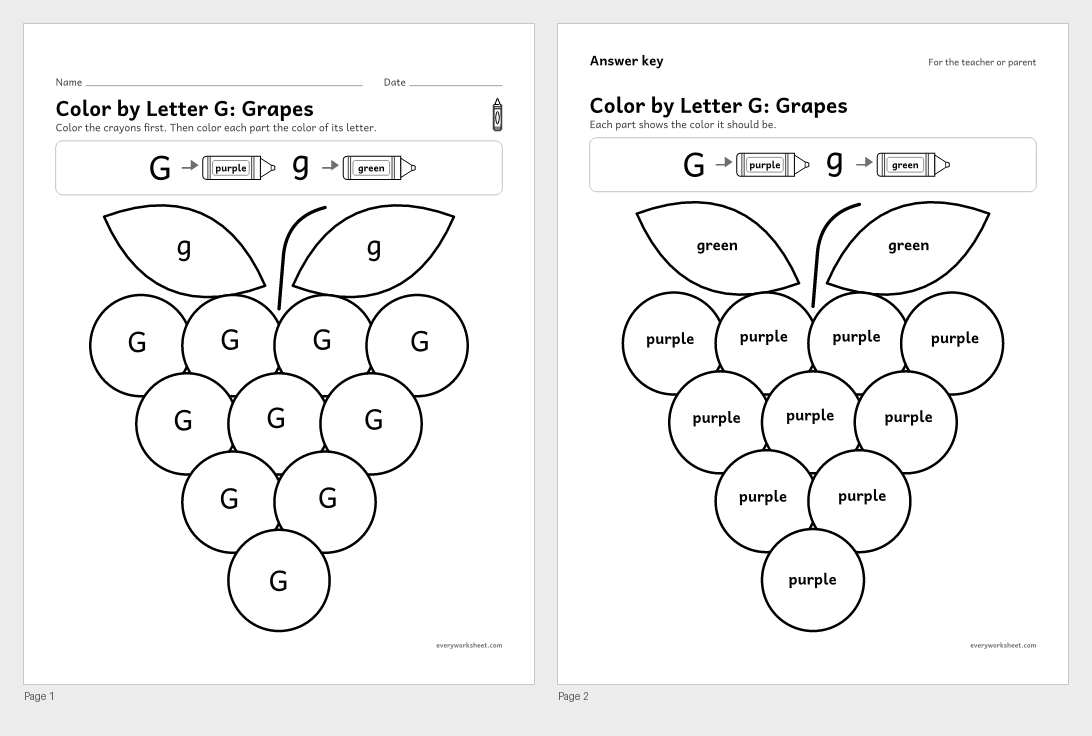 View all 2 pages
Telling uppercase G from lowercase g
Answer key on page 2
2 pages44 KB
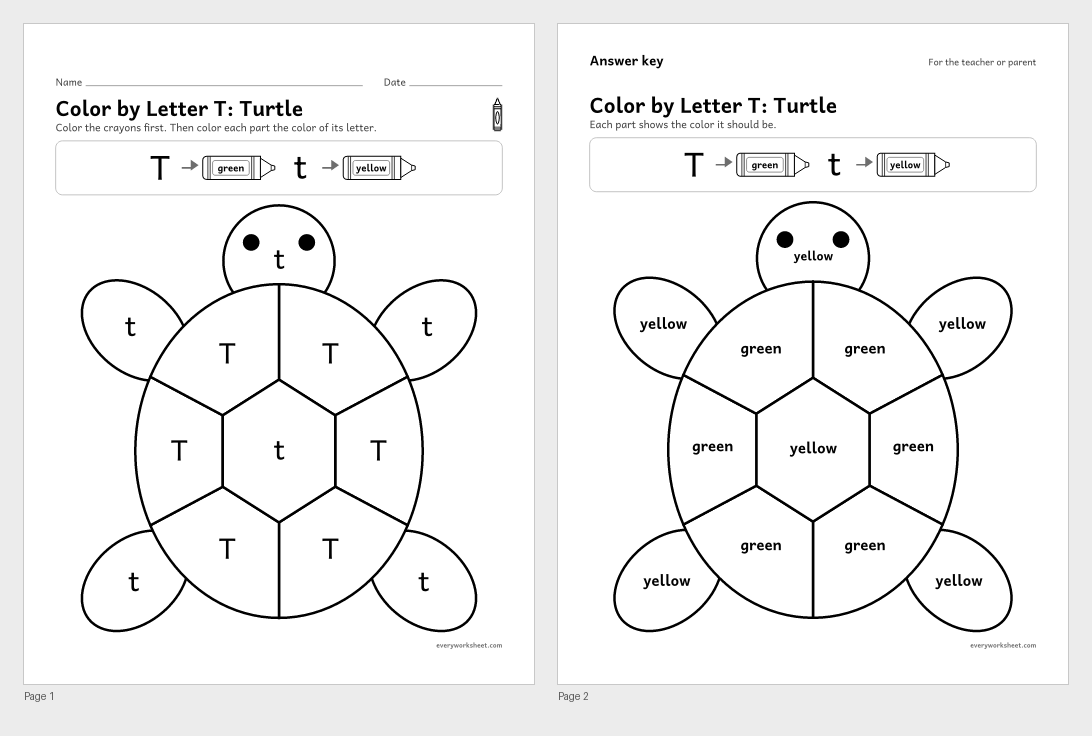 View all 2 pages
Telling uppercase T from lowercase t
Answer key on page 2
2 pages41 KB
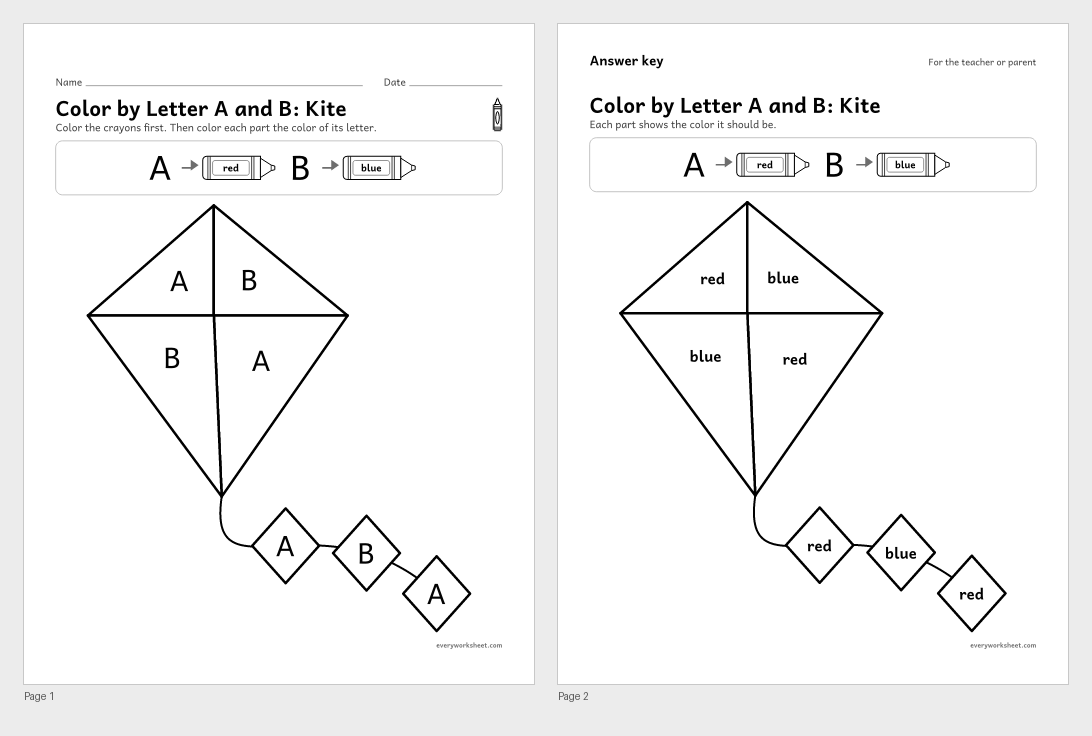 View all 2 pages
Telling uppercase A and B apart
Answer key on page 2
2 pages36 KB
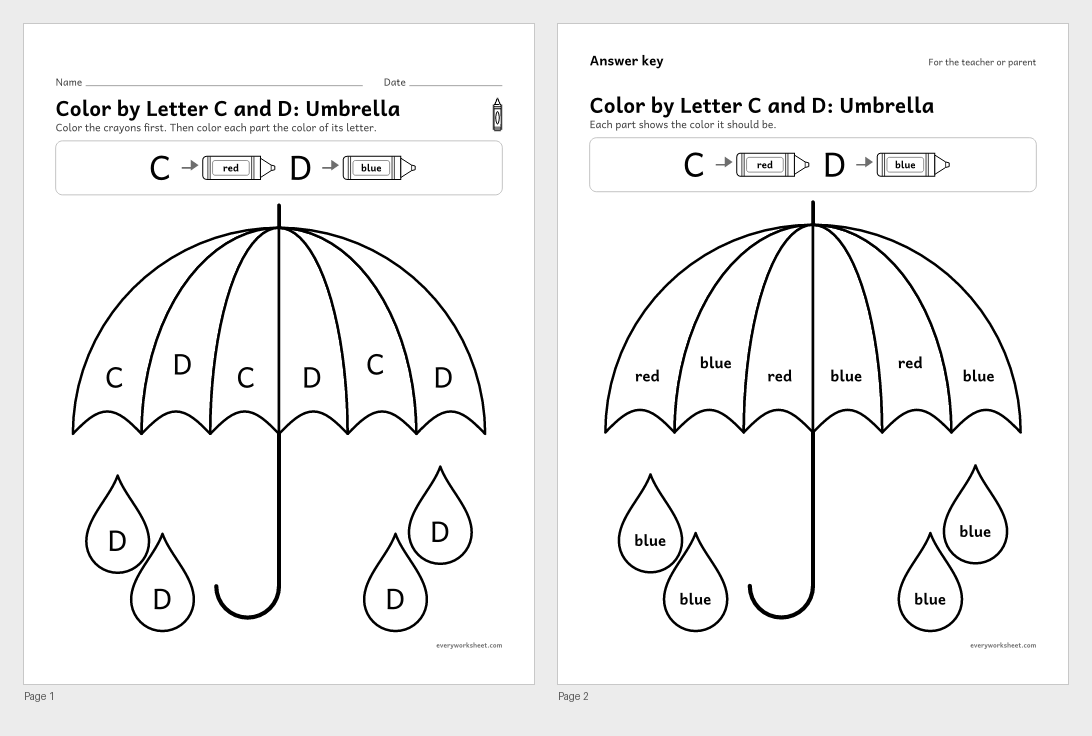 View all 2 pages
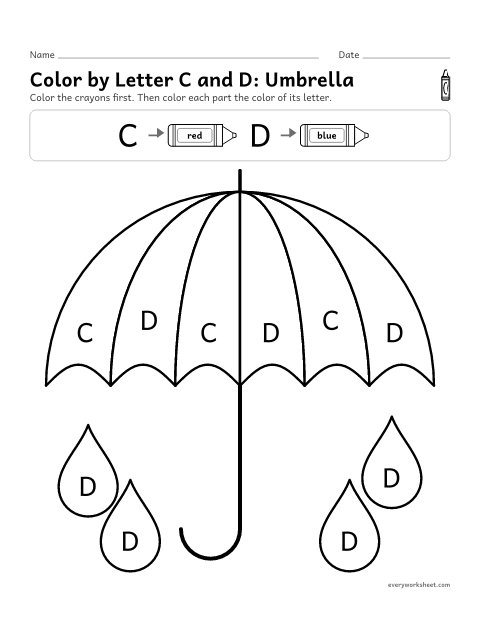
Telling uppercase C and D apart
Answer key on page 2
2 pages42 KB
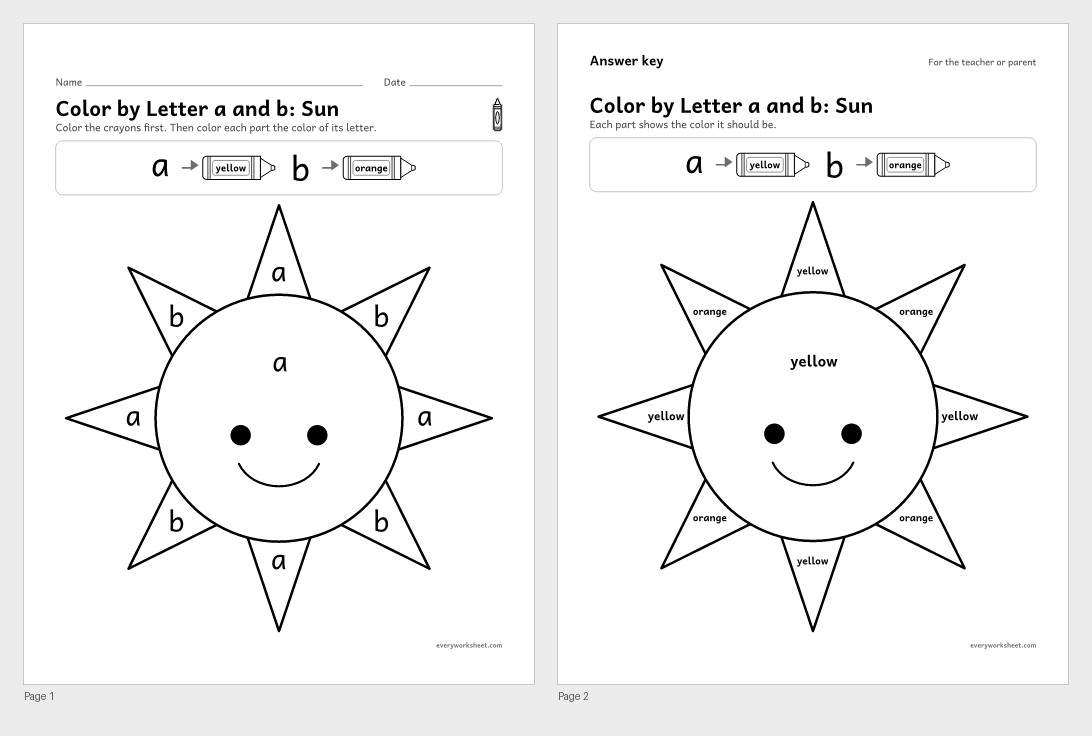 View all 2 pages
Telling lowercase a and b apart
Answer key on page 2
2 pages36 KB
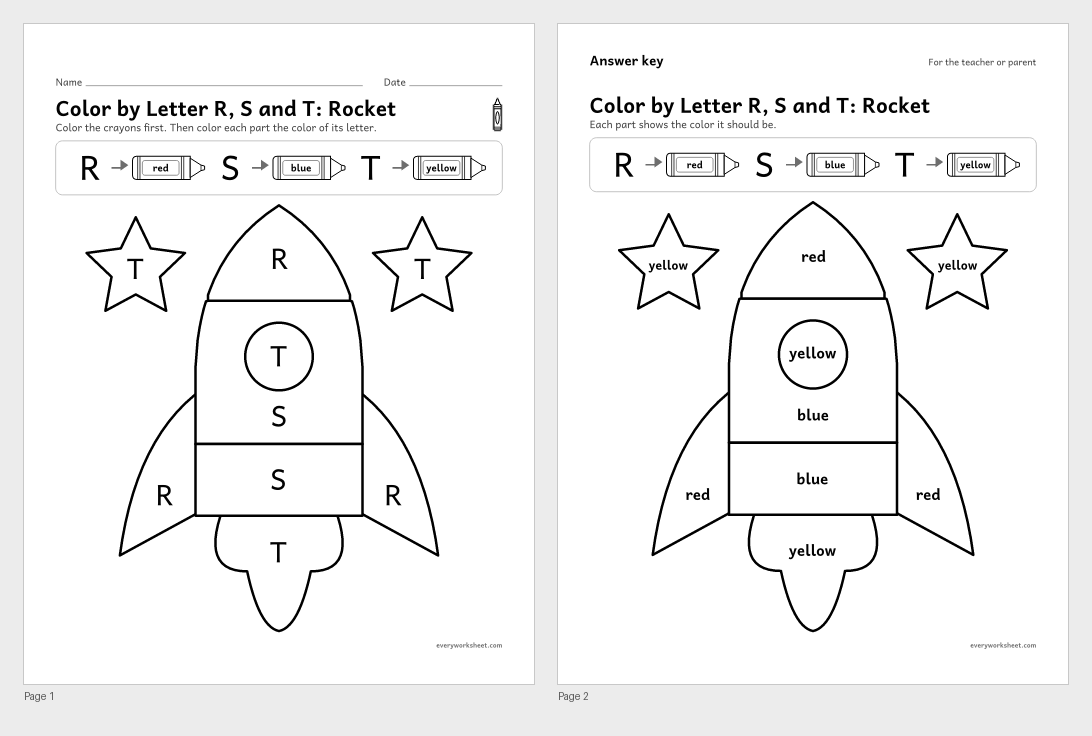 View all 2 pages
Telling uppercase R, S and T apart
Answer key on page 2
2 pages42 KB
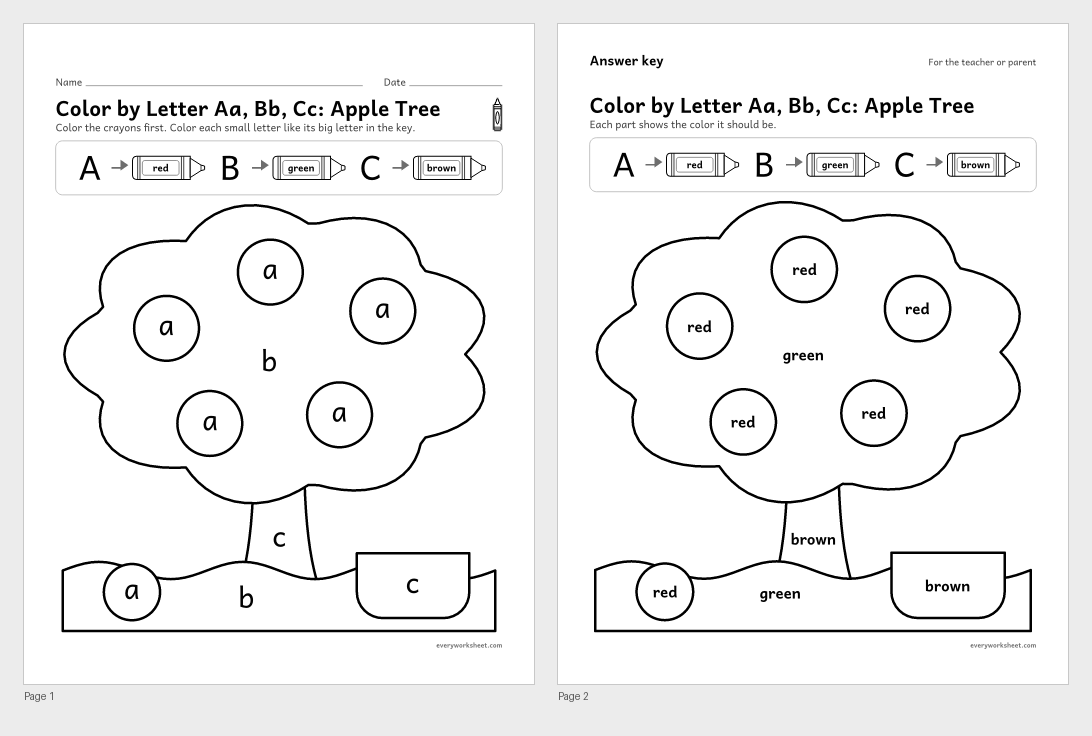 View all 2 pages
Matching lowercase a, b and c to uppercase A, B and C
Answer key on page 2
2 pages45 KB
 View all 2 pages
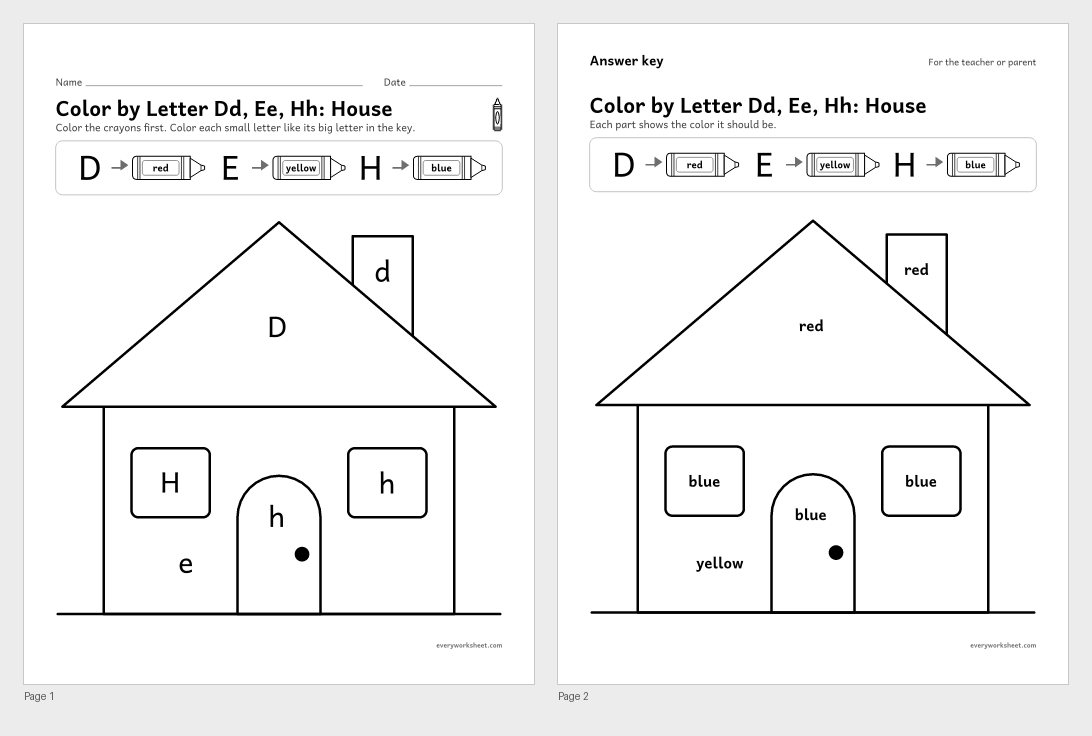
Matching uppercase and lowercase D, E and H
Answer key on page 2
2 pages36 KB
 View all 2 pages
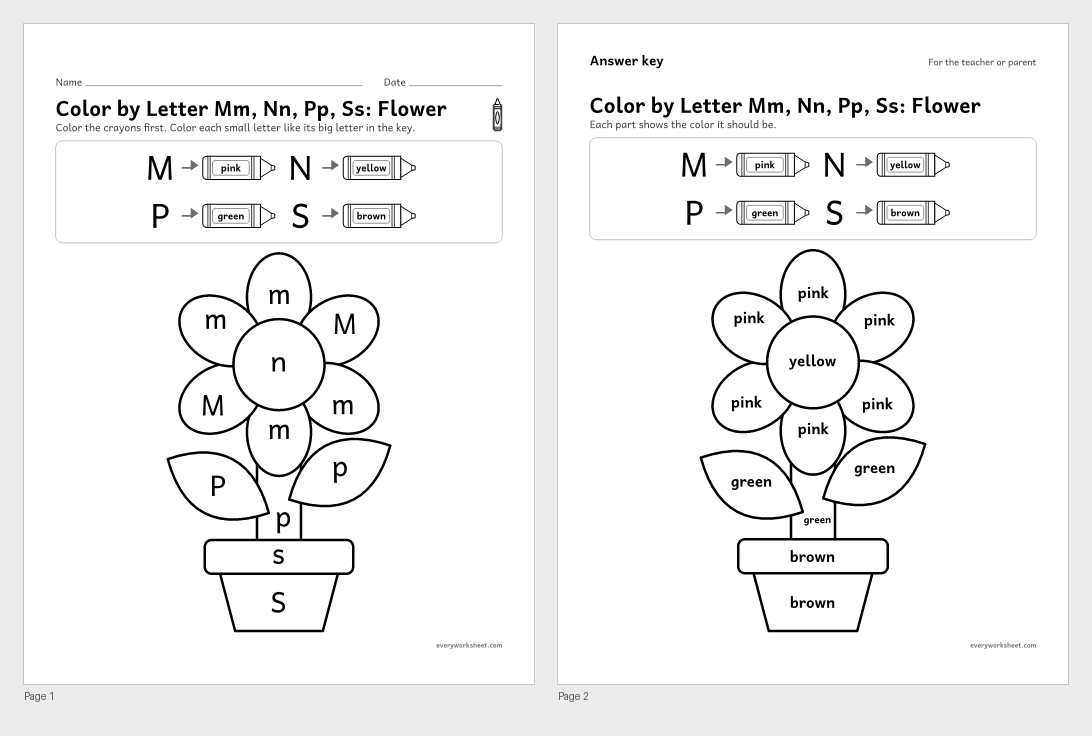
Matching uppercase and lowercase M, N, P and S
Answer key on page 2
2 pages44 KB
Print at 100% (actual size) for the cleanest tracing lines.
Color by letter is a favorite way for preschoolers to practice letter names, because the reward is right there on the page. Each picture is split into a few large parts, and every part has one letter in it. Children find the letter in the color key, pick up that crayon and fill the part in until the whole picture appears.
The pages build slowly. The first set uses one letter in both cases, such as B and b on a butterfly, so children notice that a letter has a big and a small form. Next come two or three letters on one picture, like A and B on a kite or R, S and T on a rocket. The last set is the hardest: the key shows only big letters, and the picture has small letters (or a mix) that children must match.
Every part is big enough for a 3 or 4 year old with a fat crayon, with thick black outlines and plenty of white space. Children who cannot read color words color each crayon in the key first, so they can match by color. An answer key on page 2 shows the color of every part.
ELOF P-LIT 3Child identifies letters of the alphabet and produces correct sounds associated with letters.ELOF P-PMP 3Child demonstrates increasing control, strength, and coordination of small muscles.It is a picture split into parts, each with a letter in it. A key matches each letter to a color. Children name the letter, find its color and color that part until the picture is done.
Yes. Color each crayon in the key first, together. Then children match the letter to the crayon by its color, not by reading the word.
Yes. Page 2 of every worksheet shows the same picture with the right color word in each part.