 View larger
Worksheets for 4 Year Olds
Hand-picked pre-K pages for four-year-olds: letters and sounds, counting to 10, patterns, cutting, mazes and dot-to-dots.
Download the worksheets for 4 year olds worksheets
Letters
 View larger
 View all 2 pages
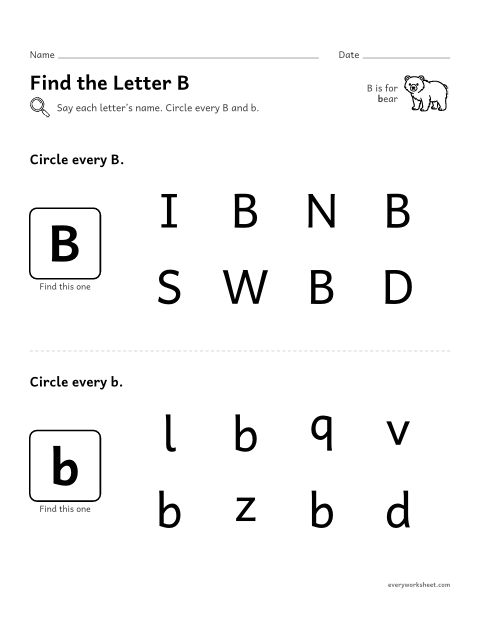
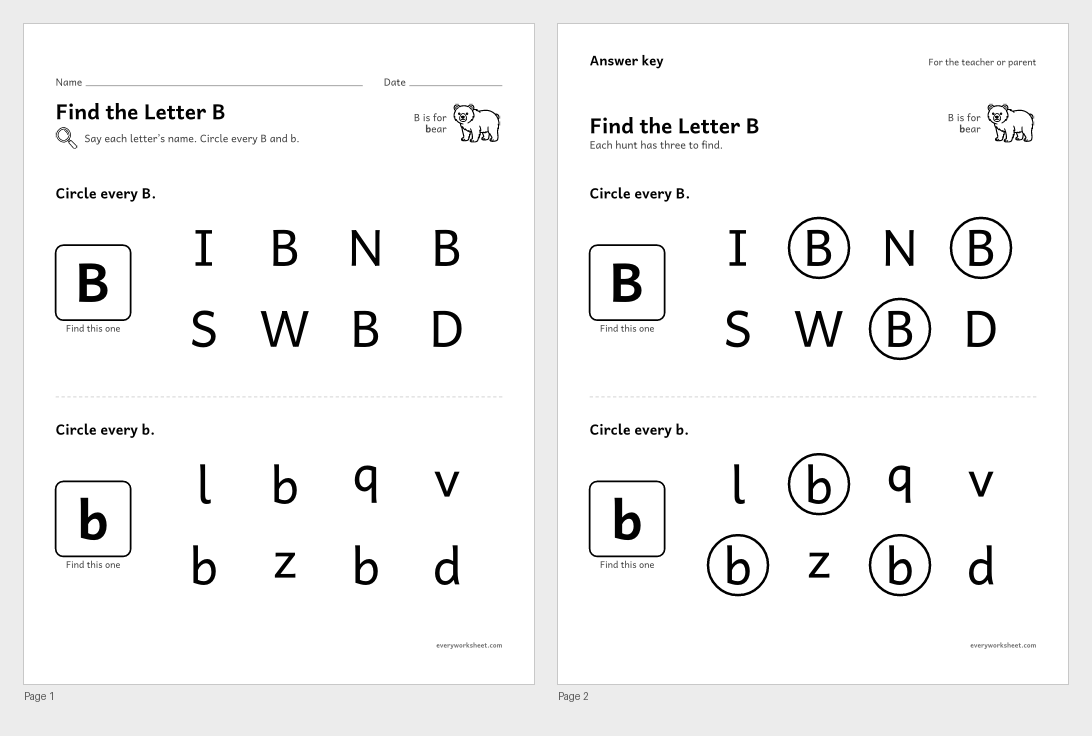
Find the letter B
Finding B and b among other letters
Answer key on page 2
2 pages81 KB
 26 pagesView all 26 pages
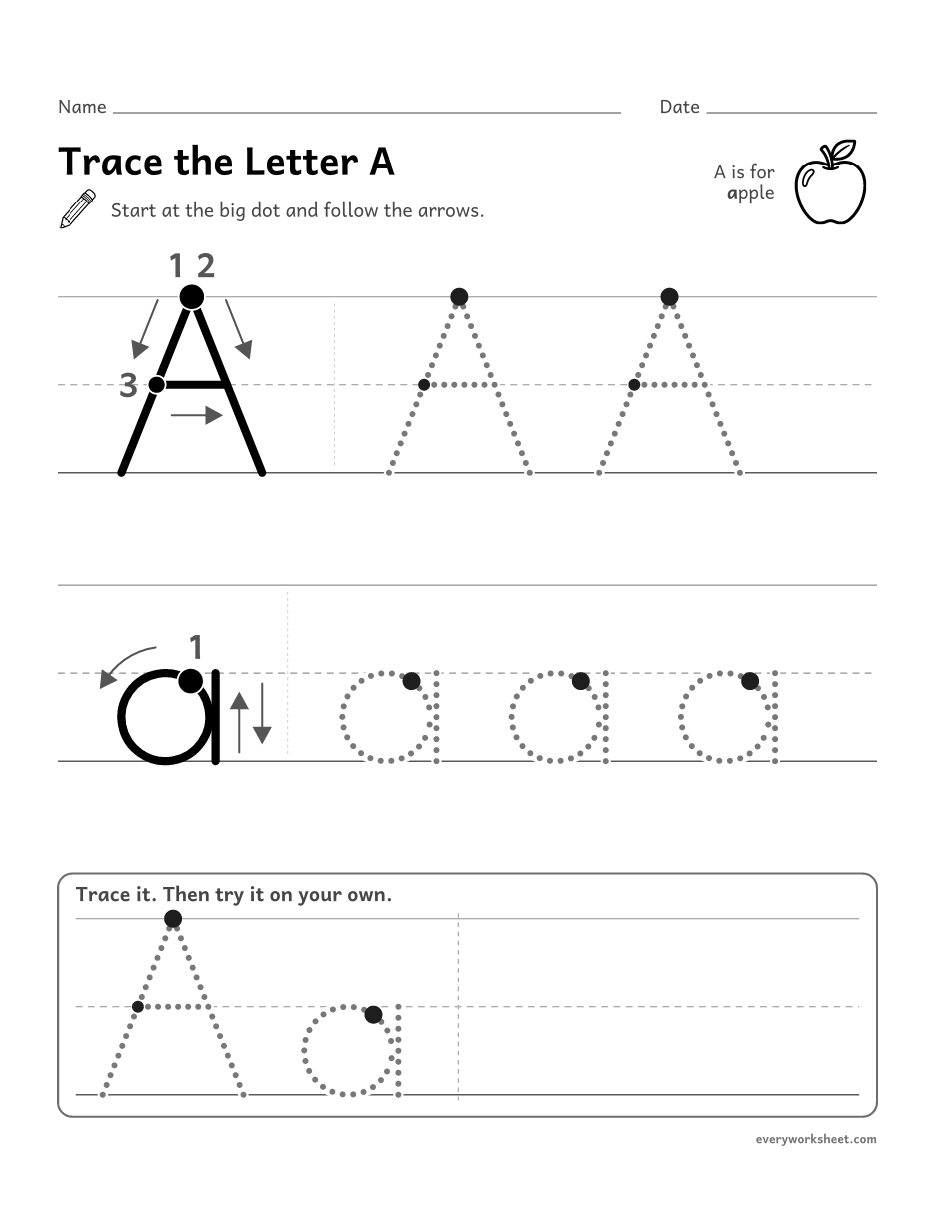
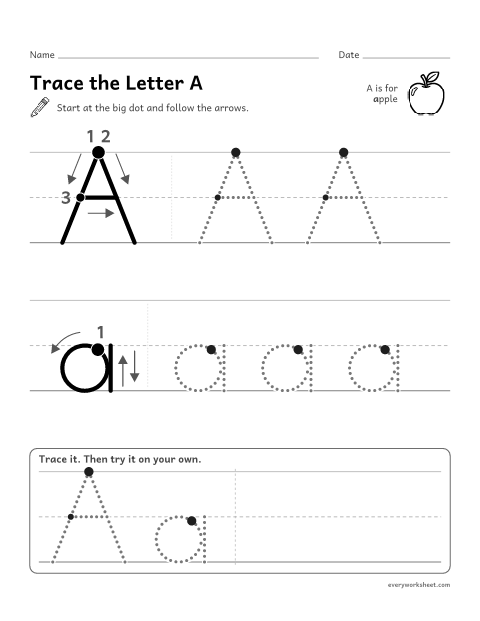
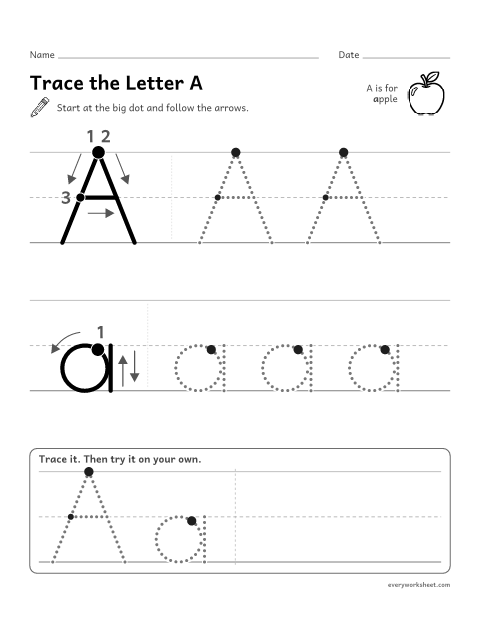
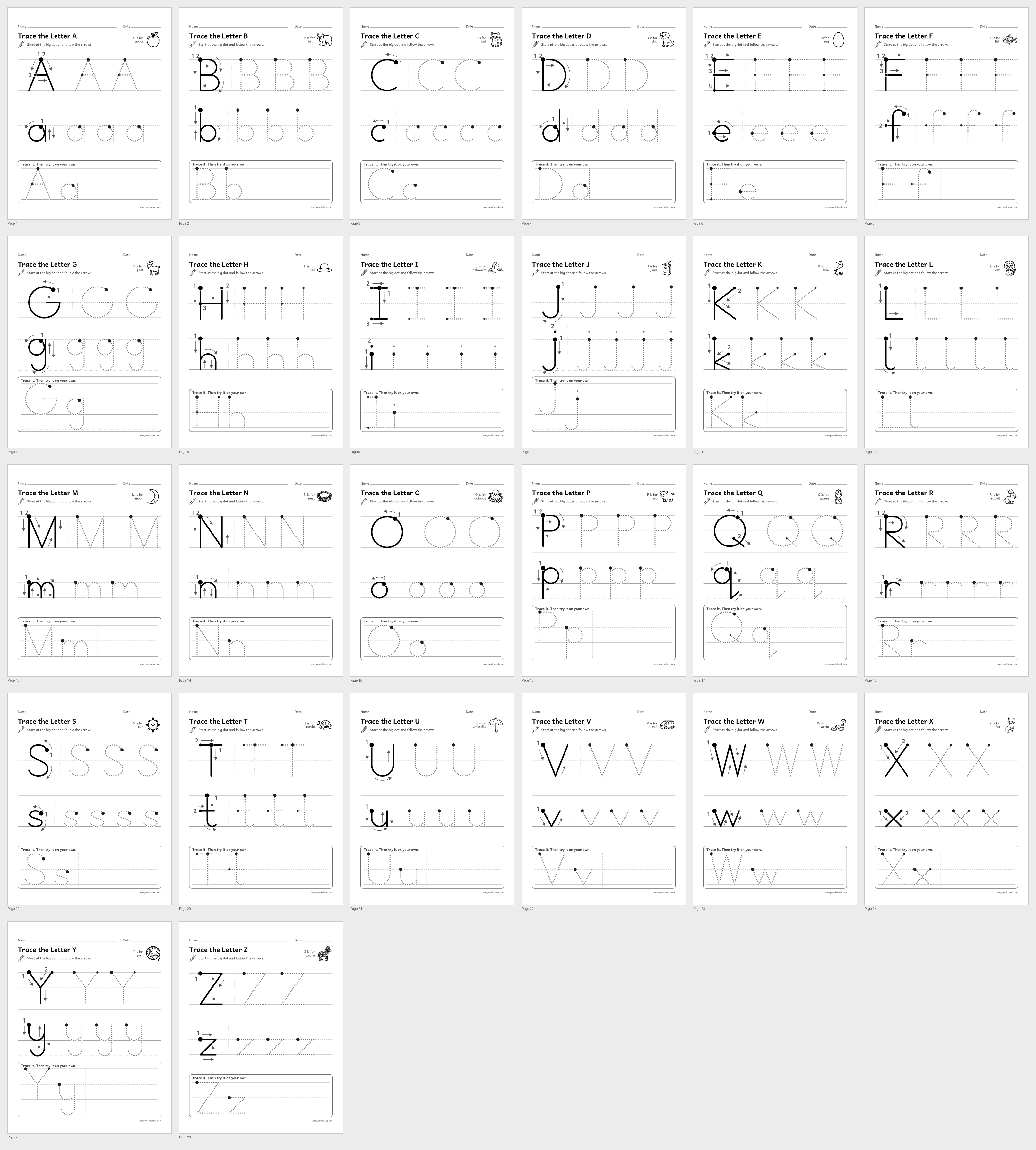
Alphabet tracing pages
Tracing big uppercase and lowercase letters, A to Z
26 pages887 KB
 View all 2 pages
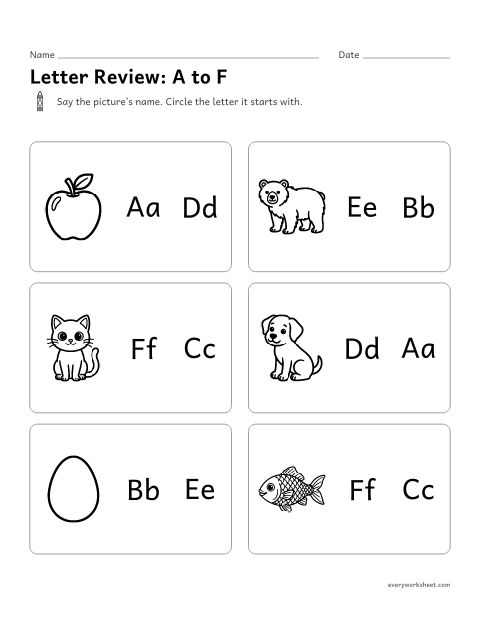
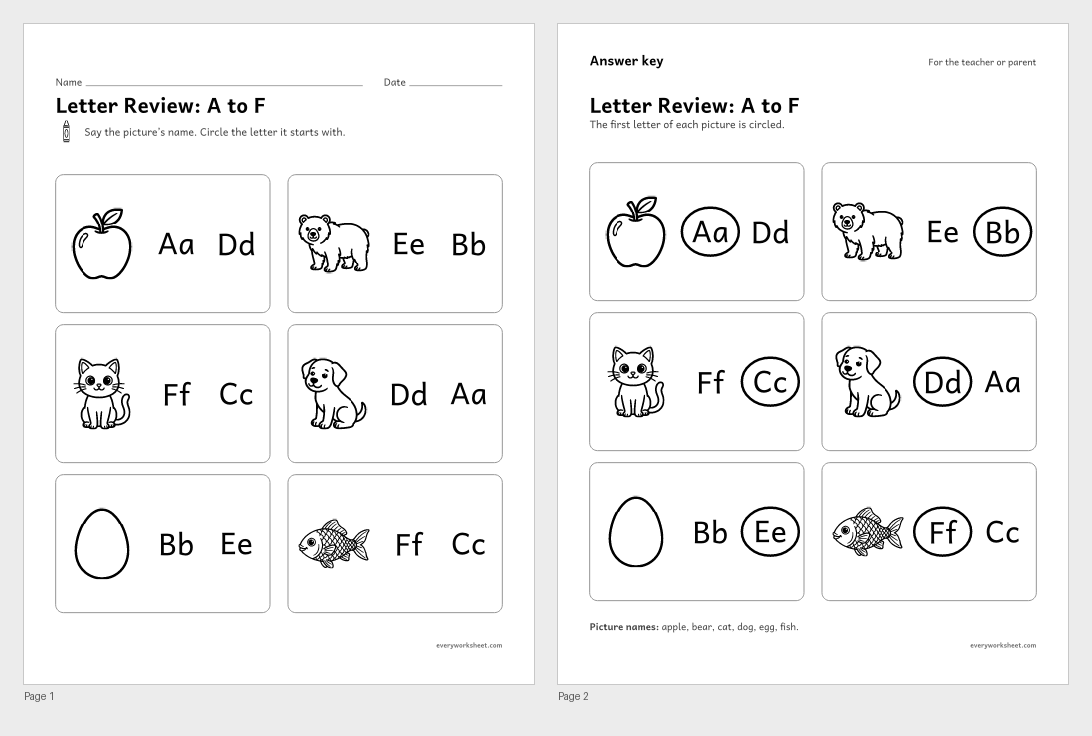
Letter Review: A to F
Matching a picture to the letter it starts with
Answer key on page 2
2 pages225 KB
 View all 2 pages
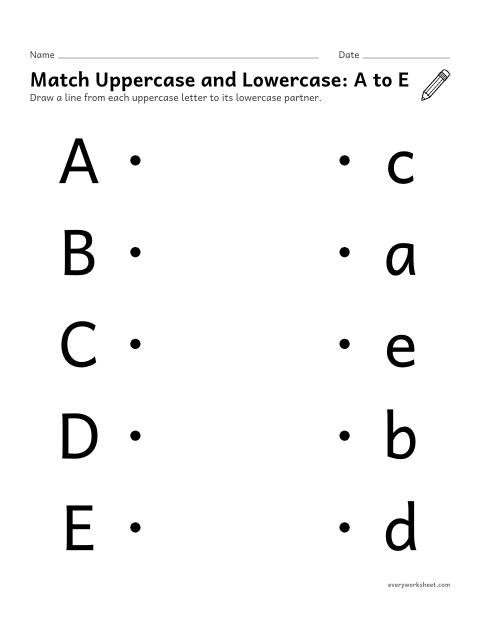
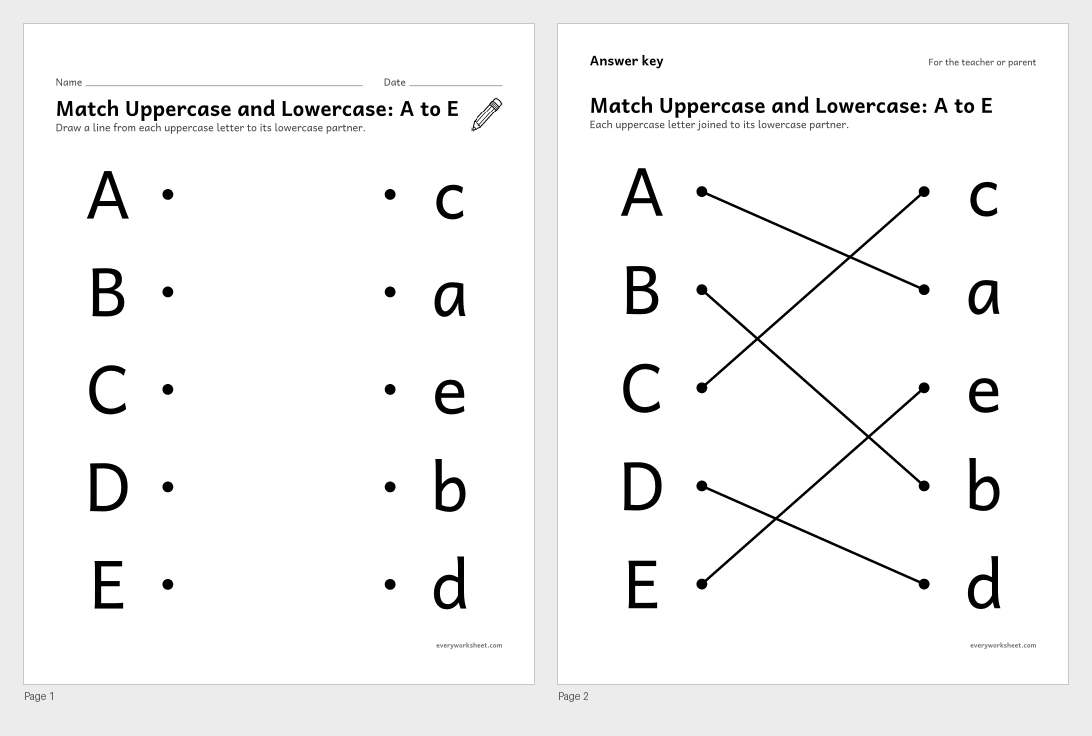
Match uppercase and Lowercase: A to E
Matching uppercase and lowercase letters A to E
Answer key on page 2
2 pages37 KB
 View all 2 pages
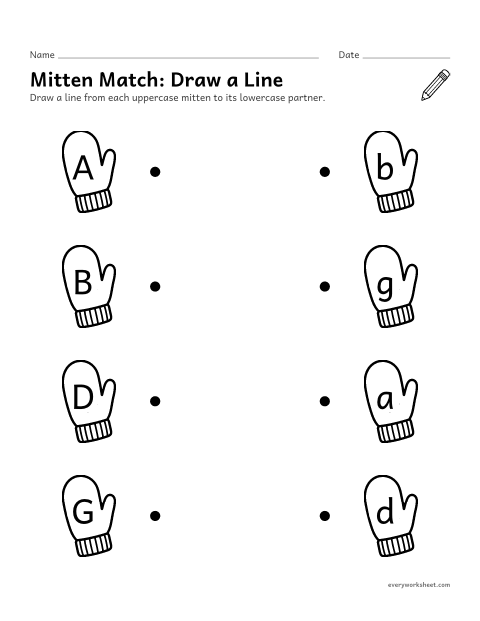
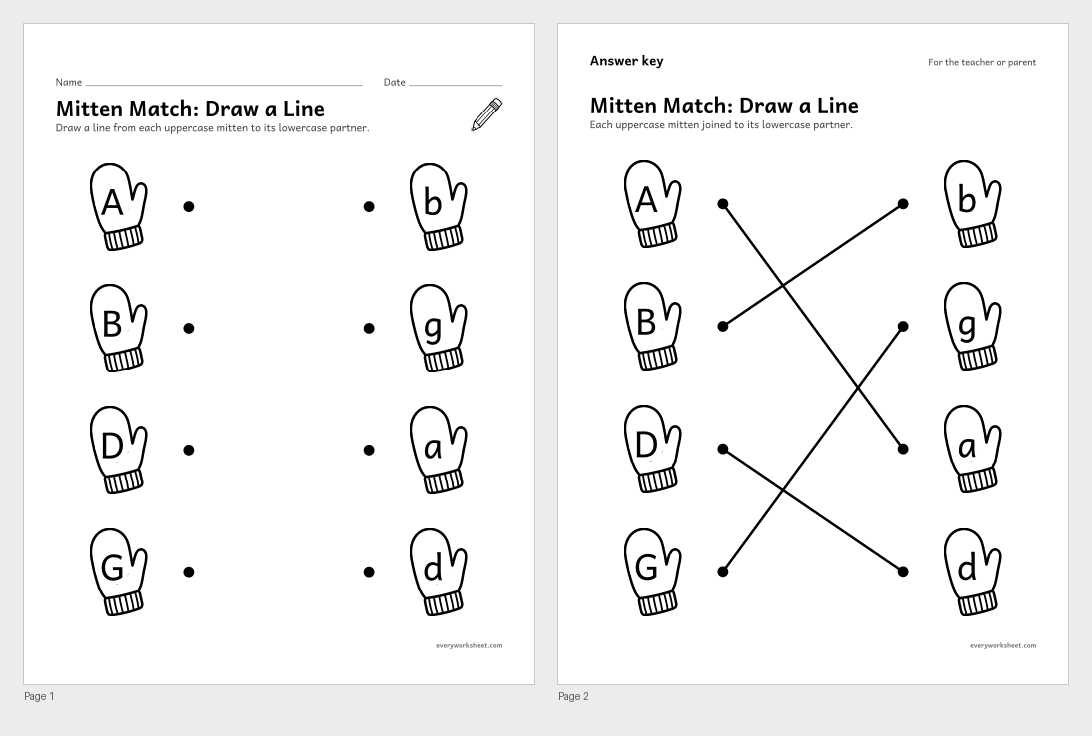
Mitten Match: draw a line
Matching uppercase and lowercase letters
Answer key on page 2
2 pages66 KB
Beginning sounds and rhyming
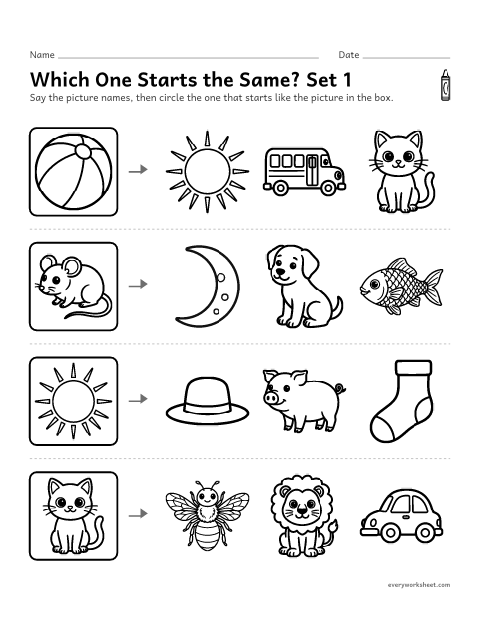 View all 2 pages
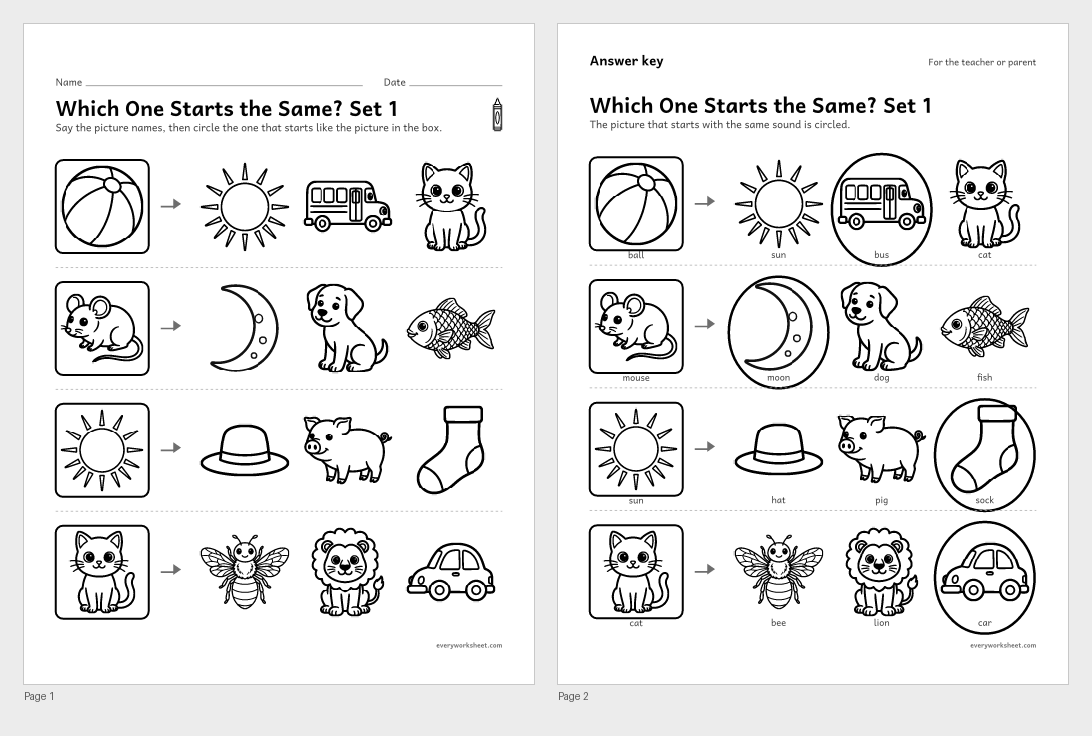
Which one starts the Same? set 1
Hearing which words start with the same sound
Answer key on page 2
2 pages501 KB
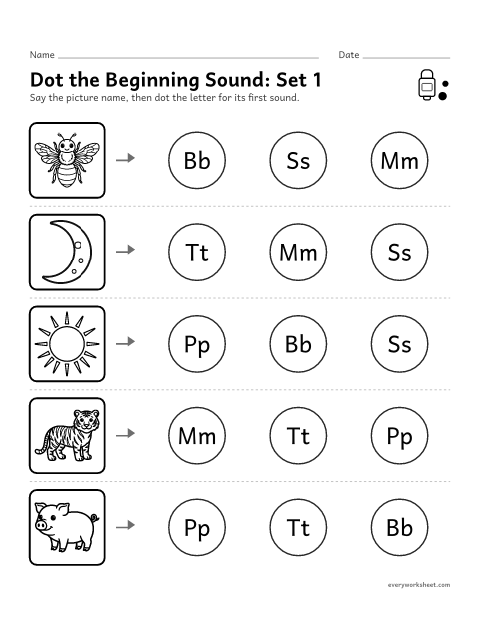 View all 2 pages
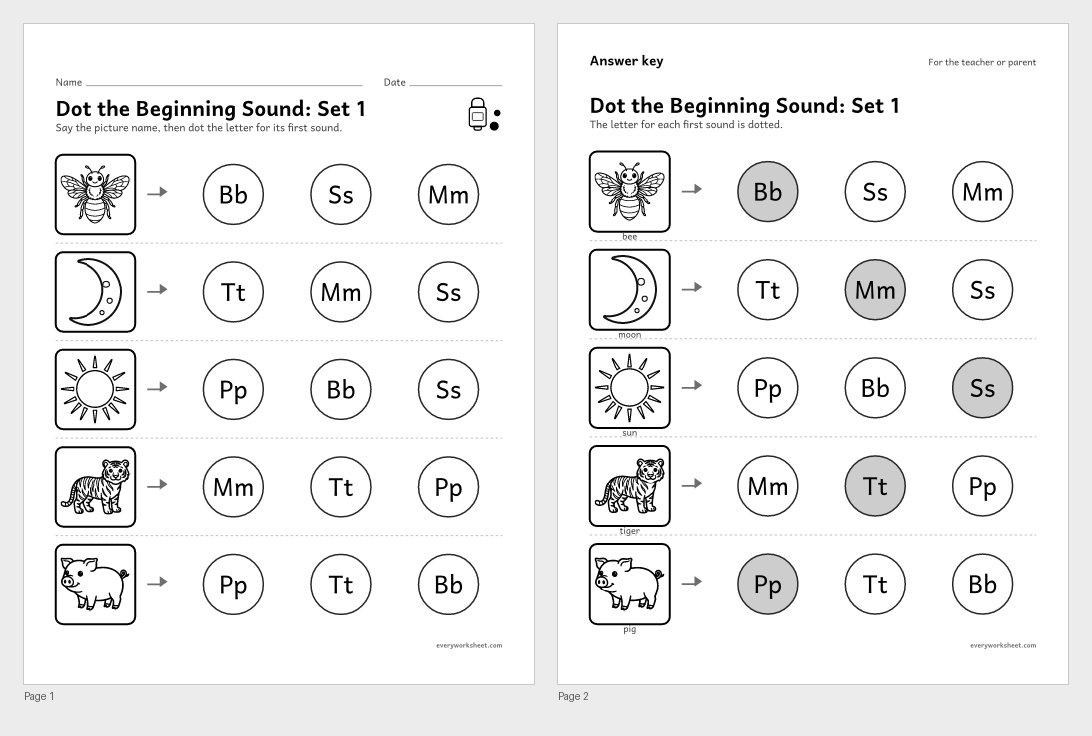
Dot the beginning Sound: set 1
Matching a picture's first sound to its letter
Answer key on page 2
2 pages190 KB
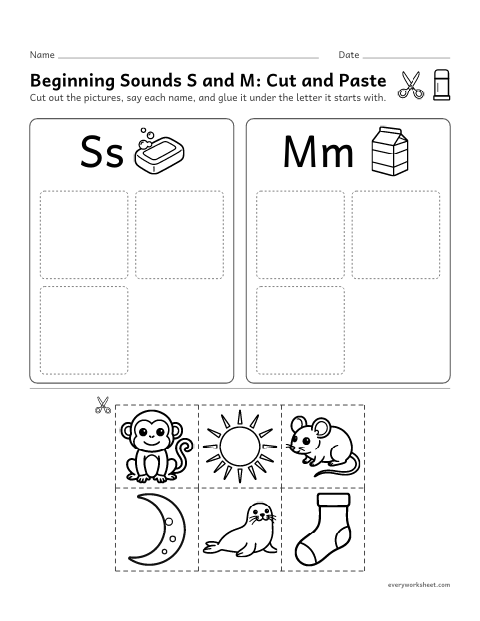 View all 2 pages
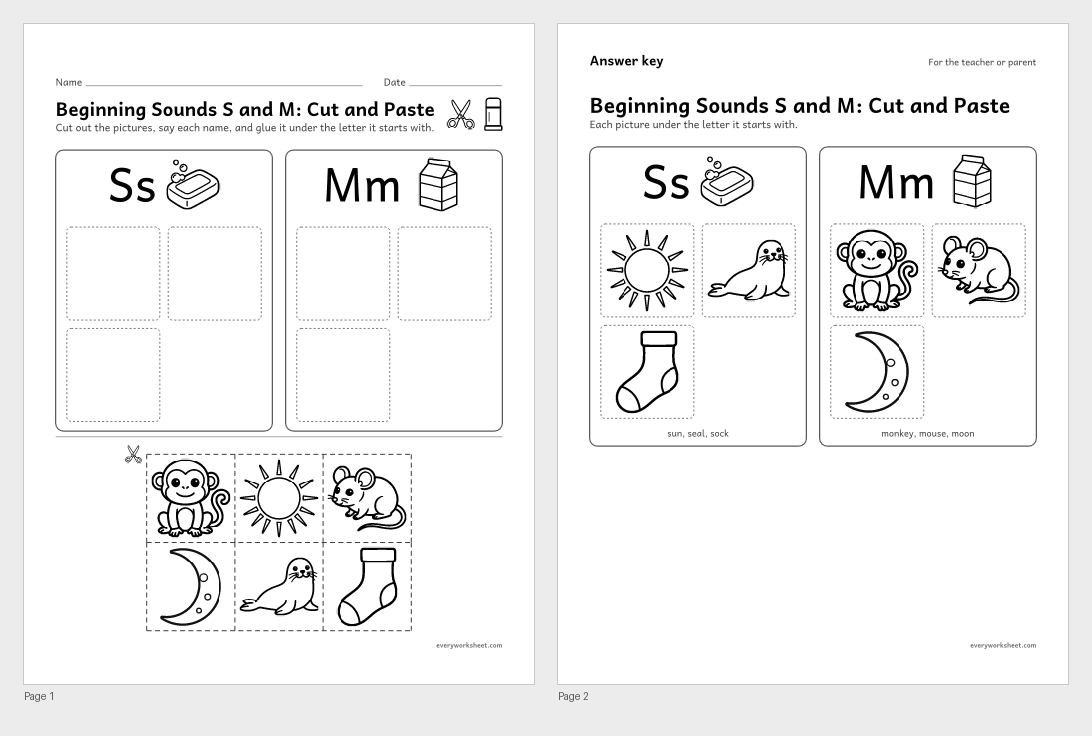
Beginning sounds S and M: cut and paste
Sorting pictures by their first sound, /s/ or /m/
Answer key on page 2
2 pages341 KB
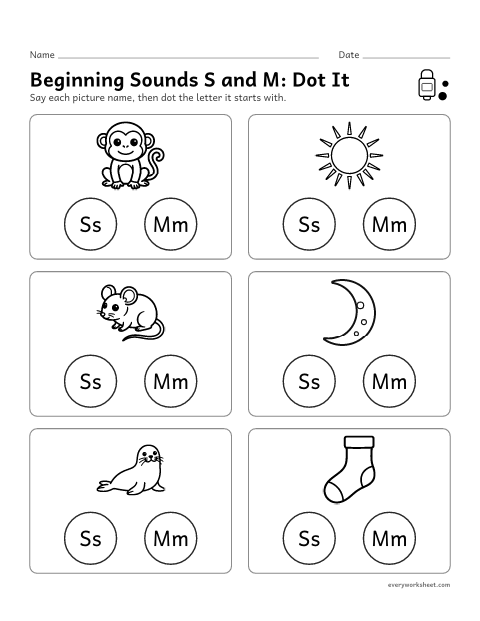 View all 2 pages
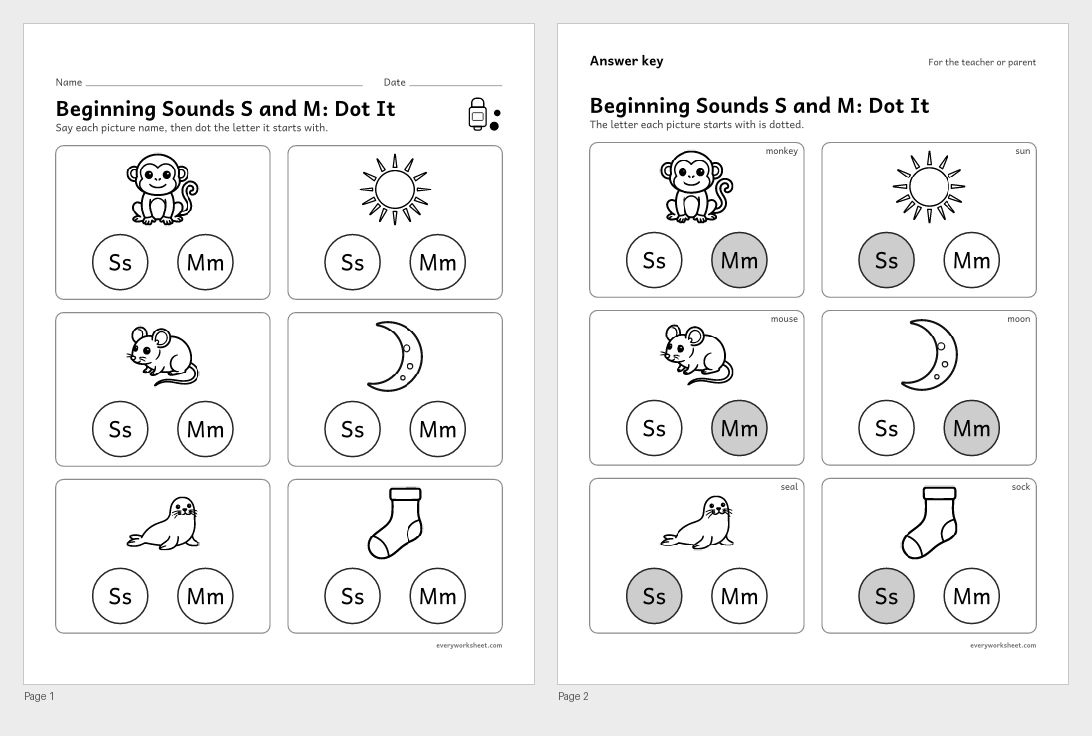
Beginning sounds S and M: dot it
Sorting pictures by their first sound, /s/ or /m/
Answer key on page 2
2 pages195 KB
 View all 2 pages
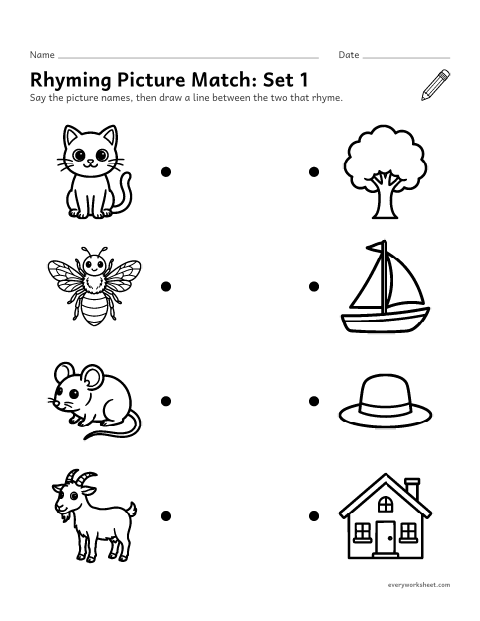
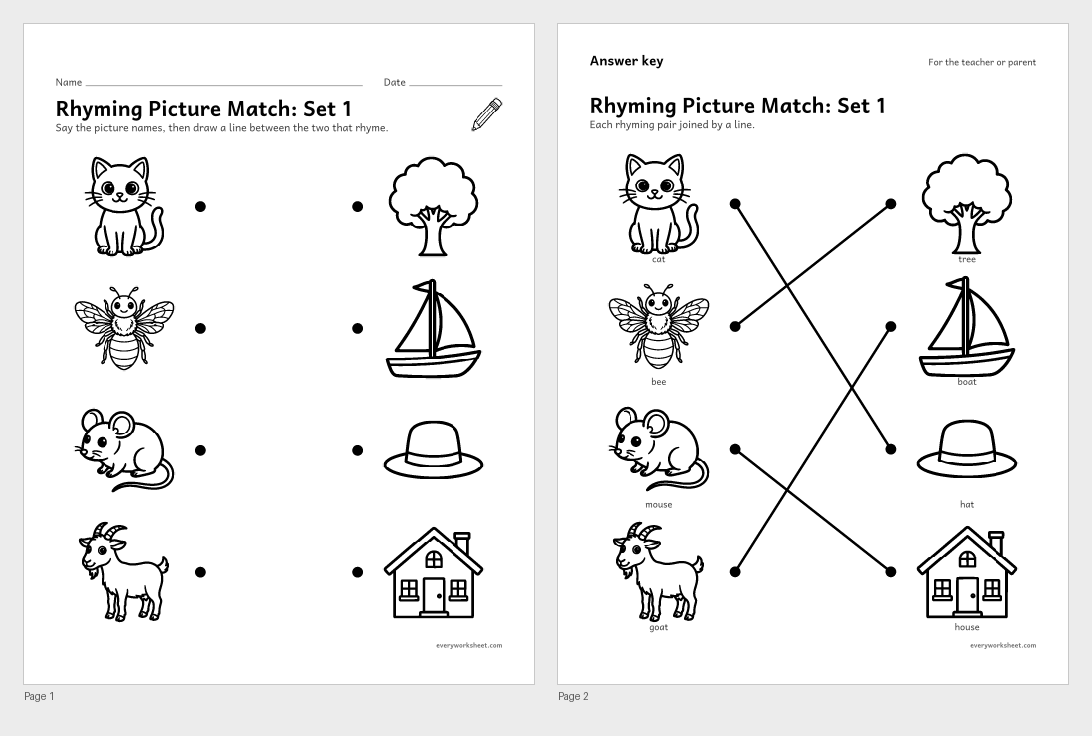
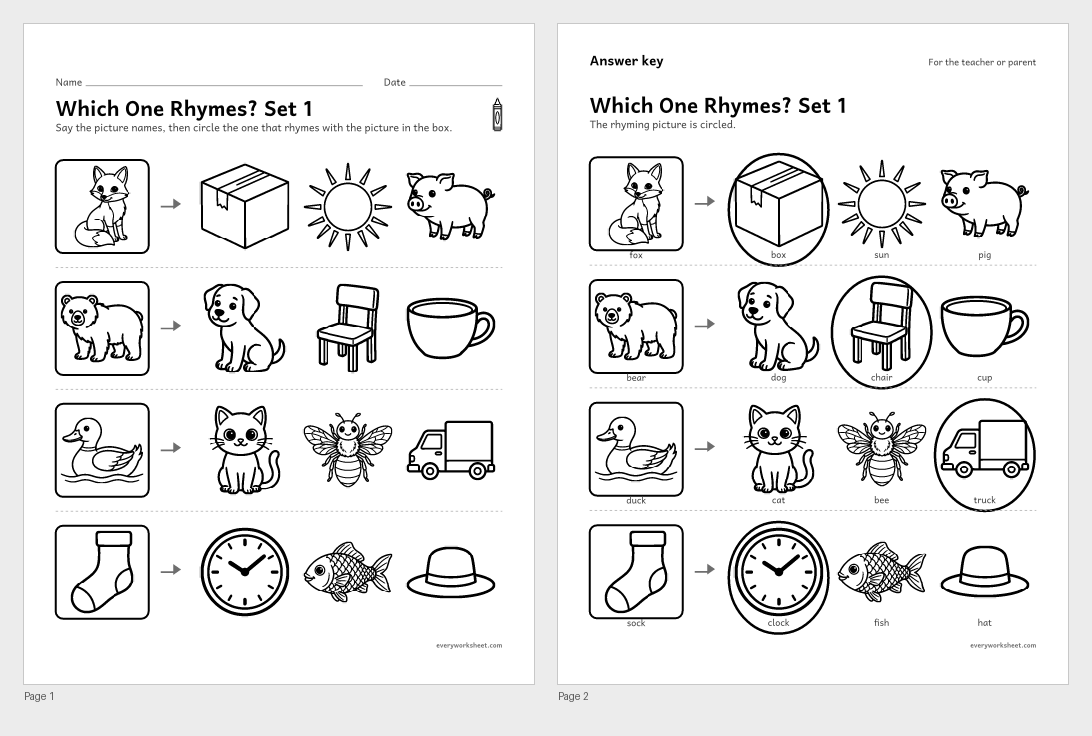
Rhyming picture Match: set 1
Matching pictures whose names rhyme
Answer key on page 2
2 pages291 KB
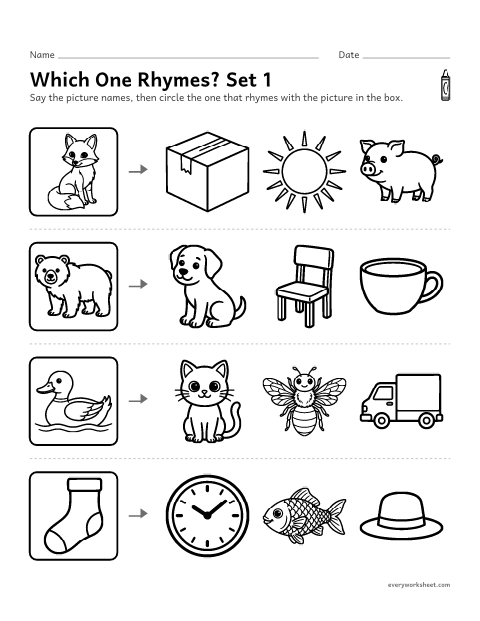 View all 2 pages
 View all 2 pages
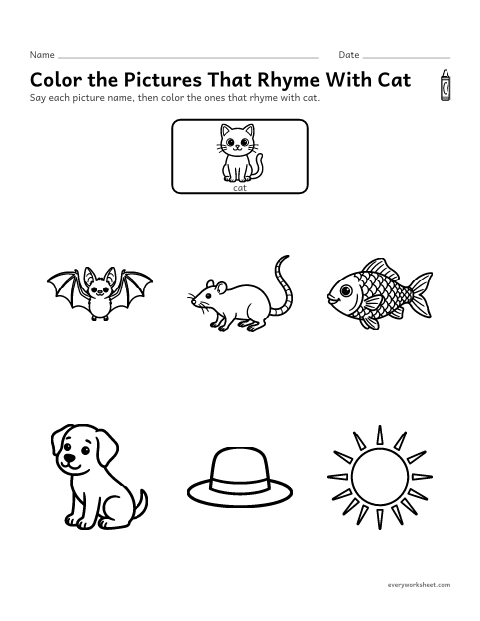
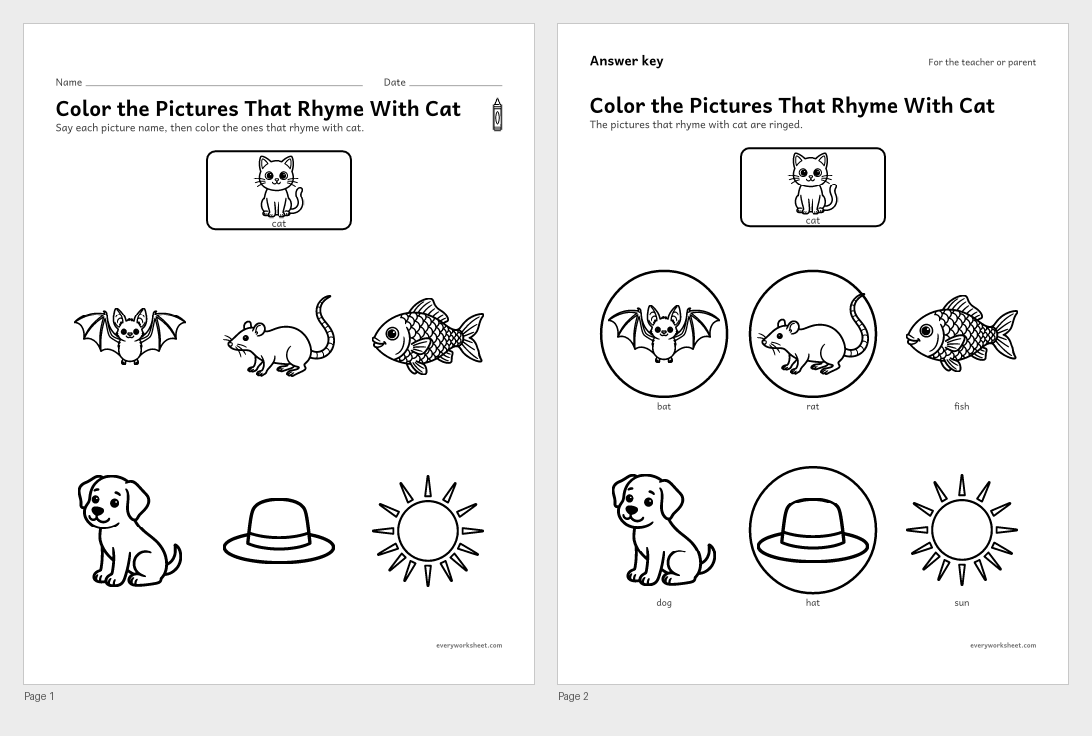
Color the pictures that rhyme with cat
Hearing words that rhyme with cat
Answer key on page 2
2 pages225 KB
Counting to 10
 View larger
 View all 2 pages
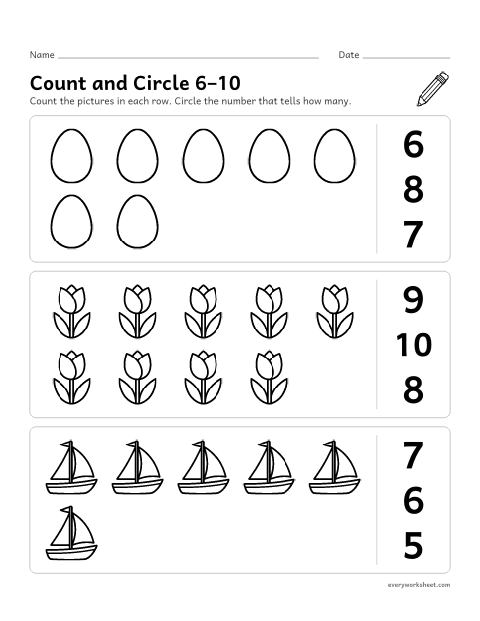
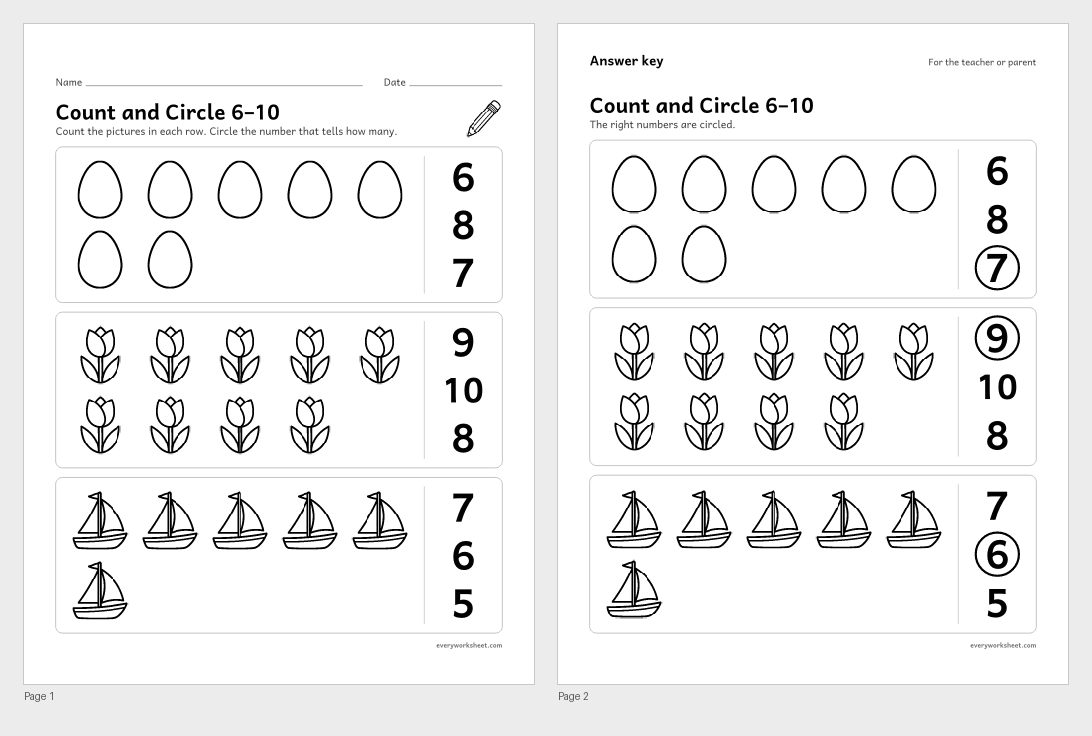
Count and circle 6–10
Counting groups of 6 to 10 and circling the number
Answer key on page 2
2 pages513 KB
 View all 2 pages
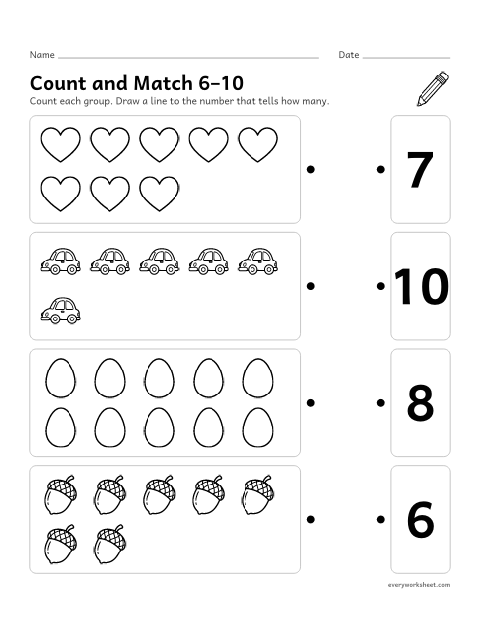
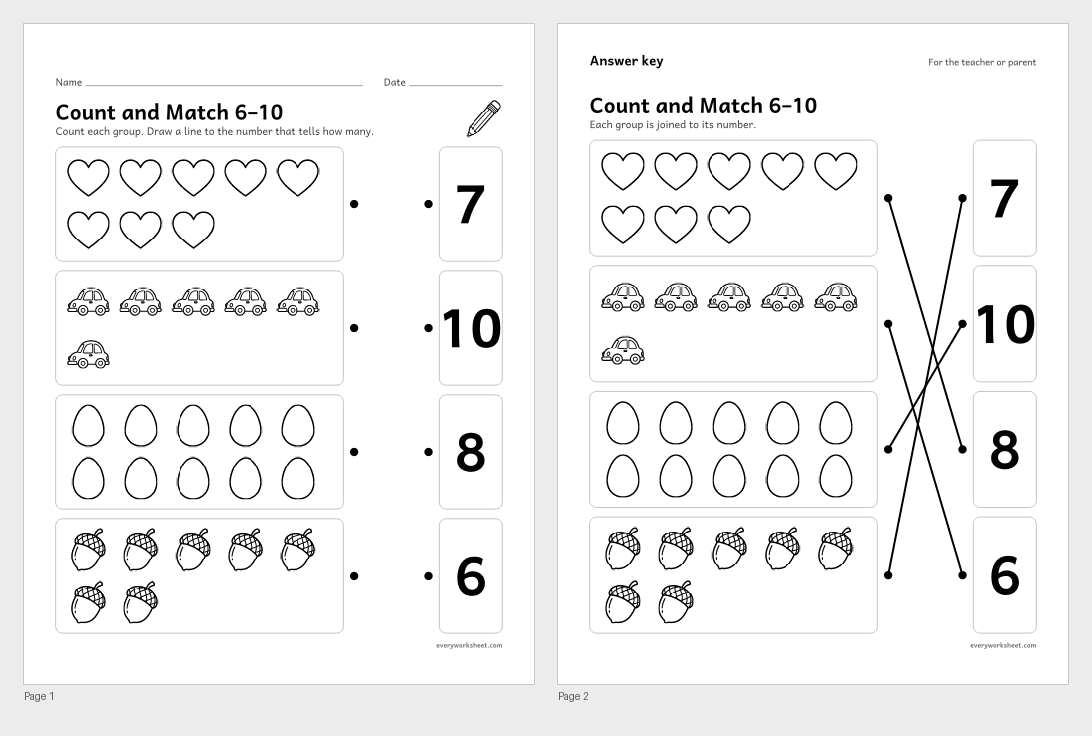
Count and match 6–10
Matching groups of 6 to 10 objects to numbers
Answer key on page 2
2 pages427 KB
 View all 2 pages
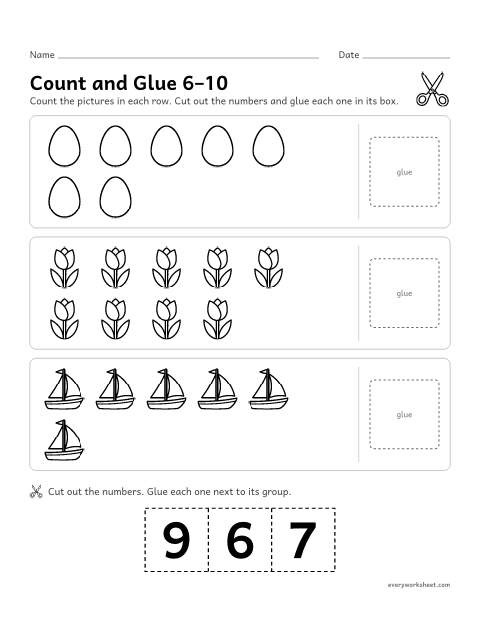
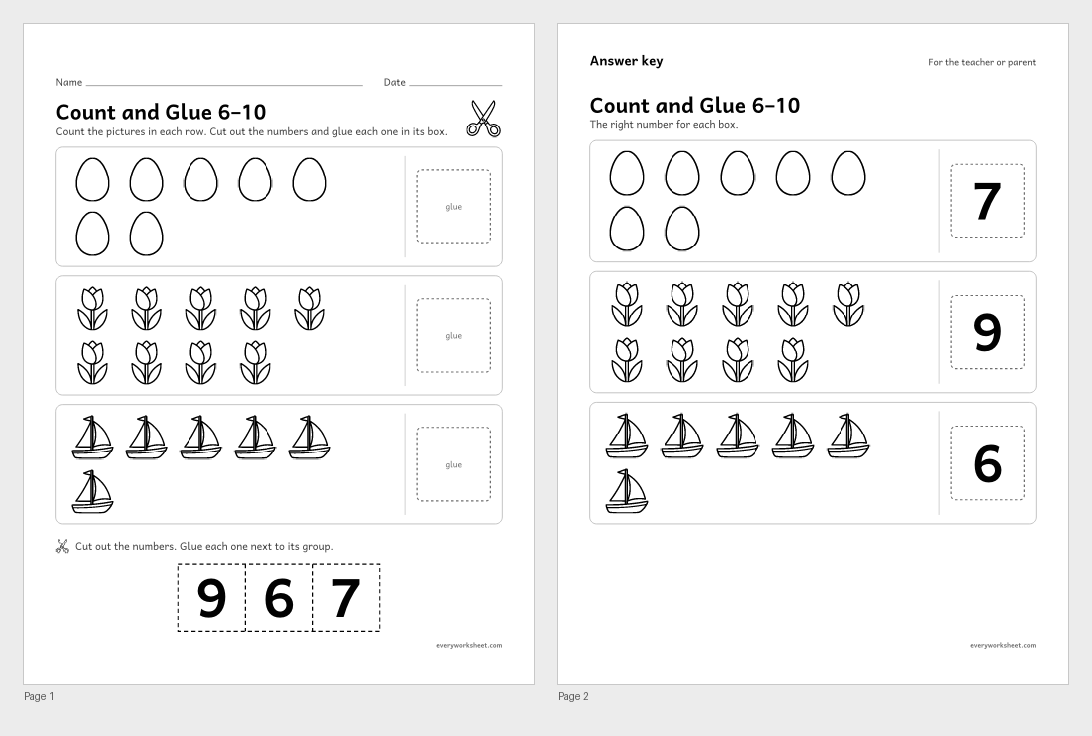
Count and glue 6–10
Counting groups of 6 to 10 and gluing the matching number
Answer key on page 2
2 pages559 KB
 View larger
 View all 2 pages
Patterns
 View all 2 pages
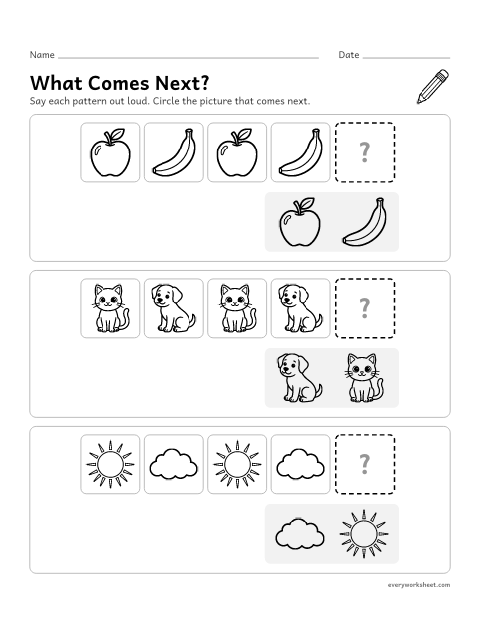
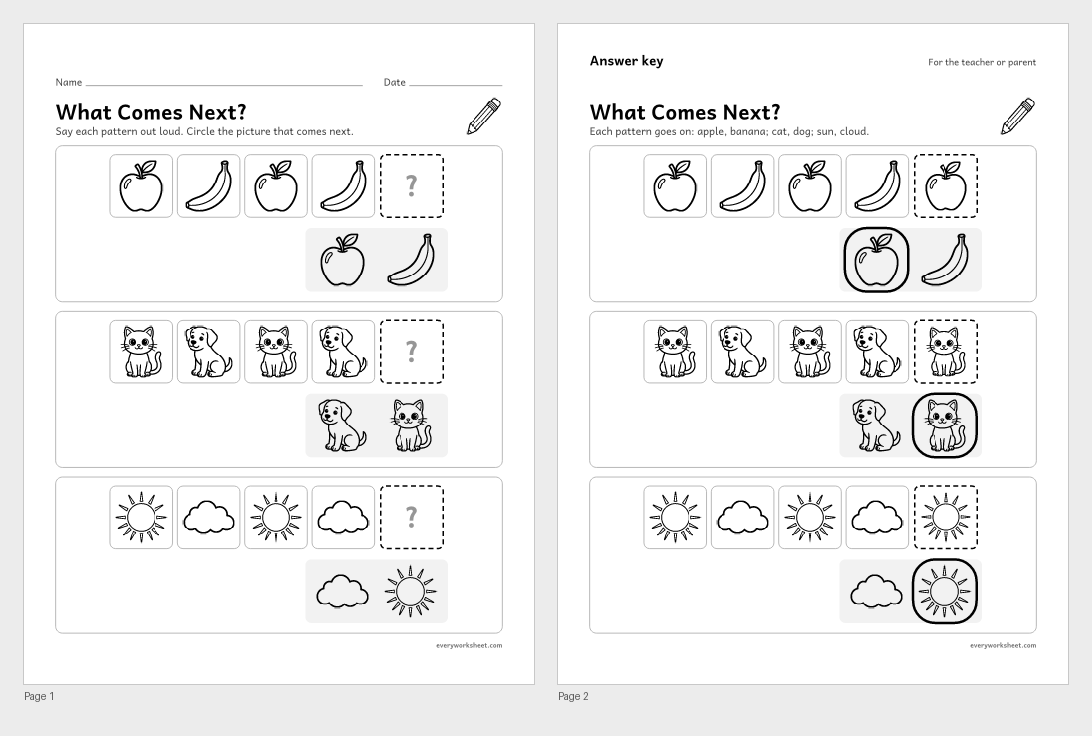
AB pattern Worksheet: what comes Next?
Finishing AB picture patterns
Answer key on page 2
2 pages526 KB
 View all 2 pages
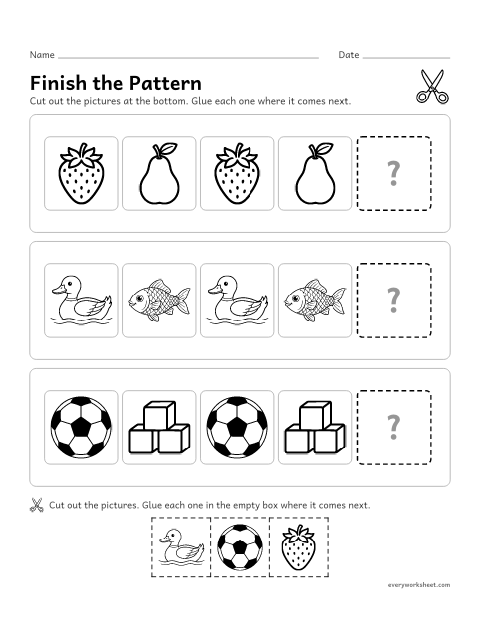
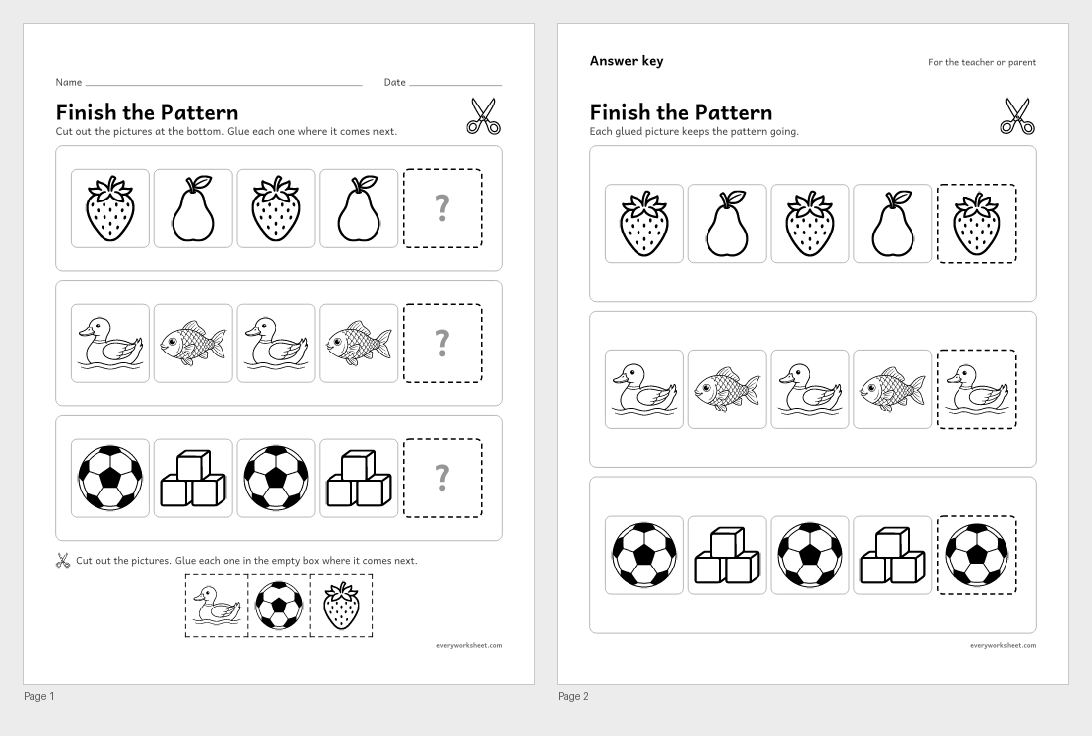
AB patterns cut and paste
Finishing AB picture patterns by cutting and gluing
Answer key on page 2
2 pages402 KB
 View all 2 pages
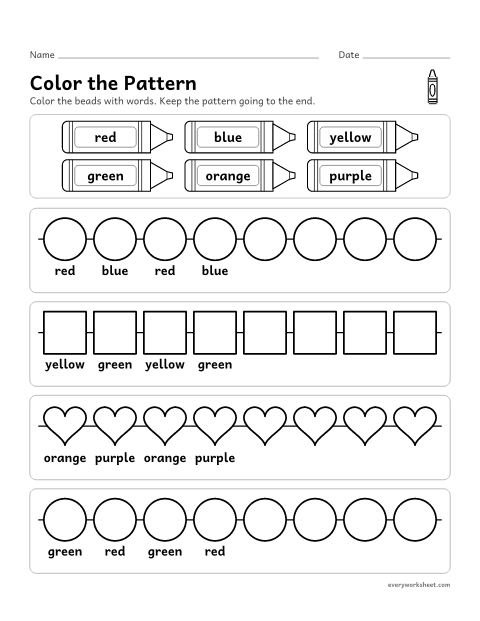
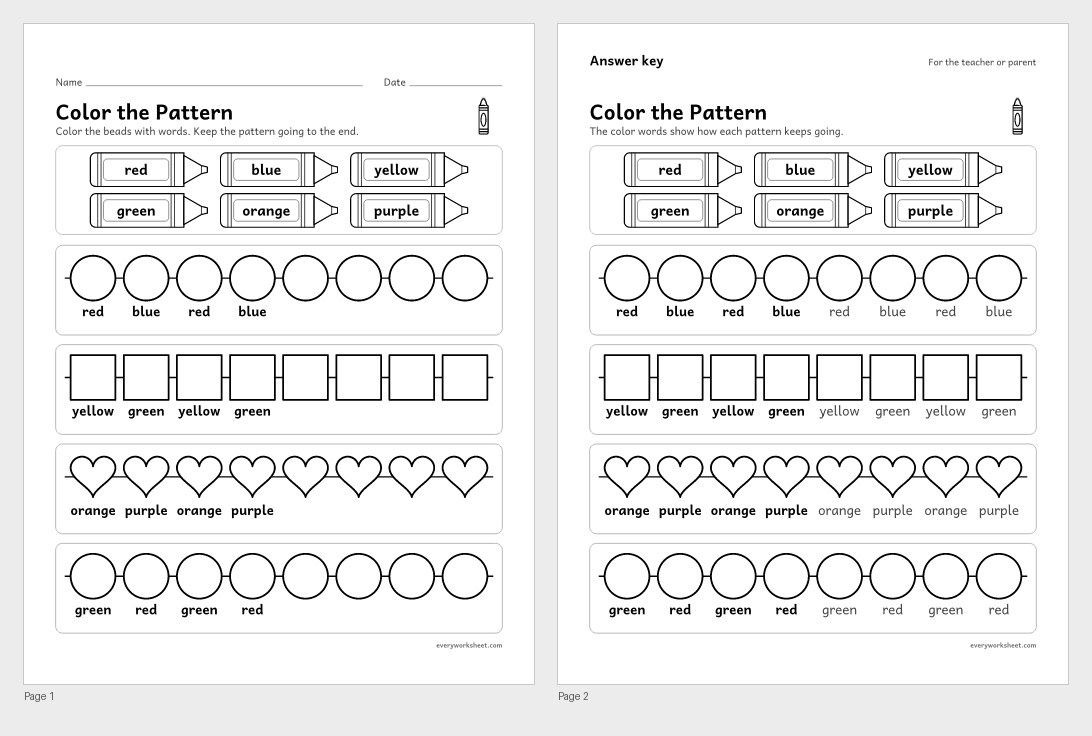
Color the Pattern: AB bead patterns
Copying and extending AB color patterns
Answer key on page 2
2 pages45 KB
 View all 2 pages
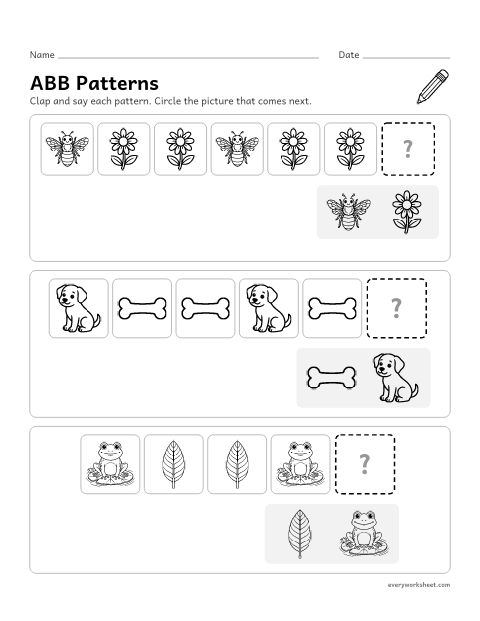
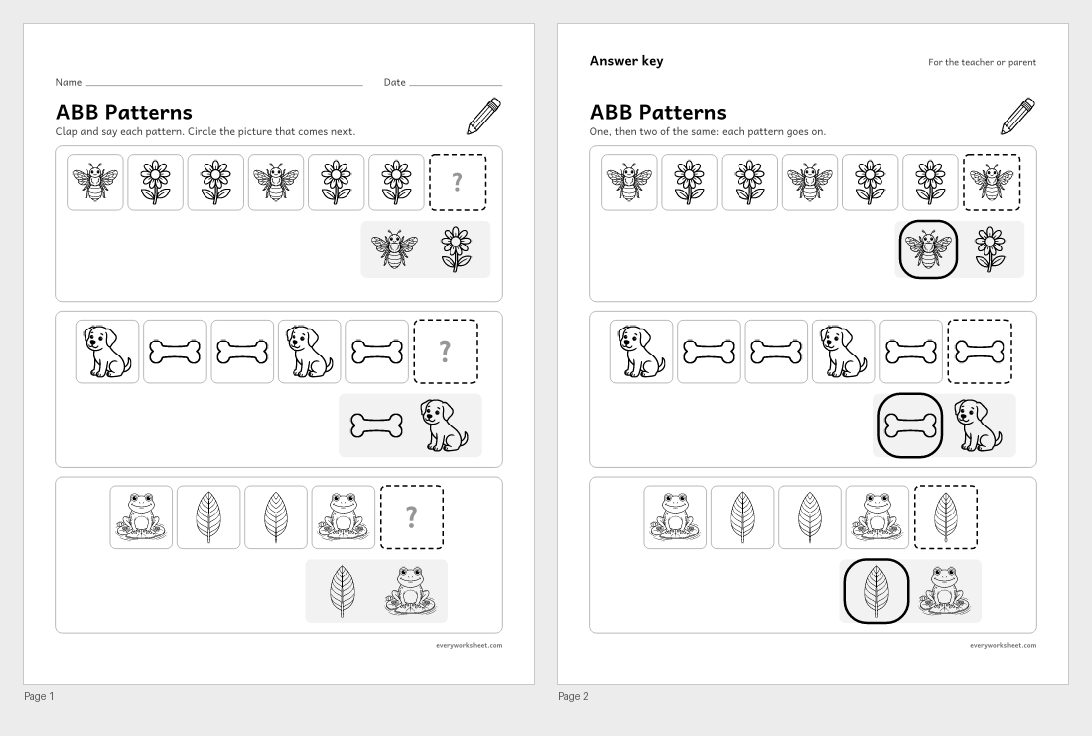
ABB pattern worksheet for preschool
Finishing ABB picture patterns
Answer key on page 2
2 pages436 KB
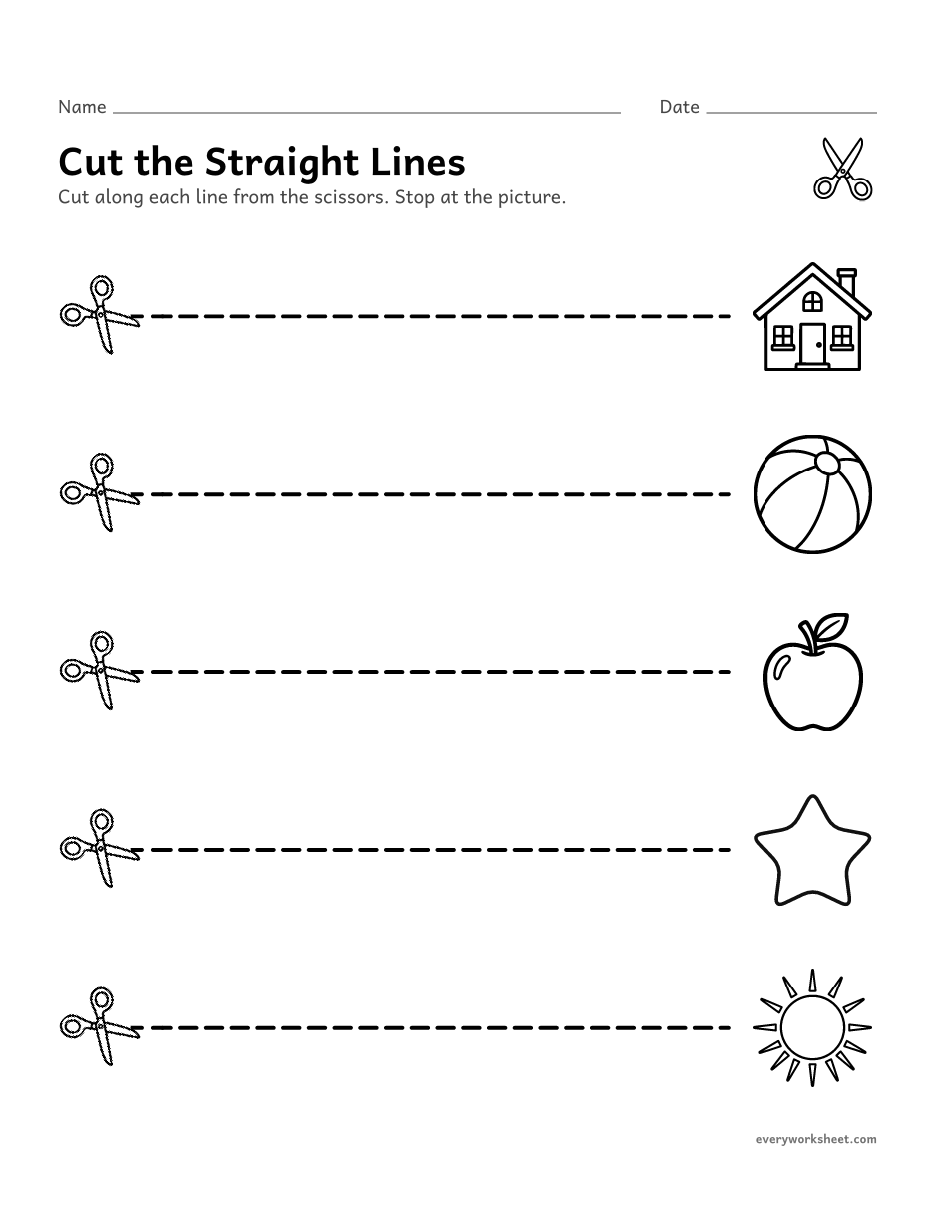
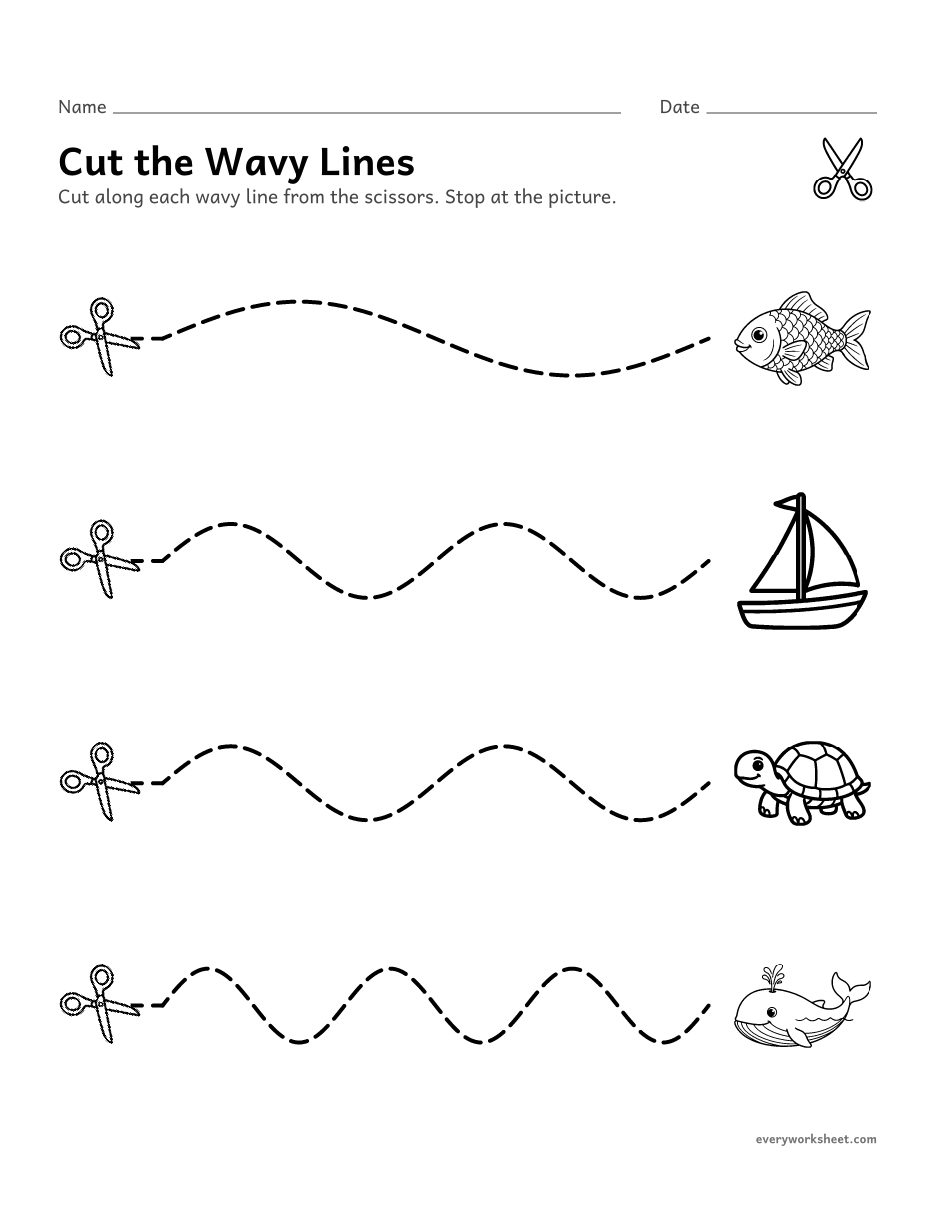
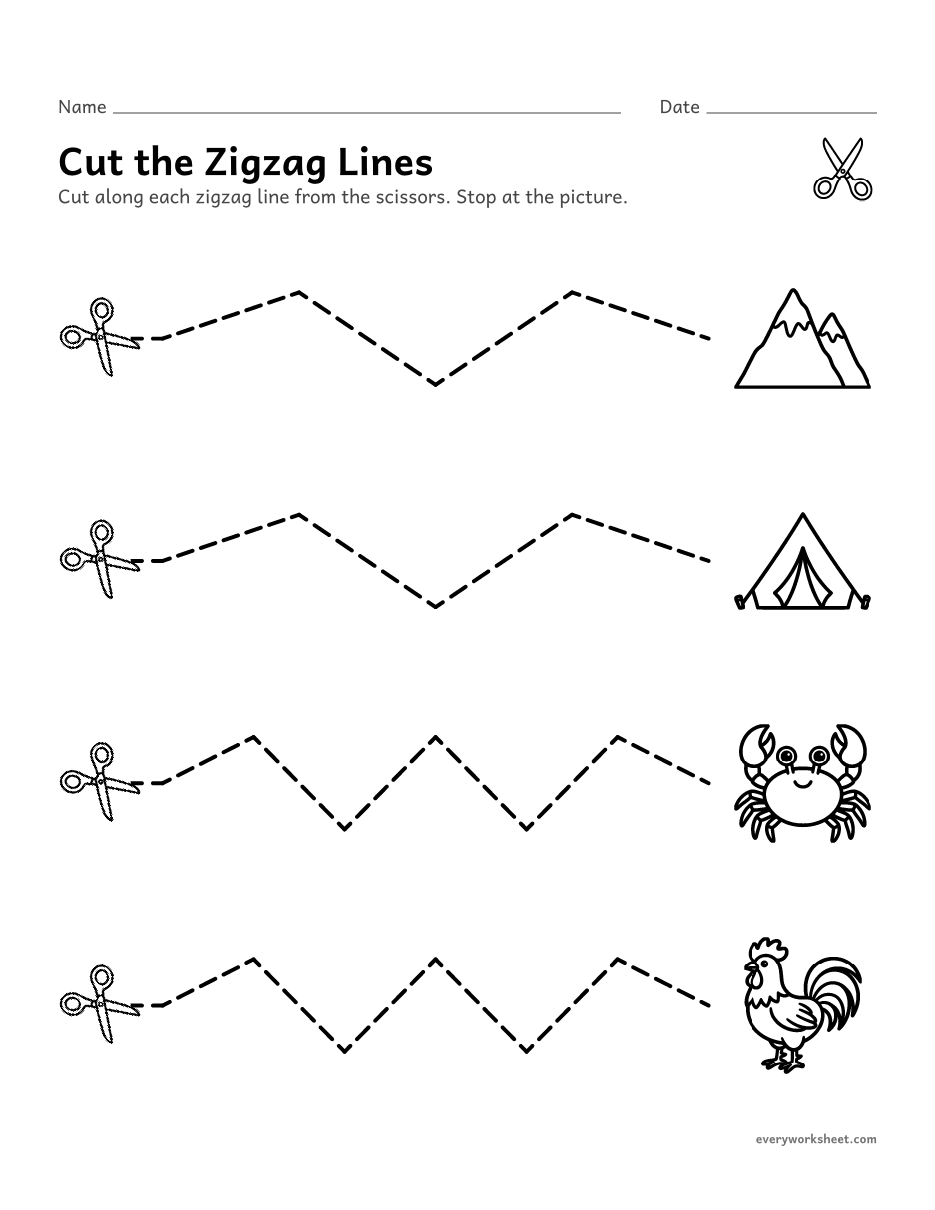
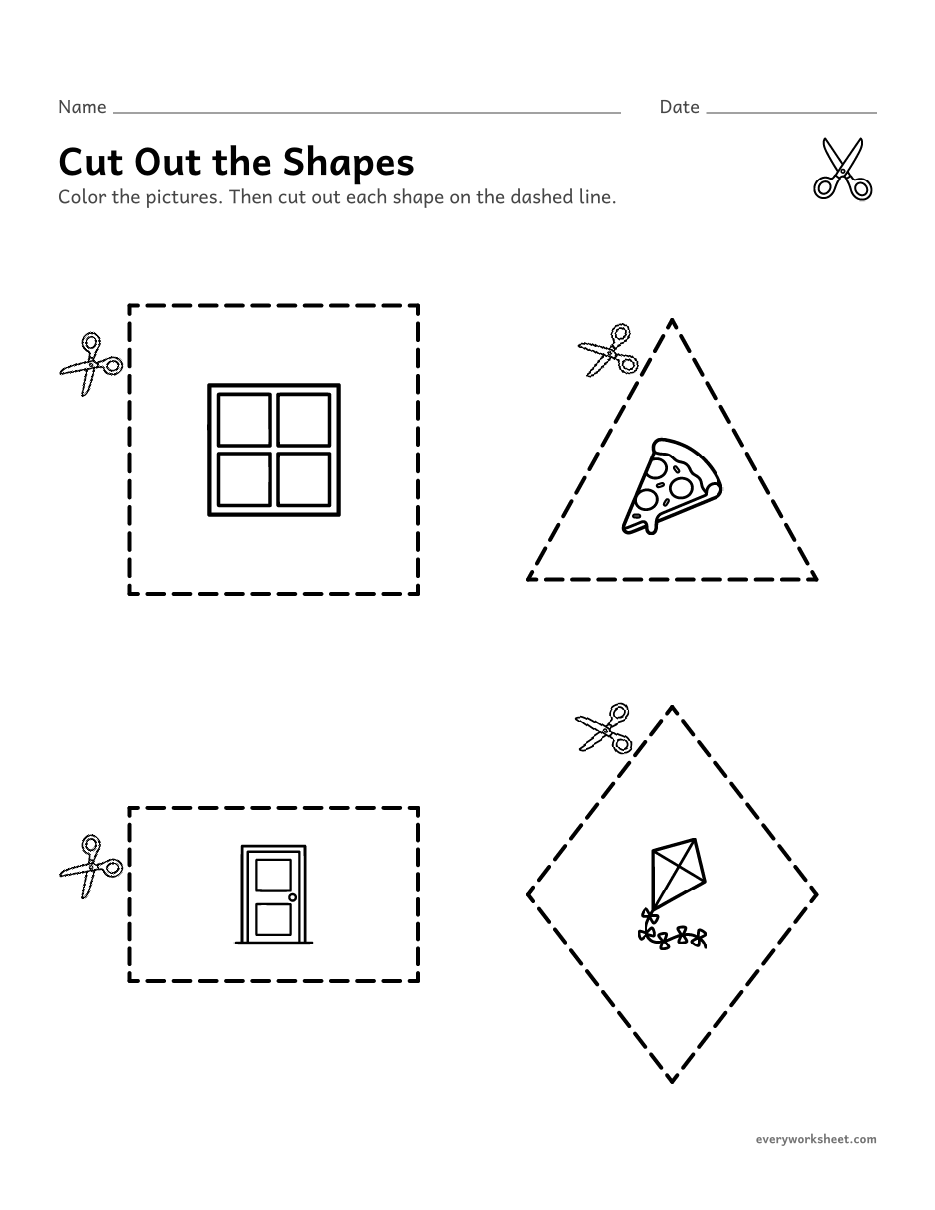
Cutting
Mazes and dot-to-dots
 View all 2 pages
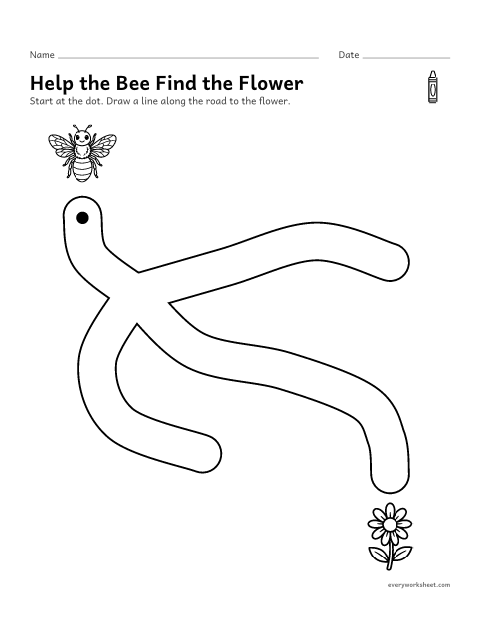
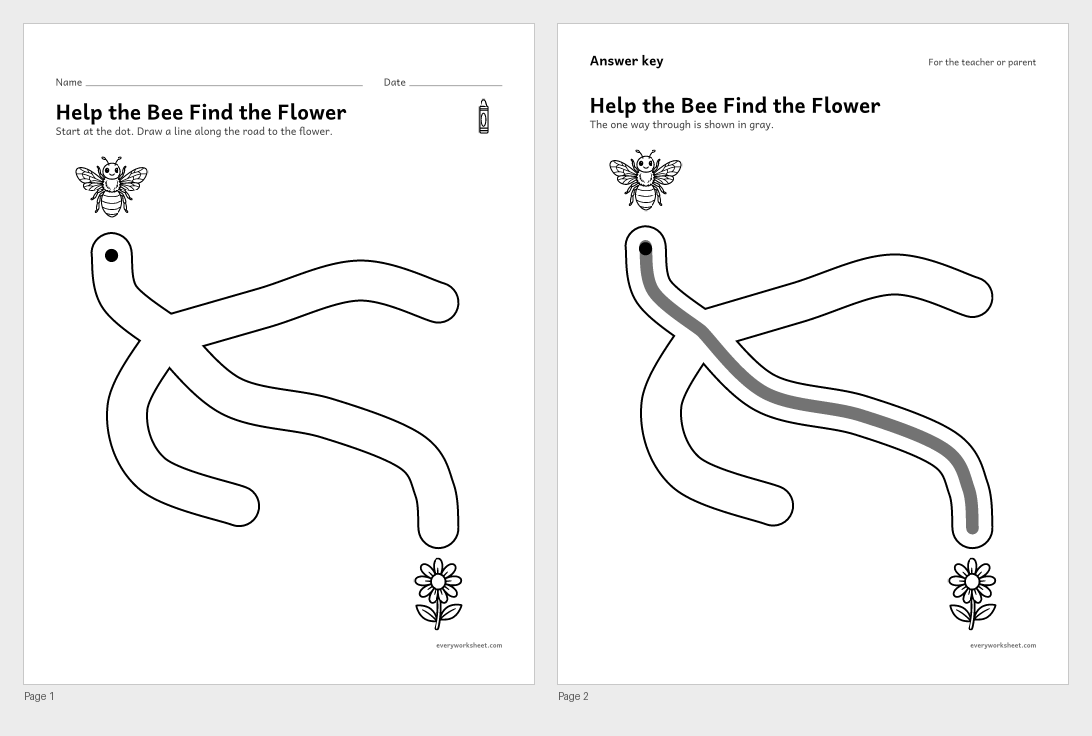
Easy Maze: bee to flower
Following a road with two turn-offs to the goal
Answer key on page 2
2 pages97 KB
 View all 2 pages
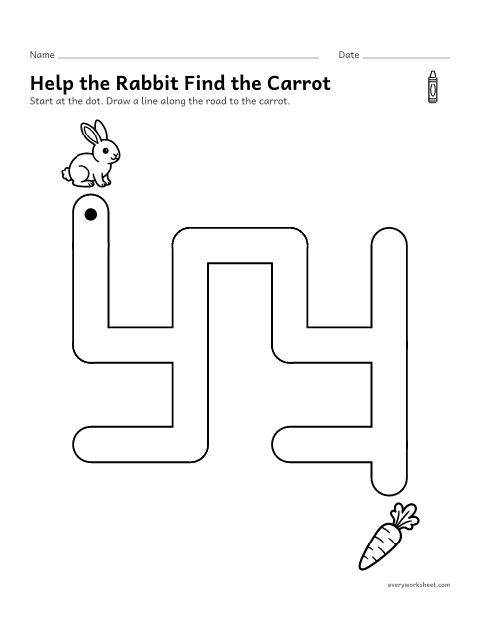
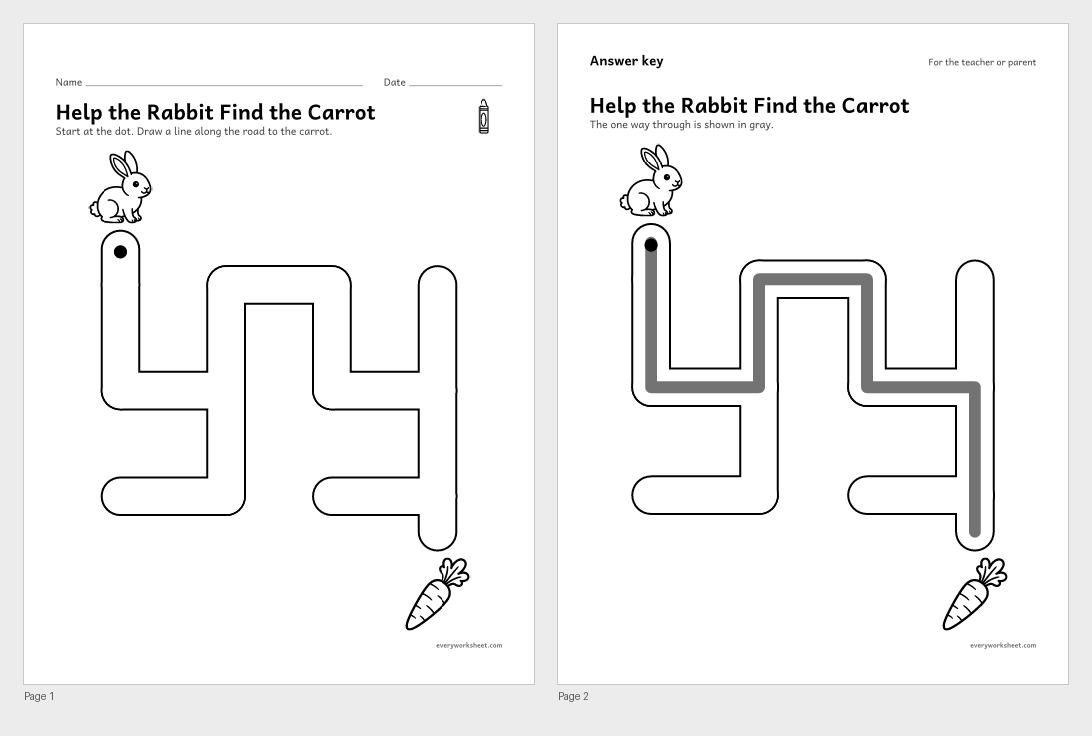
Preschool maze level 1: rabbit to carrot
Finding the one way through a maze with dead ends
Answer key on page 2
2 pages74 KB
 View all 2 pages
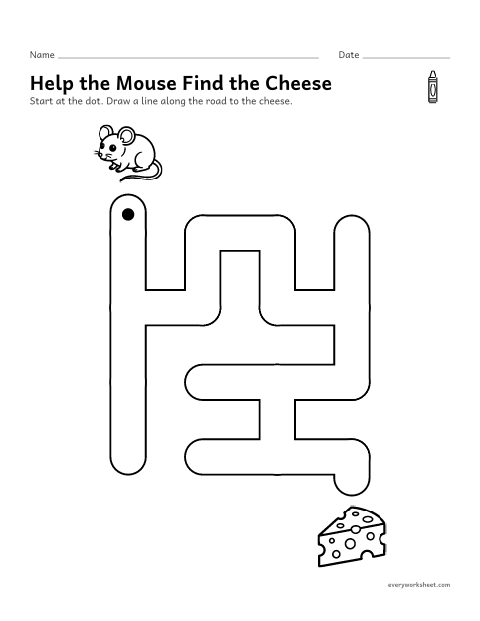
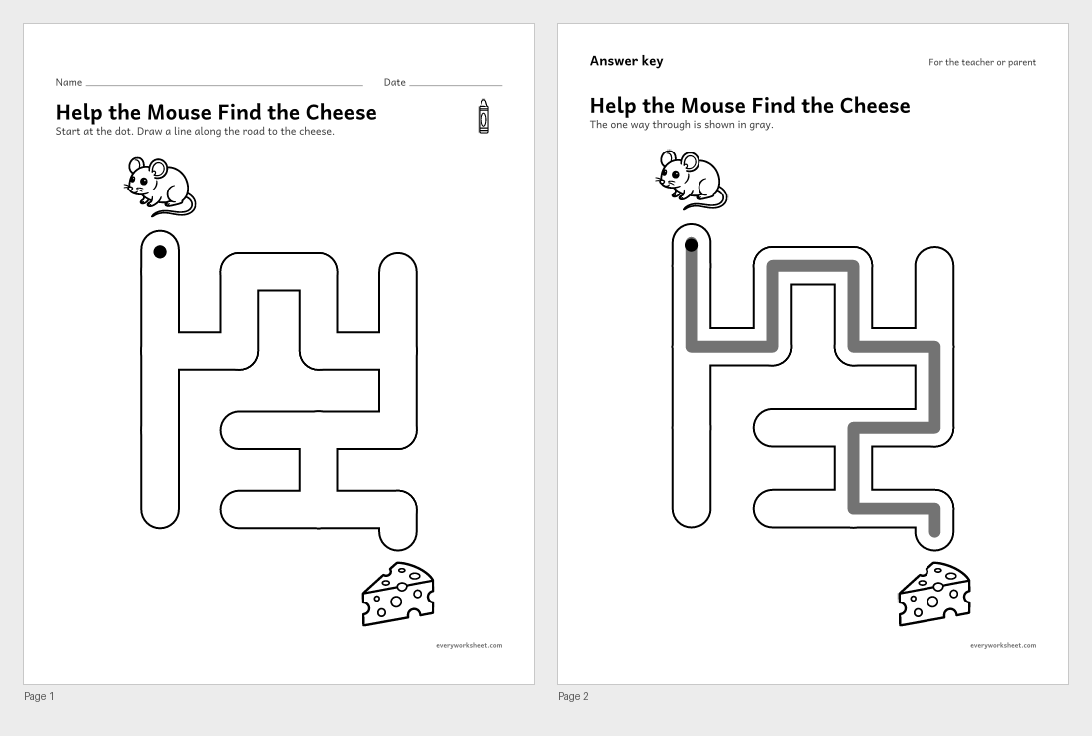
Preschool maze level 2: mouse to cheese
Finding the one way through a maze with dead ends
Answer key on page 2
2 pages107 KB
 View all 2 pages
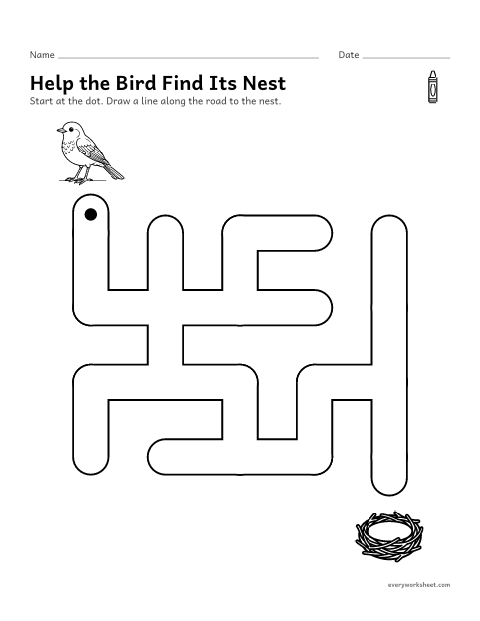
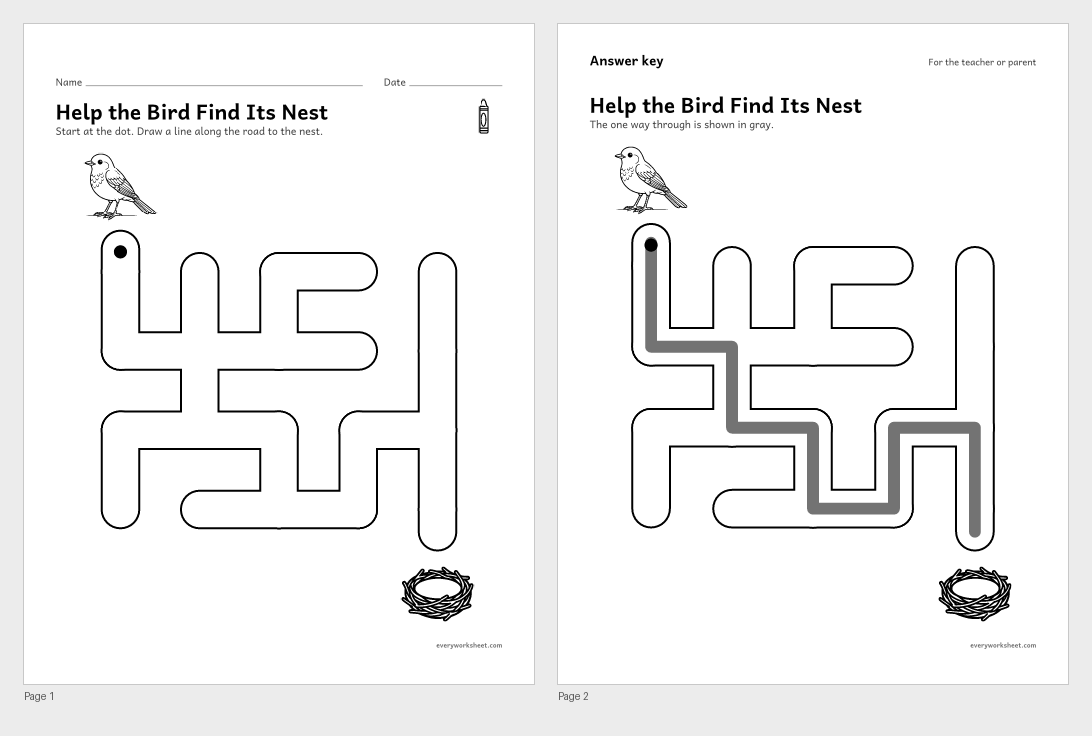
Preschool maze level 3: bird to nest
Finding the one way through a maze with dead ends
Answer key on page 2
2 pages112 KB
 View all 2 pages
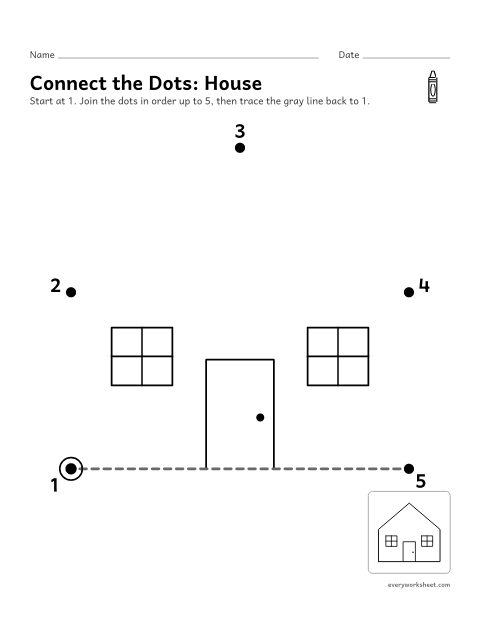
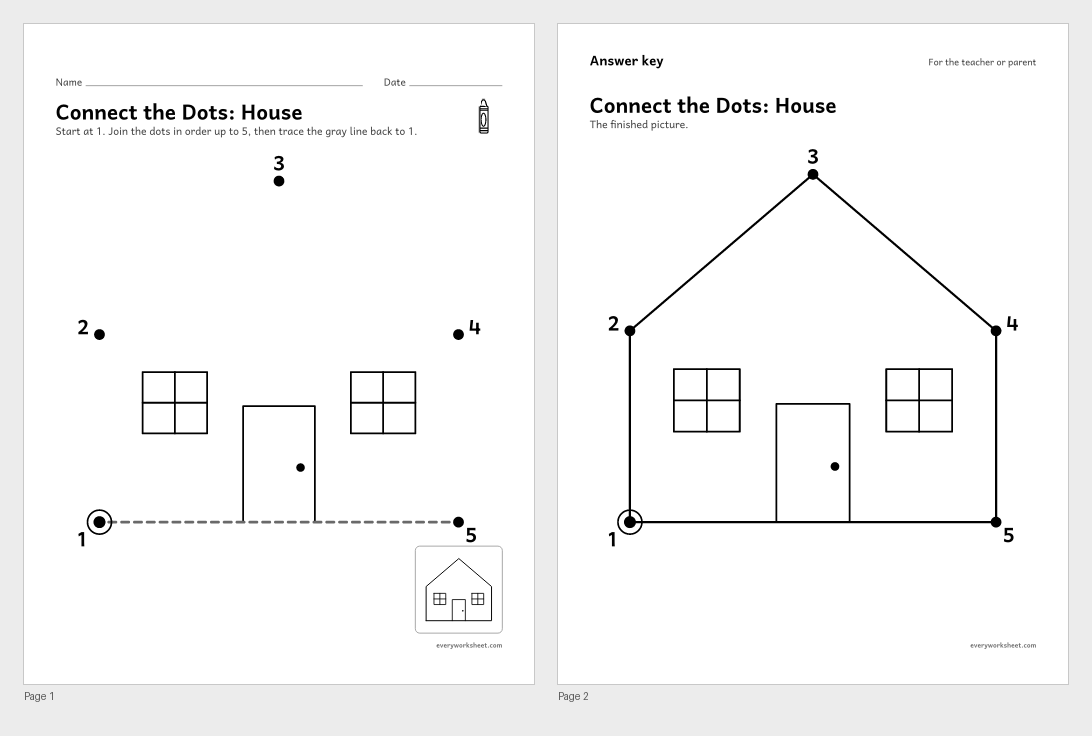
Dot to dot house 1 to 5
Counting 1 to 5 to join the dots
Answer key on page 2
2 pages33 KB
 View all 2 pages
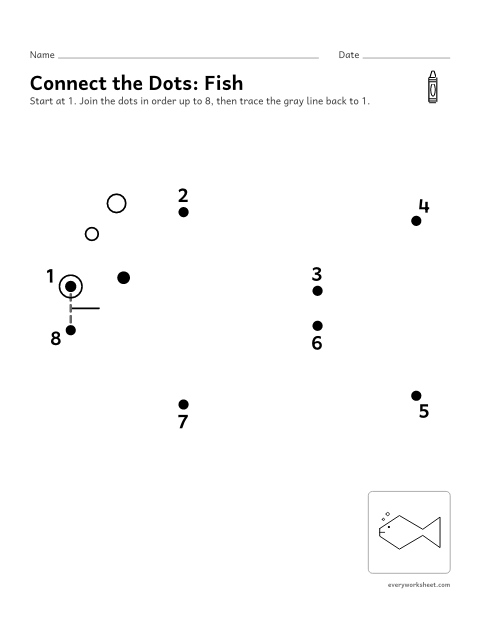
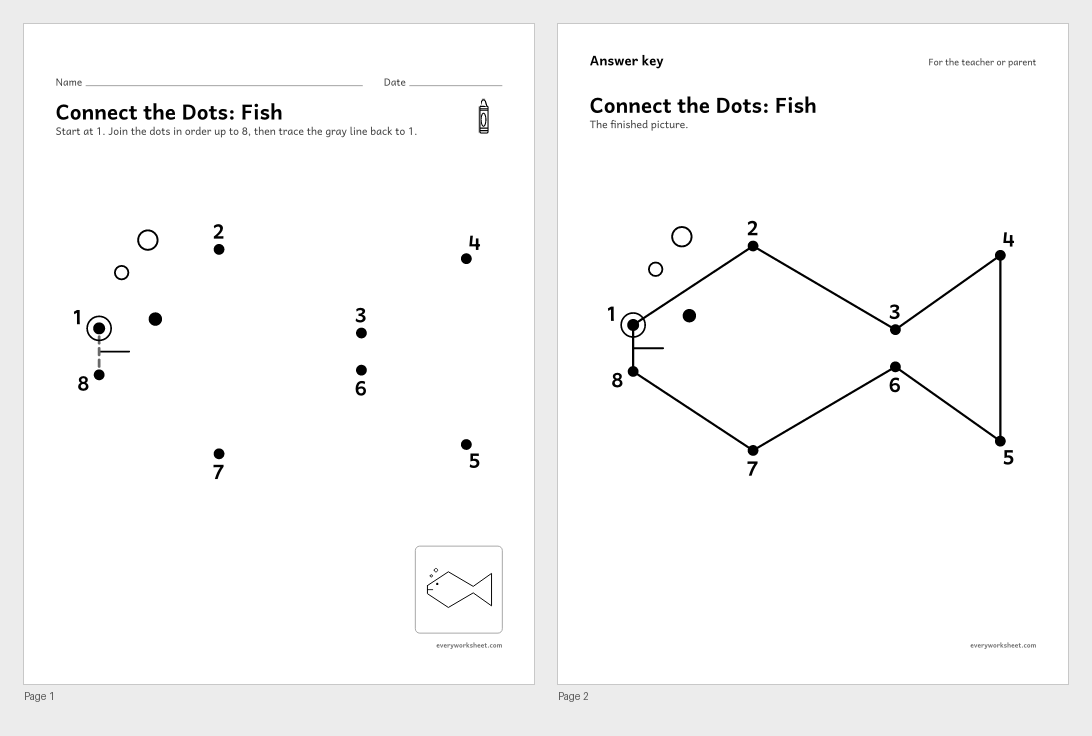
Dot to dot fish 1 to 8
Counting 1 to 8 to join the dots
Answer key on page 2
2 pages34 KB
 View all 2 pages
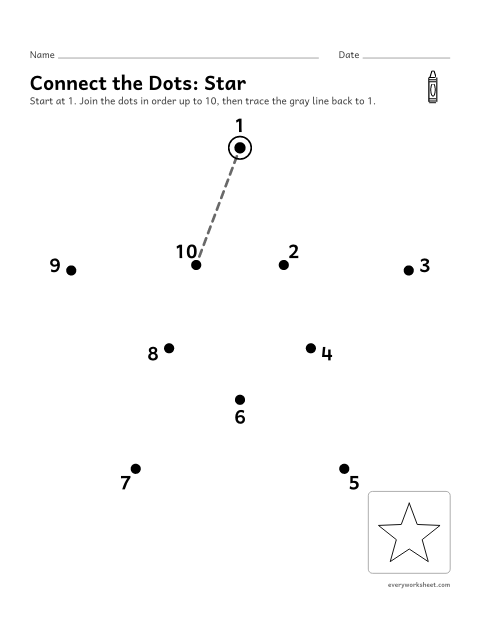
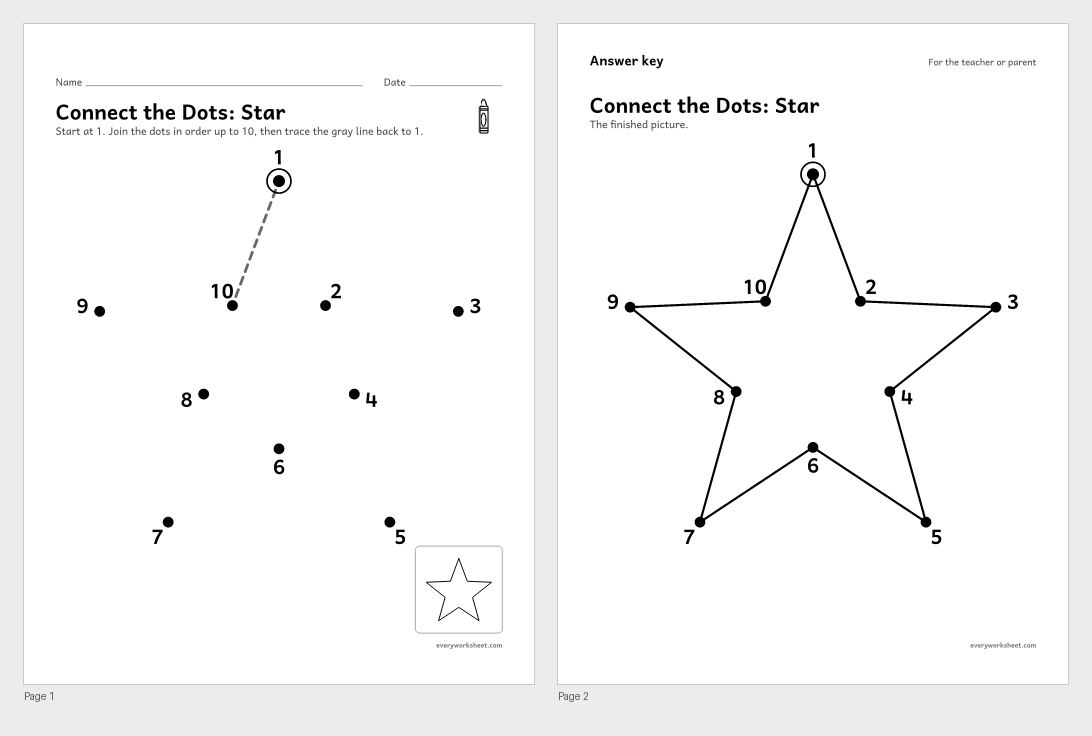
Dot to dot star 1 to 10
Counting 1 to 10 to join the dots
Answer key on page 2
2 pages34 KB
Color by letter and number
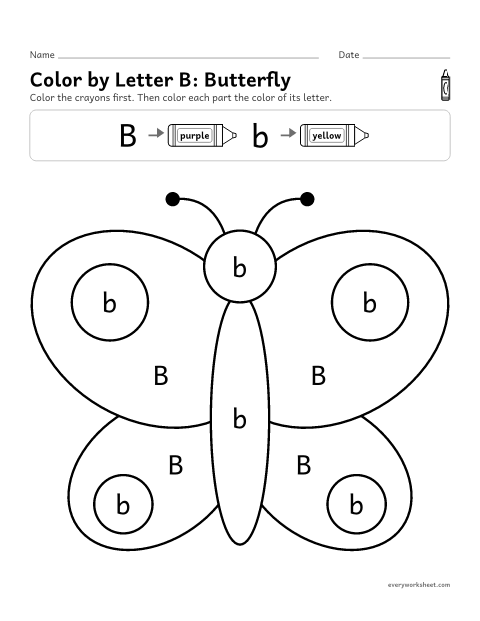 View all 2 pages
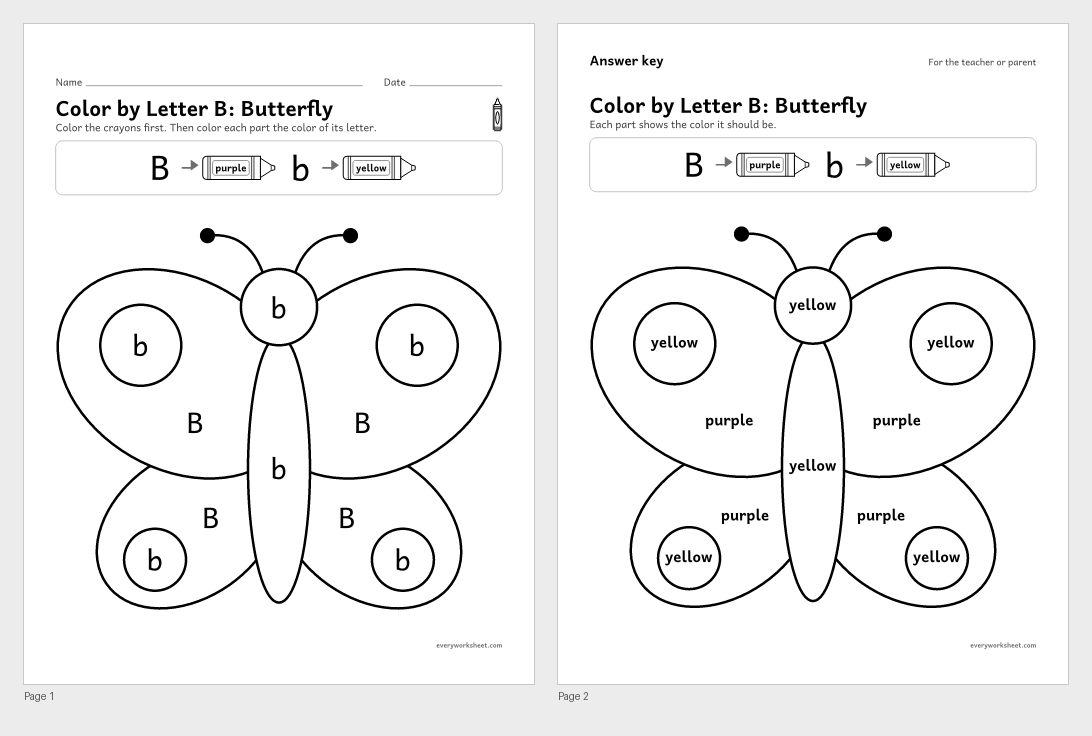
Color by letter B: butterfly
Telling uppercase B from lowercase b
Answer key on page 2
2 pages46 KB
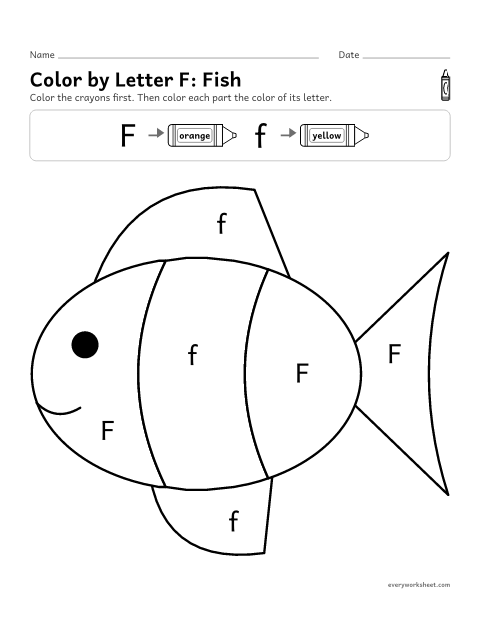 View all 2 pages
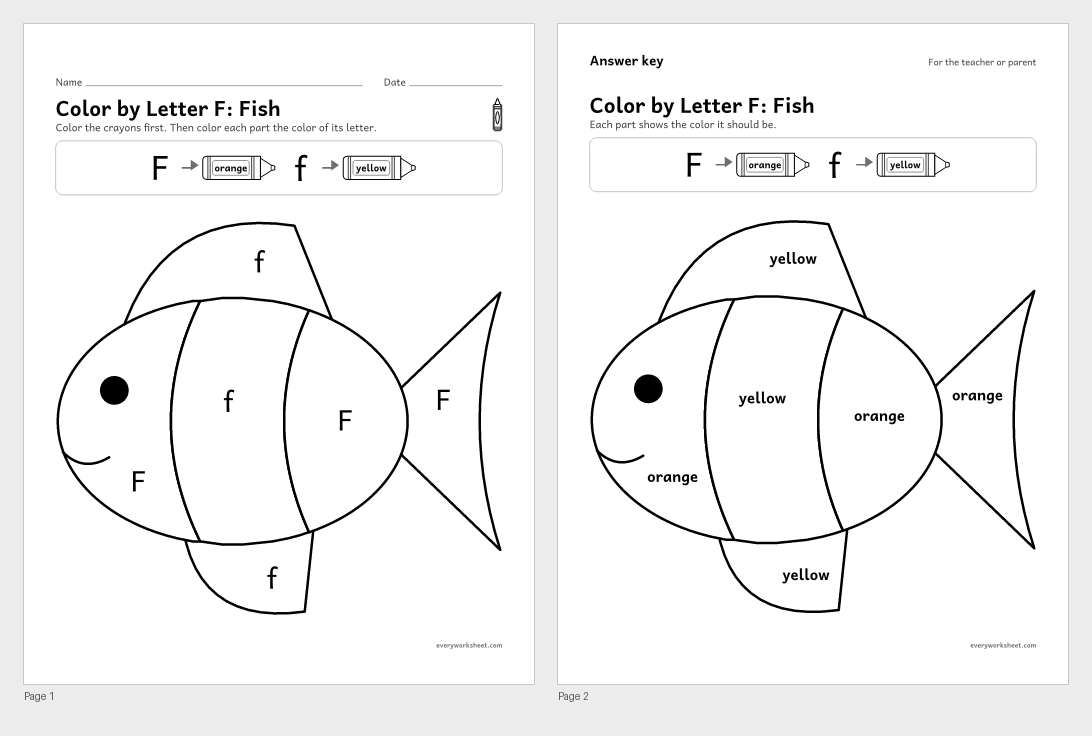
Color by letter F: fish
Telling uppercase F from lowercase f
Answer key on page 2
2 pages40 KB
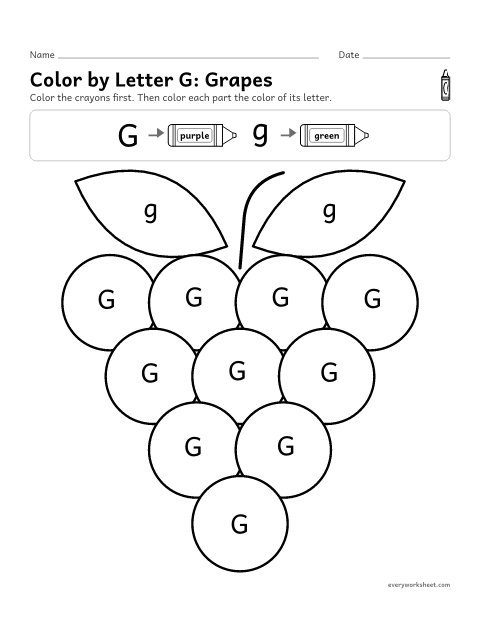 View all 2 pages
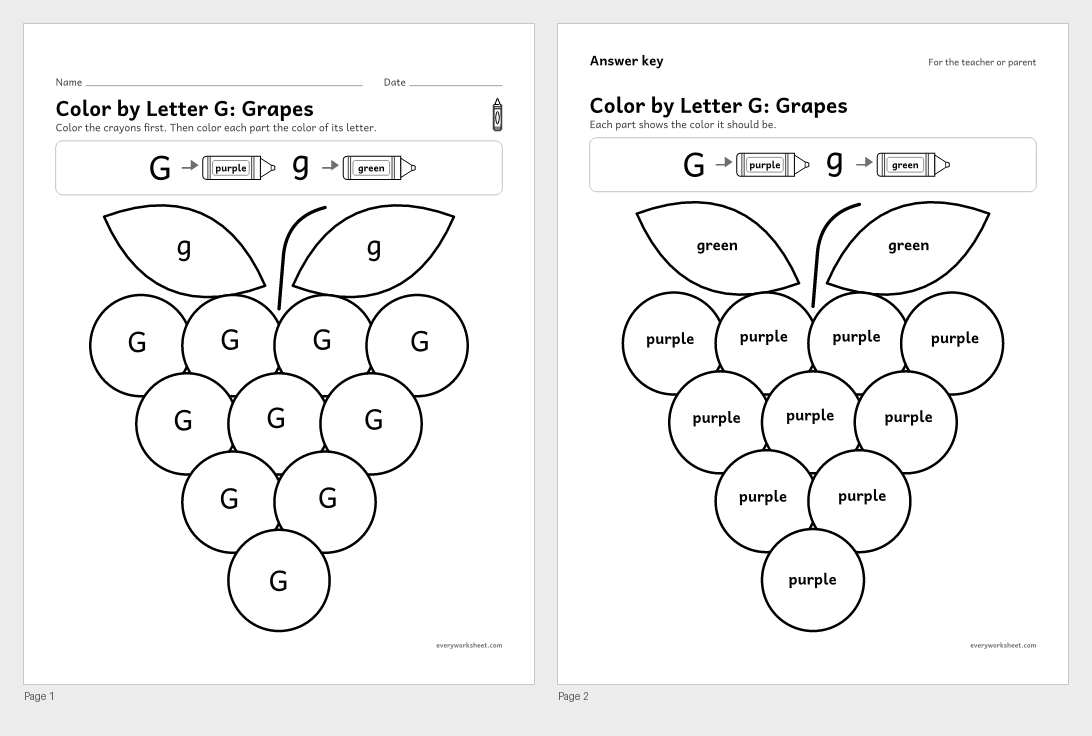
Color by letter G: grapes
Telling uppercase G from lowercase g
Answer key on page 2
2 pages44 KB
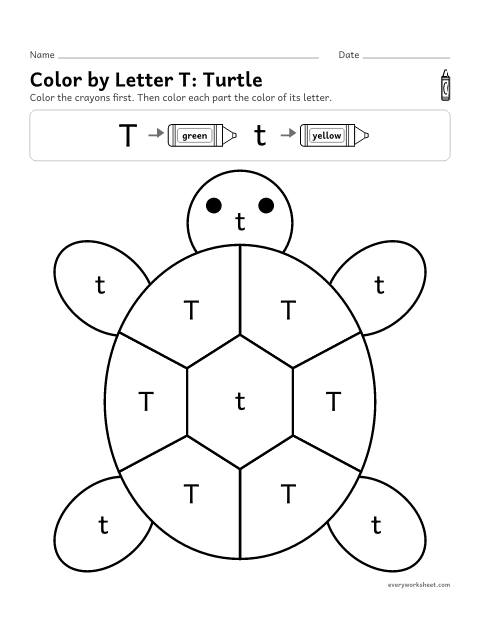 View all 2 pages
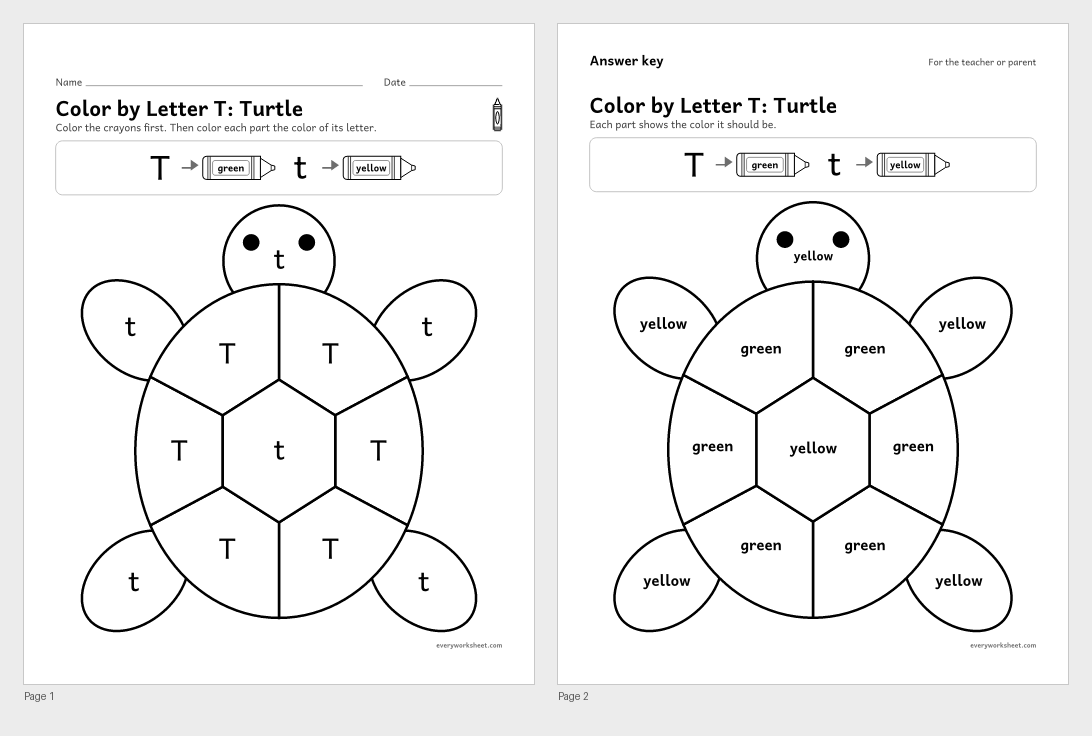
Color by letter T: turtle
Telling uppercase T from lowercase t
Answer key on page 2
2 pages41 KB
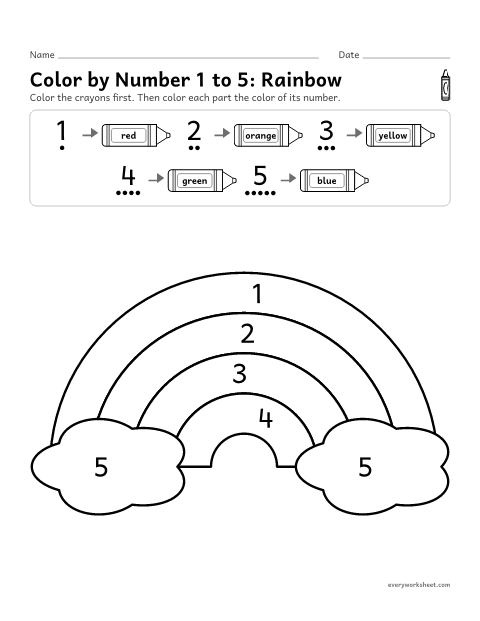 View all 2 pages
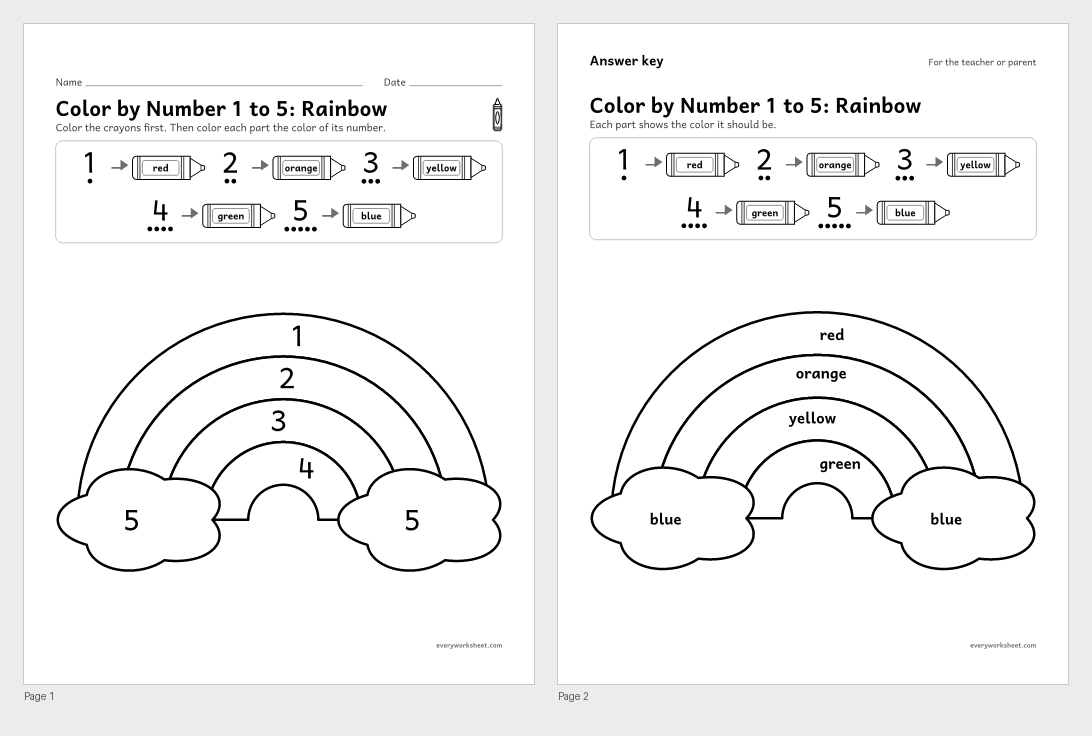
Color by number 1 to 5: rainbow
Reading the numerals 1 to 5 to color
Answer key on page 2
2 pages45 KB
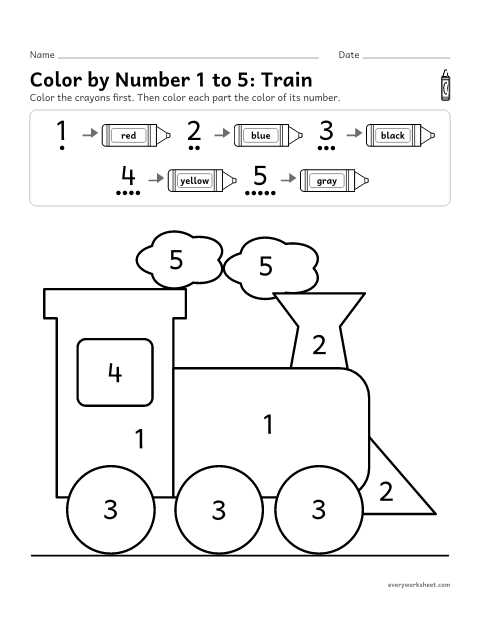 View all 2 pages
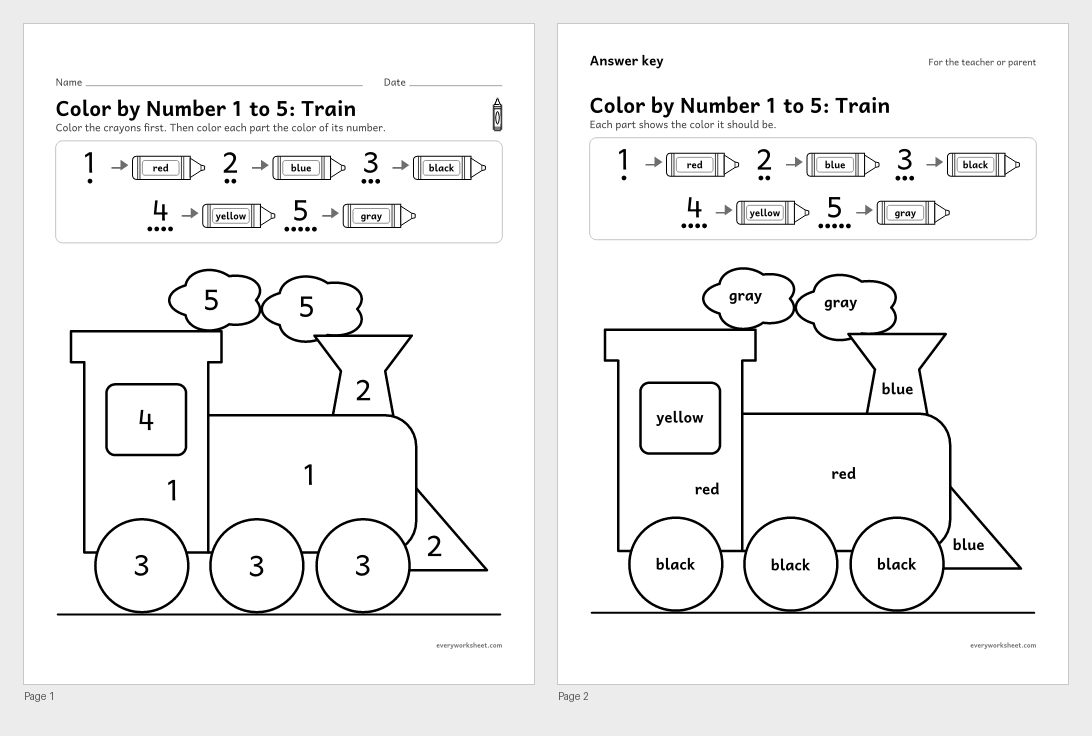
Color by number 1 to 5: train
Reading the numerals 1 to 5 to color
Answer key on page 2
2 pages44 KB
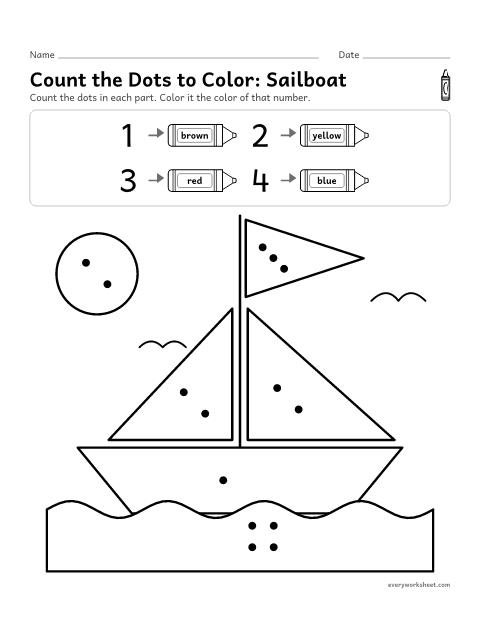 View all 2 pages
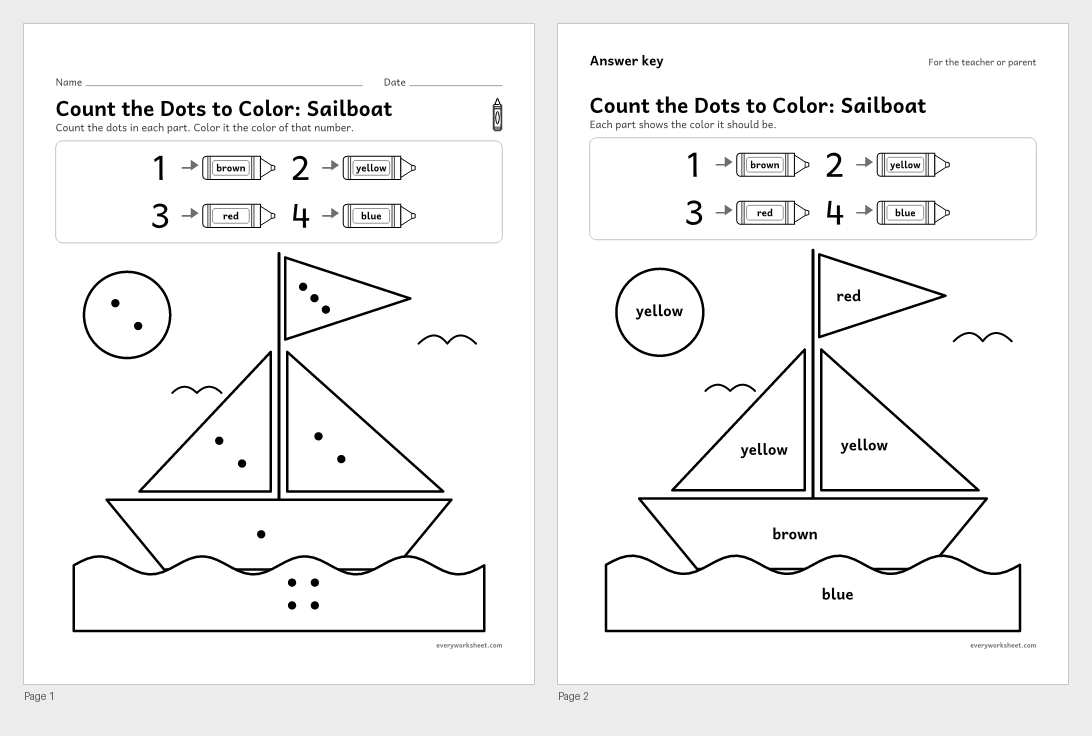
Count the dots to Color: sailboat
Counting 1 to 4 dots and matching the numeral
Answer key on page 2
2 pages37 KB
I spy and count
 View all 2 pages
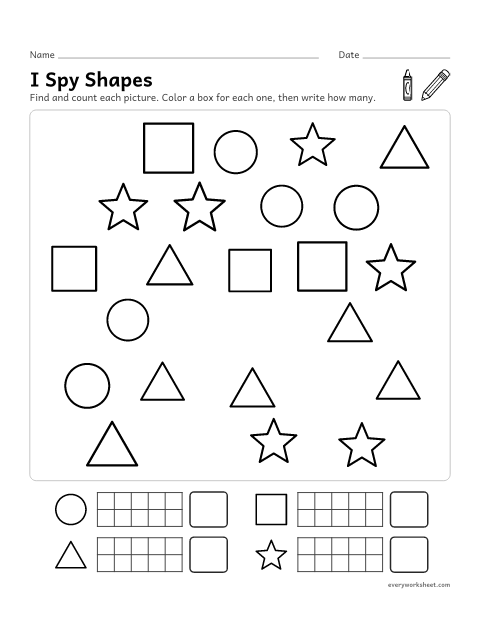
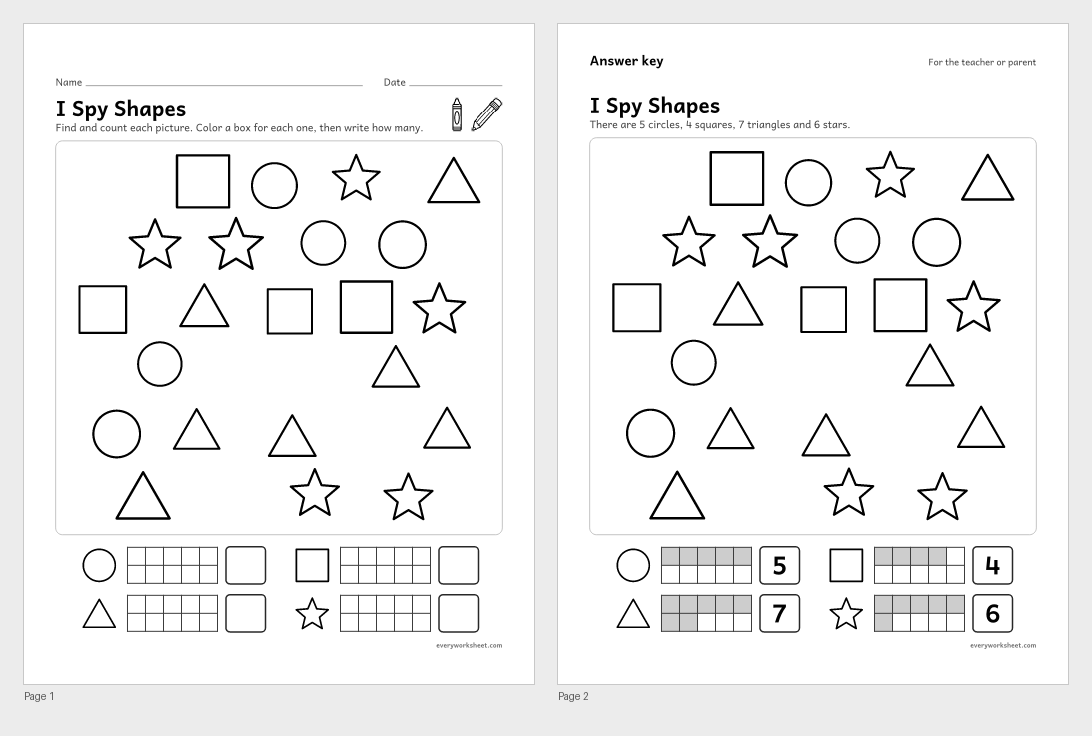
I spy shapes
Finding and counting circles, squares, triangles and stars
Answer key on page 2
2 pages62 KB
 View all 2 pages
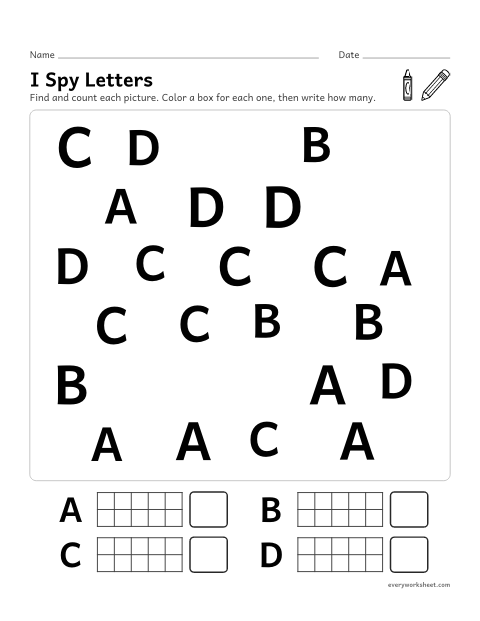
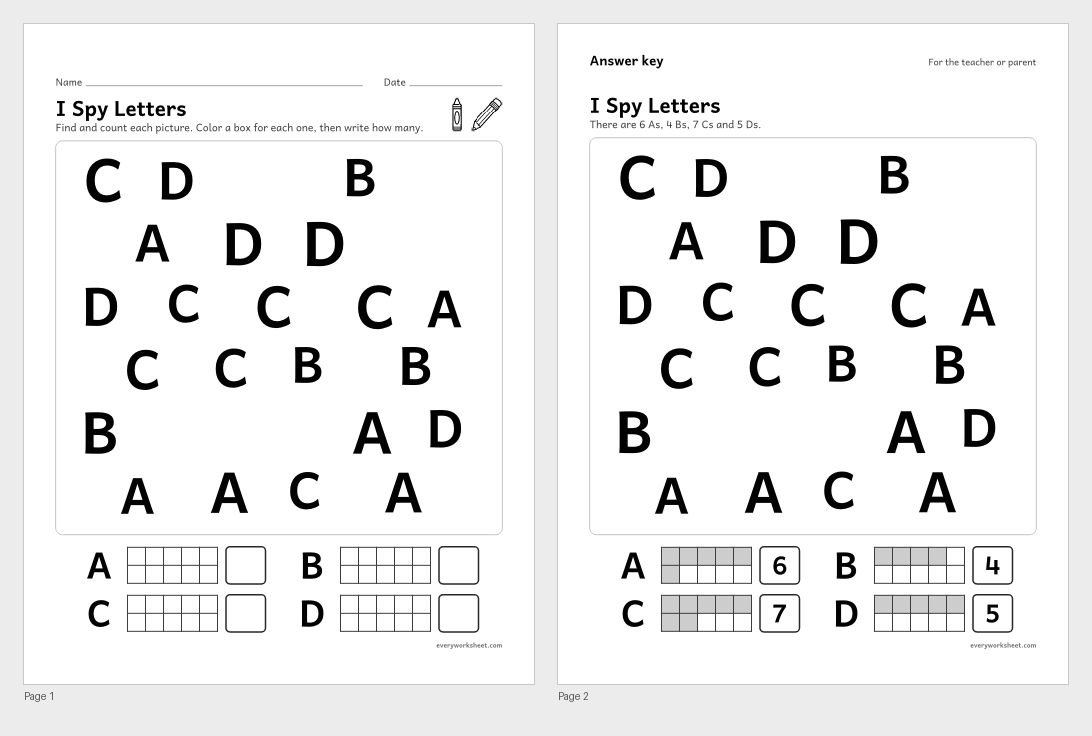
I spy letters
Finding and counting the letters A, B, C and D
Answer key on page 2
2 pages53 KB
 View all 2 pages
 View all 2 pages
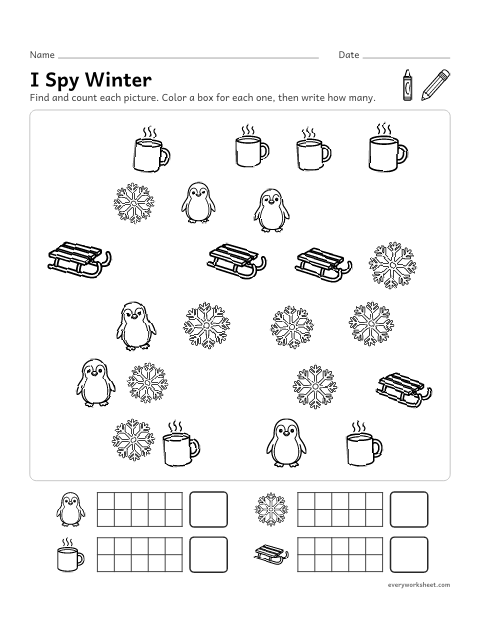
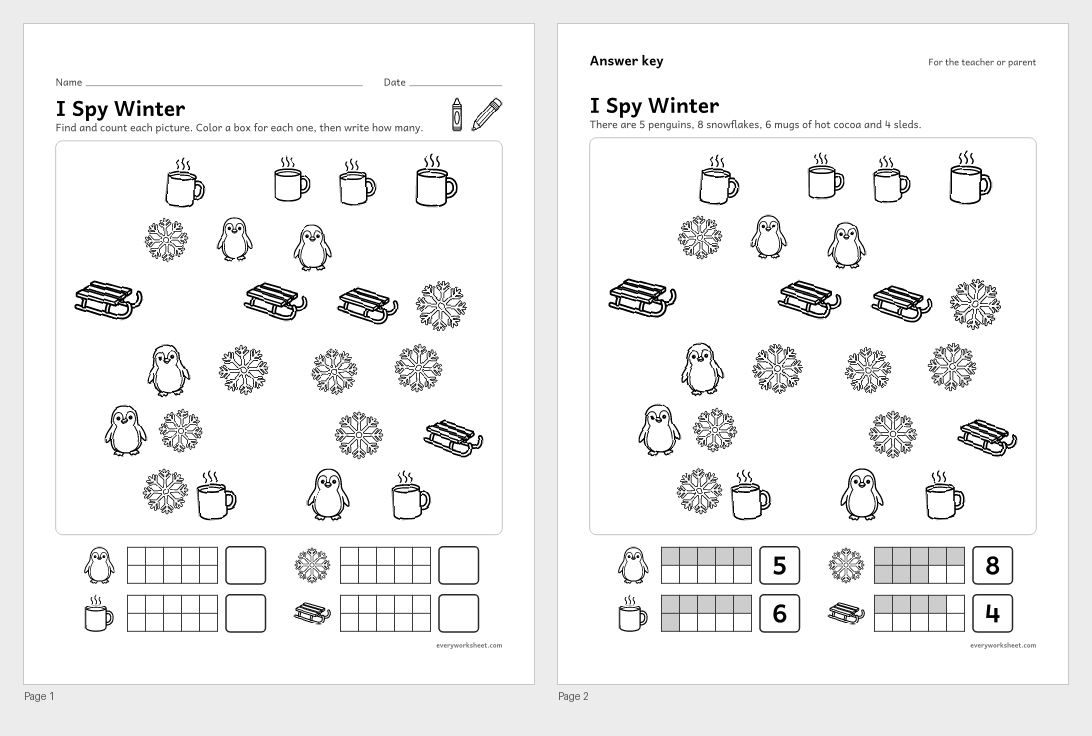
I spy winter
Finding and counting winter things to 10
Answer key on page 2
2 pages809 KB
 View all 2 pages
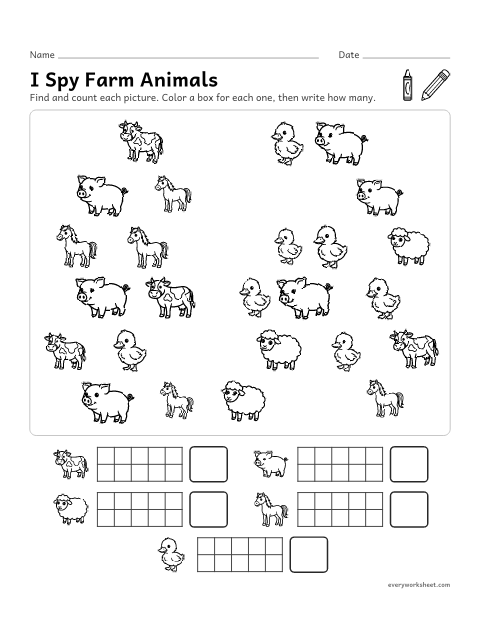
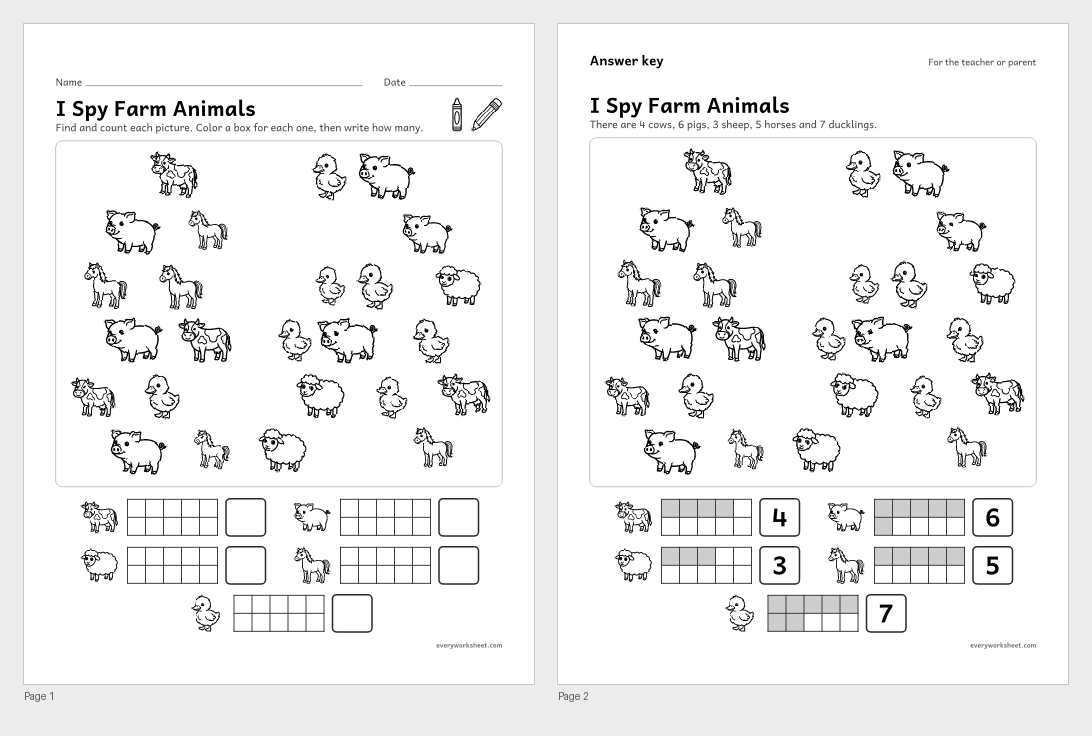
I spy farm animals
Finding and counting farm animals to 10
Answer key on page 2
2 pages1.2 MB
 View all 2 pages
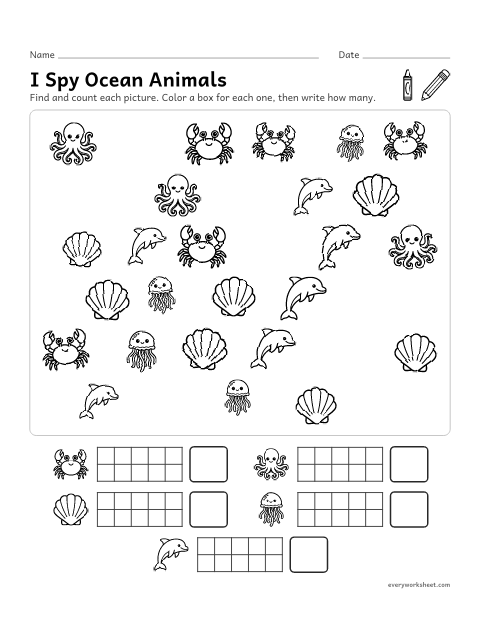
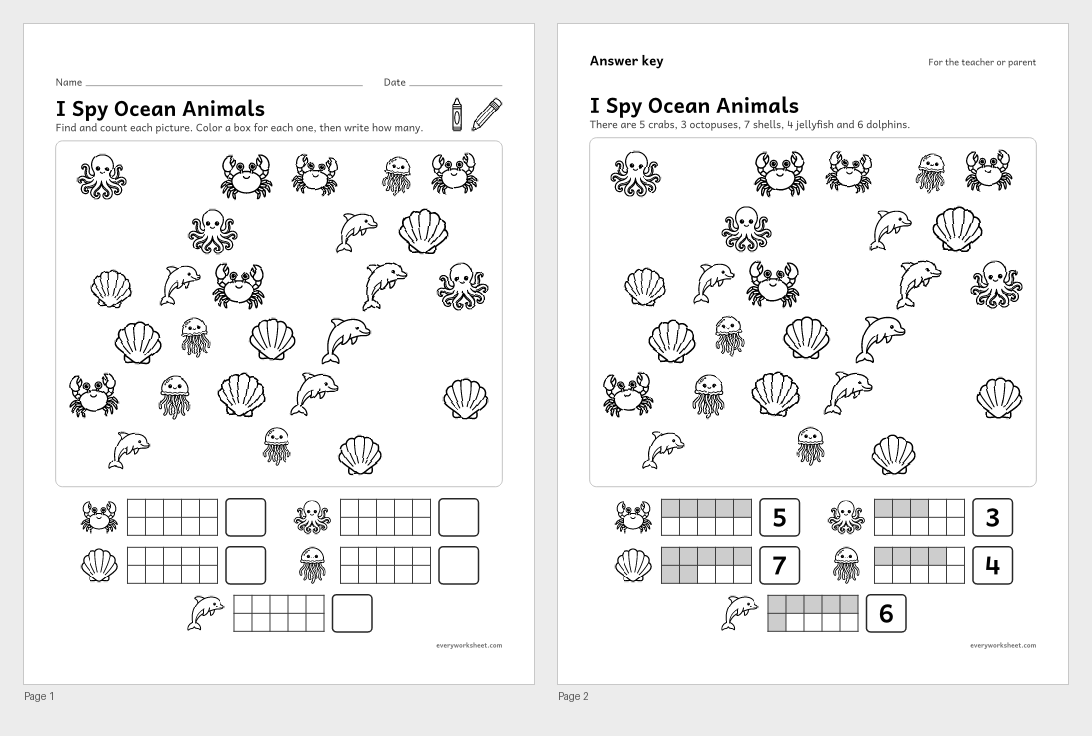
I spy ocean animals
Finding and counting sea animals and shells to 10
Answer key on page 2
2 pages1.1 MB
ABC order and same or different
 View all 2 pages
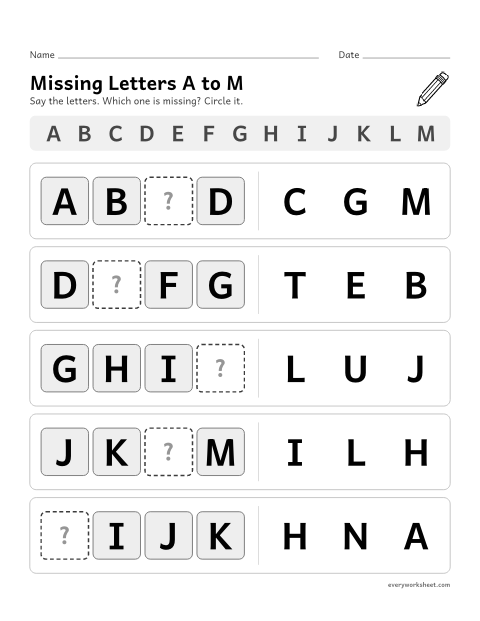
Missing letters A to M
Finding the missing letter in ABC order, A to M
Answer key on page 2
2 pages41 KB
 View all 2 pages
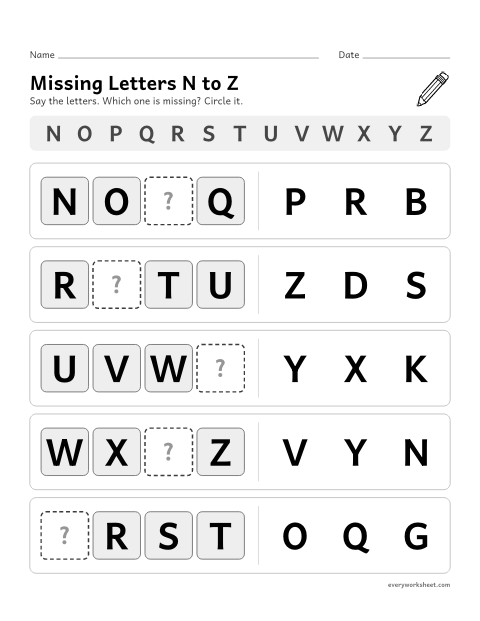
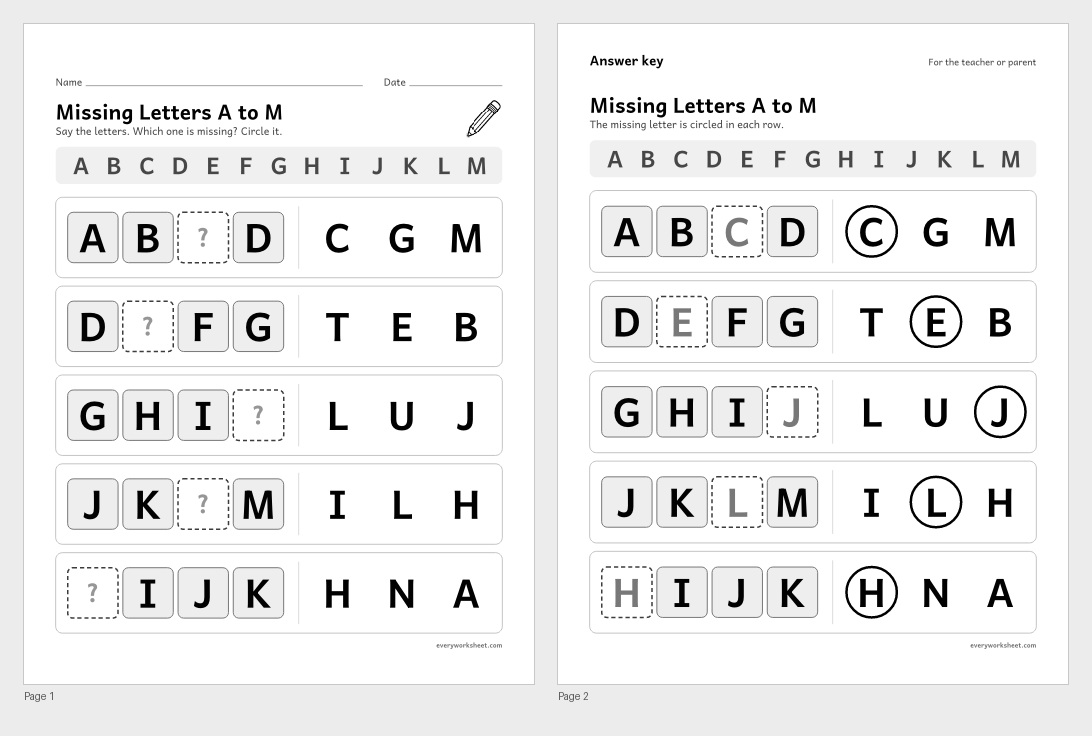
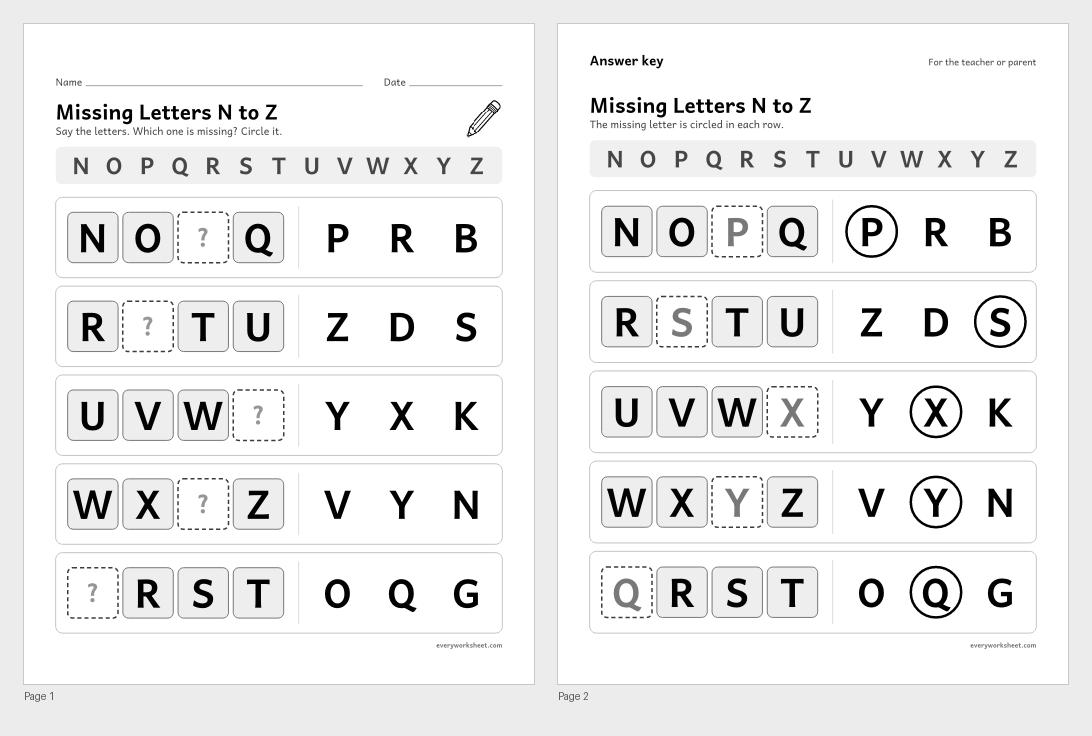
Missing letters N to Z
Finding the missing letter in ABC order, N to Z
Answer key on page 2
2 pages42 KB
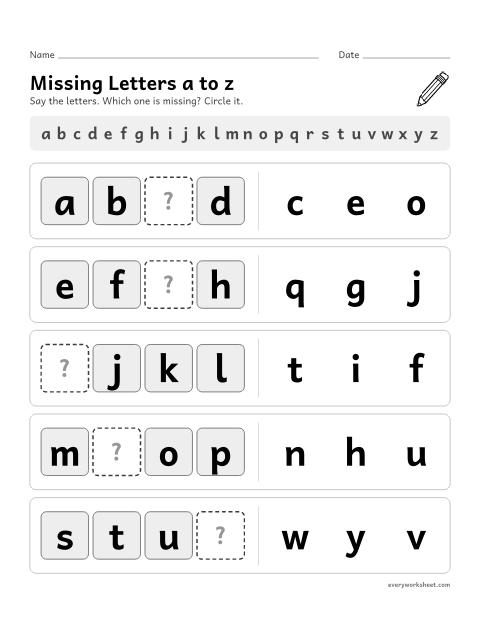 View all 2 pages
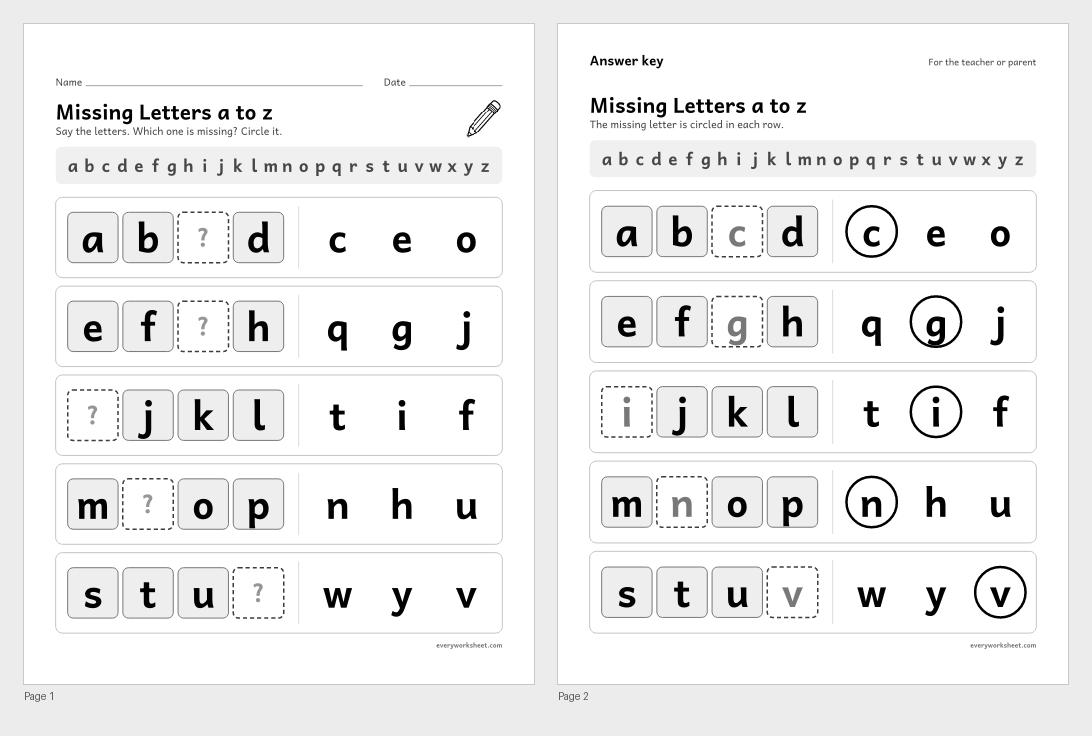
Missing letters a to z
Finding the missing lowercase letter in ABC order
Answer key on page 2
2 pages42 KB
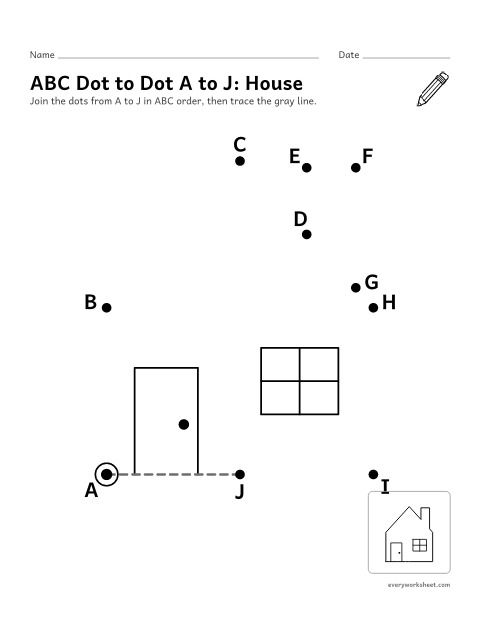 View all 2 pages
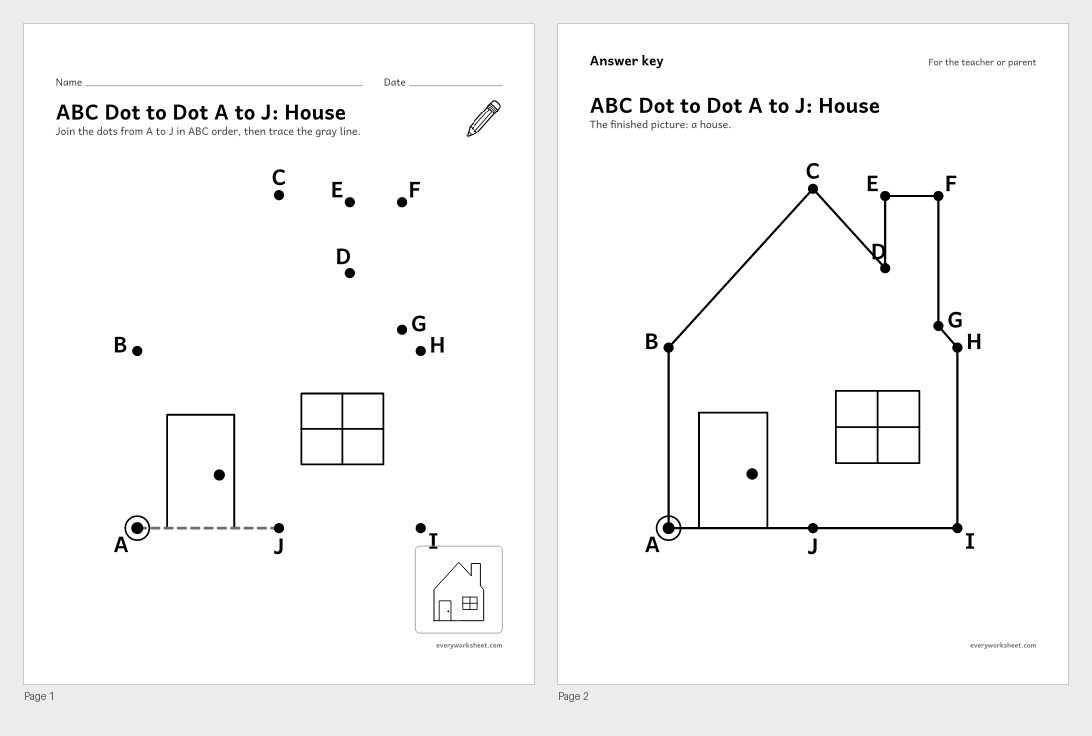
ABC dot to dot A to J: house
Putting the letters A to J in order
Answer key on page 2
2 pages38 KB
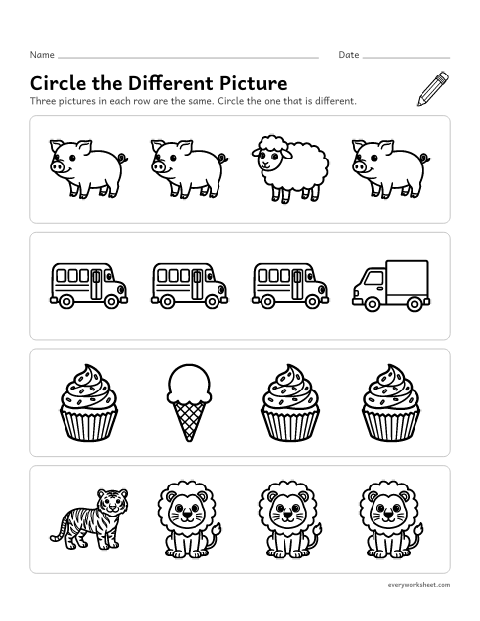 View all 2 pages
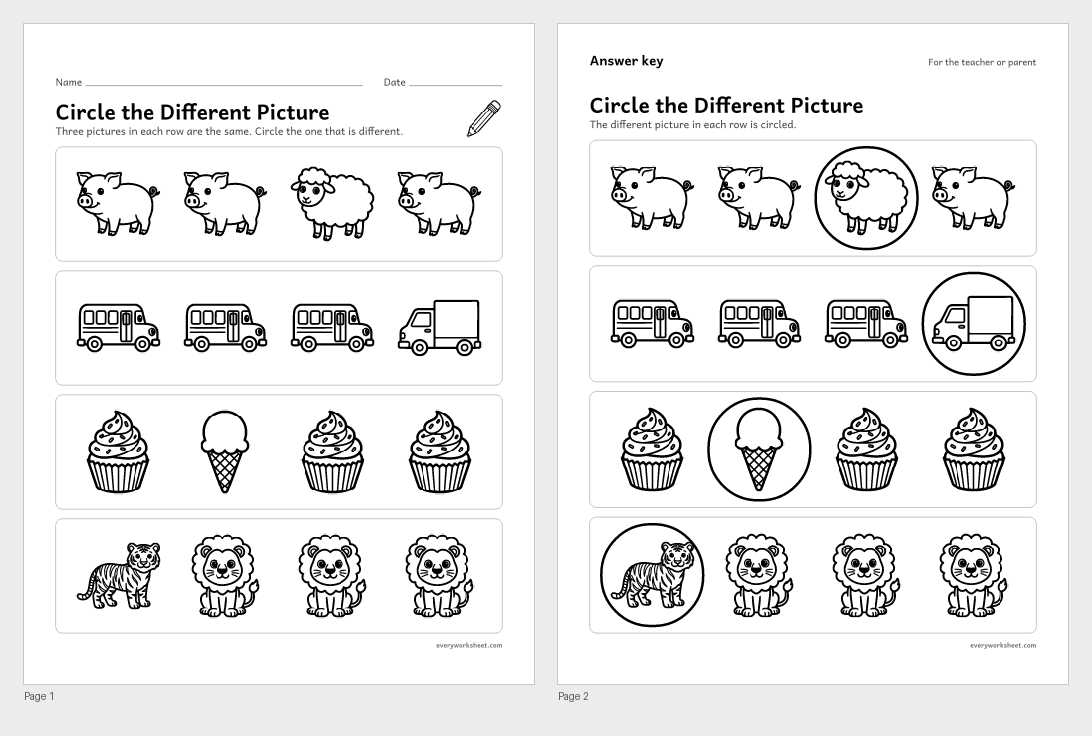
Circle the different picture
Finding the picture that is different
Answer key on page 2
2 pages708 KB
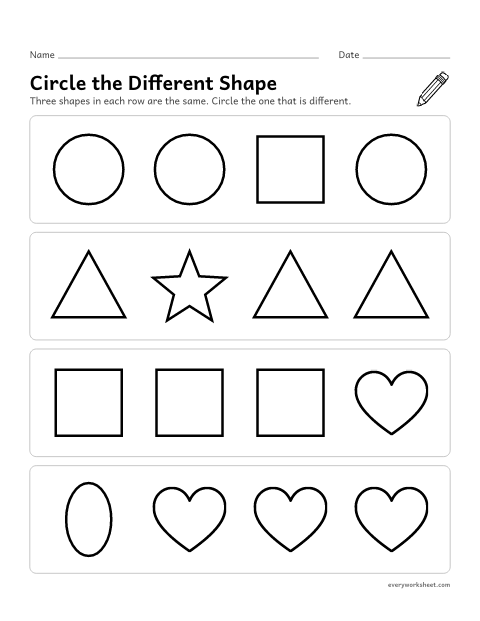 View all 2 pages
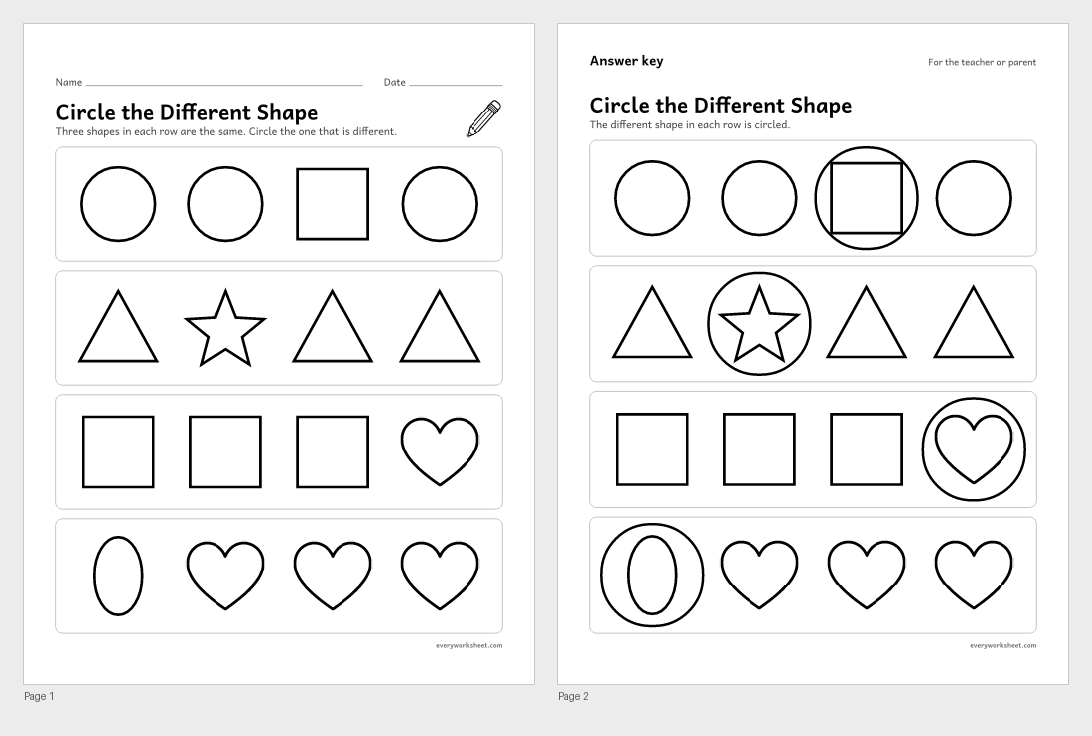
Circle the different shape
Finding the shape that is different
Answer key on page 2
2 pages61 KB
 View all 2 pages
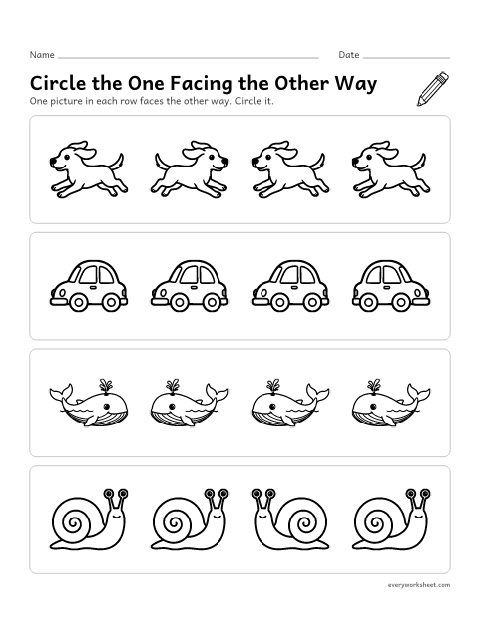
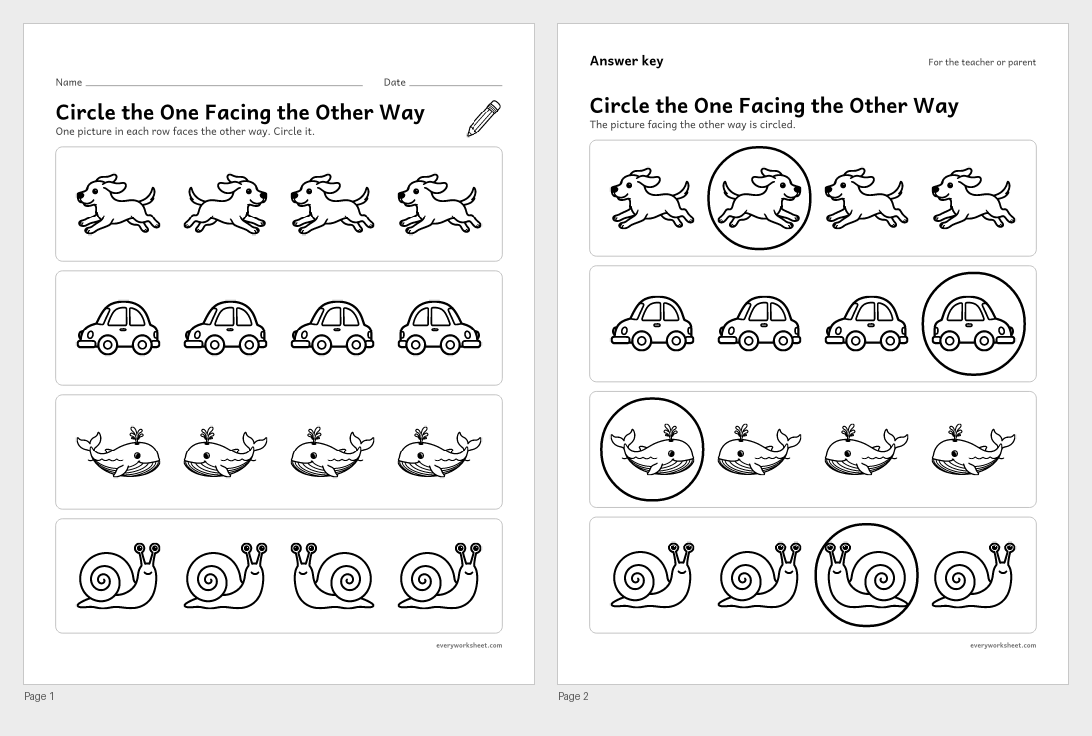
Circle the one facing the other way
Noticing which way a picture faces
Answer key on page 2
2 pages268 KB
 View all 2 pages
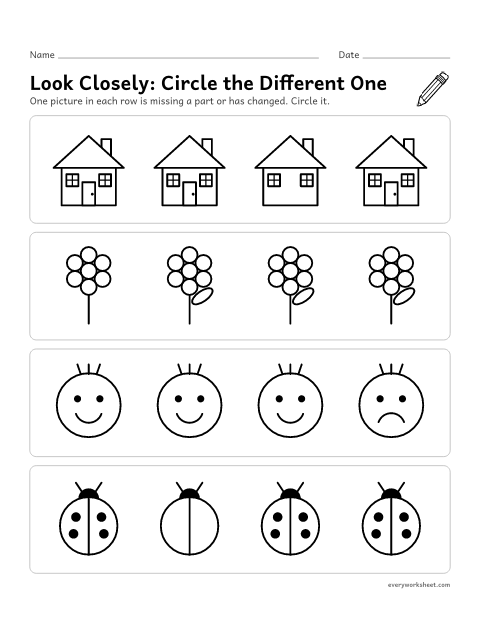
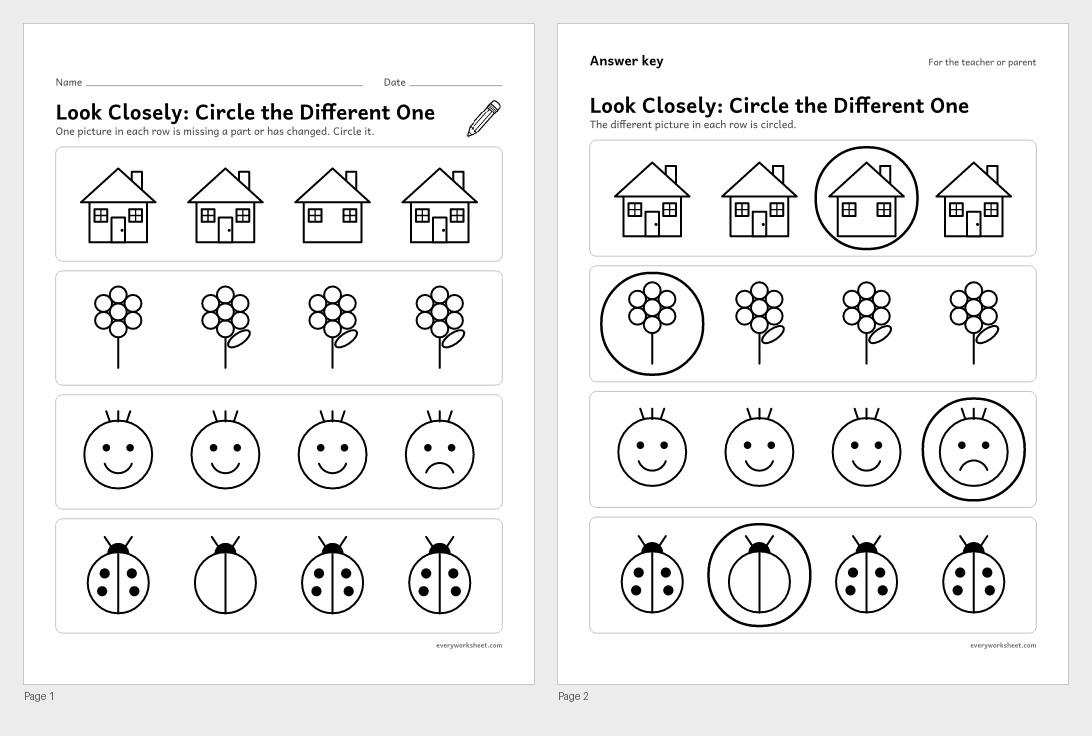
Look Closely: circle the different one
Finding a small difference between pictures
Answer key on page 2
2 pages40 KB
Print at 100% (actual size) for the cleanest tracing lines.
About these worksheets for 4 year olds worksheets
Four is a big year. Many four-year-olds start to recognize letters, especially the ones in their own name, hear words that rhyme and notice the first sound of a word. They can usually count ten objects, copy a cross, cut along a line with scissors and follow a simple maze. These worksheets for 4 year olds are picked from our preschool pages to match that stage.
The pages are still Pre-K pages: big print, one job per page and a short direction for the grown-up to read. Your child traces, circles, dots, matches, cuts and glues. Every cut-and-paste page has a no-cut twin, and pages with one right answer have an answer key on page 2.
Standards
ELOF P-LIT 1Child demonstrates awareness that spoken language is composed of smaller segments of sound.ELOF P-LIT 3Child identifies letters of the alphabet and produces correct sounds associated with letters.ELOF P-MATH 1Child knows number names and the count sequence.ELOF P-MATH 3Child understands the relationship between numbers and quantities.ELOF P-MATH 7Child understands simple patterns.ELOF P-PMP 3Child demonstrates increasing control, strength, and coordination of small muscles.ELOF P-PMP 2Child uses perceptual information to guide motions and interactions with objects and other people.ELOF P-ATL 7Child persists in tasks.
How to use them
- One or two pages a day is plenty. Most four-year-olds can focus for about 10 to 15 minutes.
- Say the sounds and words aloud together. Beginning sounds and rhymes are listening skills, so the talking matters more than the pencil.
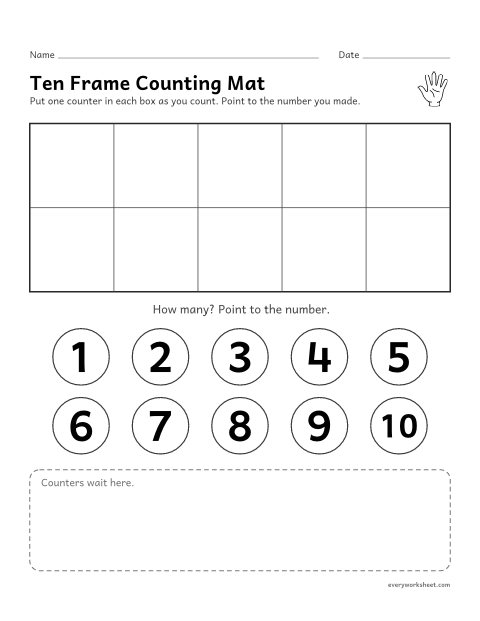
- For counting pages, touch each picture as you count, then ask, "How many?"
- Give child-sized scissors and show the thumb on top. Let your child cut the straight lines before the wavy ones.
- Try a maze with a finger first, then with a crayon.
- Mix in a page your child has already done. Easy wins build confidence.
Teaching tips
- Signs your child is ready for these pages: they can sit for 10 minutes, hold a crayon with their fingers, copy a circle and count a few objects.
- Start letters with the ones in your child's name. They care about those most.
- If rhyming is hard, read rhyming books and play "cat, hat, bat... what else?" before the worksheet.
- A three-finger crayon grip often appears between four and five. Short crayons help.
- Let your child find answers on a key themselves. Checking work is a skill too.
- Want to see what your child already knows? Our preschool assessment pack checks letters, numbers, shapes and more in a few minutes.
Questions teachers and parents ask
What should a 4 year old be learning?
Many four-year-olds are learning letter names and sounds, rhyming, counting to 10, simple patterns and shapes, plus cutting, coloring and copying simple shapes. Every child grows at their own pace, so use these as a guide.
How long should a 4 year old spend on worksheets?
About 10 to 15 minutes at a time is plenty. Short, regular practice works better than long sessions.
Can a 4 year old write their name?
Some can, and many write a few of the letters. Tracing letter pages and lots of drawing help. It is normal for name writing to come together over pre-K.
Do these worksheets have answer keys?
Yes, where a page has one right answer, such as matching, counting and rhyming pages, the answer key is on page 2 of the PDF.