 View all 2 pages
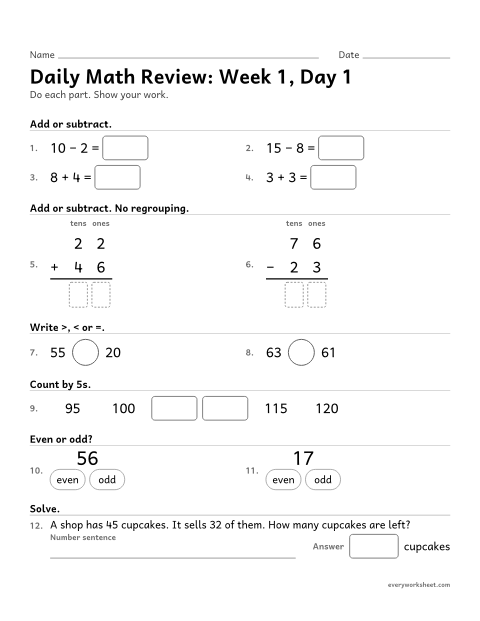
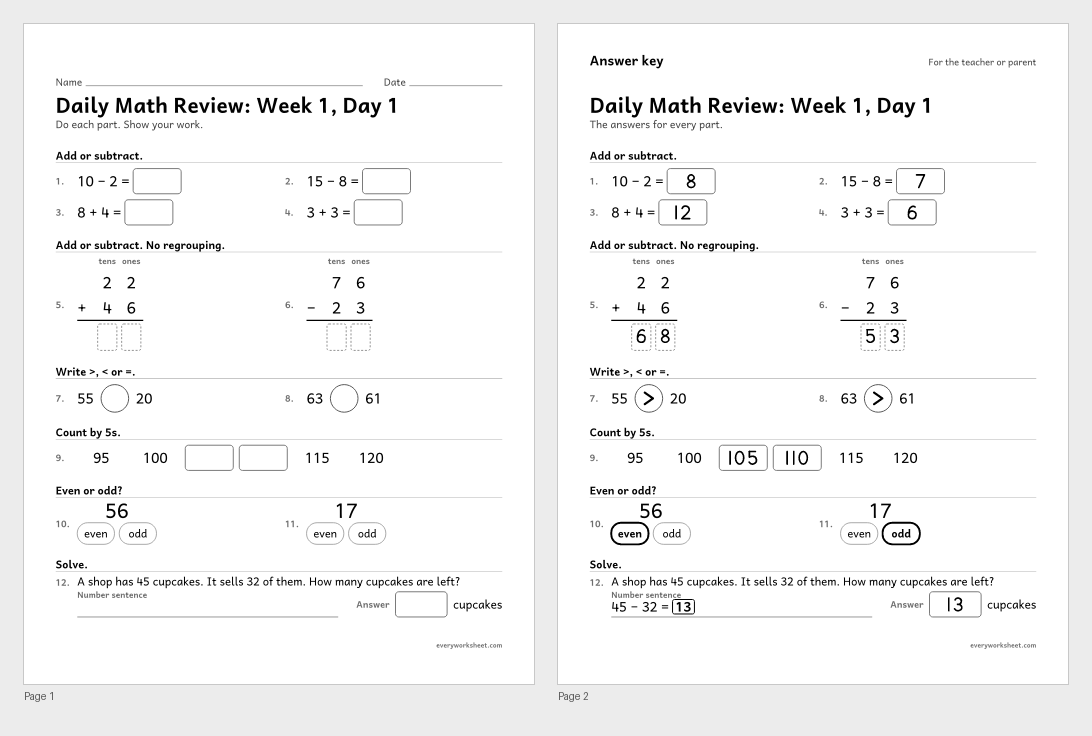
Daily math Review: week 1, day 1
Mixed 2nd grade math review
Answer key on page 2
2 pages66 KB
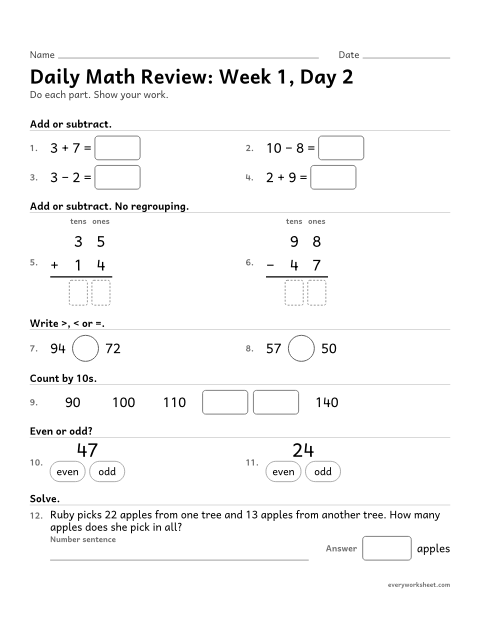
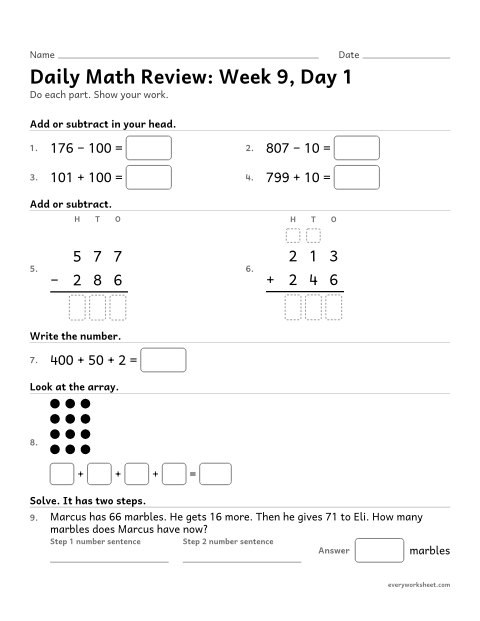
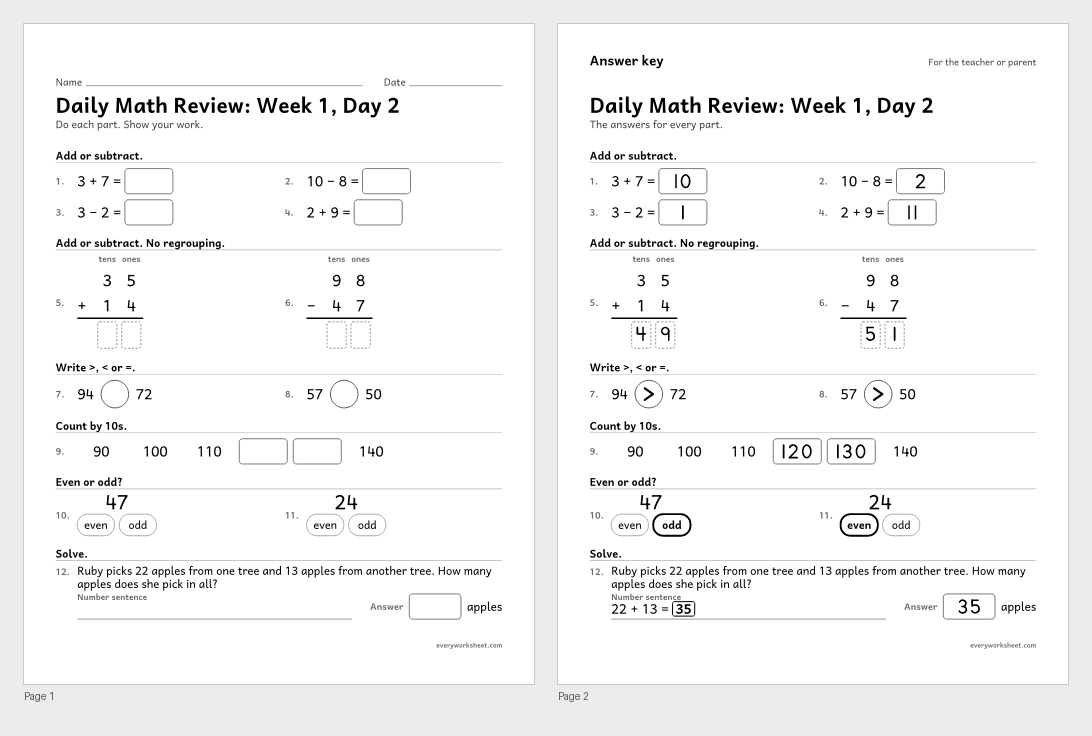
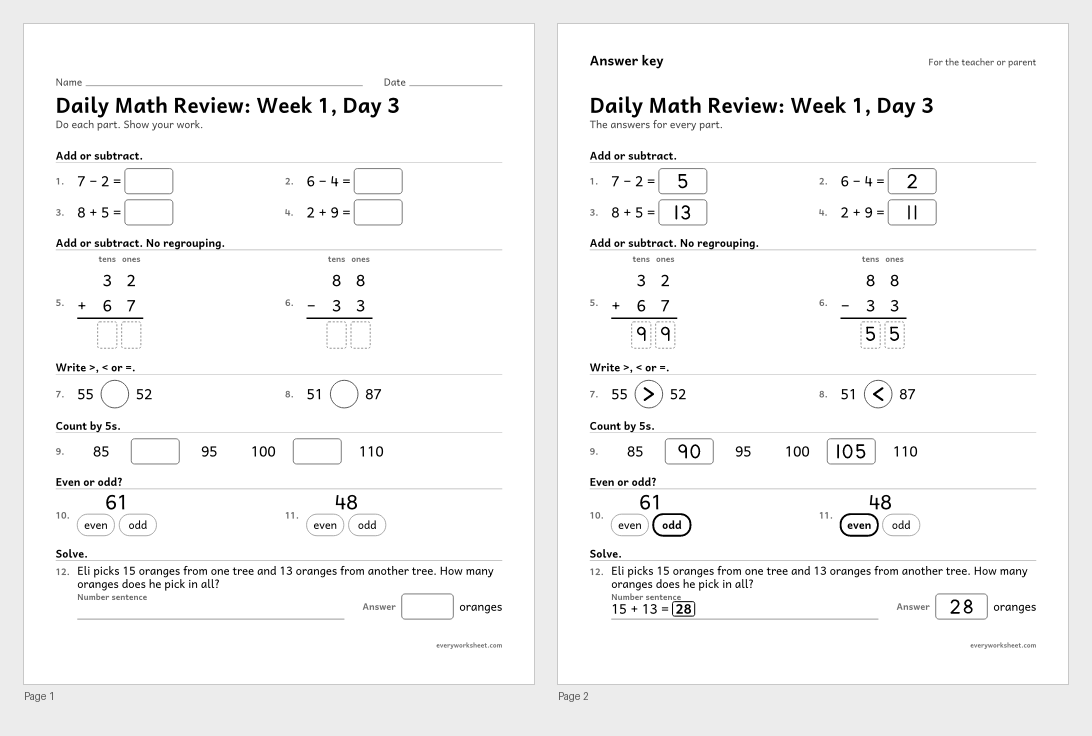
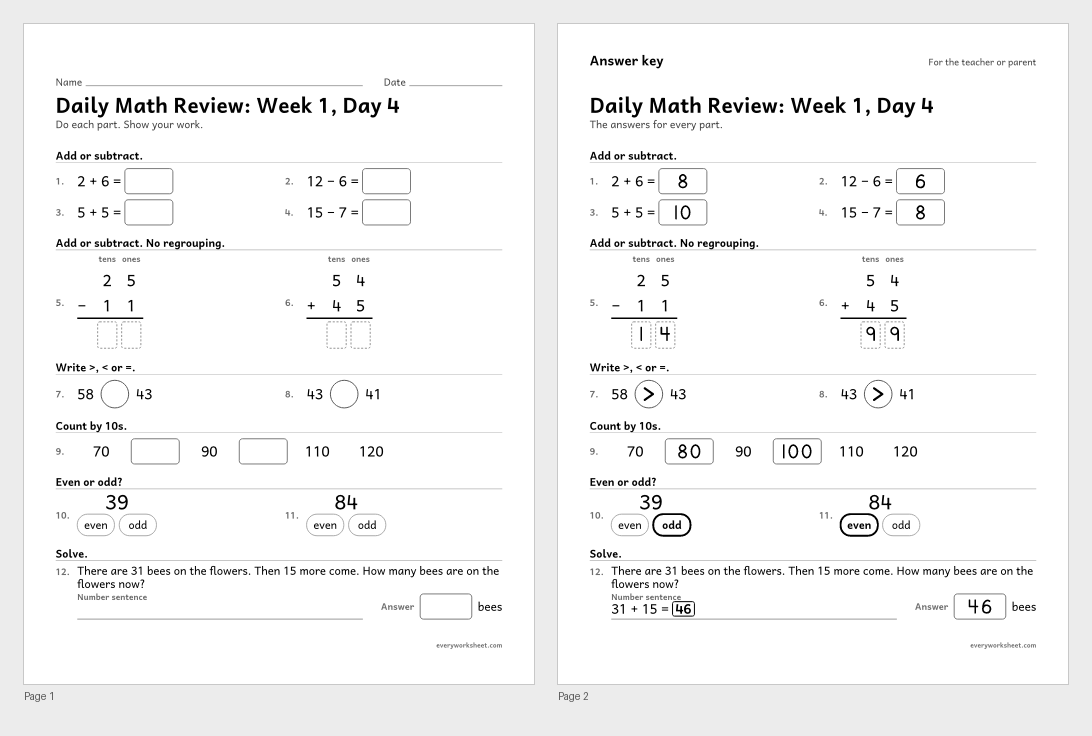
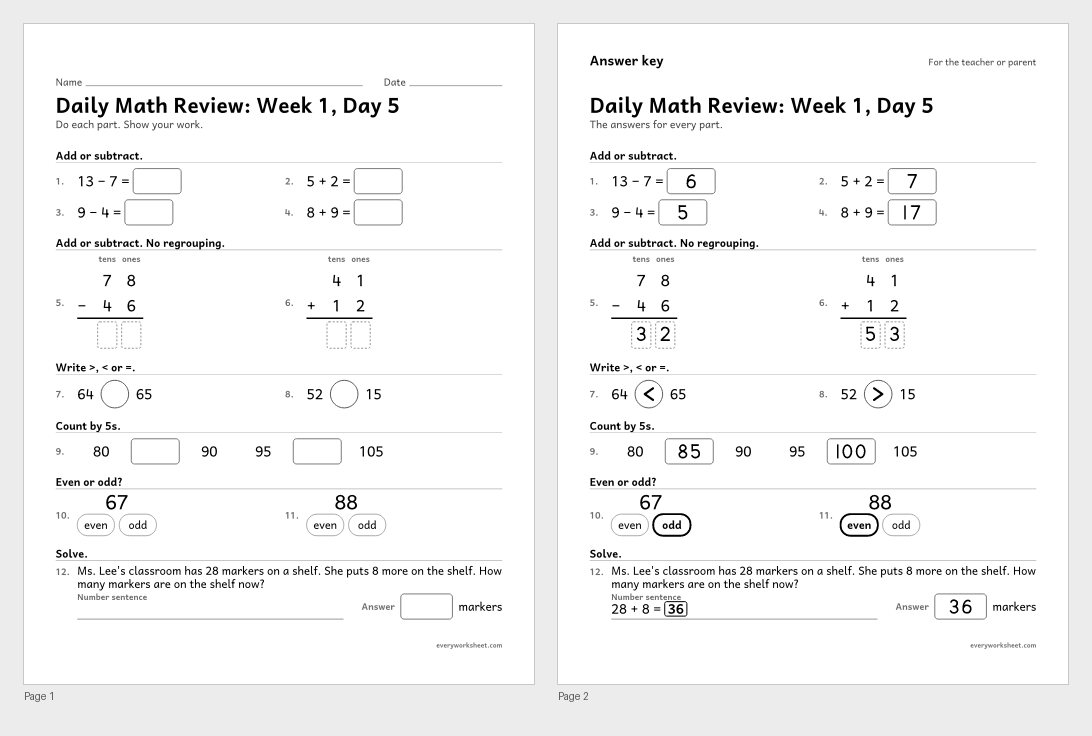
80 daily math review pages for 2nd grade, one per school day for 16 weeks. Each short page spirals facts, place value, adding and subtracting and a word problem.
View all 2 pagesMixed 2nd grade math review
Answer key on page 2
2 pages66 KB
 View all 2 pages
Mixed 2nd grade math review
Answer key on page 2
2 pages66 KB
 View all 2 pages
Mixed 2nd grade math review
Answer key on page 2
2 pages66 KB
 View all 2 pages
Mixed 2nd grade math review
Answer key on page 2
2 pages66 KB
 View all 2 pages
Mixed 2nd grade math review
Answer key on page 2
2 pages66 KB
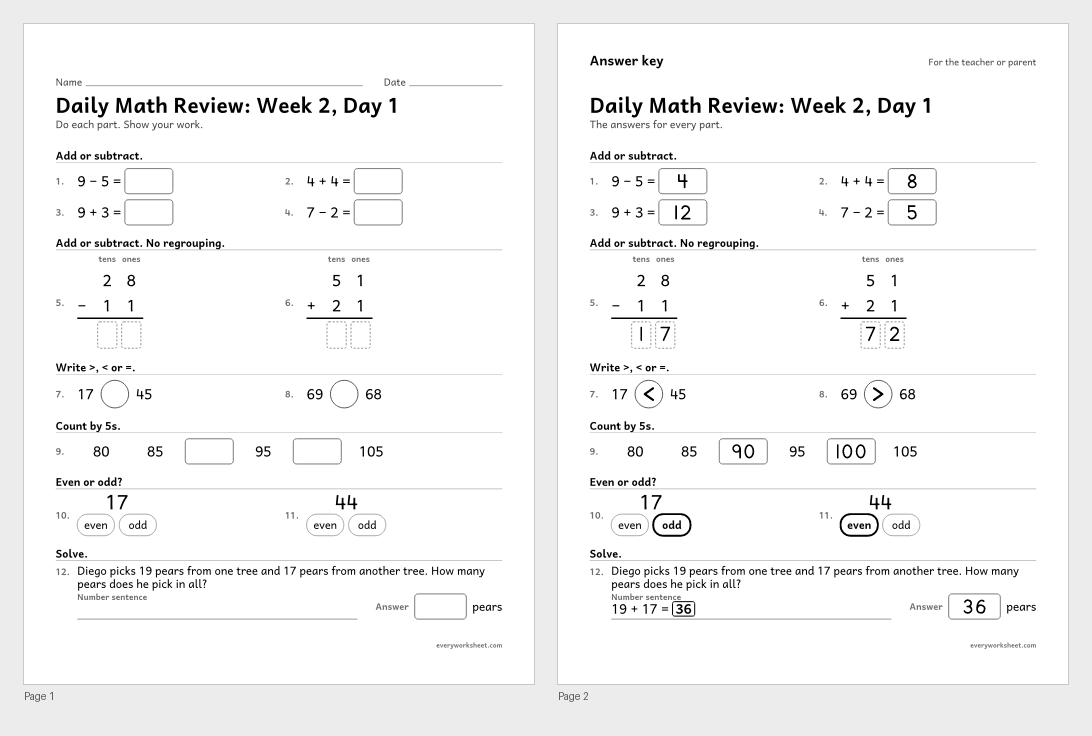 View all 2 pages
Mixed 2nd grade math review
Answer key on page 2
2 pages66 KB
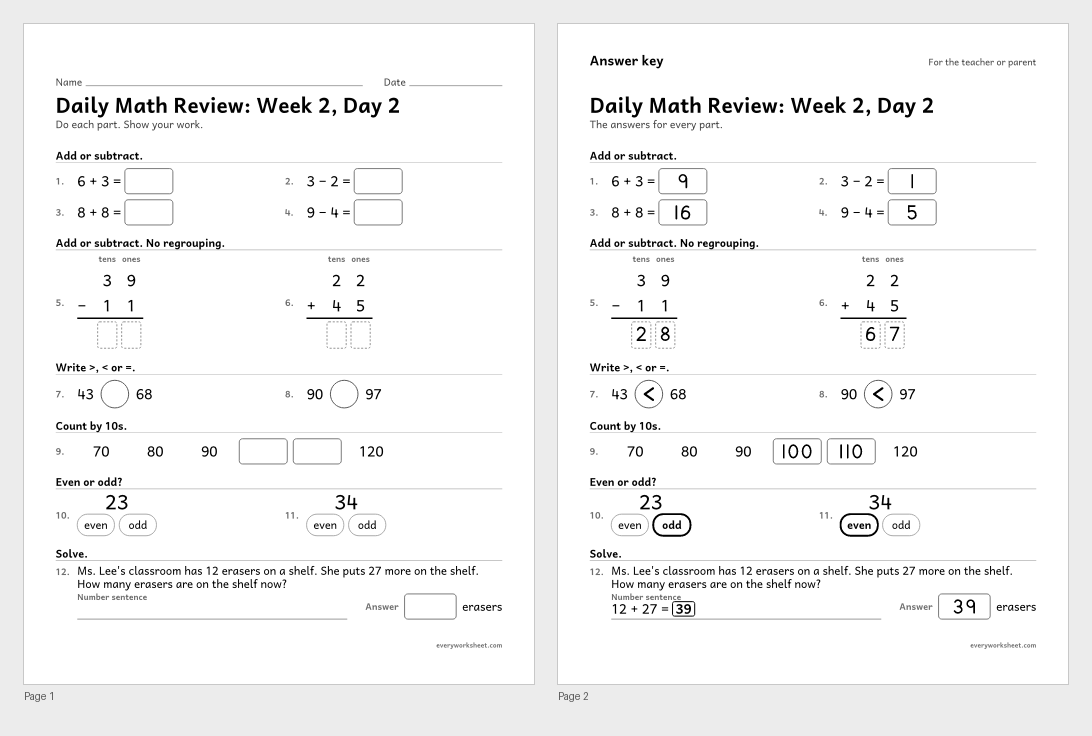 View all 2 pages
Mixed 2nd grade math review
Answer key on page 2
2 pages66 KB
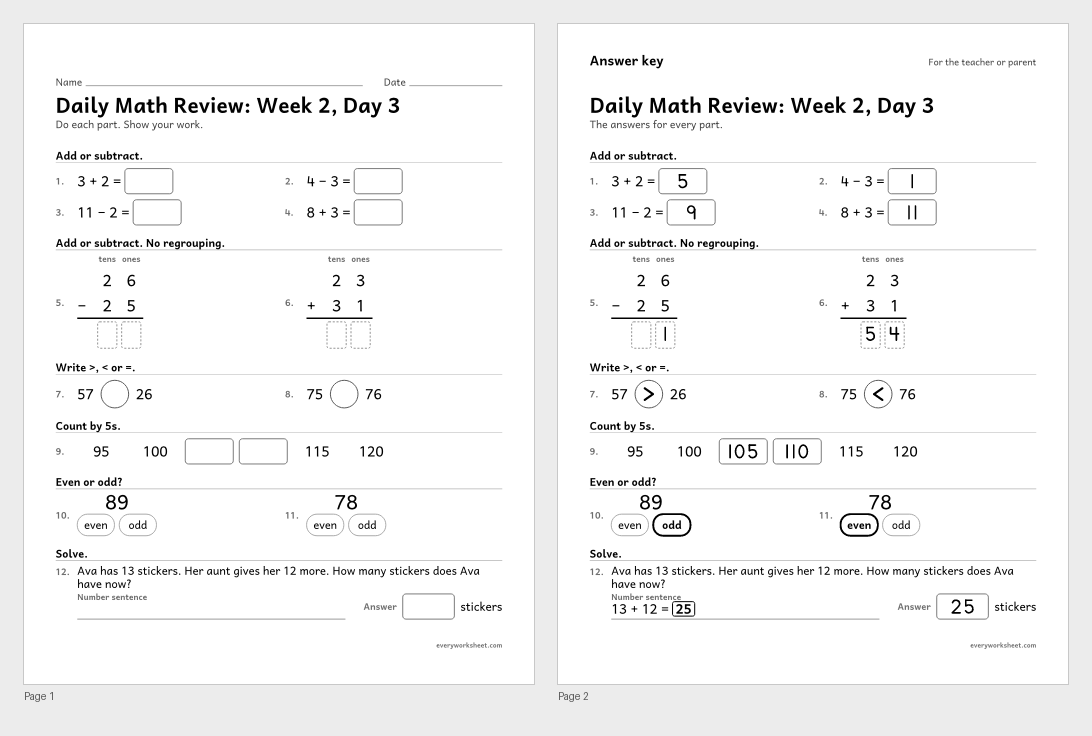 View all 2 pages
Mixed 2nd grade math review
Answer key on page 2
2 pages66 KB
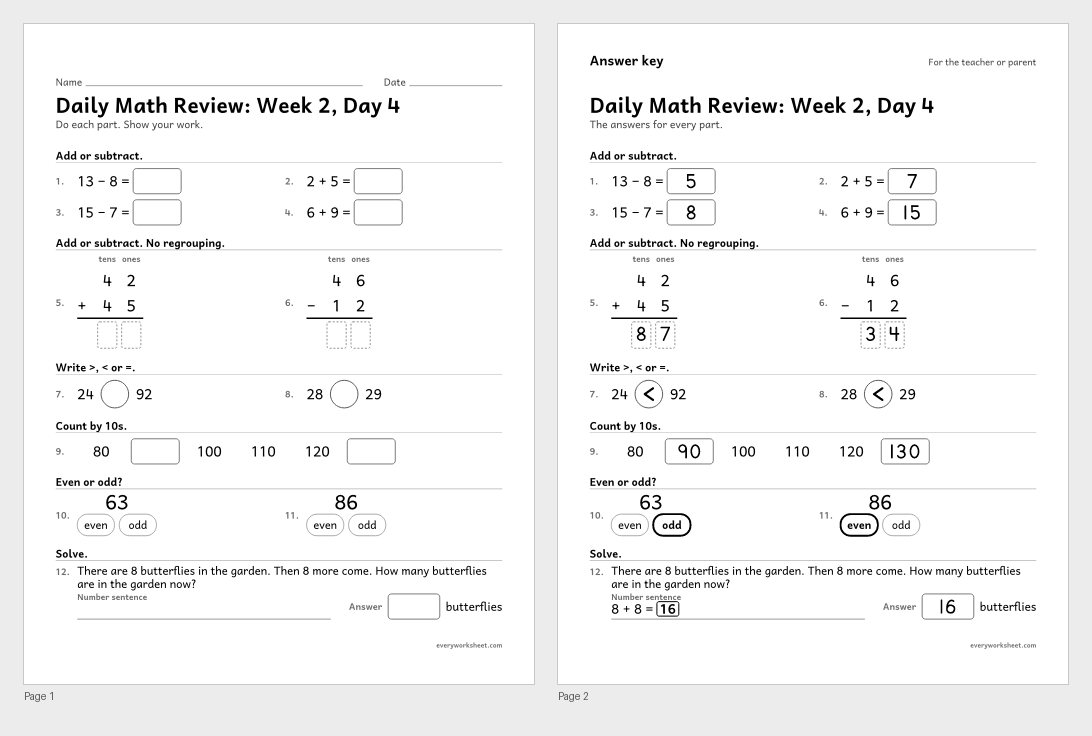 View all 2 pages
Mixed 2nd grade math review
Answer key on page 2
2 pages66 KB
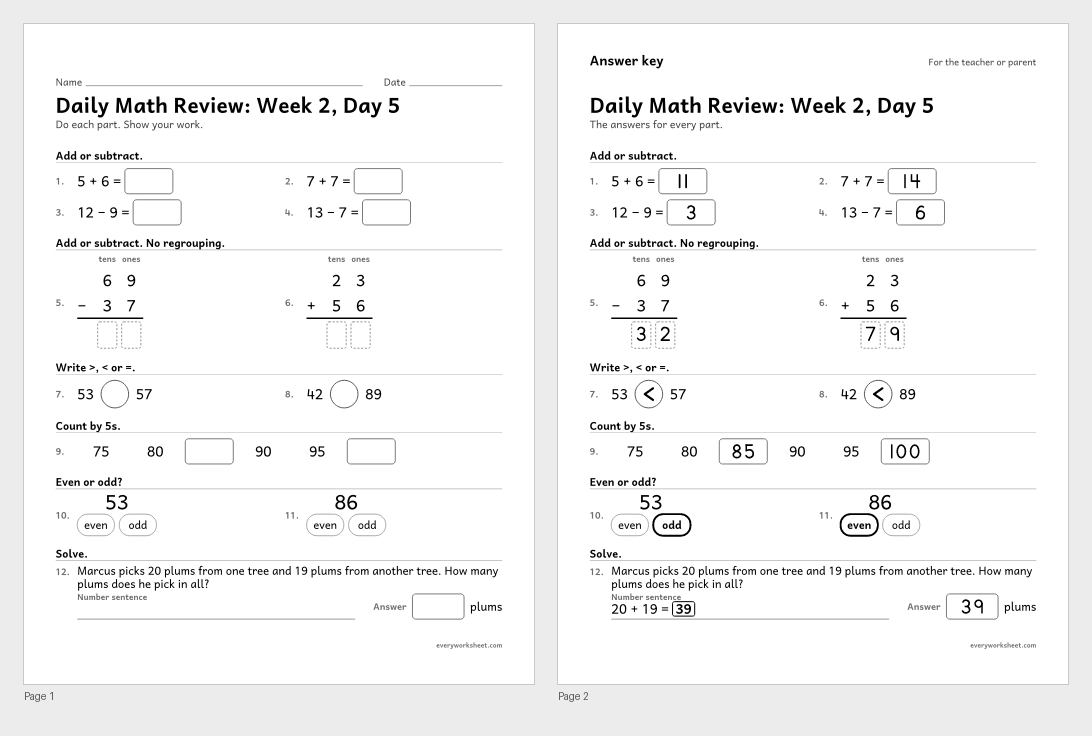 View all 2 pages
Mixed 2nd grade math review
Answer key on page 2
2 pages66 KB
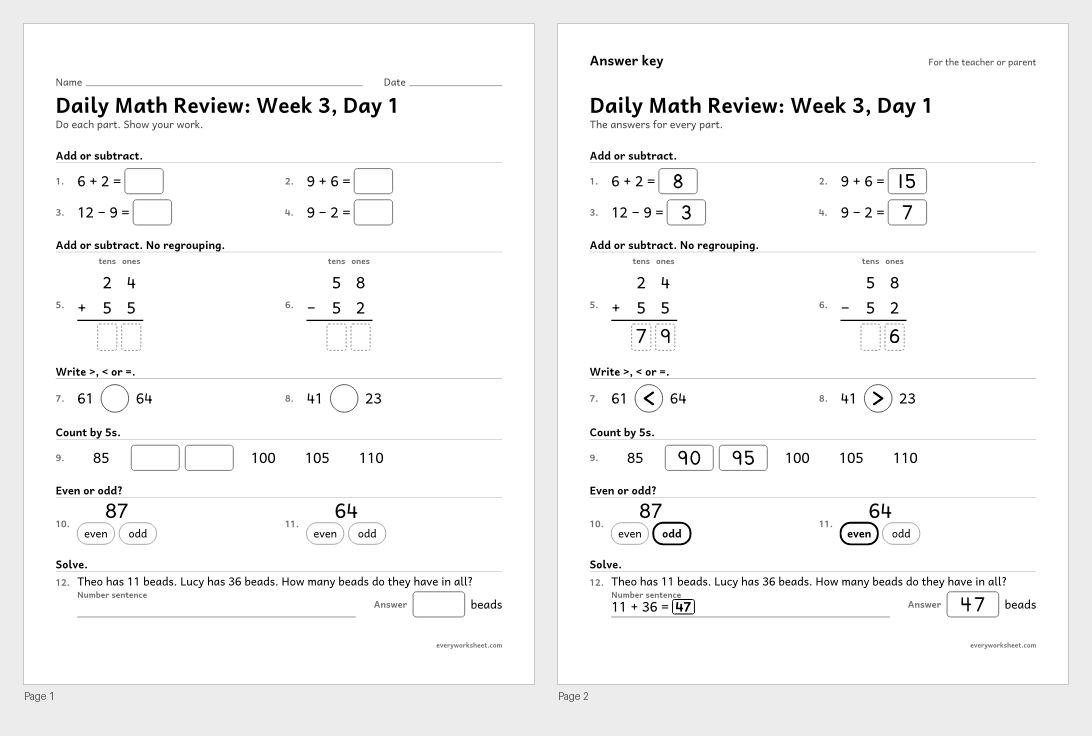 View all 2 pages
Mixed 2nd grade math review
Answer key on page 2
2 pages66 KB
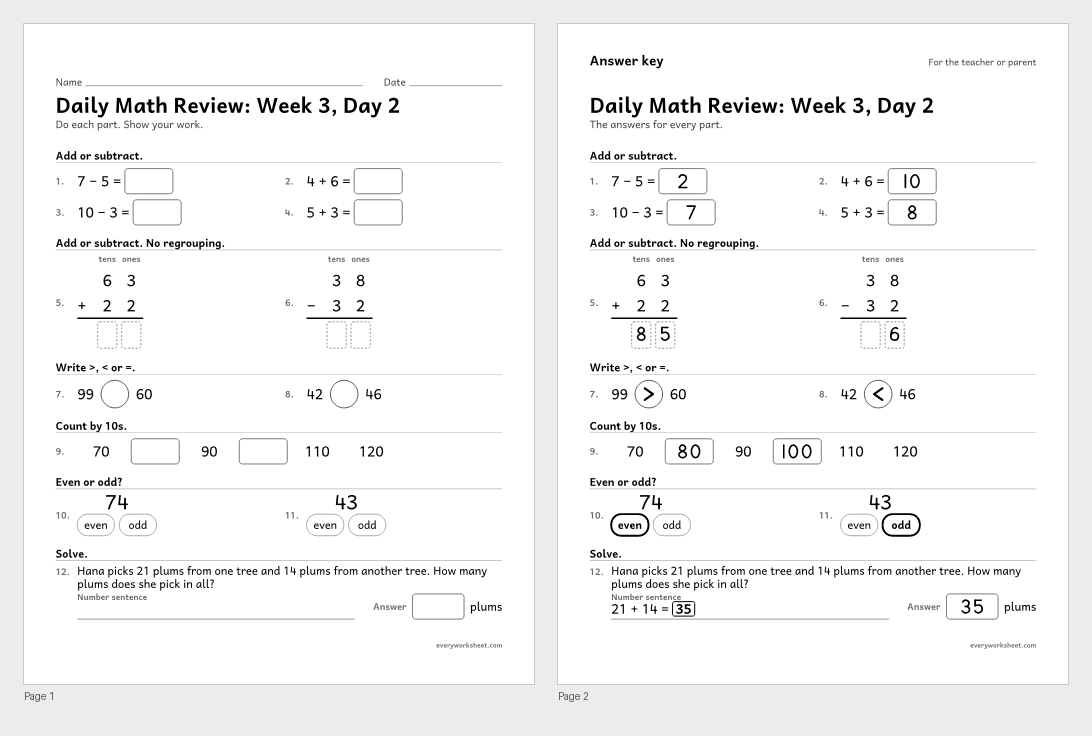 View all 2 pages
Mixed 2nd grade math review
Answer key on page 2
2 pages66 KB
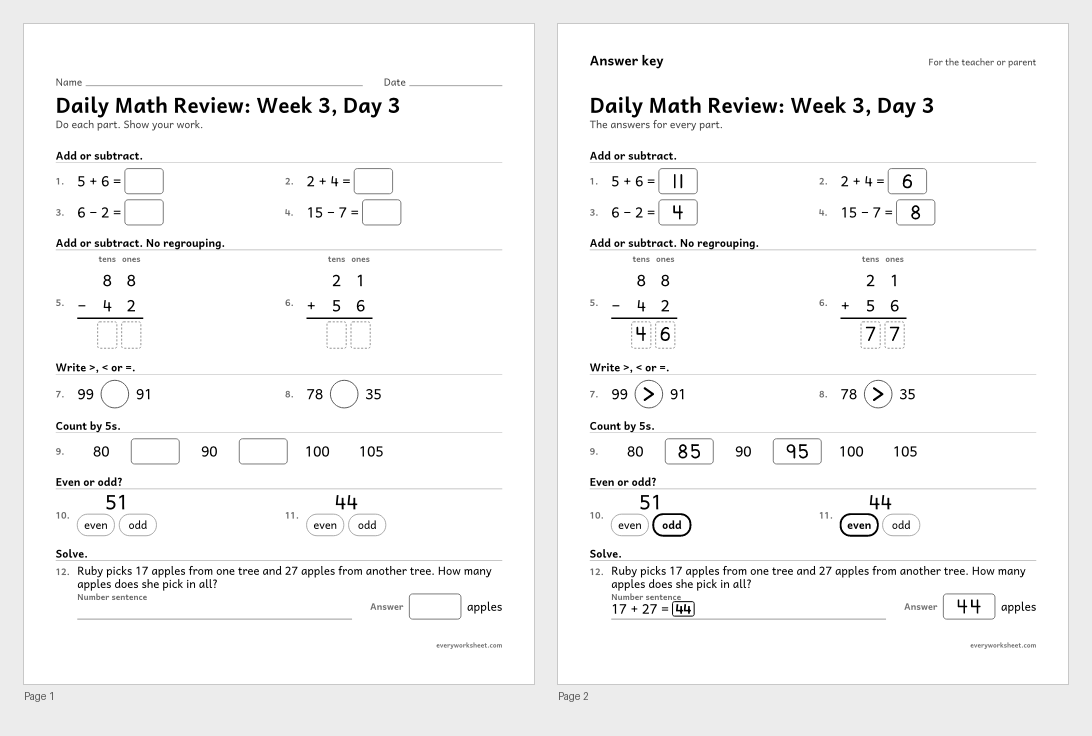 View all 2 pages
Mixed 2nd grade math review
Answer key on page 2
2 pages66 KB
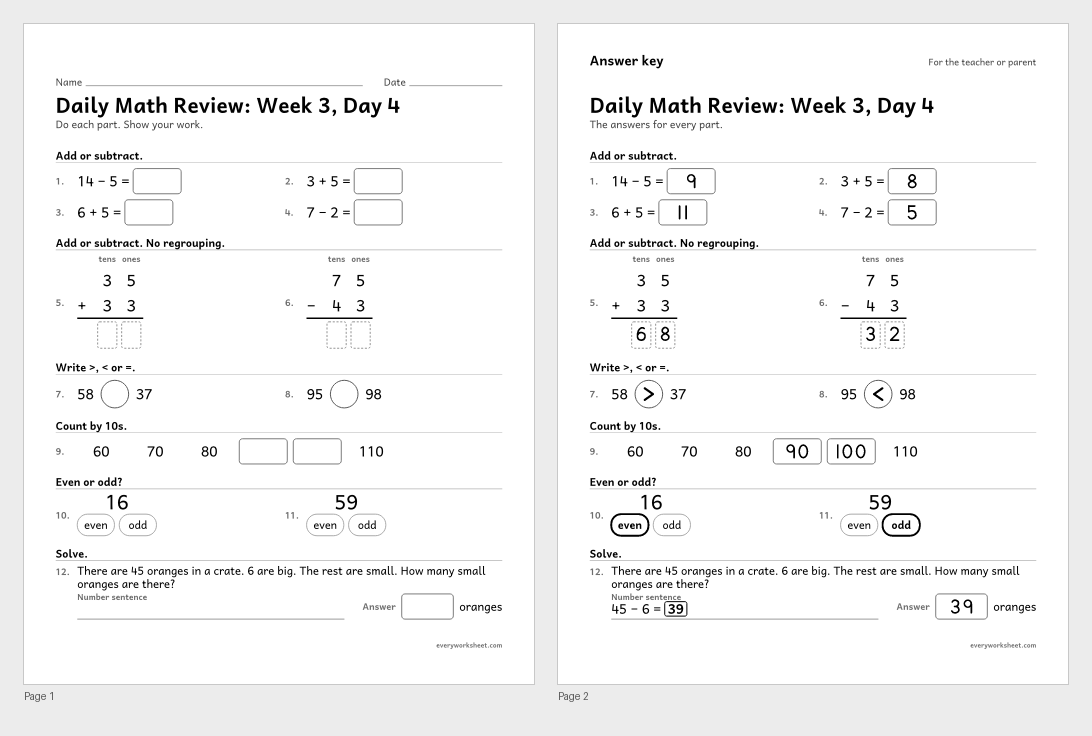 View all 2 pages
Mixed 2nd grade math review
Answer key on page 2
2 pages66 KB
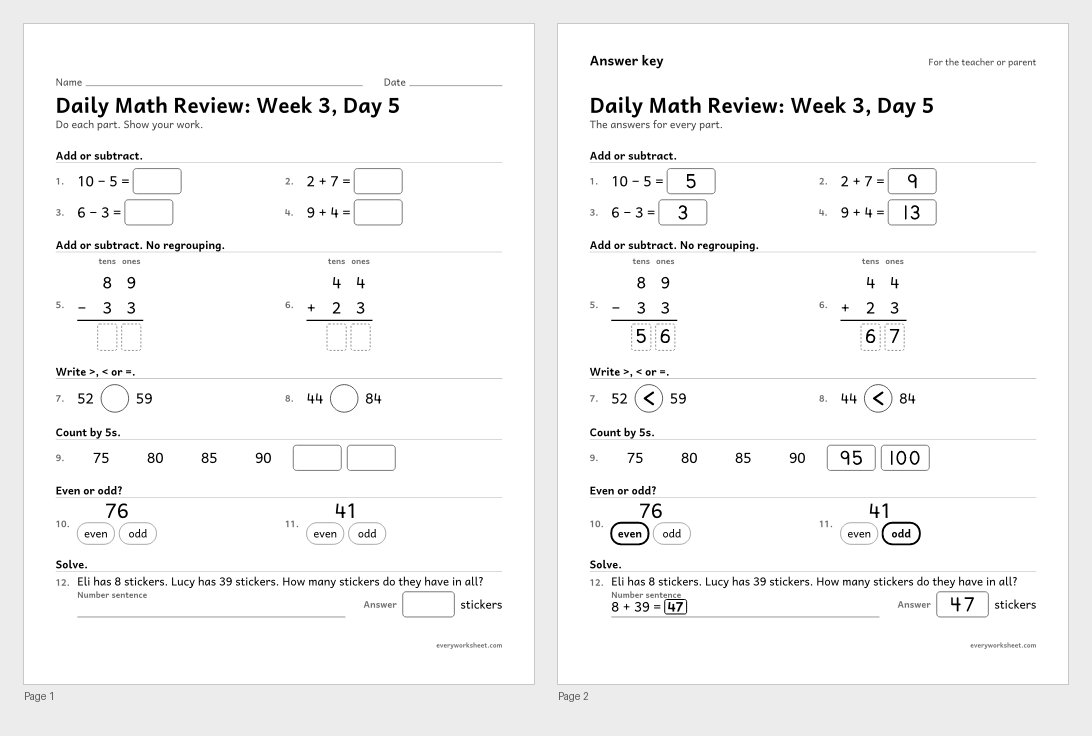 View all 2 pages
Mixed 2nd grade math review
Answer key on page 2
2 pages66 KB
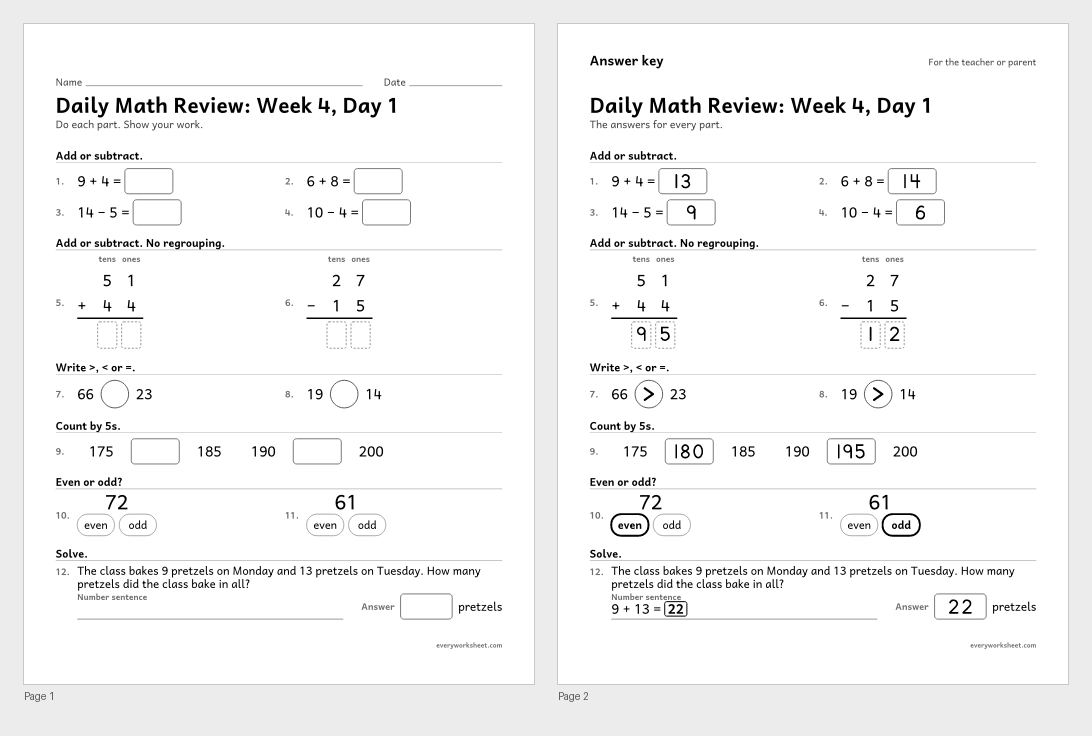 View all 2 pages
Mixed 2nd grade math review
Answer key on page 2
2 pages66 KB
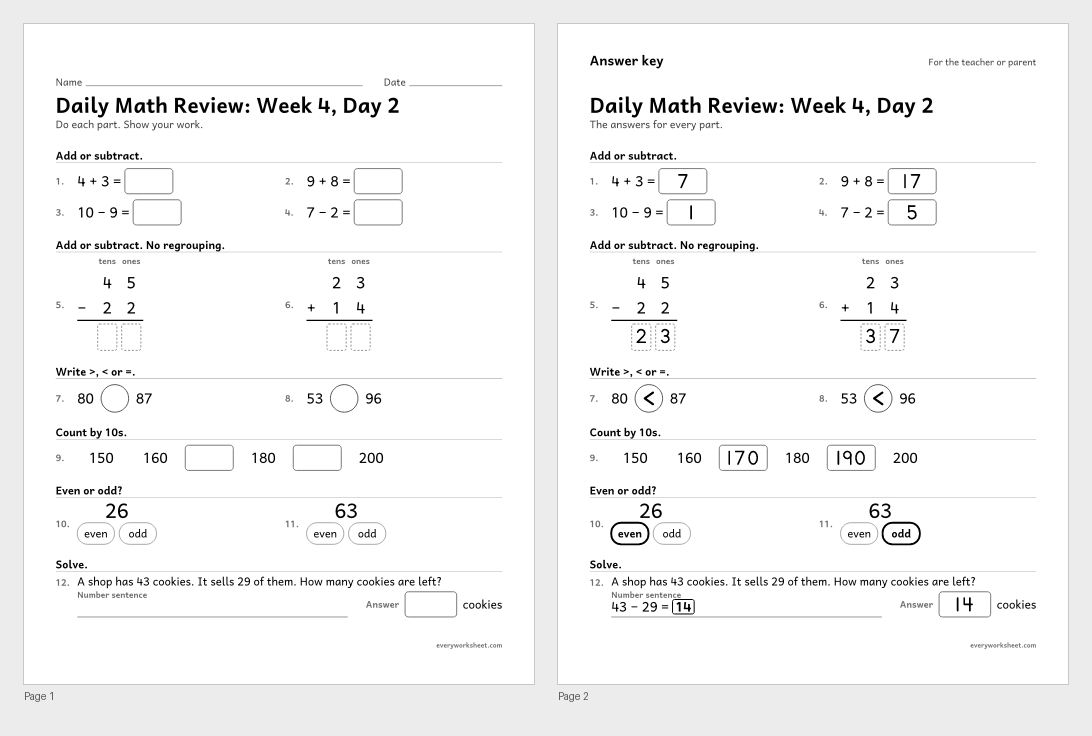 View all 2 pages
Mixed 2nd grade math review
Answer key on page 2
2 pages66 KB
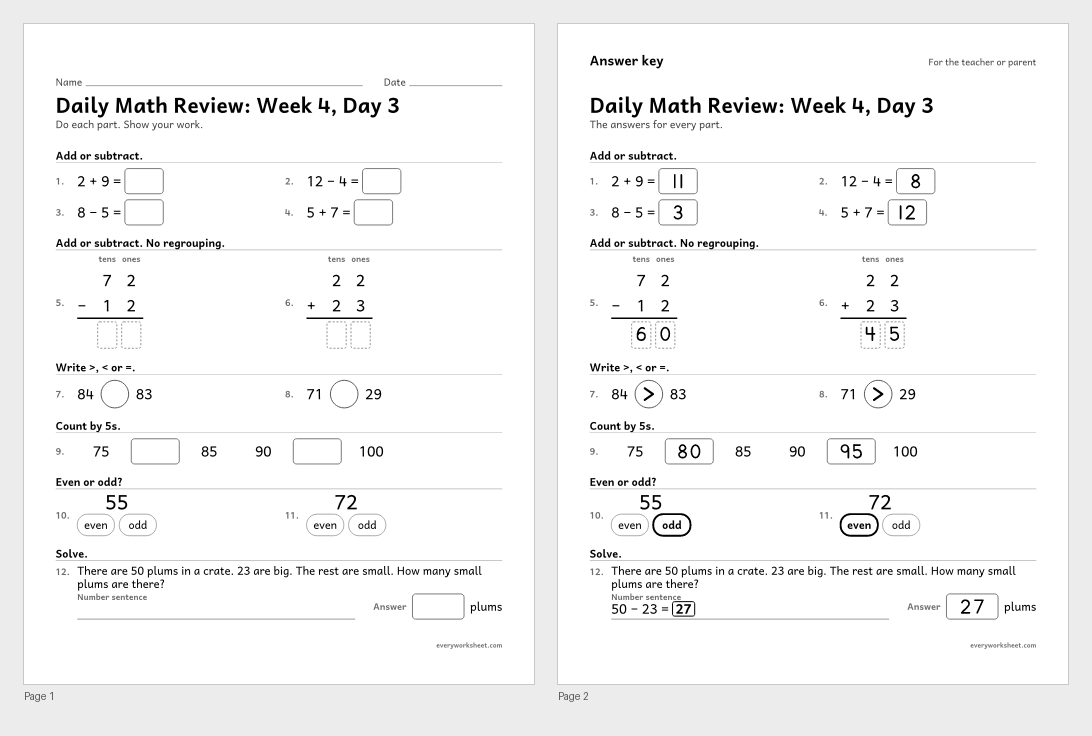 View all 2 pages
Mixed 2nd grade math review
Answer key on page 2
2 pages66 KB
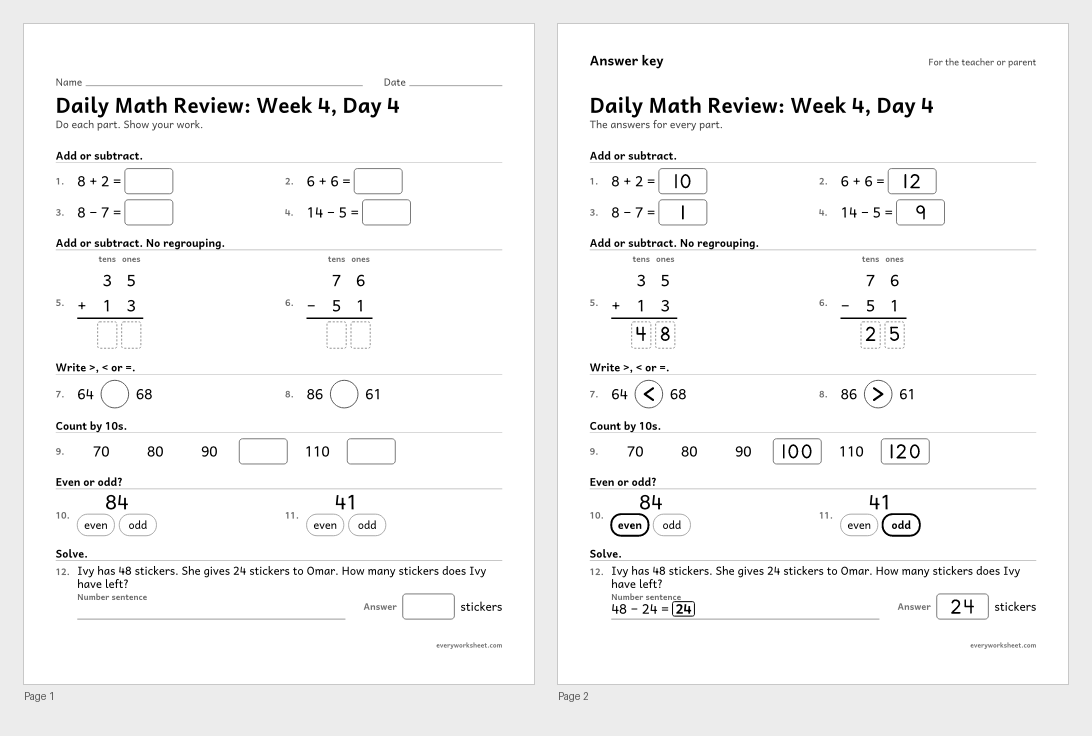 View all 2 pages
Mixed 2nd grade math review
Answer key on page 2
2 pages66 KB
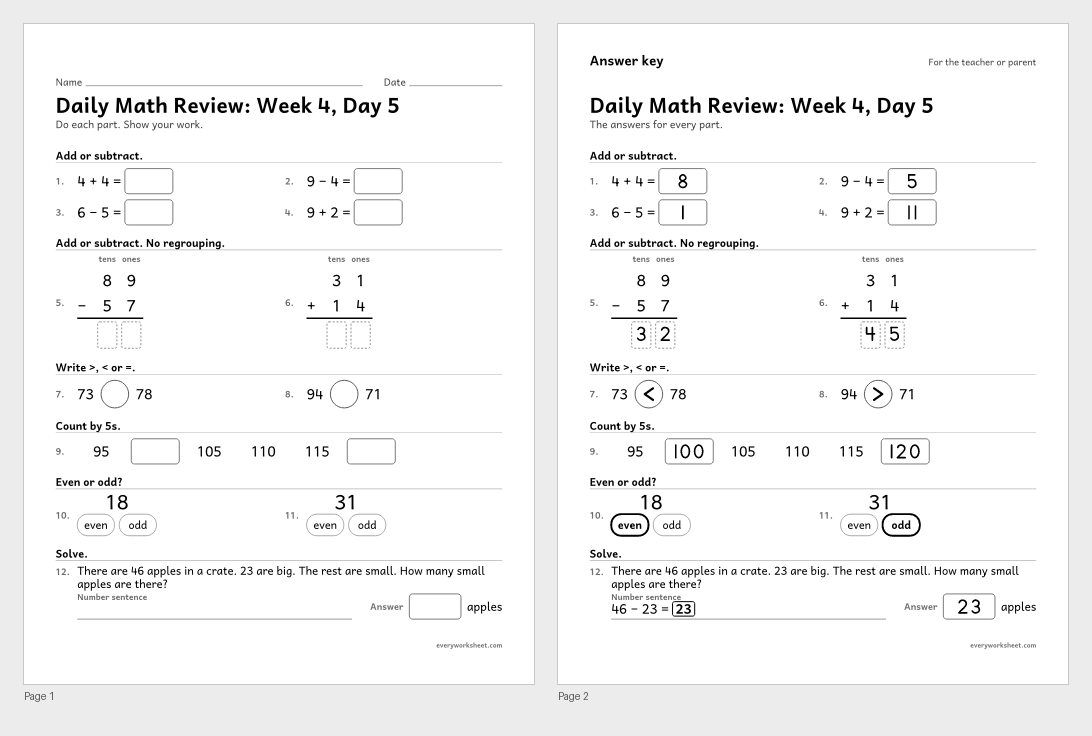 View all 2 pages
Mixed 2nd grade math review
Answer key on page 2
2 pages66 KB
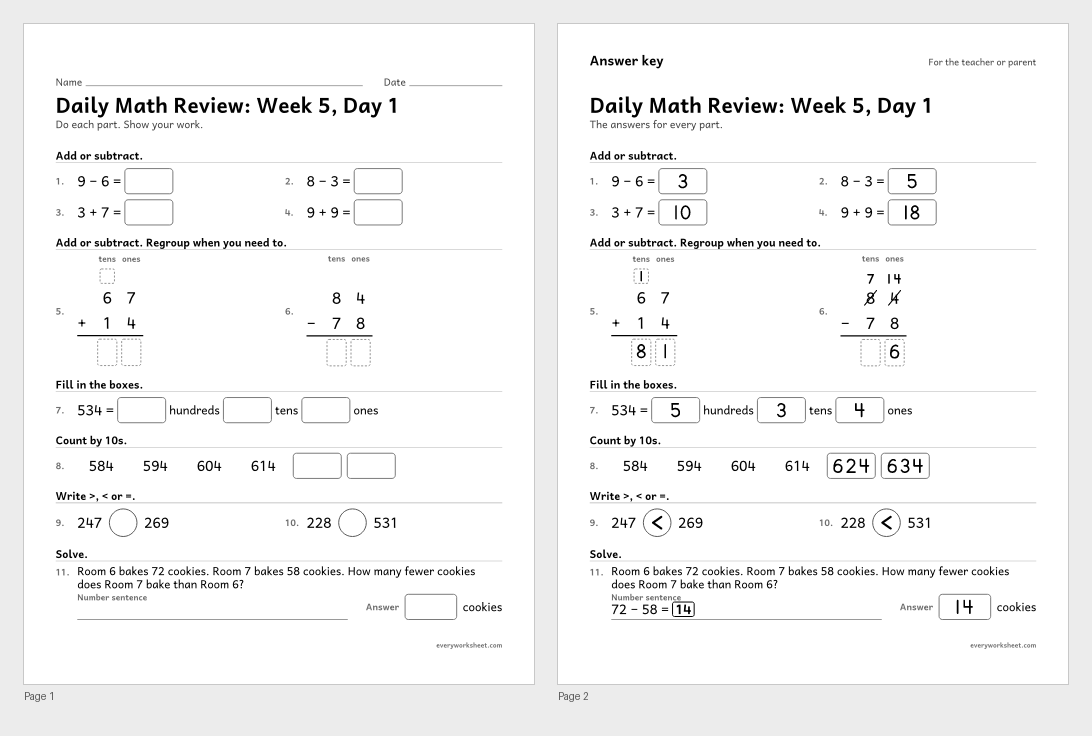 View all 2 pages
Mixed 2nd grade math review
Answer key on page 2
2 pages67 KB
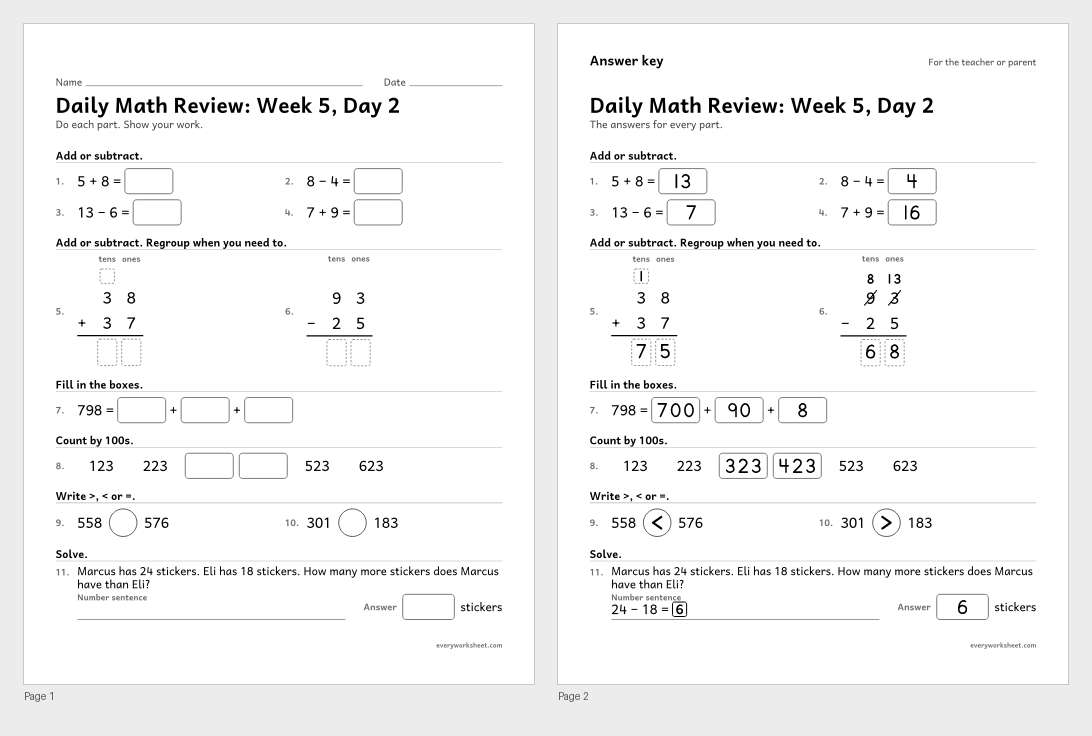 View all 2 pages
Mixed 2nd grade math review
Answer key on page 2
2 pages67 KB
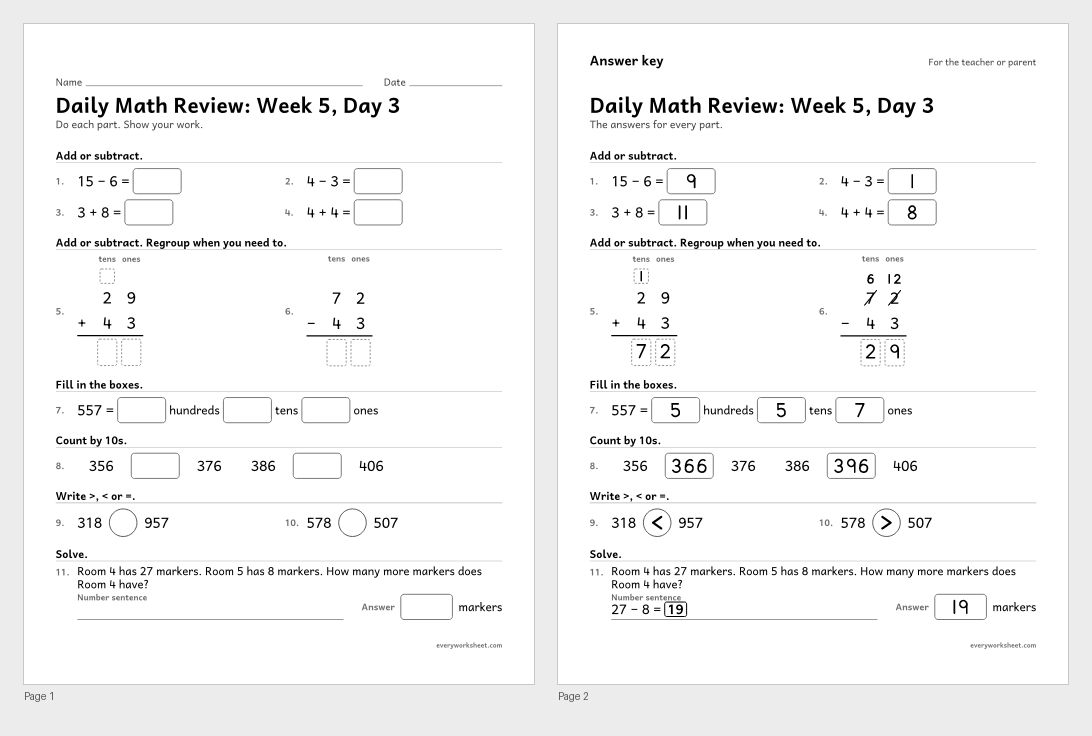 View all 2 pages
Mixed 2nd grade math review
Answer key on page 2
2 pages67 KB
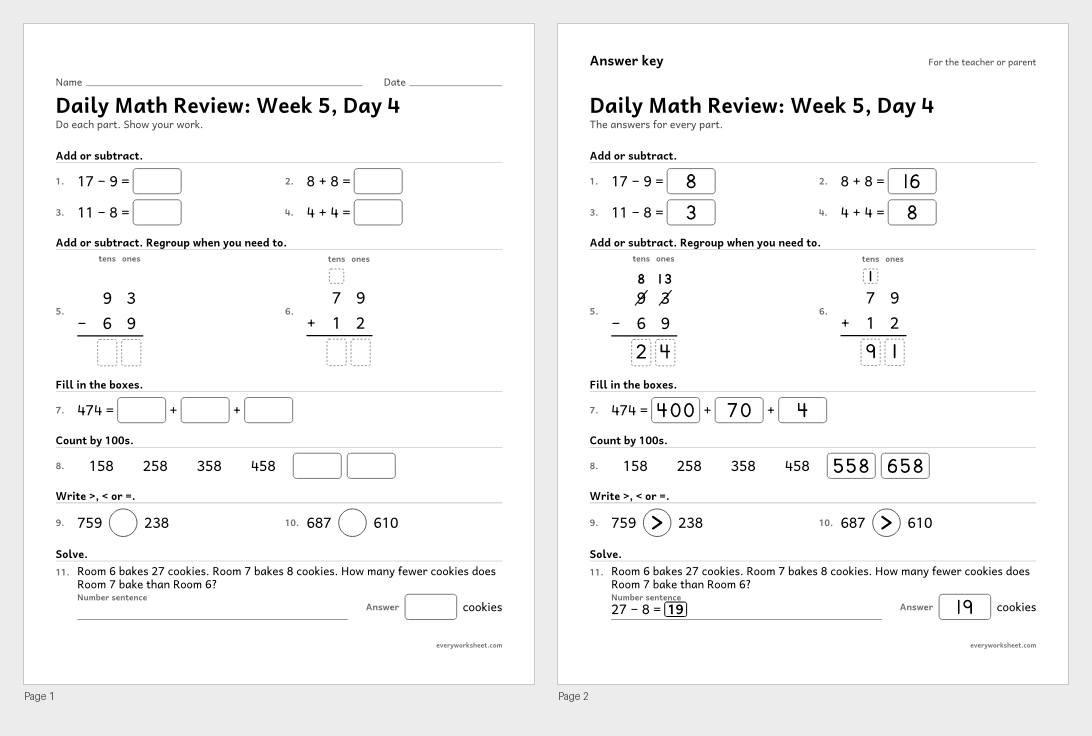 View all 2 pages
Mixed 2nd grade math review
Answer key on page 2
2 pages67 KB
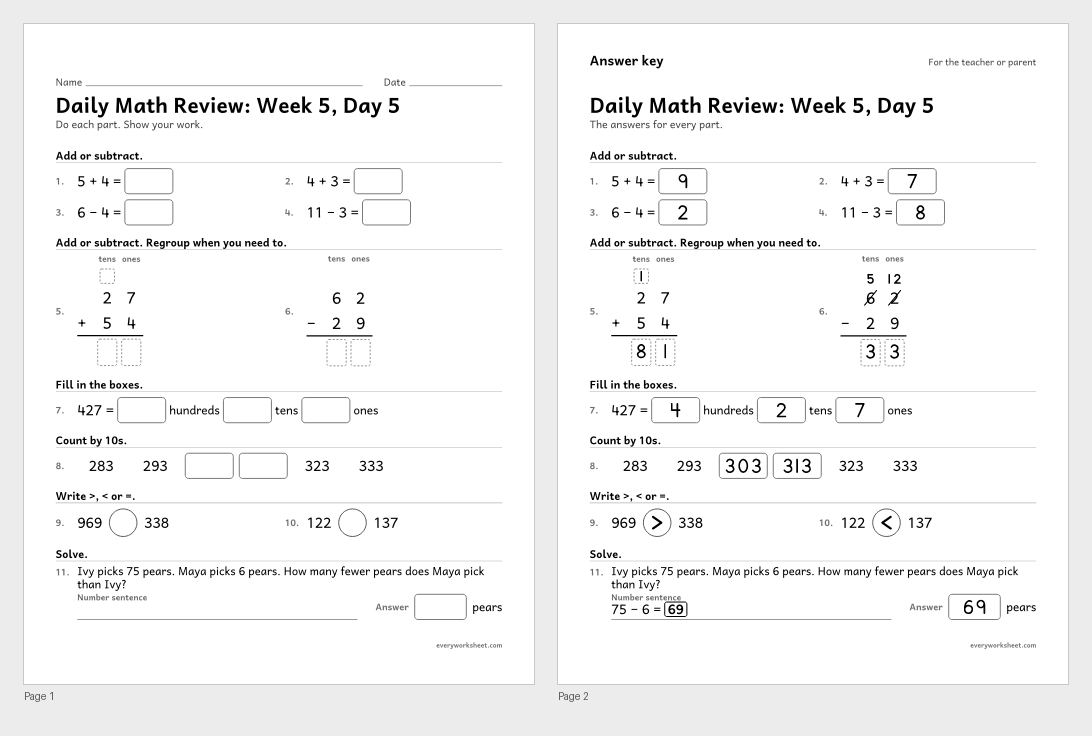 View all 2 pages
Mixed 2nd grade math review
Answer key on page 2
2 pages67 KB
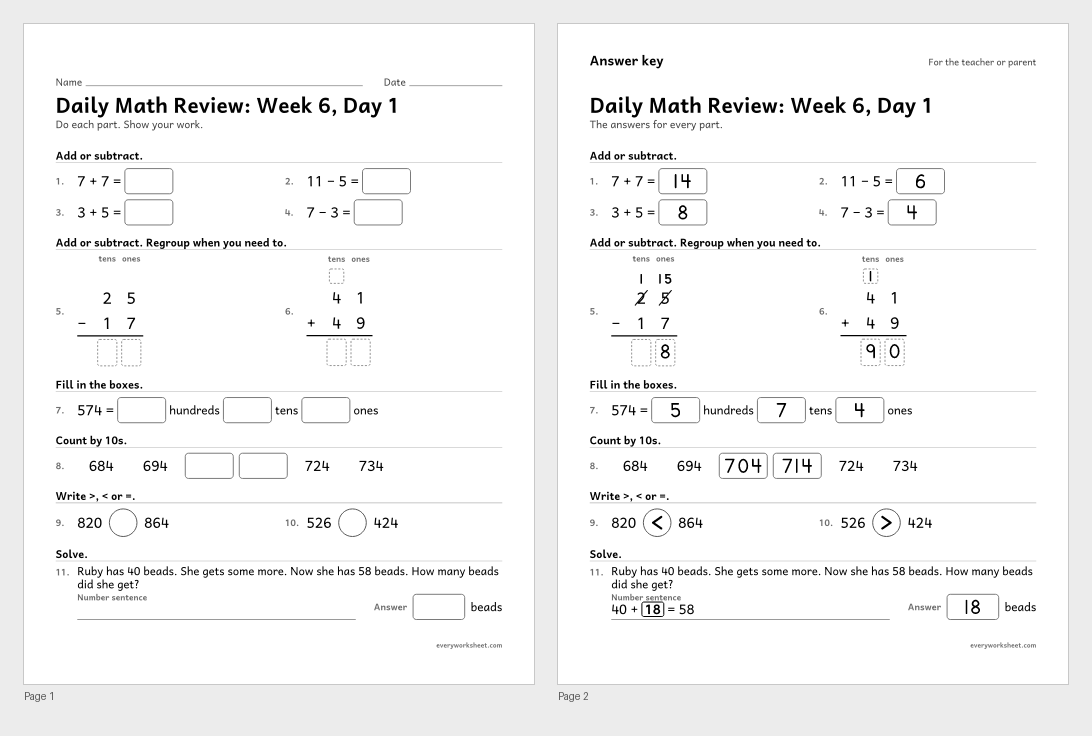 View all 2 pages
Mixed 2nd grade math review
Answer key on page 2
2 pages68 KB
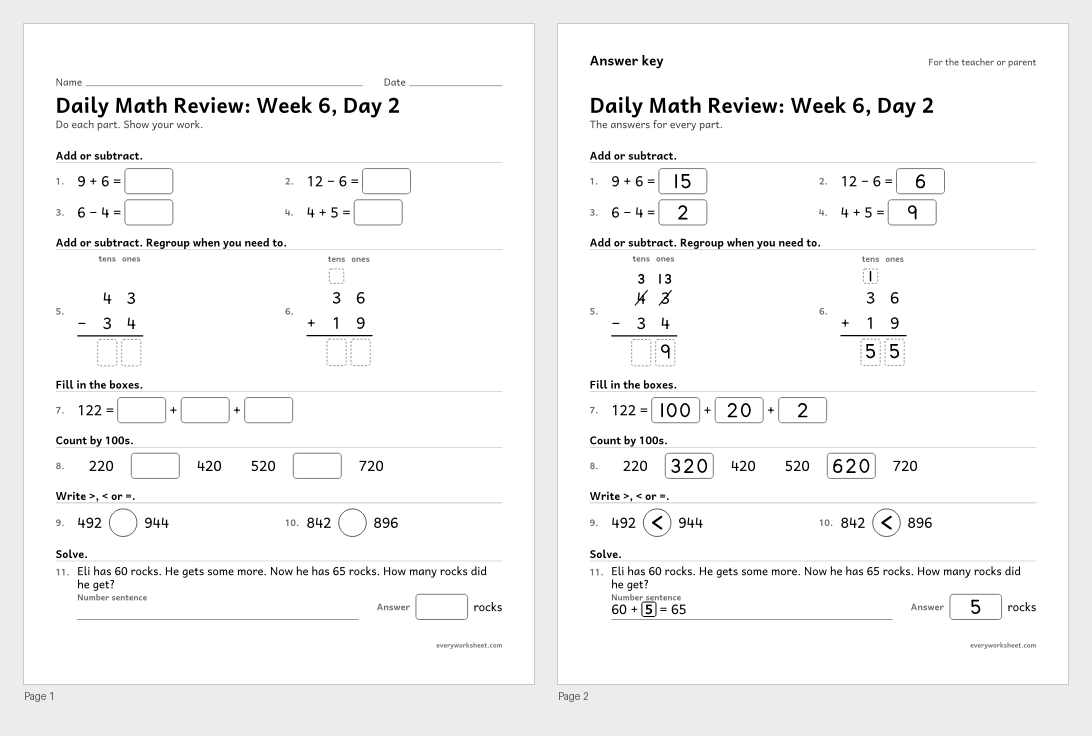 View all 2 pages
Mixed 2nd grade math review
Answer key on page 2
2 pages67 KB
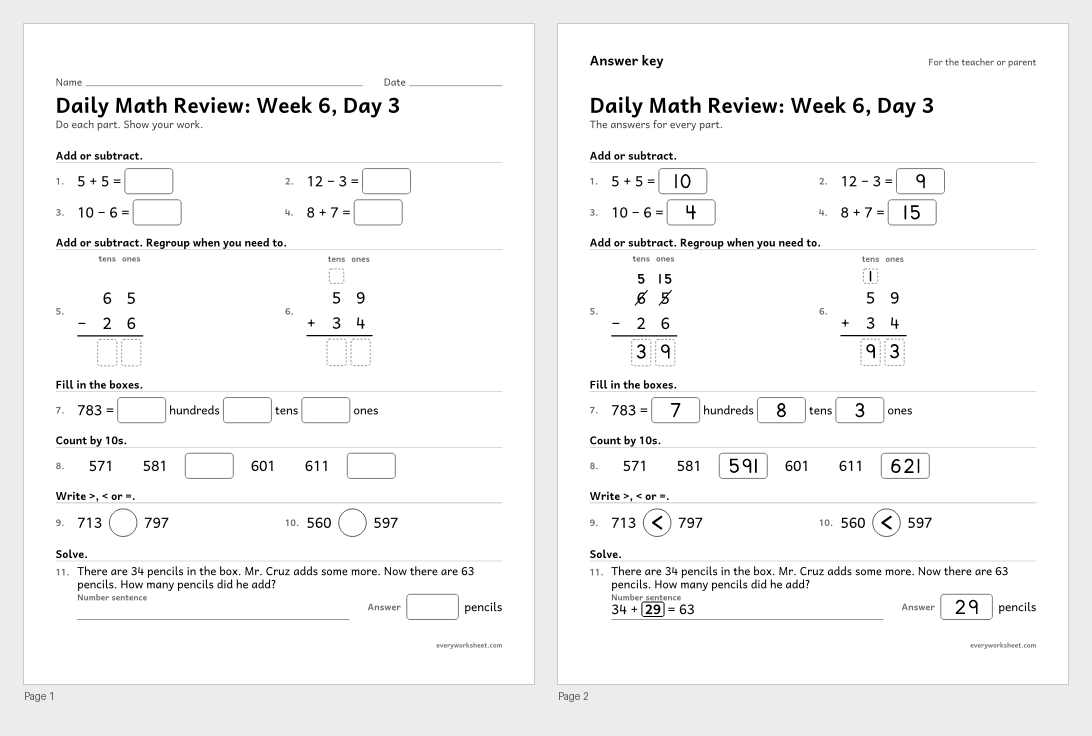 View all 2 pages
Mixed 2nd grade math review
Answer key on page 2
2 pages68 KB
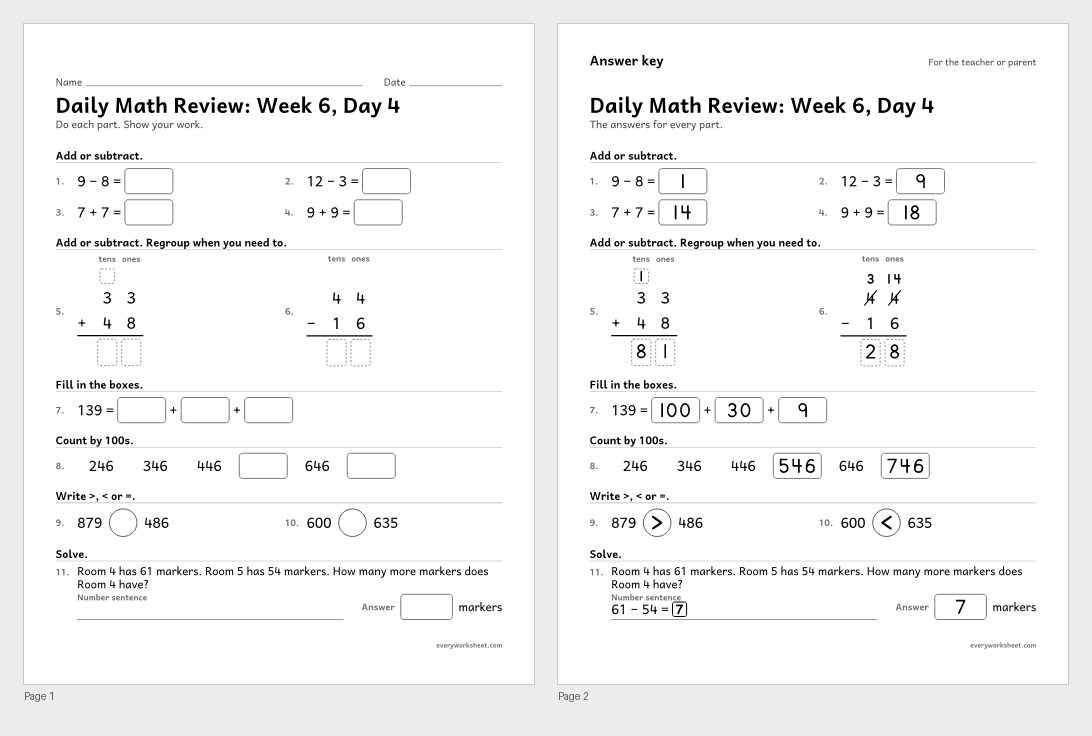 View all 2 pages
Mixed 2nd grade math review
Answer key on page 2
2 pages67 KB
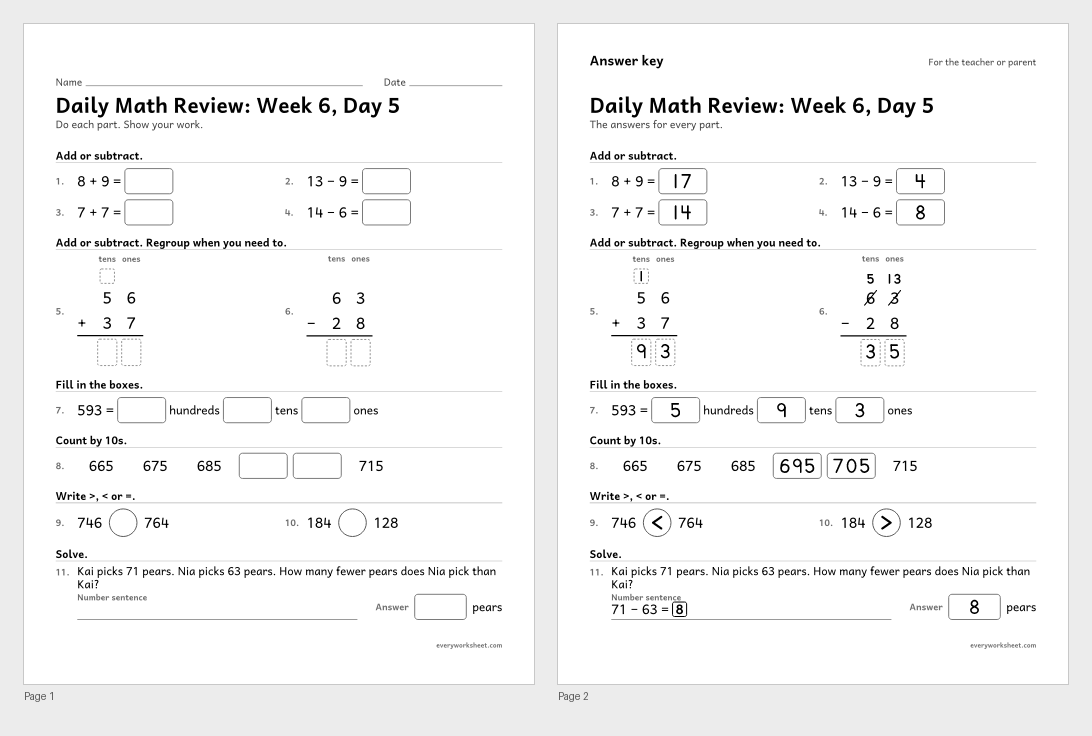 View all 2 pages
Mixed 2nd grade math review
Answer key on page 2
2 pages67 KB
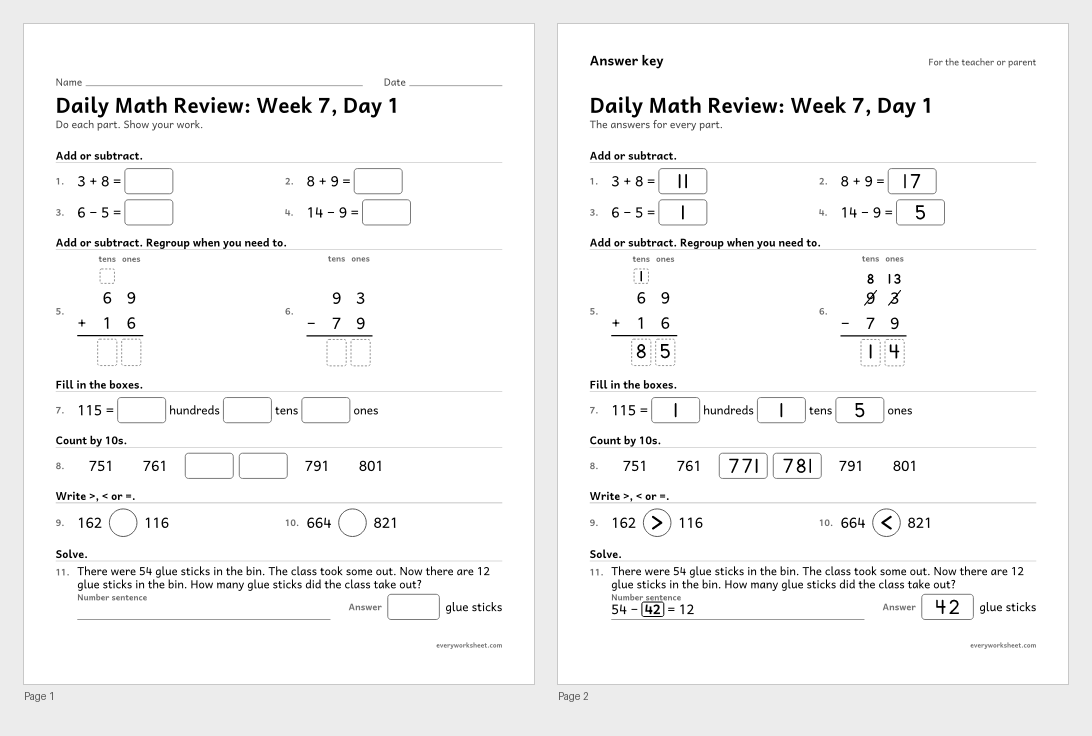 View all 2 pages
Mixed 2nd grade math review
Answer key on page 2
2 pages67 KB
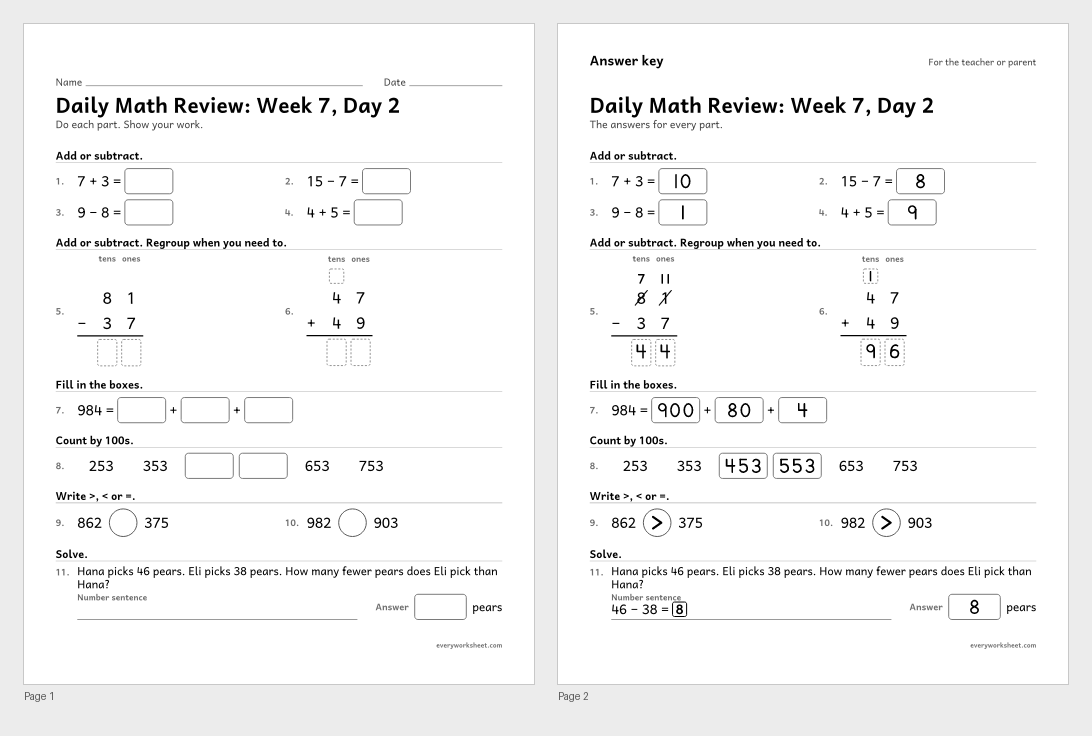 View all 2 pages
Mixed 2nd grade math review
Answer key on page 2
2 pages67 KB
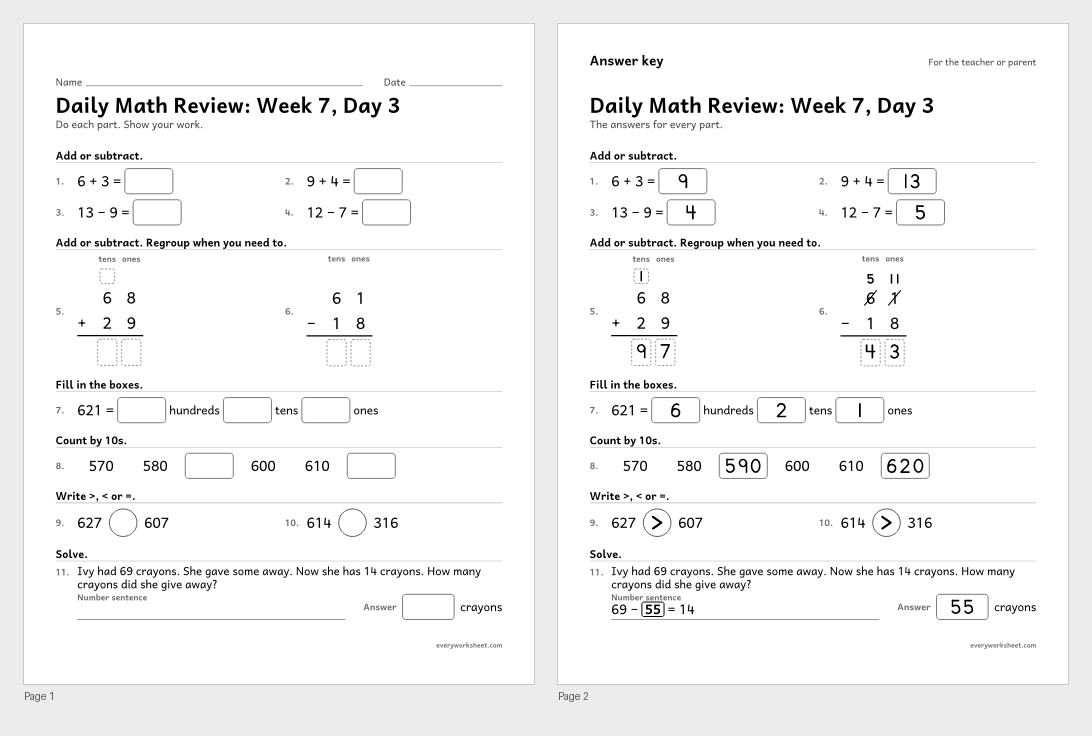 View all 2 pages
Mixed 2nd grade math review
Answer key on page 2
2 pages67 KB
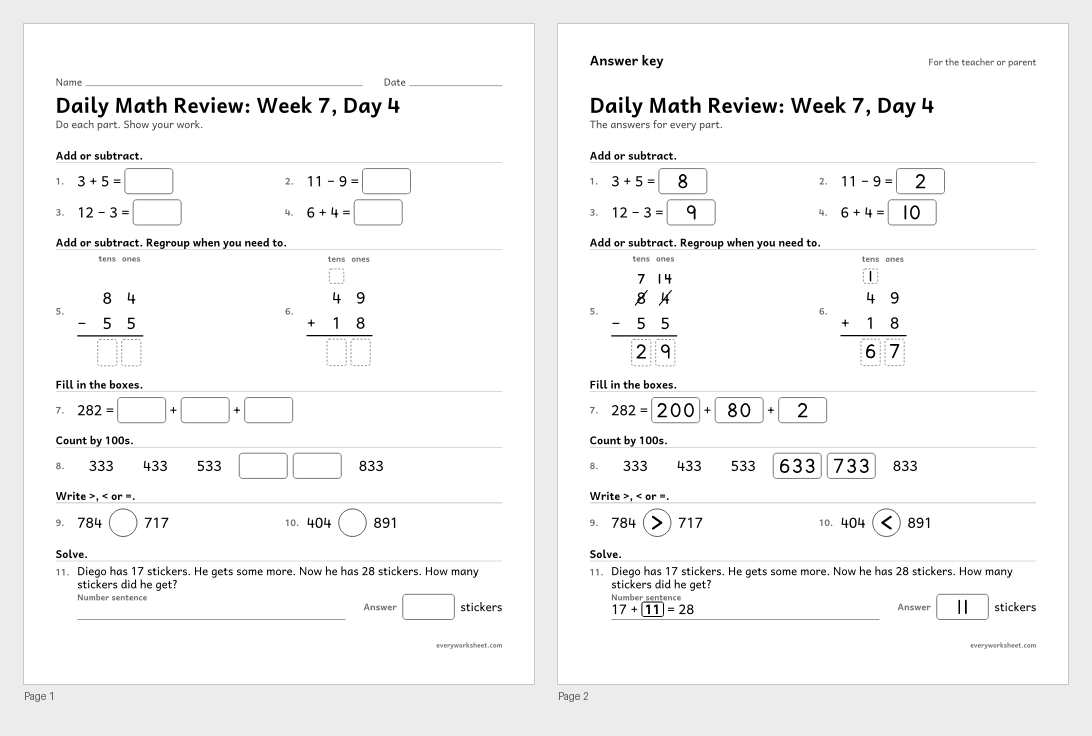 View all 2 pages
Mixed 2nd grade math review
Answer key on page 2
2 pages67 KB
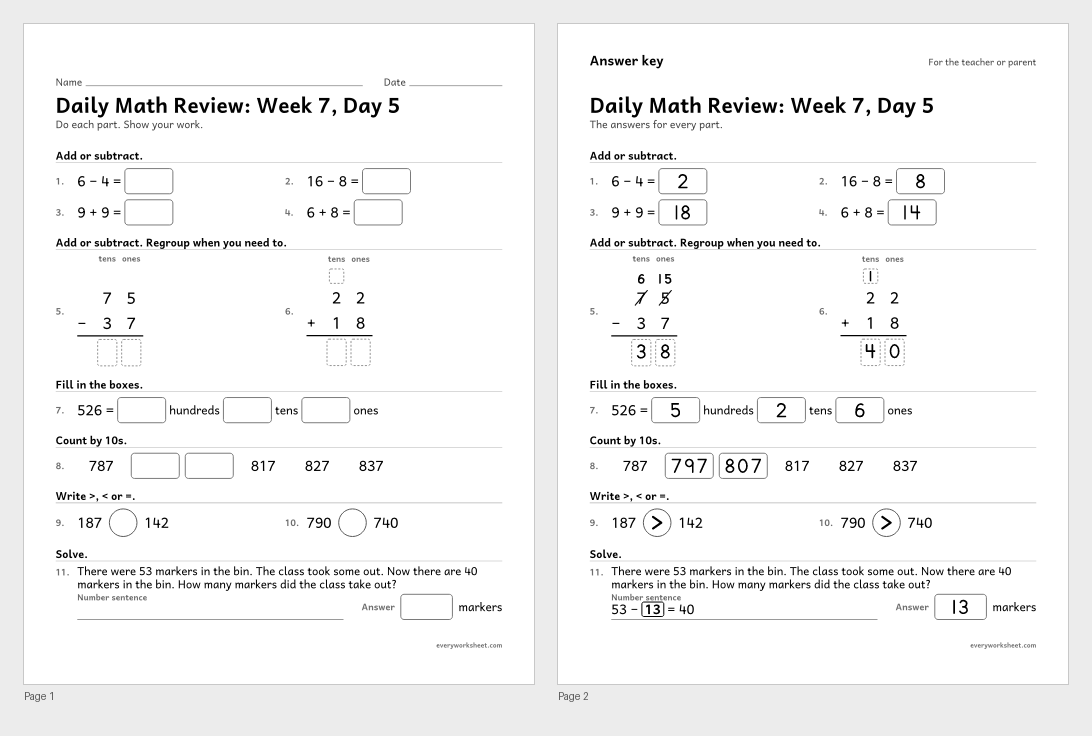 View all 2 pages
Mixed 2nd grade math review
Answer key on page 2
2 pages68 KB
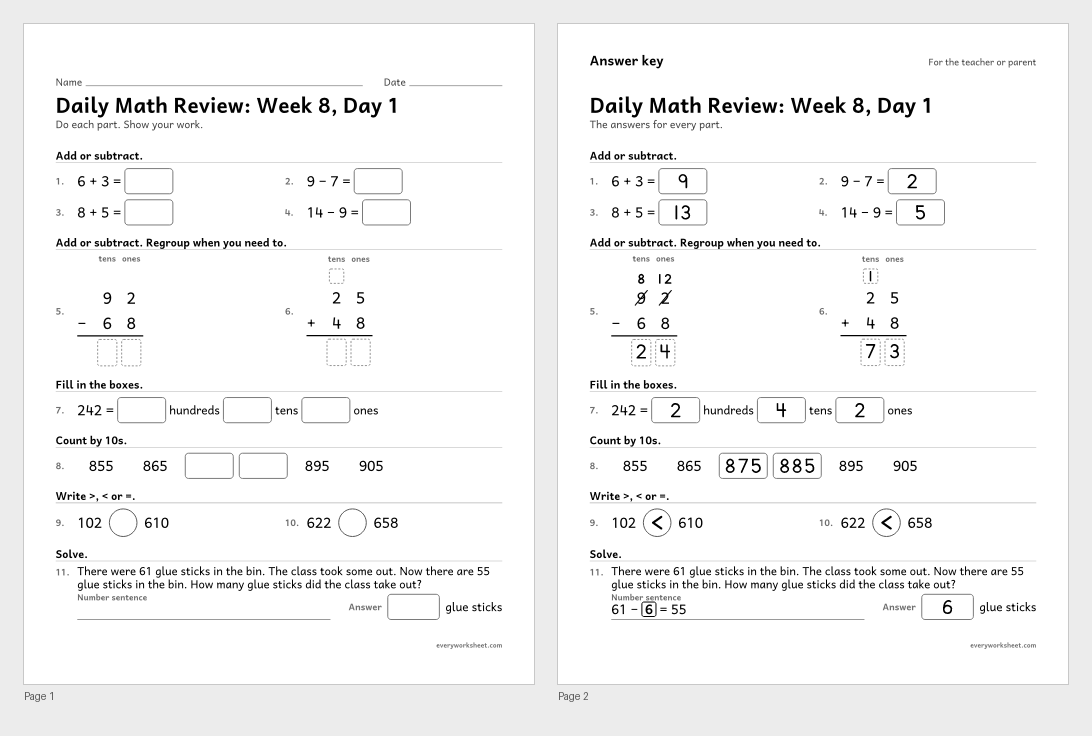 View all 2 pages
Mixed 2nd grade math review
Answer key on page 2
2 pages68 KB
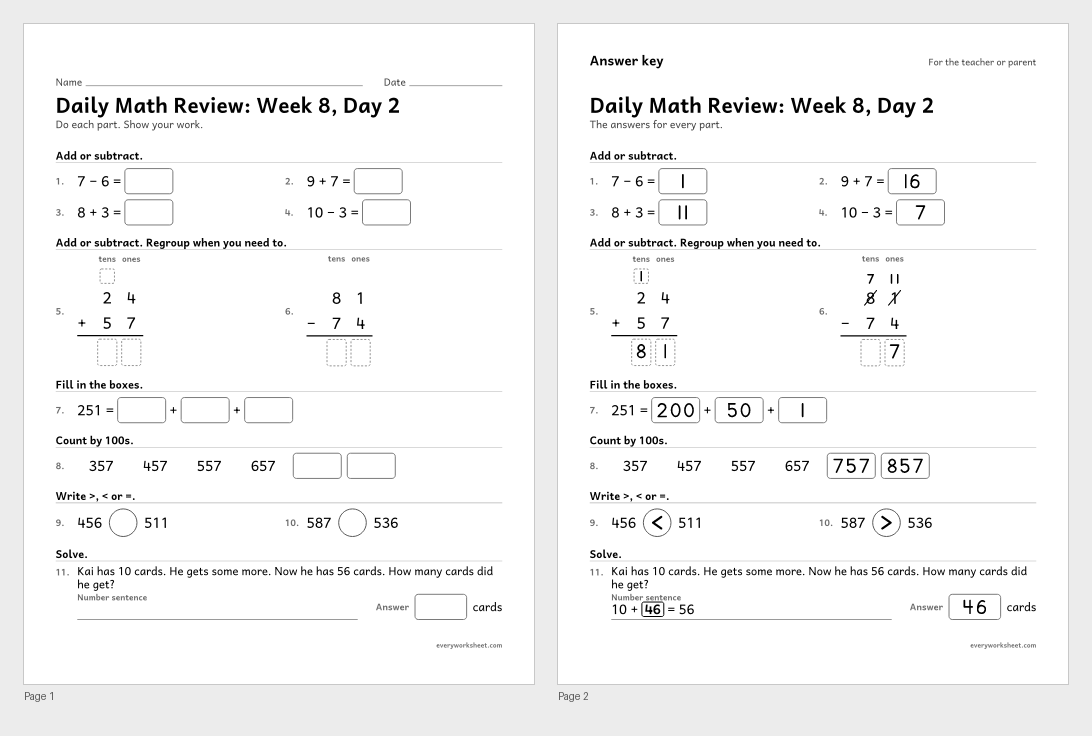 View all 2 pages
Mixed 2nd grade math review
Answer key on page 2
2 pages67 KB
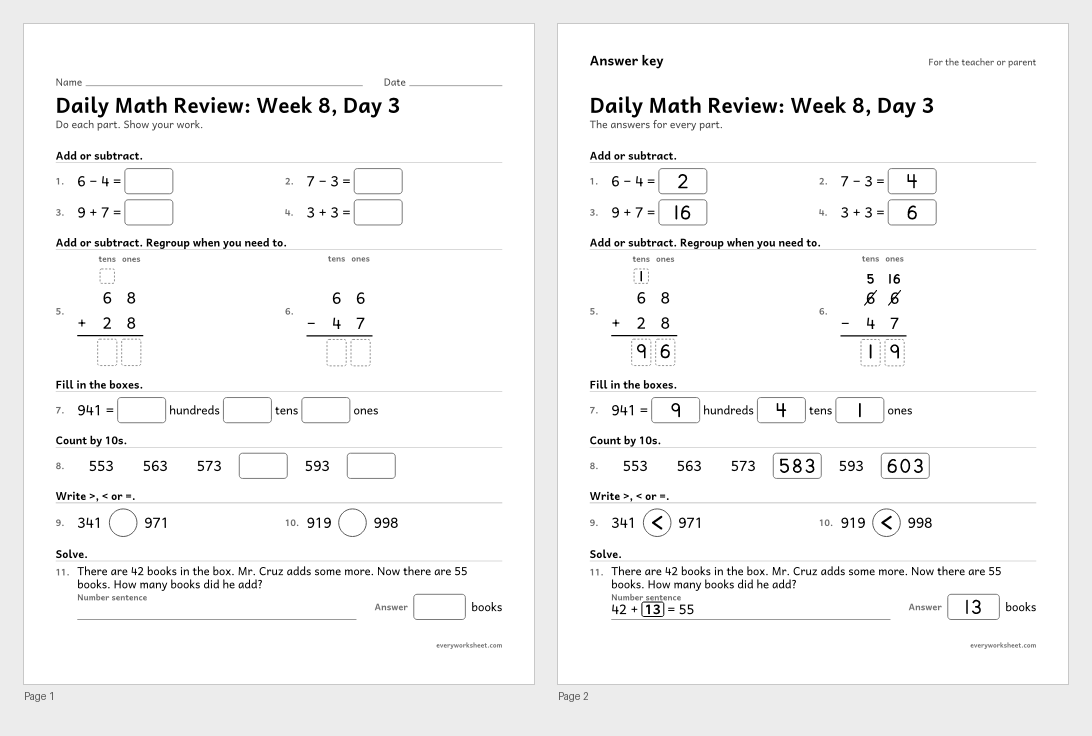 View all 2 pages
Mixed 2nd grade math review
Answer key on page 2
2 pages68 KB
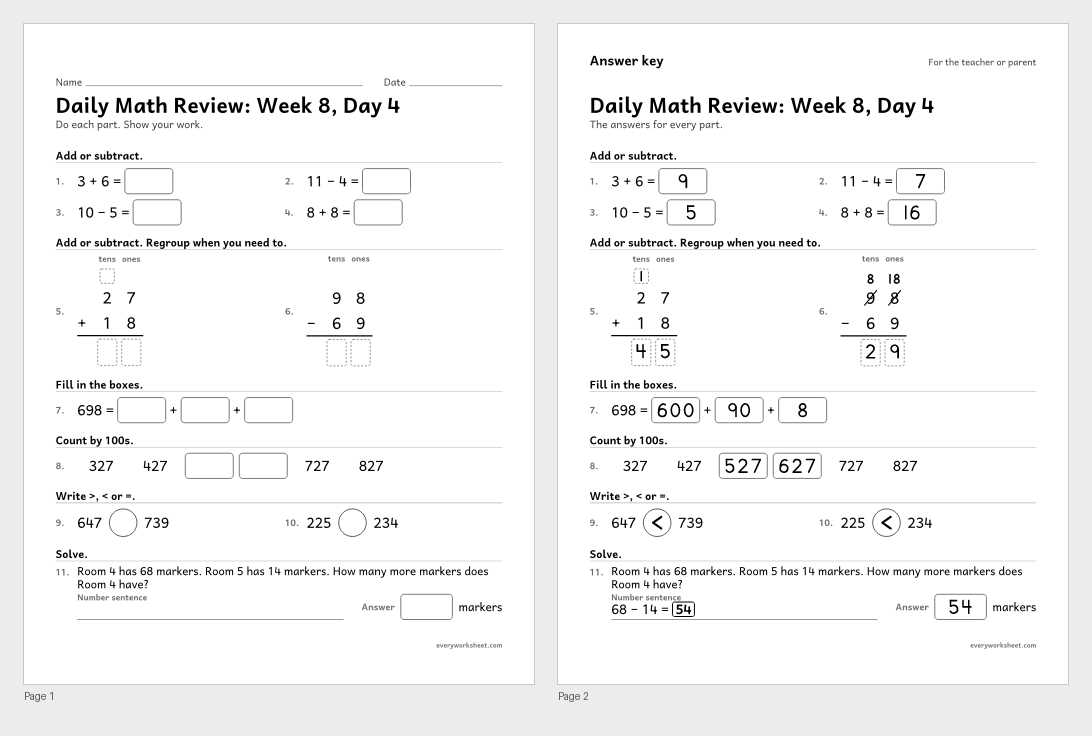 View all 2 pages
Mixed 2nd grade math review
Answer key on page 2
2 pages67 KB
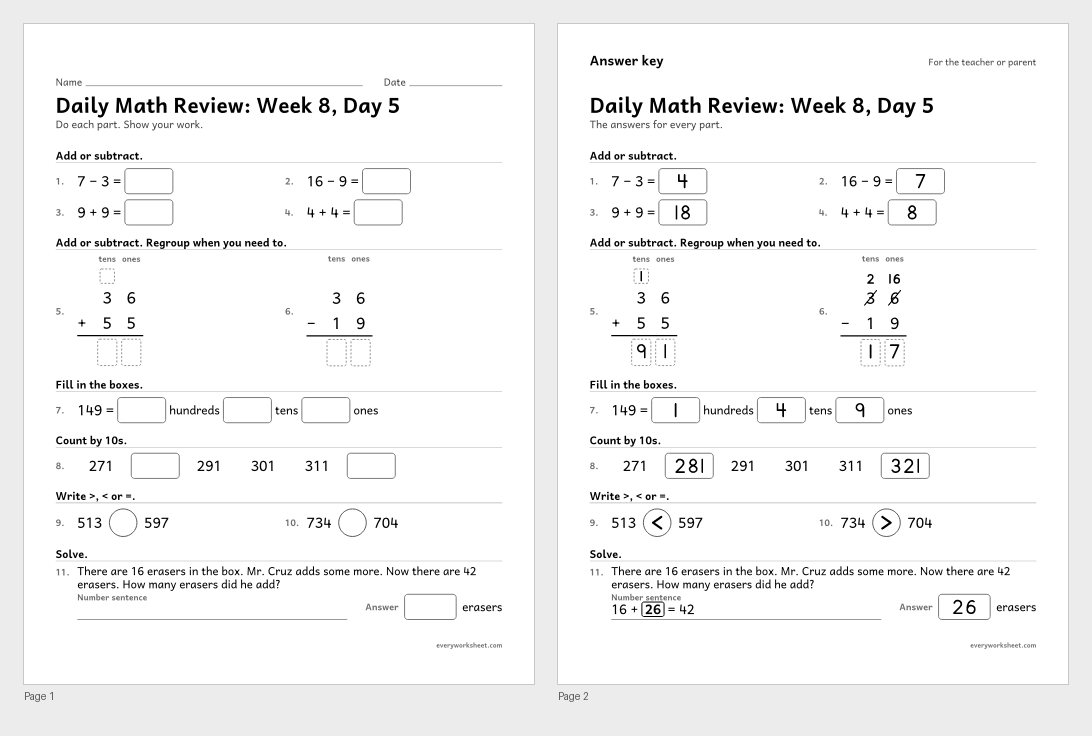 View all 2 pages
Mixed 2nd grade math review
Answer key on page 2
2 pages68 KB
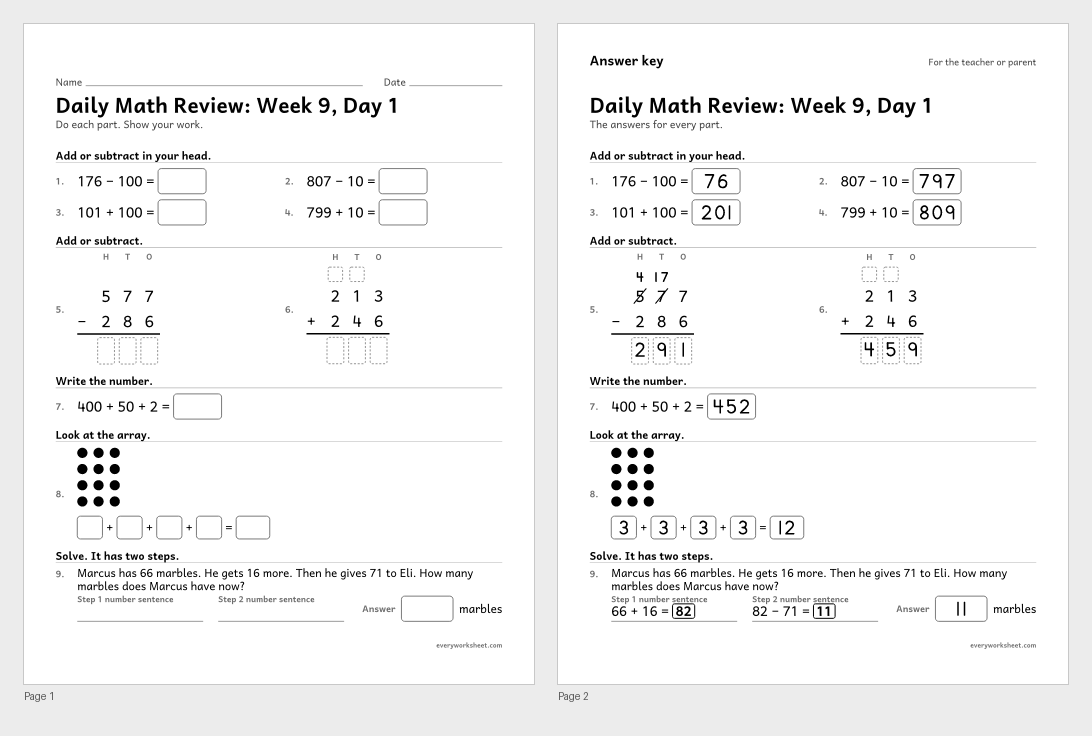 View all 2 pages
Mixed 2nd grade math review
Answer key on page 2
2 pages68 KB
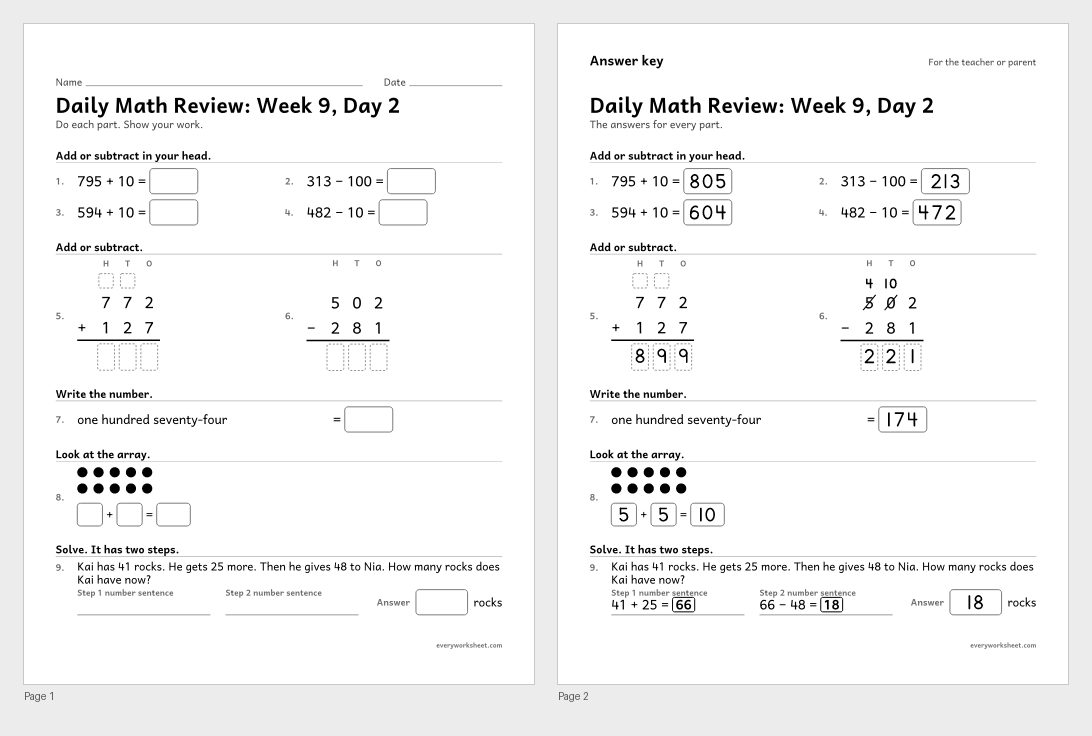 View all 2 pages
Mixed 2nd grade math review
Answer key on page 2
2 pages65 KB
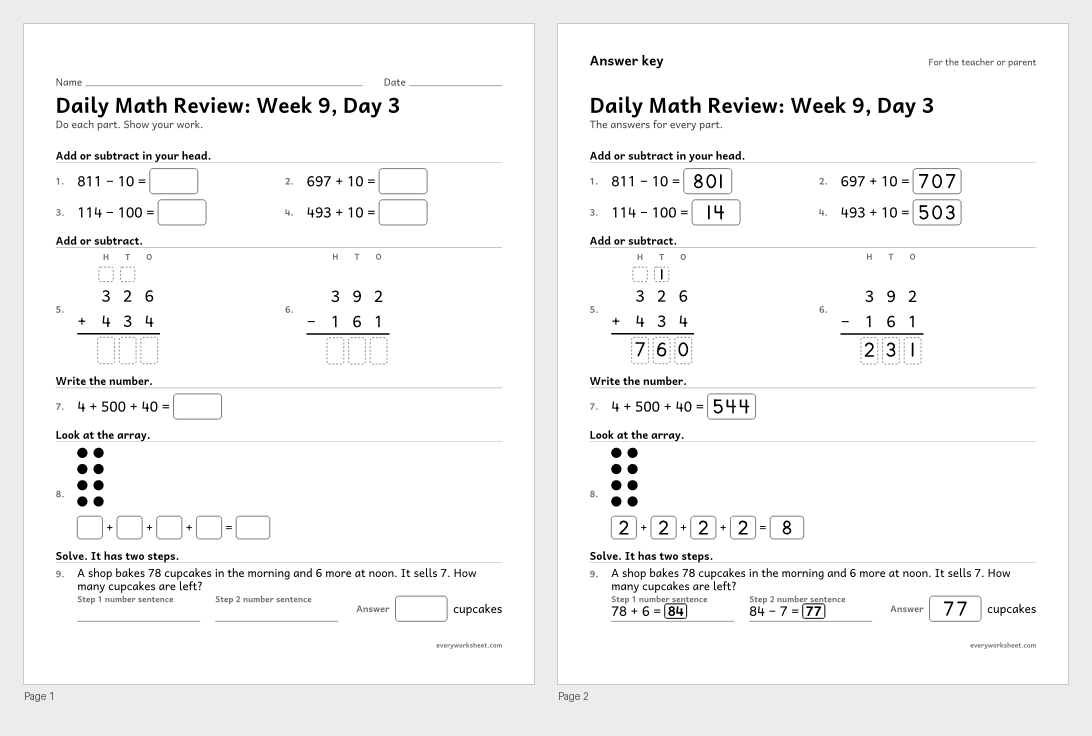 View all 2 pages
Mixed 2nd grade math review
Answer key on page 2
2 pages68 KB
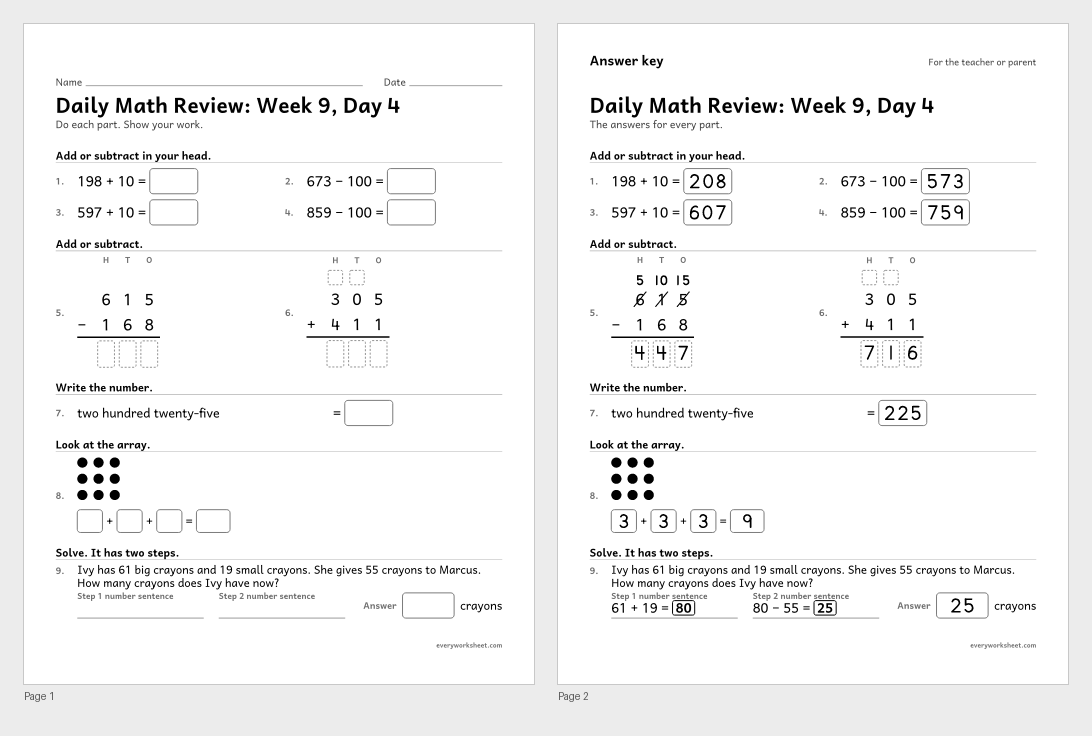 View all 2 pages
Mixed 2nd grade math review
Answer key on page 2
2 pages66 KB
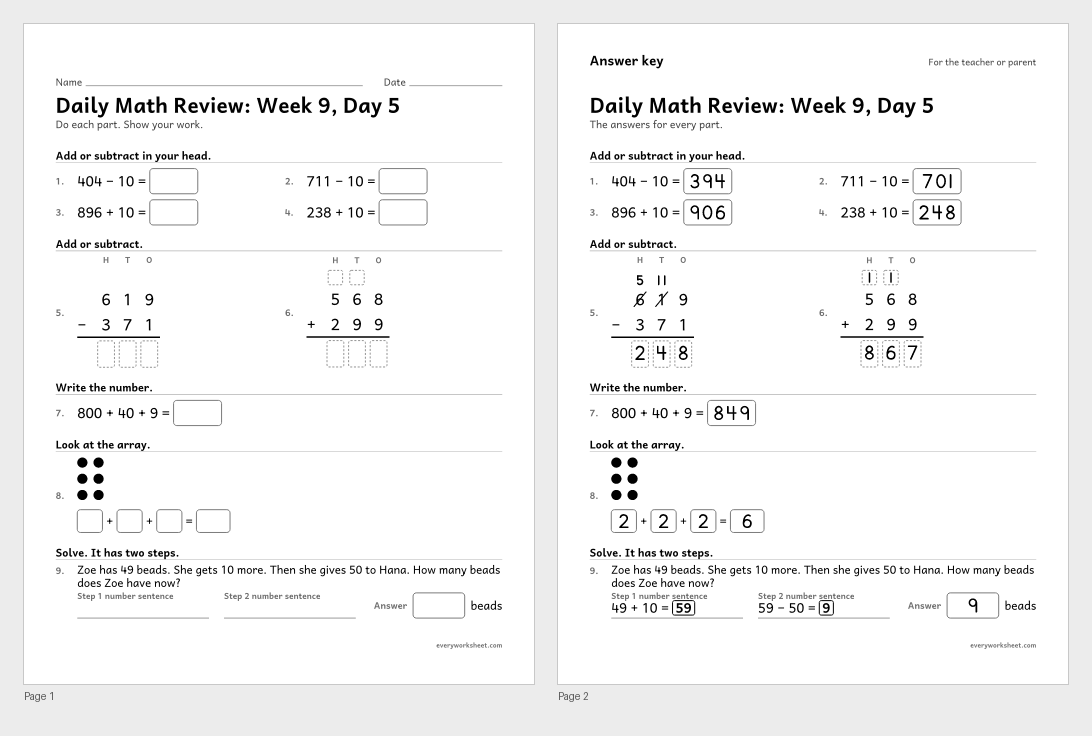 View all 2 pages
Mixed 2nd grade math review
Answer key on page 2
2 pages67 KB
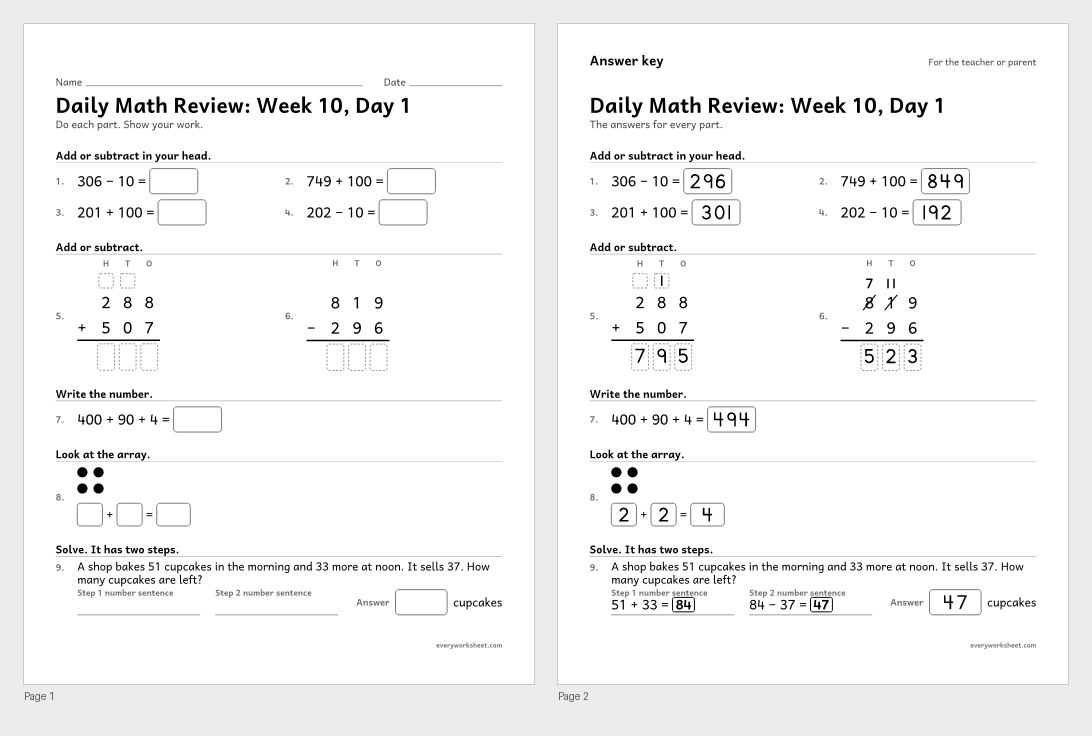 View all 2 pages
Mixed 2nd grade math review
Answer key on page 2
2 pages66 KB
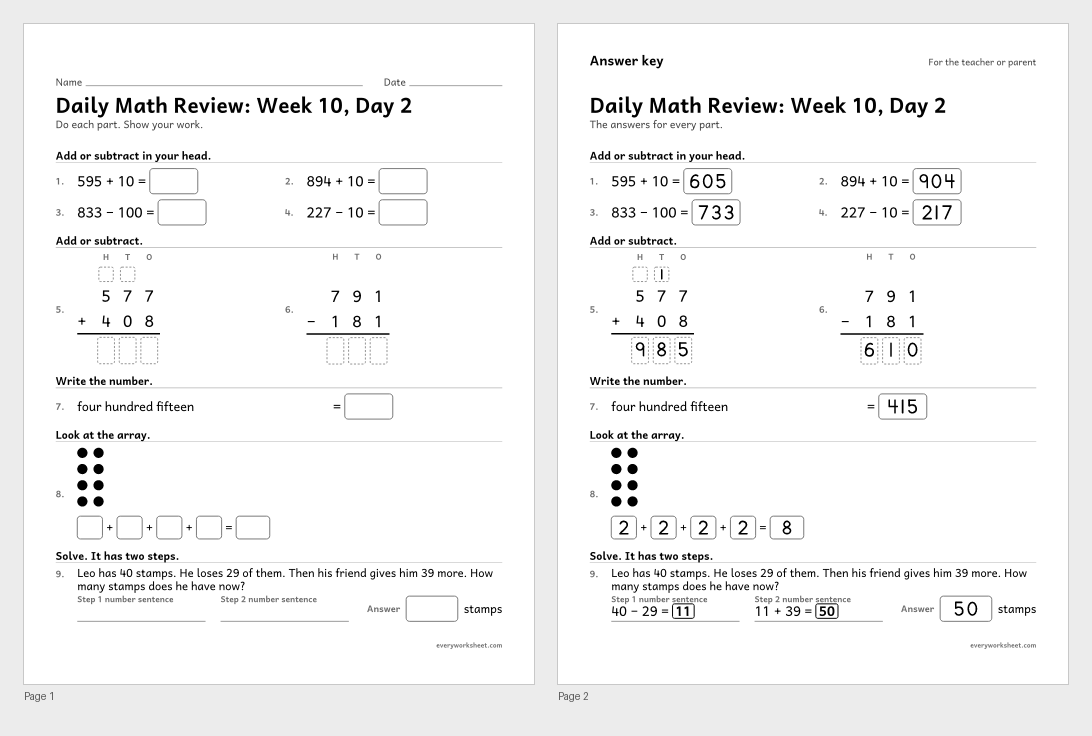 View all 2 pages
Mixed 2nd grade math review
Answer key on page 2
2 pages66 KB
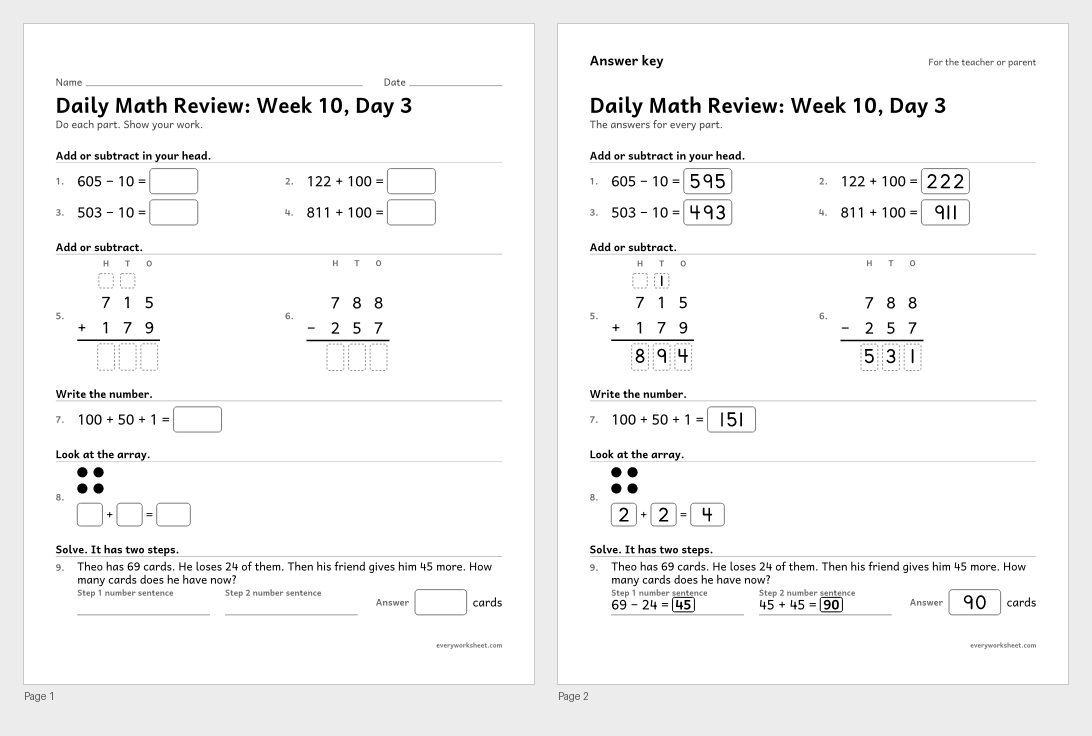 View all 2 pages
Mixed 2nd grade math review
Answer key on page 2
2 pages66 KB
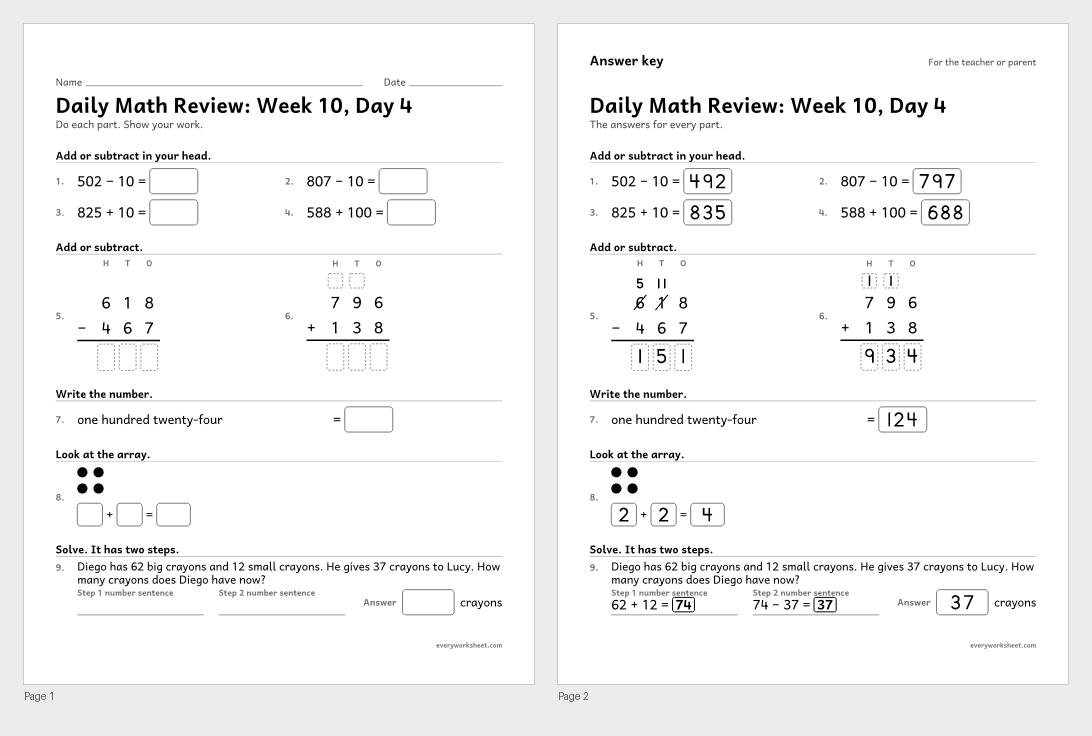 View all 2 pages
Mixed 2nd grade math review
Answer key on page 2
2 pages65 KB
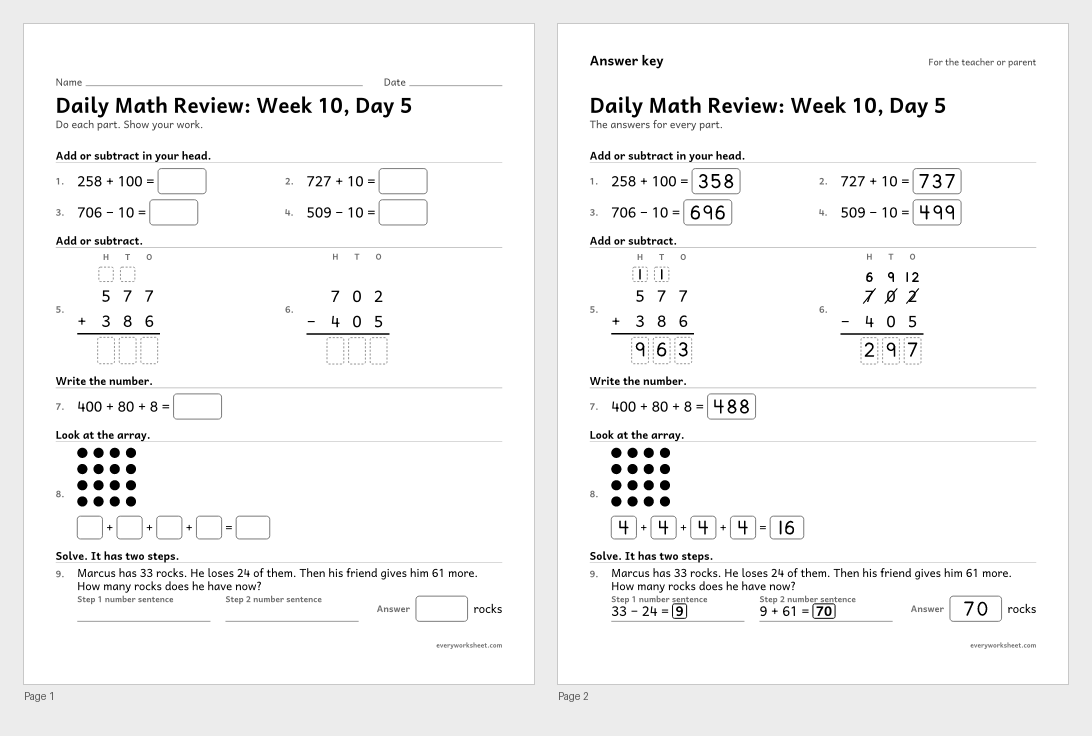 View all 2 pages
Mixed 2nd grade math review
Answer key on page 2
2 pages68 KB
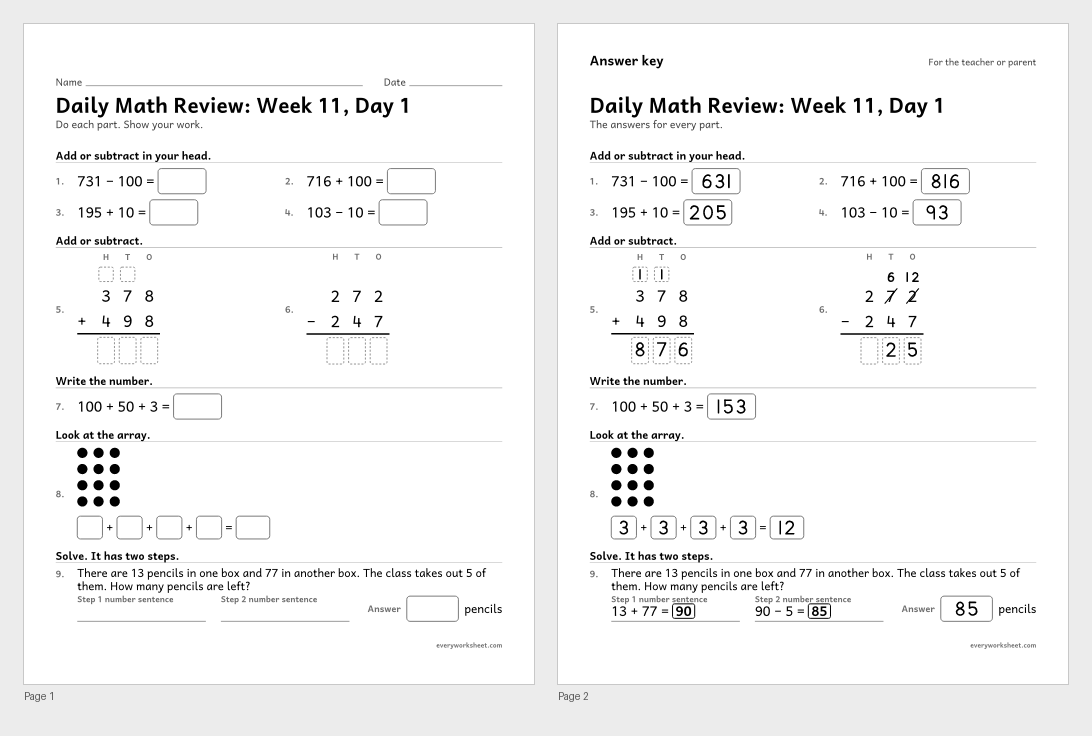 View all 2 pages
Mixed 2nd grade math review
Answer key on page 2
2 pages68 KB
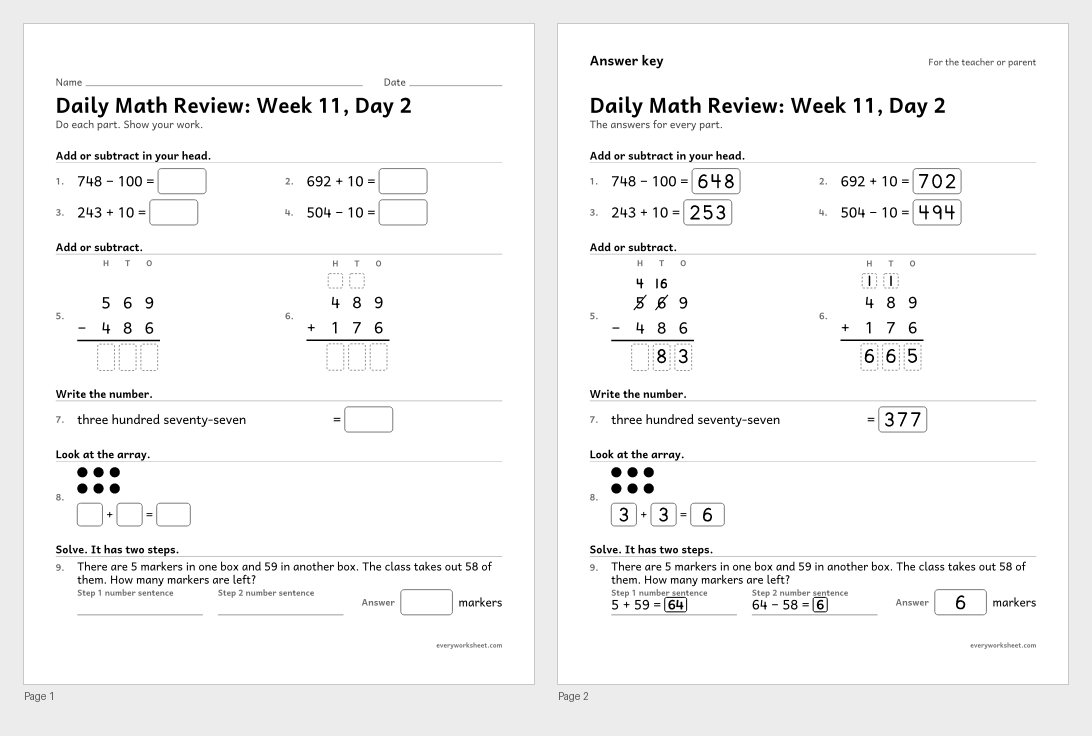 View all 2 pages
Mixed 2nd grade math review
Answer key on page 2
2 pages65 KB
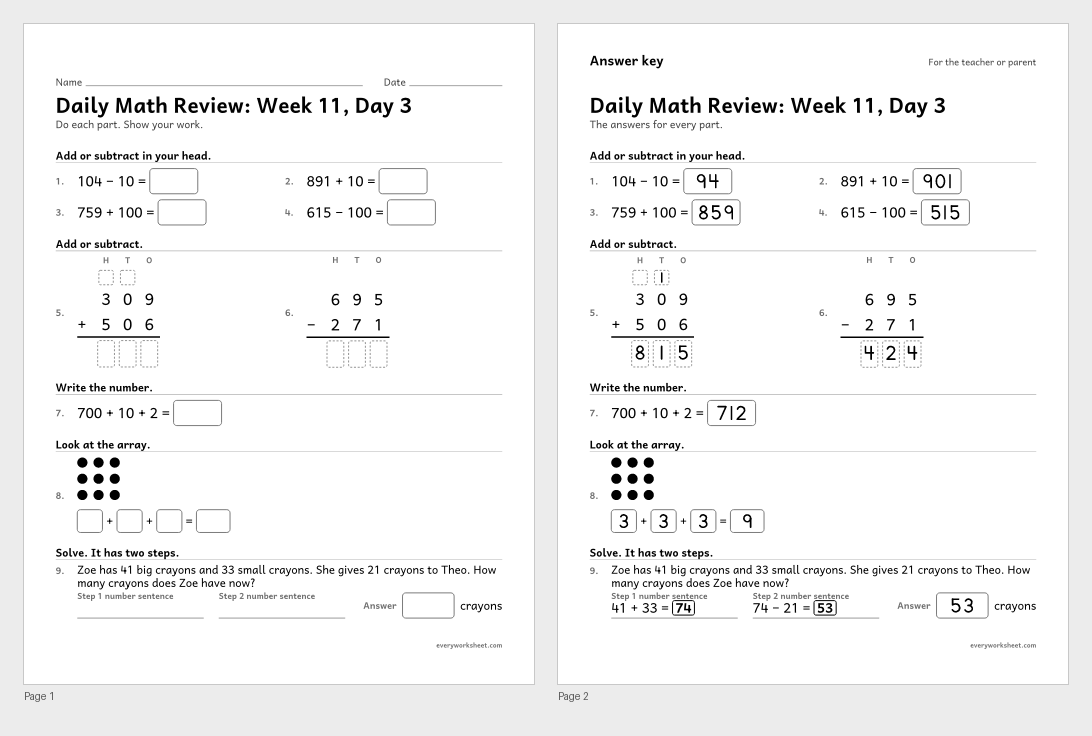 View all 2 pages
Mixed 2nd grade math review
Answer key on page 2
2 pages67 KB
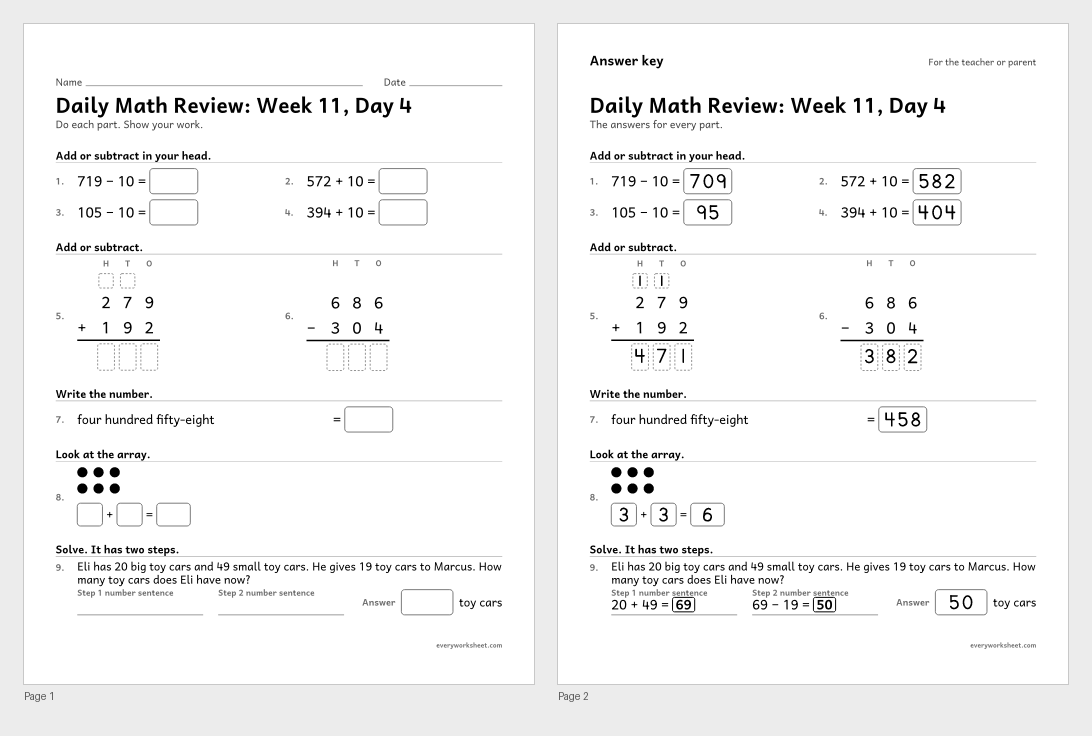 View all 2 pages
Mixed 2nd grade math review
Answer key on page 2
2 pages65 KB
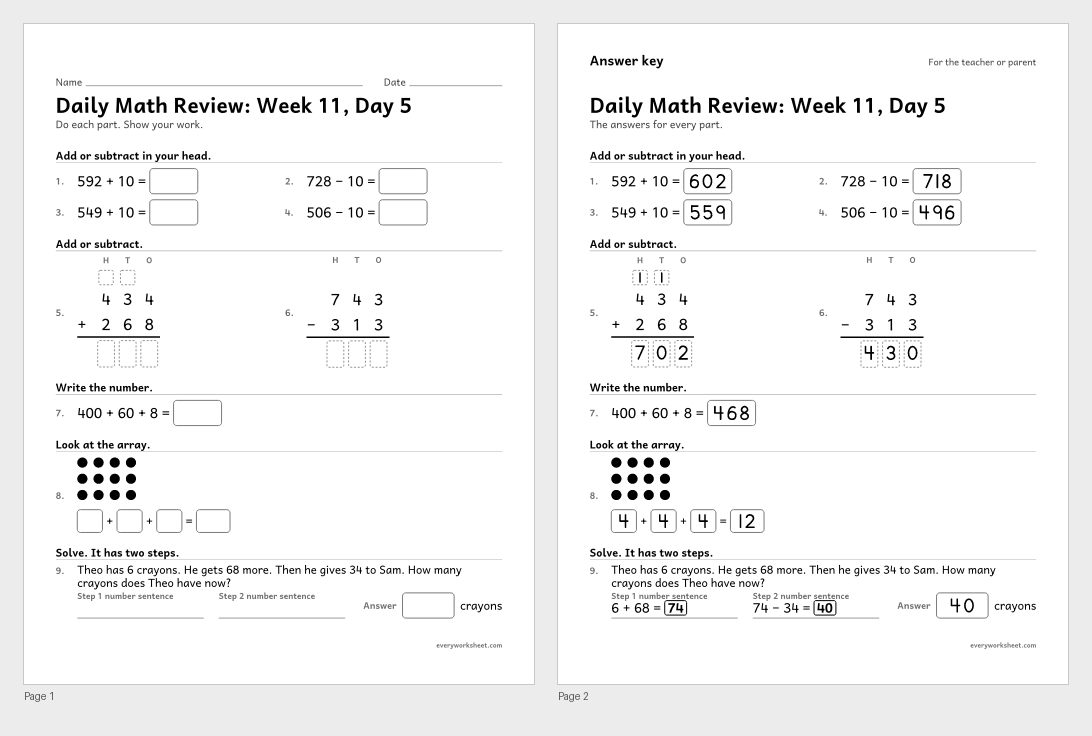 View all 2 pages
Mixed 2nd grade math review
Answer key on page 2
2 pages67 KB
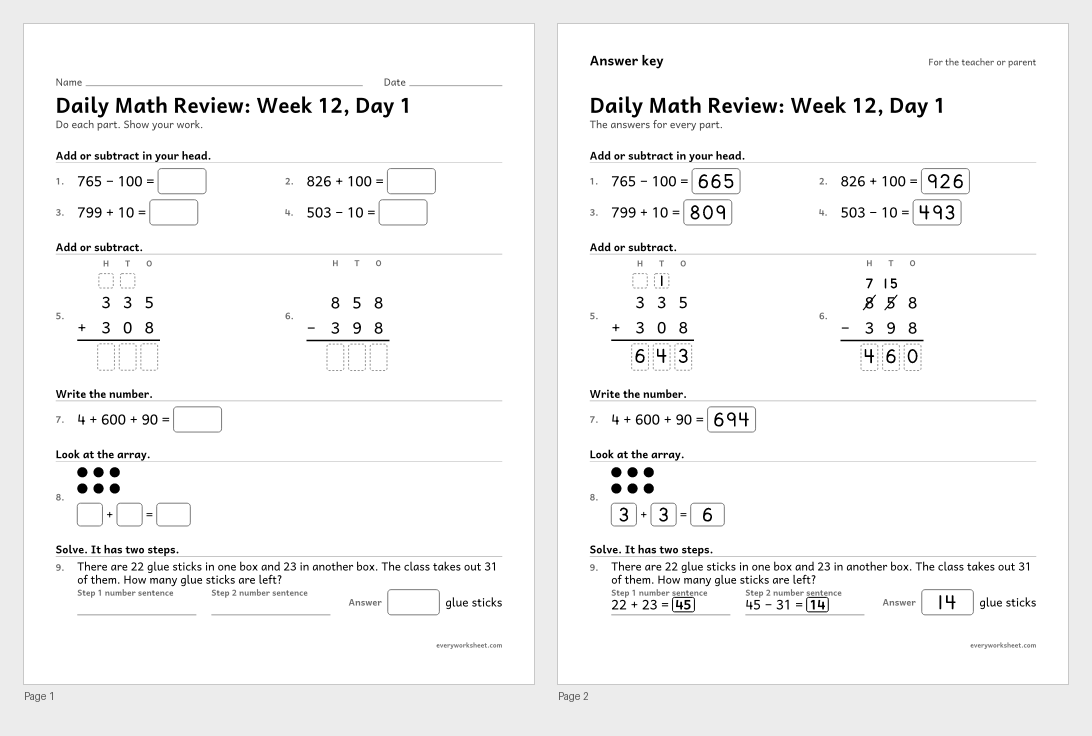 View all 2 pages
Mixed 2nd grade math review
Answer key on page 2
2 pages67 KB
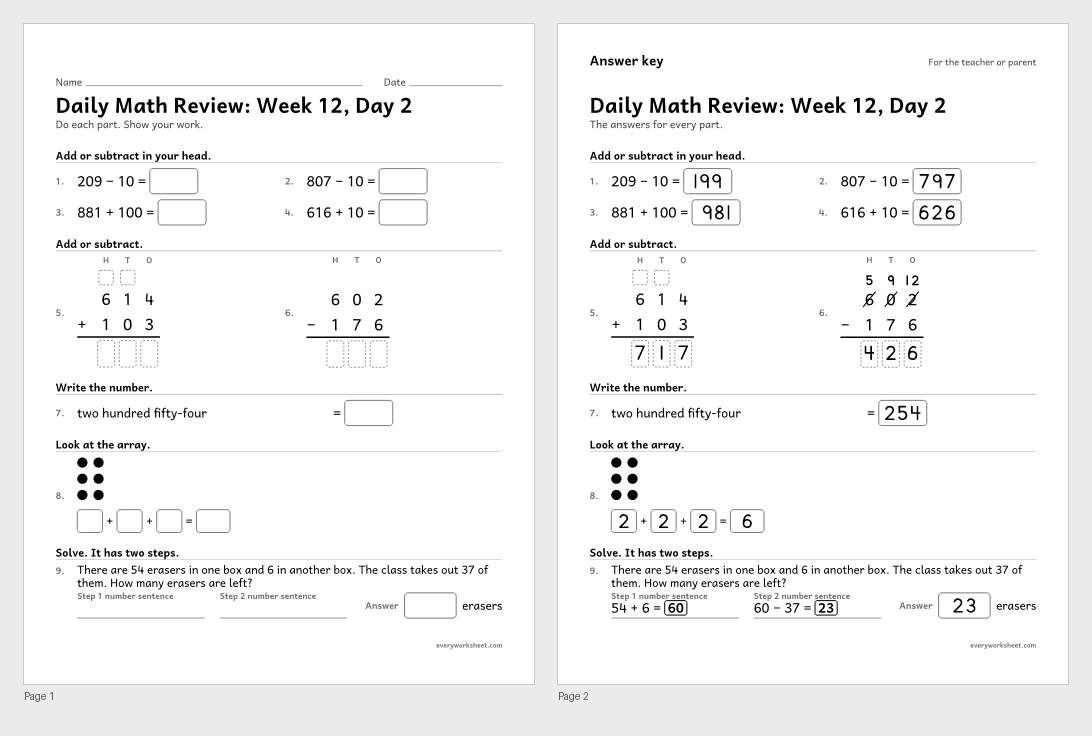 View all 2 pages
Mixed 2nd grade math review
Answer key on page 2
2 pages66 KB
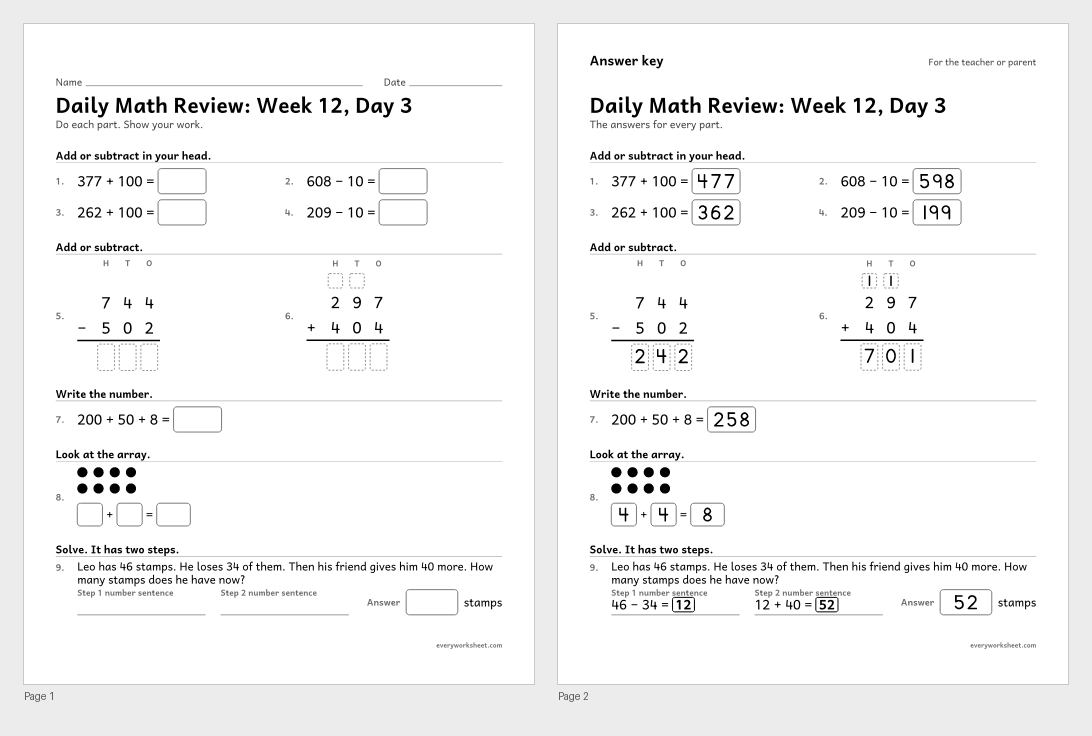 View all 2 pages
Mixed 2nd grade math review
Answer key on page 2
2 pages66 KB
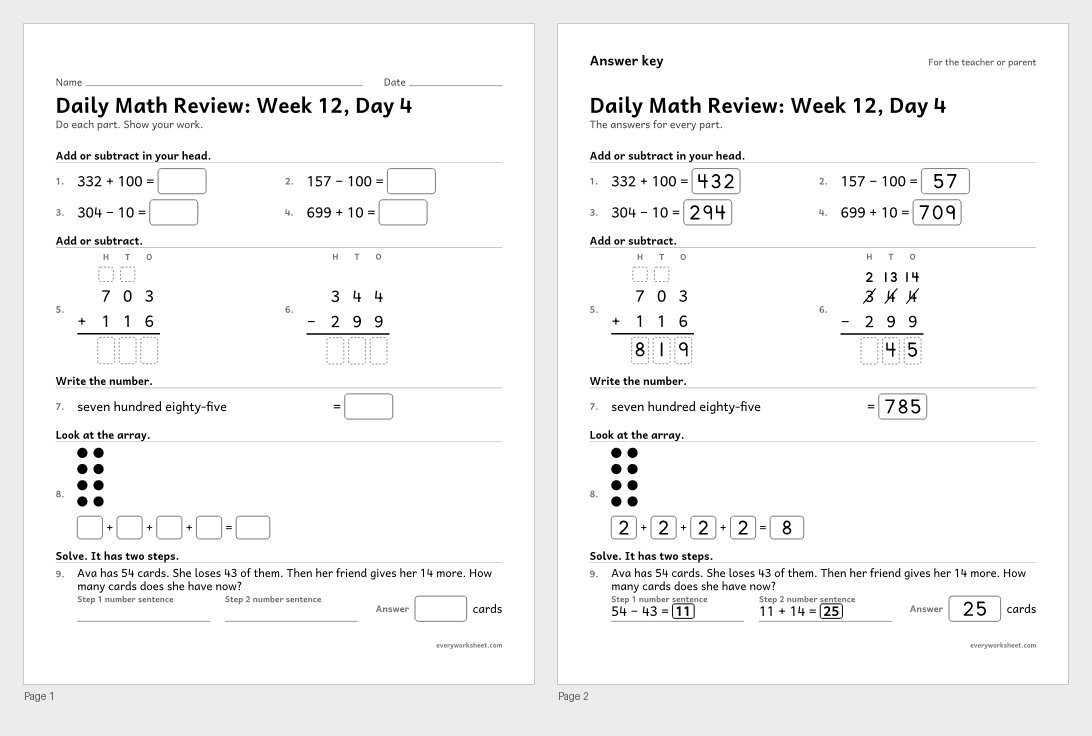 View all 2 pages
Mixed 2nd grade math review
Answer key on page 2
2 pages66 KB
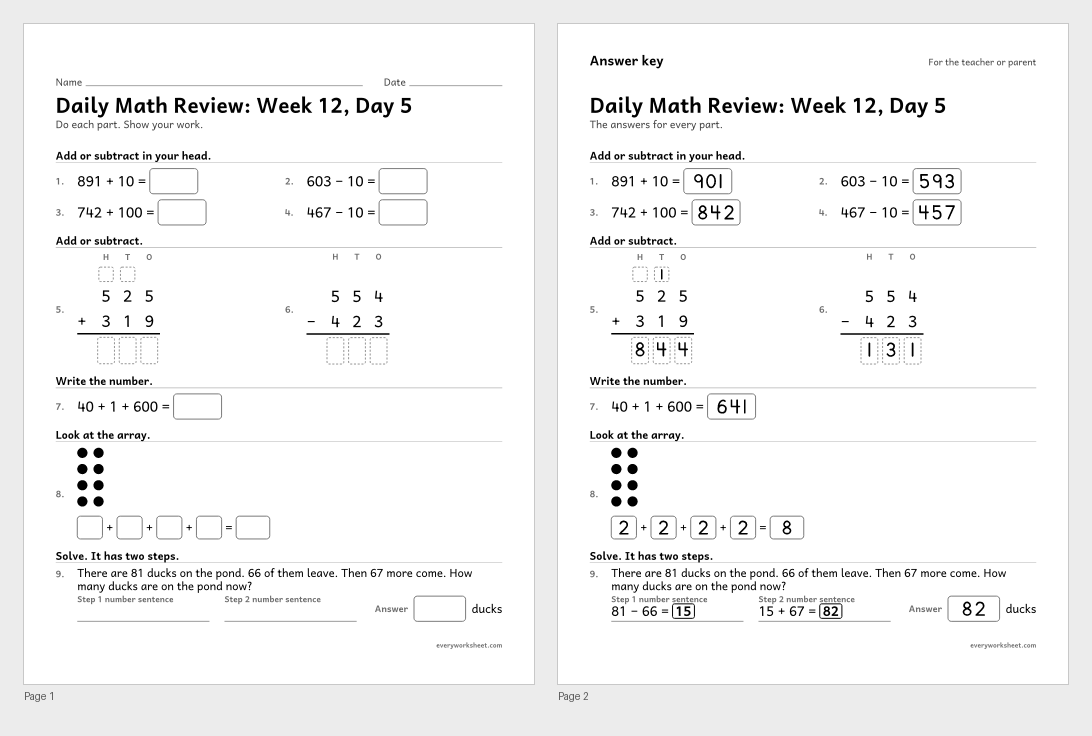 View all 2 pages
Mixed 2nd grade math review
Answer key on page 2
2 pages67 KB
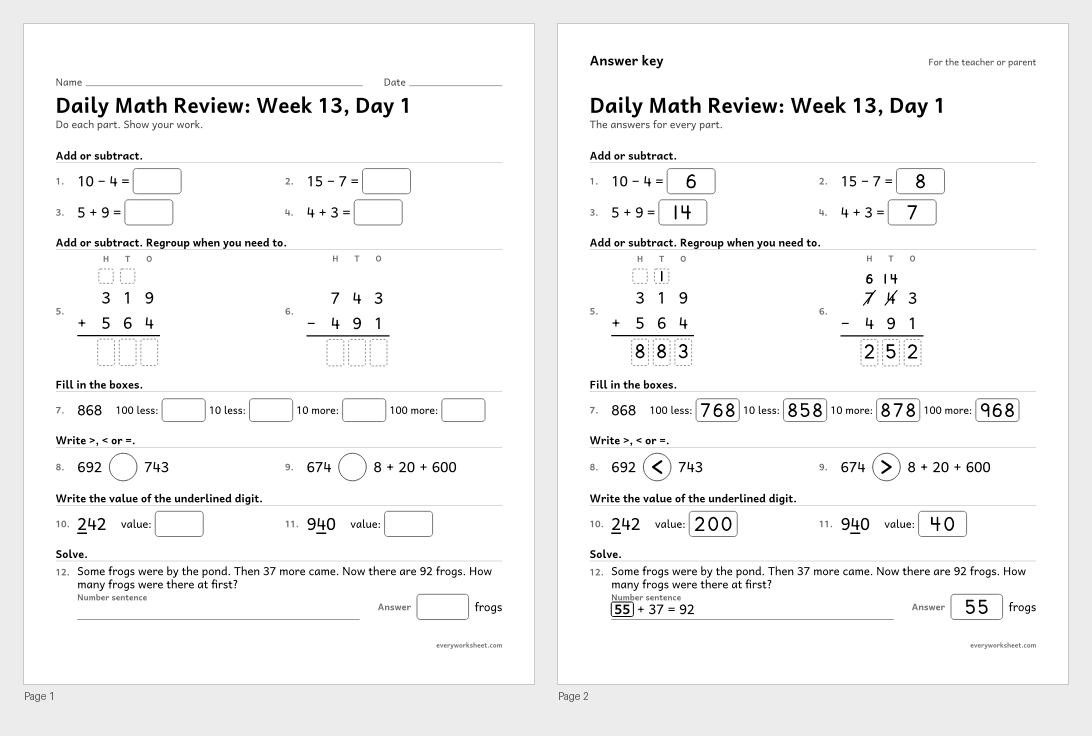 View all 2 pages
Mixed 2nd grade math review
Answer key on page 2
2 pages77 KB
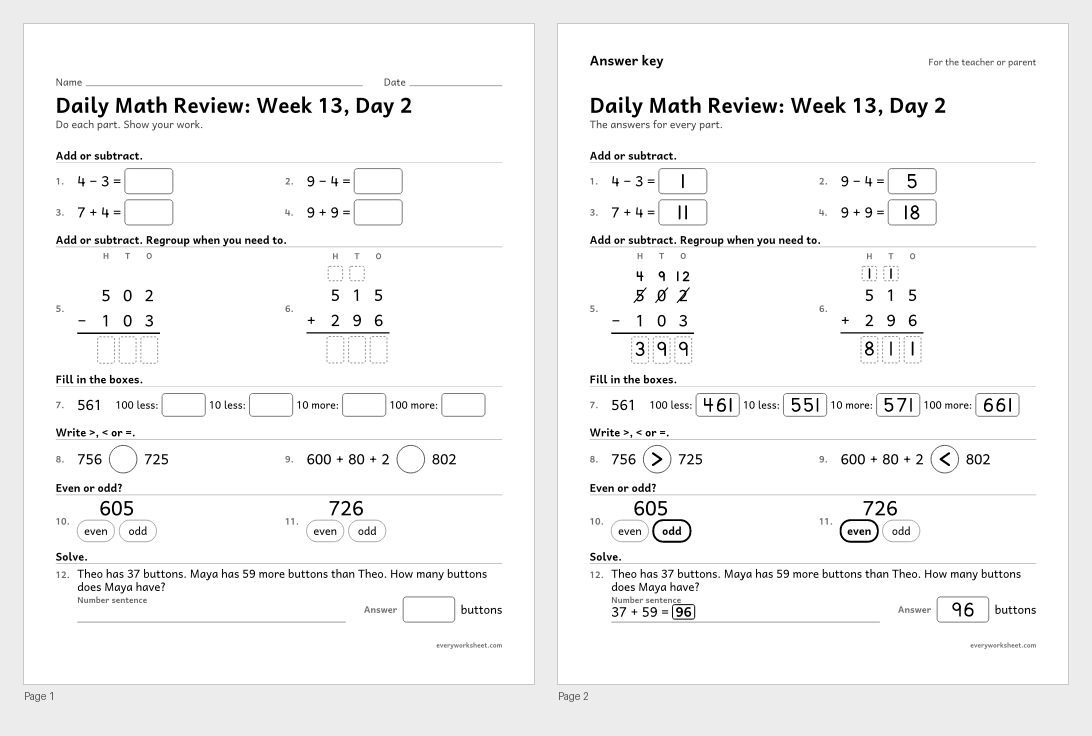 View all 2 pages
Mixed 2nd grade math review
Answer key on page 2
2 pages73 KB
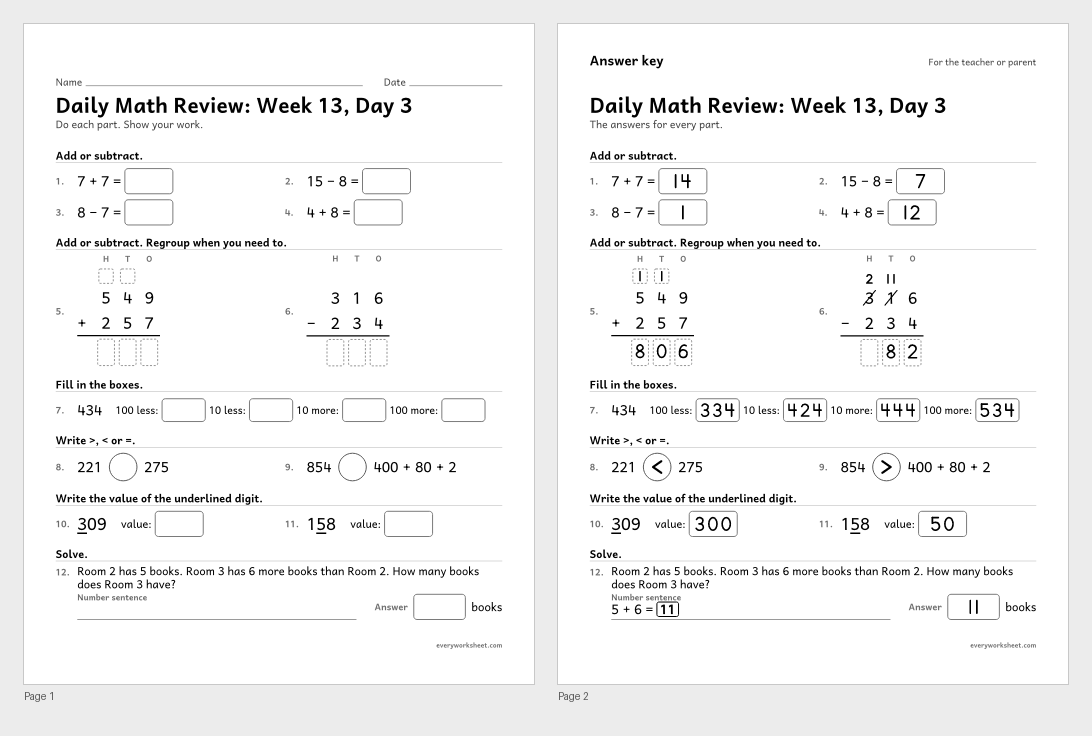 View all 2 pages
Mixed 2nd grade math review
Answer key on page 2
2 pages76 KB
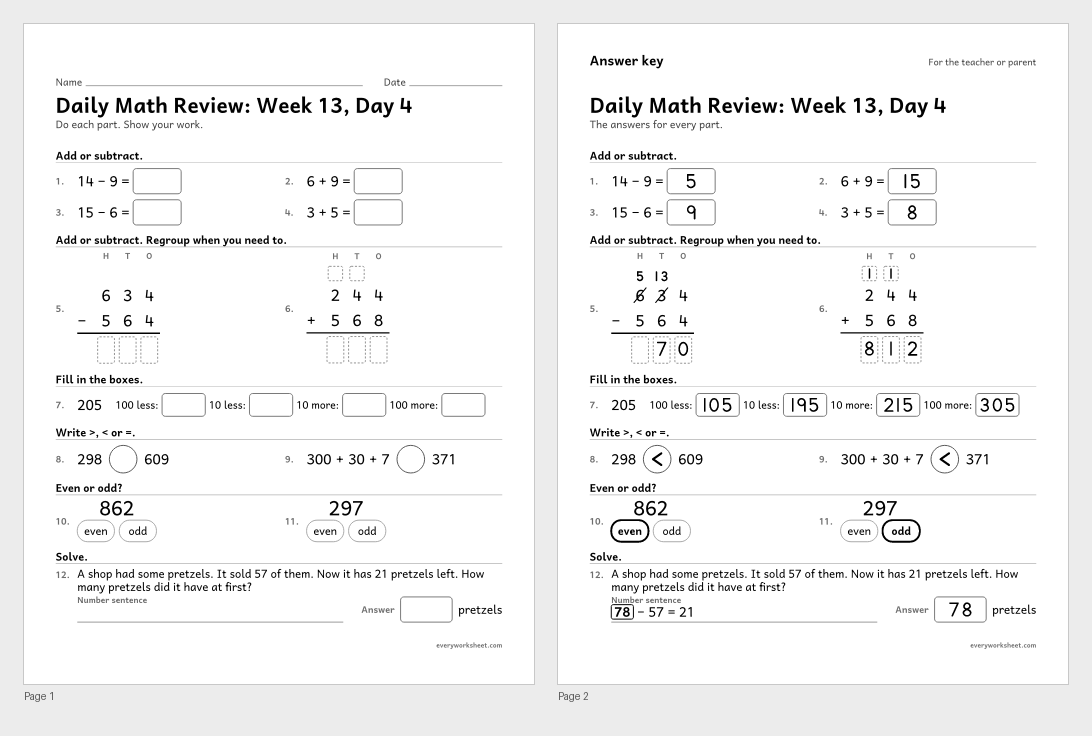 View all 2 pages
Mixed 2nd grade math review
Answer key on page 2
2 pages74 KB
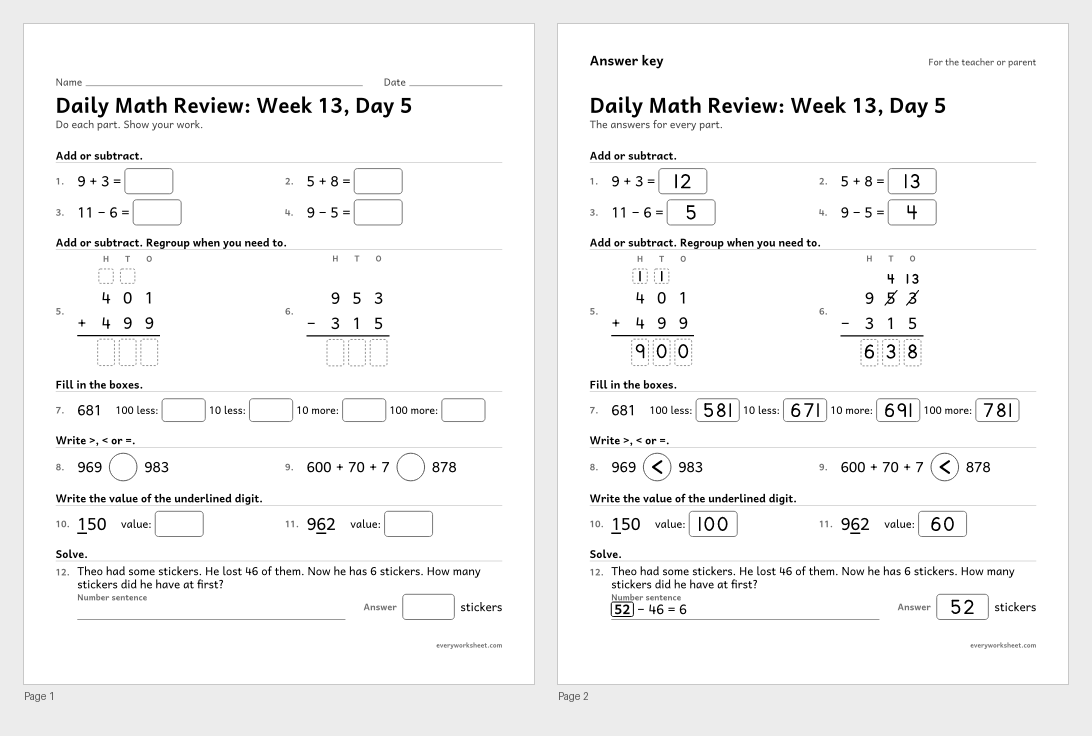 View all 2 pages
Mixed 2nd grade math review
Answer key on page 2
2 pages76 KB
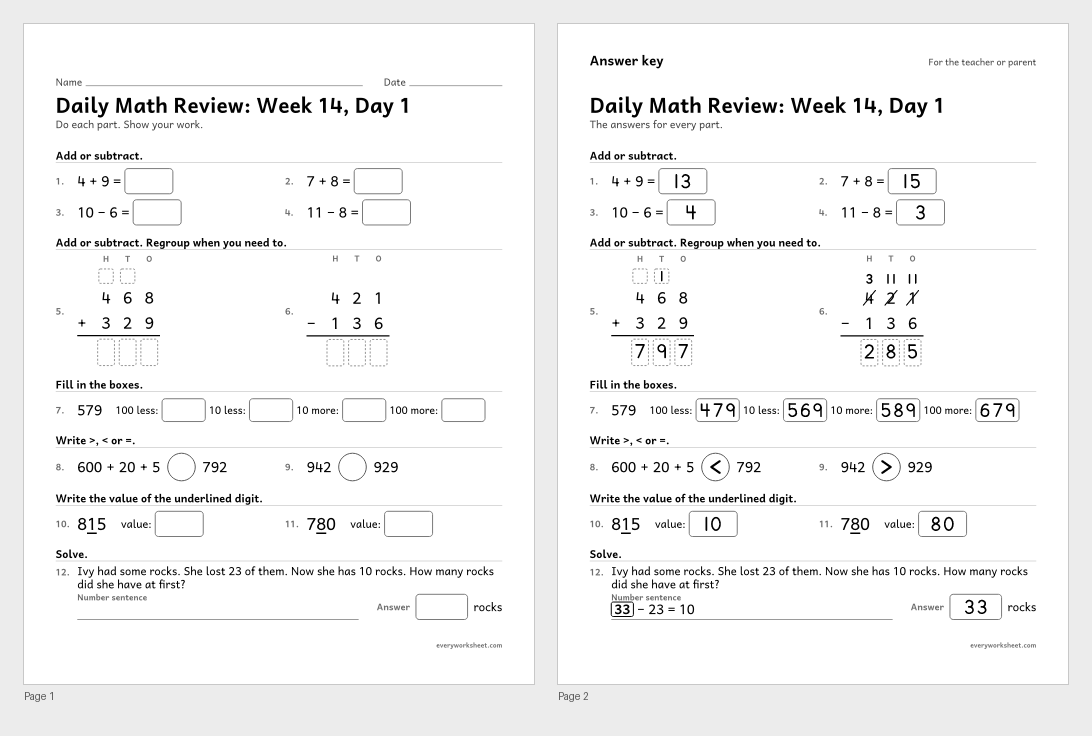 View all 2 pages
Mixed 2nd grade math review
Answer key on page 2
2 pages77 KB
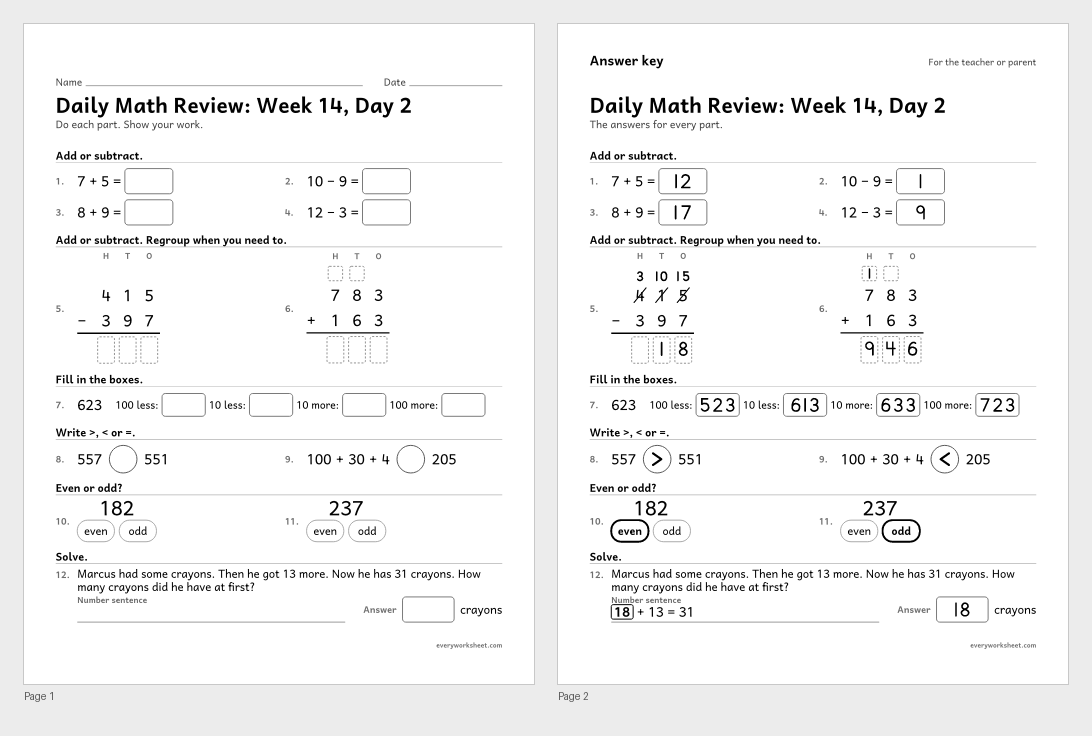 View all 2 pages
Mixed 2nd grade math review
Answer key on page 2
2 pages74 KB
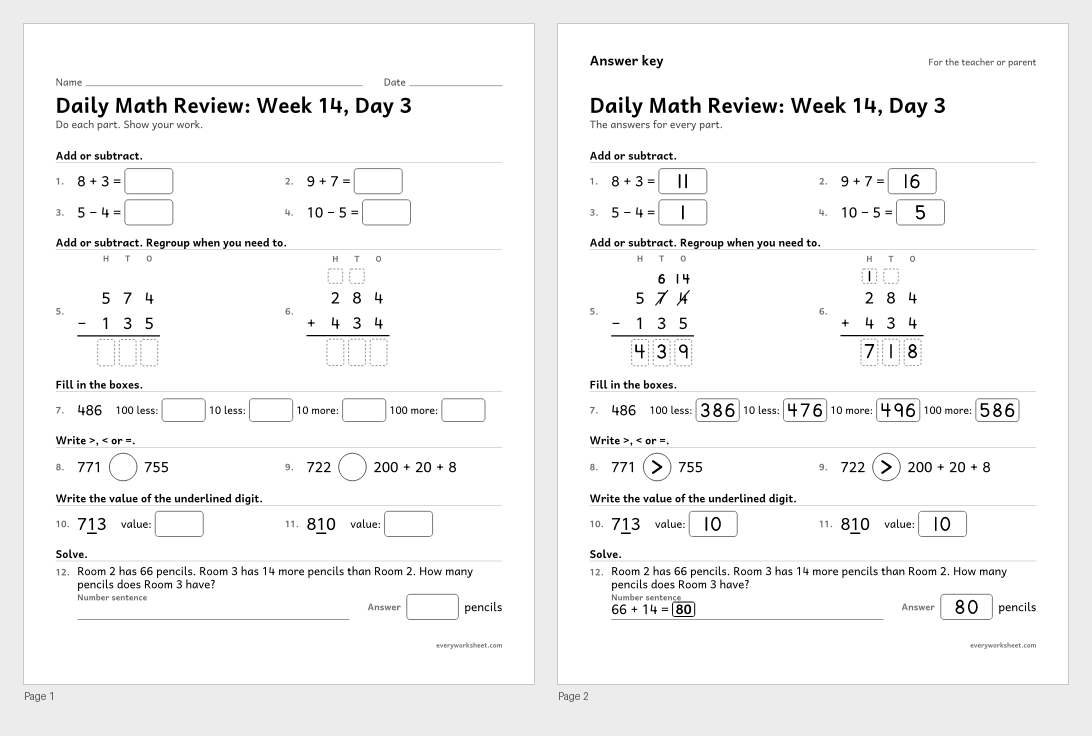 View all 2 pages
Mixed 2nd grade math review
Answer key on page 2
2 pages77 KB
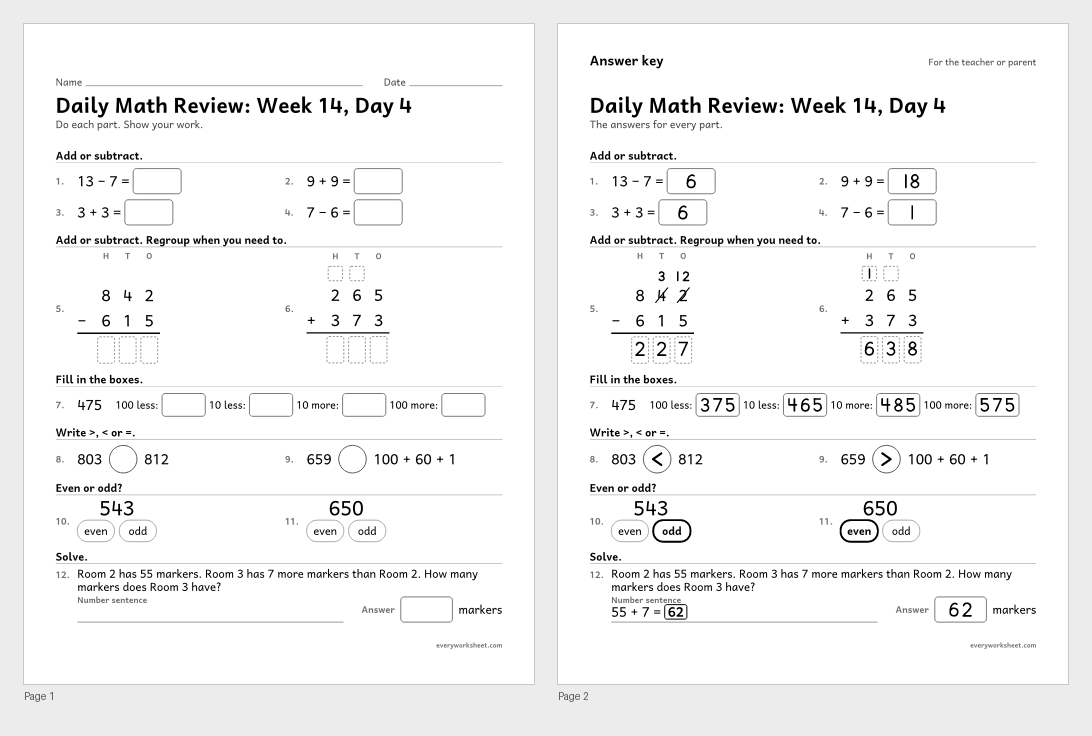 View all 2 pages
Mixed 2nd grade math review
Answer key on page 2
2 pages74 KB
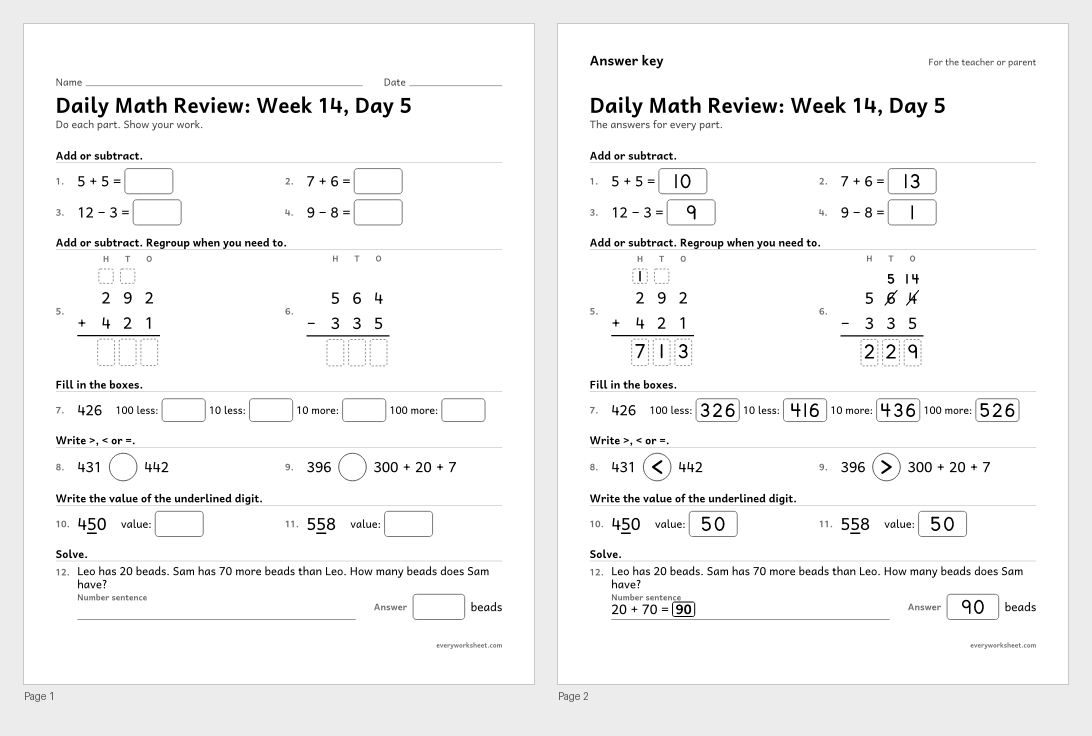 View all 2 pages
Mixed 2nd grade math review
Answer key on page 2
2 pages77 KB
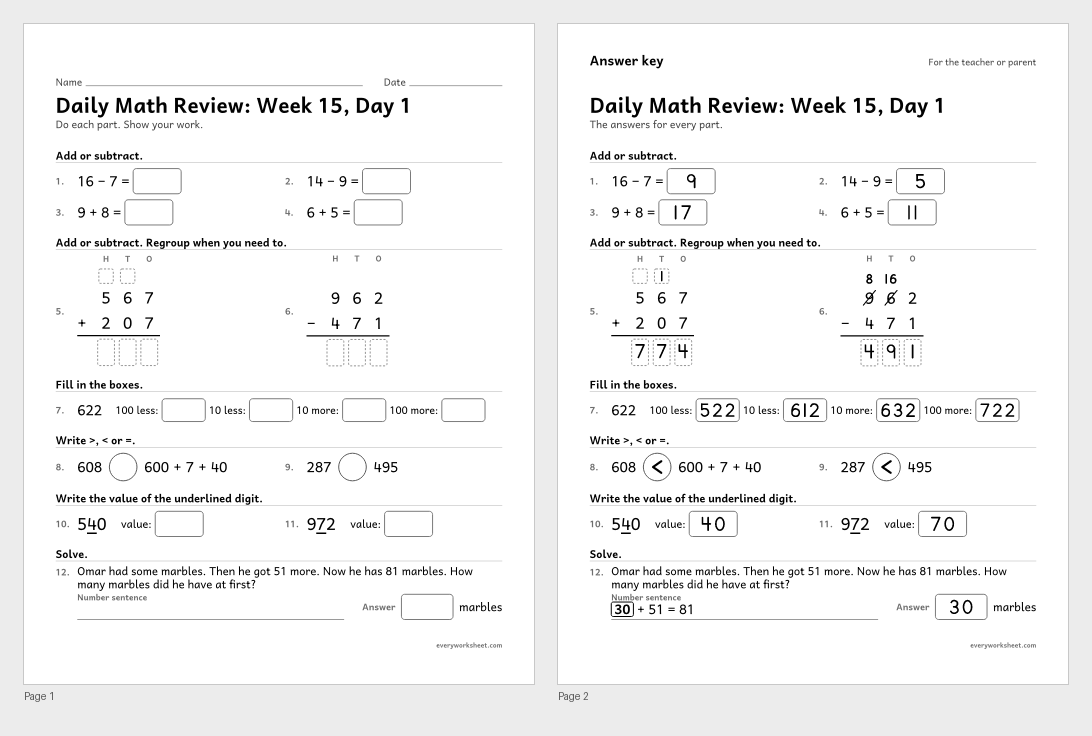 View all 2 pages
Mixed 2nd grade math review
Answer key on page 2
2 pages77 KB
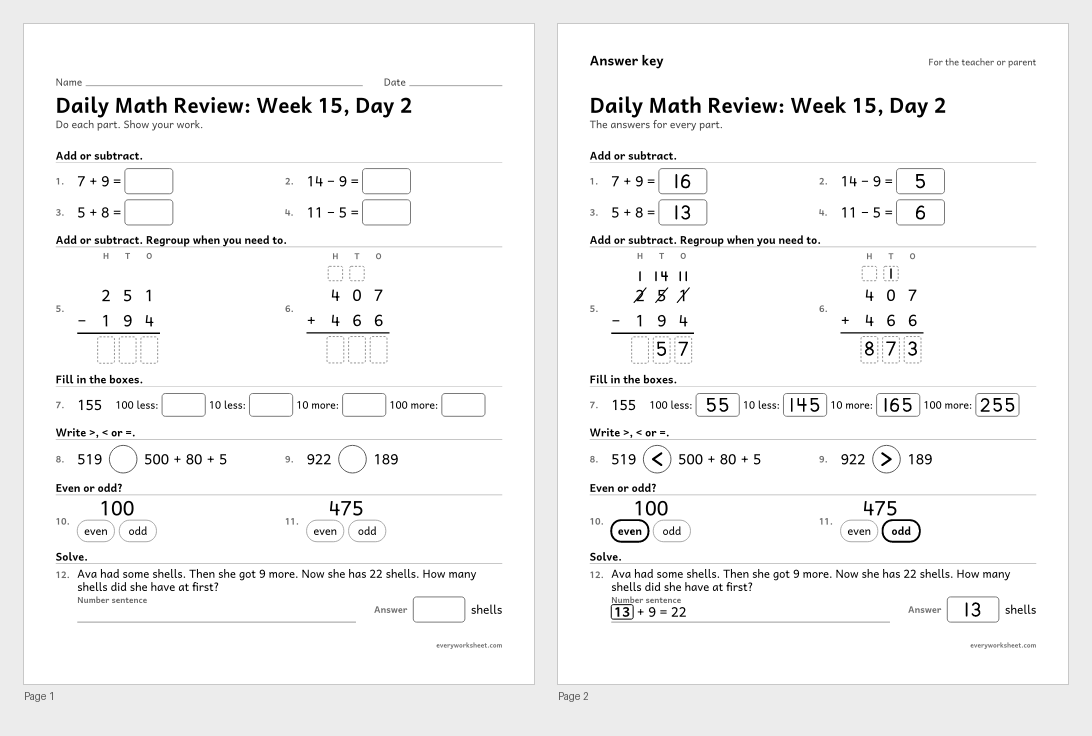 View all 2 pages
Mixed 2nd grade math review
Answer key on page 2
2 pages73 KB
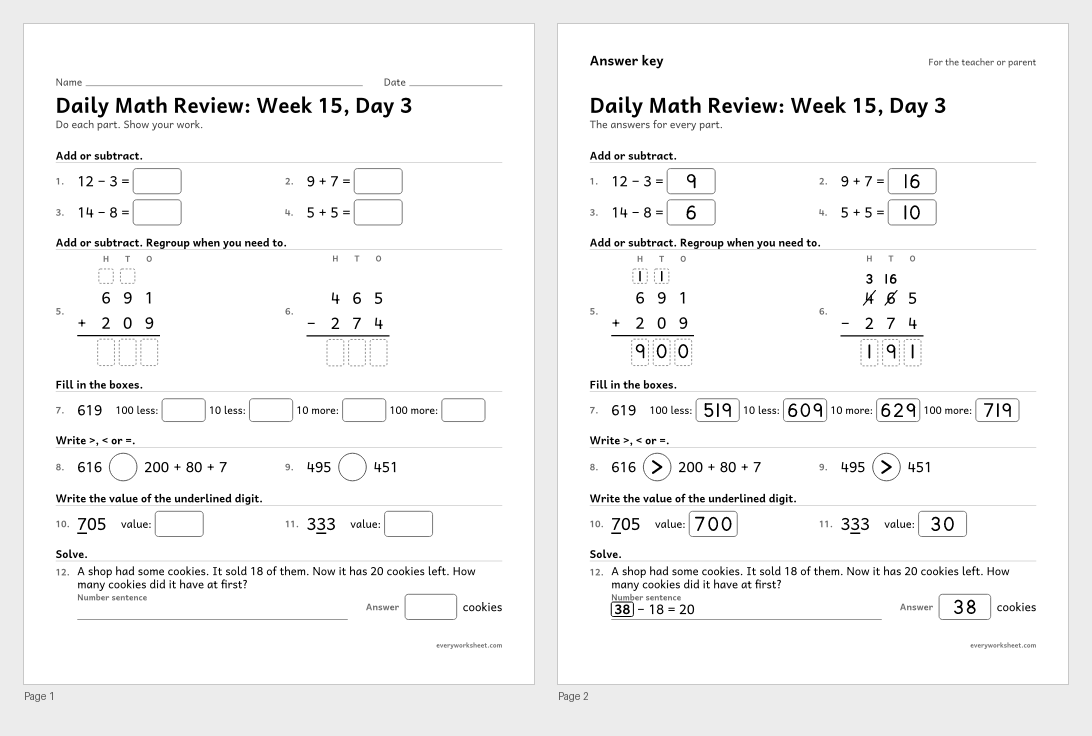 View all 2 pages
Mixed 2nd grade math review
Answer key on page 2
2 pages77 KB
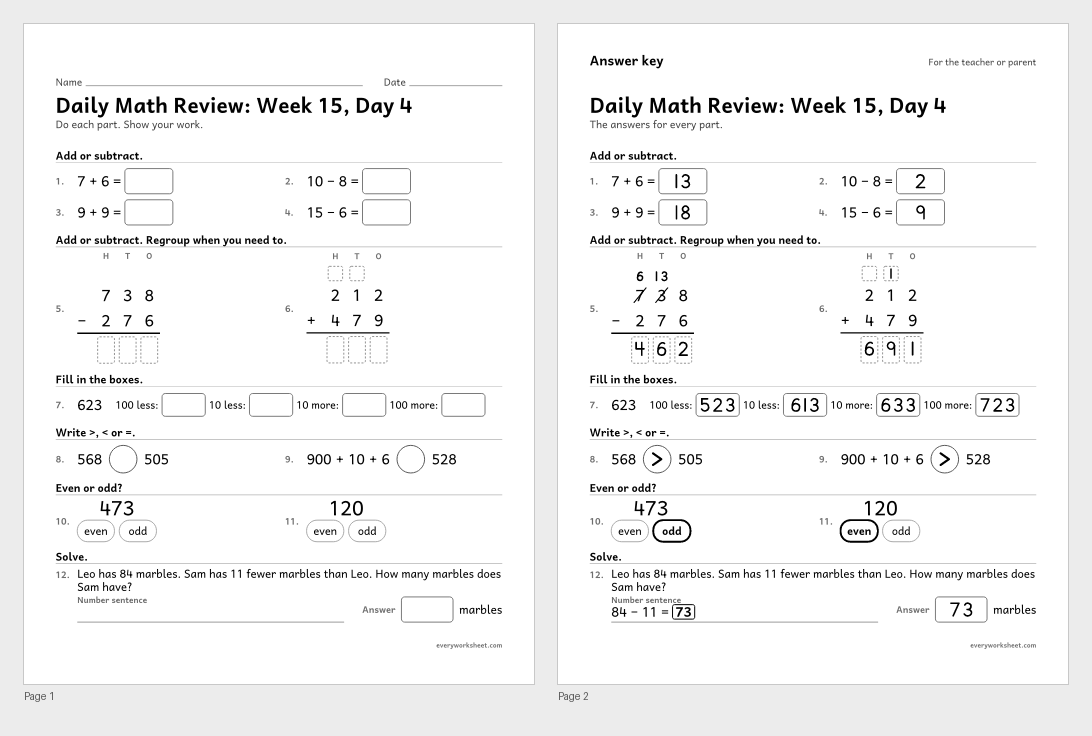 View all 2 pages
Mixed 2nd grade math review
Answer key on page 2
2 pages74 KB
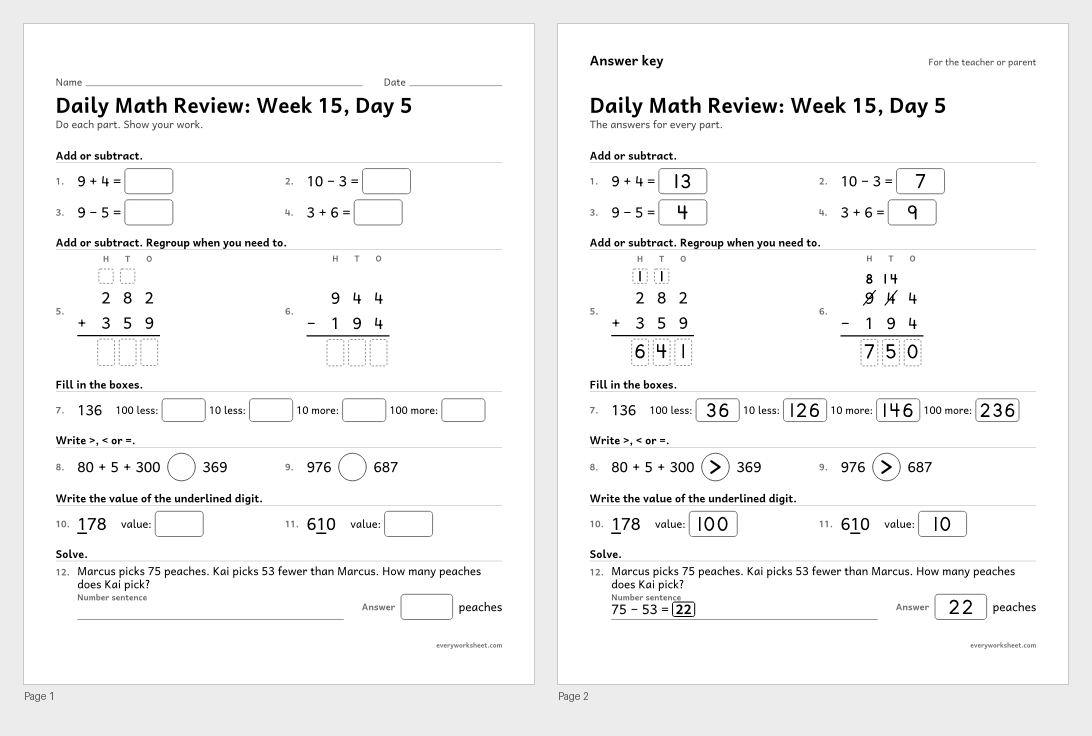 View all 2 pages
Mixed 2nd grade math review
Answer key on page 2
2 pages77 KB
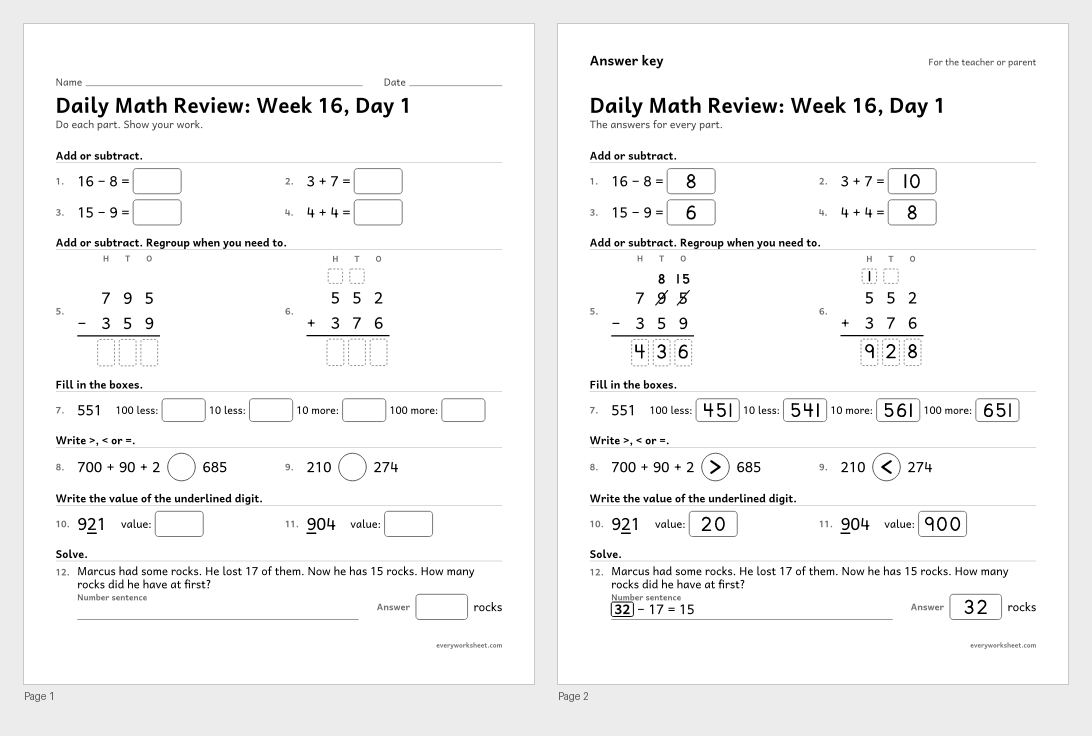 View all 2 pages
Mixed 2nd grade math review
Answer key on page 2
2 pages76 KB
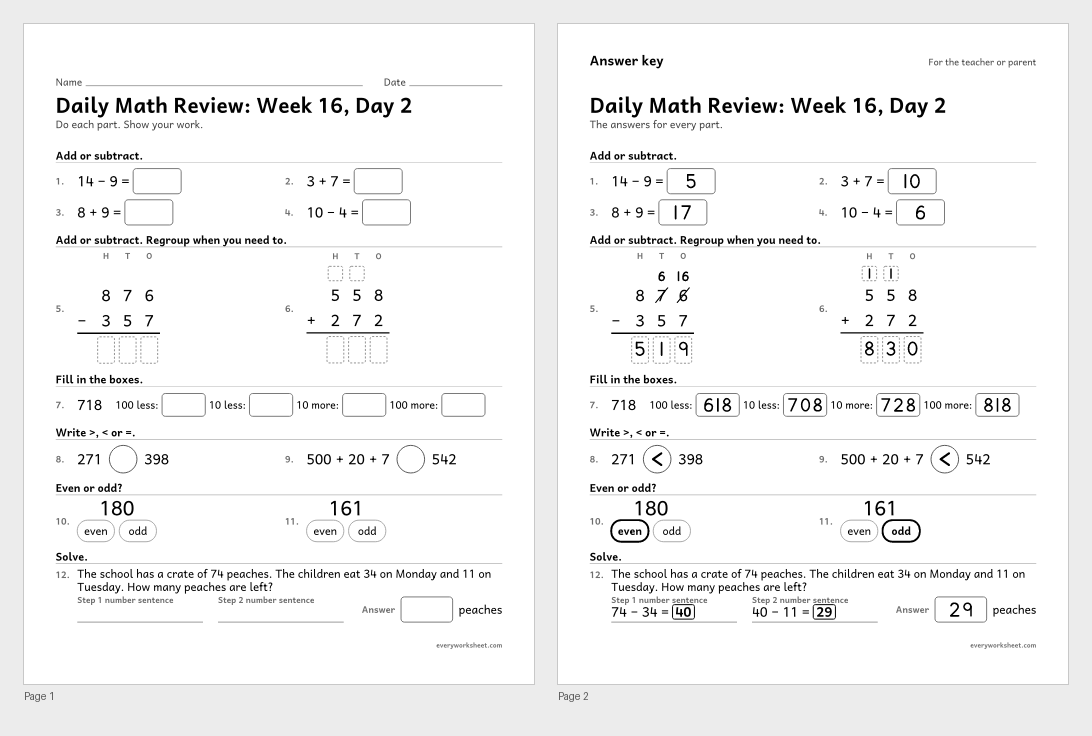 View all 2 pages
Mixed 2nd grade math review
Answer key on page 2
2 pages76 KB
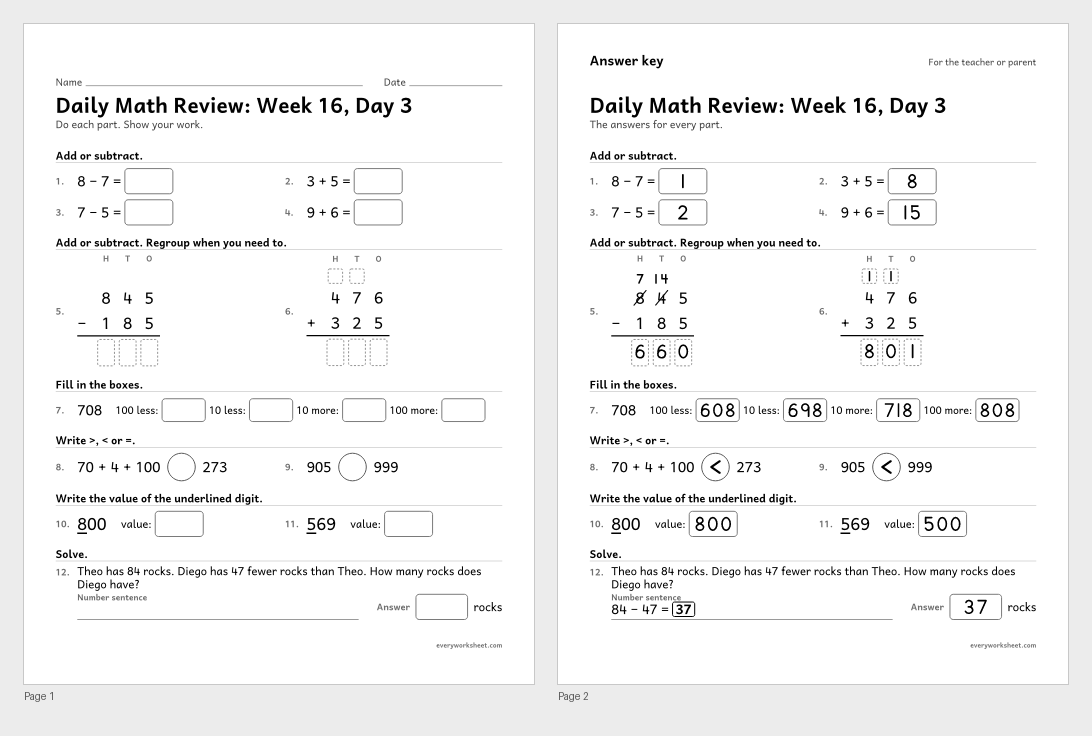 View all 2 pages
Mixed 2nd grade math review
Answer key on page 2
2 pages76 KB
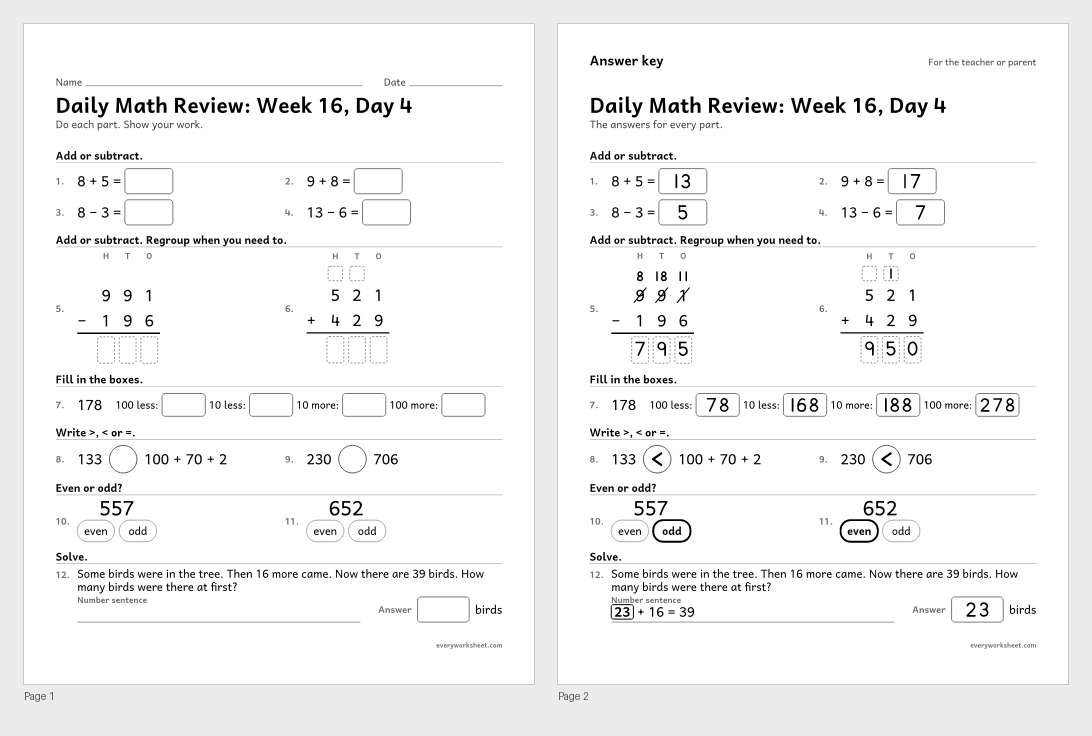 View all 2 pages
Mixed 2nd grade math review
Answer key on page 2
2 pages73 KB
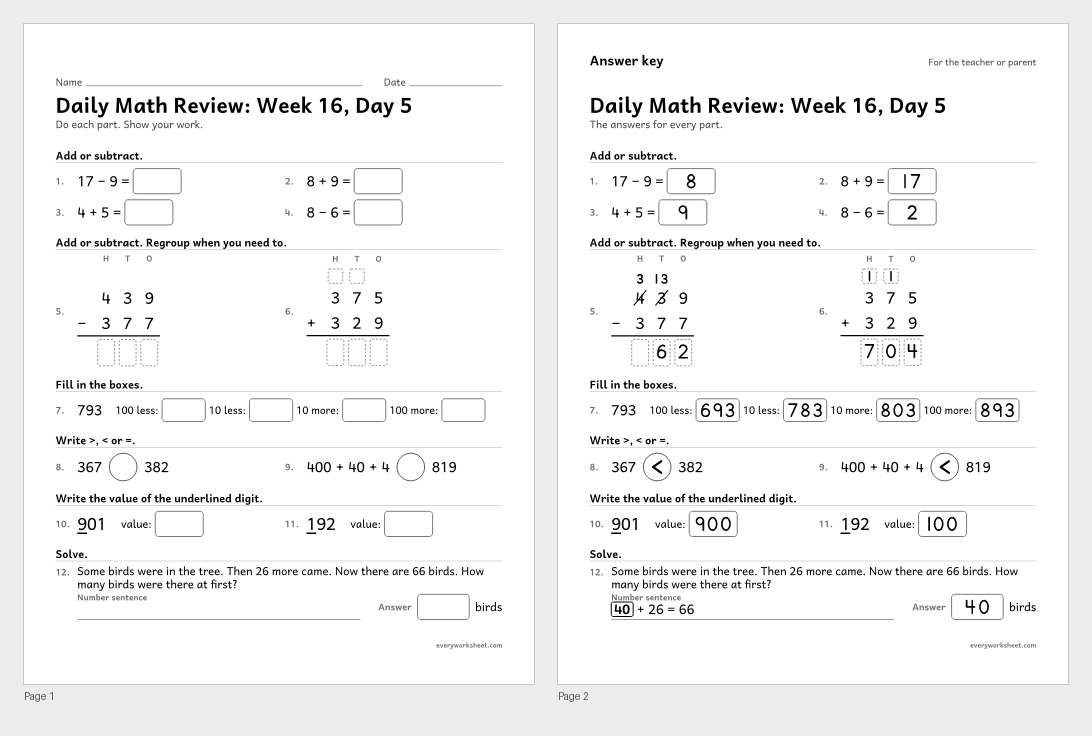 View all 2 pages
Mixed 2nd grade math review
Answer key on page 2
2 pages77 KB
Print at 100% (actual size) for the cleanest tracing lines.
A daily math review is a short page of mixed practice that children do every day, often as morning work or a warm-up. Skills come back again and again, so they stay fresh long after the unit that taught them.
This set has 80 pages: Week 1, Day 1 through Week 16, Day 5. Each page has five or six short parts, about 12 problems in all: facts within 20, adding and subtracting with and without regrouping, place value, comparing, skip counting, even and odd, and one word problem. The skills grow through the 16 weeks, from 2-digit numbers to numbers within 1000, 10 and 100 more and less, arrays and two-step problems.
Every page has an answer key on page 2, and all pages print in black and white on US Letter or A4. Telling time and money review live on their own pages in the 2nd grade math hub.
CCSS.MATH.CONTENT.2.OA.A.1Use addition and subtraction within 100 to solve one- and two-step word problems involving situations of adding to, taking from, putting together, taking apart, and comparing, with unknowns in all positions, e.g., by using drawings and equations with a symbol for the unknown number to represent the problem.CCSS.MATH.CONTENT.2.OA.B.2Fluently add and subtract within 20 using mental strategies. By end of Grade 2, know from memory all sums of two one-digit numbers.CCSS.MATH.CONTENT.2.OA.C.3Determine whether a group of objects (up to 20) has an odd or even number of members, e.g., by pairing objects or counting them by 2s; write an equation to express an even number as a sum of two equal addends.CCSS.MATH.CONTENT.2.OA.C.4Use addition to find the total number of objects arranged in rectangular arrays with up to 5 rows and up to 5 columns; write an equation to express the total as a sum of equal addends.CCSS.MATH.CONTENT.2.NBT.A.1Understand that the three digits of a three-digit number represent amounts of hundreds, tens, and ones; e.g., 706 equals 7 hundreds, 0 tens, and 6 ones. Understand the following as special cases:CCSS.MATH.CONTENT.2.NBT.A.2Count within 1000; skip-count by 5s, 10s, and 100s.CCSS.MATH.CONTENT.2.NBT.A.3Read and write numbers to 1000 using base-ten numerals, number names, and expanded form.CCSS.MATH.CONTENT.2.NBT.A.4Compare two three-digit numbers based on meanings of the hundreds, tens, and ones digits, using >, =, and < symbols to record the results of comparisons.CCSS.MATH.CONTENT.2.NBT.B.5Fluently add and subtract within 100 using strategies based on place value, properties of operations, and/or the relationship between addition and subtraction.CCSS.MATH.CONTENT.2.NBT.B.7Add and subtract within 1000, using concrete models or drawings and strategies based on place value, properties of operations, and/or the relationship between addition and subtraction; relate the strategy to a written method. Understand that in adding or subtracting three-digit numbers, one adds or subtracts hundreds and hundreds, tens and tens, ones and ones; and sometimes it is necessary to compose or decompose tens or hundreds.CCSS.MATH.CONTENT.2.NBT.B.8Mentally add 10 or 100 to a given number 100–900, and mentally subtract 10 or 100 from a given number 100–900.A short page of mixed math practice done every day. It brings back skills from earlier units so children keep them, not just the skill being taught this week.
About 10 to 15 minutes for most 2nd graders. Each page has five or six parts and about 12 problems.
No. These pages are made by our math generator and cover number skills. Telling time and money are on their own pages in the 2nd grade math hub.
Yes. Every page has an answer key on page 2 of the PDF.