 View larger
External animal structures poster for 4th grade
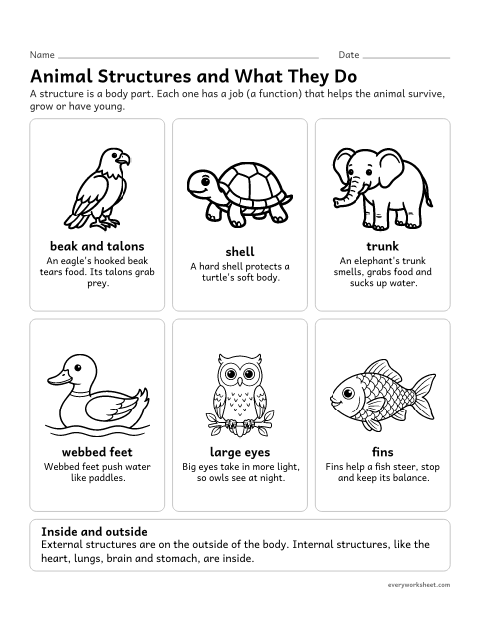
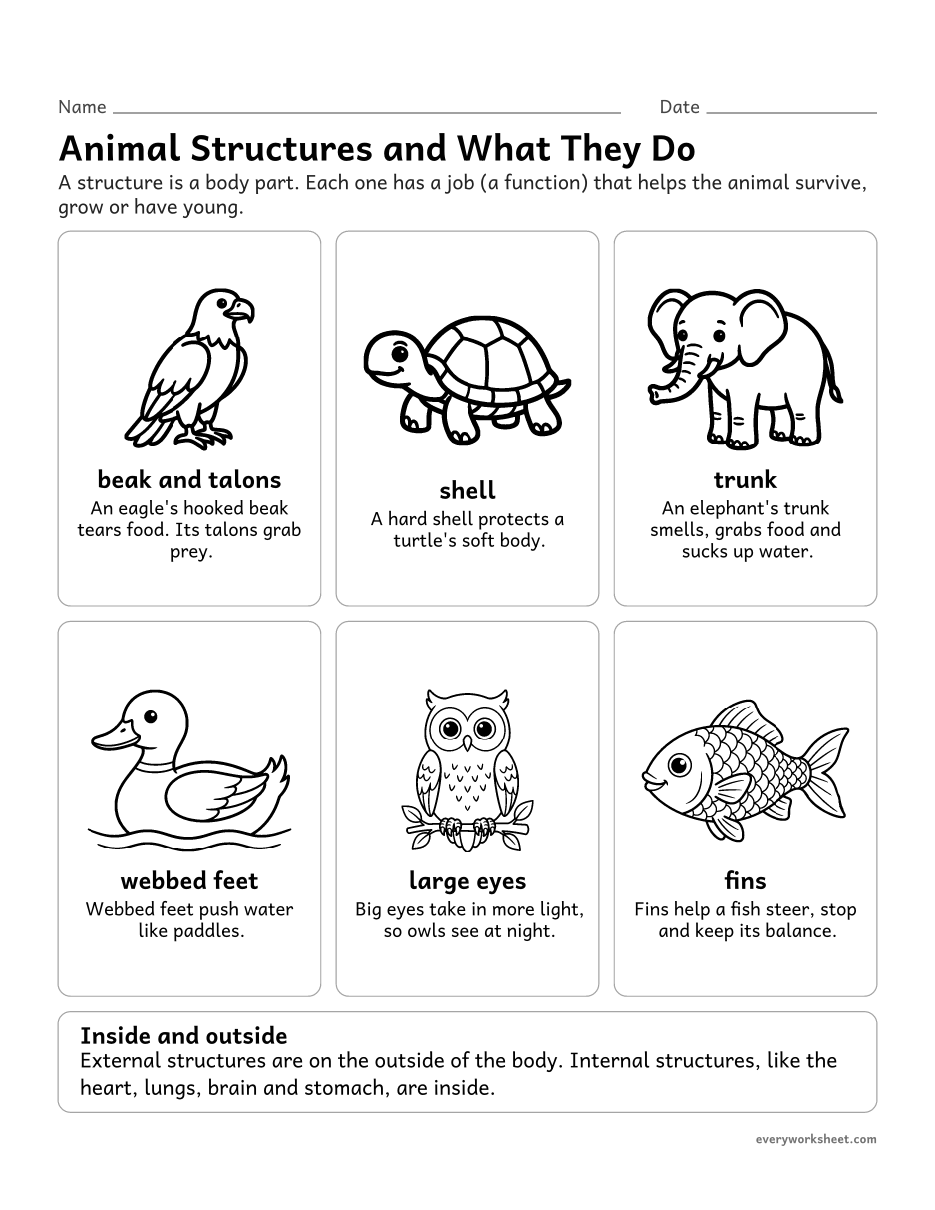
Describing how external structures help animals survive
1 page132 KB
Internal and external structures and their jobs, labeled fish, bird and eye diagrams, how senses send information to the brain, and plant structures.
View largerDescribing how external structures help animals survive
1 page132 KB
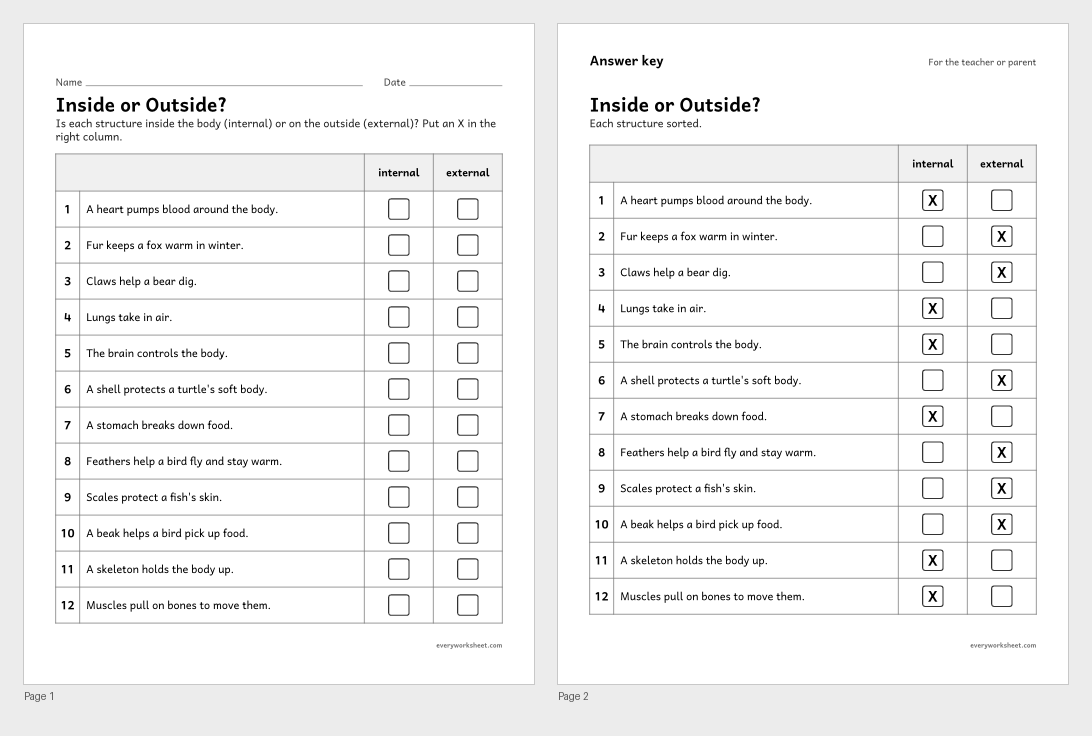 View all 2 pages
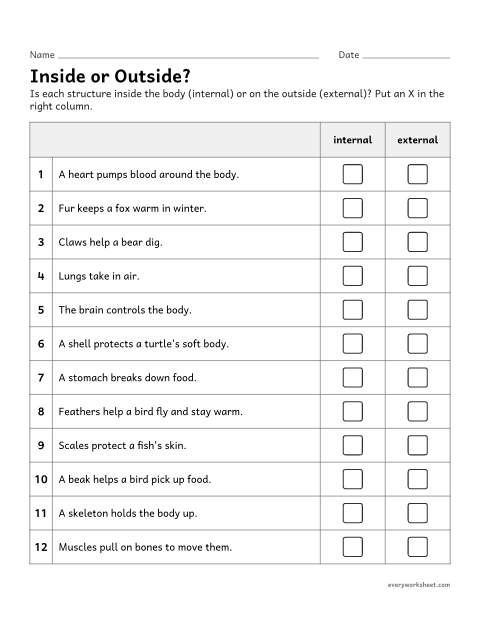
Sorting animal structures as internal or external
Answer key on page 2
2 pages50 KB
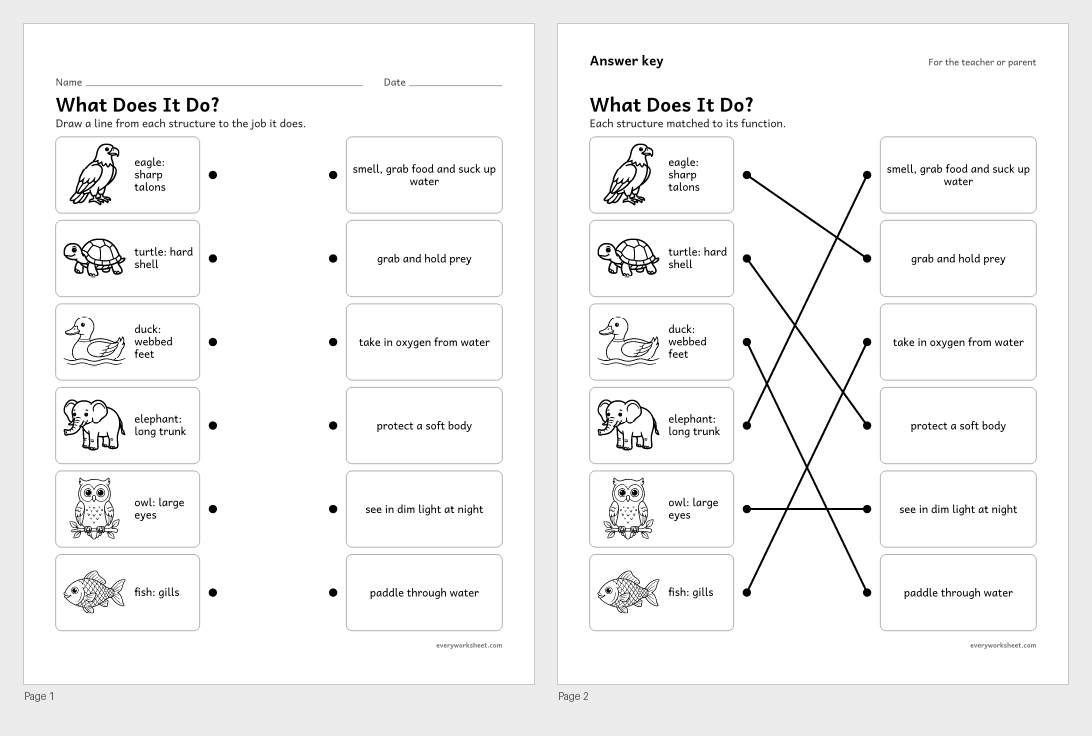 View all 2 pages
Matching animal structures to their functions
Answer key on page 2
2 pages239 KB
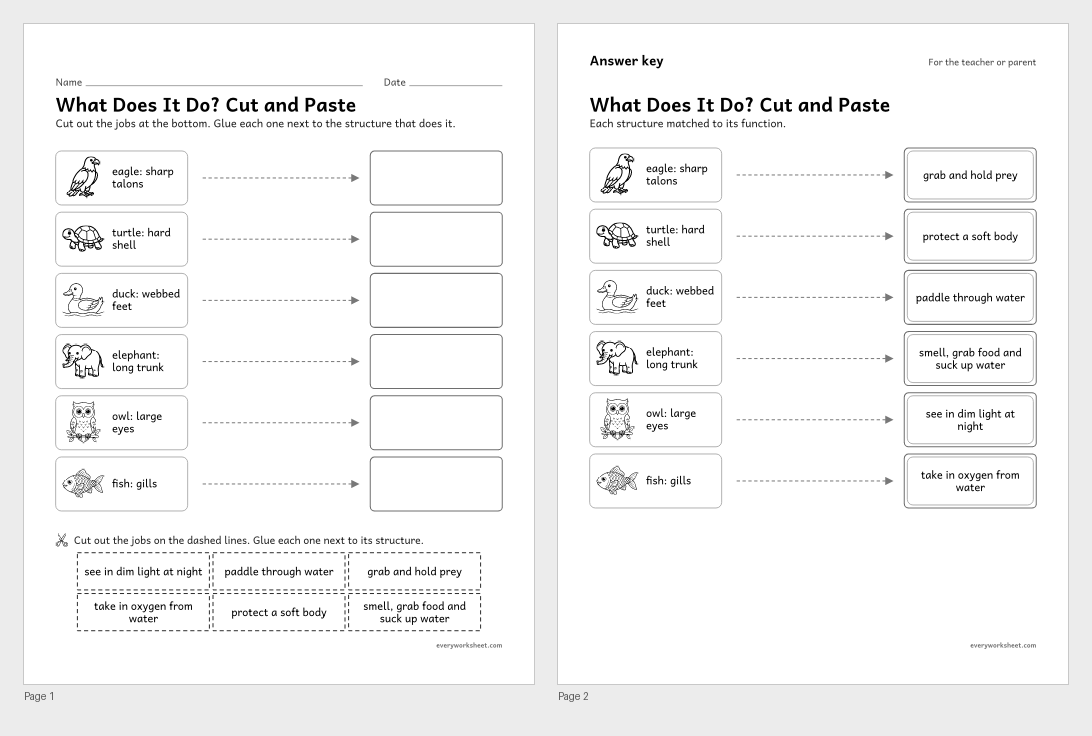 View all 2 pages
Matching animal structures to their functions
Answer key on page 2
2 pages268 KB
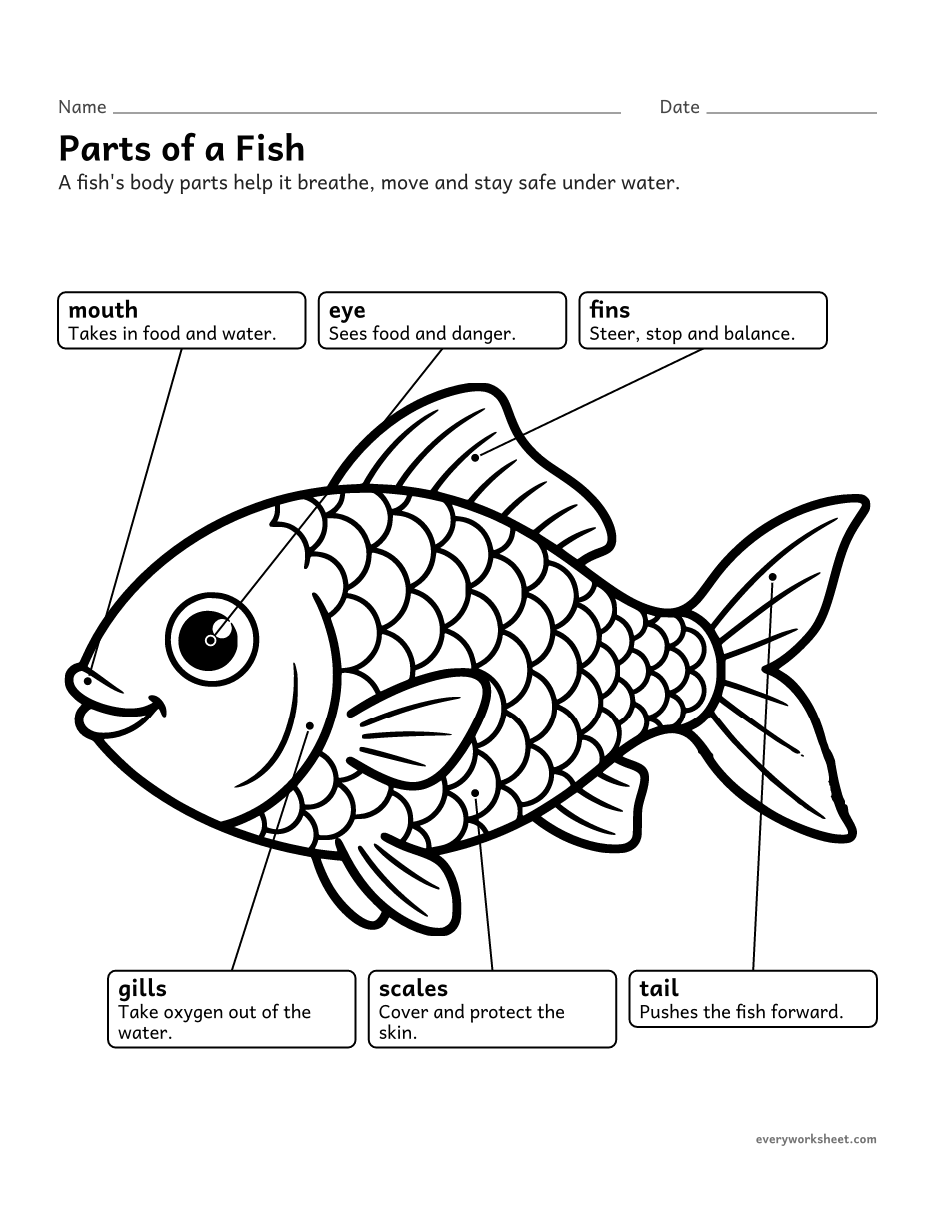 View larger
Naming the external structures of a fish and their functions
1 page45 KB
 View all 2 pages
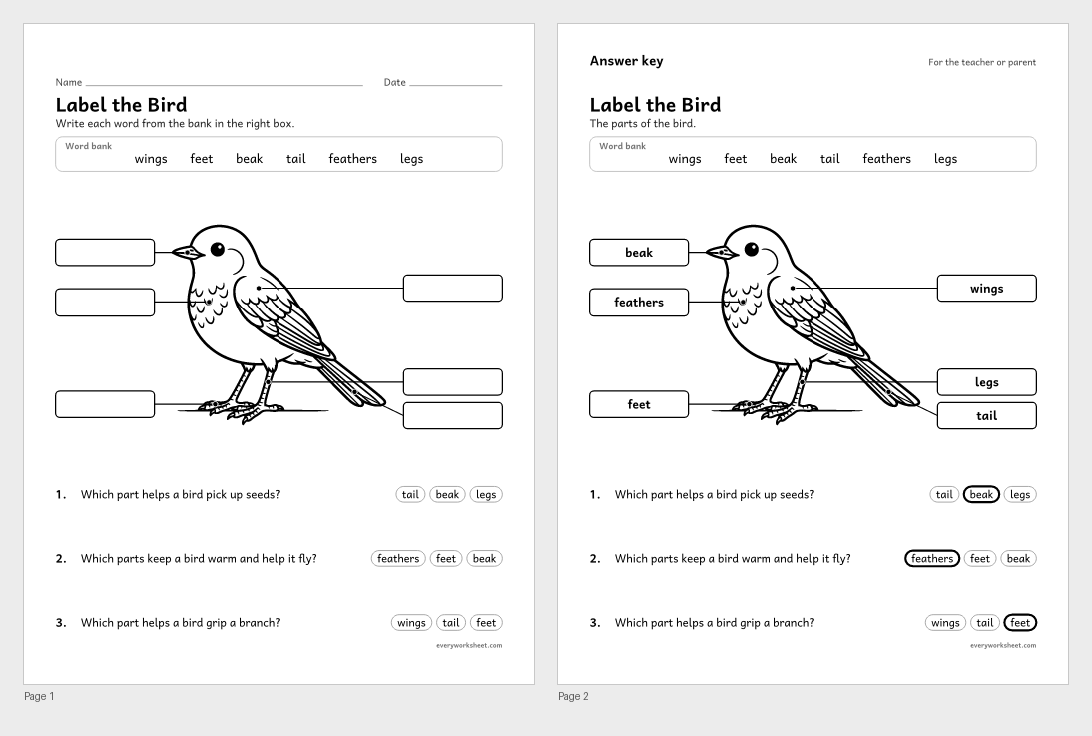
Labeling the external structures of a bird
Answer key on page 2
2 pages68 KB
 View larger
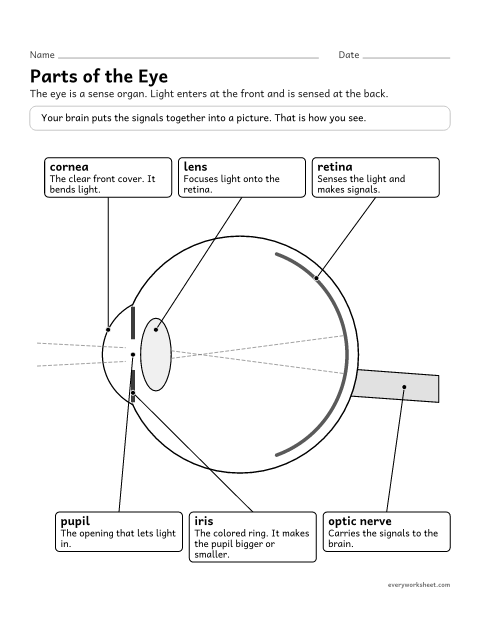
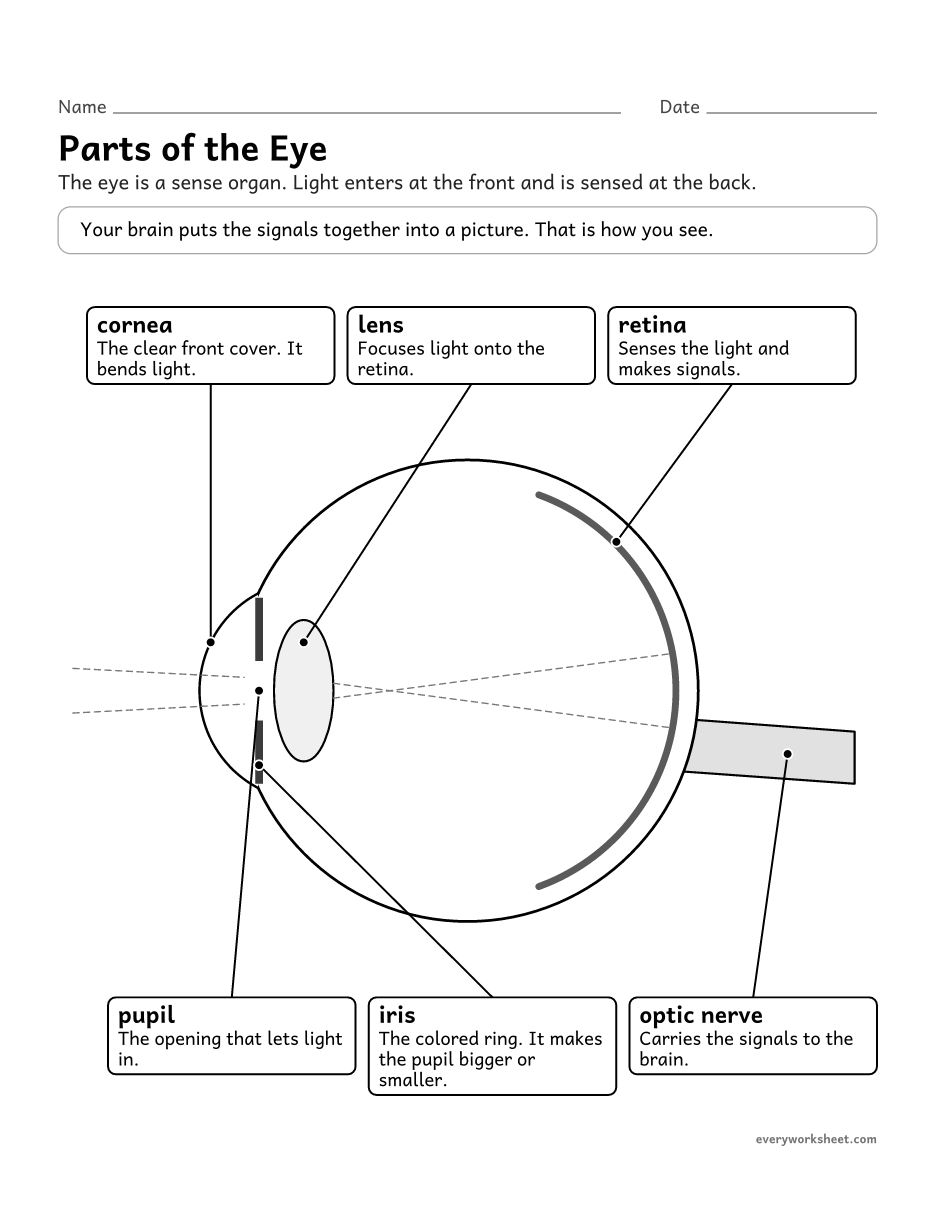
Naming the parts of the eye and how they work together to sense light
1 page29 KB
 View all 2 pages
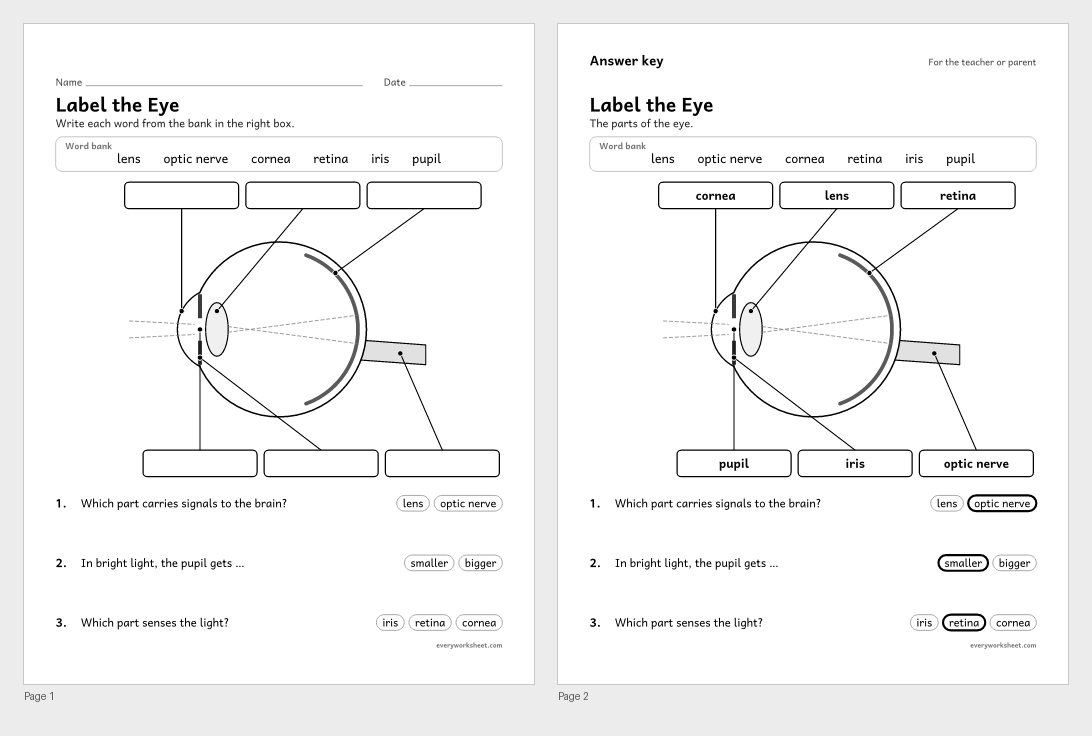
Labeling the parts of the eye
Answer key on page 2
2 pages39 KB
 View all 2 pages
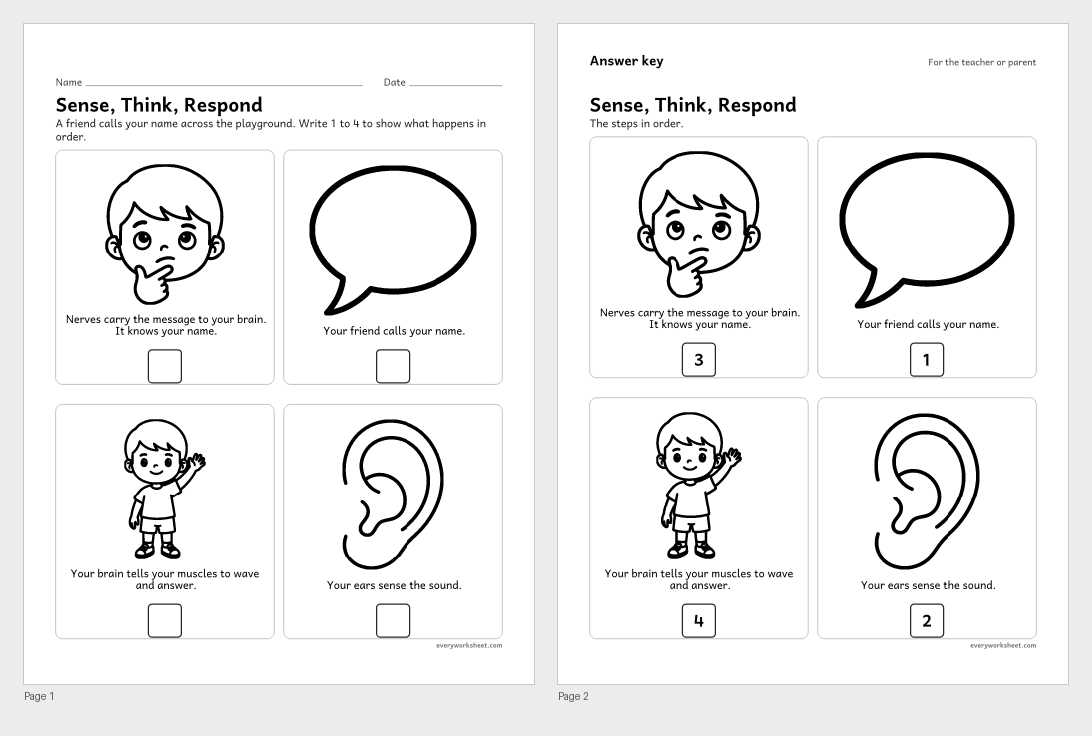
Sequencing how the senses send information to the brain and the body responds
Answer key on page 2
2 pages139 KB
 View all 2 pages
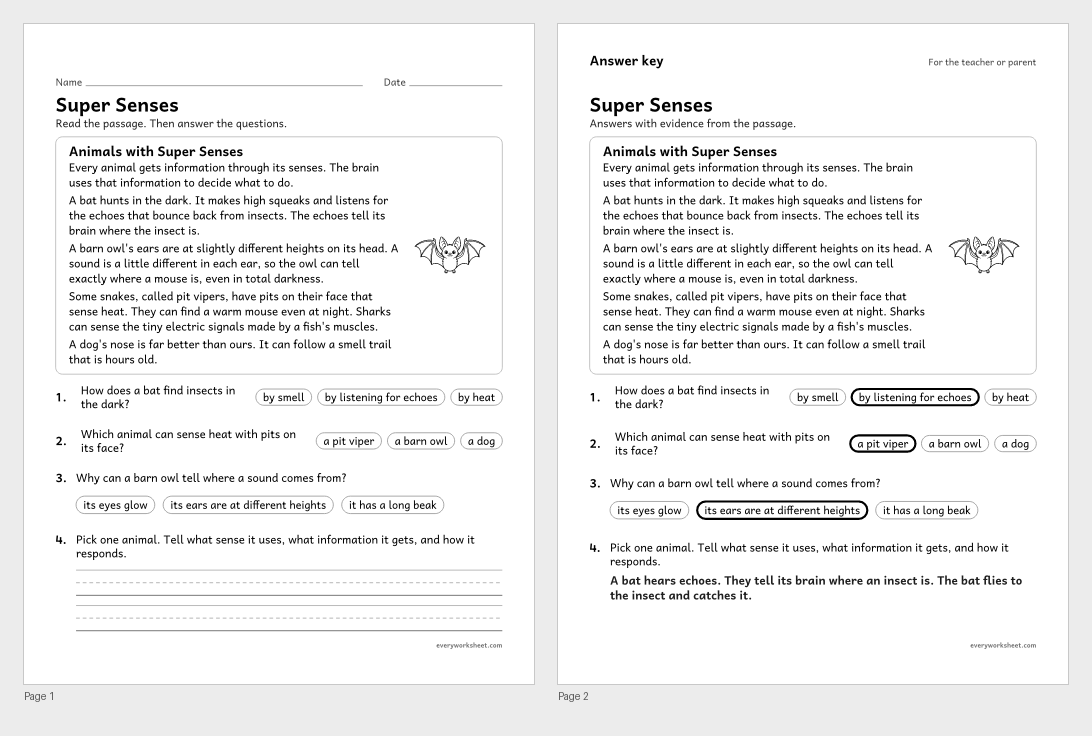
Explaining how animals receive and use information from their senses
Answer key on page 2
2 pages60 KB
 View all 2 pages
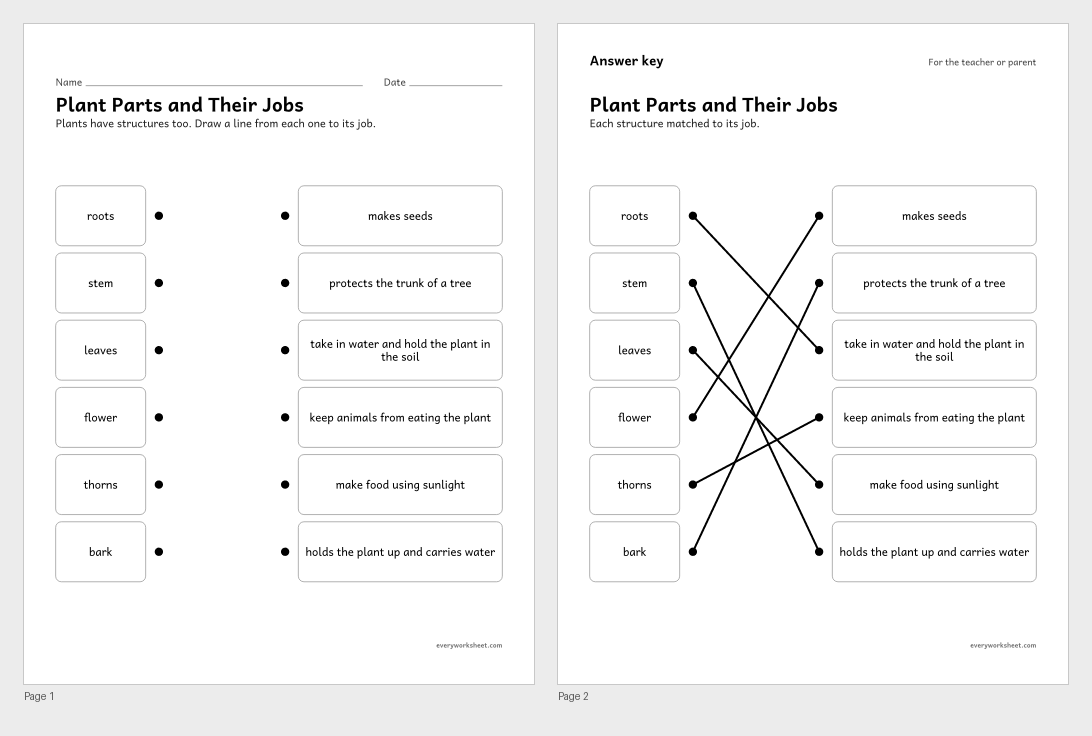
Matching plant structures to their functions
Answer key on page 2
2 pages28 KB
 View all 2 pages
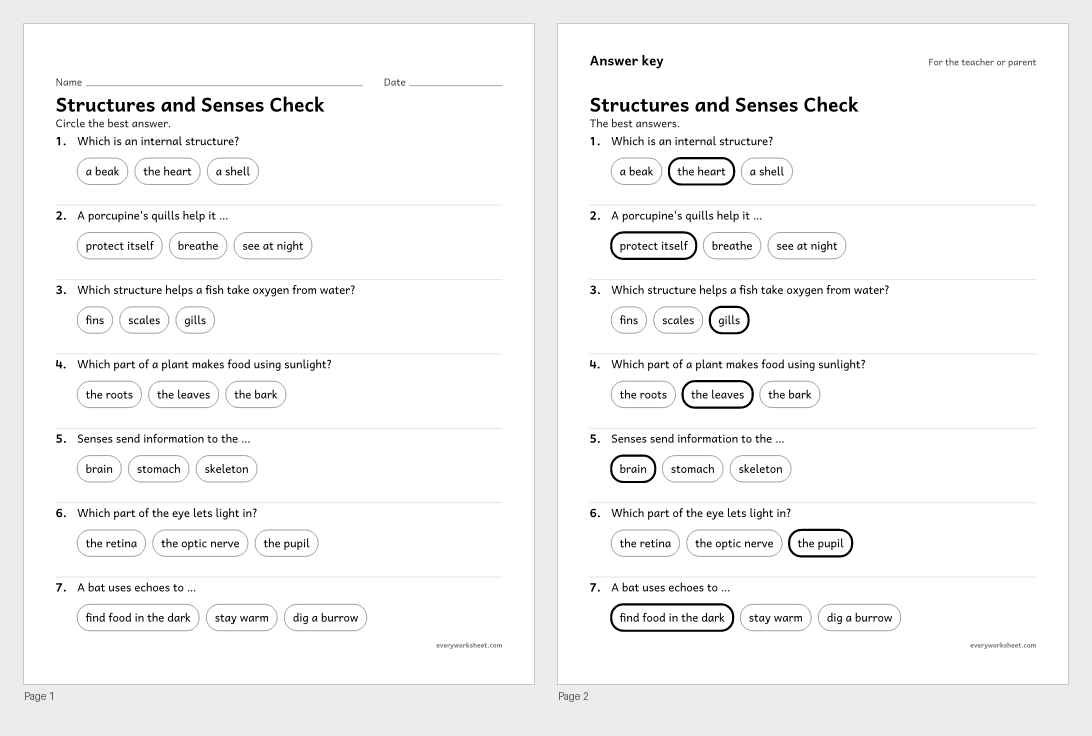
Reviewing internal and external structures and the senses
Answer key on page 2
2 pages41 KB
Print at 100% (actual size) for the cleanest tracing lines.
Every part of an animal's body is a structure with a job. A turtle's shell protects it, a fish's gills take oxygen from water, and an owl's large eyes help it see at night. Some structures are on the outside (external) and some are inside (internal), like the heart and lungs.
These animal structures worksheets start with a poster and an inside-or-outside sort, then match structures to functions (with a cut and paste twin). Labeled diagrams show the parts of a fish, a bird and the eye. Children order how a sense sends a message to the brain, read about animals with super senses and match plant structures to their jobs.
Every page is black and white, prints on US Letter or A4, and every page with right answers has an answer key on page 2.
NGSS 4-LS1-1Construct an argument that plants and animals have internal and external structures that function to support survival, growth, behavior, and reproduction.NGSS 4-LS1-2Use a model to describe that animals receive different types of information through their senses, process the information in their brain, and respond to the information in different ways.External structures are on the outside of the body, like fur, claws, beaks and shells. Internal structures are inside, like the heart, lungs, stomach, brain and skeleton.
Senses gather information, like a sound, smell or movement. The brain uses it to decide what to do: find food, escape danger or care for young.
Light enters through the clear cornea and the pupil, the lens focuses it on the retina at the back, and the optic nerve carries signals to the brain. The colored iris changes the size of the pupil.
Structures and adaptations overlap. The 3rd grade adaptations page focuses on habitats and survival; these 4th grade pages focus on what each body part does.