Science Worksheets for 4th Graders
Energy, electricity and circuits, waves, sound and light, animal structures and senses, the water and rock cycles, Earth's layers, plates, hazards and natural resources.
The science year, in order
Energy and electricity
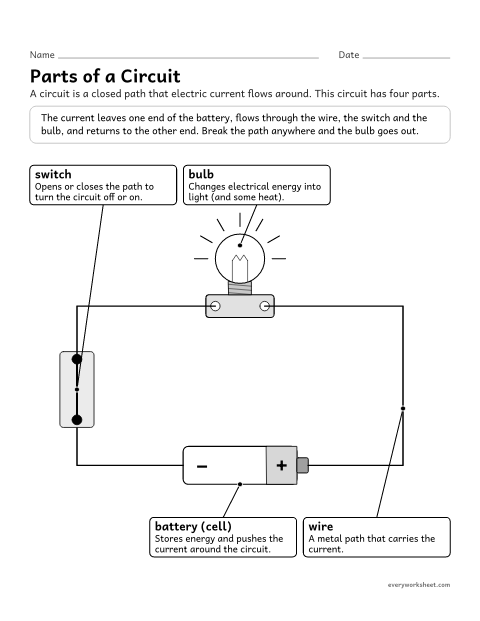
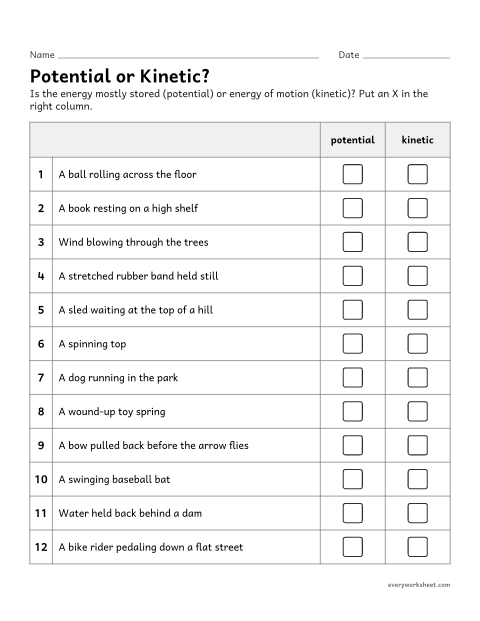
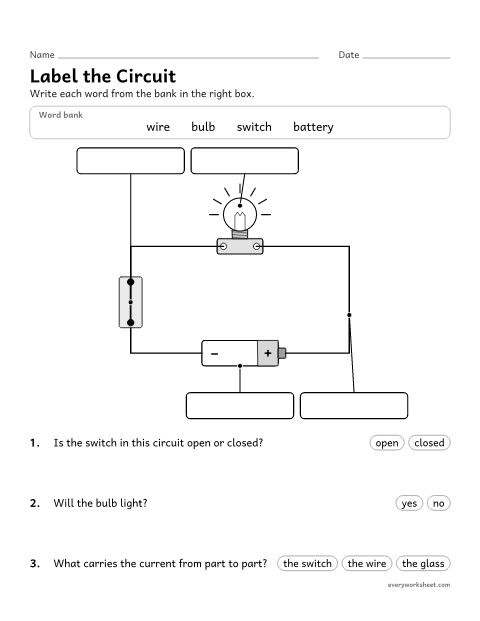
24 sheets readyPotential and kinetic energy, speed and energy, energy transfer, collisions, circuits, conductors and insulators.
Waves, sound and light
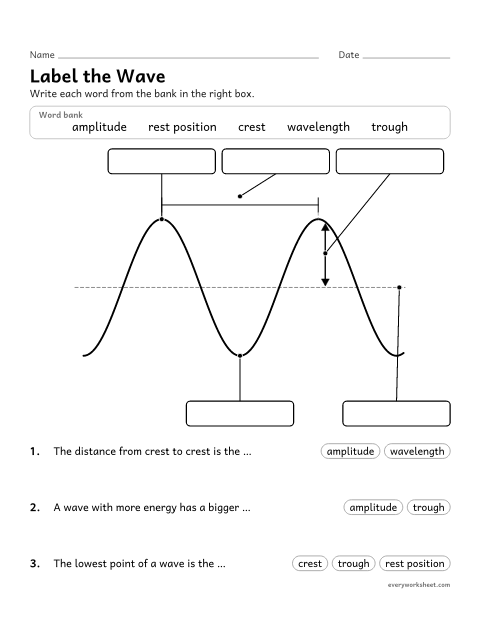
11 sheets readyParts of a wave, amplitude and wavelength, sound, reflection, how we see and codes made of patterns.
Structures and senses
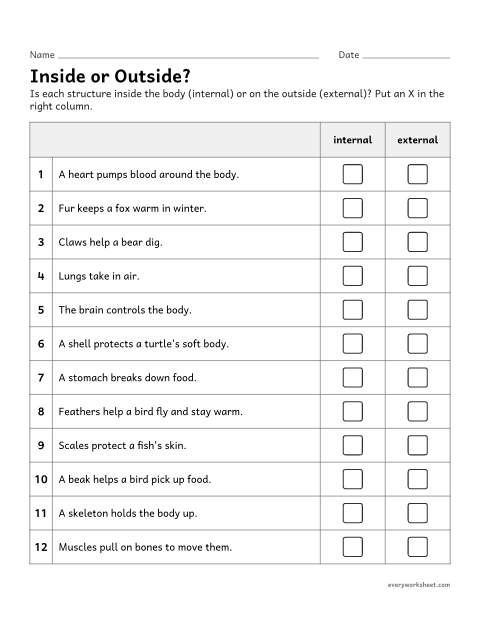
12 sheets readyInternal and external structures of animals and plants, labeled diagrams, and how senses send information to the brain.
Earth's systems and changes
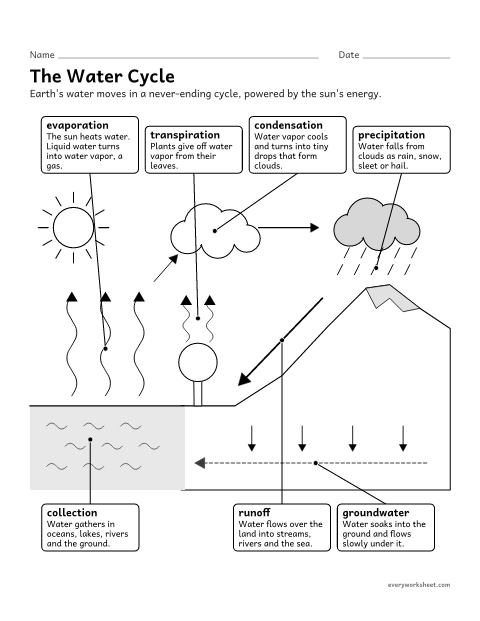
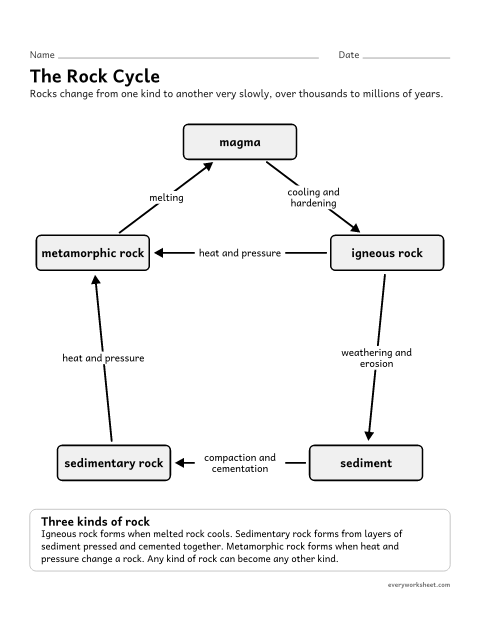
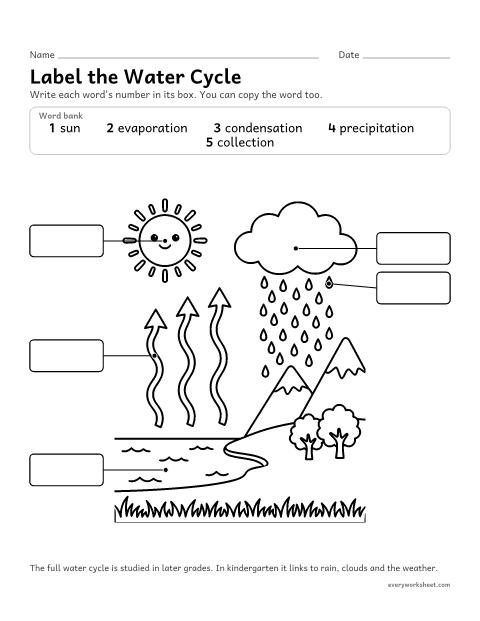
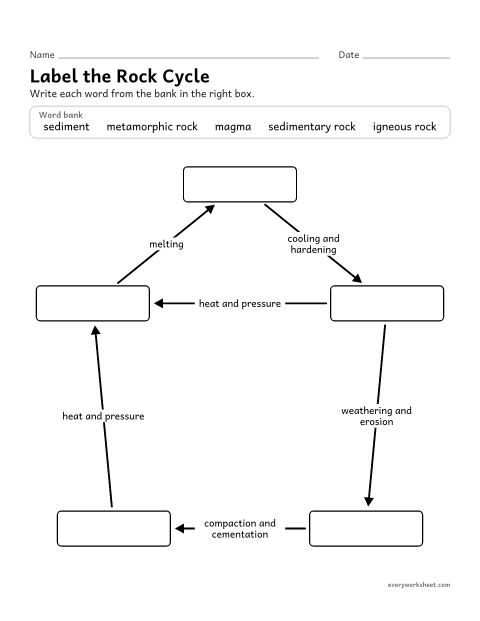
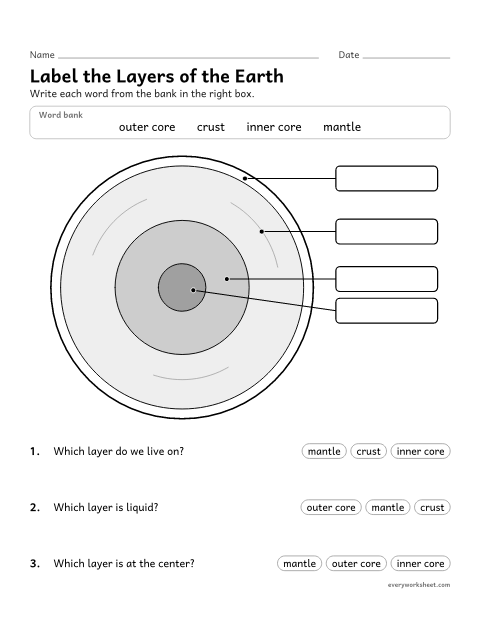
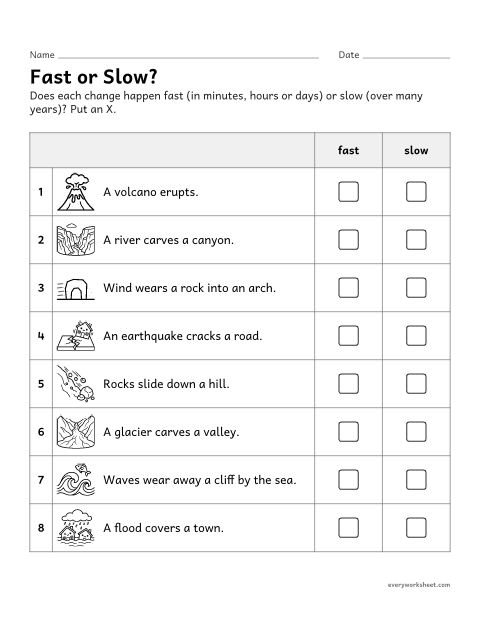
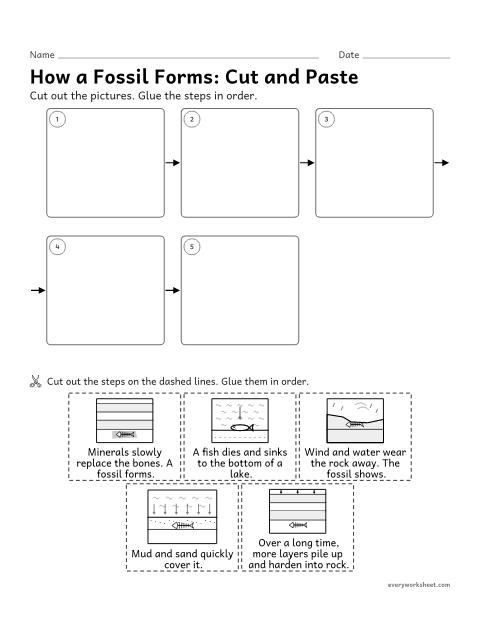
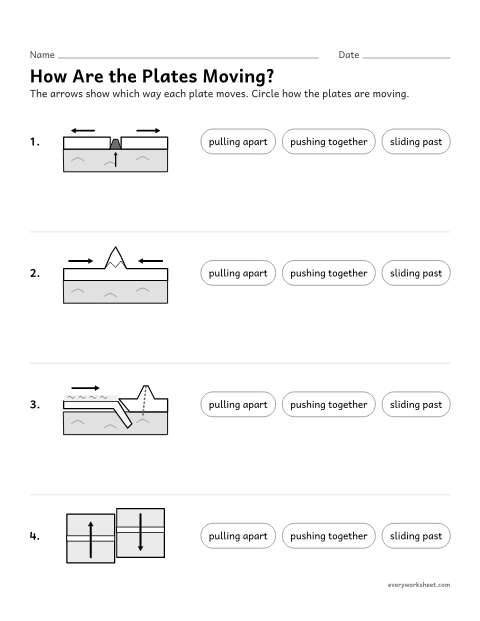
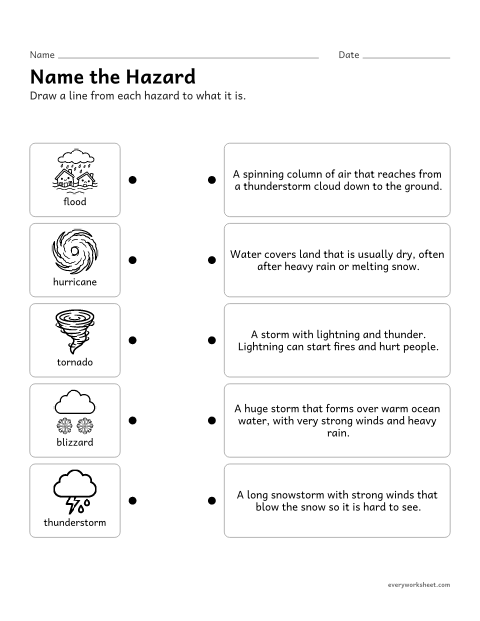
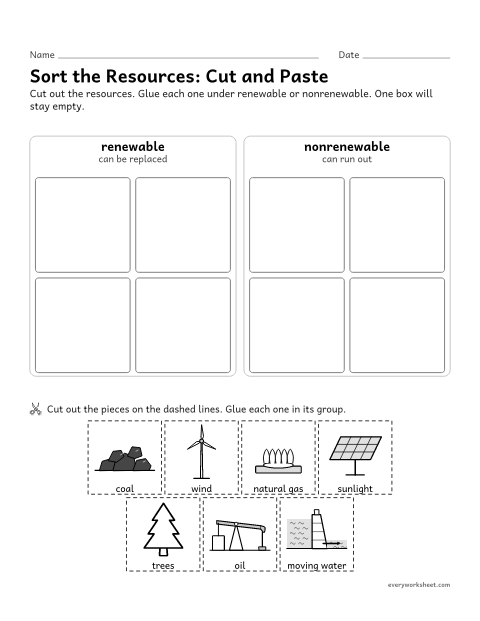
96 sheets readyThe water cycle, the rock cycle and types of rocks, the layers of the Earth, weathering and erosion, fossils in rock layers, plate tectonics, earthquakes and volcanoes, and natural resources.
About science worksheets for 4th graders
Fourth grade science is about energy and how the Earth changes. Why does a roller coaster slow down on a hill? Why does a bulb light only when the circuit is closed? How do we see? Why are there sea shells on mountains?
These science worksheets for 4th graders follow four strands. Energy pages cover potential and kinetic energy, energy transfer and collisions, and electricity and circuits. Waves pages cover the parts of a wave, sound, light, reflection and how we see. Life science pages cover animal and plant structures and the senses. Earth pages cover the water cycle, the rock cycle, the layers of the Earth, weathering and erosion, fossils in rock layers, plate tectonics, earthquakes and volcanoes, and natural resources.
Labeled diagrams come with blank and cut and paste versions. Every page is black and white, prints on US Letter or A4, and pages with right answers have an answer key on page 2.
Questions
What science do 4th graders learn?
Most 4th grade science covers energy (speed, transfer, collisions and circuits), waves, sound and light, how animal and plant structures help them survive, the senses, and how the Earth changes: weathering and erosion, rock layers and fossils, plate movements, earthquakes and volcanoes, and natural resources.
Are there water cycle and rock cycle diagrams?
Yes. Each has a labeled diagram, a blank diagram with a word bank and a cut and paste version, all with answer keys.
Do the investigations need special materials?
Most pages need only a pencil. Investigations use simple things like a ramp, a ball and a paper cup, a battery, bulb and wires, two cups of water, and a tray of sand.
Are there answer keys?
Yes. Every page with right answers has an answer key on page 2. Posters, labeled diagrams, design challenges and research pages have no key.