 View all 2 pages
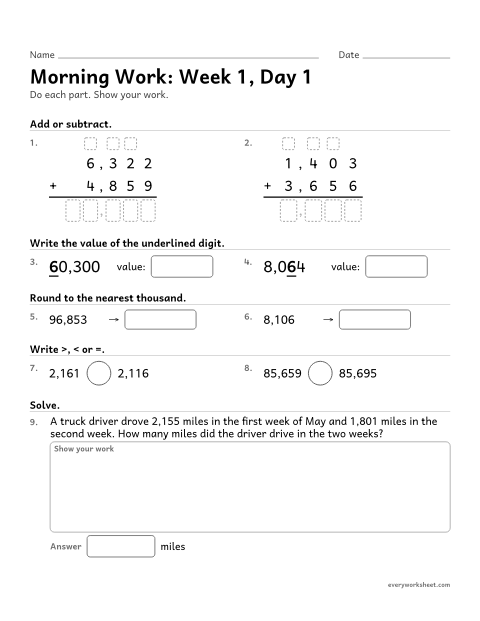
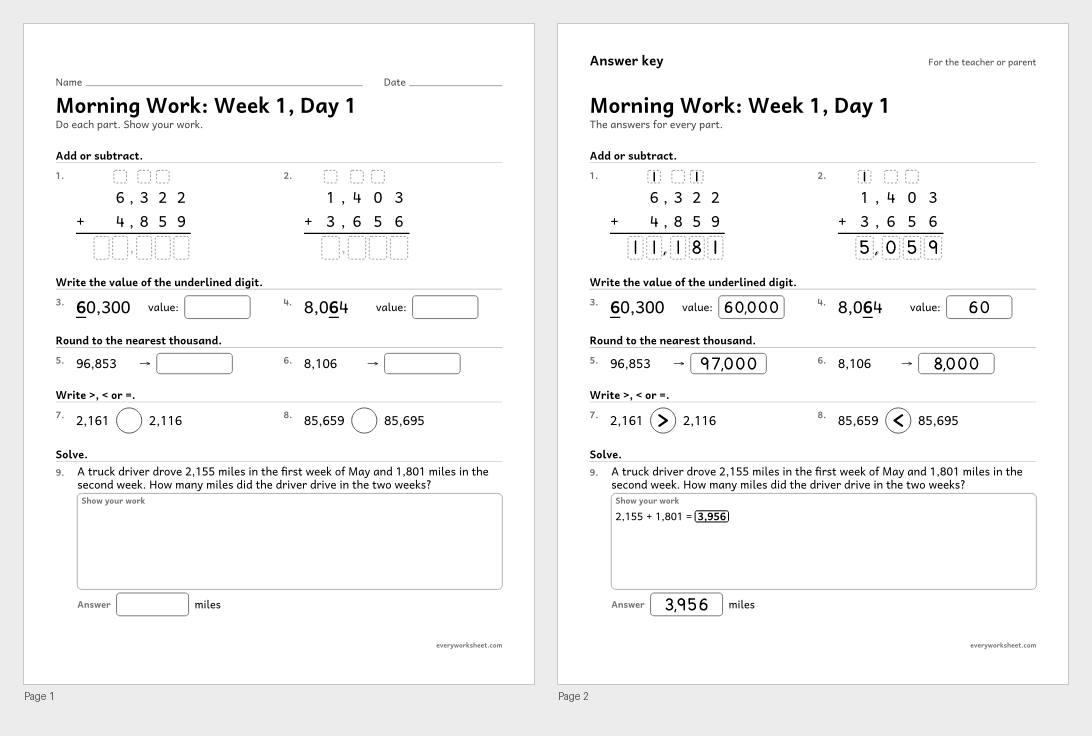
Morning Work: week 1, day 1
Mixed 4th grade math review
Answer key on page 2
2 pages61 KB
One short math review page for every school day of 16 weeks: place value, adding and subtracting, multiplying, long division, patterns and word problems.
View all 2 pagesMixed 4th grade math review
Answer key on page 2
2 pages61 KB
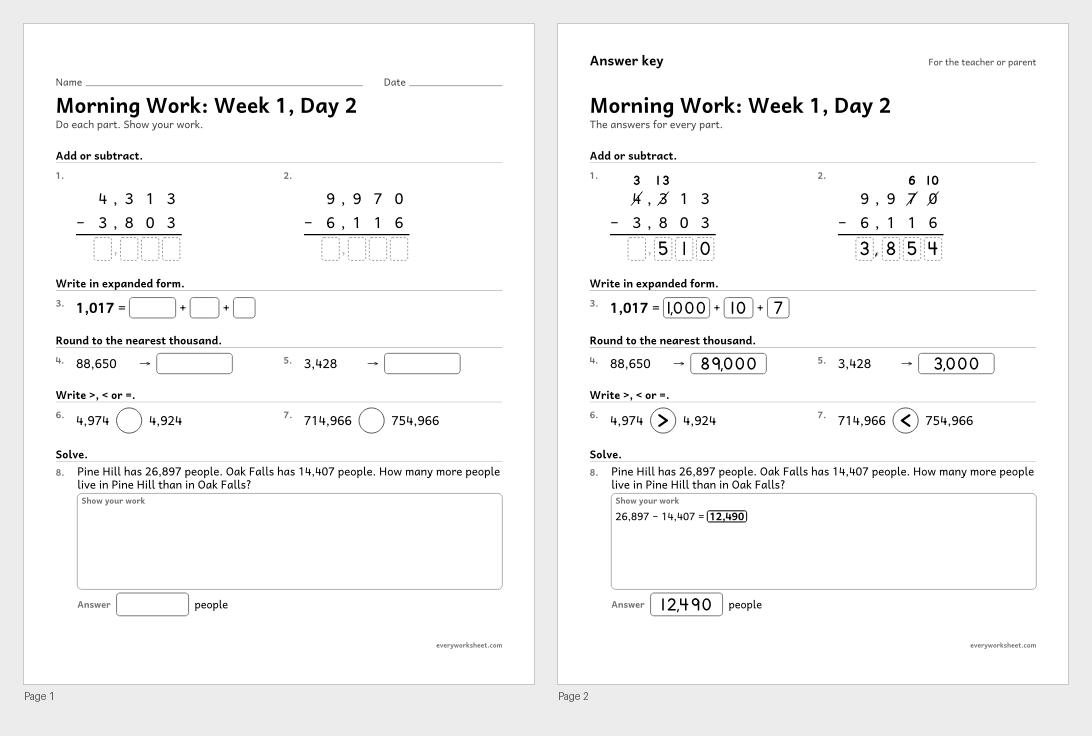 View all 2 pages
Mixed 4th grade math review
Answer key on page 2
2 pages59 KB
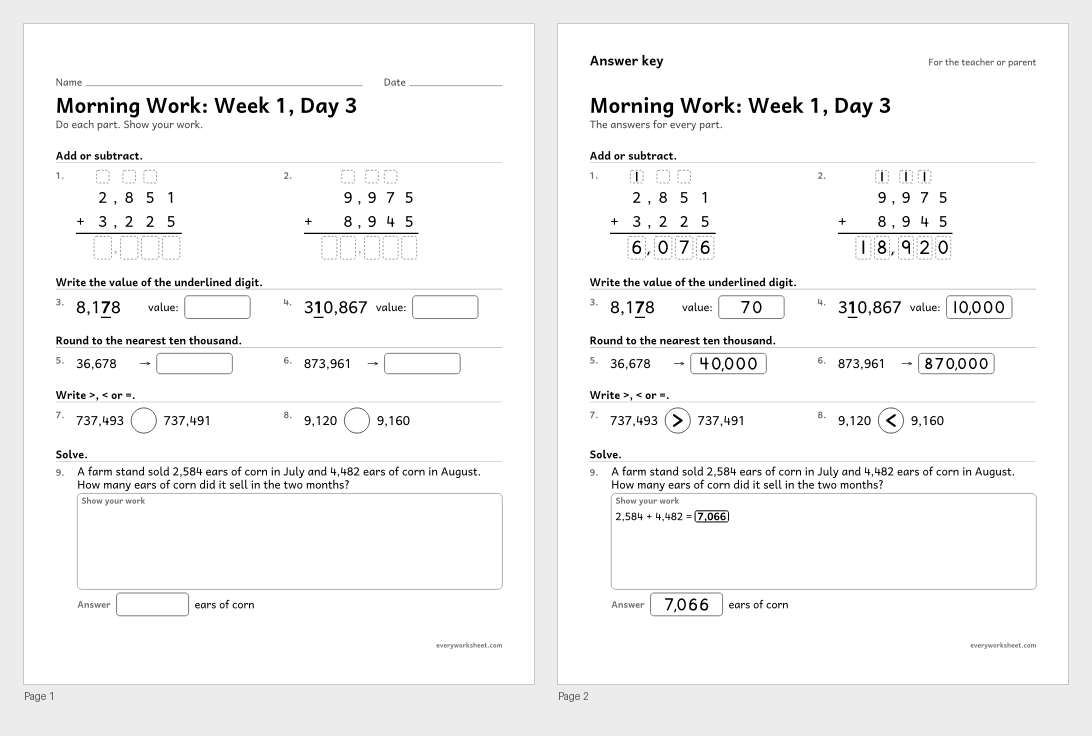 View all 2 pages
Mixed 4th grade math review
Answer key on page 2
2 pages61 KB
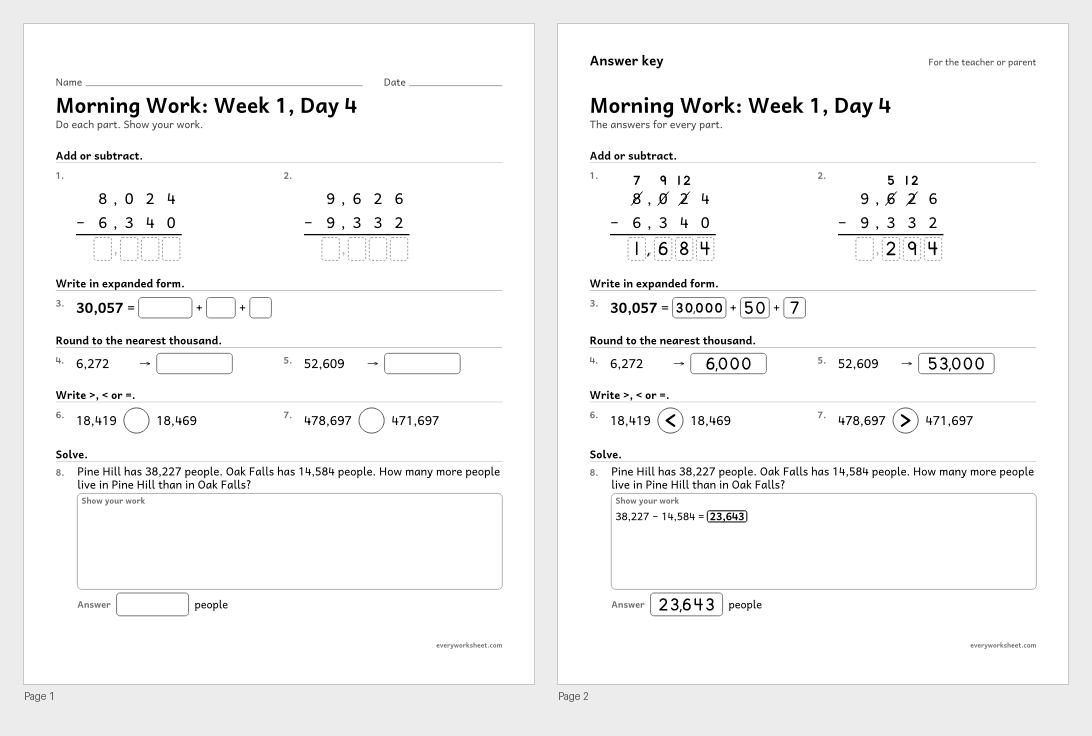 View all 2 pages
Mixed 4th grade math review
Answer key on page 2
2 pages59 KB
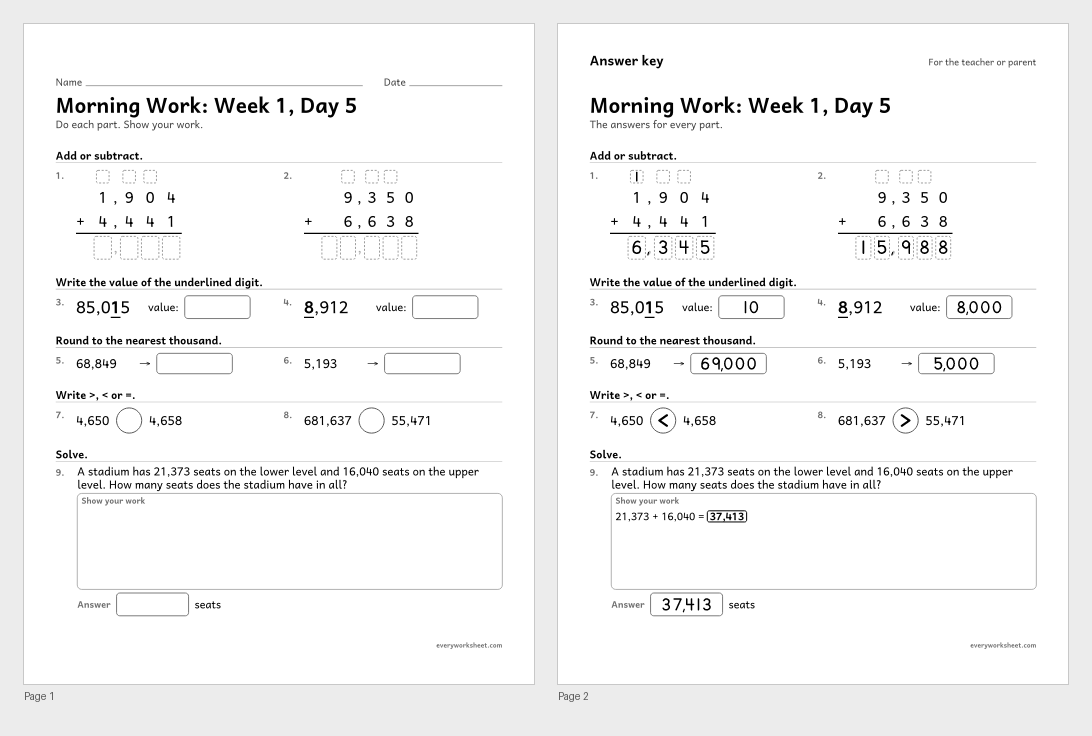 View all 2 pages
Mixed 4th grade math review
Answer key on page 2
2 pages61 KB
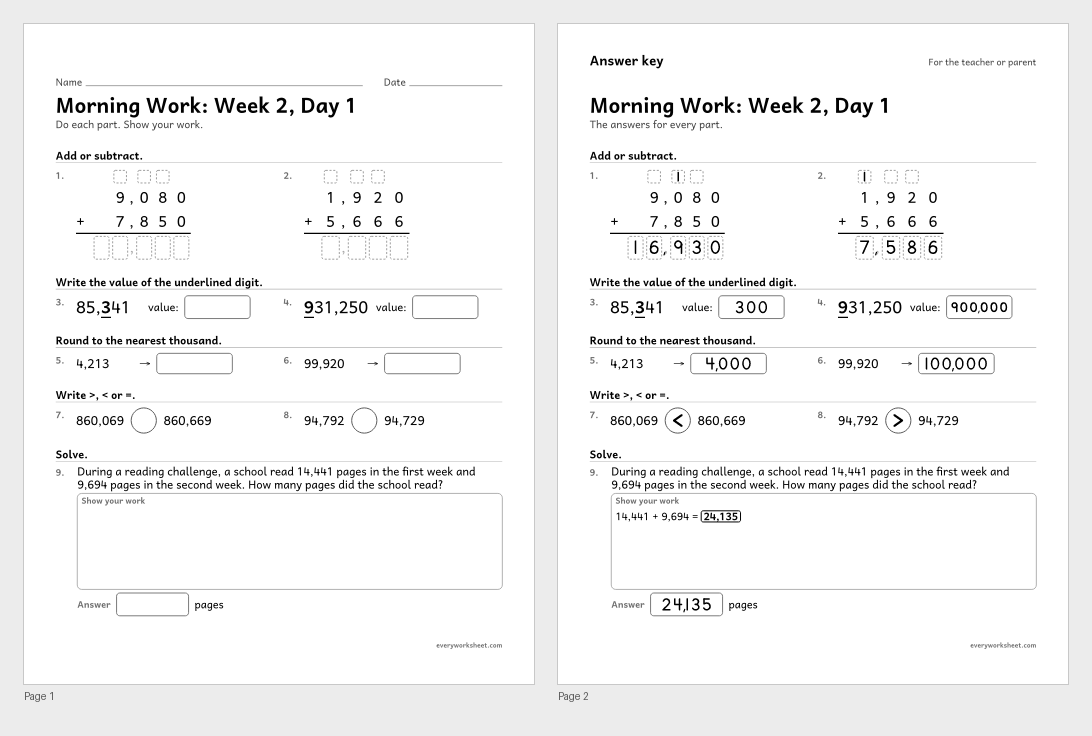 View all 2 pages
Mixed 4th grade math review
Answer key on page 2
2 pages61 KB
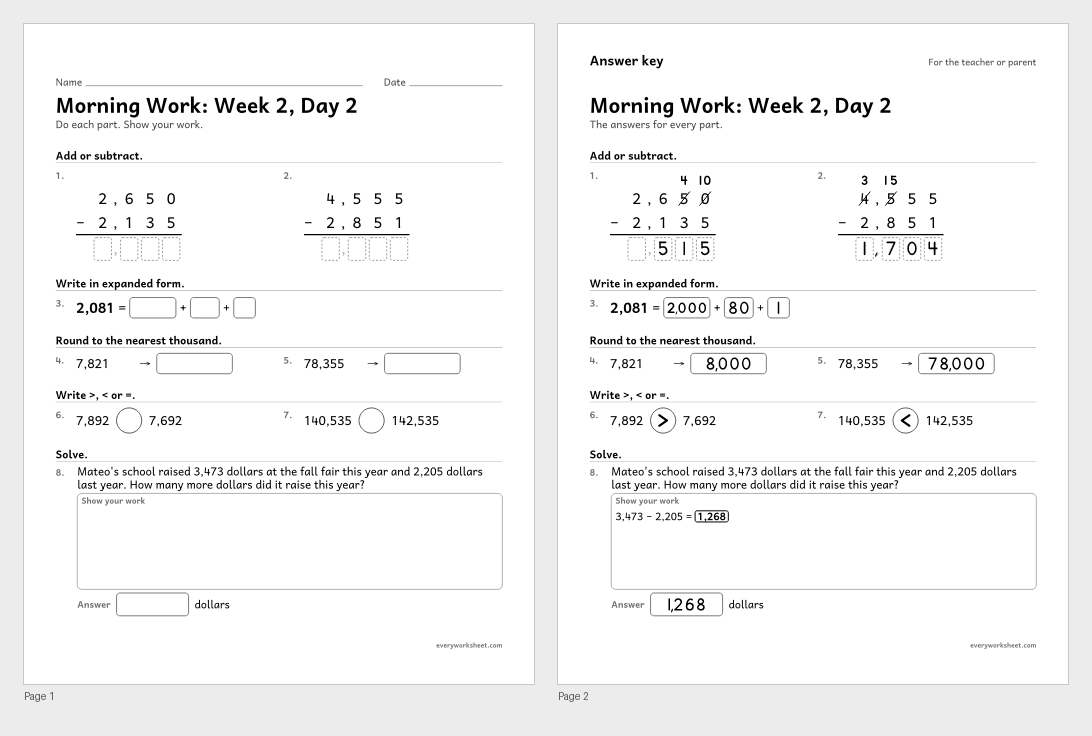 View all 2 pages
Mixed 4th grade math review
Answer key on page 2
2 pages58 KB
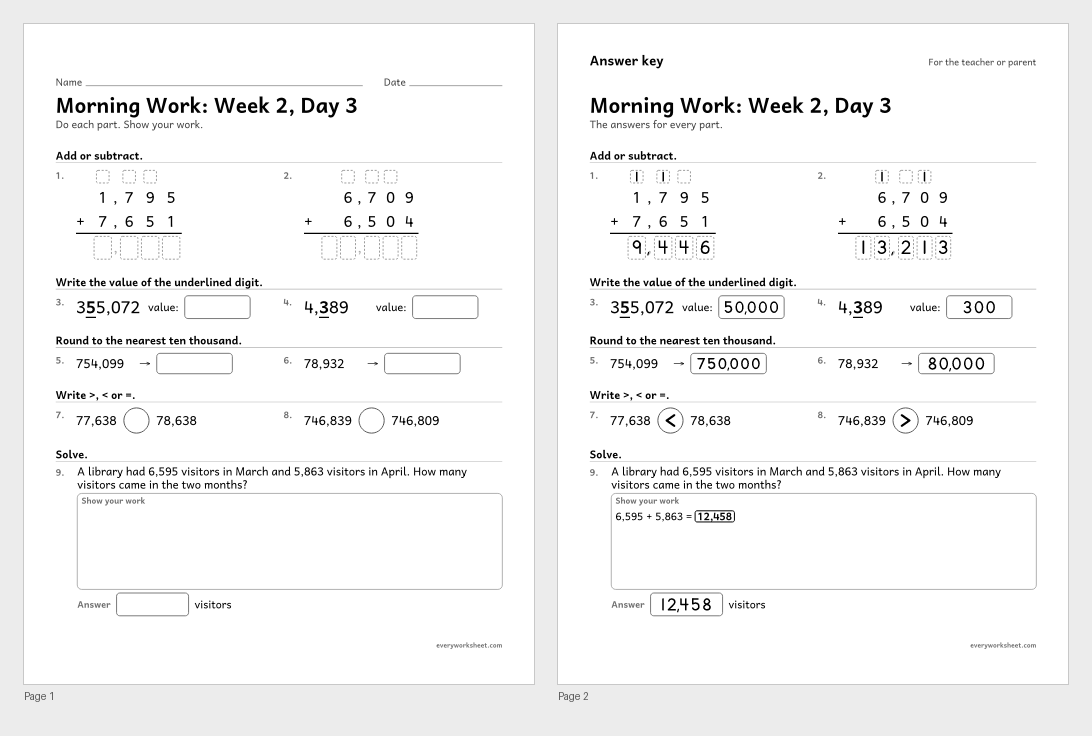 View all 2 pages
Mixed 4th grade math review
Answer key on page 2
2 pages62 KB
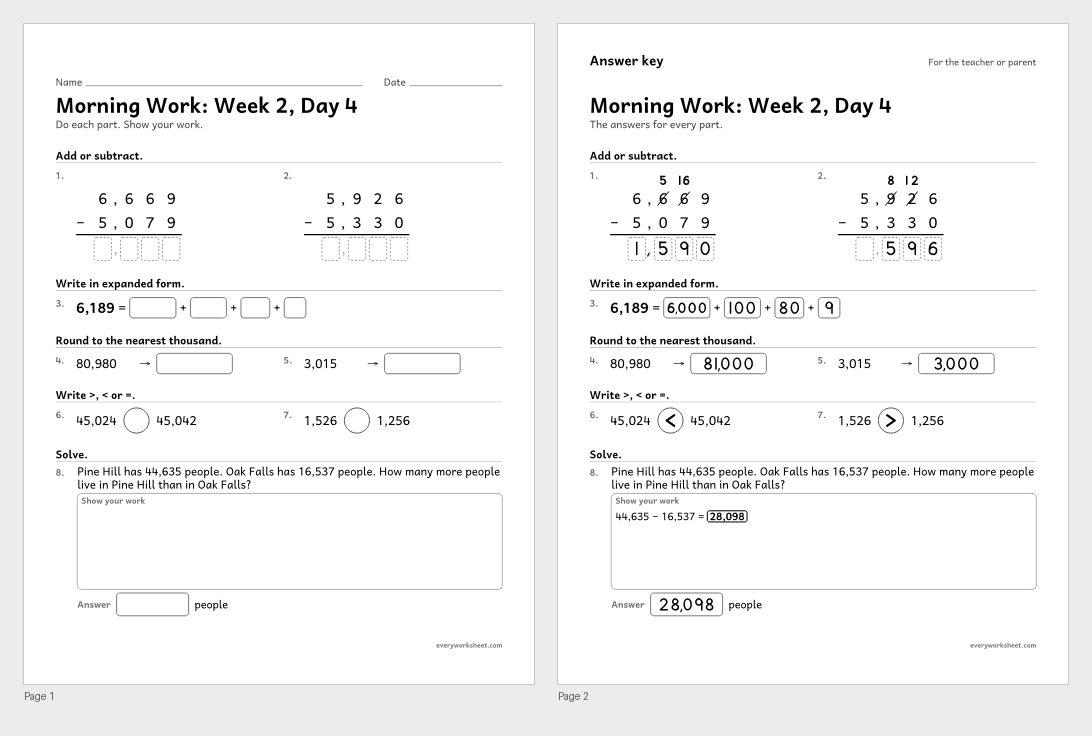 View all 2 pages
Mixed 4th grade math review
Answer key on page 2
2 pages60 KB
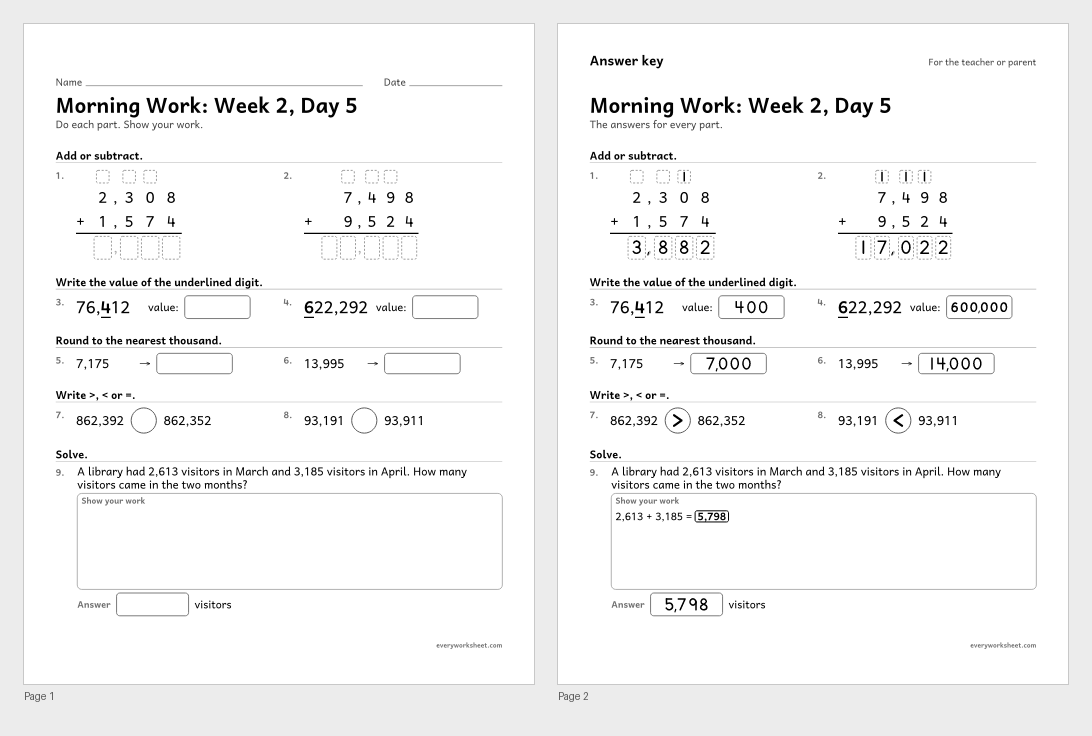 View all 2 pages
Mixed 4th grade math review
Answer key on page 2
2 pages61 KB
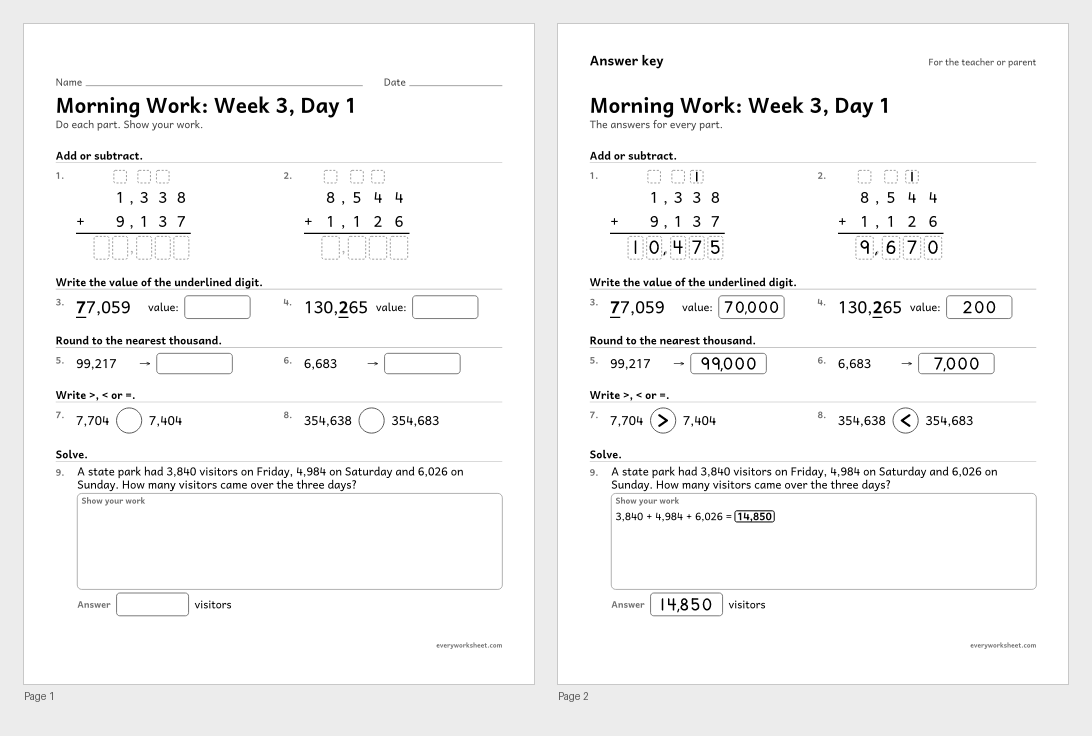 View all 2 pages
Mixed 4th grade math review
Answer key on page 2
2 pages61 KB
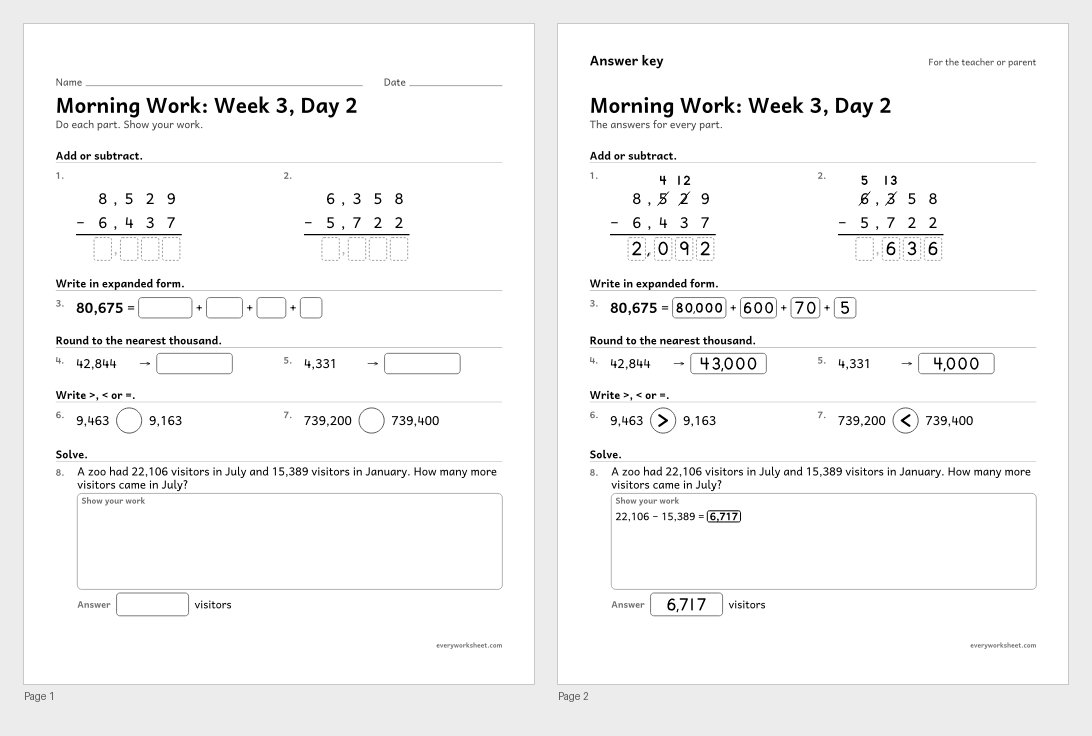 View all 2 pages
Mixed 4th grade math review
Answer key on page 2
2 pages60 KB
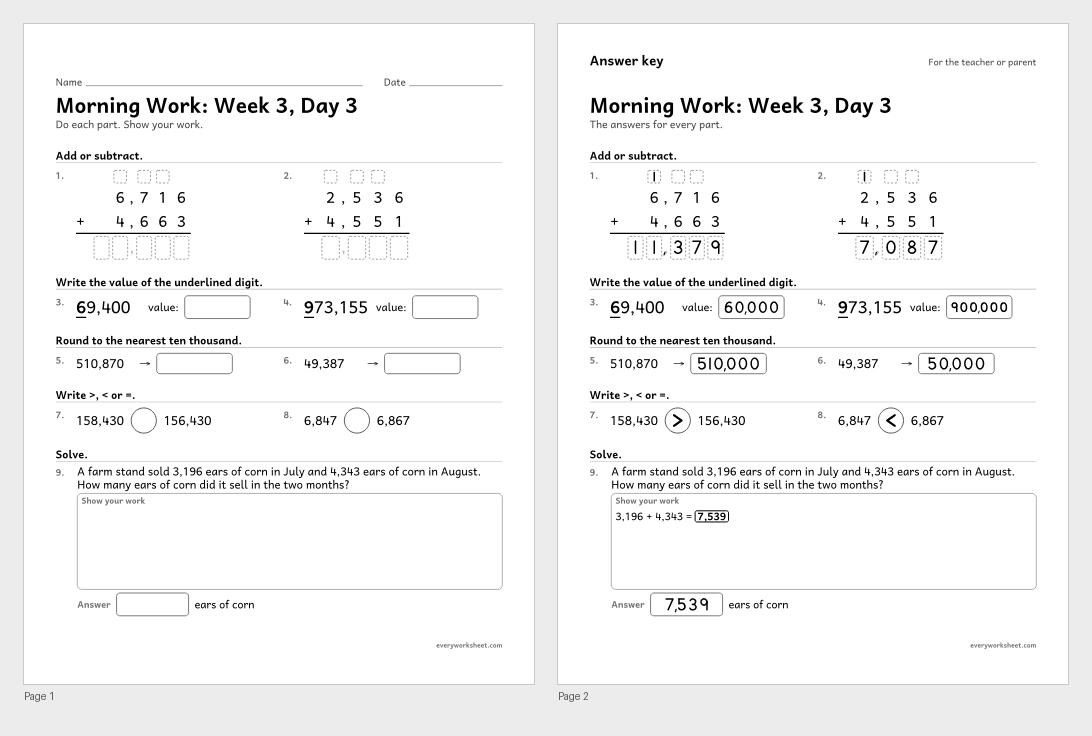 View all 2 pages
Mixed 4th grade math review
Answer key on page 2
2 pages61 KB
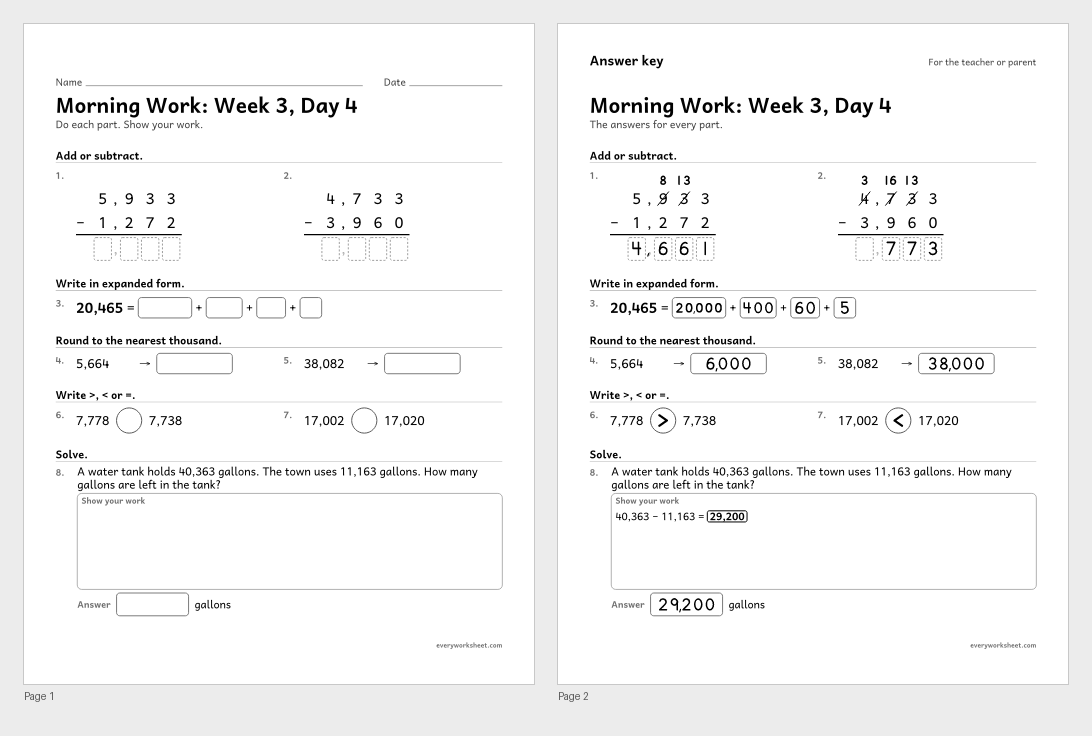 View all 2 pages
Mixed 4th grade math review
Answer key on page 2
2 pages60 KB
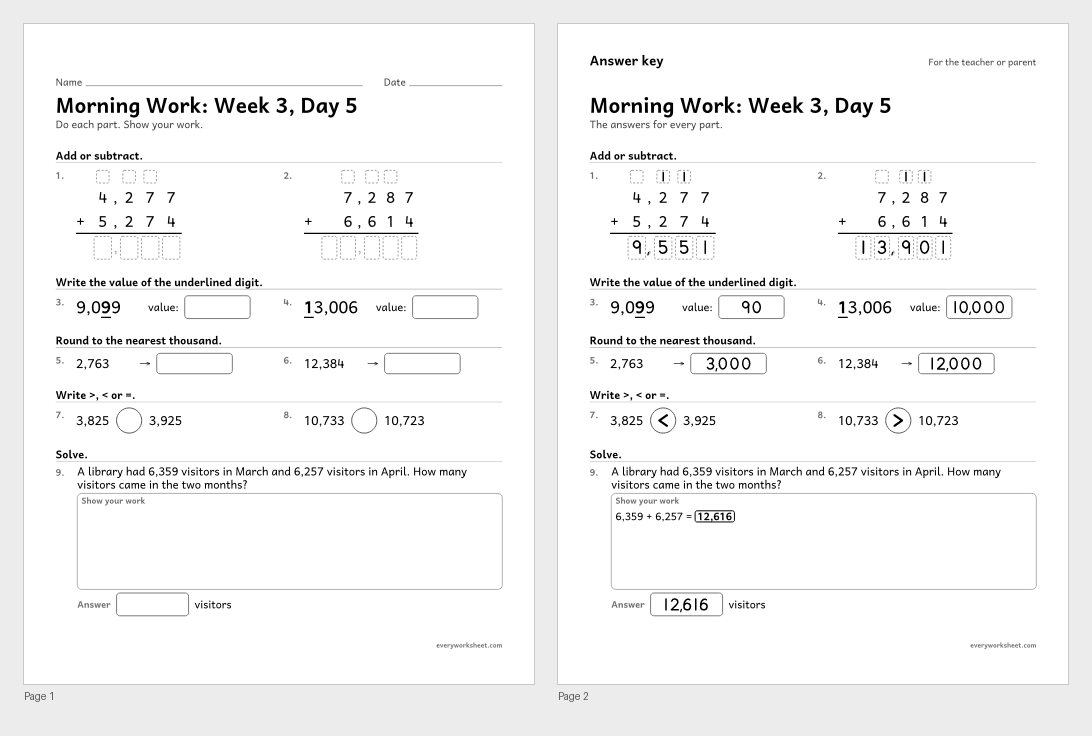 View all 2 pages
Mixed 4th grade math review
Answer key on page 2
2 pages61 KB
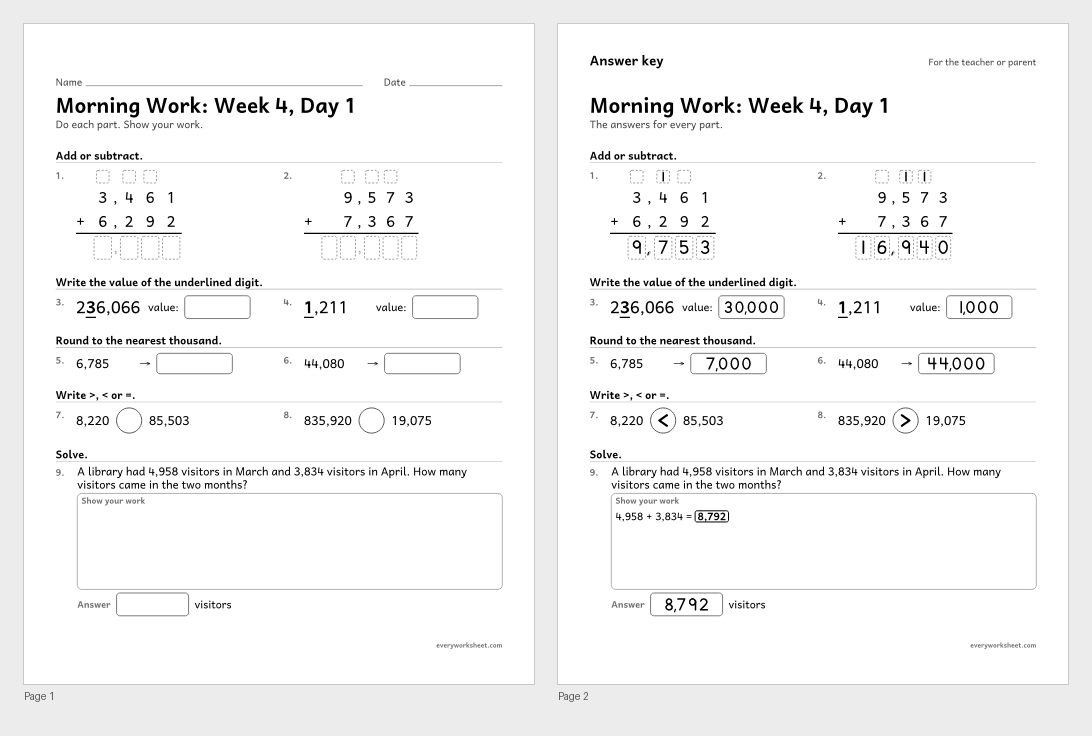 View all 2 pages
Mixed 4th grade math review
Answer key on page 2
2 pages61 KB
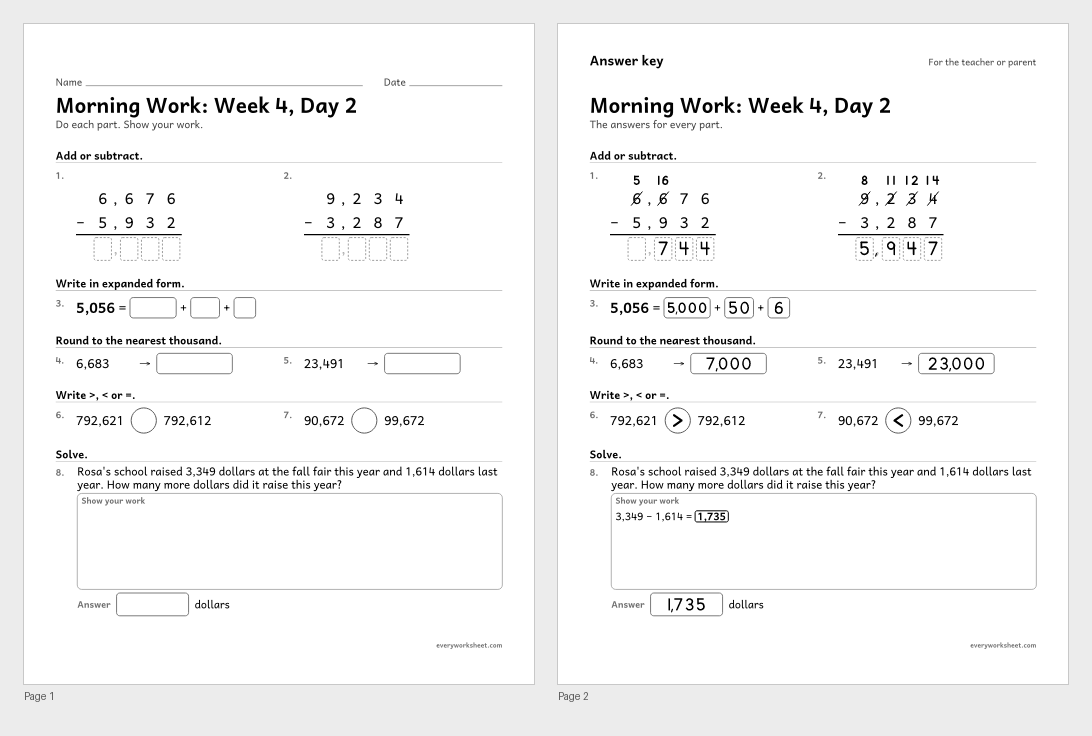 View all 2 pages
Mixed 4th grade math review
Answer key on page 2
2 pages59 KB
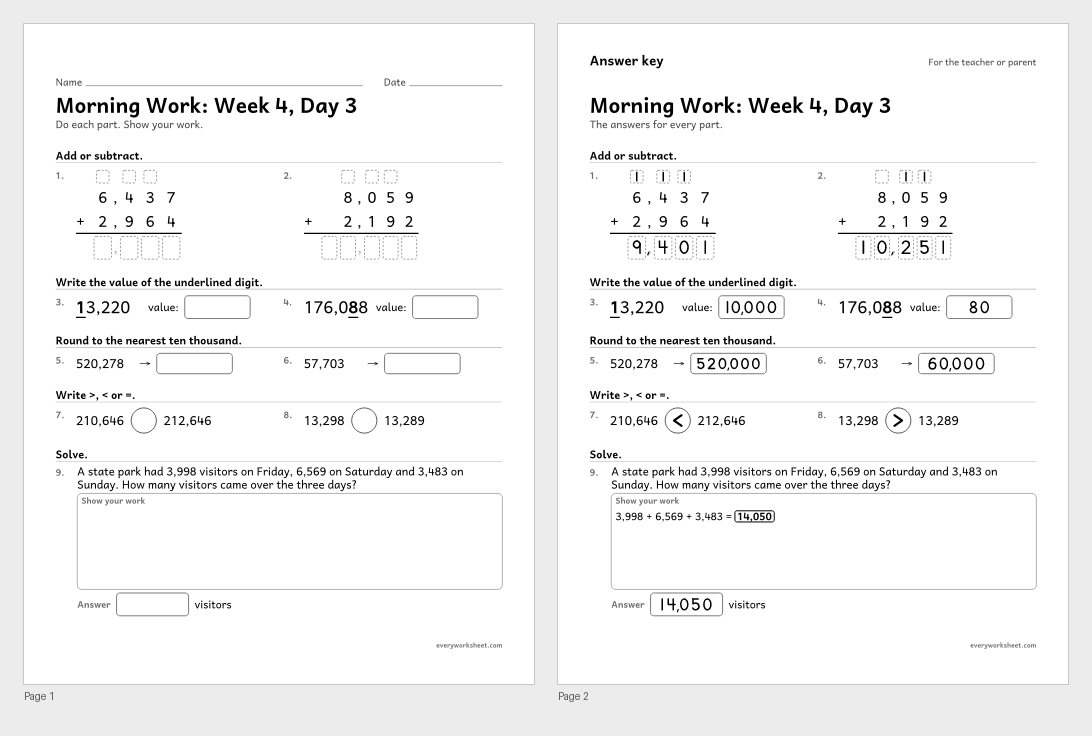 View all 2 pages
Mixed 4th grade math review
Answer key on page 2
2 pages61 KB
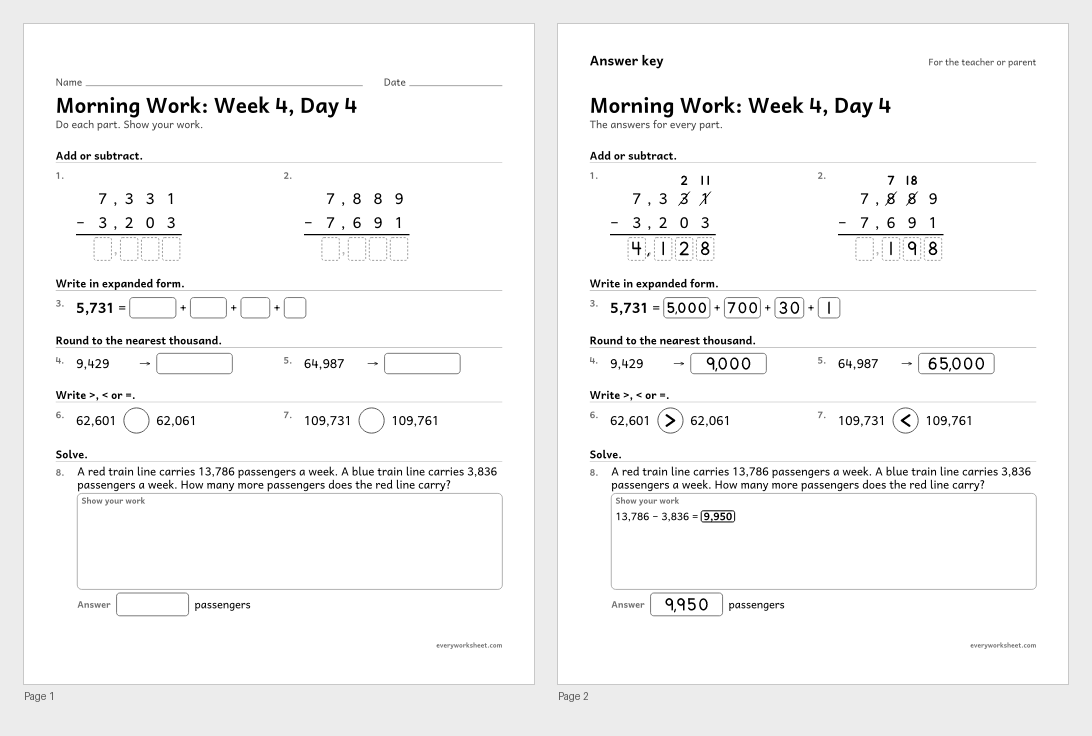 View all 2 pages
Mixed 4th grade math review
Answer key on page 2
2 pages60 KB
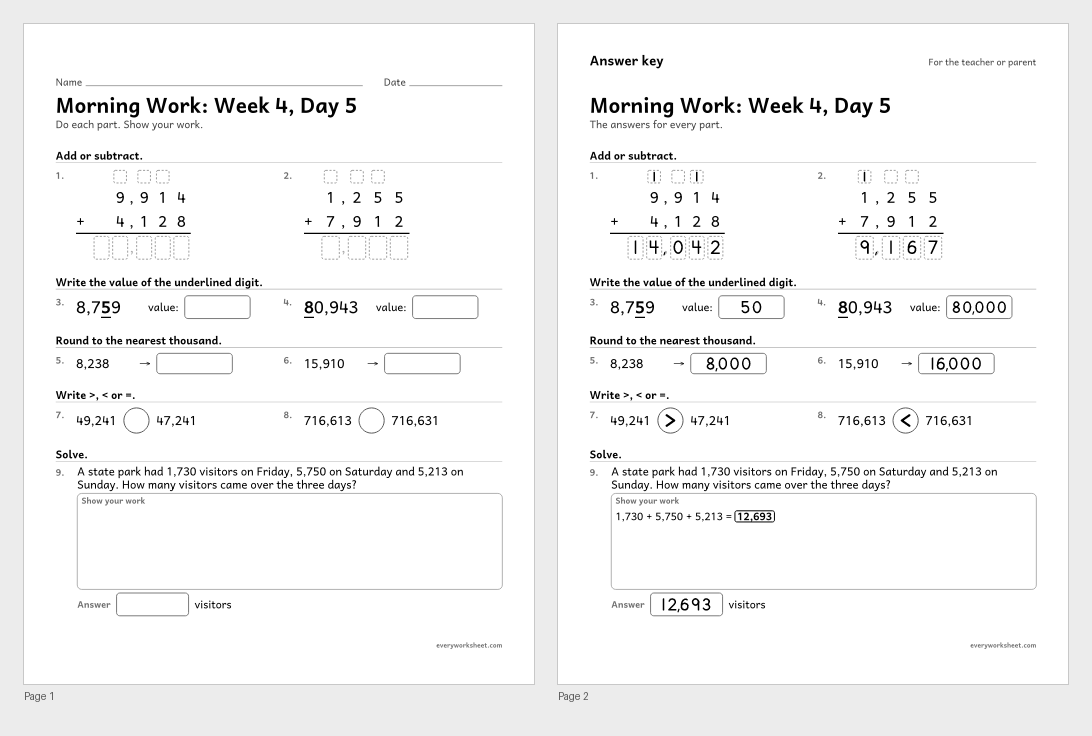 View all 2 pages
Mixed 4th grade math review
Answer key on page 2
2 pages61 KB
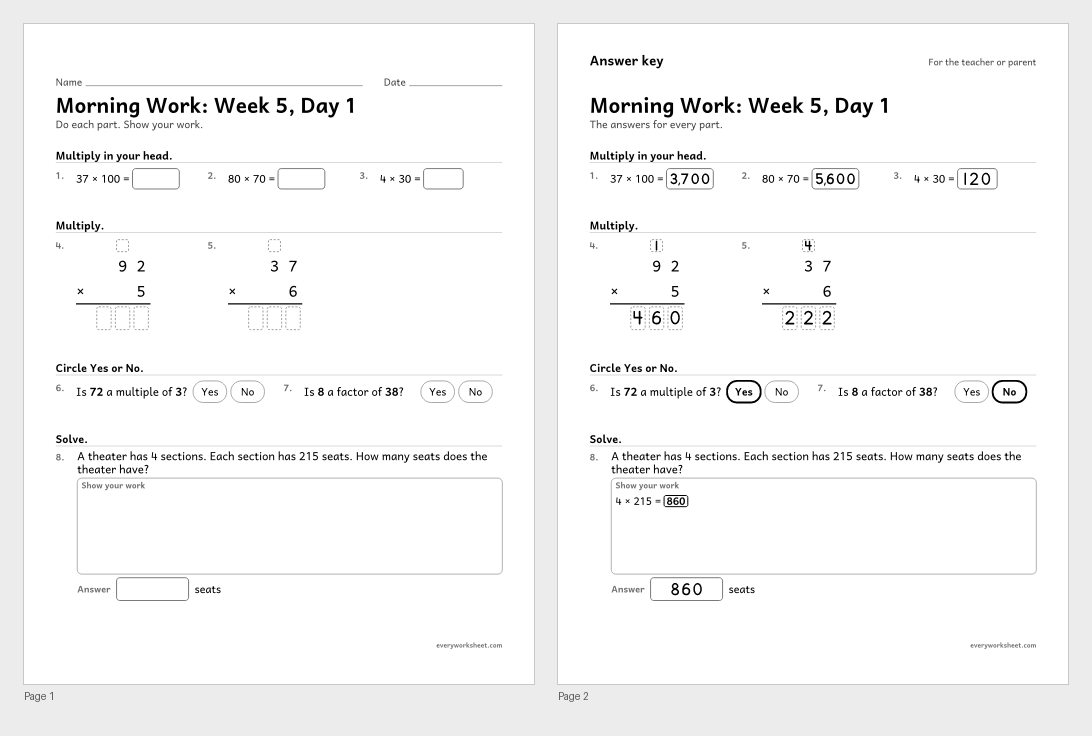 View all 2 pages
Mixed 4th grade math review
Answer key on page 2
2 pages59 KB
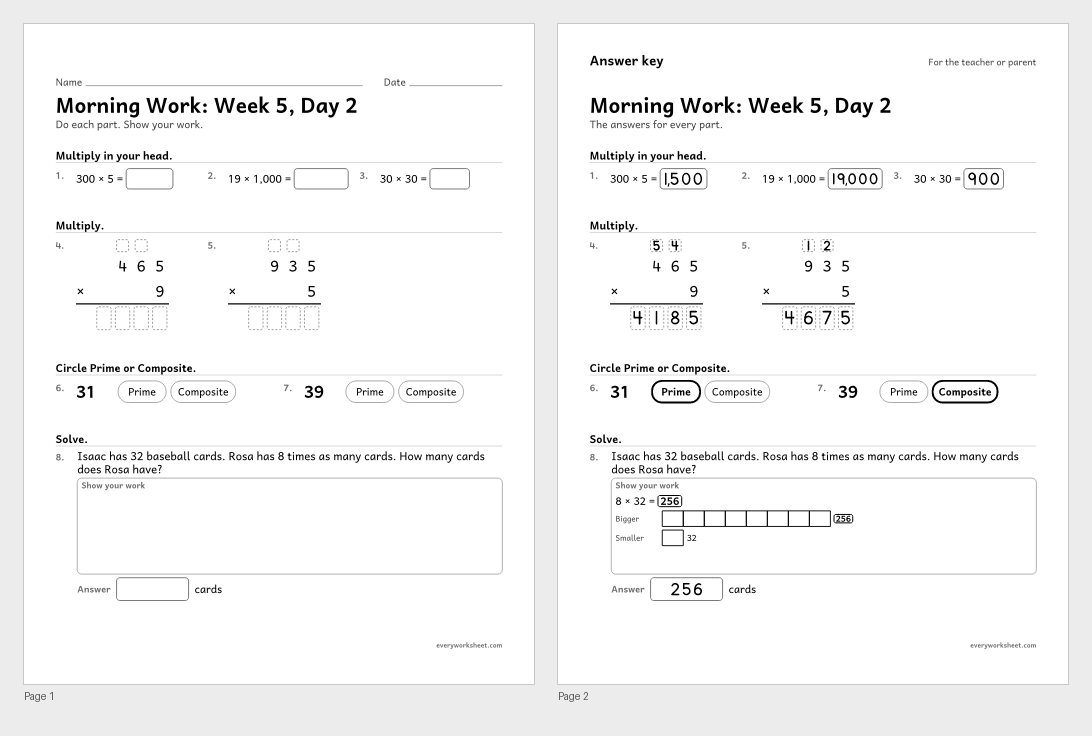 View all 2 pages
Mixed 4th grade math review
Answer key on page 2
2 pages59 KB
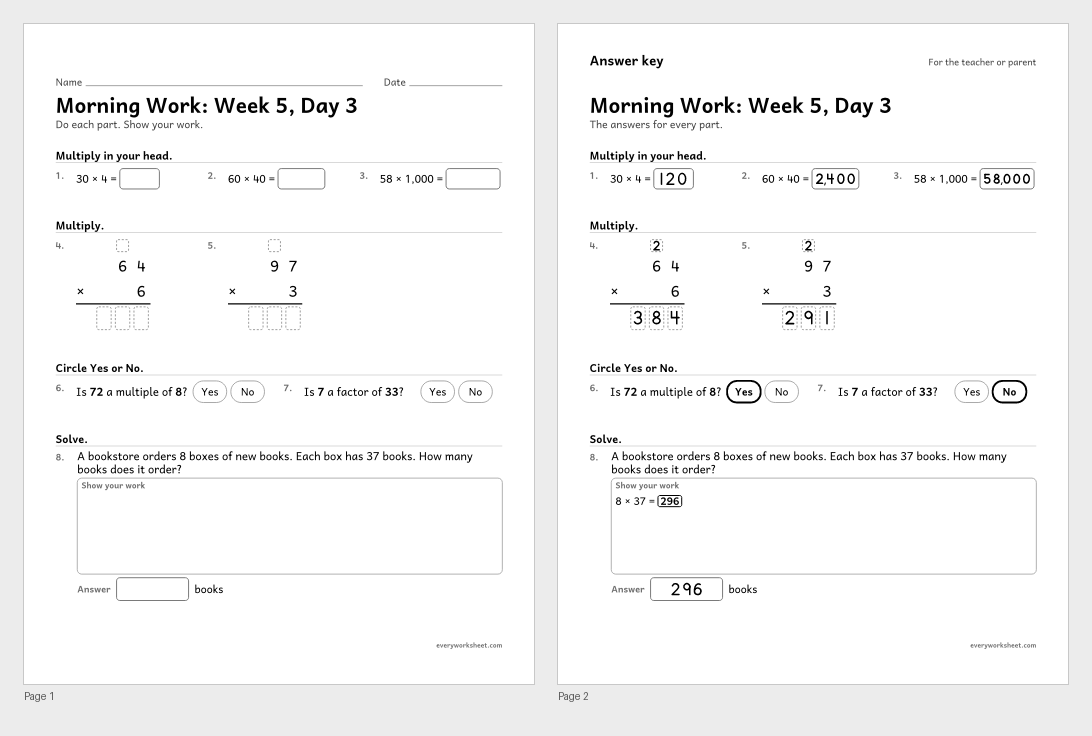 View all 2 pages
Mixed 4th grade math review
Answer key on page 2
2 pages60 KB
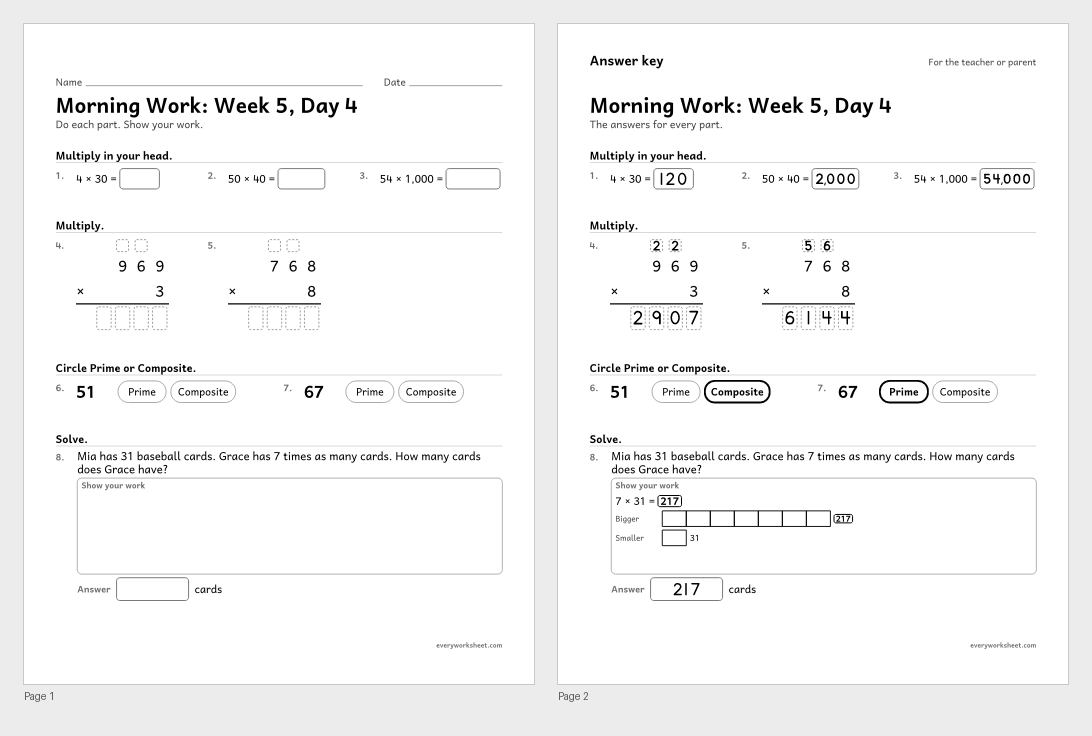 View all 2 pages
Mixed 4th grade math review
Answer key on page 2
2 pages59 KB
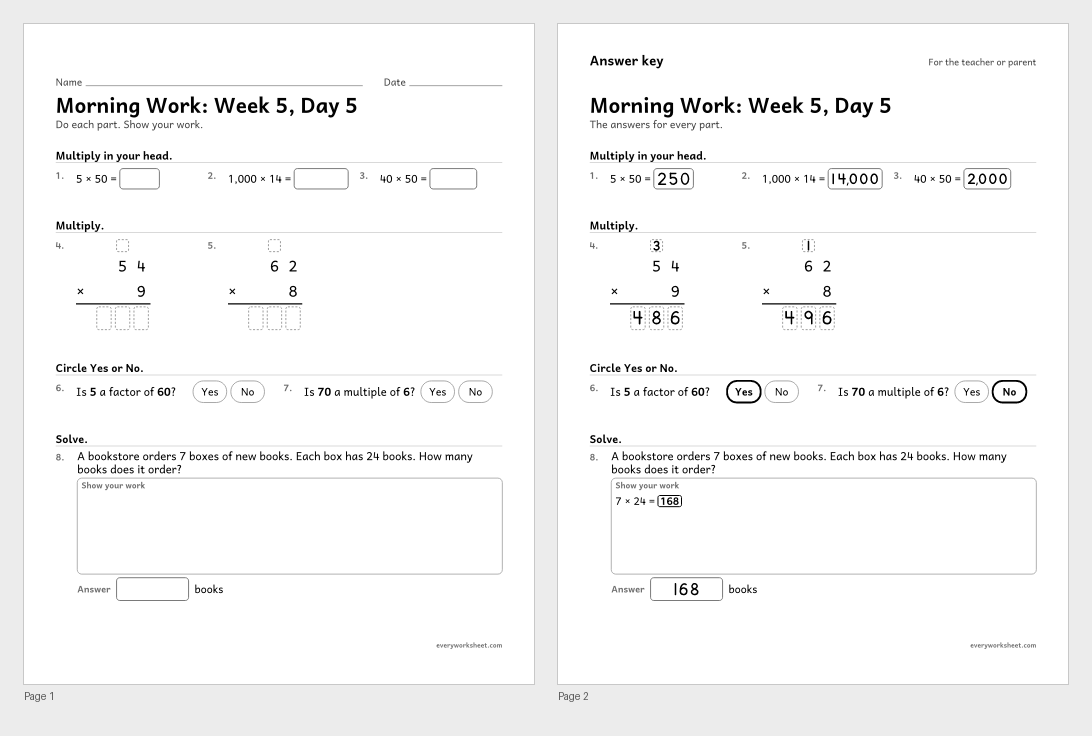 View all 2 pages
Mixed 4th grade math review
Answer key on page 2
2 pages60 KB
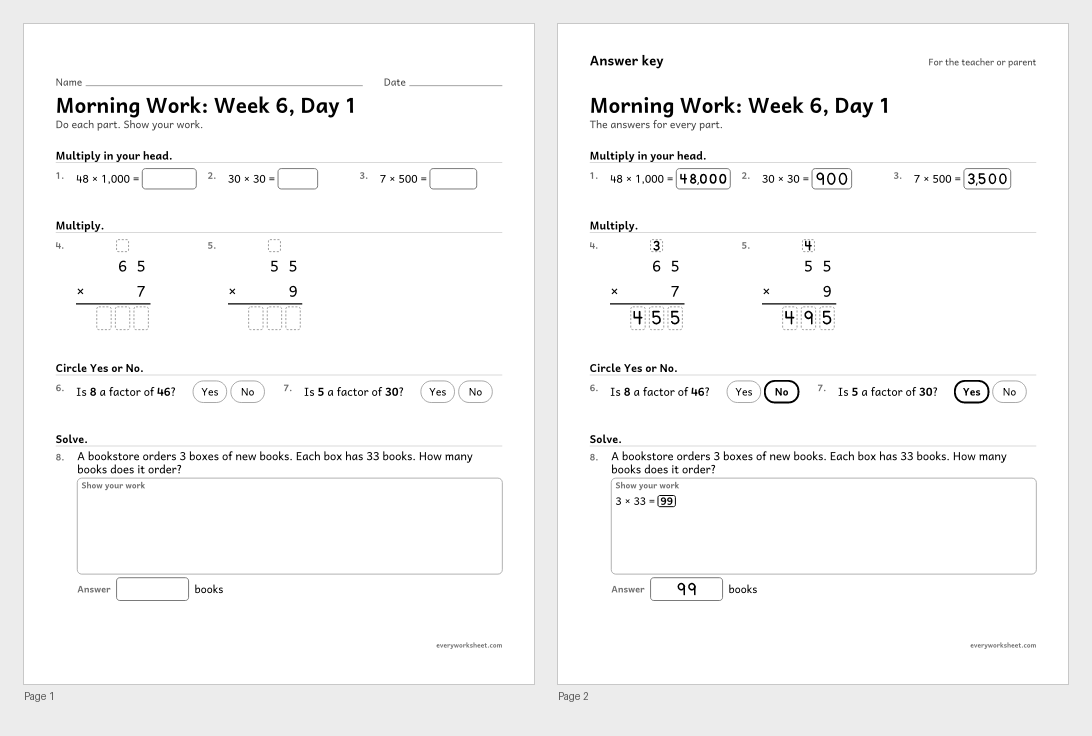 View all 2 pages
Mixed 4th grade math review
Answer key on page 2
2 pages60 KB
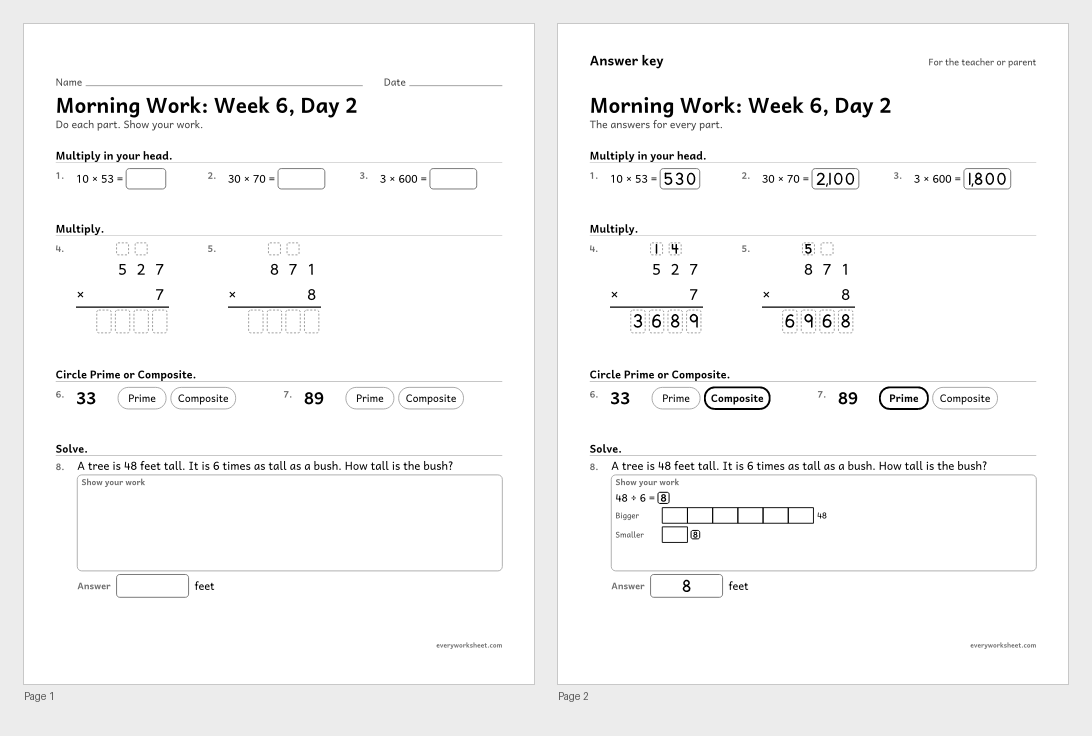 View all 2 pages
Mixed 4th grade math review
Answer key on page 2
2 pages59 KB
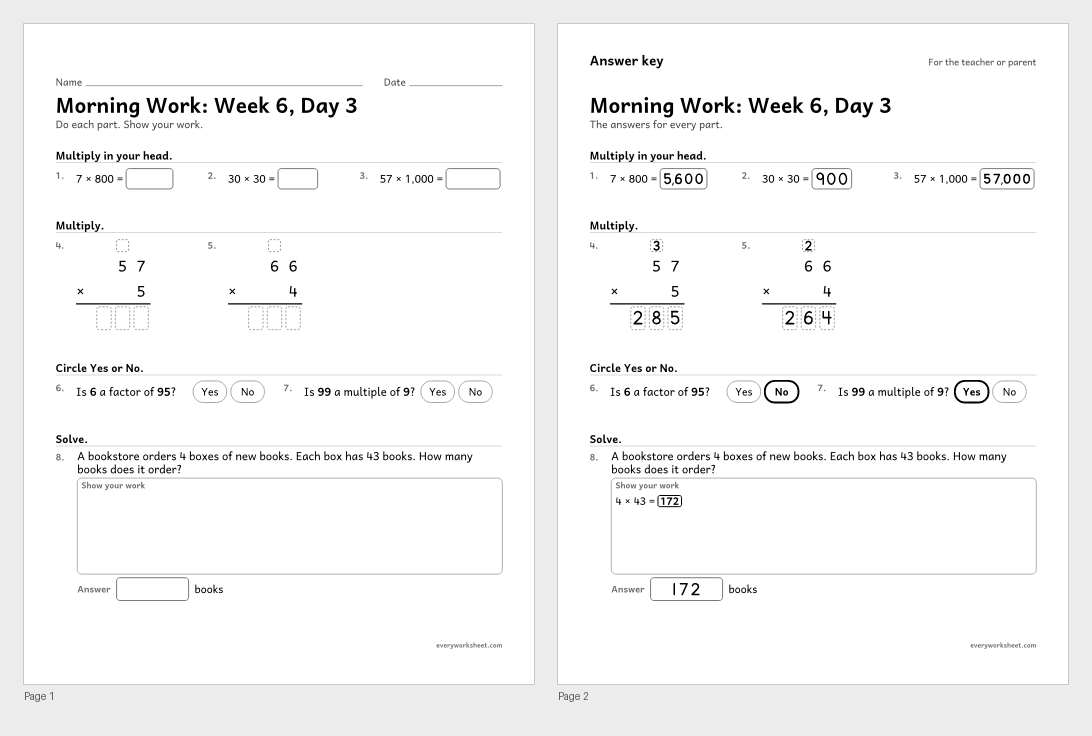 View all 2 pages
Mixed 4th grade math review
Answer key on page 2
2 pages60 KB
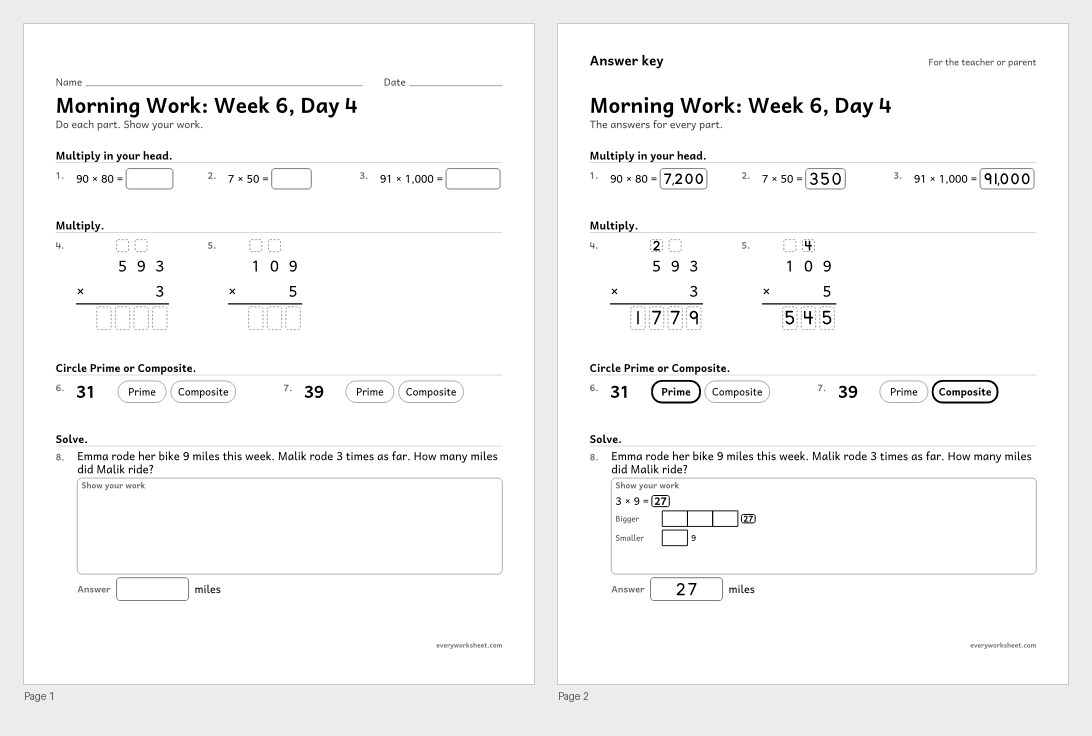 View all 2 pages
Mixed 4th grade math review
Answer key on page 2
2 pages59 KB
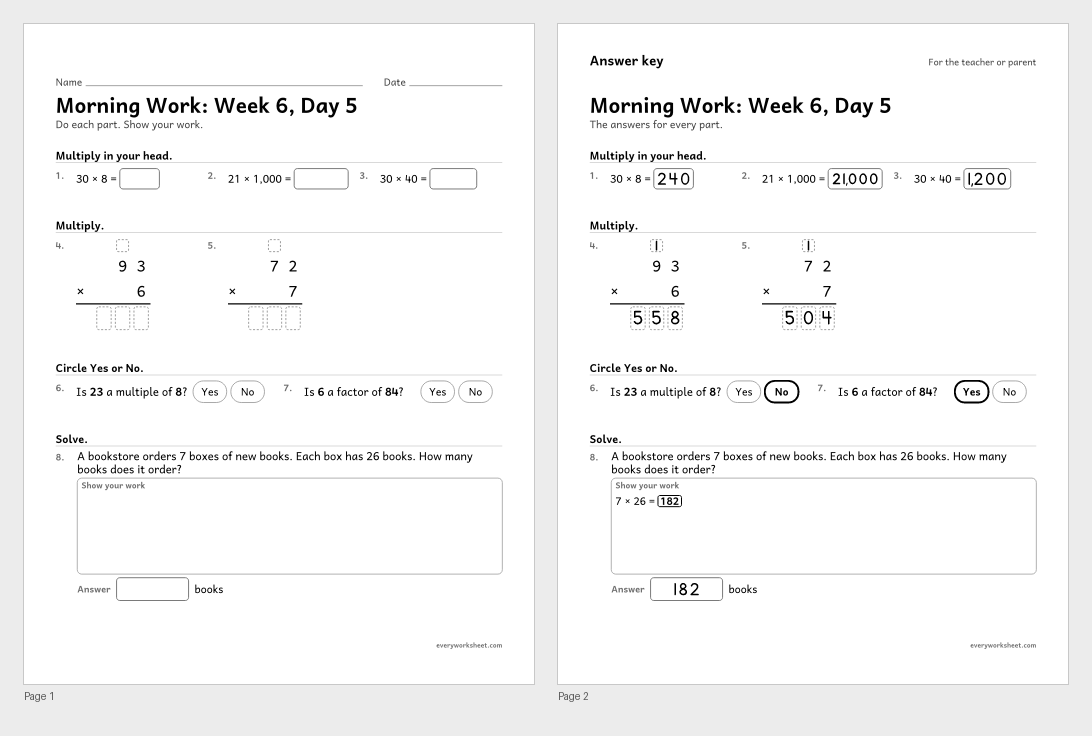 View all 2 pages
Mixed 4th grade math review
Answer key on page 2
2 pages59 KB
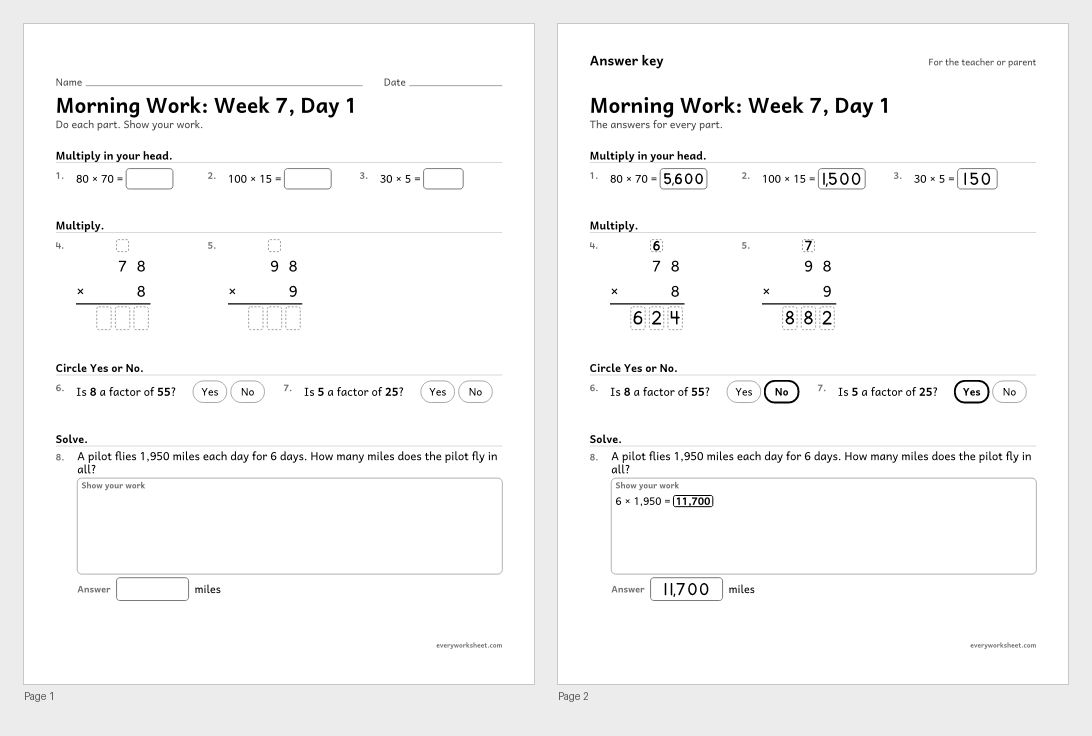 View all 2 pages
Mixed 4th grade math review
Answer key on page 2
2 pages59 KB
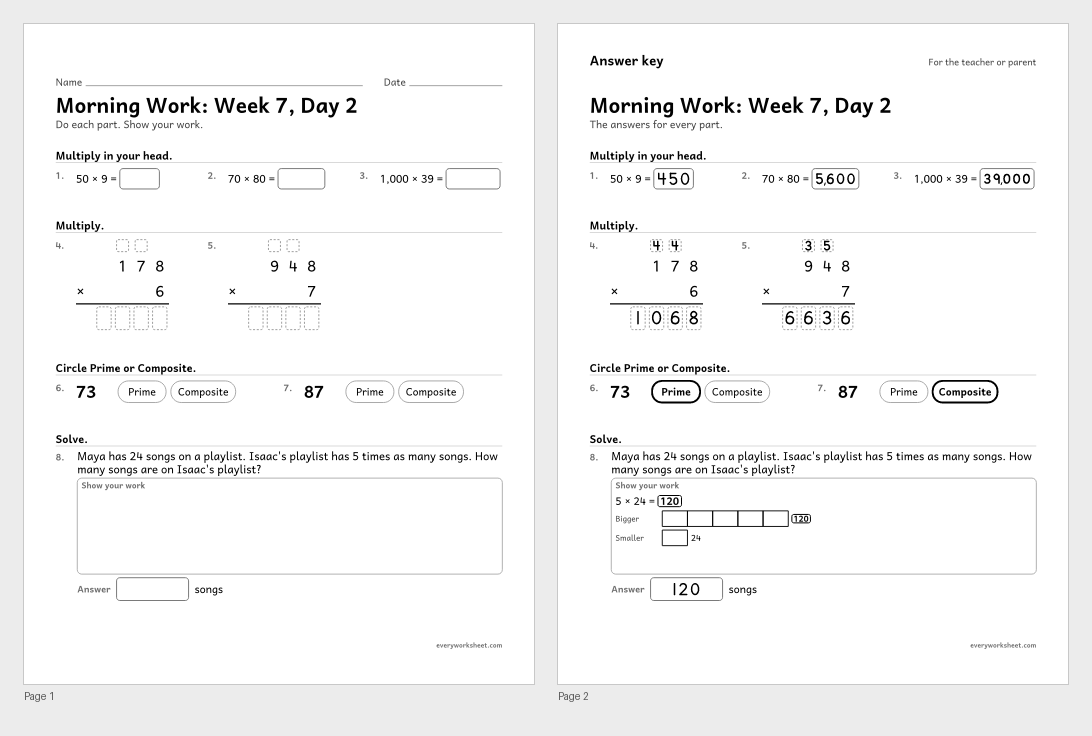 View all 2 pages
Mixed 4th grade math review
Answer key on page 2
2 pages60 KB
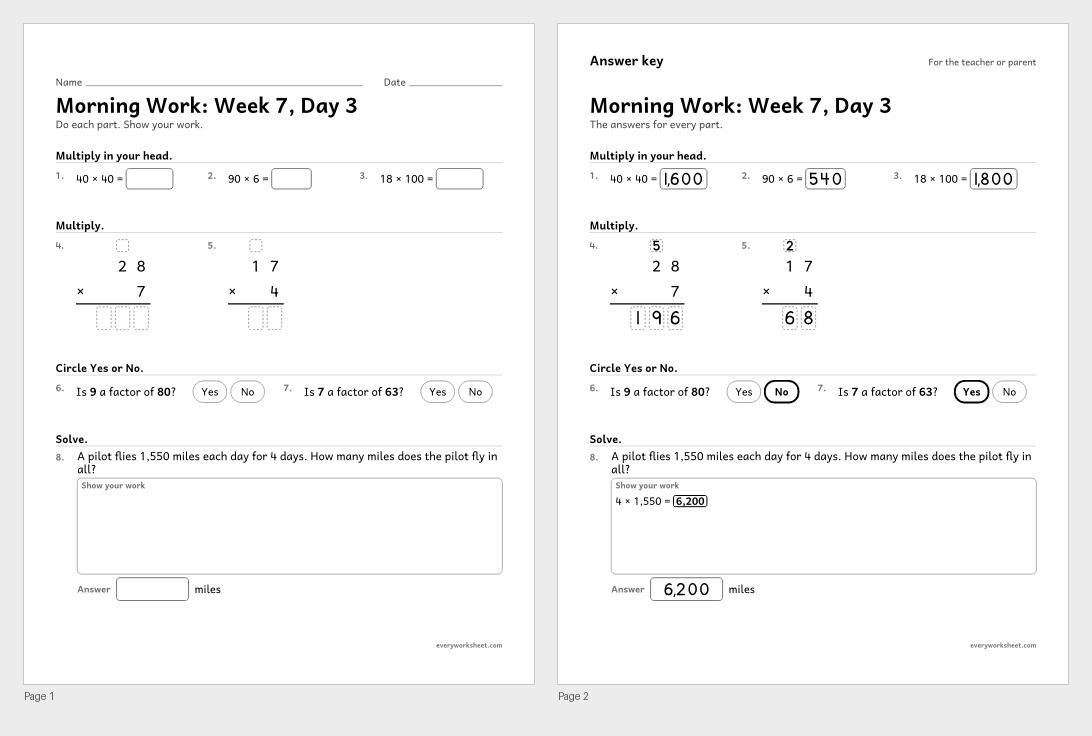 View all 2 pages
Mixed 4th grade math review
Answer key on page 2
2 pages59 KB
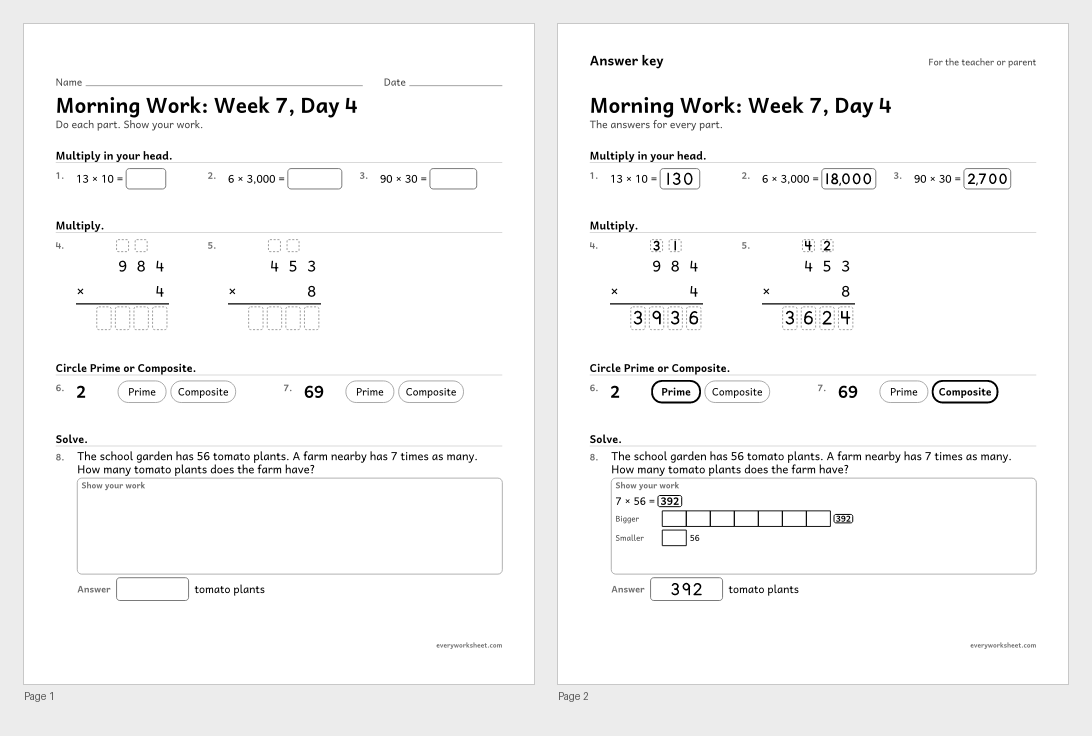 View all 2 pages
Mixed 4th grade math review
Answer key on page 2
2 pages59 KB
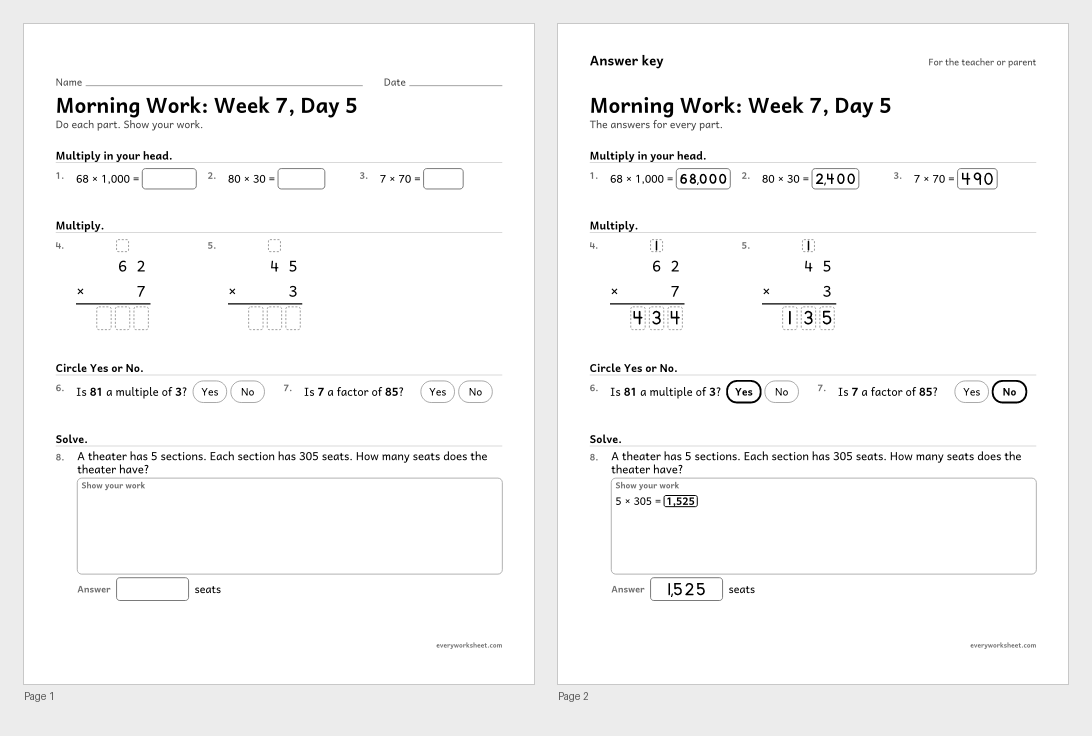 View all 2 pages
Mixed 4th grade math review
Answer key on page 2
2 pages59 KB
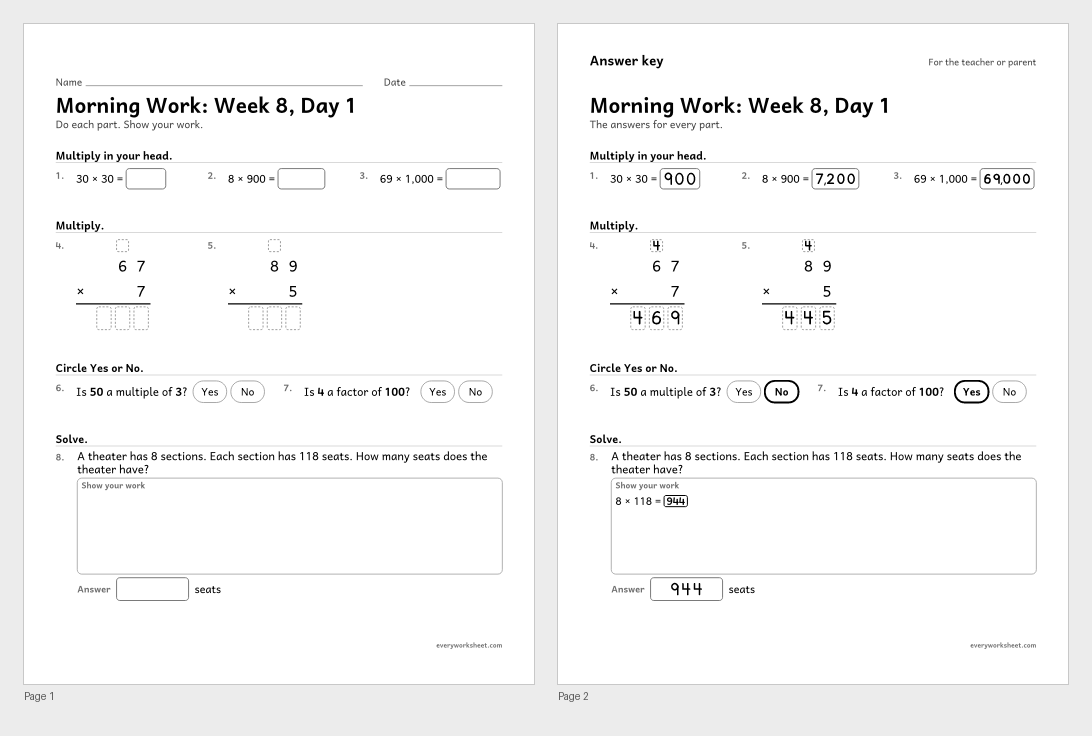 View all 2 pages
Mixed 4th grade math review
Answer key on page 2
2 pages59 KB
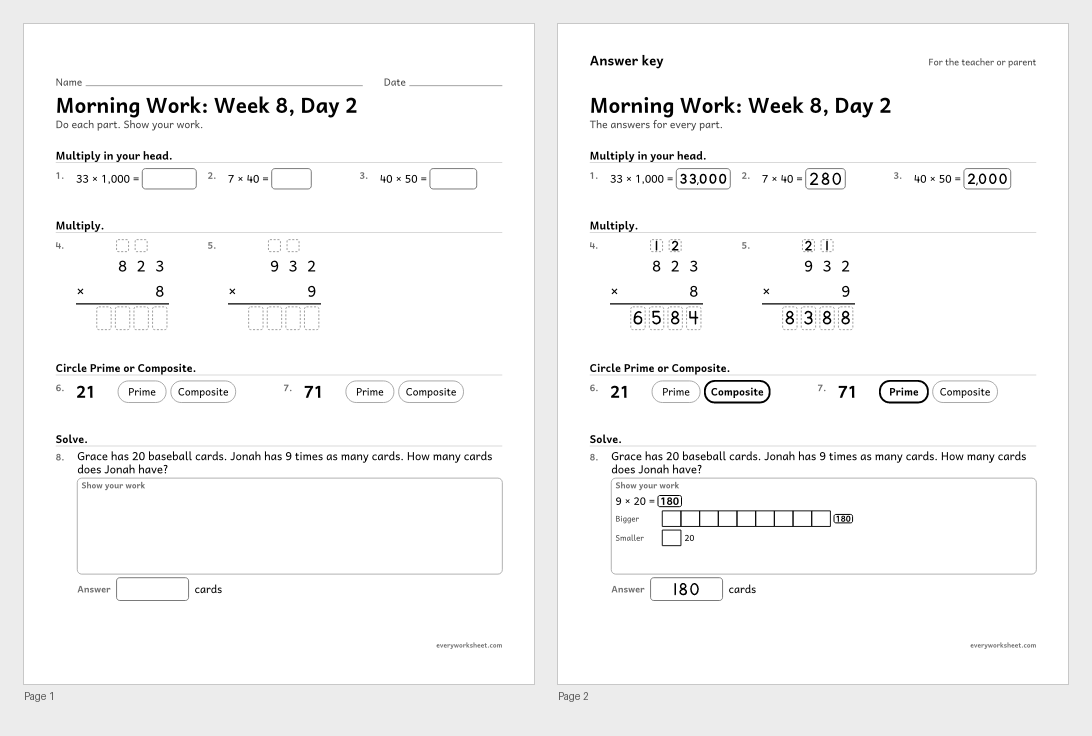 View all 2 pages
Mixed 4th grade math review
Answer key on page 2
2 pages59 KB
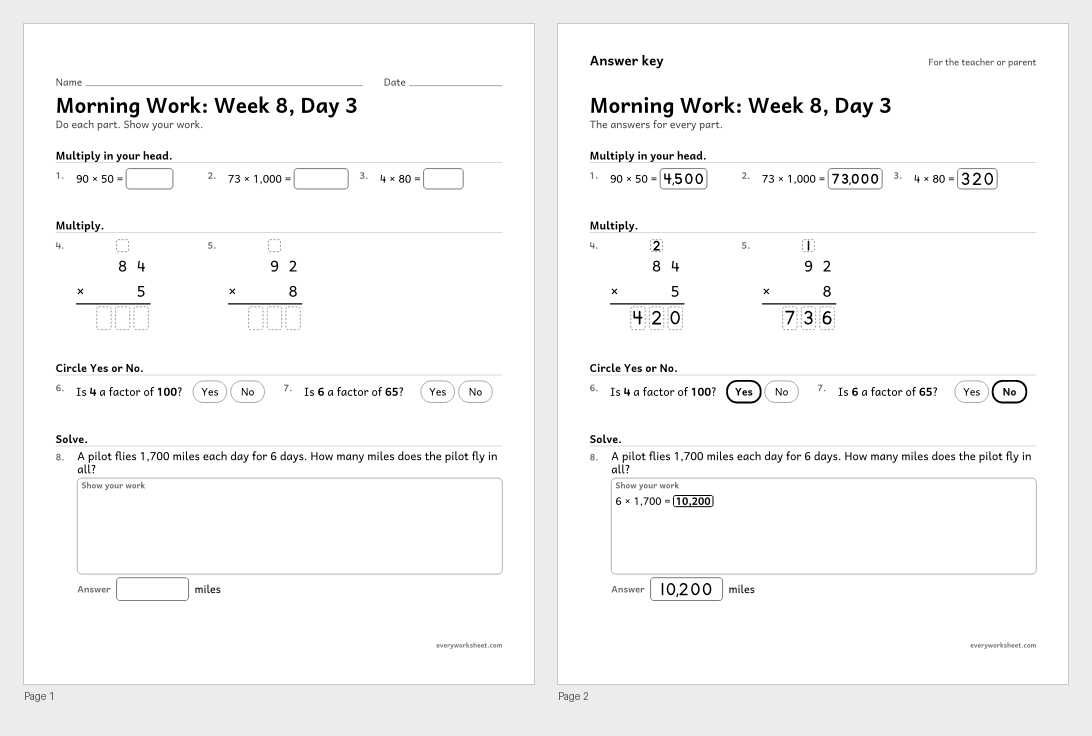 View all 2 pages
Mixed 4th grade math review
Answer key on page 2
2 pages60 KB
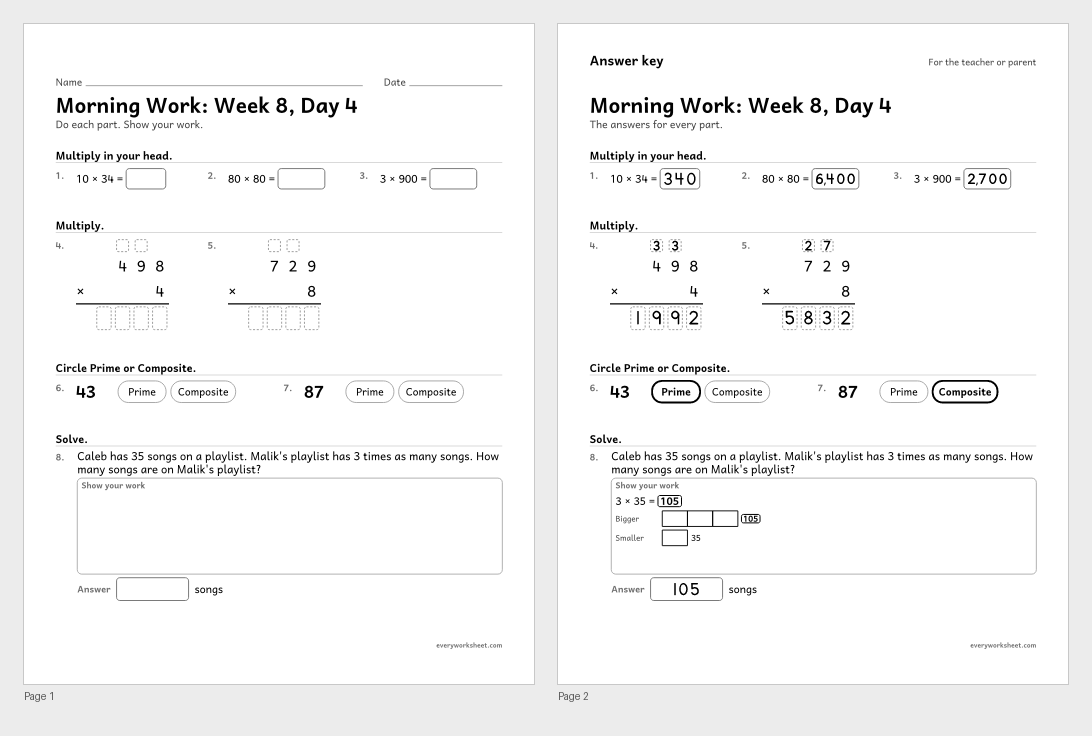 View all 2 pages
Mixed 4th grade math review
Answer key on page 2
2 pages59 KB
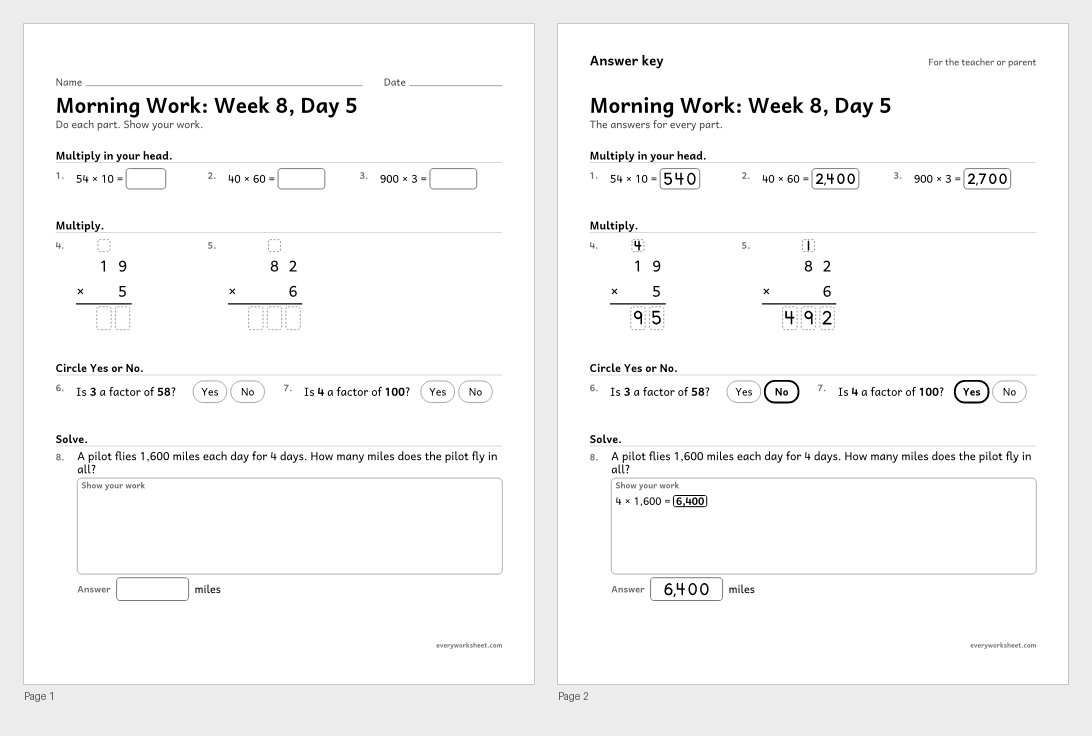 View all 2 pages
Mixed 4th grade math review
Answer key on page 2
2 pages59 KB
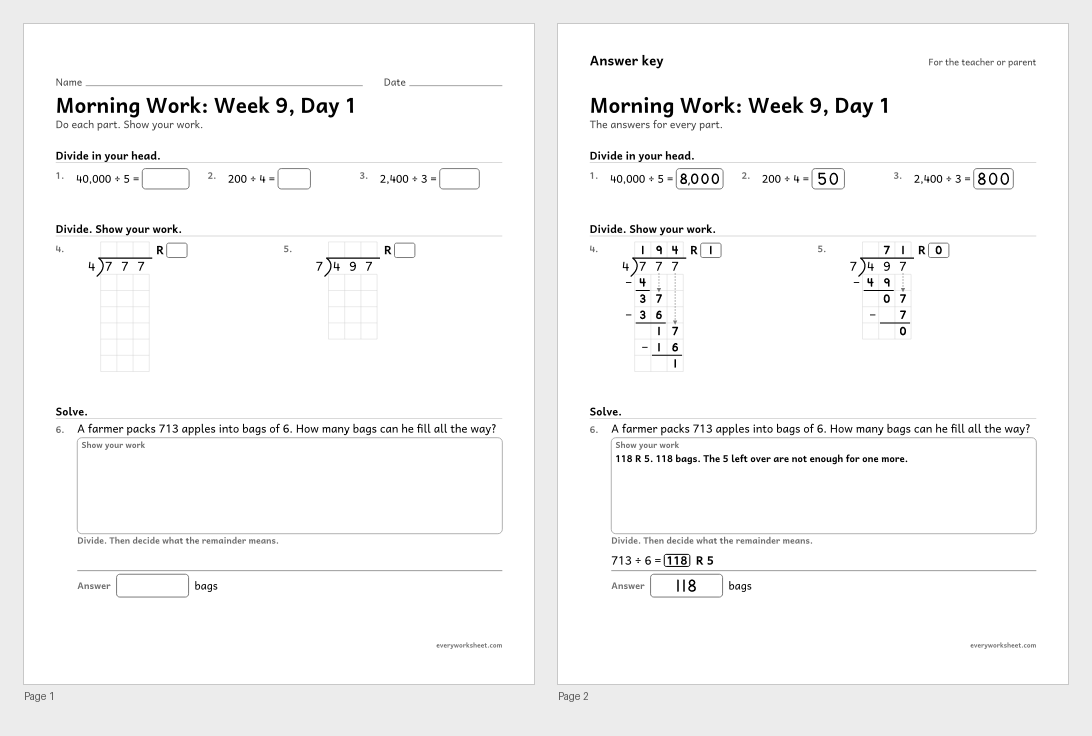 View all 2 pages
Mixed 4th grade math review
Answer key on page 2
2 pages53 KB
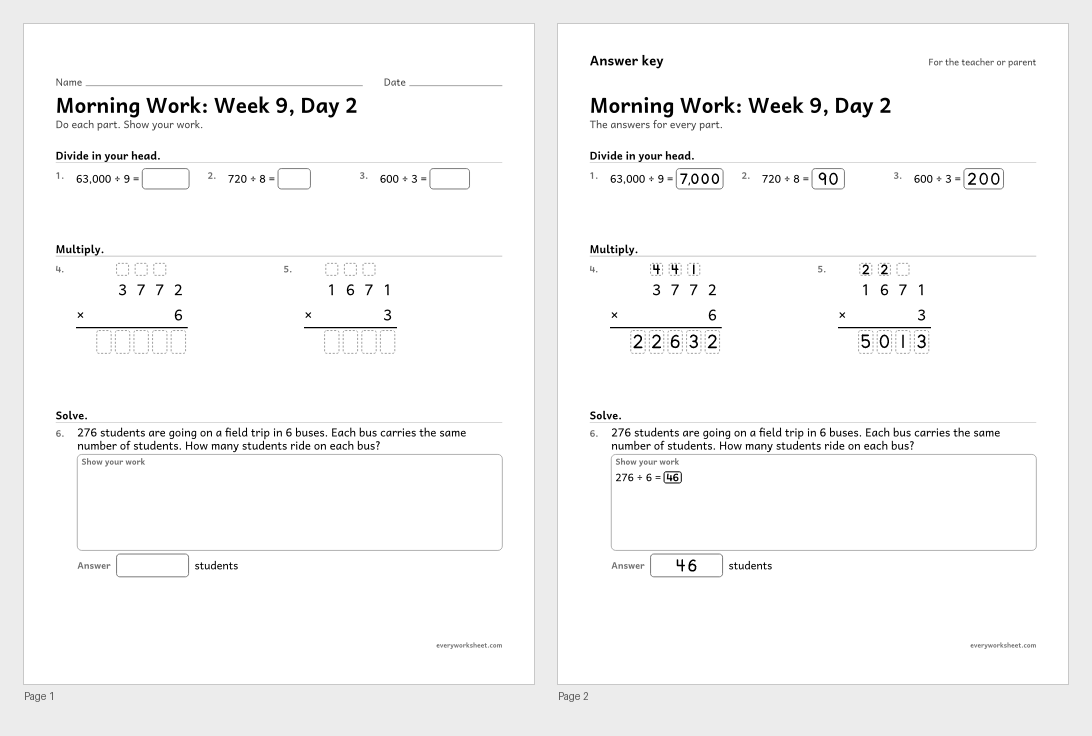 View all 2 pages
Mixed 4th grade math review
Answer key on page 2
2 pages51 KB
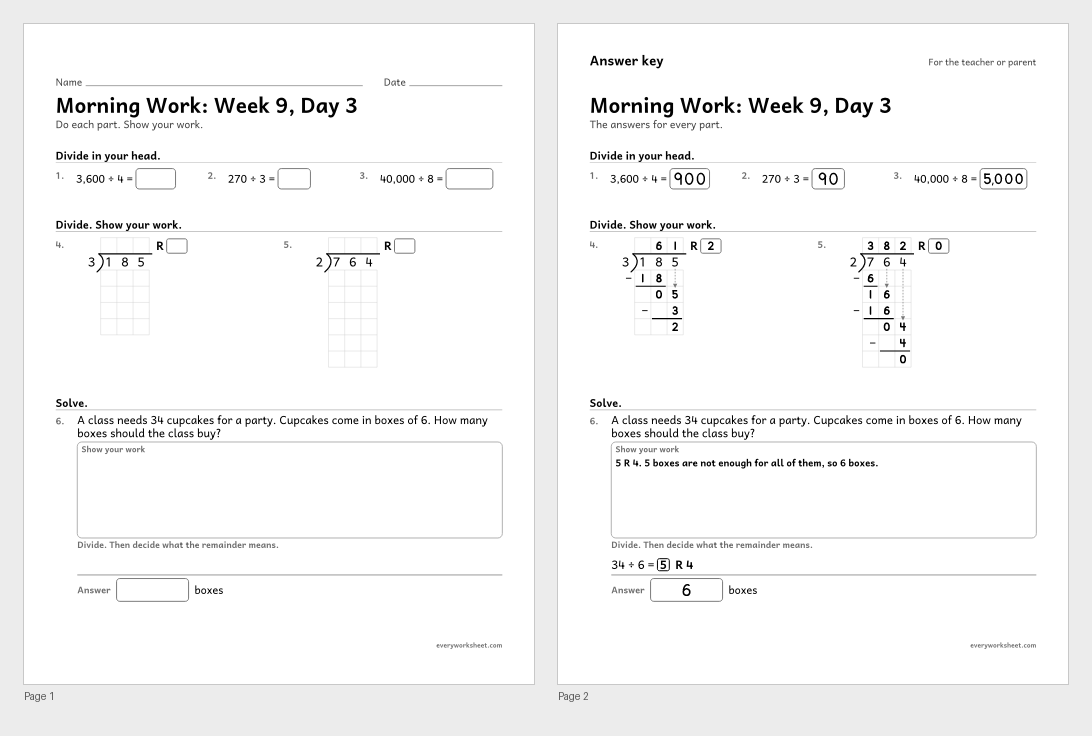 View all 2 pages
Mixed 4th grade math review
Answer key on page 2
2 pages53 KB
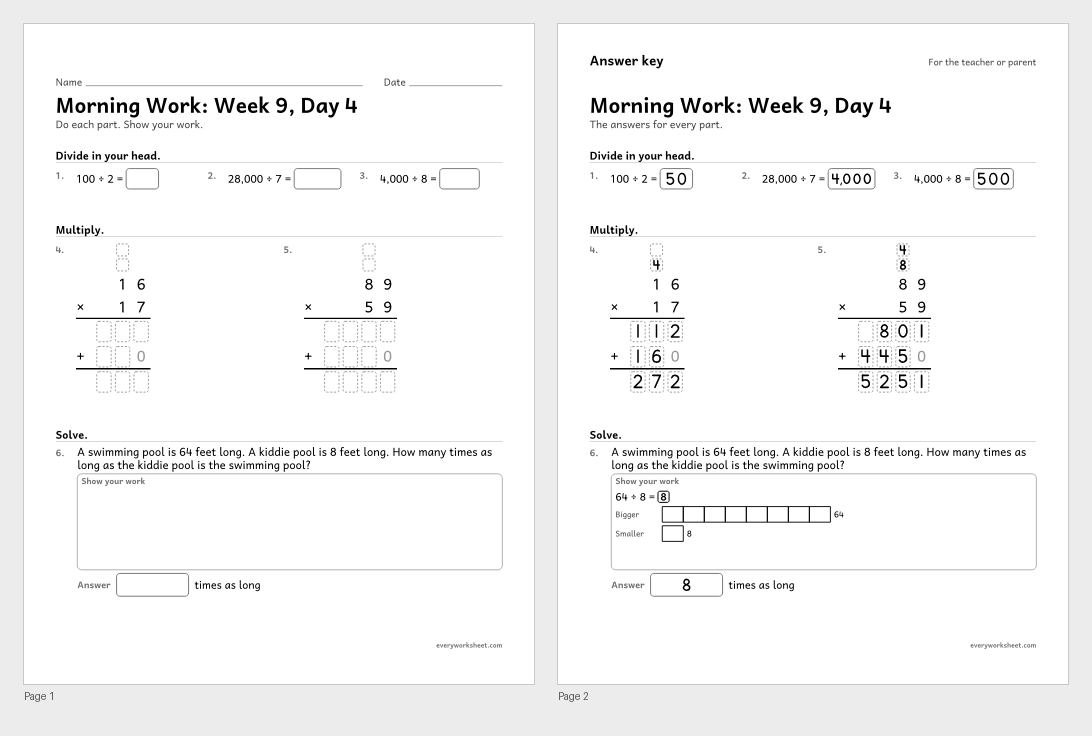 View all 2 pages
Mixed 4th grade math review
Answer key on page 2
2 pages53 KB
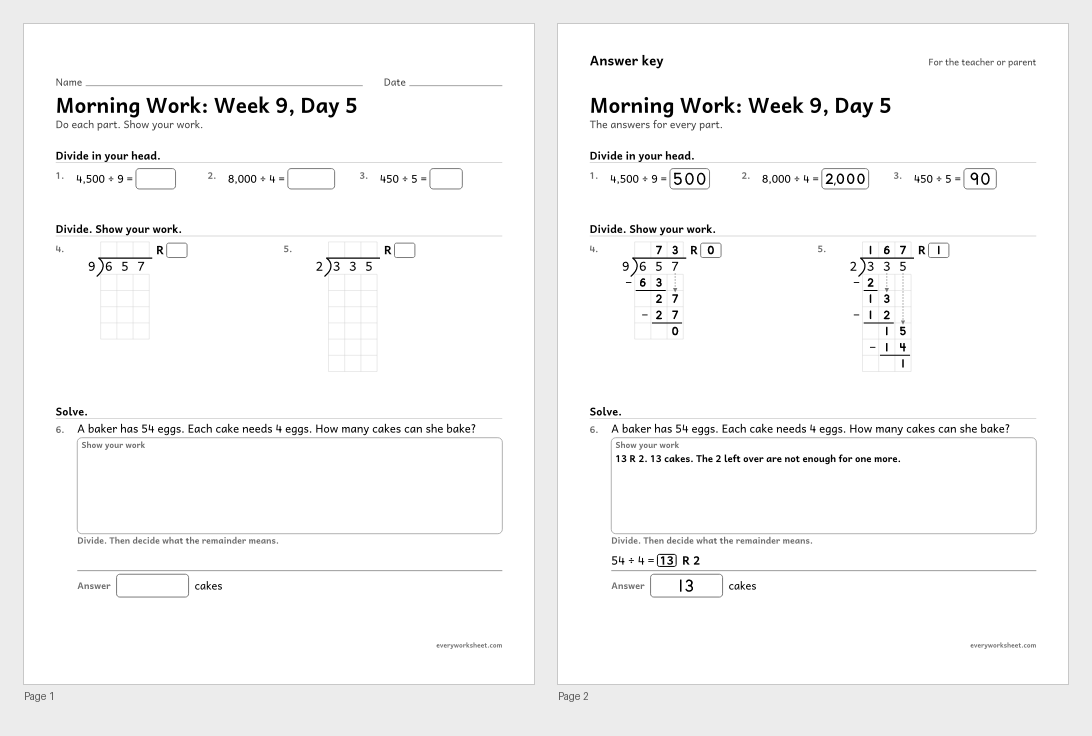 View all 2 pages
Mixed 4th grade math review
Answer key on page 2
2 pages53 KB
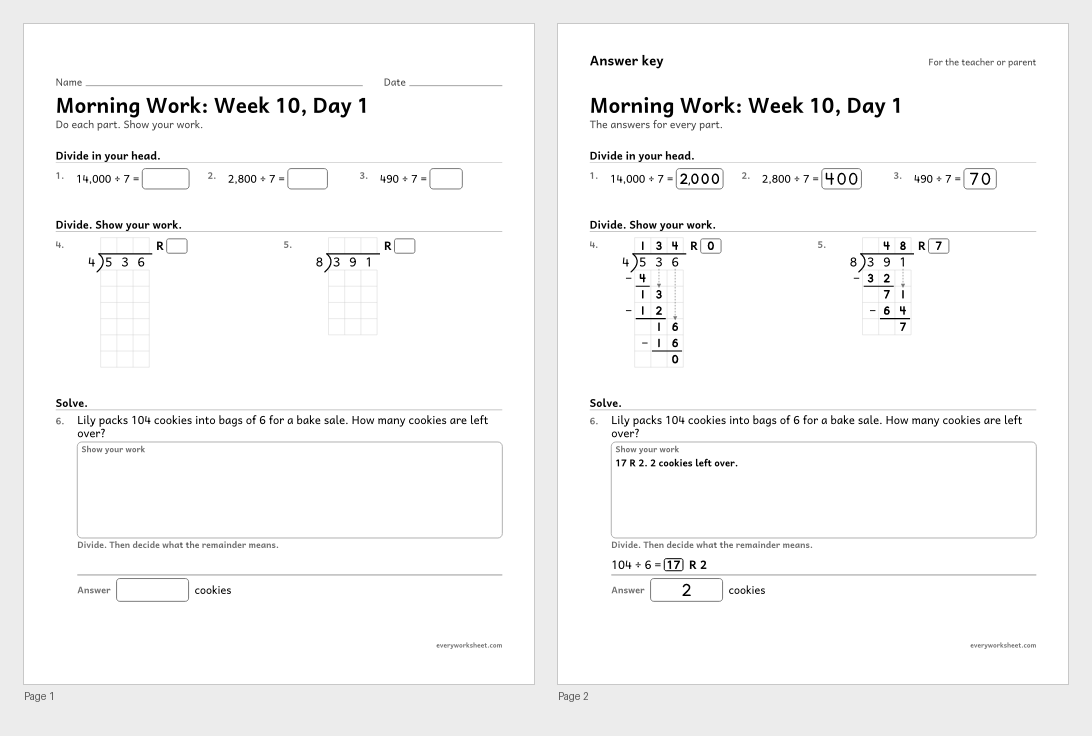 View all 2 pages
Mixed 4th grade math review
Answer key on page 2
2 pages52 KB
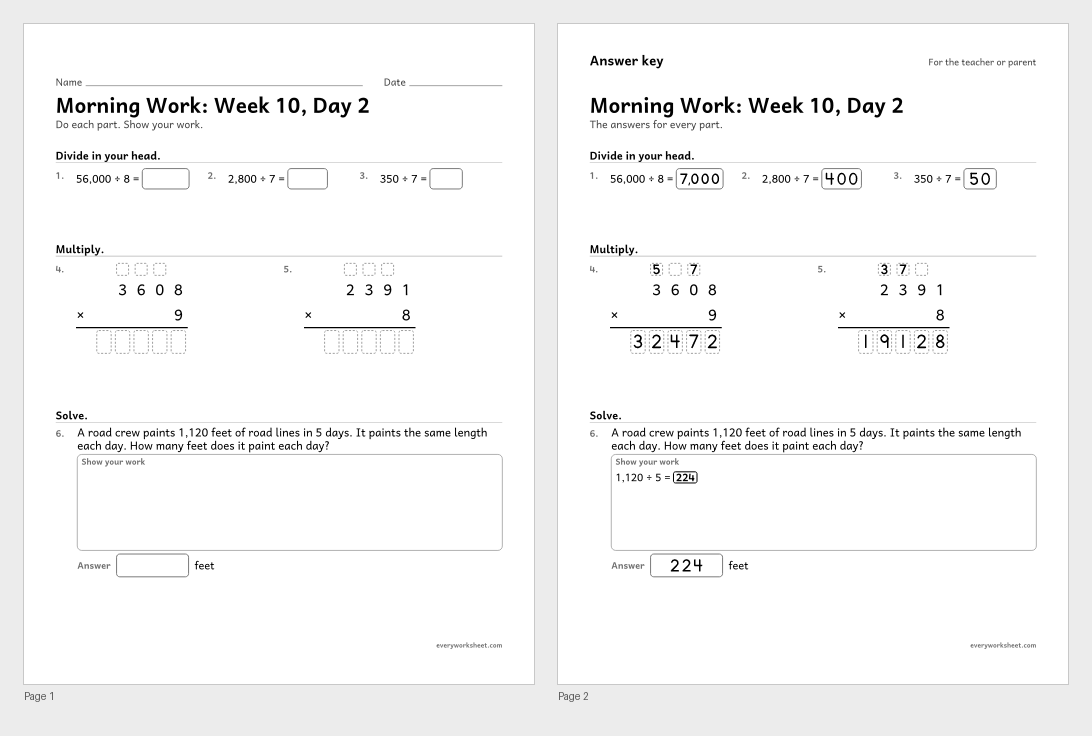 View all 2 pages
Mixed 4th grade math review
Answer key on page 2
2 pages51 KB
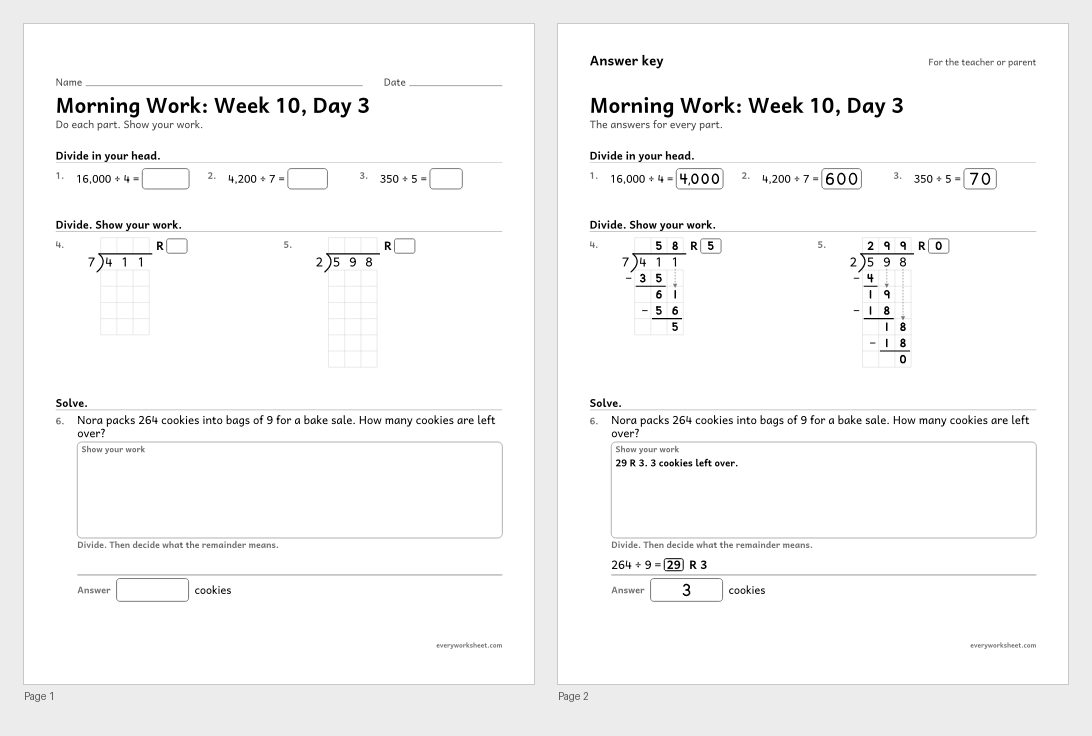 View all 2 pages
Mixed 4th grade math review
Answer key on page 2
2 pages53 KB
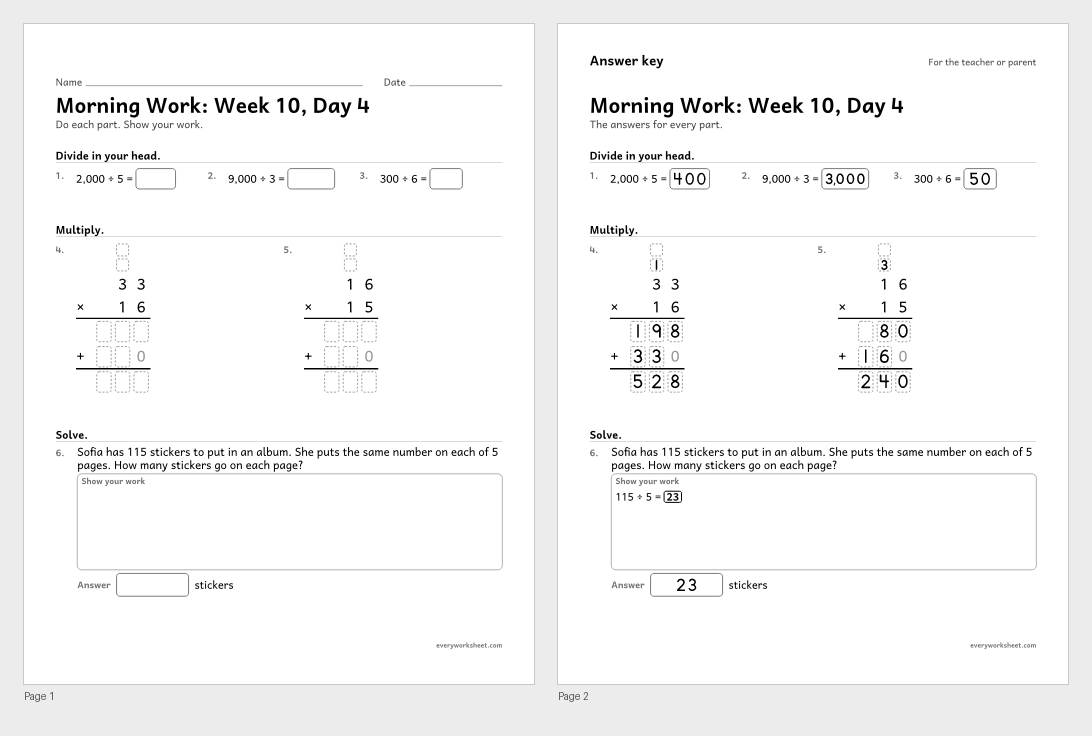 View all 2 pages
Mixed 4th grade math review
Answer key on page 2
2 pages52 KB
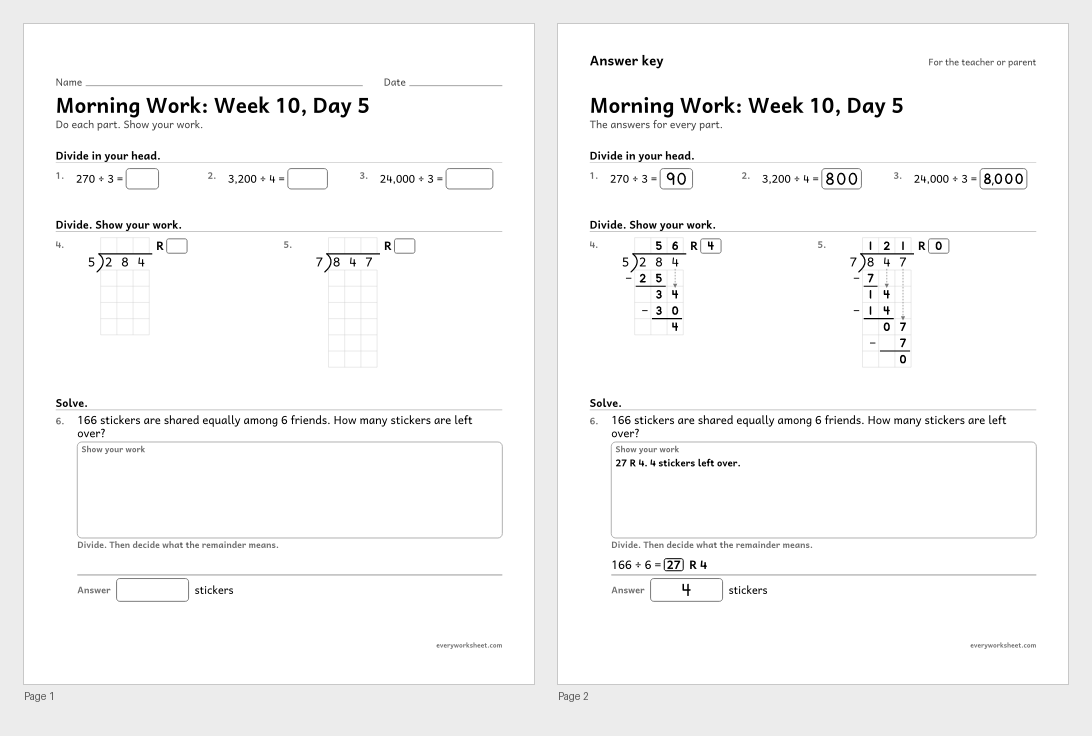 View all 2 pages
Mixed 4th grade math review
Answer key on page 2
2 pages52 KB
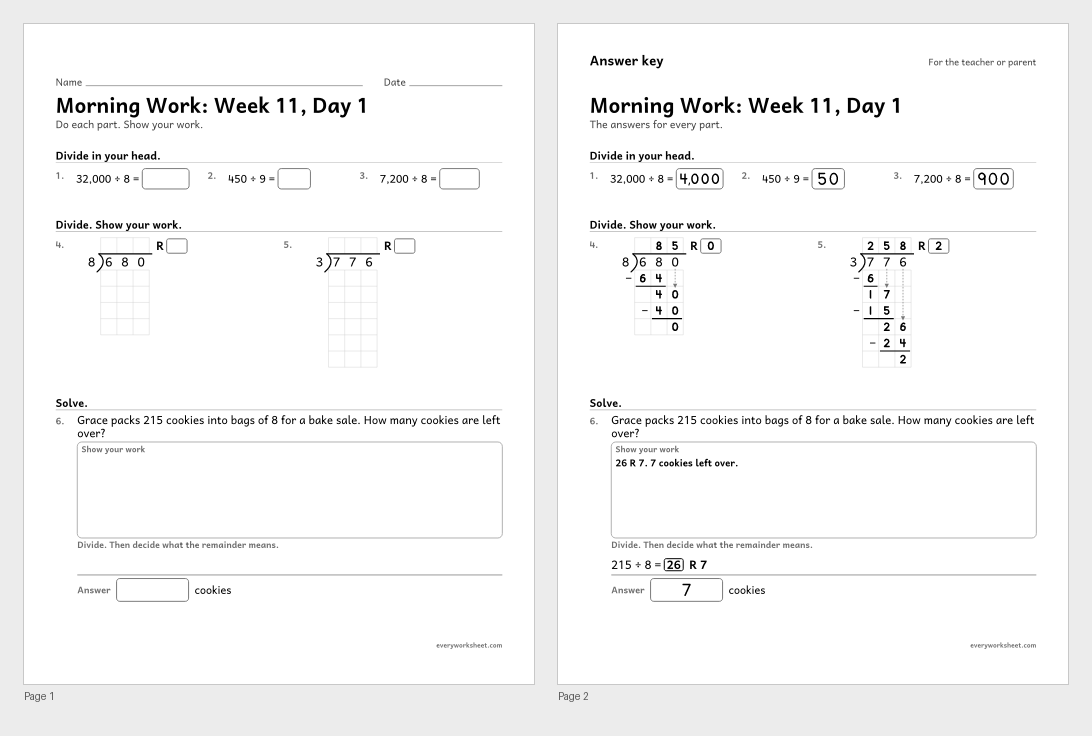 View all 2 pages
Mixed 4th grade math review
Answer key on page 2
2 pages52 KB
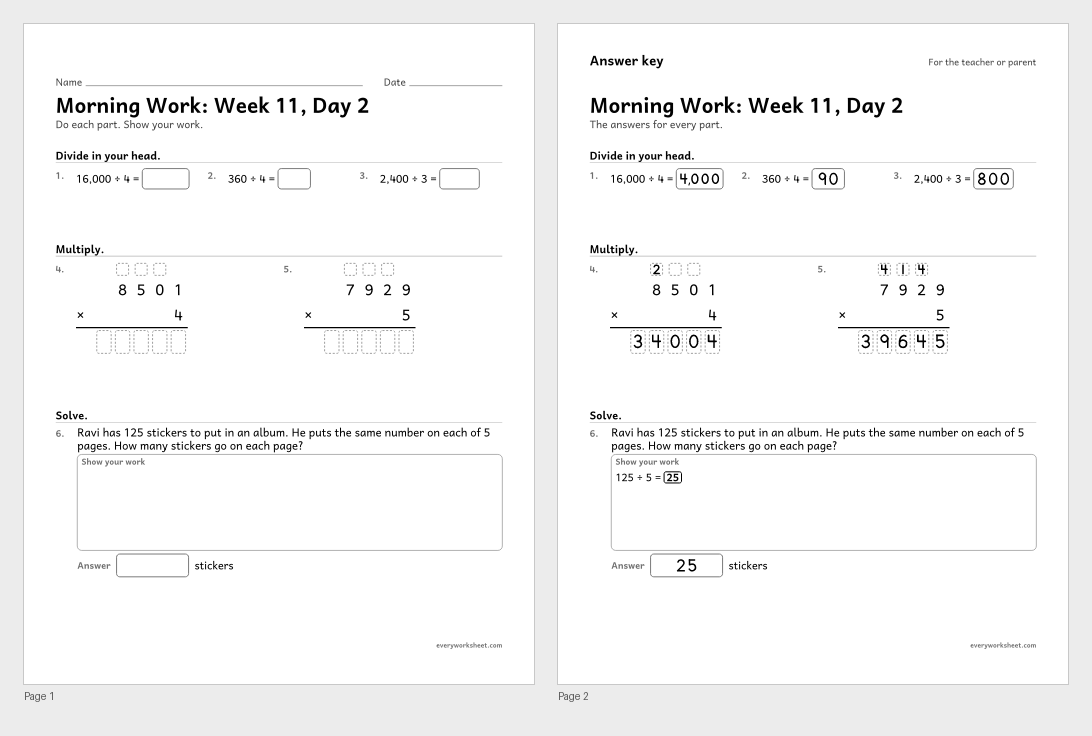 View all 2 pages
Mixed 4th grade math review
Answer key on page 2
2 pages51 KB
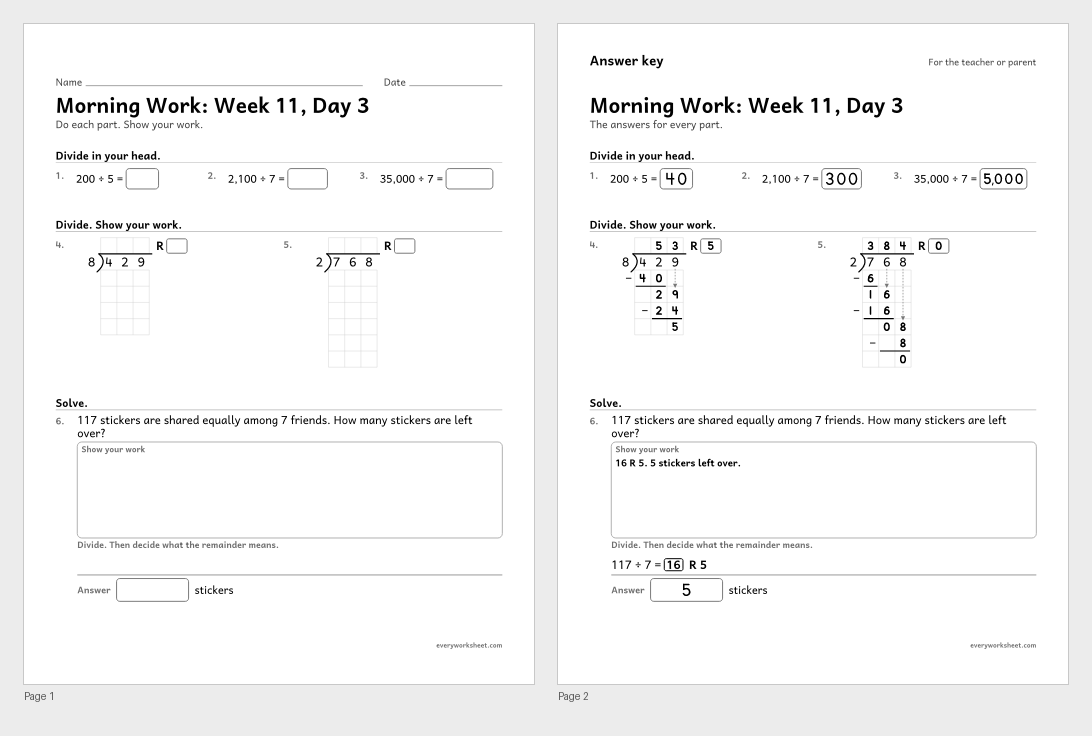 View all 2 pages
Mixed 4th grade math review
Answer key on page 2
2 pages53 KB
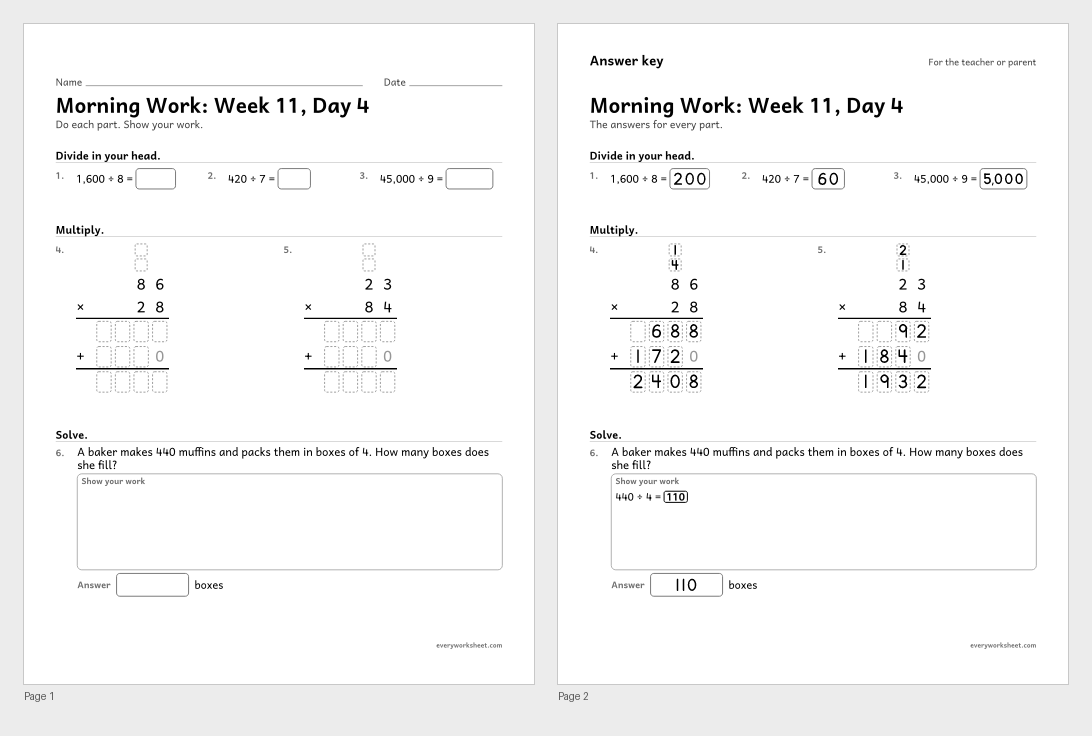 View all 2 pages
Mixed 4th grade math review
Answer key on page 2
2 pages52 KB
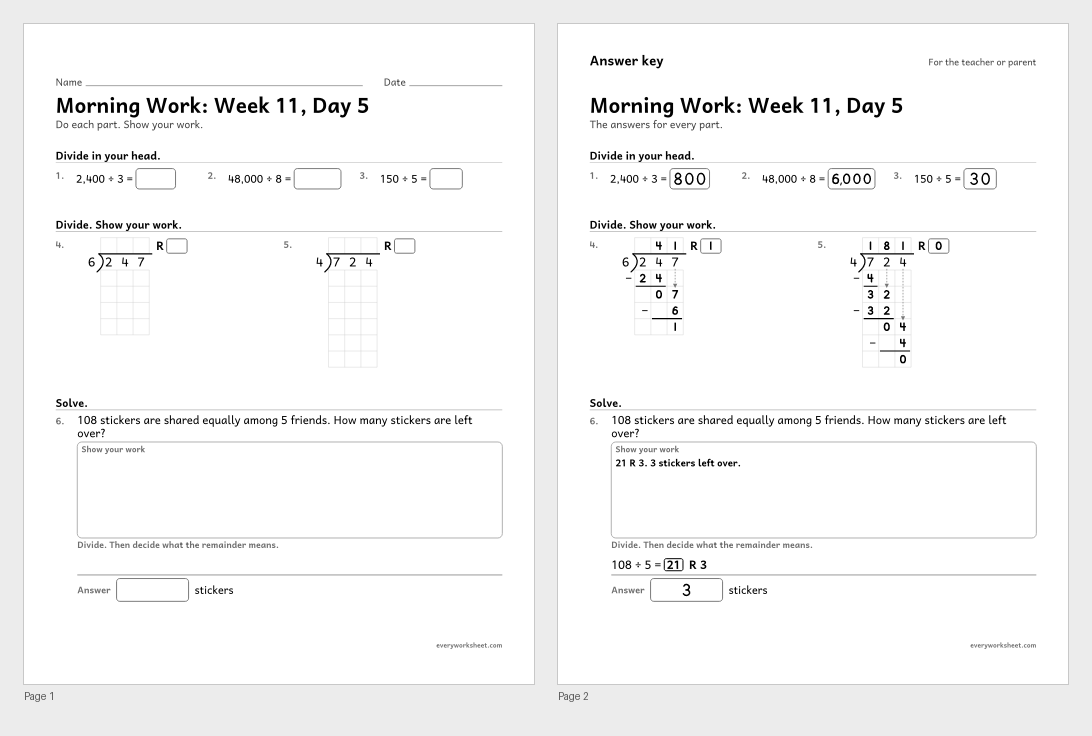 View all 2 pages
Mixed 4th grade math review
Answer key on page 2
2 pages52 KB
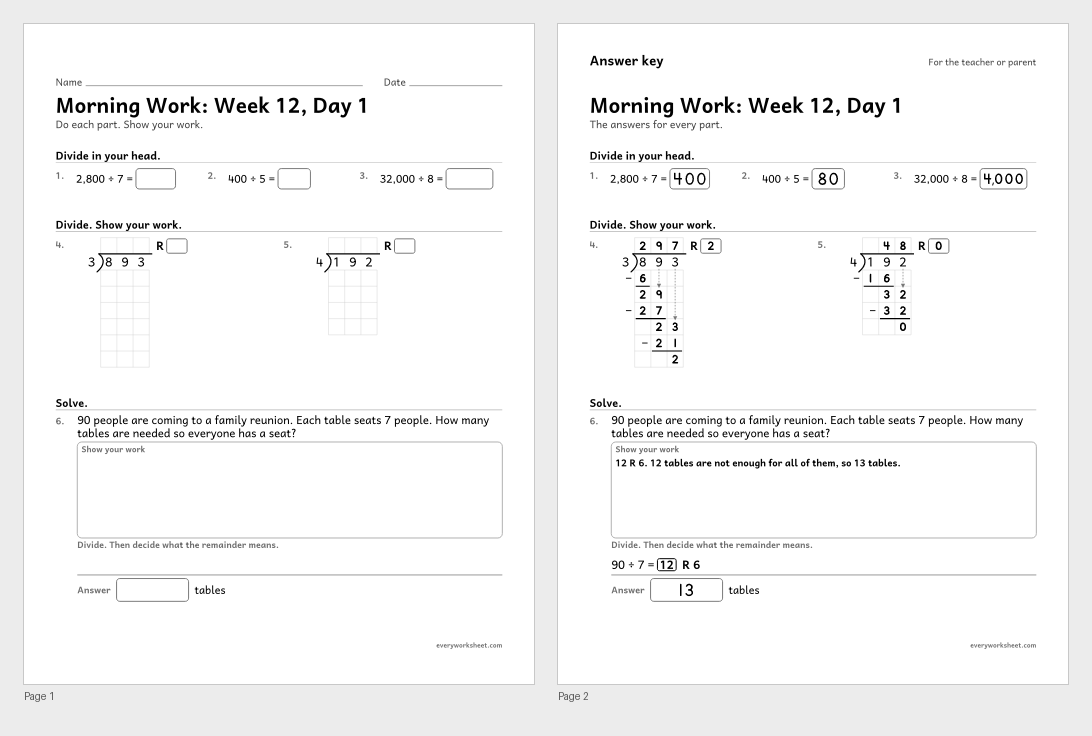 View all 2 pages
Mixed 4th grade math review
Answer key on page 2
2 pages53 KB
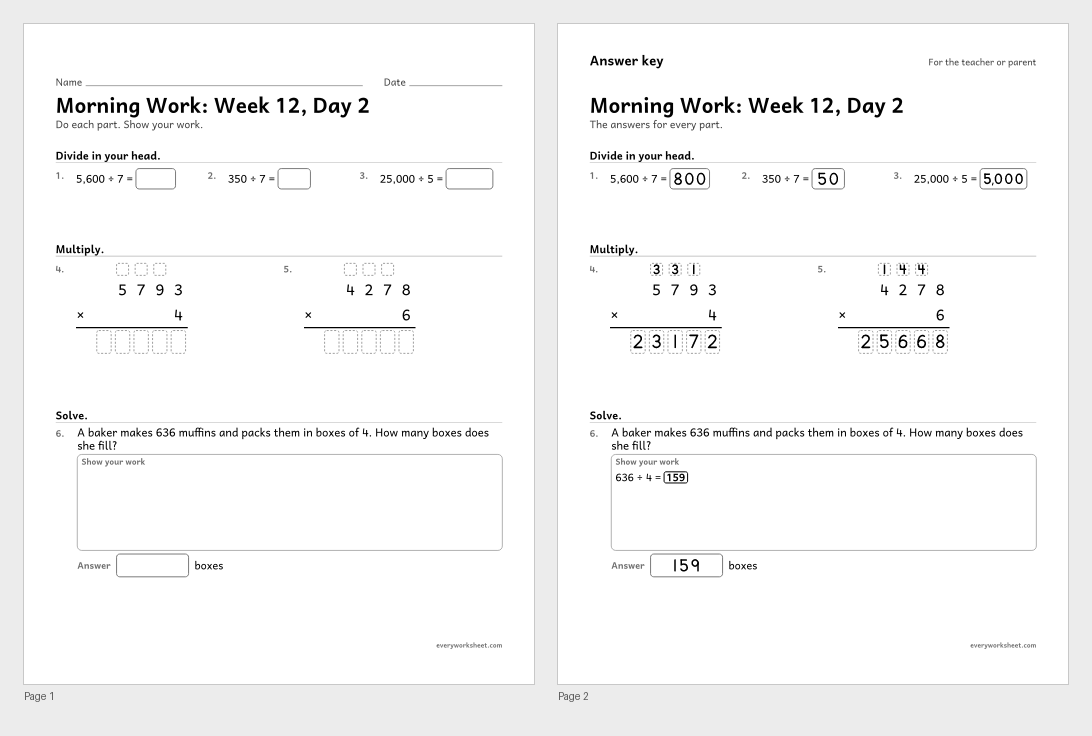 View all 2 pages
Mixed 4th grade math review
Answer key on page 2
2 pages52 KB
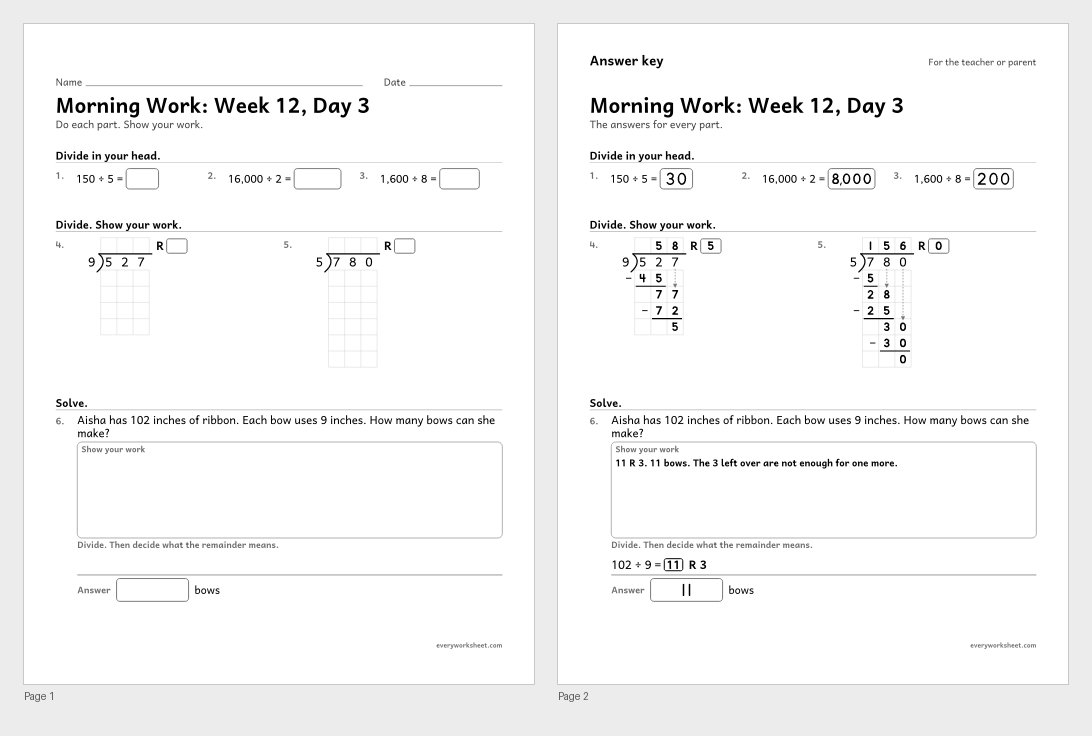 View all 2 pages
Mixed 4th grade math review
Answer key on page 2
2 pages52 KB
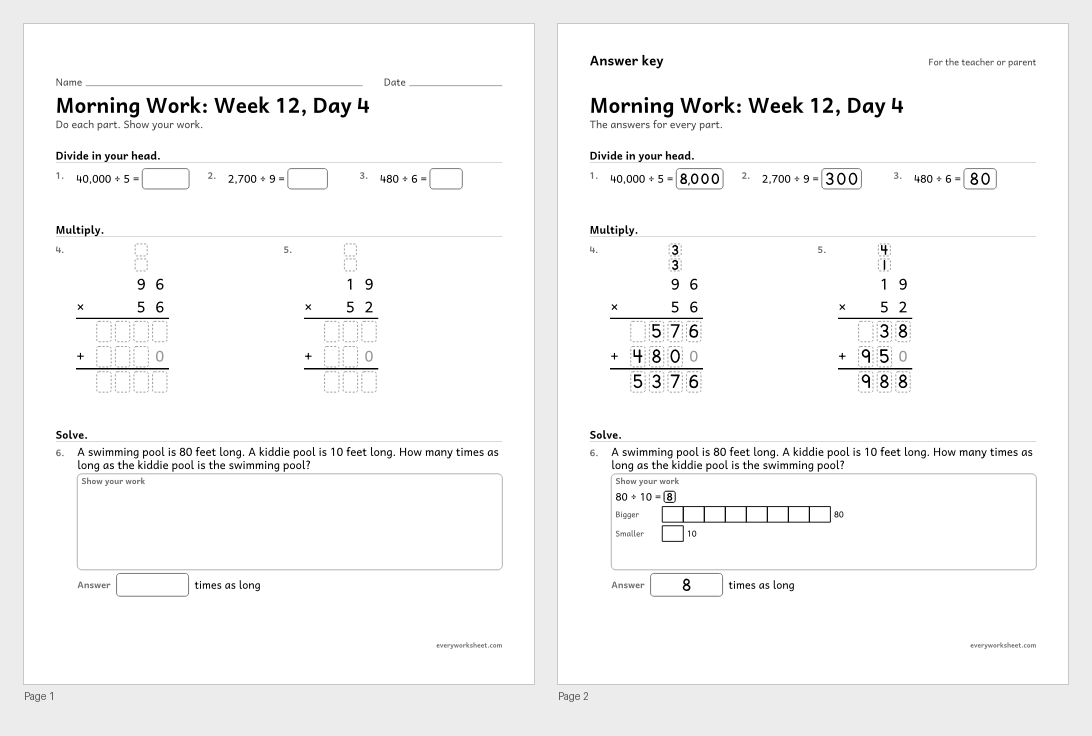 View all 2 pages
Mixed 4th grade math review
Answer key on page 2
2 pages54 KB
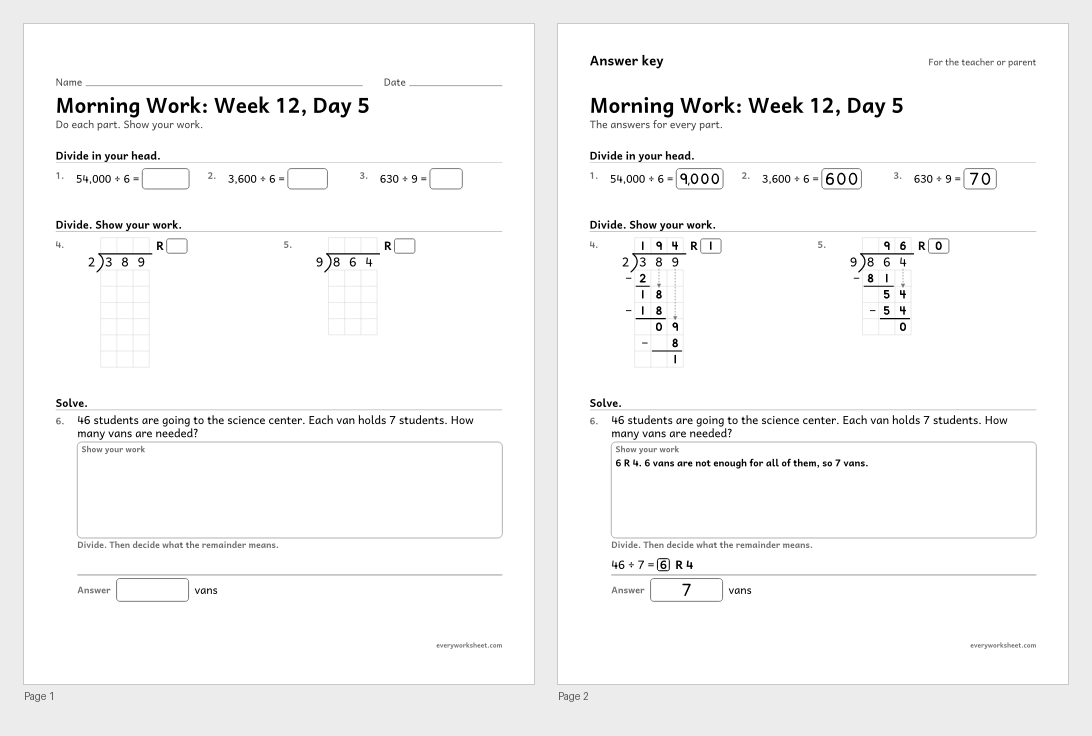 View all 2 pages
Mixed 4th grade math review
Answer key on page 2
2 pages52 KB
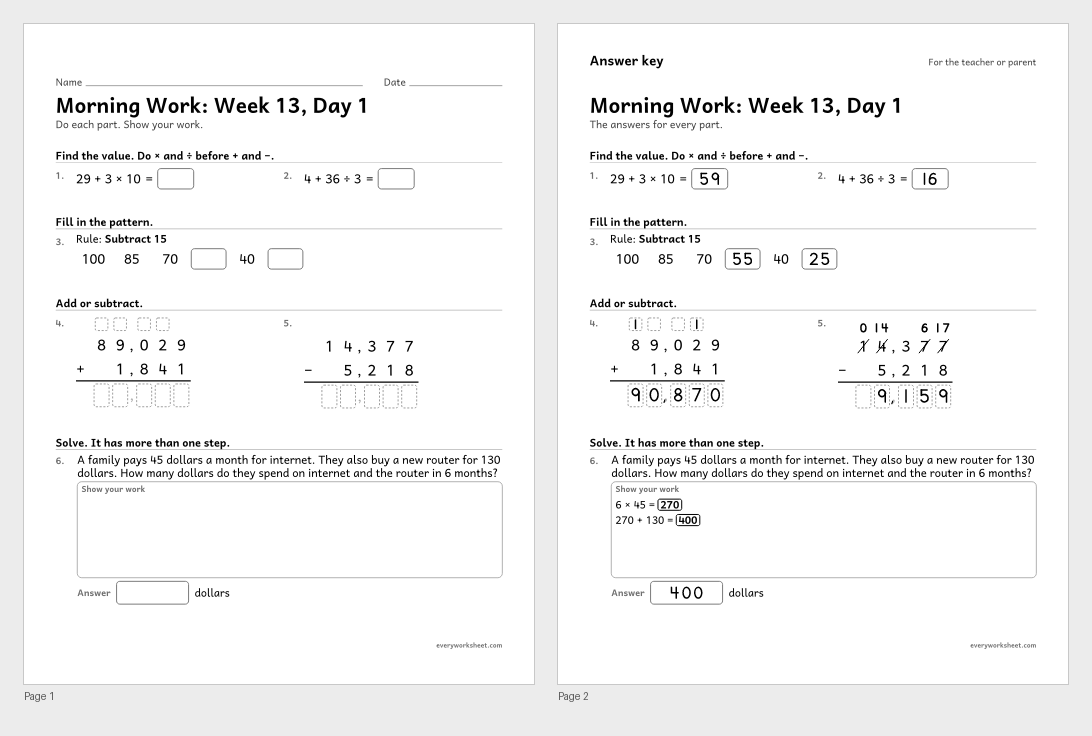 View all 2 pages
Mixed 4th grade math review
Answer key on page 2
2 pages55 KB
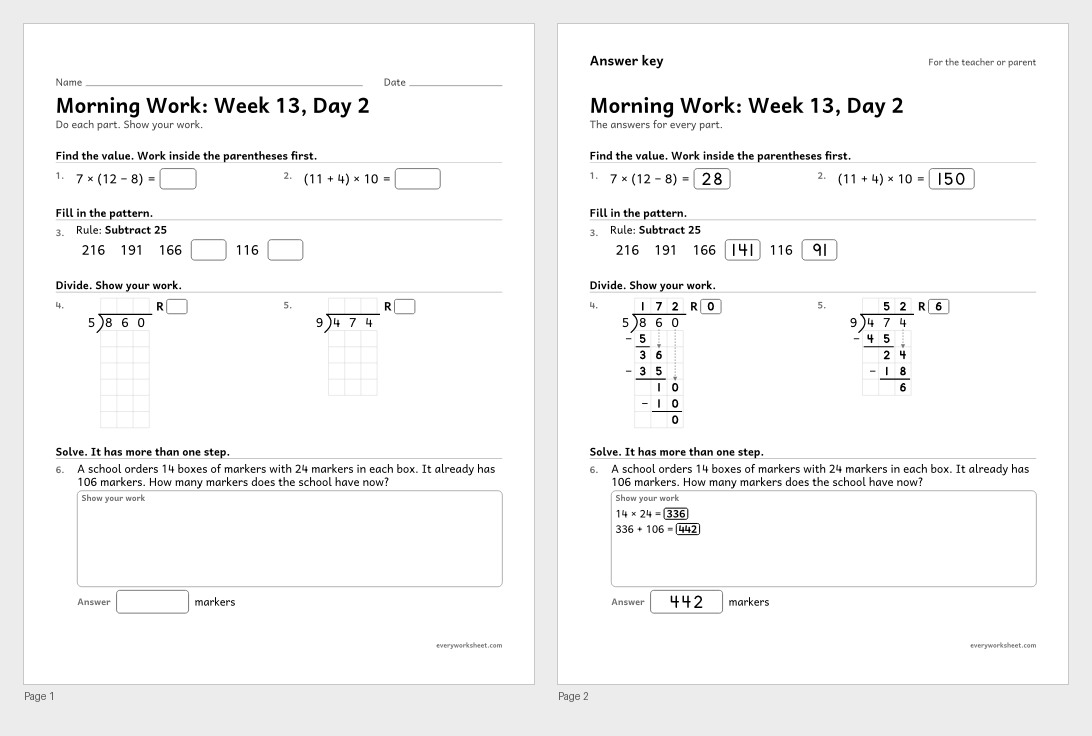 View all 2 pages
Mixed 4th grade math review
Answer key on page 2
2 pages54 KB
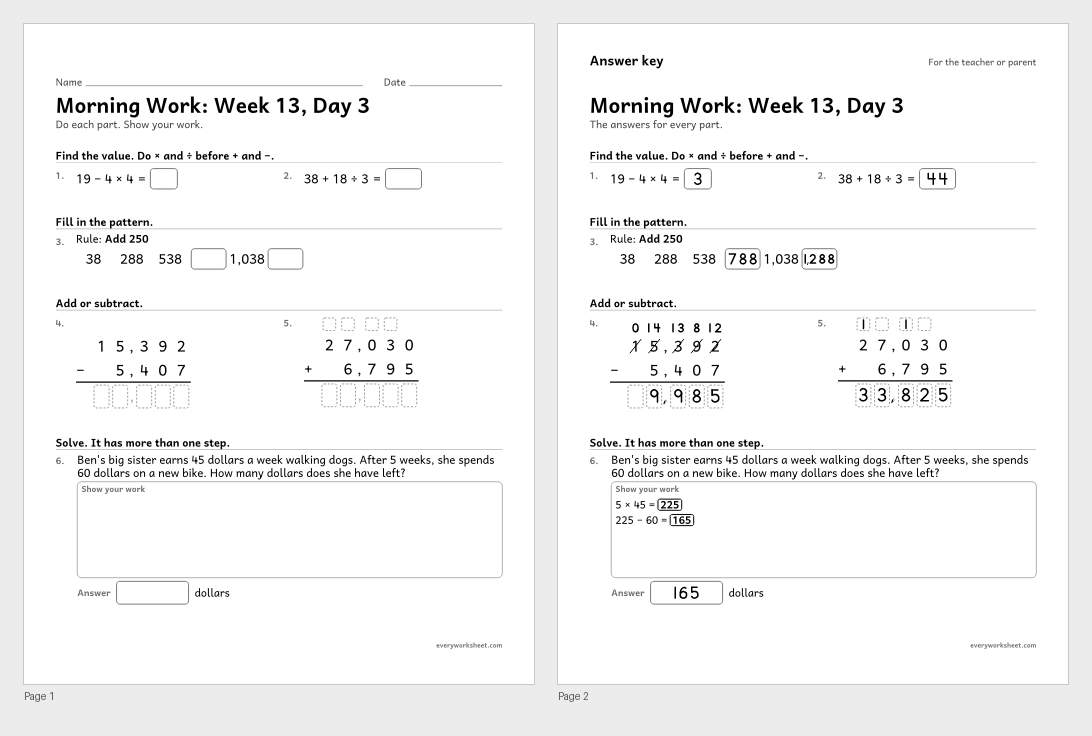 View all 2 pages
Mixed 4th grade math review
Answer key on page 2
2 pages57 KB
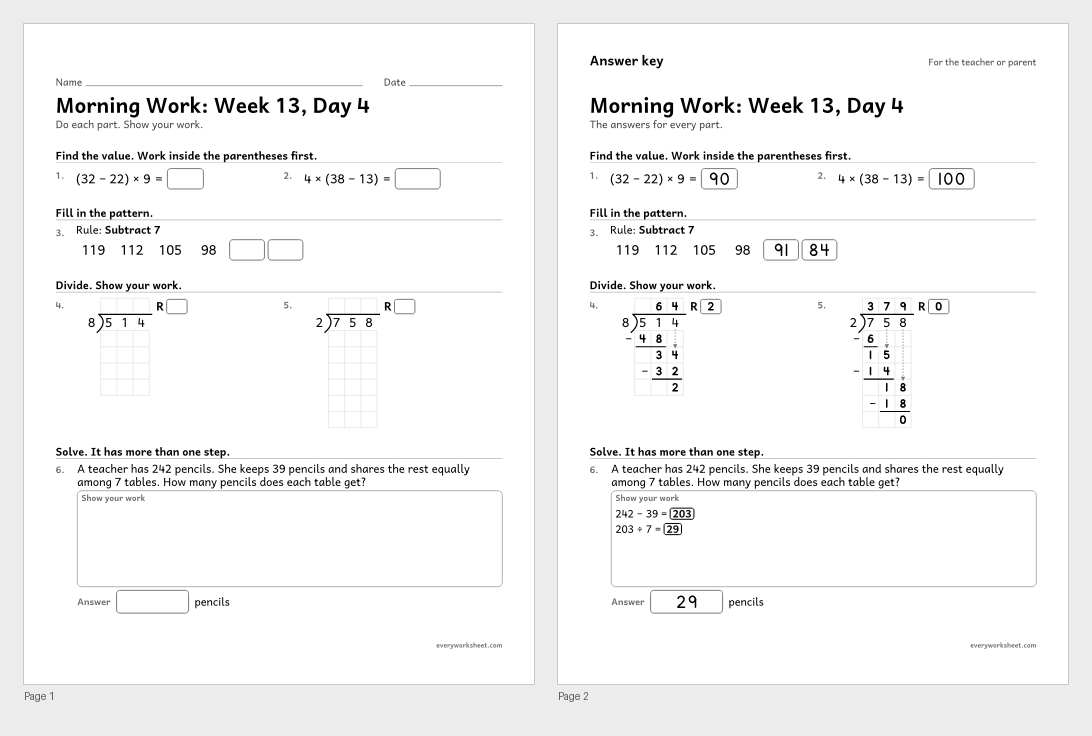 View all 2 pages
Mixed 4th grade math review
Answer key on page 2
2 pages54 KB
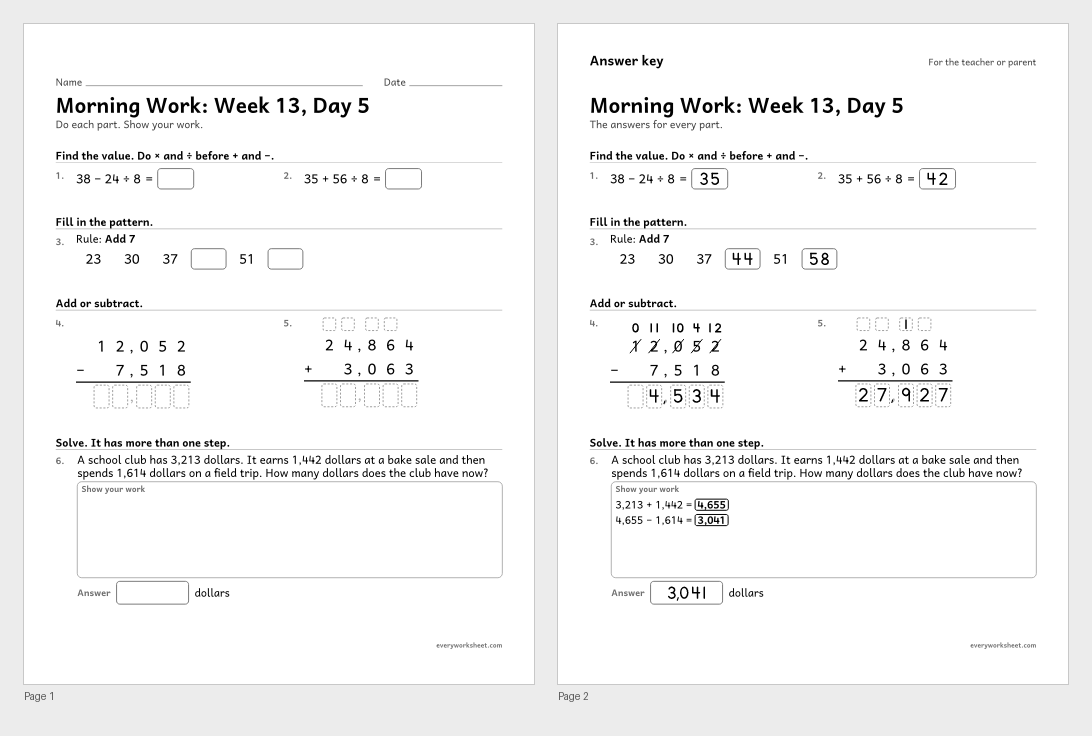 View all 2 pages
Mixed 4th grade math review
Answer key on page 2
2 pages55 KB
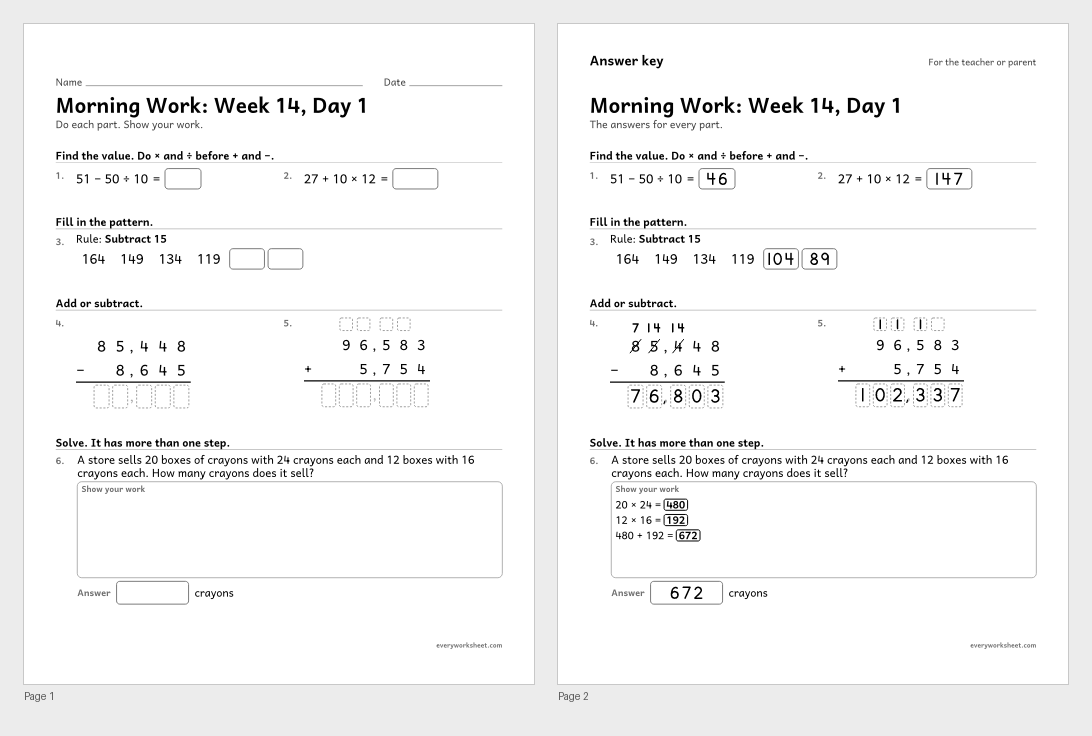 View all 2 pages
Mixed 4th grade math review
Answer key on page 2
2 pages57 KB
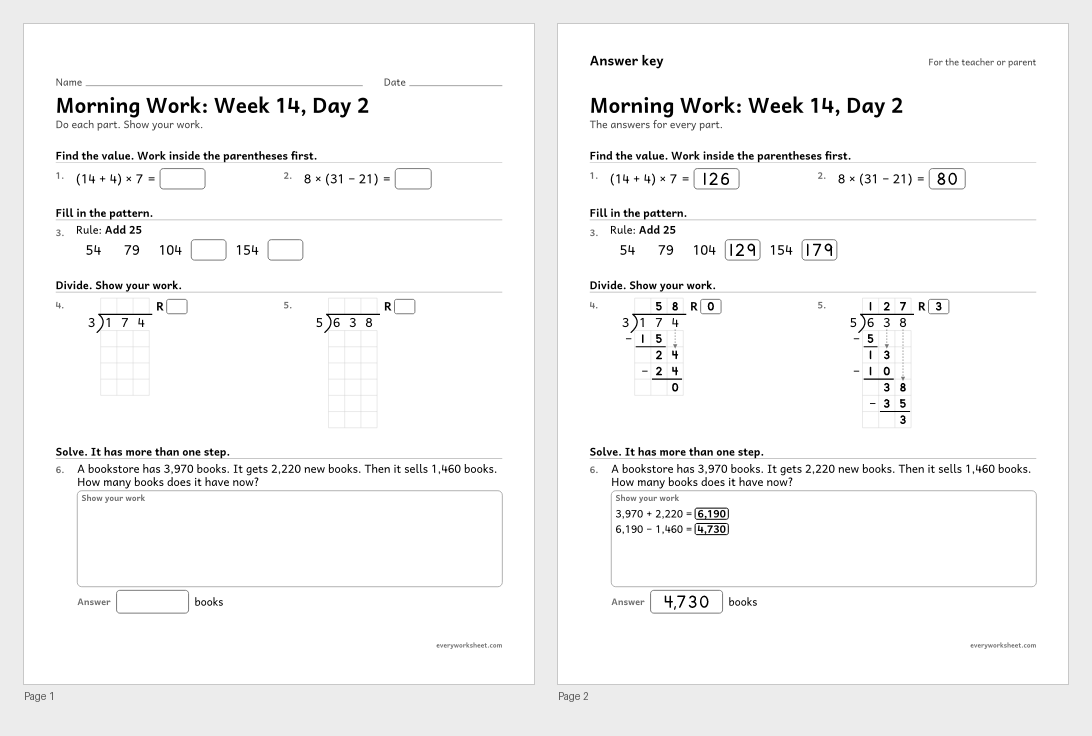 View all 2 pages
Mixed 4th grade math review
Answer key on page 2
2 pages54 KB
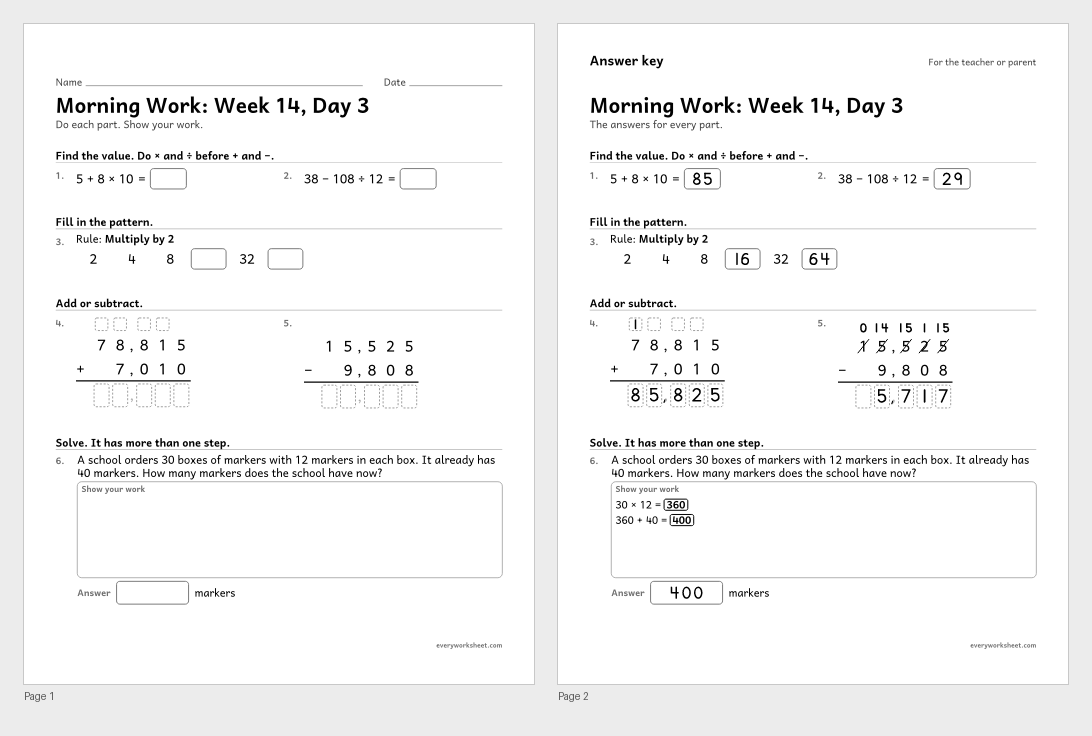 View all 2 pages
Mixed 4th grade math review
Answer key on page 2
2 pages55 KB
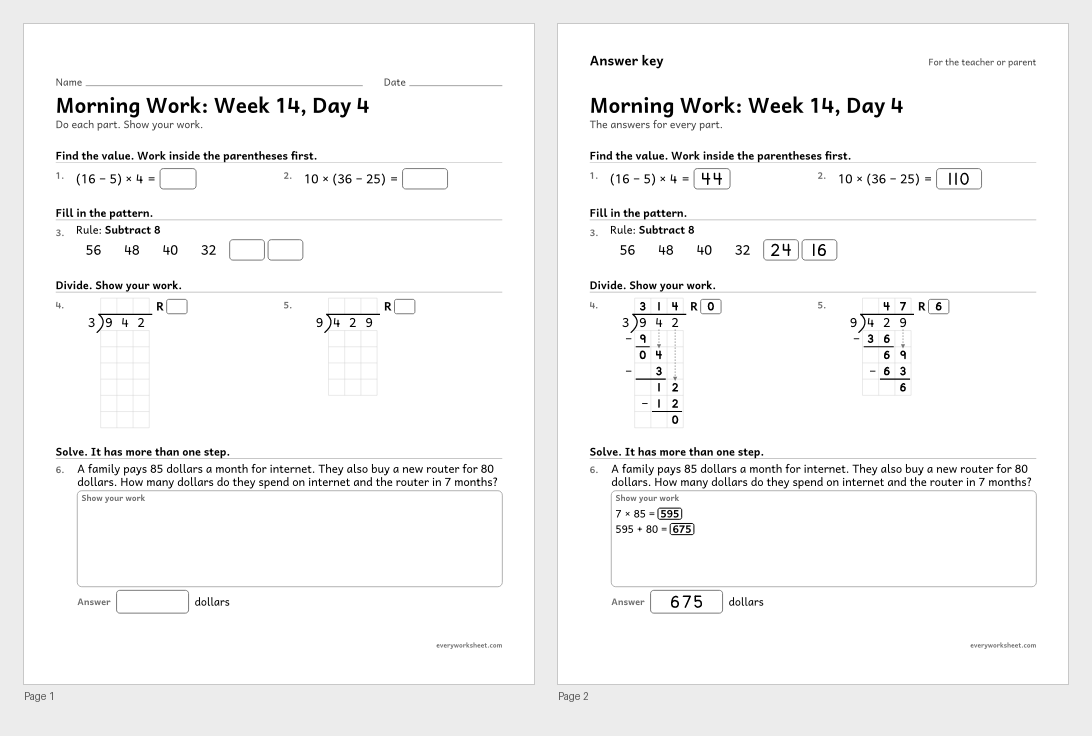 View all 2 pages
Mixed 4th grade math review
Answer key on page 2
2 pages54 KB
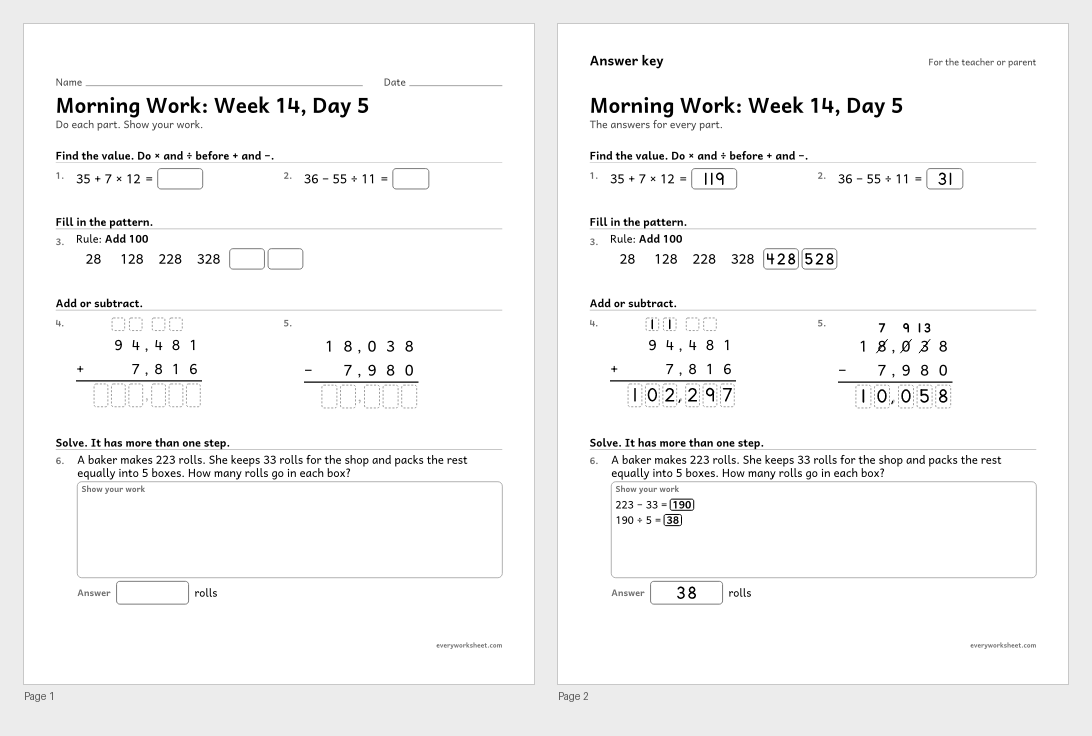 View all 2 pages
Mixed 4th grade math review
Answer key on page 2
2 pages57 KB
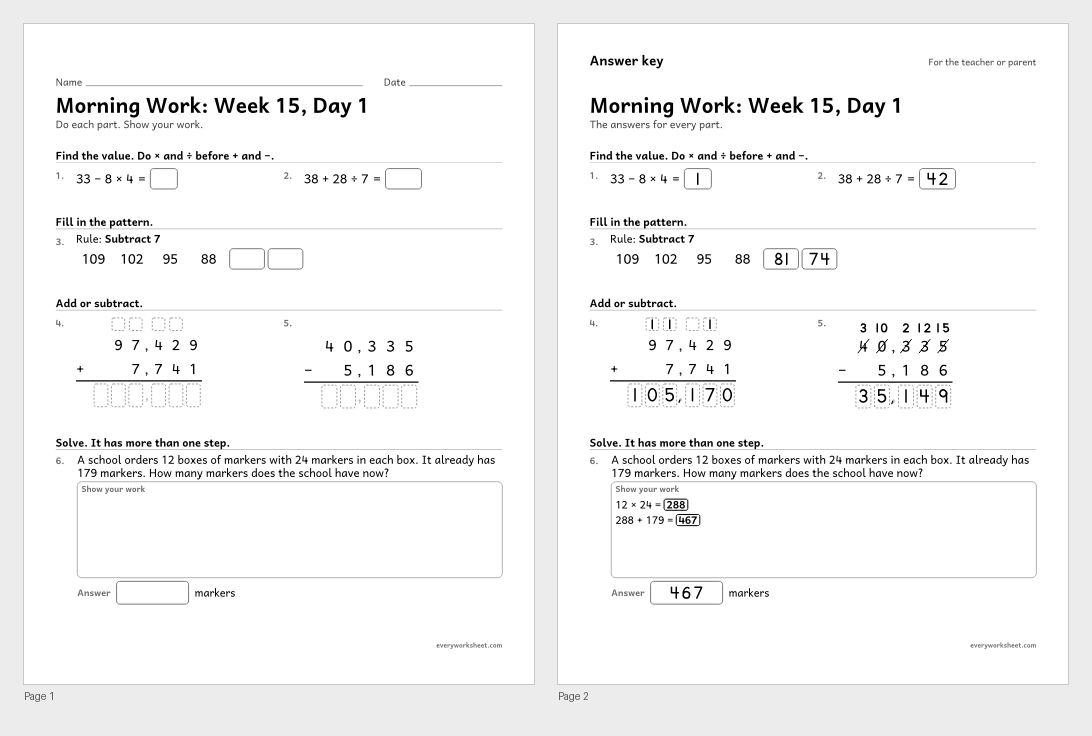 View all 2 pages
Mixed 4th grade math review
Answer key on page 2
2 pages56 KB
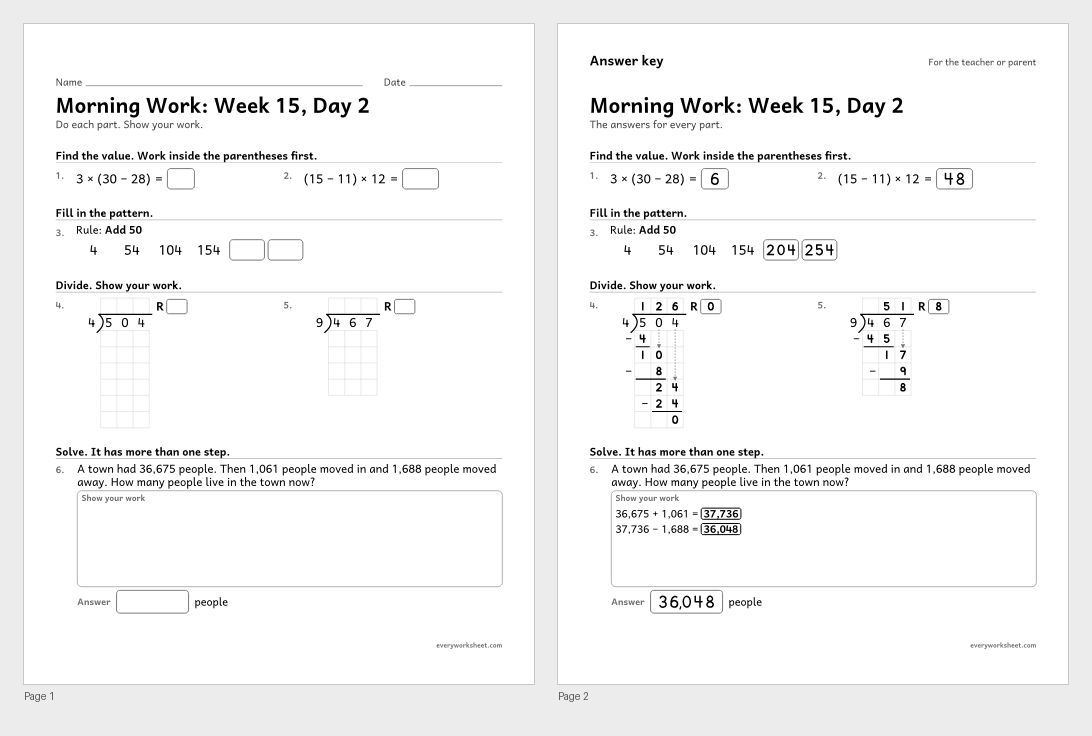 View all 2 pages
Mixed 4th grade math review
Answer key on page 2
2 pages54 KB
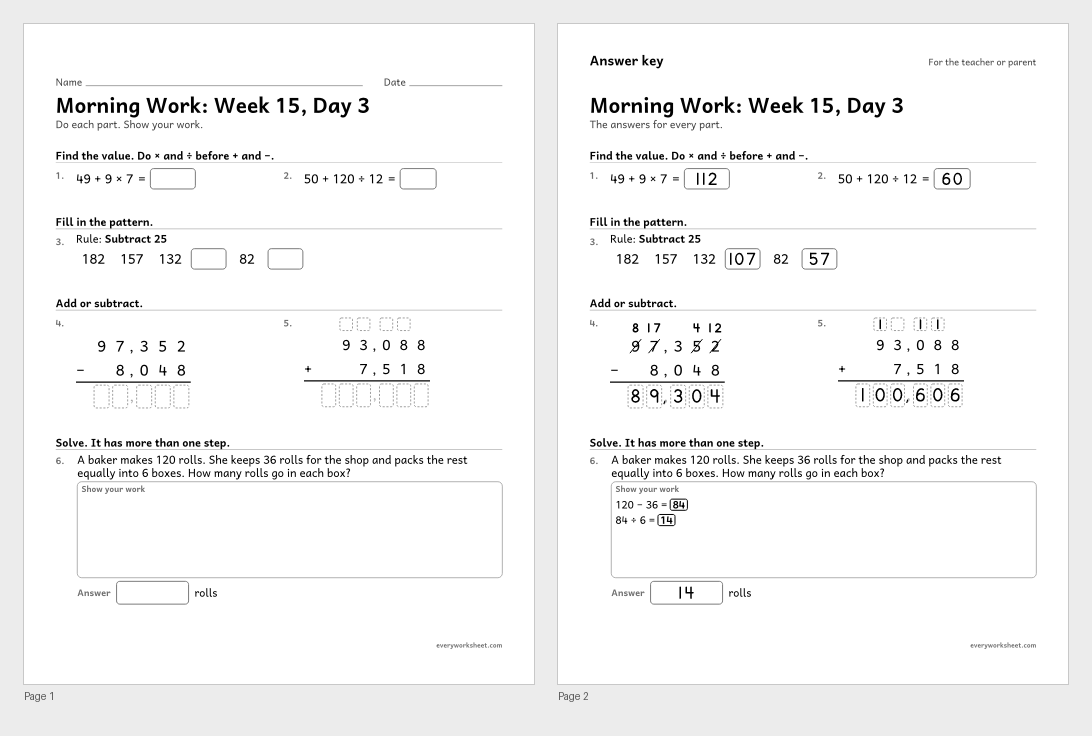 View all 2 pages
Mixed 4th grade math review
Answer key on page 2
2 pages56 KB
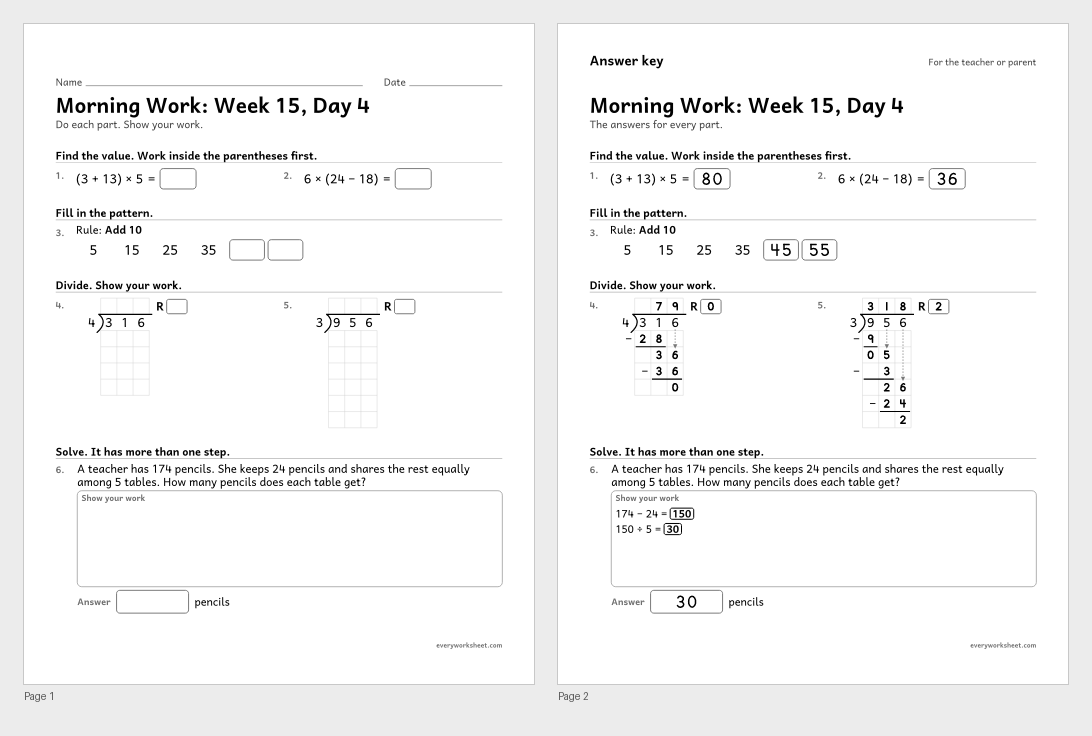 View all 2 pages
Mixed 4th grade math review
Answer key on page 2
2 pages54 KB
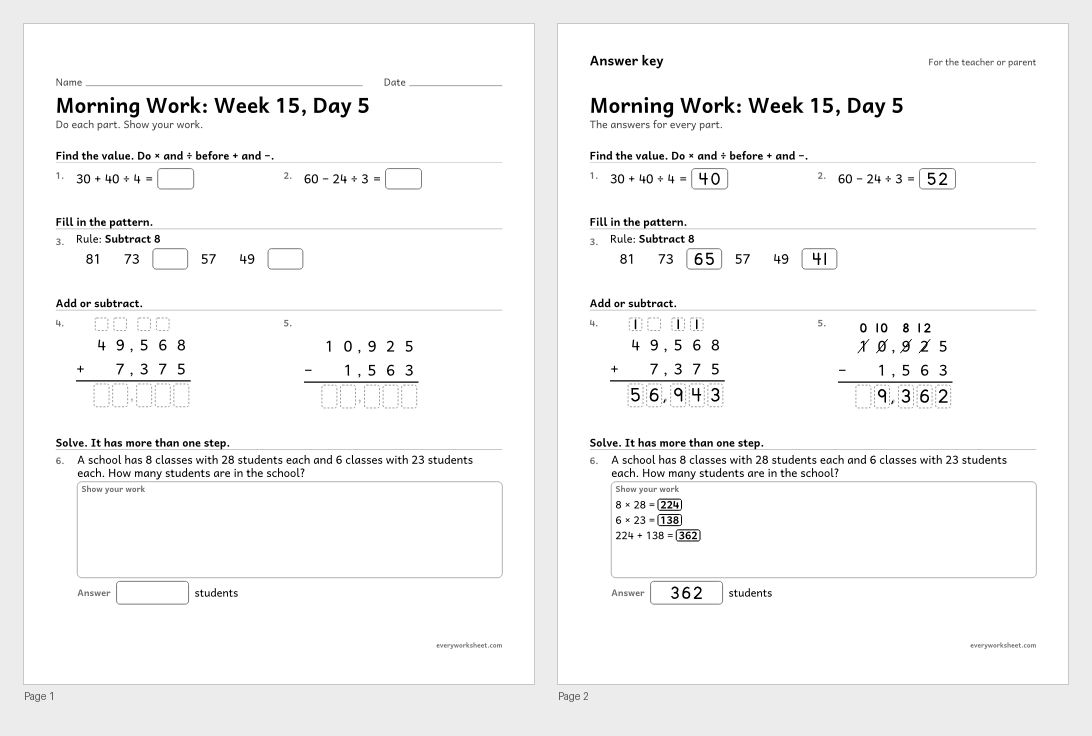 View all 2 pages
Mixed 4th grade math review
Answer key on page 2
2 pages57 KB
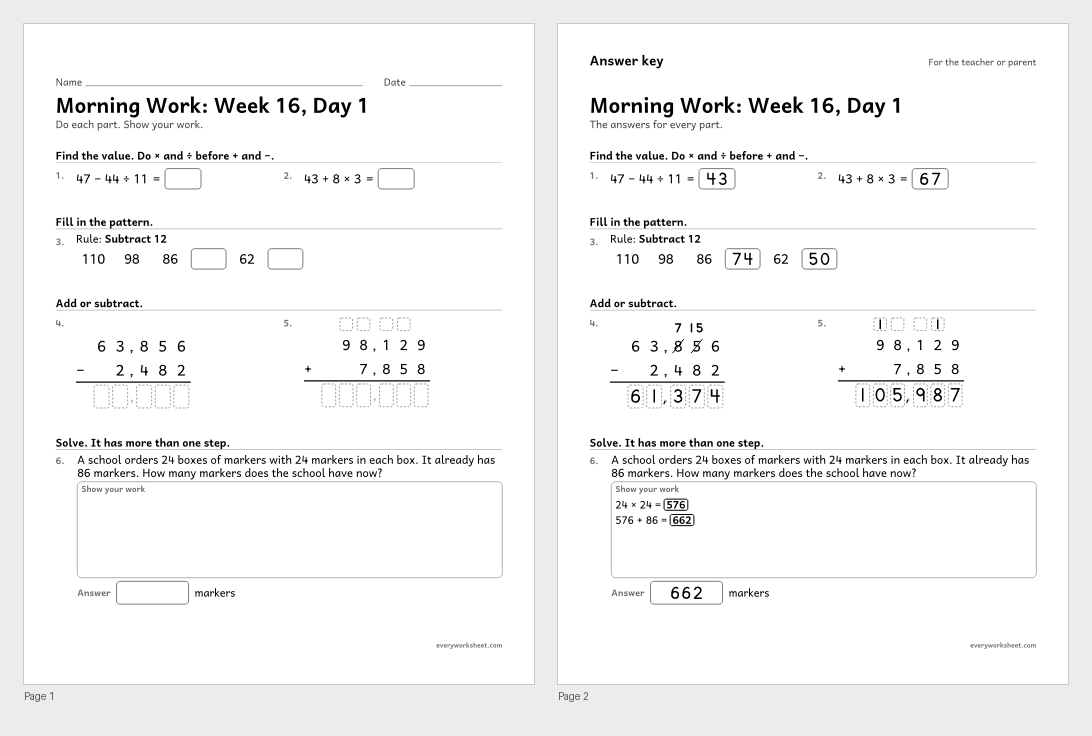 View all 2 pages
Mixed 4th grade math review
Answer key on page 2
2 pages56 KB
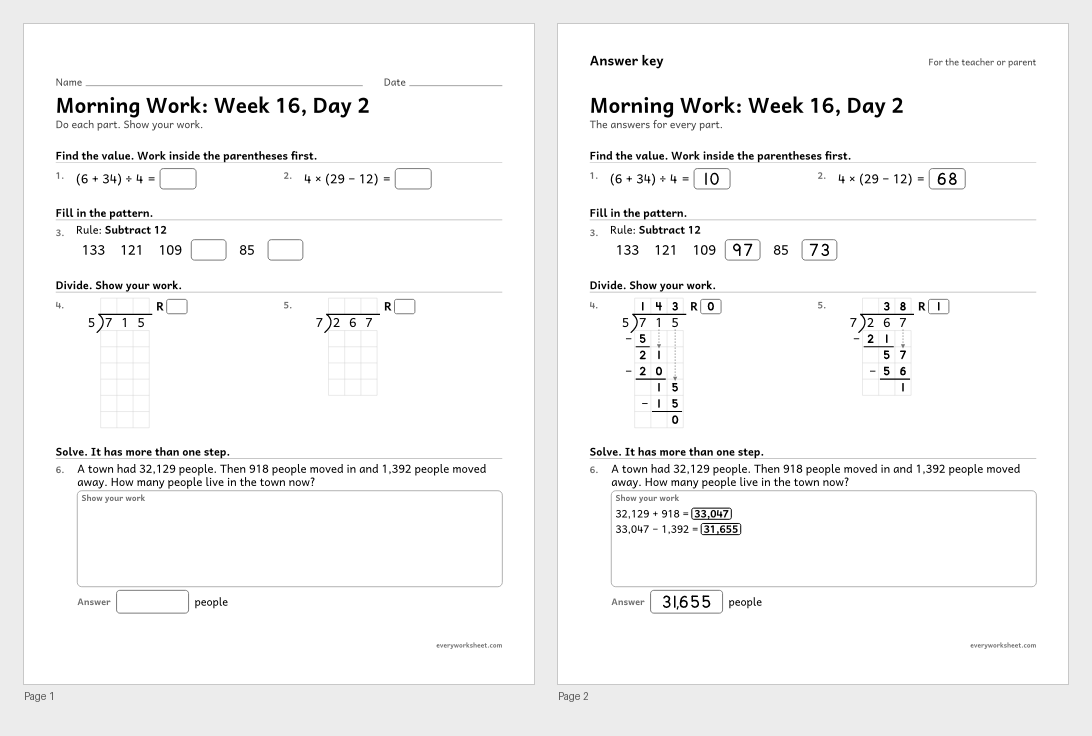 View all 2 pages
Mixed 4th grade math review
Answer key on page 2
2 pages54 KB
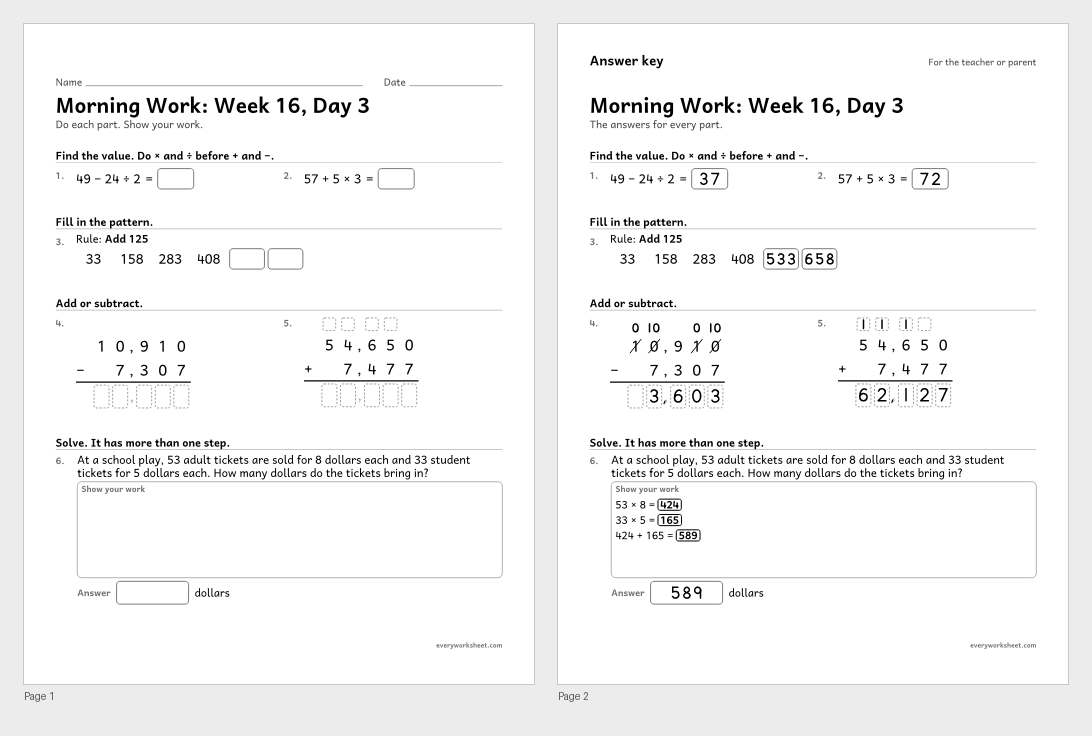 View all 2 pages
Mixed 4th grade math review
Answer key on page 2
2 pages58 KB
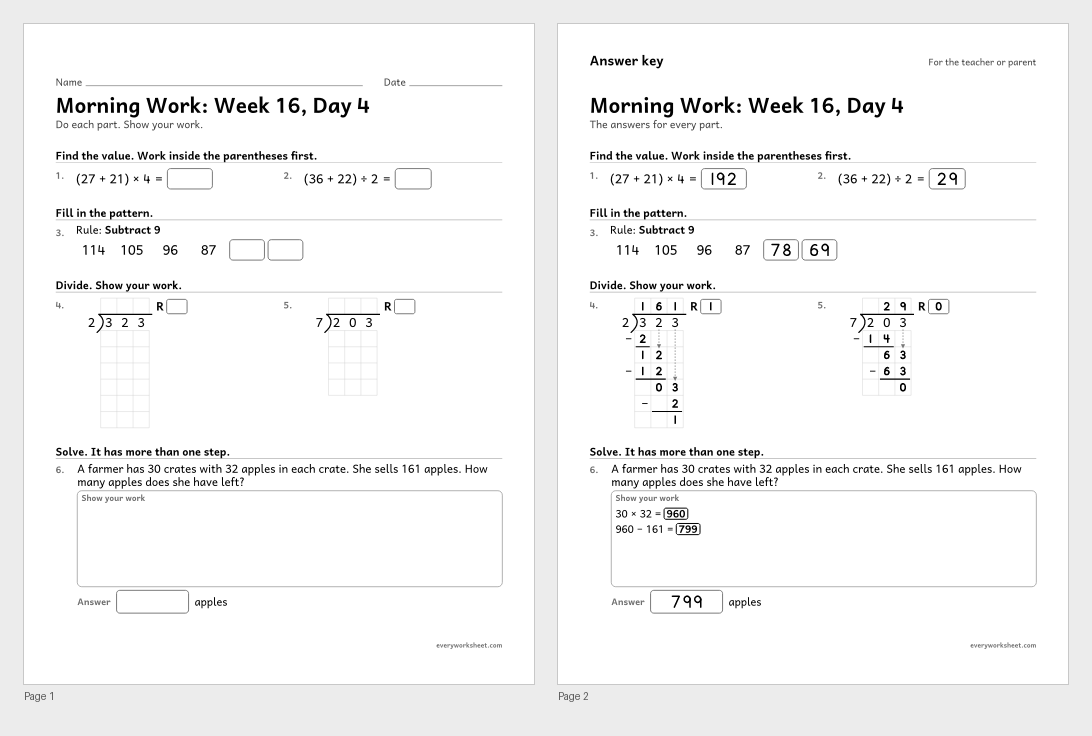 View all 2 pages
Mixed 4th grade math review
Answer key on page 2
2 pages54 KB
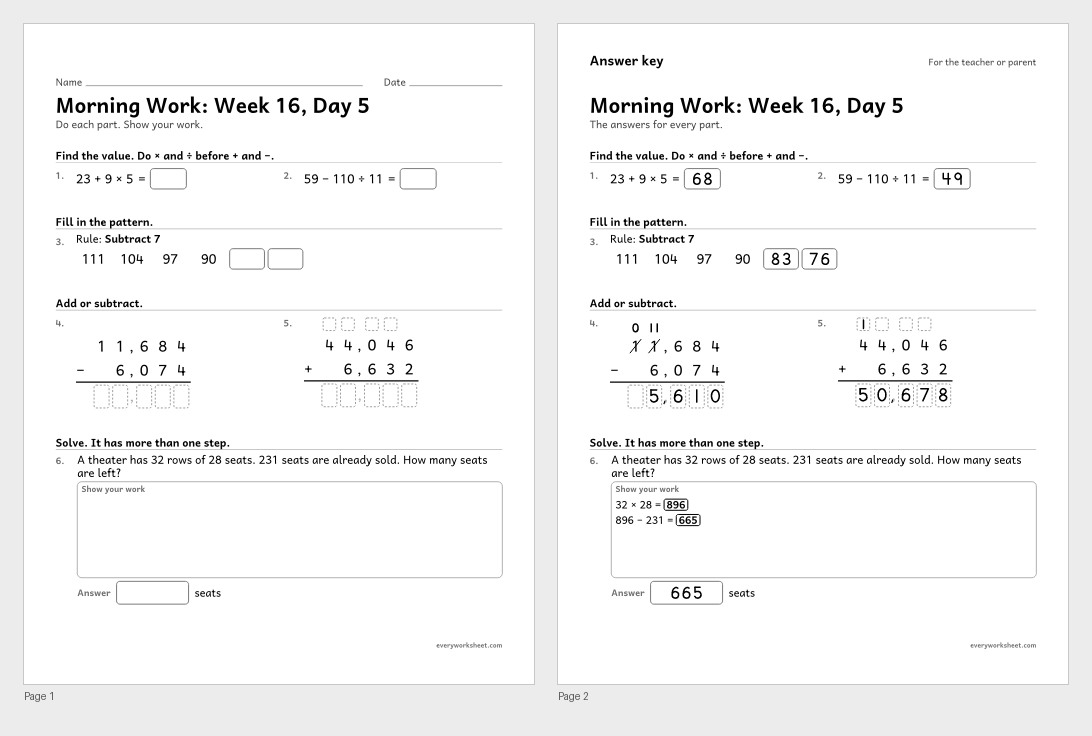 View all 2 pages
Mixed 4th grade math review
Answer key on page 2
2 pages55 KB
Print at 100% (actual size) for the cleanest tracing lines.
Morning work is a short page children do on their own at the start of the day, while the teacher takes attendance. It works best as review: a few problems on skills already taught, done every day, so nothing is forgotten by the end of the year.
This set has 80 pages, one for each school day of 16 weeks, in four blocks that follow the 4th grade year: place value, rounding, adding and subtracting first; then multiplying, factors and multiples; then long division, remainders and 2-digit multiplication; and finally order of operations, patterns and multi-step problems. Each page ends with a word problem.
Every page has an answer key, and every page is different, so the set also works as homework or a quick daily check at home.
CCSS.MATH.CONTENT.4.NBT.A.2Read and write multi-digit whole numbers using base-ten numerals, number names, and expanded form. Compare two multi-digit numbers based on meanings of the digits in each place, using >, =, and < symbols to record the results of comparisons.CCSS.MATH.CONTENT.4.NBT.A.3Use place value understanding to round multi-digit whole numbers to any place.CCSS.MATH.CONTENT.4.NBT.B.4Fluently add and subtract multi-digit whole numbers using the standard algorithm.CCSS.MATH.CONTENT.4.NBT.B.5Multiply a whole number of up to four digits by a one-digit whole number, and multiply two two-digit numbers, using strategies based on place value and the properties of operations. Illustrate and explain the calculation by using equations, rectangular arrays, and/or area models.CCSS.MATH.CONTENT.4.NBT.B.6Find whole-number quotients and remainders with up to four-digit dividends and one-digit divisors, using strategies based on place value, the properties of operations, and/or the relationship between multiplication and division. Illustrate and explain the calculation by using equations, rectangular arrays, and/or area models.CCSS.MATH.CONTENT.4.OA.A.3Solve multistep word problems posed with whole numbers and having whole-number answers using the four operations, including problems in which remainders must be interpreted. Represent these problems using equations with a letter standing for the unknown quantity. Assess the reasonableness of answers using mental computation and estimation strategies including rounding.CCSS.MATH.CONTENT.4.OA.B.4Find all factor pairs for a whole number in the range 1–100. Recognize that a whole number is a multiple of each of its factors. Determine whether a given whole number in the range 1–100 is a multiple of a given one-digit number. Determine whether a given whole number in the range 1–100 is prime or composite.CCSS.MATH.CONTENT.4.OA.C.5Generate a number or shape pattern that follows a given rule. Identify apparent features of the pattern that were not explicit in the rule itself. For example, given the rule "Add 3" and the starting number 1, generate terms in the resulting sequence and observe that the terms appear to alternate between odd and even numbers. Explain informally why the numbers will continue to alternate in this way.A short review page children do on their own at the start of the school day, usually 10 to 15 minutes.
80 pages, one for every school day of 16 weeks, each with an answer key.
Yes. Each page is short and self-contained, so it works well as daily homework too.