Social Studies Worksheets for 3rd Graders
The three branches and local government, rights and responsibilities, scarcity and choices, map scale and regions, landforms, communities, Native nations and immigration.
The social studies year, in order
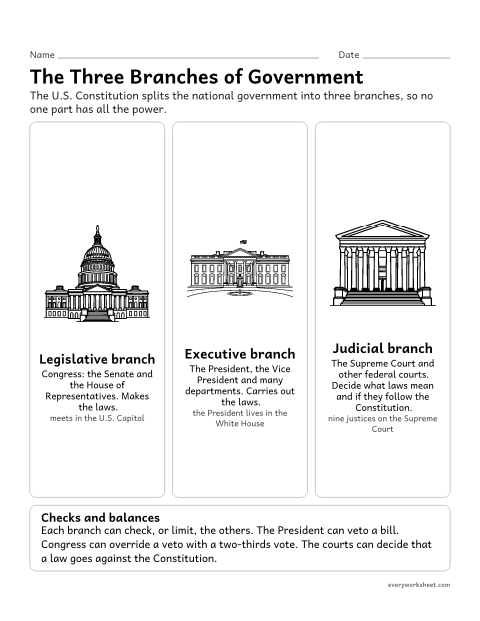
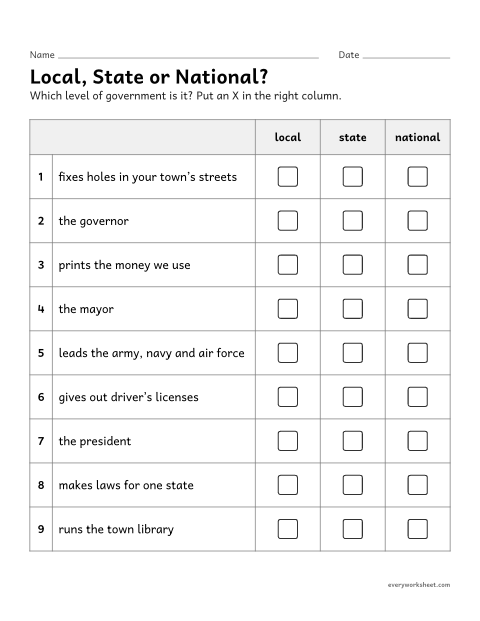
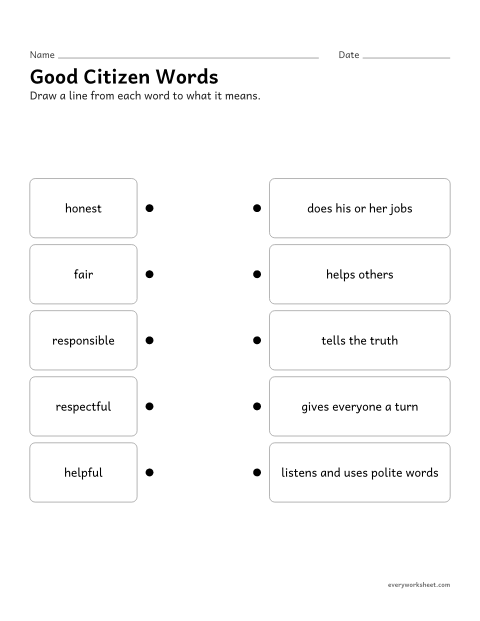
Government and citizenship
34 sheets readyThe three branches, checks and balances, how a bill becomes a law, leaders at each level, local government, rights and responsibilities, and majority votes.
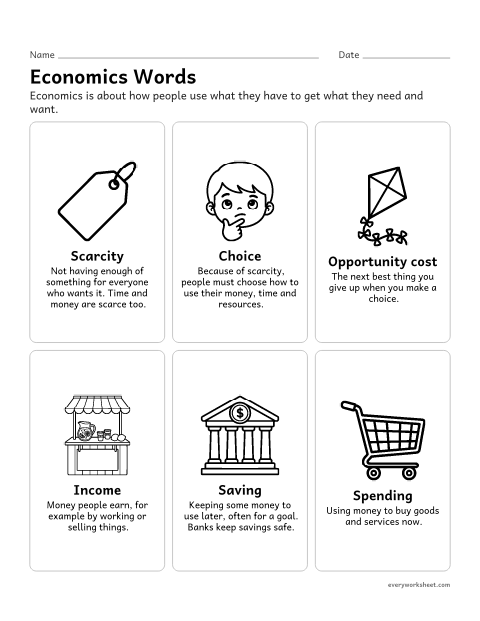
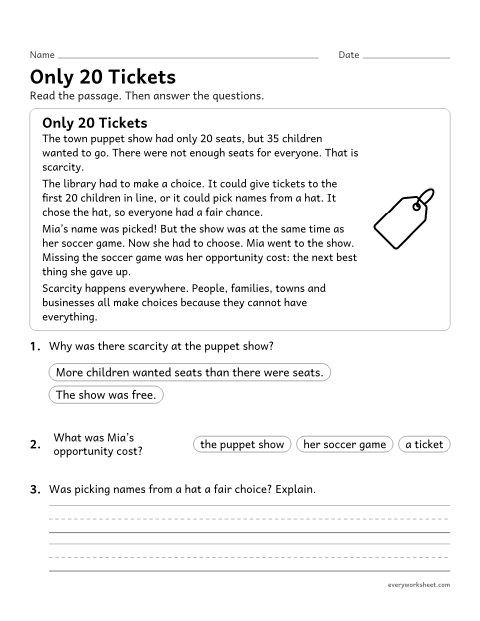
Economics
9 sheets readyScarcity, choices and opportunity cost, benefits and costs, saving for a goal, resources and why people trade.
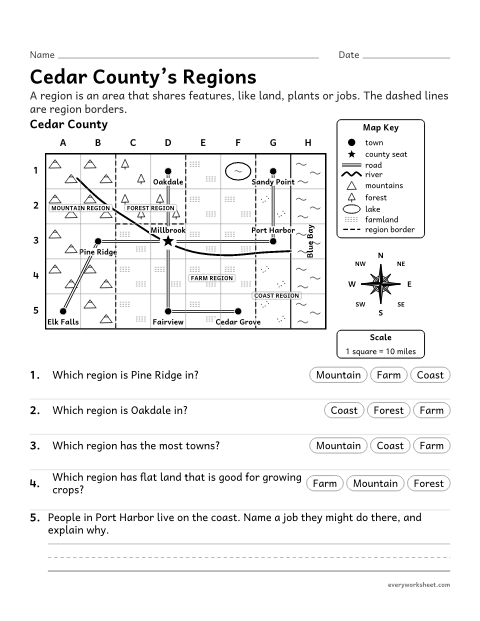
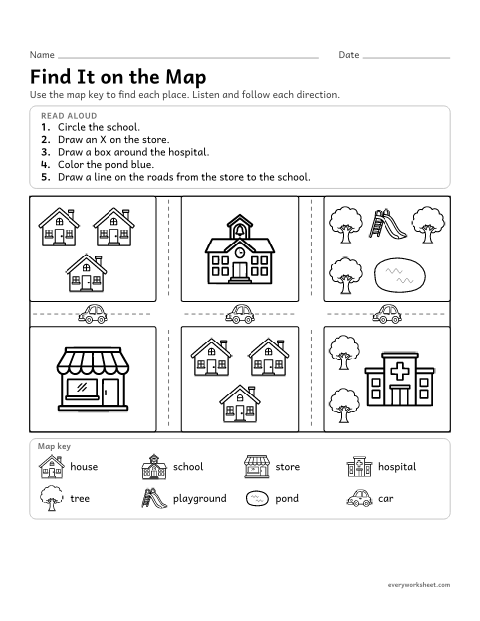
Maps and geography
44 sheets readyParts of a map, grid coordinates, map scale, intermediate directions, regions, types of maps, landforms and where people live.
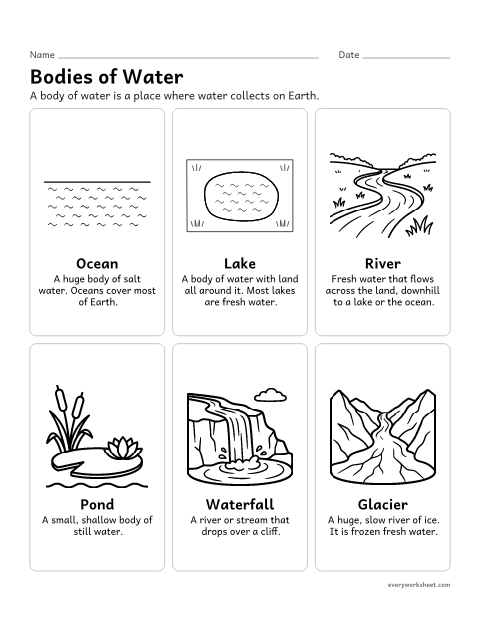
Communities and history
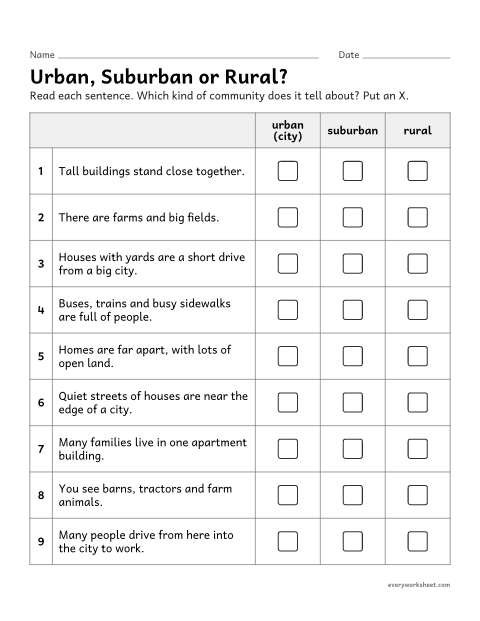
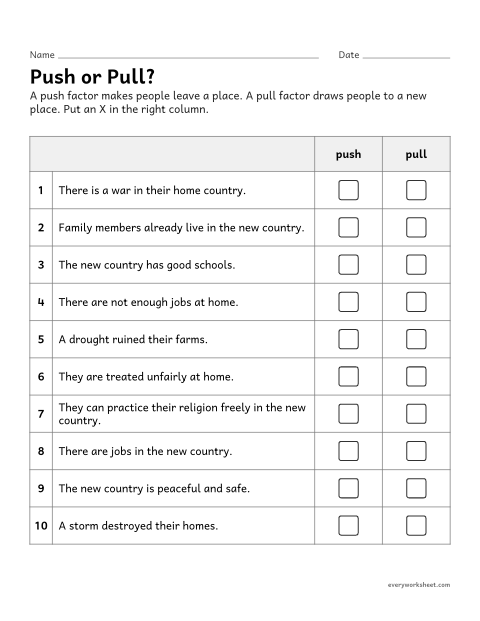
18 sheets readyWhy communities grow near water, a town long ago and today, Native nations and their environments, and immigration.
About social studies worksheets for 3rd graders
Third grade social studies widens the view from the classroom to the community, the state and the country. Children learn how the three branches of government share power, what it means to be a citizen, why every choice has a cost, and how people use maps to understand regions.
These social studies worksheets for 3rd graders follow four strands. Civics pages cover the three branches, local, state and national leaders, how a bill becomes a law, rights and responsibilities and majority votes. Economics pages cover scarcity, opportunity cost, saving, resources and trade. Geography pages use a made-up county map for grids, scale, directions and regions, and cover landforms and where people live. Community and history pages cover how towns grow, life 100 years ago, Native nations and immigration.
Directions are short and clear for 3rd grade readers. Every page is black and white, prints on US Letter or A4, and pages with right answers have an answer key on page 2.
Questions
What social studies do 3rd graders learn?
Most 3rd grade classes study communities and local government, the three branches of government, citizenship, economics such as scarcity, choices and saving, map skills and regions, landforms, and the history of their community, including Native peoples and immigration.
Are the government pages nonpartisan?
Yes. They explain how government works, what each branch does and how citizens take part, without parties, candidates or opinions.
Why do the map pages use a made-up county?
A made-up county lets every child practice the same skills with clear, uncluttered regions, towns and a simple scale. The make-a-map page lets children map their own community.
Are there answer keys?
Yes. Every page with right answers has an answer key on page 2. Posters, planners, interviews and writing pages have no key.