Science Worksheets for 3rd Graders
Weather and climate, natural hazards, inherited traits, life cycles, fossils, adaptations and food chains, forces, motion and magnets, and engineering design.
The science year, in order
Weather, climate and hazards
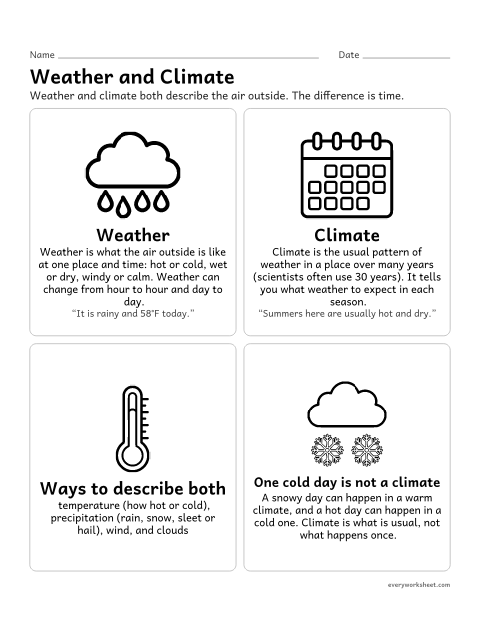
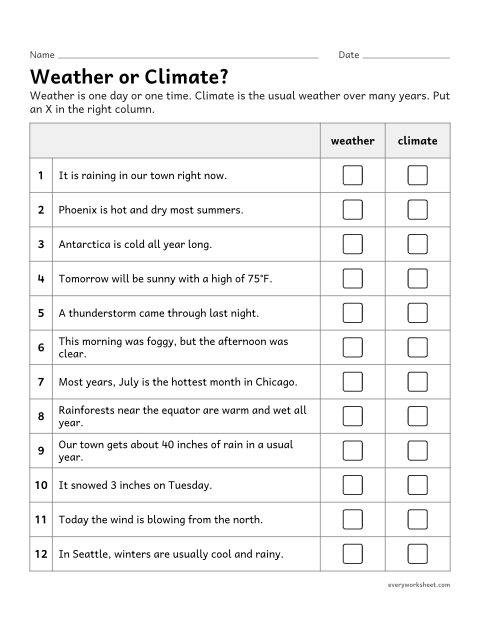
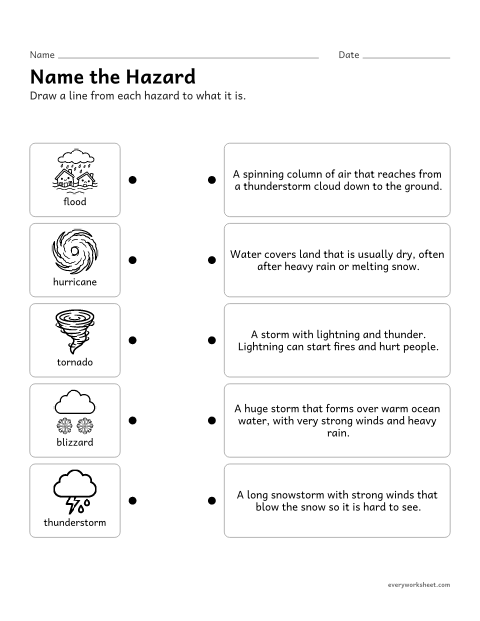
23 sheets readyWeather or climate, weather tools and data, temperature and rain graphs, climate zones, and designs that reduce the damage from weather hazards.
Living things
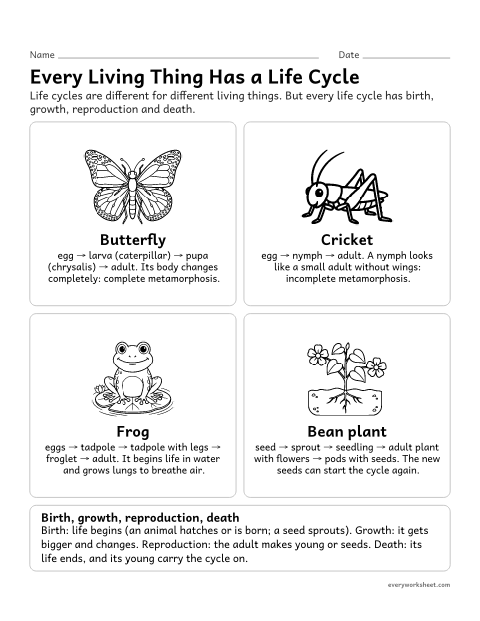
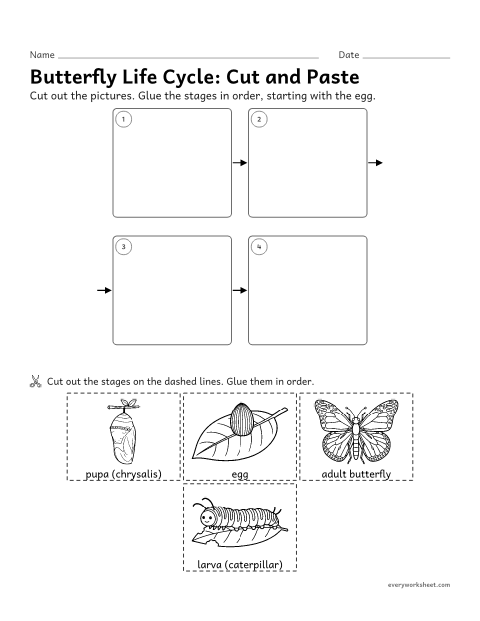
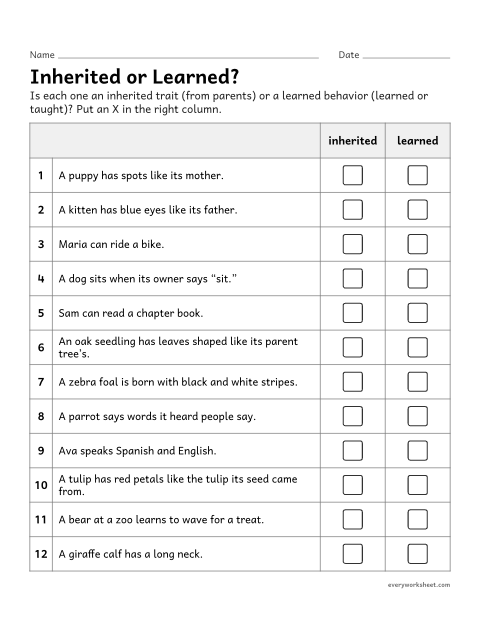
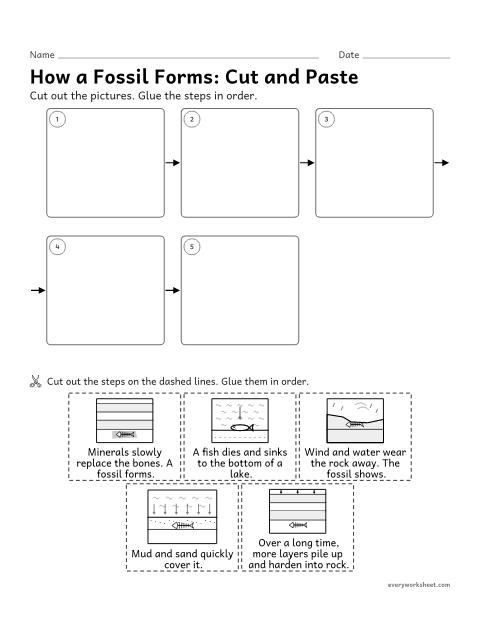
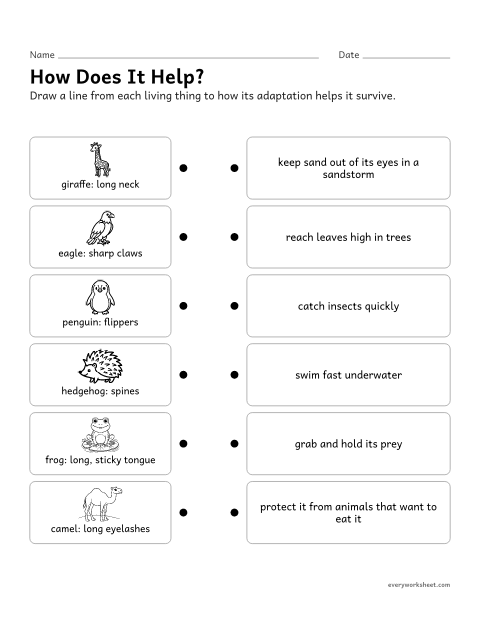
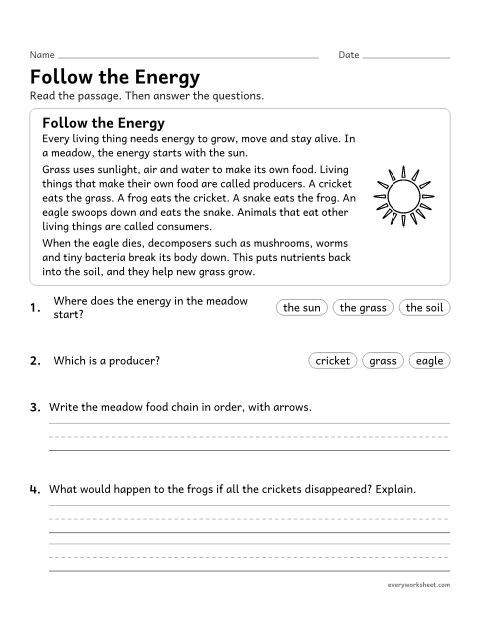
44 sheets readyLife cycles and metamorphosis, inherited traits and the environment, fossils, adaptations and survival, animal groups and food chains.
Forces and interactions
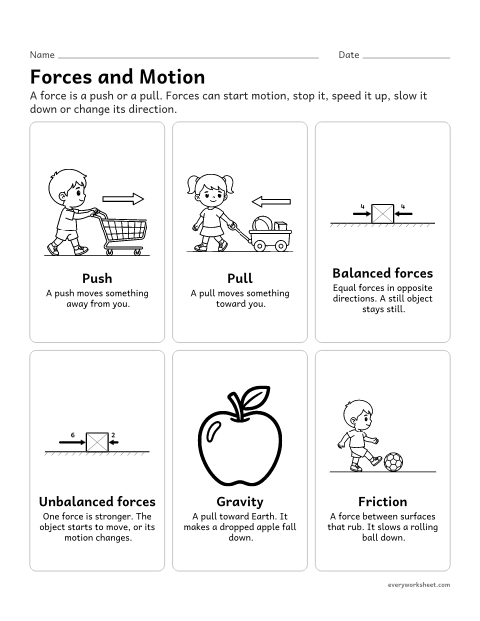
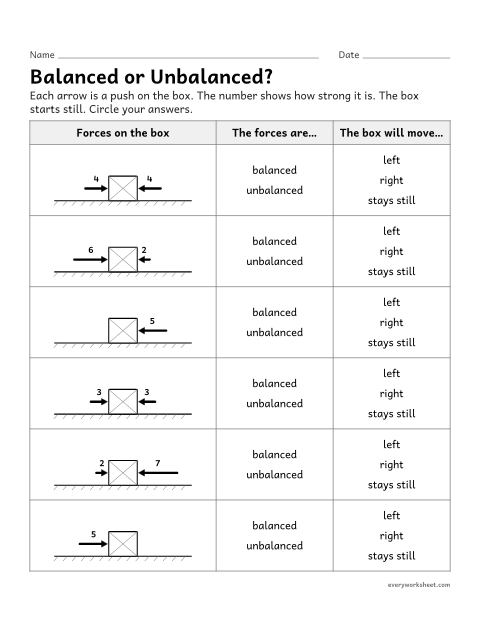
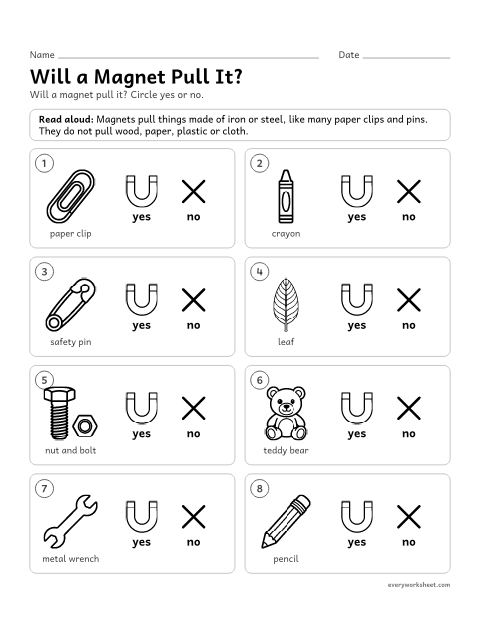
19 sheets readyBalanced and unbalanced forces, friction and gravity, patterns of motion, magnets and static electricity.
Engineering design
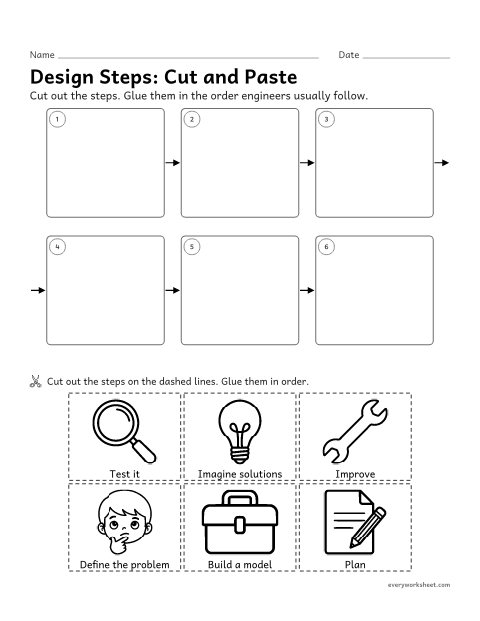
7 sheets readyThe design process, criteria and constraints, fair tests and comparing designs with data.
About science worksheets for 3rd graders
Third grade science asks bigger questions. Why is one city hot and dry while another is cold and snowy? Why does a puppy look like its mother? How did sea shells end up on a mountain? What makes a box start to move, and how can a magnet pull without touching?
These science worksheets for 3rd graders follow four strands. Earth pages cover weather and climate, climate zones and natural hazards. Life science pages cover life cycles, inherited traits and the environment, fossils, adaptations, animal groups and food chains. Physical science pages cover balanced and unbalanced forces, patterns of motion, magnets and static electricity. Engineering pages teach the design process, criteria and constraints and fair tests.
Children read data tables and bar graphs, make claims with evidence and build and test their own designs. Every page is black and white, prints on US Letter or A4, and pages with right answers have an answer key on page 2.
Questions
What science do 3rd graders learn?
Most 3rd grade science covers weather and climate and how people reduce the damage from weather hazards; life cycles, inherited traits, fossils, adaptations and how living things survive; forces, motion and magnets; and the engineering design process.
Do these worksheets need special materials?
Most pages need only a pencil. Investigations use simple things like a toy car and a ramp, magnets and paper clips, a washer on a string, bean seeds, paper, straws and pennies.
Do the pages use real data?
Many do: monthly temperatures and climate data for real U.S. cities are rounded long-term averages. Other data sets are made up for practice and say so.
Are there answer keys?
Yes. Every page with right answers has an answer key on page 2. Posters, vocabulary cards, planners and design challenges have no key.